

ProductPRODUCT
Featured products
Contact Us
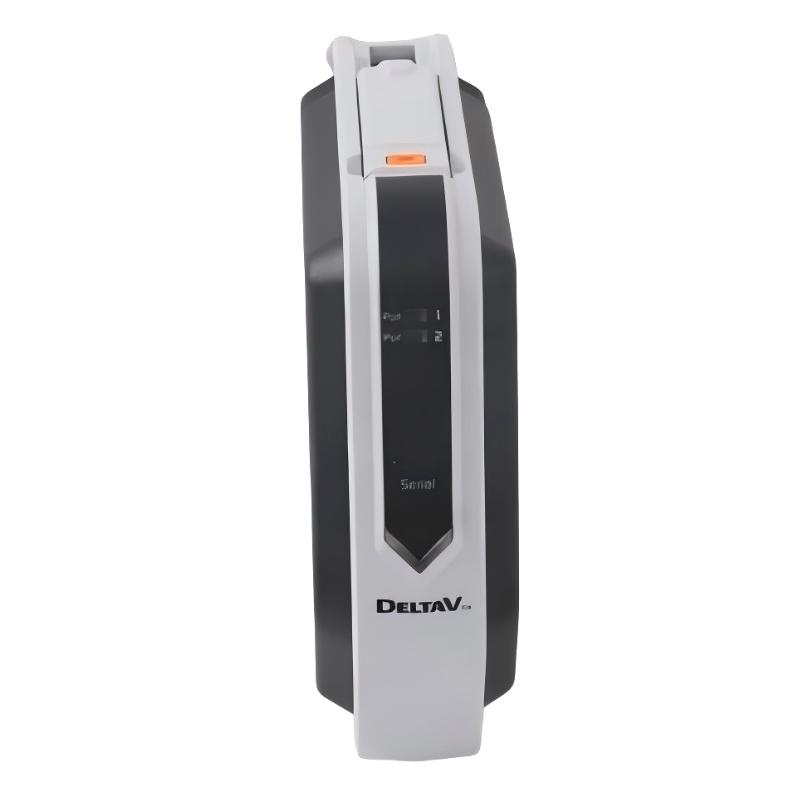
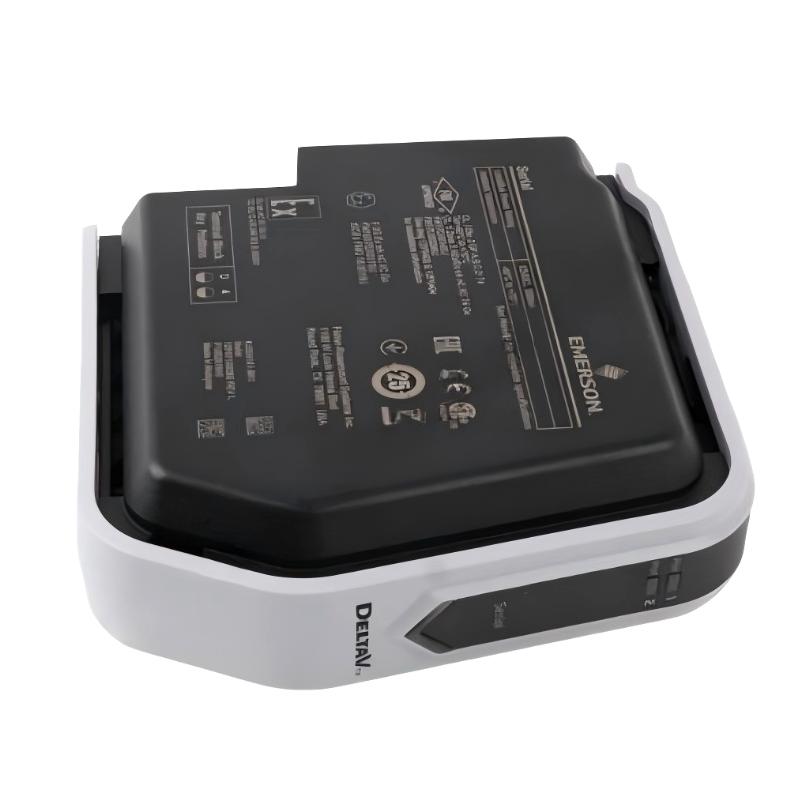
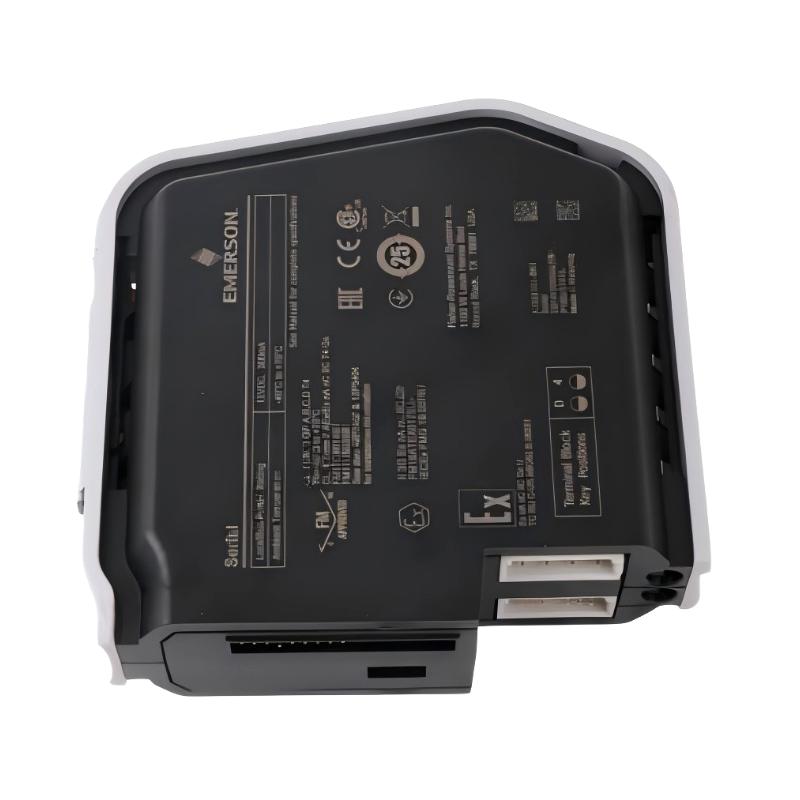
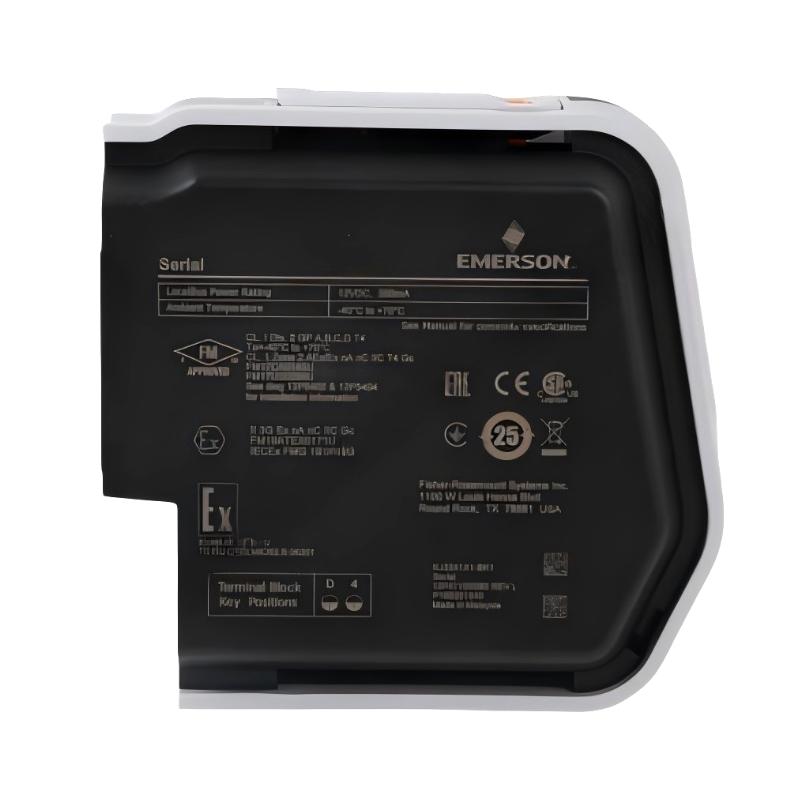
- Emerson
- SE4032S1T2B8
- Redundant Discrete Output Card
- USA
- 131 × 41.8 × 130.8 mm
- 0.45 kg
- Xiamen, China
- New & In Stock
- T/T, PayPal, Western Union
- 1 Year
- 1-3 Working Days
- DHL, UPS, TNT, FedEx and EMS.
- 24-Hour Service
- COO
- 17
Our advantage

Global Logistics
We have a 10-year logistics and express cooperation agreement, so our products can be shipped to any place in the world.

Brand new and original
Our products are imported in bulk from the place of origin. Because of the cooperative relationship, our products are all original and 100% new.

24-hour service
We provide 7*24 hours service to our customers. We will be there whenever you need us.

Price advantage
All our products are priced very favorably because we have our own warehouse and supply.
| Company Information | |||
| [email protected] | |||
| Mobile | +8615980777398 | ||
| +8615980777398 | |||
| 15980777398 |
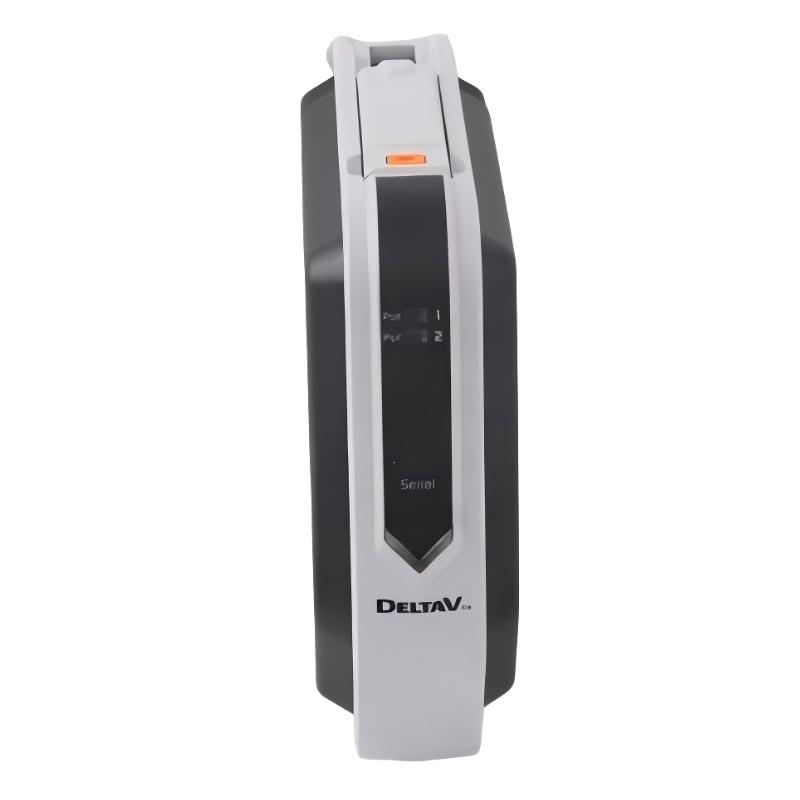
Product Overview
The Emerson SE4032S1T2B8 DeltaV S-series Redundant Discrete Output Card is a redundant discrete output solution for DeltaV S-series control systems. It is used to send binary control commands from the DeltaV controller to field devices while maintaining a redundant output path for applications where loss of a single I/O card should not immediately interrupt the associated control function.
The SE4032S1T2B8 belongs to the S-series redundant discrete output family and uses paired output cards within the redundant I/O arrangement. It is suited to field commands involving solenoid valves, contactors, relays, motor-control circuits, and other compatible discrete loads.
The output command originates in DeltaV control logic and is transferred through the redundant I/O structure toward the field device. The system can monitor the condition of the output path and identify card or channel-related problems through its diagnostic functions.
This configuration is particularly useful in continuous process applications where discrete outputs are associated with equipment permissives, valve commands, auxiliary machinery, or other control functions that require attention to I/O availability. Proper card pairing, terminal-block selection, field power, and load compatibility should be checked during installation.
Technical Specifications
| Parameter | Specification |
|---|---|
| Product Type | Redundant Discrete Output Card |
| Product Series | DeltaV S-series |
| Model | SE4032S1T2B8 |
| Number of Output Channels | 32 |
| Output Type | Discrete Output |
| Configuration | Redundant |
| Card Arrangement | 2 × Discrete Output Cards |
| Terminal Block | Redundant Terminal Block |
| Application | Discrete Actuator and Equipment Control |
| Dimensions | 131 × 41.8 × 130.8 mm |
| Weight | 0.45 kg |
Product Features
- 32-channel redundant discrete output capacity for large-scale field-device control.
- Uses a paired-card arrangement to support output redundancy.
- Part of the DeltaV S-series traditional I/O platform.
- Suitable for controlling multiple discrete field devices from a centralized control system.
- Supports output functions used for valves, relays, contactors, motor-control interfaces, and auxiliary equipment.
- Reduces the dependence on a single output-card path for critical control functions.
- Supports DeltaV diagnostics for identifying abnormal I/O conditions.
- Well suited to process installations with a high number of discrete output signals.
Working Principle
The SE4032S1T2B8 receives discrete commands from DeltaV application logic and transfers those commands through the redundant output architecture toward the connected field equipment.
DeltaV Controller → SE4032S1T2B8 Redundant Output Pair → Redundant Terminal Block → Field Devices
The control sequence typically works as follows:
- DeltaV control logic determines the required ON or OFF state.
- The output command is delivered to the redundant discrete output configuration.
- The paired output cards handle the corresponding redundant output function.
- The terminal block connects the output path to the field wiring.
- The field actuator responds to the electrical command.
- DeltaV monitors the I/O condition and reports applicable diagnostics to the control environment.
For larger process units, the 32-channel capacity allows more discrete control functions to be concentrated within the same I/O architecture. Field power, load characteristics, wiring, and output protection still need to be evaluated according to the connected equipment.
Role in a DeltaV S-series Control Architecture
The SE4032S1T2B8 forms part of the discrete output layer between the DeltaV controller and field actuators, converting software-based control decisions into physical equipment commands.
DeltaV Controller → Redundant Output Card Pair → Terminal Block → Field Actuator → Process Equipment
| System Element | Typical Function |
|---|---|
| DeltaV Controller | Executes control logic and generates discrete commands |
| SE4032S1T2B8 | Provides redundant discrete output functions |
| Redundant Terminal Block | Connects the output card pair to field wiring |
| Field Power Supply | Supplies the required electrical power to compatible loads |
| Solenoid Valve | Performs electrically commanded valve movement |
| Relay / Contactor | Switches downstream electrical equipment |
| Motor Starter | Provides discrete motor start/stop control |
| Field Actuator | Carries out the controller’s command |
| Operator Station | Displays output states and equipment conditions |
| Engineering Station | Provides configuration and I/O diagnostics |
Industrial Applications
| Application | Typical Use |
|---|---|
| Process Automation | Control of valves, relays, contactors, and auxiliary equipment |
| Oil and Gas | Solenoid operation, valve commands, and equipment control |
| Chemical Plants | Discrete actuator control across process units |
| Power Generation | Auxiliary equipment commands and electrical switching functions |
| Compressor Stations | Control of solenoids, starters, and supporting equipment |
| Pump Systems | Pump start/stop commands and valve operation |
| Water Treatment | Discrete control of pumps, valves, blowers, and treatment equipment |
| Manufacturing | Control commands for production machinery and material-handling equipment |
| Large Process Units | High-density discrete output control across distributed field devices |
Installation and Maintenance
- Confirm that the SE4032S1T2B8 is the correct redundant discrete output configuration for the DeltaV system.
- Verify the required redundant terminal block and associated connection hardware.
- Install the paired output cards according to the approved DeltaV S-series redundant I/O arrangement.
- Confirm that both cards are recognized as the intended redundant configuration.
- Check the field power supply before connecting output loads.
- Verify each channel’s field wiring and terminal assignment.
- Confirm that connected loads are electrically compatible with the output configuration.
- Keep field output wiring properly separated from high-energy circuits where necessary.
- Configure the output channels and associated control logic in the DeltaV engineering environment.
- Test representative output points and confirm that the commanded field devices respond correctly.
- Review DeltaV diagnostics if an individual channel or card reports an abnormal condition.
- If multiple outputs fail together, inspect common field power, terminal connections, card seating, and system configuration.
- During maintenance, verify the redundant path before removing one of the paired cards.
- After replacement, confirm card recognition, redundancy status, diagnostics, and actual field-device operation.
A failed actuator command can originate from the controller logic, I/O configuration, card, terminal block, field power supply, wiring, or the actuator itself. Troubleshooting should therefore follow the complete signal path rather than replacing the output card immediately.
Related Components
| Component | Function |
|---|---|
| DeltaV S-series Controller | Generates discrete output commands |
| Redundant Terminal Block | Provides field connections for the redundant output arrangement |
| S-series I/O Carrier | Provides the I/O mounting and system interface |
| 24 V DC Field Supply | Supplies compatible discrete output circuits |
| Solenoid Valves | Convert electrical commands into valve movement |
| Contactors | Switch motors and other electrical loads |
| Interposing Relays | Interface selected field loads with the I/O output |
| Motor Starters | Execute discrete motor control commands |
| DeltaV Engineering Station | Provides configuration and diagnostics |
| DeltaV Operator Station | Displays output states, alarms, and equipment conditions |
Recommended Related Models
| Model / Series | Product Type | Typical Application |
|---|---|---|
| SE4032S1T2B8 | DeltaV S-series Redundant Discrete Output Card | High-density redundant discrete output control |
| SE4032S1T2B1 | DeltaV S-series Redundant Discrete Output Card | Redundant discrete output applications |
| SE4002S1T2B1 | DeltaV S-series Discrete Output Card | Standard 8-channel discrete output control |
| SE4002S1T2B2 | DeltaV S-series Discrete Output Card | Discrete output applications with associated terminal arrangements |
| SE4002S1T2B3 | DeltaV S-series Discrete Output Card | Standard discrete field-device control |
| SE4002S1T1B1 | DeltaV S-series Isolated Discrete Output Card | Isolated discrete output applications |
| SE4002S1T1B2 | DeltaV S-series Isolated Discrete Output Card | Isolated output applications with specialized field interfaces |
| DeltaV S-series I/O | Modular I/O Platform | Distributed process-control applications |
Key Advantages
- 32-channel redundant output capacity supports a large number of discrete field commands.
- Redundant card architecture reduces reliance on a single physical output path.
- Suitable for continuous process systems with numerous discrete actuators.
- Integrates with the DeltaV S-series control architecture.
- Supports centralized control of valves, relays, contactors, and other compatible field devices.
- Useful for applications where I/O availability must be considered during maintenance and fault handling.
- Provides a practical option when a process unit requires more discrete outputs than a smaller redundant configuration.
Technical FAQs
Why would a process plant use SE4032S1T2B8 instead of a standard discrete output card?
The main reason is the combination of high output density and redundancy. A process unit with many discrete actuators can use the 32-channel configuration while retaining a redundant I/O arrangement for applications where output availability is important.
How should the 32 output channels be treated in a redundant configuration?
The 32-channel rating refers to the output capacity of the configured redundant I/O function, not simply to 64 independent field outputs. The paired cards are intended to support redundancy for the associated output functions.
What field loads are commonly connected to this type of output?
Typical applications include compatible solenoid valves, relays, contactors, motor-control interfaces, and other discrete actuators. The electrical characteristics and load requirements of each field device should be checked against the applicable output configuration before connection.
What is a good troubleshooting approach when several output points stop working?
First check whether the problem is common to the affected channels. Field power, terminal-block connections, card seating, redundant configuration, and DeltaV diagnostics should be checked before troubleshooting individual actuators. A common failure across many channels often points to a shared I/O or power-path issue rather than multiple simultaneous field-device failures.