

ProductPRODUCT
Featured products
Contact Us
- Bently Nevada
- CB2W100-15
- Interconnect Cable
- USA
- 15 feet
- 3 kg
- Xiamen, China
- New & In Stock
- T/T, PayPal, Western Union
- 1 Year
- 1-3 Working Days
- DHL, UPS, TNT, FedEx and EMS.
- 24-Hour Service
- COO
- 30
Our advantage

Global Logistics
We have a 10-year logistics and express cooperation agreement, so our products can be shipped to any place in the world.

Brand new and original
Our products are imported in bulk from the place of origin. Because of the cooperative relationship, our products are all original and 100% new.

24-hour service
We provide 7*24 hours service to our customers. We will be there whenever you need us.

Price advantage
All our products are priced very favorably because we have our own warehouse and supply.
| Company Information | |||
| [email protected] | |||
| Mobile | +8615980777398 | ||
| +8615980777398 | |||
| 15980777398 |
Product Overview
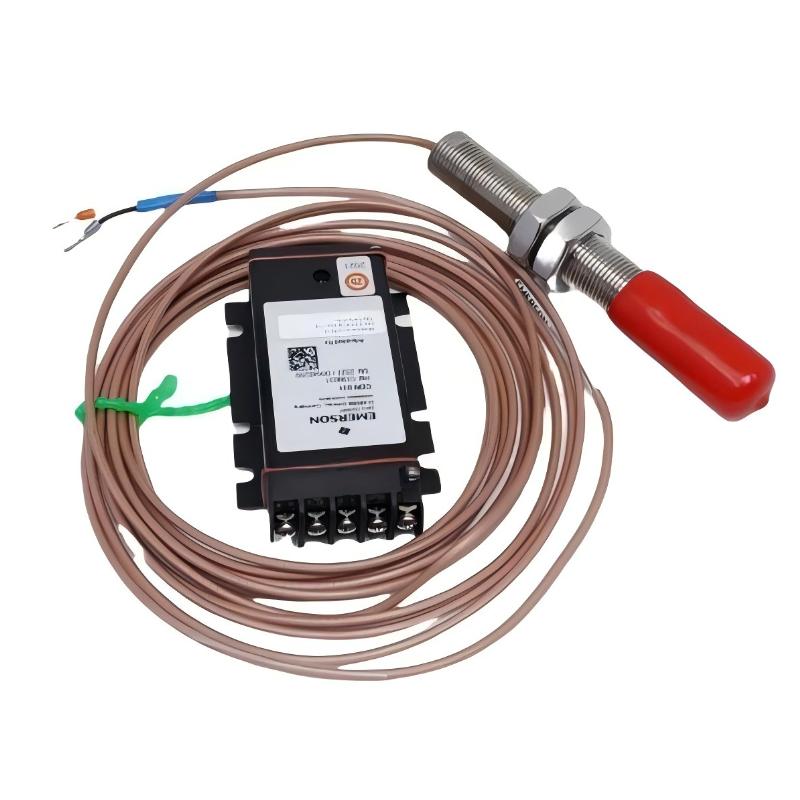
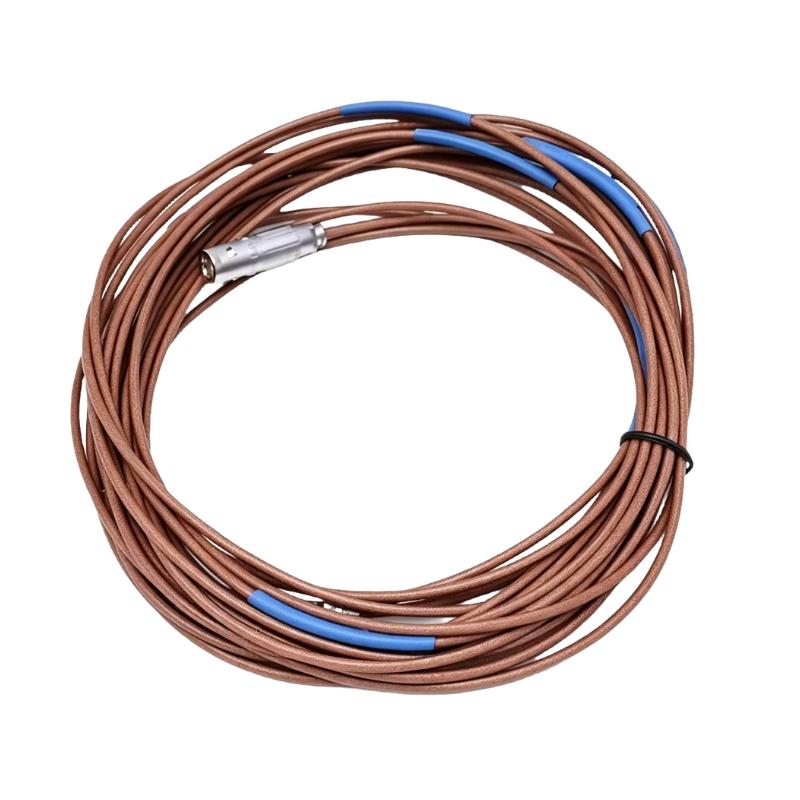
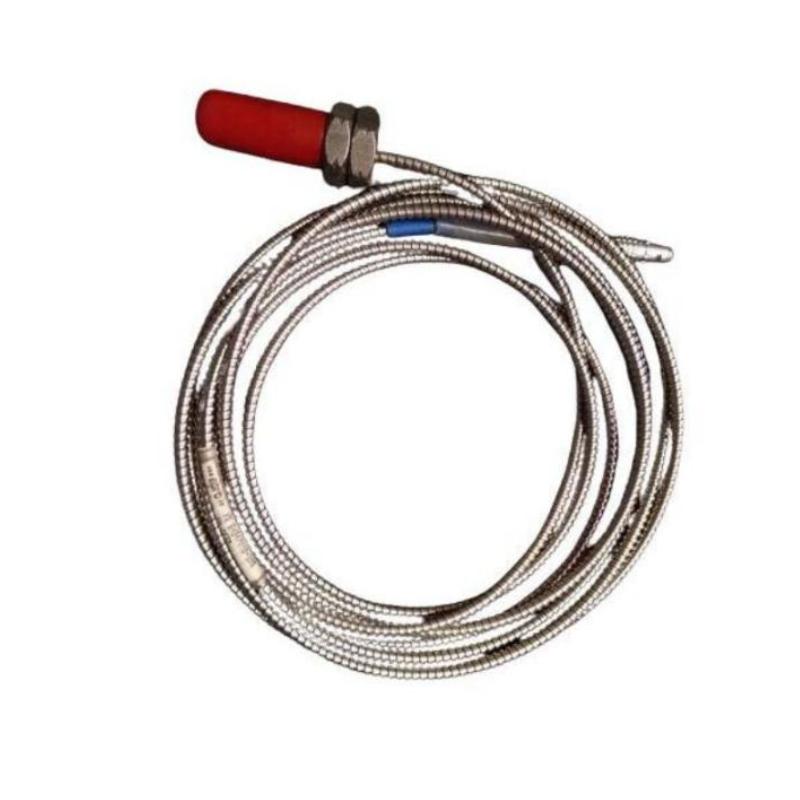
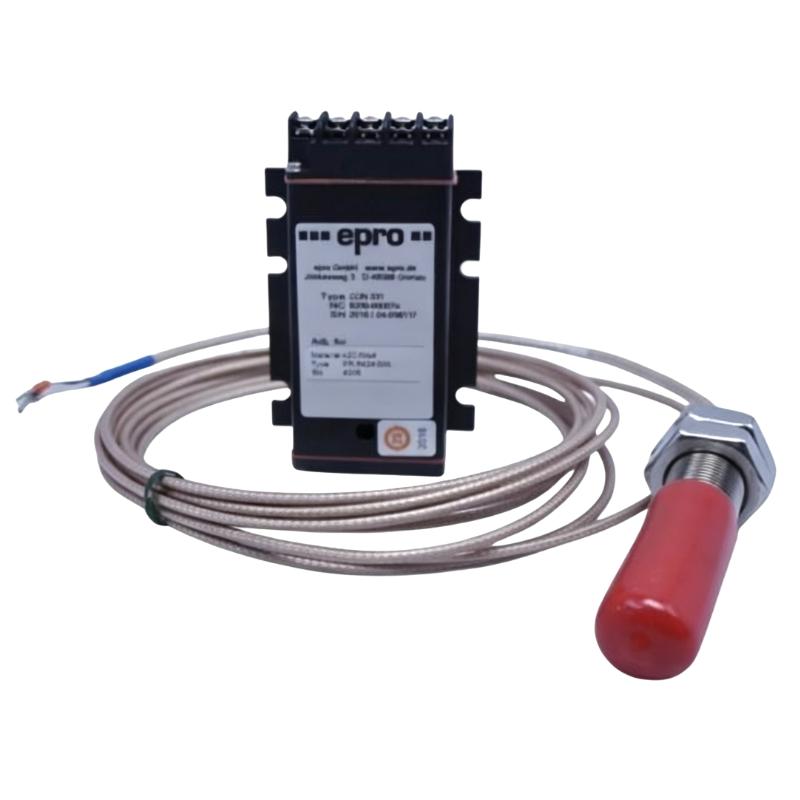
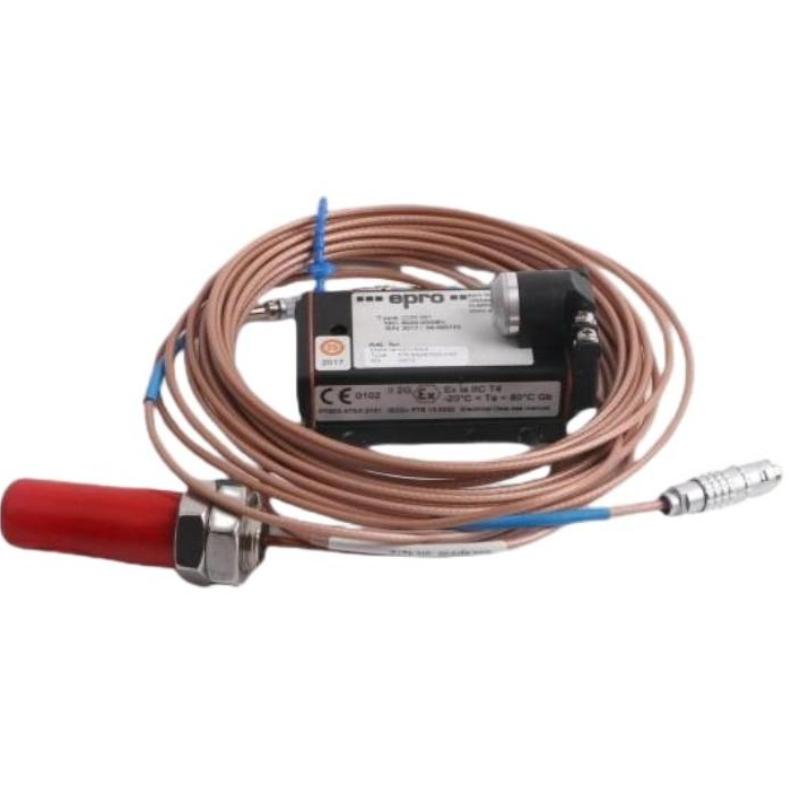
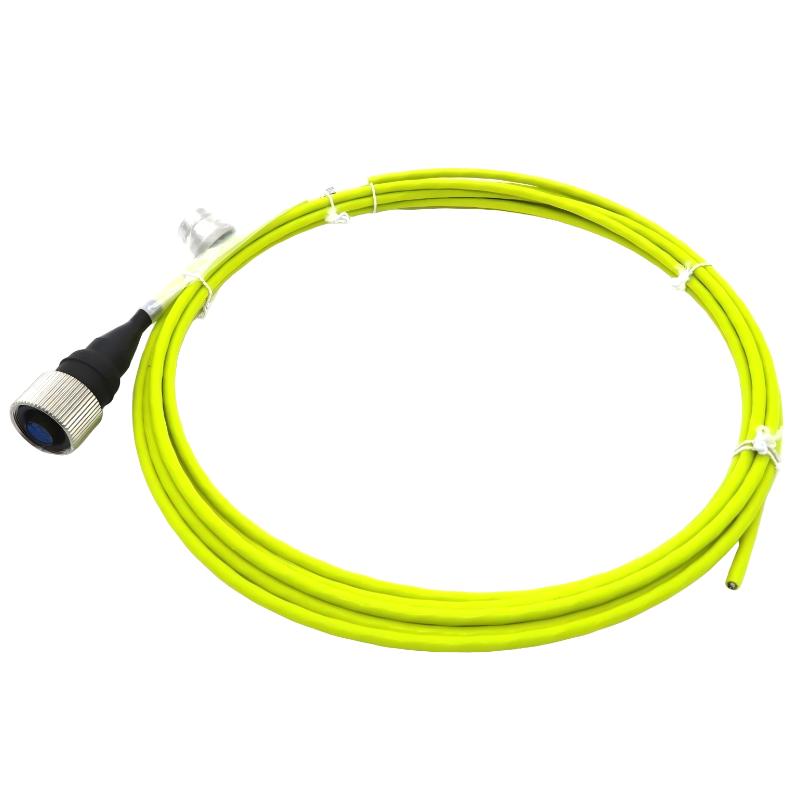
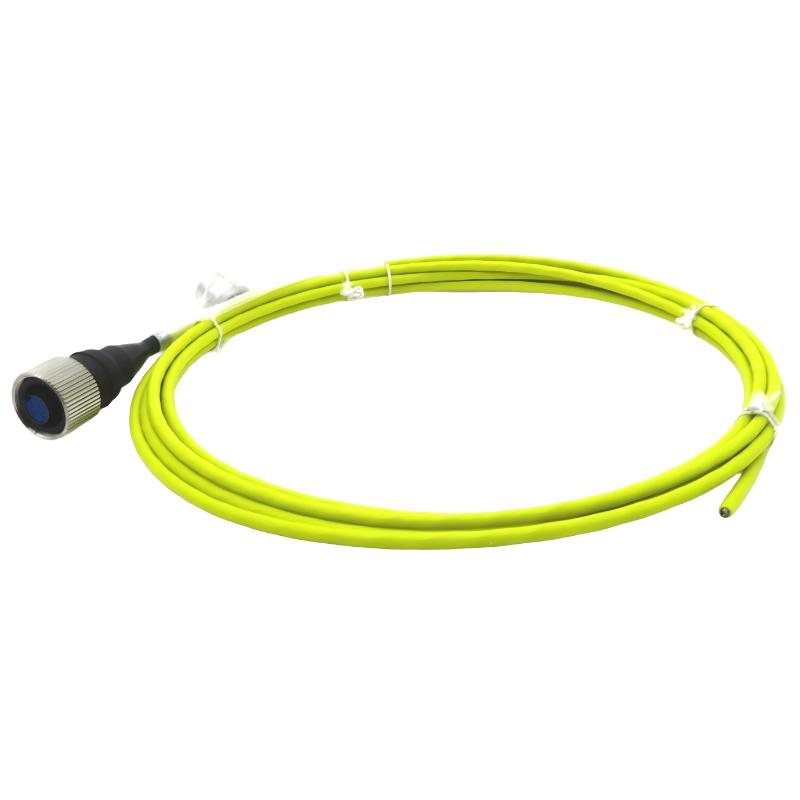
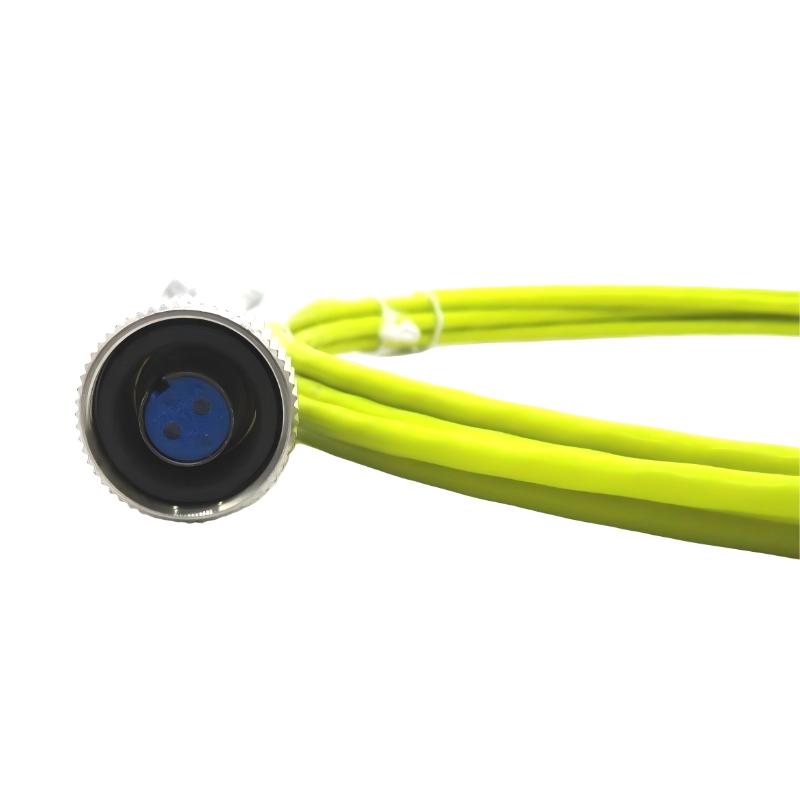
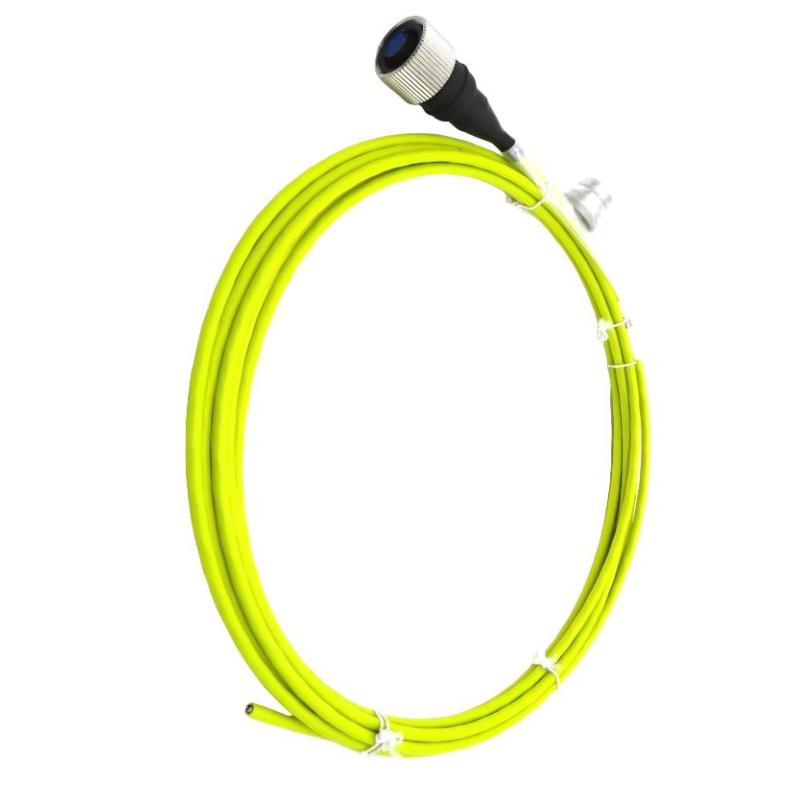
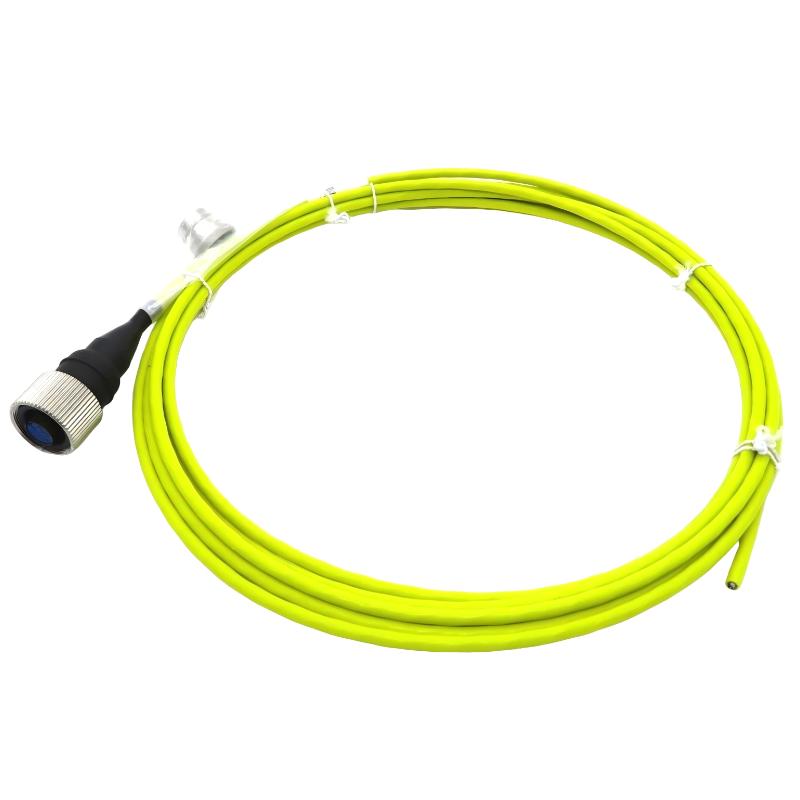
The Bently Nevada CB2W100-15 is a 2300 Series interconnect cable used to connect compatible components within a machinery monitoring system. It forms part of the electrical signal path between field-side sensing or interface equipment and the associated monitoring hardware.
With a 15-foot cable length, the CB2W100-15 is suited to installations where the monitored machine and the monitoring equipment are positioned within a relatively compact equipment area. It can simplify the connection between field instrumentation and a nearby monitoring unit while allowing sufficient routing flexibility around machinery and control cabinets.
The cable can be used in vibration and condition-monitoring installations for pumps, motors, compressors, fans, and other rotating equipment. Its function is limited to signal interconnection; measurement analysis and machinery-condition evaluation are performed by the associated monitoring equipment.
For maintenance work, the cable should be inspected together with the connected sensor and monitoring channel. Loose connectors, conductor damage, excessive mechanical stress, or unsuitable routing can interrupt the signal and create symptoms that resemble a sensor or monitoring-module fault.
Technical Specifications
| Parameter | Specification |
|---|---|
| Manufacturer | Bently Nevada |
| Model | CB2W100-15 |
| Product Family | 2300 Series |
| Product Type | Interconnect Cable |
| Primary Function | Signal interconnection between compatible monitoring components |
| System Role | Monitoring signal connection |
| Application | Machinery vibration and condition monitoring |
| Cable Length | 15 feet |
| Shipping Weight | 3 kg |
Product Features
- 2300 Series interconnect cable for compatible Bently Nevada monitoring equipment.
- Provides an electrical signal path between associated monitoring components.
- 15-foot cable length for compact machinery monitoring installations.
- Suitable for vibration and condition-monitoring applications.
- Supports connection between field instrumentation and monitoring equipment.
- Can be routed through machinery and control-panel installations.
- Useful for replacement of worn, damaged, or failed monitoring cables.
- Suitable for maintenance and refurbishment of compatible 2300 Series systems.
Working Principle
The CB2W100-15 functions as a passive electrical connection within the monitoring channel. Signals from the connected field sensor or interface equipment travel through the cable toward the compatible 2300 Series monitoring equipment.
Field Sensor / Interface → CB2W100-15 → 2300 Series Monitoring Equipment → Alarm / Control System
The cable does not generate the measurement or perform vibration analysis. Its purpose is to maintain signal continuity between the connected components. Proper connector engagement and conductor integrity are therefore essential to the operation of the complete measurement channel.
If the cable develops an open circuit, damaged termination, or intermittent connection, the monitoring equipment may receive an incomplete or unstable signal. This can result in missing readings, intermittent alarms, or abnormal monitoring values.
Role in a Bently Nevada 2300 Series Monitoring Architecture
The CB2W100-15 occupies the interconnection stage between field measurement equipment and the 2300 Series monitoring device. Its relatively short cable length is practical where these components are installed within the same machinery or control area.
Rotating Machinery → Sensor / Interface → CB2W100-15 → 2300 Series Monitor → Alarm / Control System
| System Element | Function |
|---|---|
| Rotating Machinery | Generates the mechanical condition being monitored |
| Sensor / Field Interface | Detects vibration or machine-related information |
| CB2W100-15 | Transfers the measurement signal |
| 2300 Series Monitor | Receives and evaluates the monitoring signal |
| Alarm / Control System | Provides configured indication or response |
A correctly routed cable helps maintain a stable connection while reducing mechanical loading on the connectors and cable termination points.
Industrial Applications
| Application | Typical Use |
|---|---|
| Pump Monitoring | Connecting field sensing equipment to monitoring hardware |
| Motor Condition Monitoring | Signal interconnection within machinery monitoring channels |
| Compressor Monitoring | Transmission of vibration-related signals |
| Fan and Blower Monitoring | Connecting field devices with monitoring equipment |
| Industrial Rotating Equipment | Short-distance monitoring signal routing |
| Machine Protection Systems | Interconnection of compatible monitoring components |
Installation and Maintenance
- Confirm that the CB2W100-15 is compatible with the intended 2300 Series monitoring channel.
- Identify the cable connection points before removing an existing cable.
- Inspect the cable and connectors for visible damage before installation.
- Verify the correct orientation and connection of both cable ends.
- Route the cable away from sharp edges and potential abrasion points.
- Avoid excessive pulling, twisting, compression, or repeated bending during installation.
- Keep the cable away from avoidable sources of electrical interference where practical.
- Secure the cable so that equipment vibration does not place continuous stress on the connectors.
- Confirm that the cable terminations are fully seated and mechanically secure.
- Check the associated monitoring channel for stable signal transmission after installation.
- If the monitoring signal becomes intermittent, inspect the cable, connectors, sensor, and monitoring input as a complete path.
- After replacement, perform a functional test of the affected monitoring channel before returning the equipment to normal operation.
Compatible System Components
| Component | Function |
|---|---|
| Bently Nevada 2300 Series Monitor | Receives and evaluates machinery monitoring signals |
| Compatible Bently Nevada Sensor | Detects vibration or machine-condition information |
| Sensor Interface / Driver | Provides the required sensor-side interface |
| Monitoring Input Channel | Receives the transmitted measurement signal |
| Machinery Alarm System | Indicates configured abnormal conditions |
| Control System | Uses monitoring information for equipment response |
Recommended Related Models
| Model / Product Family | Product Type | Typical Application |
|---|---|---|
| Bently Nevada CB2W Series | Interconnect Cable | 2300 Series signal interconnection |
| Bently Nevada CB2W100-15 | 2300 Series Interconnect Cable | Short-distance field signal connection |
| Bently Nevada CB2W100-032 | 2300 Series Interconnect Cable | Extended field-to-monitor connection |
| Bently Nevada CB2W100-125 | 2300 Series Interconnect Cable | Long-distance signal routing |
| Bently Nevada 2300 Series | Machinery Monitoring System | Equipment condition monitoring |
| Bently Nevada 2300/20 | Vibration Monitor | Machinery vibration monitoring |
| Bently Nevada 2300/25 | Vibration Monitor | Machine condition monitoring |
Key Advantages
- Provides a dedicated interconnection path for compatible 2300 Series monitoring equipment.
- 15-foot cable length suits compact field-to-monitor installations.
- Supports signal transmission for machinery vibration and condition monitoring.
- Useful for connecting sensors or field interfaces with nearby monitoring equipment.
- Can simplify replacement of damaged or deteriorated monitoring cabling.
- Suitable for rotating machinery monitoring and protection installations.
Technical FAQs
What type of installation is suitable for the CB2W100-15?
The 15-foot cable is suitable for monitoring arrangements where the connected field equipment and 2300 Series monitoring hardware are located relatively close to each other. Final selection should be based on the complete equipment configuration and required cable routing.
Why should the cable be secured on vibrating machinery?
Continuous machine vibration can place mechanical stress on the cable and its connectors. Proper support reduces movement at the termination points and helps prevent premature connection or conductor problems.
What symptoms may indicate a CB2W100-15 connection problem?
Missing measurements, intermittent monitoring signals, unexpected signal fluctuations, or communication-related alarms may result from a cable or connector problem. The sensor and monitoring equipment should also be checked before identifying the cable as the fault source.
Should the existing cable routing be documented before replacement?
Yes. Recording the original connection points and routing helps ensure that the replacement follows the intended signal path. After installation, the monitoring channel should be checked for stable operation under normal equipment conditions.