

ProductPRODUCT
Featured products
Contact Us
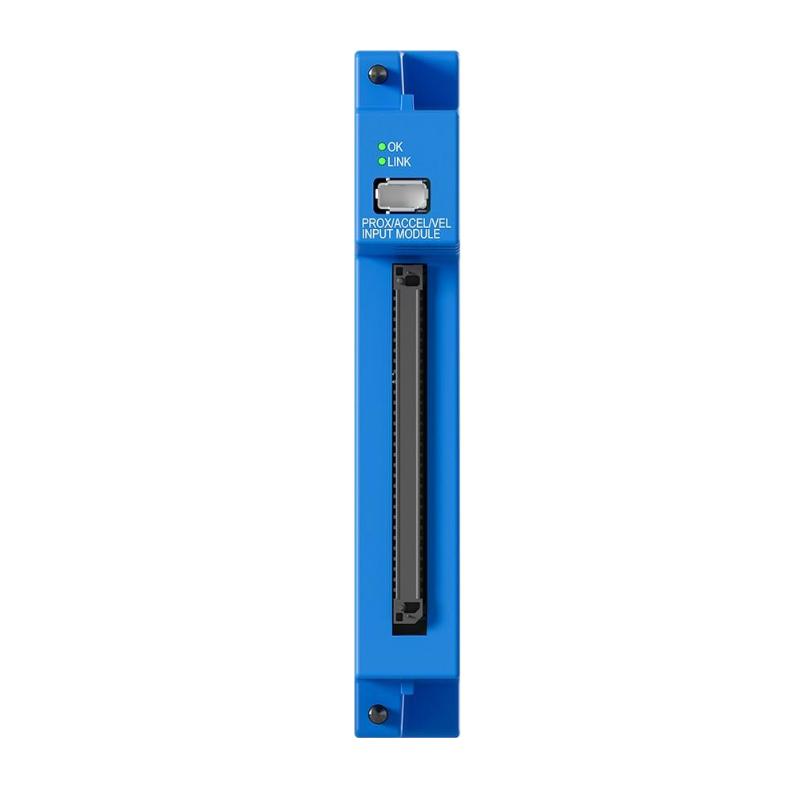
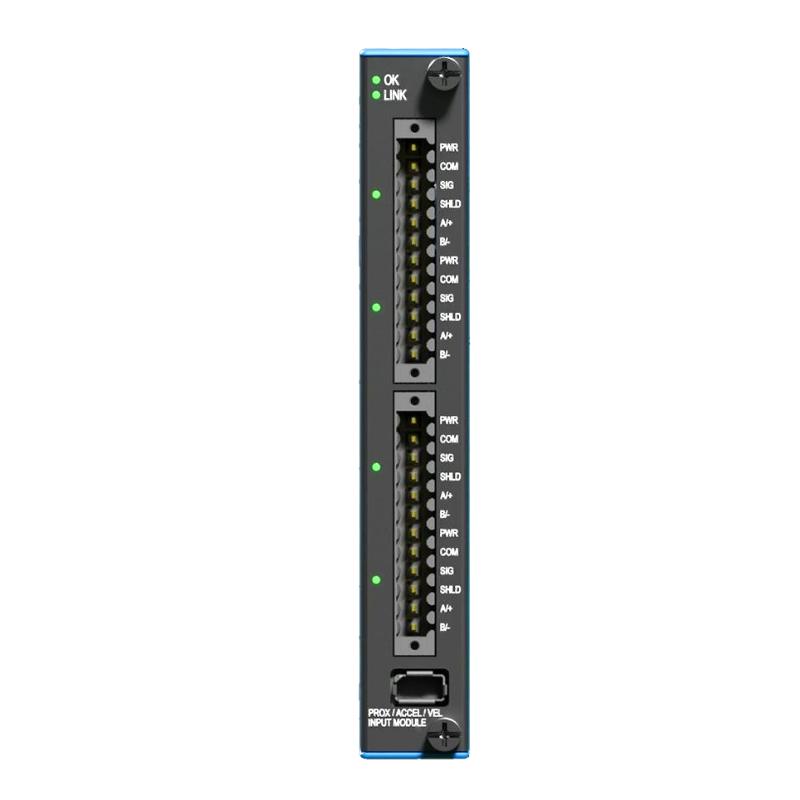
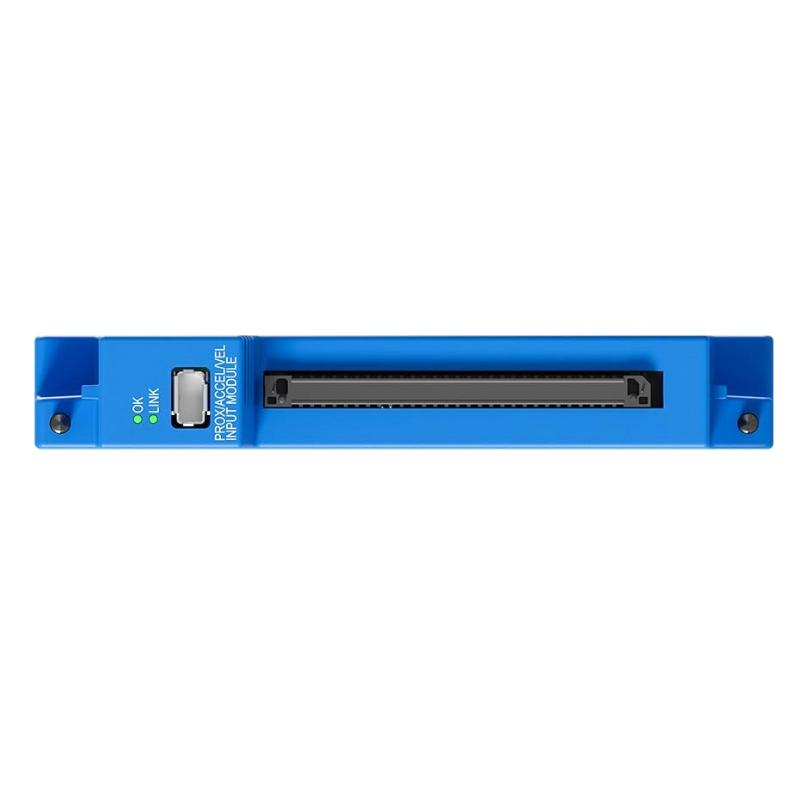
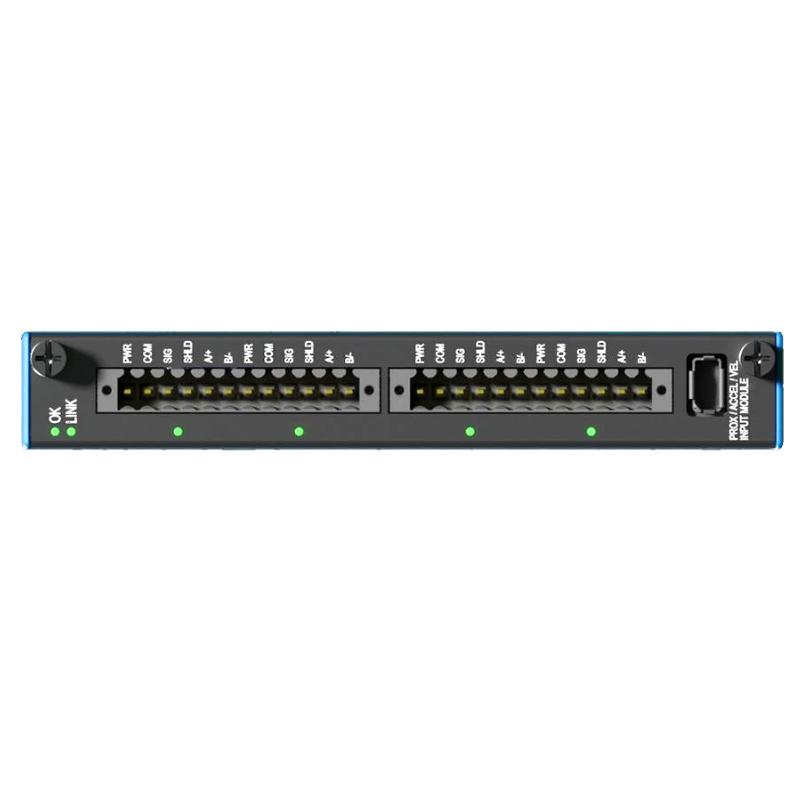
- Bently Nevada
- 60R/INP01-00-0
- Dynamic Input Module
- USA
- 132.1 × 20.3 × 245.6 mm
- 1.2 kg
- Xiamen, China
- New & In Stock
- T/T, PayPal, Western Union
- 1 Year
- 1-3 Working Days
- DHL, UPS, TNT, FedEx and EMS.
- 24-Hour Service
- COO
- 4
Our advantage

Global Logistics
We have a 10-year logistics and express cooperation agreement, so our products can be shipped to any place in the world.

Brand new and original
Our products are imported in bulk from the place of origin. Because of the cooperative relationship, our products are all original and 100% new.

24-hour service
We provide 7*24 hours service to our customers. We will be there whenever you need us.

Price advantage
All our products are priced very favorably because we have our own warehouse and supply.
| Company Information | |||
| [email protected] | |||
| Mobile | +8615980777398 | ||
| +8615980777398 | |||
| 15980777398 |
Product Overview
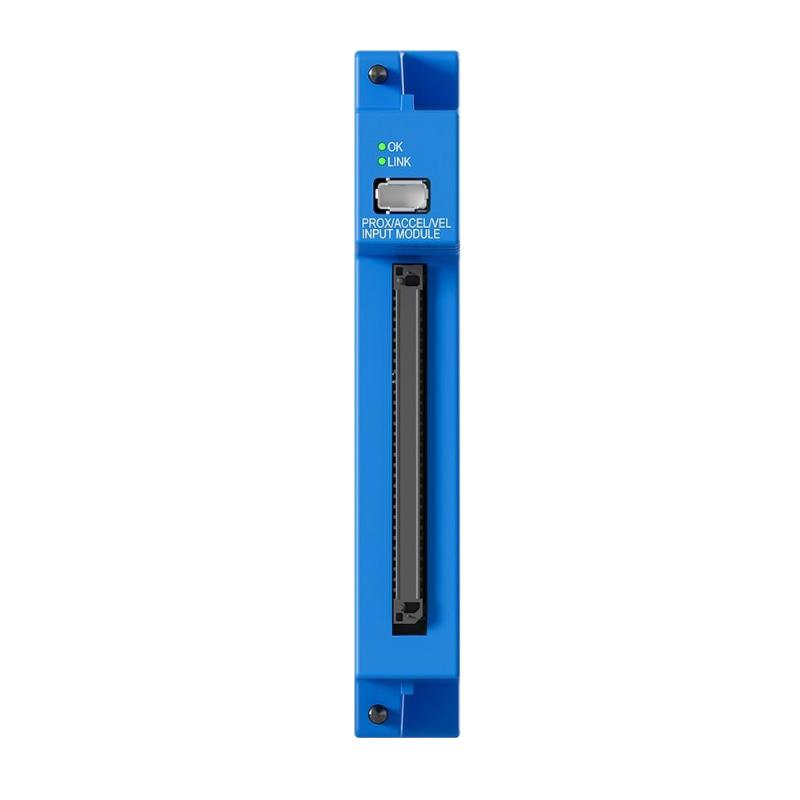
The Bently Nevada 60R/INP01-00-0 Dynamic Input Module is part of the Orbit 60 Series machinery condition monitoring platform. It is used at the measurement-input level of the system, receiving compatible dynamic signals from field-mounted sensors and transferring those signals into the Orbit 60 monitoring architecture.
The 60R/INP01-00-0 is not a standalone vibration monitor. Its function depends on the complete Orbit 60 configuration, including the chassis, system processing hardware, sensor arrangement, and communication interface. In a typical rotating machinery application, the module forms the connection between the physical measurement point and the condition-monitoring system.
A practical signal path can be represented as:
Rotating Machine → Dynamic Sensor → 60R/INP01-00-0 → Condition Monitoring Processing → Communication Interface → PLC / DCS / Monitoring System
This type of architecture is useful for equipment where machine condition needs to be observed continuously. Turbines, compressors, pumps, motors, generators, and other critical rotating assets can develop vibration-related changes long before a mechanical failure becomes obvious during normal operation.
The module allows the field measurement layer to remain separate from the processing and communication layers. This makes troubleshooting more systematic because engineers can examine the sensor, wiring, input module, processing function, and network connection as individual stages of the same monitoring chain.
Technical Specifications
| Parameter | Specification |
|---|---|
| Manufacturer | Bently Nevada |
| Product Series | Orbit 60 |
| Model | 60R/INP01-00-0 |
| Product Type | Dynamic Input Module |
| Primary Function | Dynamic Signal Acquisition |
| System Application | Machinery Condition Monitoring |
| Installation | Orbit 60 Series Chassis |
| Chassis Occupancy | 1 Slot |
| Monitoring Application | Dynamic Machinery Measurements |
| Typical Equipment | Turbines, Compressors, Pumps, Motors, Generators and Other Rotating Machinery |
| Dimensions | 132.1 × 20.3 × 245.6 mm |
| Weight | 1.2 kg |
The exact signal configuration should be verified against the connected sensor type and the existing Orbit 60 system design before installation or replacement.
Product Features
The 60R/INP01-00-0 is intended for applications where dynamic machine behavior must be brought into a centralized condition-monitoring system.
Its role within the Orbit 60 platform includes:
- Dynamic signal acquisition for machinery monitoring
- Integration with the Orbit 60 modular architecture
- One-slot chassis installation
- Suitable for continuous rotating machinery monitoring
- Interfaces with compatible dynamic measurement systems
- Supports downstream condition-monitoring processing
- Suitable for vibration-related applications
- Supports system-level alarm and status evaluation
- Can be integrated with plant communication systems through compatible gateway modules
- Suitable for critical industrial rotating equipment
- Compact 132.1 × 20.3 × 245.6 mm construction
- Stated weight of 1.2 kg
The quality of the monitoring result depends on the entire measurement chain. Correct module installation alone cannot compensate for poor sensor mounting, damaged field wiring, excessive electrical noise, or an unsuitable measurement configuration.
Working Principle
The module operates as part of the signal acquisition stage of the Orbit 60 system.
A machine-mounted sensor detects dynamic physical behavior and converts that behavior into an electrical signal. The signal is transmitted through the field wiring to the 60R/INP01-00-0.
The input module receives the compatible signal and introduces it into the Orbit 60 monitoring architecture, where the information can be processed together with the rest of the system configuration.
The resulting machine-condition information can then be used for:
- Continuous operating-condition observation
- Alarm evaluation
- Machinery status monitoring
- Condition trending
- Maintenance planning
- Integration with PLC or DCS systems
For example, if vibration behavior on a compressor changes as bearing condition deteriorates, the measurement system can detect that change through the installed sensors. The INP01-00-0 forms part of the acquisition path that carries the field information toward the condition-monitoring layer.
The module therefore handles a different function from the 60R/CMM01 Condition Monitoring Module. The INP01-00-0 is associated with bringing dynamic measurement information into the system, while the condition-monitoring architecture performs the subsequent evaluation and system-level processing.
Role in an Orbit 60 Condition Monitoring System
The 60R/INP01-00-0 operates at the front end of the monitoring chain.
A typical system arrangement may include:
Machine Sensors → 60R/INP01-00-0 → 60R/CMM01 → 60R/CGW01 → Plant Network
Each stage performs a separate task.
| System Layer | Typical Function |
|---|---|
| Field Sensors | Detect physical machine behavior |
| 60R/INP01-00-0 | Receives compatible dynamic signals |
| 60R/CMM01 | Performs condition-monitoring processing |
| Communication Gateway | Transfers selected information to external systems |
| PLC / DCS / HMI | Uses and displays machine-condition information |
This modular arrangement is useful when a plant needs to monitor several machines or measurement points while maintaining a clear separation between acquisition, processing, and communication.
During troubleshooting, the same architecture provides a practical diagnostic sequence. If a channel is missing, engineers can work from the field sensor toward the monitoring system rather than replacing modules without confirming where the signal is actually lost.
Industrial Applications
The 60R/INP01-00-0 is suited to machinery condition-monitoring applications involving dynamic operating behavior.
| Application | Typical Use |
|---|---|
| Steam Turbines | Continuous machinery condition monitoring |
| Gas Turbines | Monitoring dynamic operating behavior |
| Compressors | Detecting changes in machinery condition |
| Pumps | Monitoring vibration-related behavior |
| Generators | Supporting continuous asset monitoring |
| Electric Motors | Detecting abnormal mechanical conditions |
| Gearboxes | Monitoring rotating assembly behavior |
| Power Generation | Monitoring critical rotating assets |
| Oil and Gas Equipment | Supporting machinery reliability programs |
| Heavy Industrial Machinery | Continuous dynamic condition monitoring |
The value of continuous monitoring is particularly significant on equipment where unplanned shutdowns can interrupt production or lead to expensive mechanical repairs.
Installation and Maintenance
Before installing the 60R/INP01-00-0, the existing Orbit 60 configuration should be reviewed to ensure that the module matches the intended monitoring architecture.
Particular attention should be given to the field measurement side. Dynamic monitoring systems can be affected by sensor mounting, cable routing, shielding, grounding, connector condition, and environmental influences.
Recommended checks include:
- Confirm the complete 60R/INP01-00-0 part number.
- Verify compatibility with the installed Orbit 60 chassis.
- Check the module position before installation.
- Ensure the module is fully seated.
- Inspect connectors for contamination or mechanical damage.
- Confirm the connected sensor configuration.
- Check field wiring continuity.
- Inspect cable shielding and grounding.
- Verify that sensor mounting is mechanically secure.
- Check for excessive electrical interference.
- Compare channel behavior with known machine operating conditions.
- Confirm that downstream processing receives the expected information.
- Inspect the module during scheduled system maintenance.
When an abnormal signal is detected, the sensor should not be overlooked. A damaged cable or improperly mounted sensor can produce unstable or misleading measurements even when the input module is operating normally.
Related Components
The 60R/INP01-00-0 works as part of a complete Orbit 60 machinery monitoring system.
| Component | Function |
|---|---|
| Bently Nevada 60R/CHA02 | Provides the chassis structure for Orbit 60 modules |
| Bently Nevada 60R/CMM01 | Performs condition-monitoring processing |
| Bently Nevada 60R/CGW01 | Provides Ethernet-based system communication |
| Orbit 60 Communication Gateway | Connects monitoring data with external control systems |
| Dynamic Sensors | Detect vibration and other machine behavior |
| Proximity Measurement System | Monitors shaft-related movement |
| Field Signal Cables | Transfer sensor signals to the monitoring system |
| Orbit 60 Power Components | Support system power requirements |
| PLC / DCS | Uses selected machine-condition information |
| HMI / Monitoring Software | Displays equipment status and monitoring data |
The complete signal path should be considered when selecting replacement components. A dynamic input module may physically fit the system but still require confirmation of its exact configuration and compatibility with the installed monitoring hardware.
Recommended Related Models
The following Orbit 60 components are relevant when building or maintaining a system around the 60R/INP01-00-0.
| Model / Component | Product Type | Typical Application |
|---|---|---|
| Bently Nevada 60R/INP01-00-0 | Dynamic Input Module | Dynamic machinery signal acquisition |
| Bently Nevada 60R/INP01 | Dynamic Input Module | Orbit 60 dynamic monitoring applications |
| Bently Nevada 60R/CMM01 | Condition Monitoring Module | Machinery condition processing |
| Bently Nevada 60R/CGW01 | Communication Gateway Module | Ethernet communication with PLC / DCS |
| Bently Nevada 60R/CHA02 | 3U Panel Chassis | Orbit 60 module installation |
| Bently Nevada 60R/SIM01 | System Interface Module | Orbit 60 system integration |
For a direct replacement, the complete ordering code 60R/INP01-00-0 should be checked rather than matching only the base 60R/INP01 designation. The suffix can be relevant to the specific system configuration and ordering version.
Key Advantages
- Part of the Bently Nevada Orbit 60 Series.
- Designed for dynamic signal acquisition.
- Supports machinery condition-monitoring architectures.
- Suitable for continuous rotating equipment monitoring.
- Works with compatible field measurement systems.
- Integrates with Orbit 60 condition-monitoring processing.
- Supports communication with external plant systems through appropriate gateway modules.
- Modular one-slot installation.
- Suitable for turbines, compressors, pumps, motors, and generators.
- Helps maintain separation between field acquisition and system-level processing.
- Dimensions of 132.1 × 20.3 × 245.6 mm.
- Weight of 1.2 kg.
Technical FAQs
Why should the complete 60R/INP01-00-0 ordering code be checked during replacement?
The base model identifies the Dynamic Input Module family, while the complete ordering designation identifies the specific ordered configuration. In an installed Orbit 60 system, replacement should therefore begin with the complete part number and then confirm compatibility with the existing chassis, monitoring architecture, and connected measurement hardware.
Can an abnormal machine signal be caused by installation conditions rather than the INP01-00-0 module?
Yes. Sensor mounting, cable damage, grounding, shielding, connector condition, and electrical interference can all affect dynamic measurements. A structured troubleshooting process should verify the field signal before replacing the input module.
How does the INP01-00-0 fit into a complete machine monitoring workflow?
It operates near the beginning of the measurement path. The field sensor detects machine behavior, the INP01-00-0 receives the compatible signal, the condition-monitoring system processes the information, and a communication module can make selected results available to a PLC, DCS, or other monitoring system.
What should be reviewed before expanding an existing Orbit 60 dynamic monitoring system?
Review the available chassis capacity, required measurement points, sensor compatibility, field cable routing, system power requirements, processing architecture, alarm strategy, and communication requirements. Expansion should be planned as a complete system change rather than simply adding another input module.