

ProductPRODUCT
Featured products
Contact Us
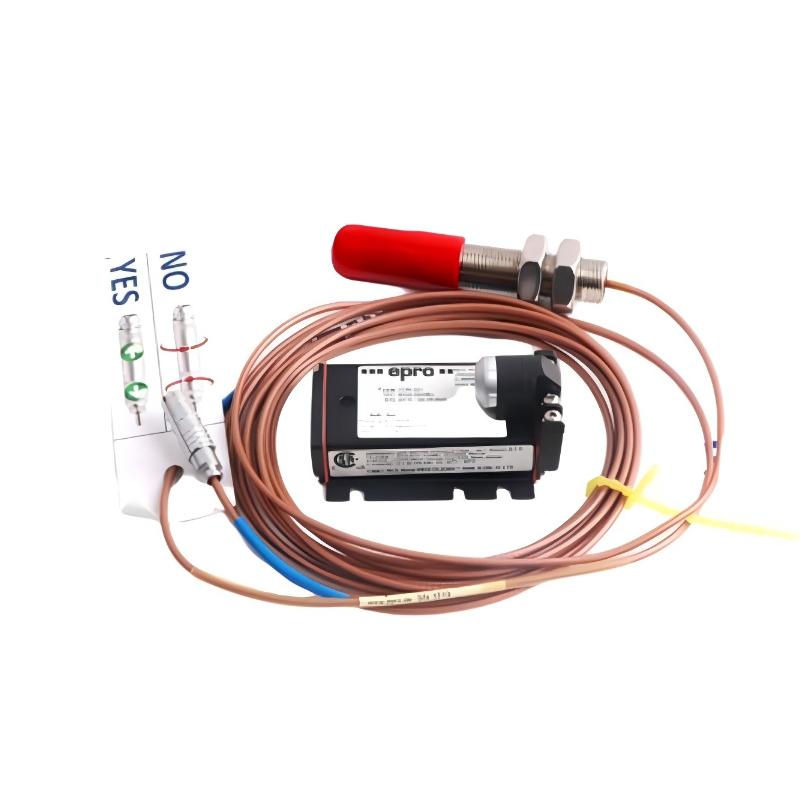
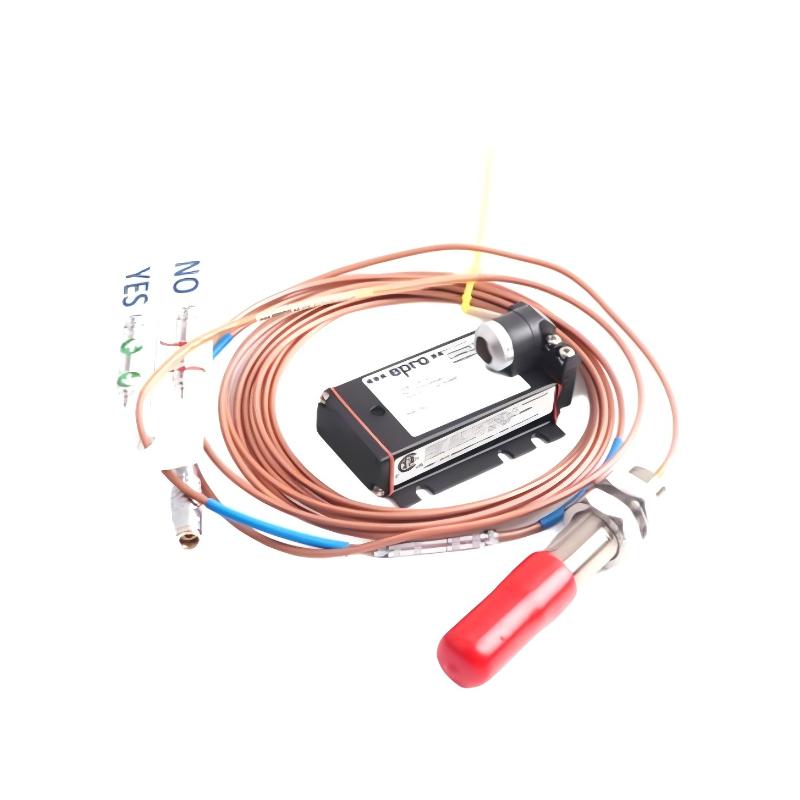
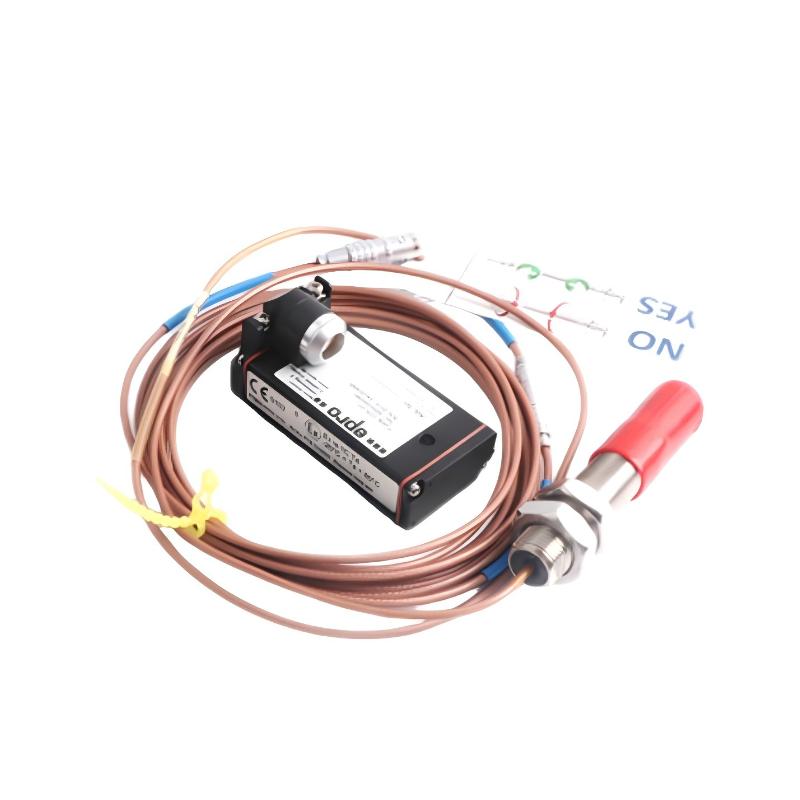
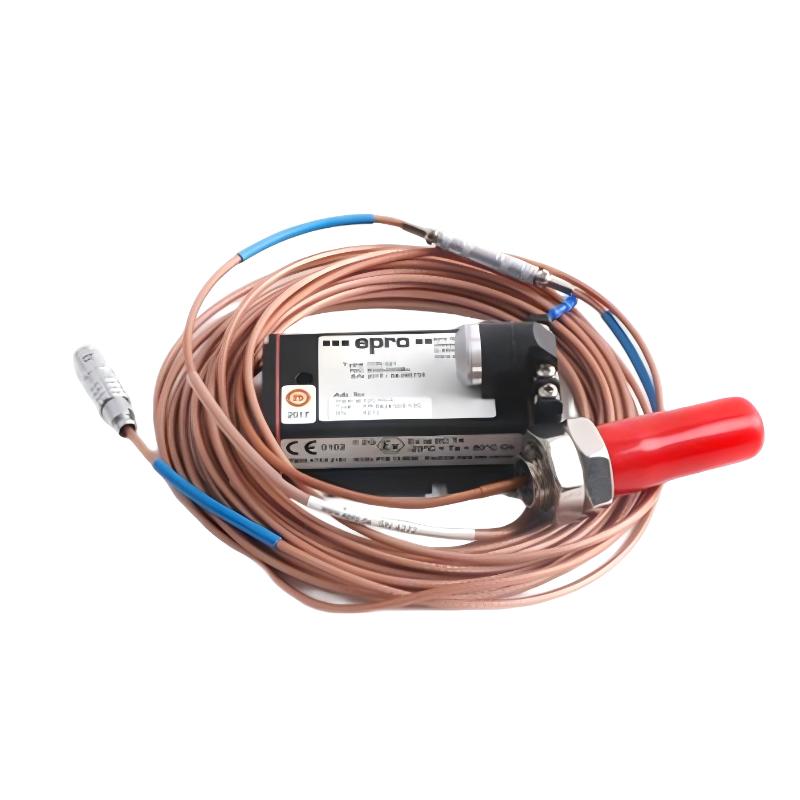
- Epro
- PR6424/011-000
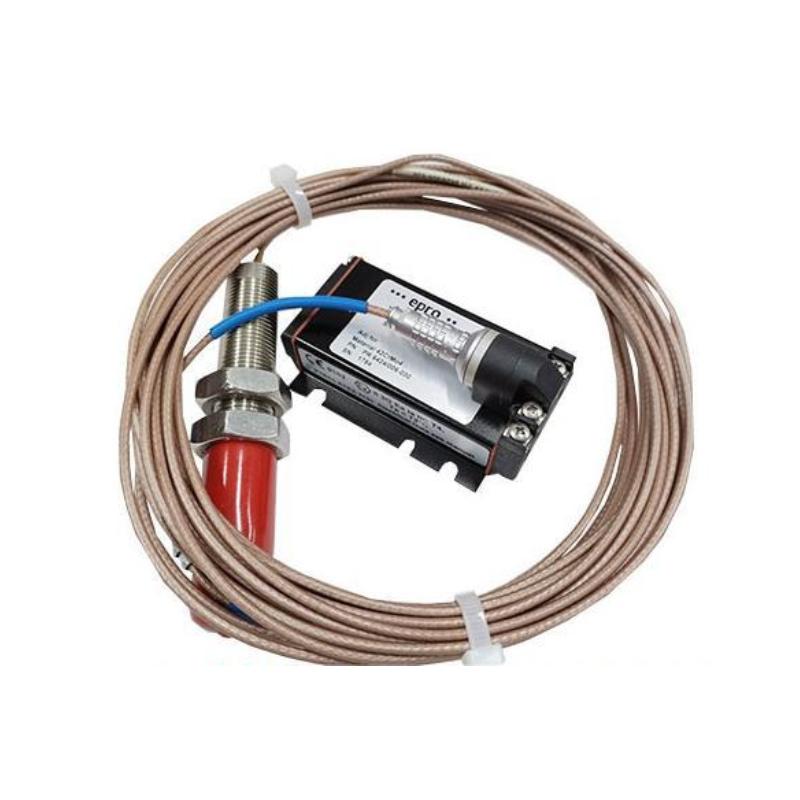
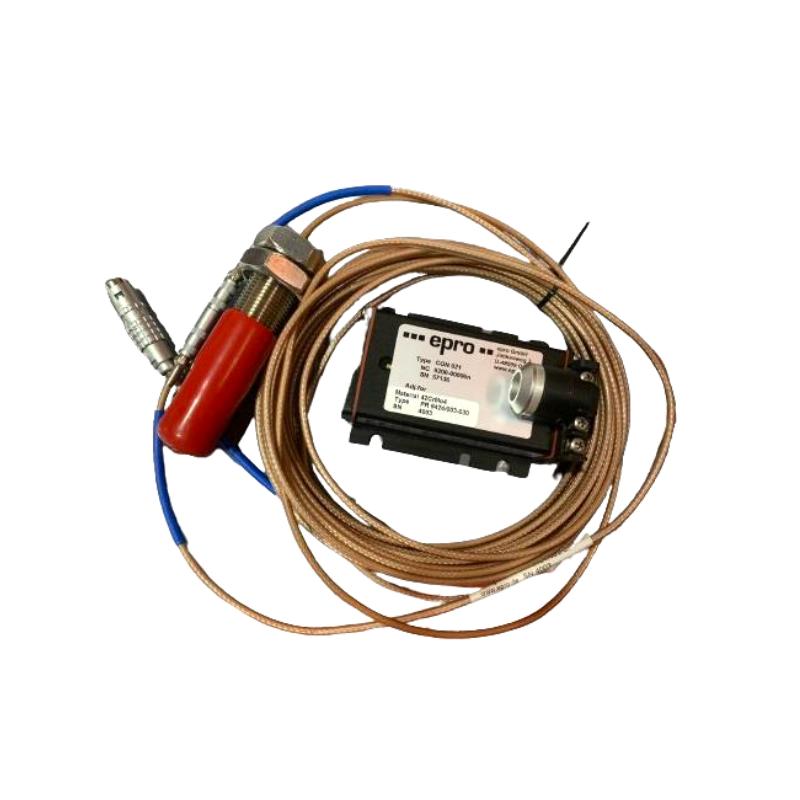
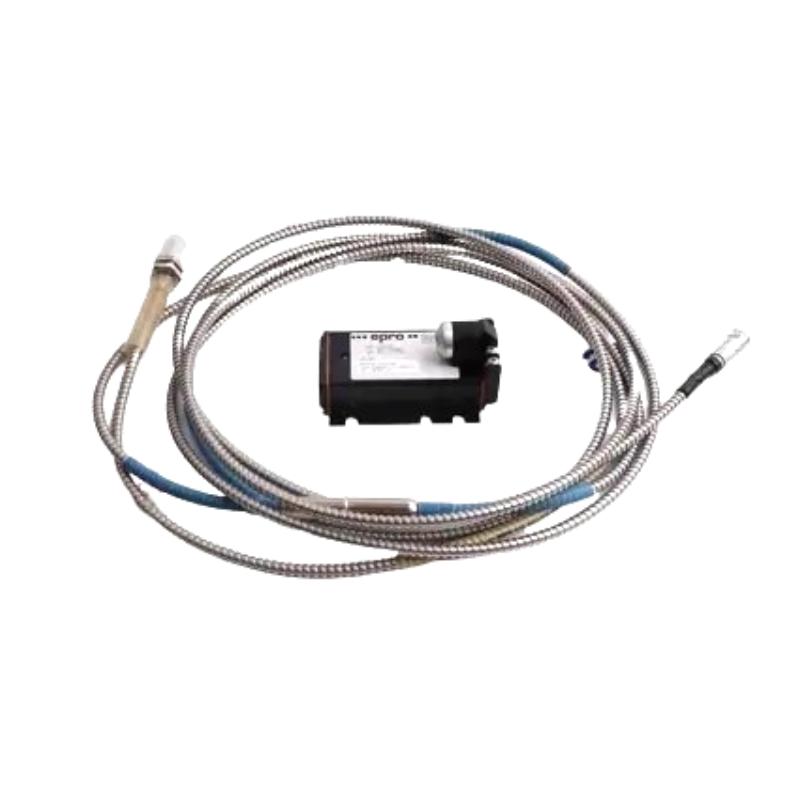
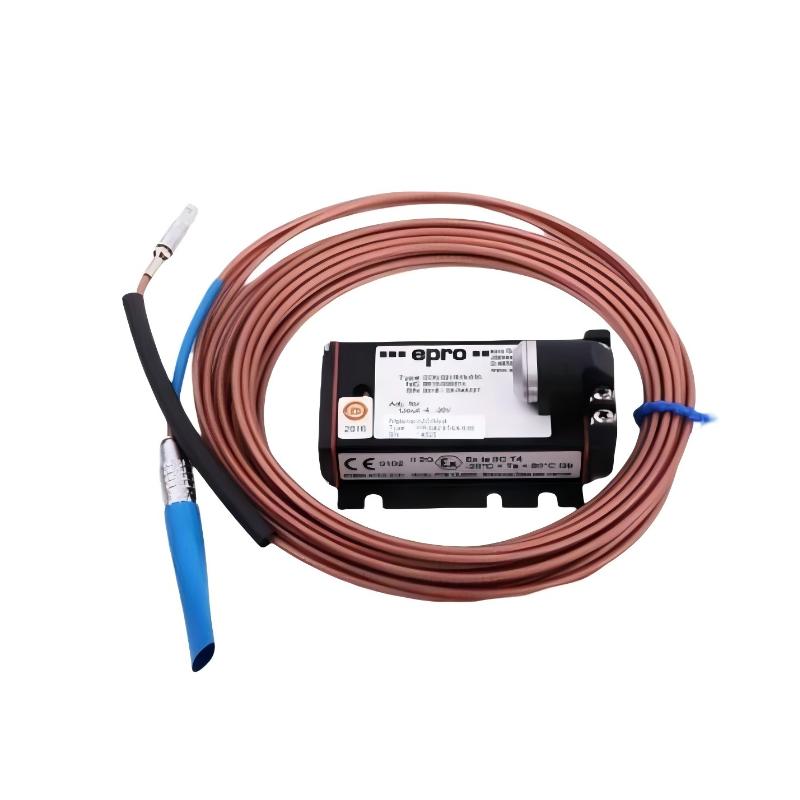
- 16 mm Eddy Current Sensor
- Germany
- 16 mm
- 0.2 kg
- Xiamen, China
- New & In Stock
- T/T, PayPal, Western Union
- 1 Year
- 1-3 Working Days
- DHL, UPS, TNT, FedEx and EMS.
- 24-Hour Service
- COO
- 5
Our advantage

Global Logistics
We have a 10-year logistics and express cooperation agreement, so our products can be shipped to any place in the world.

Brand new and original
Our products are imported in bulk from the place of origin. Because of the cooperative relationship, our products are all original and 100% new.

24-hour service
We provide 7*24 hours service to our customers. We will be there whenever you need us.

Price advantage
All our products are priced very favorably because we have our own warehouse and supply.
| Company Information | |||
| [email protected] | |||
| Mobile | +8615980777398 | ||
| +8615980777398 | |||
| 15980777398 |
Product Overview
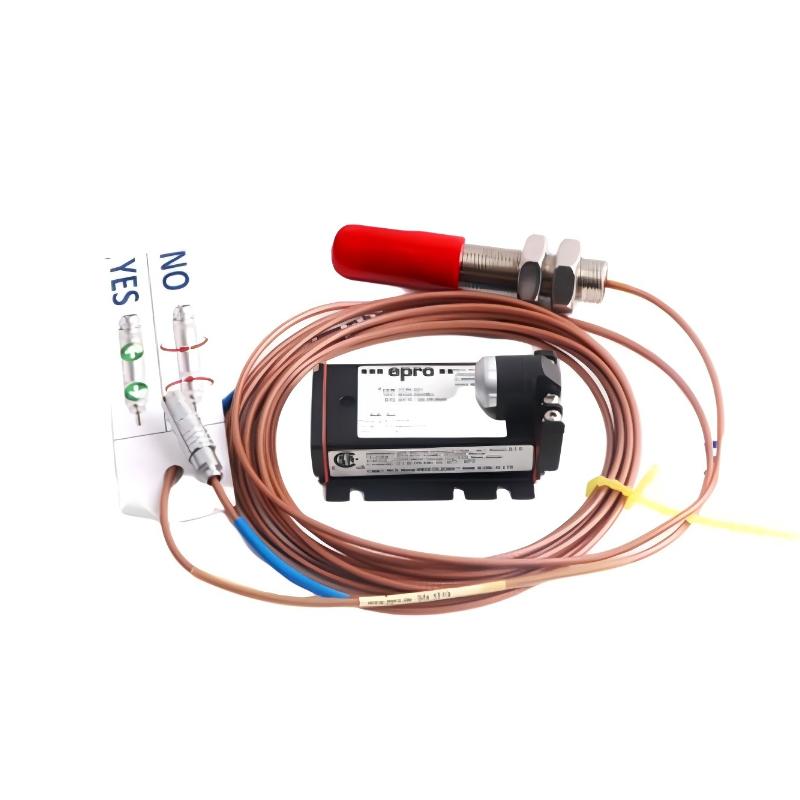
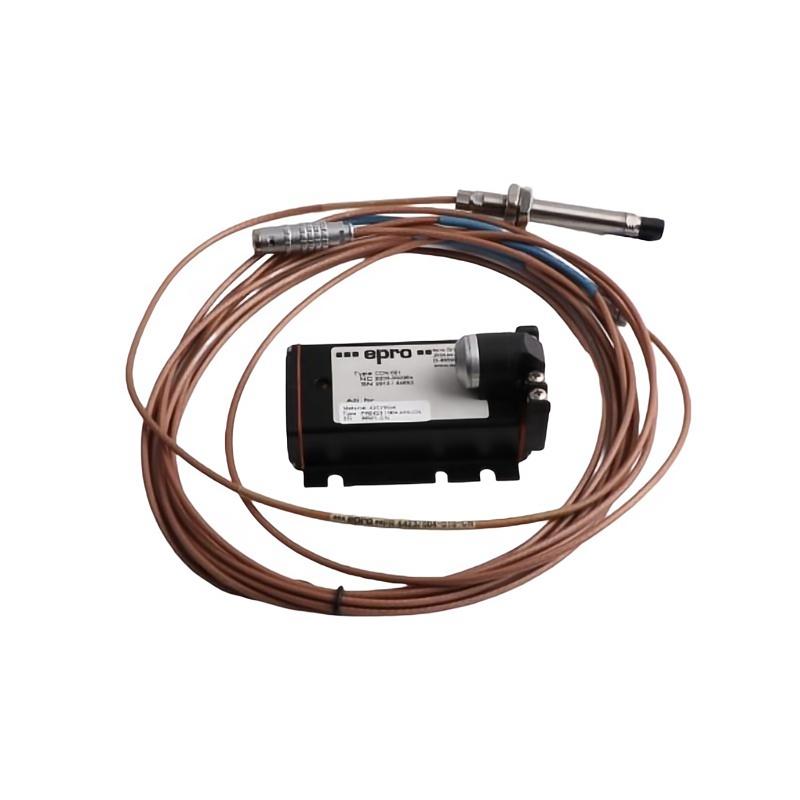
The EPRO PR6424/011-000 16 mm Eddy Current Sensor is a non-contact displacement sensor designed for monitoring the operating condition of critical rotating machinery. It belongs to the PR6424 sensor family developed for applications requiring accurate measurement of shaft vibration, radial and axial displacement, shaft position, eccentricity, and rotational speed.
The PR6424 series is used in machinery protection and condition-monitoring systems for equipment such as steam turbines, gas turbines, hydro turbines, compressors, pumps, and industrial fans. By measuring the distance between the sensor tip and a conductive target, the sensor provides information about the movement and position of a rotating shaft without requiring physical contact.
The sensor operates according to the eddy current measurement principle. An electromagnetic field is generated at the probe tip. When a suitable metallic target approaches the sensor, eddy currents are induced in the target surface. Changes in the electromagnetic characteristics of the sensing coil are related to the distance between the probe and the target.
When connected to a compatible signal converter, the sensor measurement can be conditioned into an electrical output suitable for machinery monitoring and protection equipment.
The PR6424 series features a 16 mm sensor head and is intended for applications involving relatively large rotating shafts. Its non-contact measurement method helps avoid mechanical wear associated with contact-based measuring devices.
For the PR6424/011-000, the supplied listing specifications identify a 16 mm sensor head diameter and a weight of 0.2 kg. Exact cable length, connector arrangement, and mechanical configuration should be verified against the complete product label because these details can vary across PR6424 ordering variants.
Technical Specifications
| Parameter | Specification |
|---|---|
| Brand | EPRO |
| Manufacturer | Emerson |
| Model | PR6424/011-000 |
| Product Series | PR6424 |
| Product Type | Eddy Current Sensor |
| Sensor Category | Non-contact Displacement Sensor |
| Sensor Head Diameter | 16 mm |
| Measurement Principle | Eddy Current |
| Typical Sensitivity | 4 V/mm |
| Sensitivity Linearity | ±1.5% |
| Static Measurement Range | ±2.0 mm |
| Dynamic Measurement Range | 0–1,000 μm |
| Nominal Center Air Gap | Approximately 2.7 mm |
| Long-Term Drift | Less than 0.3% |
| Target Material | Ferromagnetic steel |
| Typical Shaft Diameter | 80 mm or larger |
| Sensor Sleeve Material | Stainless steel |
| Cable Material | PTFE |
| Typical Sensor and Cable Weight | Approximately 0.2 kg |
| Supplied Listing Weight | 0.2 kg |
| Typical Applications | Turbines, compressors, pumps, and fans |
Note: The published reference weight of approximately 200 g applies to the sensor with a 1-meter cable without armor. Confirm the cable and connector configuration of the exact PR6424/011-000 unit before finalizing technical or shipping data.
Function and Working Principle
The PR6424/011-000 uses eddy current technology to measure the distance between the probe tip and a conductive metallic target. This technology is particularly useful for monitoring rotating shafts because it can detect small changes in shaft position without direct mechanical contact.
1. Non-Contact Displacement Measurement
The sensor is installed close to the surface of a rotating shaft. As the distance between the probe and the shaft changes, the sensor’s electromagnetic response changes accordingly.
A compatible signal converter processes this response and produces an output related to the measured gap. The resulting signal can be used to monitor shaft movement, position, and vibration.
Non-contact measurement avoids the friction and mechanical wear that can occur with contact-type displacement sensors.
2. Shaft Vibration Monitoring
During normal operation, rotating machinery may experience small movements caused by imbalance, misalignment, bearing conditions, or changing mechanical loads.
The PR6424 sensor detects changes in the shaft-to-probe distance. These measurements can be used to evaluate shaft vibration and identify abnormal operating patterns.
In machinery protection systems, vibration measurements can help operators and maintenance teams recognize developing mechanical problems before they lead to equipment failure.
3. Axial and Radial Position Measurement
The sensor can be used in suitable measurement arrangements to monitor radial shaft displacement and axial shaft movement.
Radial measurement helps identify changes in the shaft’s position relative to the bearing or machine housing. Axial measurement can help monitor shaft movement along its rotational axis.
The measurement direction depends on the installation position and the mechanical arrangement of the monitored equipment.
4. Eccentricity and Speed-Related Monitoring
The PR6424 sensor family can also be used in applications involving shaft eccentricity and speed/key measurements when the sensor installation and monitoring system are configured appropriately.
Eccentricity monitoring is useful for identifying uneven shaft geometry or abnormal shaft movement. Speed-related measurements require suitable target features and signal-processing arrangements.
5. Signal Conversion
The sensor probe is normally used with a compatible EPRO signal converter. The converter supplies the required excitation and processes the sensor response into a usable measurement signal.
A complete measurement chain generally includes:
- PR6424 eddy current probe.
- Compatible extension cable, where required.
- Compatible signal converter.
- Monitoring or machinery protection equipment.
- Control-room display, alarm, or protection system.
The exact converter and cable combination must be verified using the manufacturer’s compatibility information.
Role in Industrial Machinery Protection Systems
The PR6424/011-000 can form part of a machinery condition-monitoring system. Its measurements provide information about shaft behavior and help operators evaluate the operating condition of important rotating equipment.
Turbine Monitoring
Steam, gas, and hydro turbines contain rotating shafts that operate under demanding mechanical and thermal conditions. Shaft displacement and vibration measurements are important for evaluating turbine operating stability.
The PR6424 sensor family is designed for critical turbomachinery monitoring applications and can be installed at appropriate measurement locations as part of a larger protection system.
Compressor Monitoring
Industrial compressors are used in chemical plants, refineries, power facilities, and manufacturing operations. Abnormal shaft vibration or displacement can indicate mechanical problems that require inspection.
The sensor can provide non-contact shaft measurements for compatible compressor monitoring arrangements.
Pump Monitoring
Large industrial pumps may operate continuously and handle important process fluids. Monitoring shaft vibration and position can help maintenance teams evaluate mechanical operating conditions.
The PR6424 sensor can be incorporated into suitable pump monitoring systems when its measurement characteristics and installation geometry meet the application requirements.
PLC and DCS Integration
The sensor itself is not a PLC or DCS input module. It normally works with a compatible signal converter and monitoring equipment.
The conditioned measurement signal can then be incorporated into a plant control or monitoring architecture, depending on the available interfaces. Engineers should verify signal type, scaling, isolation, and system compatibility before connecting monitoring outputs to PLC or DCS equipment.
Industrial Applications
1. Steam Turbines
Steam turbines are widely used in power generation and industrial energy systems. Their shafts operate at high rotational speeds and require continuous monitoring.
The PR6424 series can provide shaft displacement and vibration measurements for suitable turbine protection arrangements. These measurements help operators monitor machine behavior and investigate abnormal vibration conditions.
2. Gas Turbines
Gas turbines operate under high mechanical and thermal loads. Shaft movement and vibration monitoring are important parts of an overall machinery protection strategy.
A properly installed PR6424 sensor can contribute non-contact shaft measurement data to a compatible monitoring system.
3. Hydro Turbines
Hydro turbines are used in hydroelectric power stations and related energy facilities. Shaft position and vibration monitoring can help identify changes in machine operating conditions.
The sensor may be used at suitable measurement points where its diameter, range, target material, and installation requirements are compatible.
4. Industrial Compressors
Compressors are essential in many continuous-process industries. Shaft vibration monitoring can support predictive maintenance and help maintenance teams investigate mechanical changes.
The PR6424 sensor can be used in compatible compressor monitoring installations to measure shaft displacement without physical contact.
5. Pumps and Fans
Large pumps and industrial fans are common in water treatment, power generation, chemical processing, and manufacturing facilities.
In suitable installations, non-contact displacement measurements can help monitor rotating-shaft behavior and support scheduled maintenance activities.
6. General Rotating Machinery
The PR6424 series may also be considered for other rotating equipment where shaft displacement, vibration, position, or eccentricity measurements are required.
The suitability of the PR6424/011-000 depends on shaft dimensions, target material, operating temperature, measurement range, and the compatibility of the signal-conditioning equipment.
Installation and System Integration
Correct installation is essential for accurate measurements and reliable operation.
1. Confirm the Sensor Configuration
Before installation, check the complete model number and inspect the sensor label. Confirm the cable length, connector arrangement, sensor thread, and any armored or unarmored cable configuration.
The PR6424 family includes multiple ordering variants. Do not assume that every sensor in the series has identical mechanical dimensions or cable arrangements.
2. Select the Correct Mounting Position
The sensor must be installed at a suitable distance from the rotating target. The target surface should be compatible with the sensor’s specified measurement characteristics.
The published PR6424 reference data identifies ferromagnetic steel as the standard target material. Shaft diameter and the available measurement area should also be checked before installation.
3. Set the Initial Air Gap
The nominal center air gap for the PR6424 series is approximately 2.7 mm. The actual installation gap must be established according to the manufacturer’s installation instructions and the compatible converter configuration.
An incorrect initial gap can reduce the usable measurement range or result in an inaccurate output signal.
4. Secure the Sensor Mechanically
The sensor should be mounted securely to prevent movement caused by machine vibration. The mounting arrangement must also allow sufficient clearance from surrounding metallic structures.
Nearby conductive materials can influence the electromagnetic field and affect measurement performance if the installation does not meet the required clearance conditions.
5. Connect the Signal Cable
Use the correct extension cable and connector arrangement for the sensor and converter combination. Avoid sharp bends, excessive tension, and cable routing close to high-interference power conductors.
The PR6424 sensor uses PTFE cable insulation. The cable’s temperature and mechanical limits should be considered when routing it near hot machinery or moving components.
6. Calibrate and Verify the Measurement
After installation, verify the initial gap and confirm that the sensor operates with the correct signal converter.
Check the output response across the expected measurement range. Compare the displayed values with the actual mechanical installation conditions where practical.
For critical machinery protection systems, commissioning should follow the plant’s approved procedures and the manufacturer’s technical instructions.
Compatible System Components
A complete PR6424 measurement arrangement may require several components in addition to the sensor itself.
| Component | Function | Compatibility Considerations |
|---|---|---|
| PR6424/011-000 sensor | Measures shaft displacement without contact | Verify the complete model number and mechanical configuration |
| Extension cable | Connects the probe to signal-conditioning equipment | Confirm cable type, length, and electrical compatibility |
| EPRO signal converter | Conditions the probe signal | Select a converter approved for the exact probe configuration |
| Machinery monitoring module | Processes and evaluates measurement signals | Check input characteristics and measurement configuration |
| PLC or DCS | Receives suitable process or monitoring information | Confirm signal type, scaling, and interface requirements |
| Sensor mounting hardware | Holds the probe in the correct position | Verify thread, mounting arrangement, and clearance |
| Control cabinet | Houses monitoring and signal-conditioning equipment | Provide suitable environmental and electrical protection |
The listed components are examples of a typical measurement system. They are not necessarily included with the PR6424/011-000 sensor.
Alternative Models and Replacement Considerations
The PR6424 series contains multiple sensor variants. Other models may have similar measurement principles but different cable, connector, mechanical, or converter configurations.
| Related Model or Component | Description | Replacement Considerations |
|---|---|---|
| EPRO PR6424 series | 16 mm eddy current sensor family | Compare the complete suffix and cable configuration |
| EPRO PR6423 series | Smaller-diameter eddy current sensor family | Different probe diameter and measurement characteristics |
| EPRO PR6425 series | Eddy current sensor family for different application requirements | Verify temperature range and mechanical compatibility |
| EPRO CON021 | Signal converter used in compatible measurement arrangements | Confirm probe and converter compatibility |
| EPRO CON041 | Signal converter for supported sensor configurations | Check the exact probe specification and system interface |
When replacing a PR6424/011-000, engineers should compare:
- Sensor head diameter.
- Probe body length and thread.
- Cable length and cable type.
- Connector arrangement.
- Compatible signal converter.
- Measurement sensitivity and linearity.
- Static and dynamic measurement ranges.
- Target material and shaft dimensions.
- Operating temperature and environmental requirements.
- Mounting clearances and installation geometry.
A sensor from the same product family is not automatically a direct replacement. The full ordering code and measurement-system configuration should be checked before substitution.
Key Advantages
Non-Contact Measurement
The eddy current principle measures shaft displacement without physical contact, avoiding direct mechanical wear at the sensing point.
16 mm Sensor Head
The 16 mm sensing head is designed for applications involving relatively large rotating shafts and critical machinery.
Shaft Displacement and Vibration Monitoring
The PR6424 family supports measurement of radial and axial shaft movement, position, eccentricity, and vibration in suitable installations.
High Measurement Sensitivity
The published reference sensitivity of 4 V/mm supports measurement of small changes in the probe-to-target distance when used with a compatible signal converter.
Industrial Machinery Applications
The sensor family is intended for demanding rotating equipment, including turbines, compressors, pumps, and fans.
Integration with Machinery Monitoring Systems
When paired with the appropriate converter and monitoring equipment, the sensor can provide measurement information for machinery condition monitoring and protection.
Technical FAQs
1. What is the EPRO PR6424/011-000?
The PR6424/011-000 is a 16 mm eddy current sensor designed for non-contact measurement of shaft displacement and vibration in rotating machinery.
2. What is the sensor head diameter?
The sensor head diameter is 16 mm.
3. What is the measuring principle?
It uses eddy current technology. Changes in the electromagnetic response caused by the distance between the probe and a conductive target are used to determine displacement.
4. What is the typical sensitivity of the PR6424 series?
The published reference sensitivity is 4 V/mm, with a specified linearity of approximately ±1.5%.
5. What is the static measurement range?
The published static measurement range is ±2.0 mm.
6. What is the nominal air gap?
The nominal center air gap is approximately 2.7 mm. The actual installation gap must be set according to the manufacturer’s instructions and the selected converter.
7. Does the sensor provide a standard PLC signal directly?
The probe is normally connected to a compatible signal converter. The converter conditions the measurement signal for use by monitoring or control equipment. Verify the output interface before connecting it to a PLC or DCS.
8. What machinery can use the PR6424 sensor?
Typical applications include steam turbines, gas turbines, hydro turbines, compressors, pumps, and industrial fans.
9. What is the sensor’s weight?
The supplied product listing specifies 0.2 kg. Emerson’s reference specification lists approximately 200 g for the sensor with a 1-meter cable without armor.
10. Can another PR6424 model replace the PR6424/011-000?
Not automatically. Cable length, connector type, probe dimensions, and converter compatibility must be compared before replacement.
Procurement and Maintenance Recommendations
When purchasing the EPRO PR6424/011-000, verify the complete ordering code and inspect the sensor label. Confirm the 16 mm head diameter, cable arrangement, connector type, and compatibility with the existing signal converter.
For replacement projects, it is important to identify the complete measurement chain rather than selecting a sensor based only on its probe diameter. A mismatch between the probe, extension cable, and signal converter may result in inaccurate measurements or an unusable monitoring signal.
For used or surplus equipment, request clear photographs of the probe body, cable, connector, and identification label. Check for damaged insulation, bent mounting threads, corrosion, and signs of mechanical impact.
During maintenance, inspect the probe mounting, cable routing, connector condition, and sensor-to-shaft clearance. Unusual measurement fluctuations should be investigated by checking the installation gap, target surface, cable connections, converter configuration, and electrical interference.
For critical turbines and compressors, sensor replacement and calibration should be performed according to the machinery manufacturer’s requirements and the plant’s approved maintenance procedures.
Conclusion
The EPRO PR6424/011-000 16 mm Eddy Current Sensor is designed for non-contact shaft displacement and vibration measurement in critical rotating machinery. With a 16 mm sensor head and a typical PR6424 sensitivity of 4 V/mm, the sensor family supports monitoring of shaft movement, position, eccentricity, and vibration in suitable industrial installations.
The PR6424/011-000 can be used in turbine, compressor, pump, and fan monitoring systems when paired with compatible signal-conditioning equipment. For procurement and replacement, verifying the complete ordering code, cable configuration, connector, and converter compatibility is essential for maintaining accurate and reliable machinery monitoring.