

ProductPRODUCT
Featured products
Contact Us
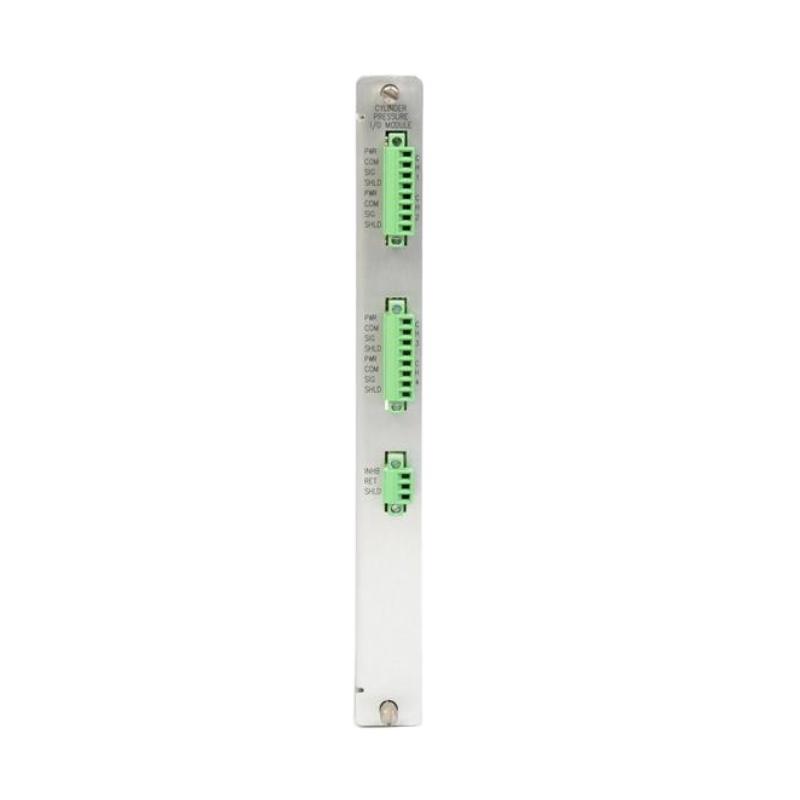
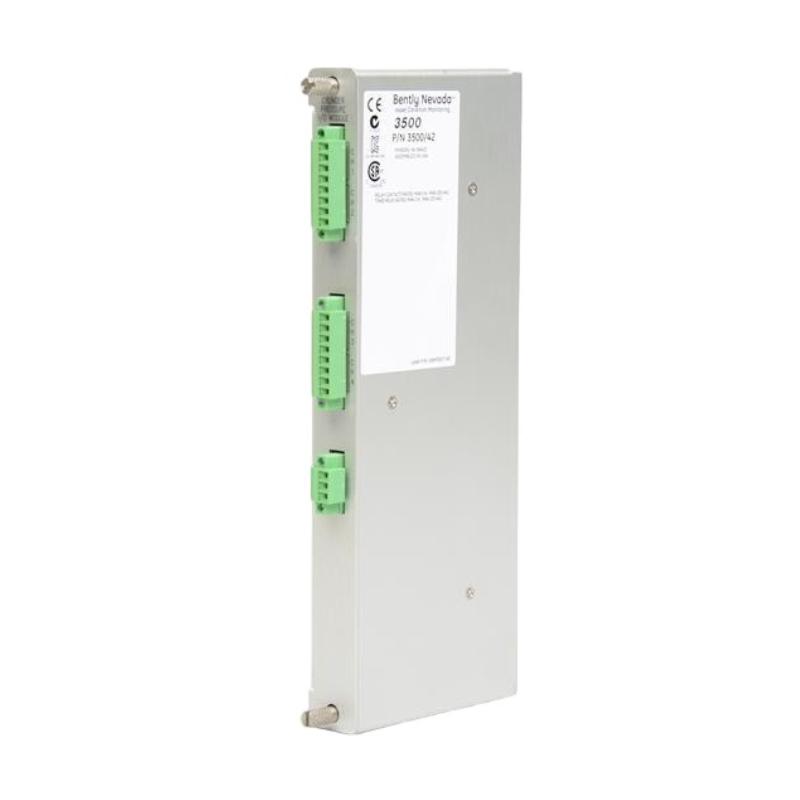
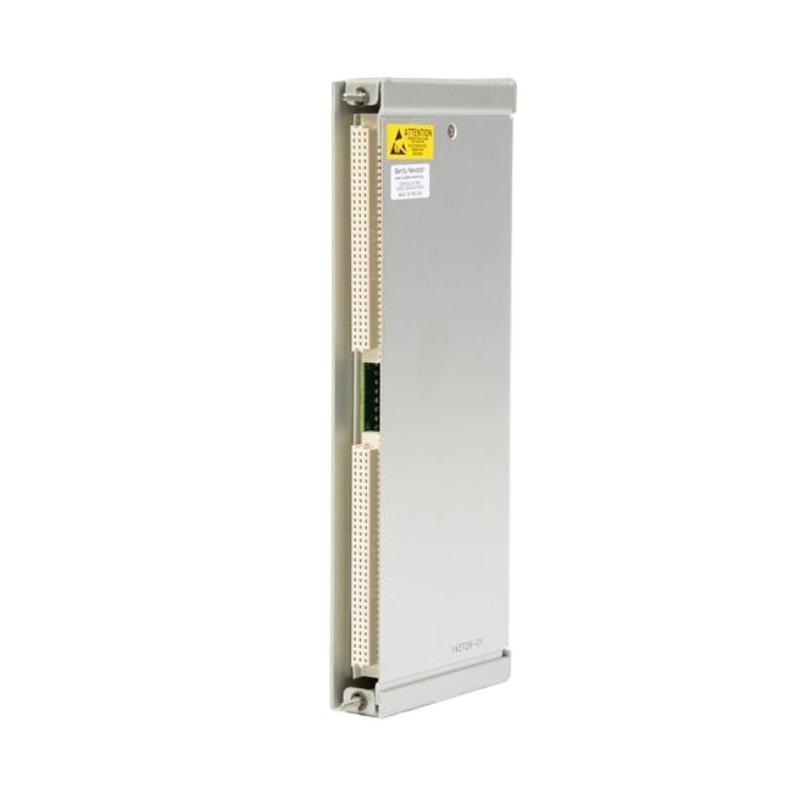
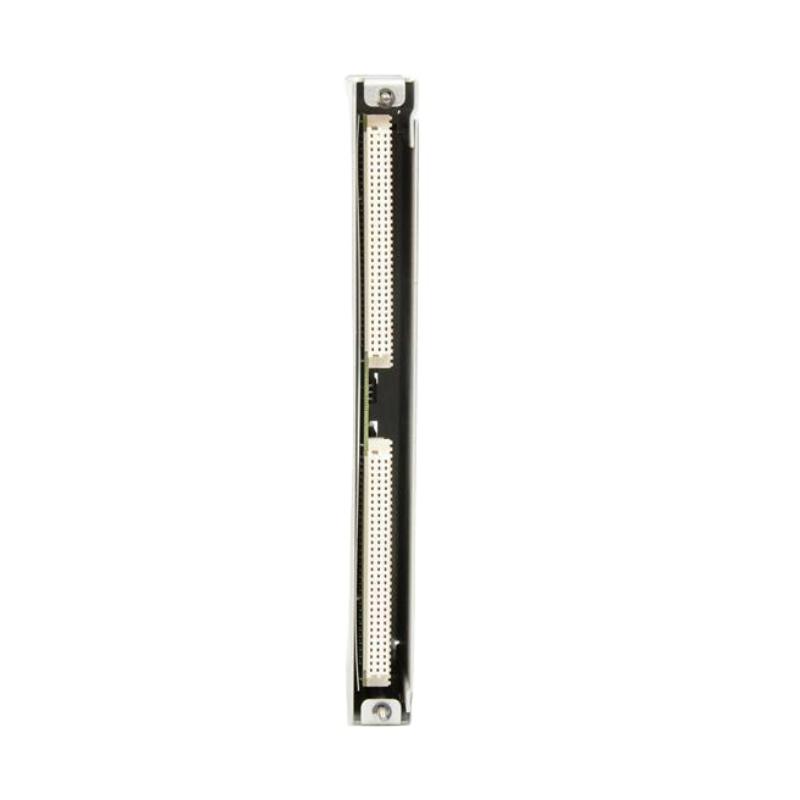
- Bently Nevada
- 3500/77 143729-01
- Cylinder Pressure I/O Module
- USA
- 241.3 x 24.4 x 99.1 mm
- 0.2 kg
- Xiamen, China
- New & In Stock
- T/T, PayPal, Western Union
- 1 Year
- 1-3 Working Days
- DHL, UPS, TNT, FedEx and EMS.
- 24-Hour Service
- COO
- 160
Our advantage

Global Logistics
We have a 10-year logistics and express cooperation agreement, so our products can be shipped to any place in the world.

Brand new and original
Our products are imported in bulk from the place of origin. Because of the cooperative relationship, our products are all original and 100% new.

24-hour service
We provide 7*24 hours service to our customers. We will be there whenever you need us.

Price advantage
All our products are priced very favorably because we have our own warehouse and supply.
| Company Information | |||
| [email protected] | |||
| Mobile | +8615980777398 | ||
| +8615980777398 | |||
| 15980777398 |
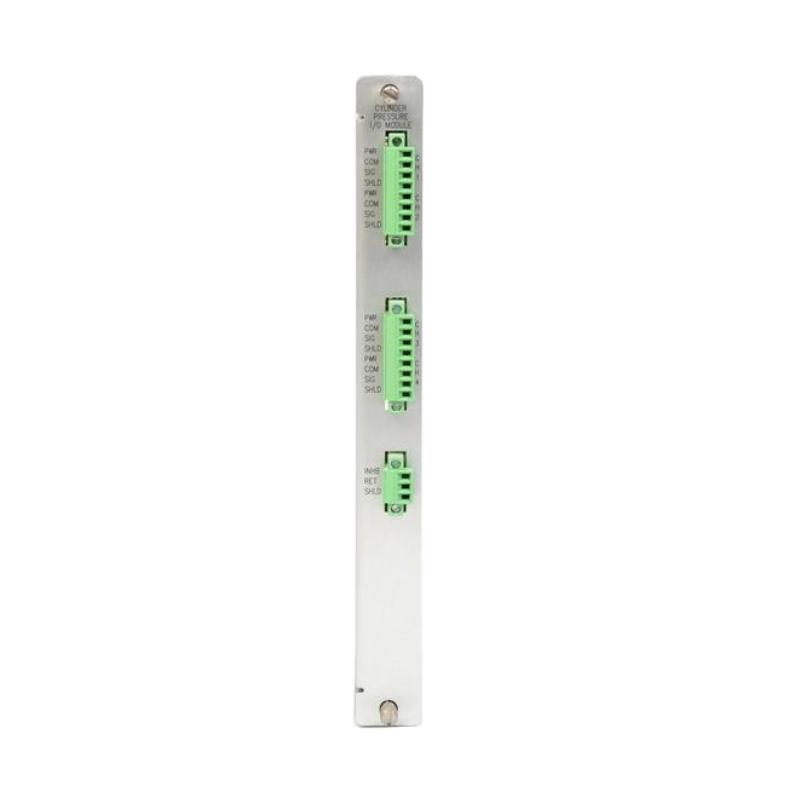
Product Overview
The Bently Nevada 3500/77 (143729-01) Cylinder Pressure I/O Module is a specialized interface component designed for integration within the Bently Nevada 3500 machinery protection system.
This module is used to acquire, condition, and transmit cylinder pressure signals from reciprocating machinery. It plays a critical role in monitoring combustion or compression pressure behavior, enabling accurate diagnostics and early detection of abnormal operating conditions.
By ensuring stable signal acquisition and reliable communication, it supports safe operation and improved performance of industrial reciprocating equipment.
Technical Specifications
| Parameter | Details |
|---|---|
| Manufacturer | Bently Nevada |
| Model | 3500/77 |
| Part Number | 143729-01 |
| Product Type | Cylinder Pressure I/O Module |
| Function | Pressure signal acquisition and I/O processing |
| System Compatibility | Bently Nevada 3500 Series |
| Signal Type | Cylinder pressure input signals |
| Measurement Focus | Reciprocating cylinder pressure |
| Dimensions | 241.3 × 24.4 × 99.1 mm |
| Weight | 0.2 kg |
| Installation | Rack-mounted (3500 system) |
| Application | Machinery condition monitoring |
| Environment | Industrial-grade |
| Data Handling | Signal conditioning and transmission |
| Reliability | Designed for continuous operation |
Function and Working Principle
The 3500/77 module operates by receiving pressure signals from cylinder-mounted sensors in reciprocating machinery. These signals are conditioned and transmitted to the main monitoring system for analysis.
Key functions include:
- Acquisition of cylinder pressure signals
- Signal conditioning for stable data transmission
- Support for combustion and compression analysis
- Integration with machinery protection logic
This allows precise monitoring of cylinder performance and helps detect abnormal pressure behavior early.
Role in Industrial Control Systems
The Bently Nevada 3500/77 plays an important role in machinery protection systems by supporting:
- Monitoring of reciprocating compressors and engines
- Cylinder performance evaluation and diagnostics
- Integration with vibration and temperature monitoring modules
- Real-time protection against abnormal pressure conditions
It enhances system reliability by ensuring accurate pressure-based condition monitoring.
Industrial Applications
The Bently Nevada 3500/77 (143729-01) is commonly used in:
- Reciprocating compressors
- Gas engines
- Oil and gas processing facilities
- Petrochemical plants
- Power generation systems
- Industrial pressure monitoring applications
It is especially suitable for systems requiring precise cylinder pressure analysis.
Installation and System Integration
Proper installation ensures optimal performance:
- Installed in Bently Nevada 3500 rack systems
- Connected to cylinder pressure sensors
- Integrated with monitoring and protection modules
- Configured for pressure thresholds and alarm settings
- Requires proper calibration and system verification
Correct setup ensures accurate measurement and reliable long-term operation.
Compatible System Components
The 3500/77 module typically works alongside:
- Bently Nevada 3500 rack system
- Vibration monitoring modules (3500/40 series)
- Temperature monitoring modules (3500/65 series)
- Reciprocating monitoring modules (3500/70 and 3500/72 series)
- System power supply and communication modules
Together, these components form a complete machinery protection system.
Recommended Alternative Models
| Model | Type | Key Feature | Application |
|---|---|---|---|
| 3500/77M | Pressure module variant | Enhanced pressure processing | Advanced monitoring systems |
| 3500/72 | Rod position monitor | Displacement tracking | Reciprocating machinery |
| 3500/70M | Velocity monitor | Motion analysis | Dynamic systems |
| 3500/65 | Temperature monitor | Thermal protection | Equipment safety |
| 3500 Series Modules | Modular platform | Scalable architecture | Industrial automation systems |
Key Advantages
- Accurate cylinder pressure monitoring
- Early detection of abnormal pressure behavior
- Fully compatible with Bently Nevada 3500 system
- Supports continuous industrial operation
- Enhances reciprocating machinery performance
- Improves system safety and diagnostics capability
Technical FAQs
What is the main function of the 3500/77 module?
It acquires and processes cylinder pressure signals for monitoring and protection purposes.
Where is it commonly used?
It is used in compressors, engines, and industrial pressure monitoring systems.
Why is cylinder pressure monitoring important?
It helps detect combustion or compression issues early, preventing equipment damage.
Conclusion
The Bently Nevada 3500/77 (143729-01) Cylinder Pressure I/O Module is a critical component in industrial machinery protection systems. It provides accurate pressure signal acquisition and processing, ensuring reliable monitoring of reciprocating equipment performance.
For engineers and system integrators, this module offers a dependable solution for improving diagnostics accuracy, enhancing operational safety, and maintaining long-term system stability in demanding industrial environments.