

ProductPRODUCT
Featured products
Contact Us
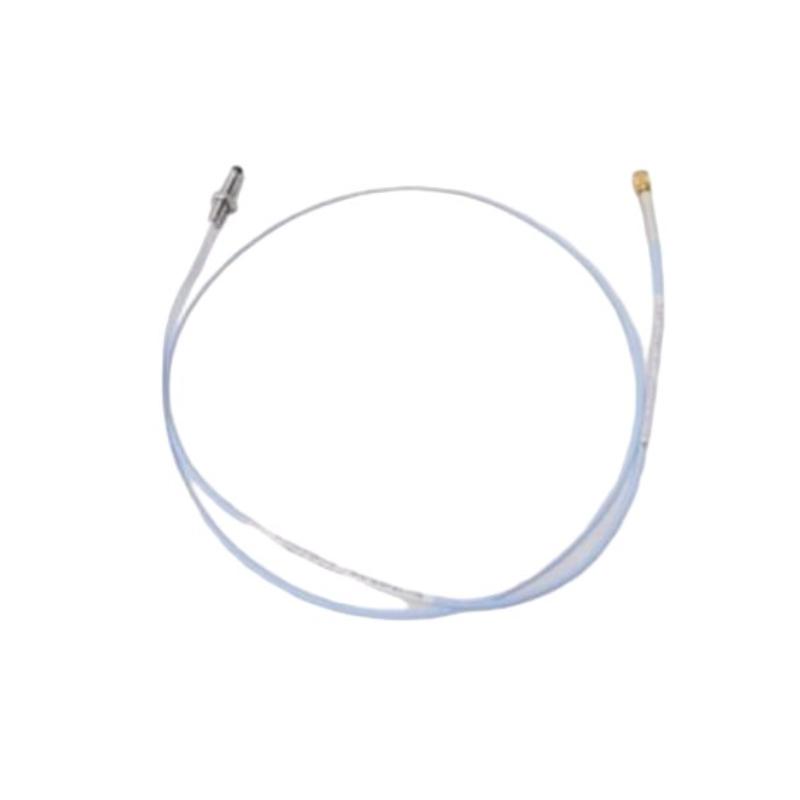
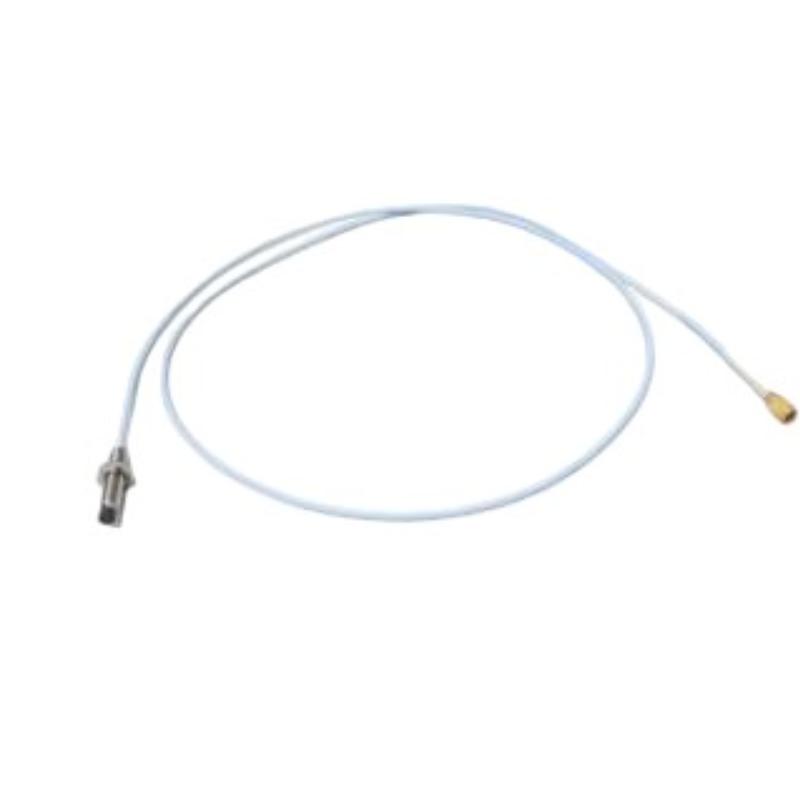
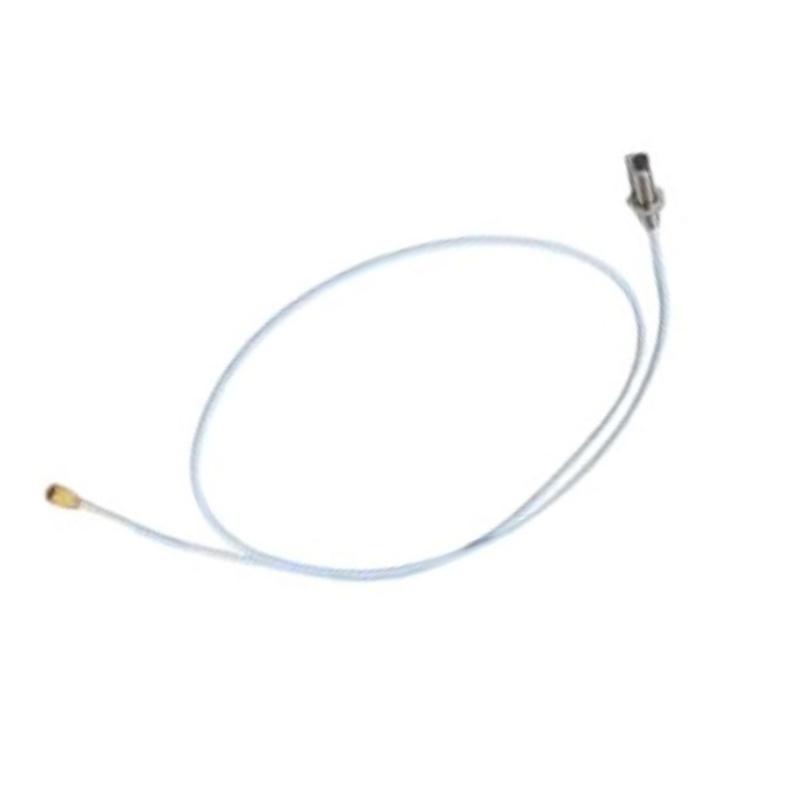
- Bently Nevada
- 330901-00-14-10-02-00
- 3300 XL NSv Proximity Probe
- USA
- 8 mm diameter × ~65–95 mm length
- 0.37kg
- Xiamen, China
- New & In Stock
- T/T, PayPal, Western Union
- 1 Year
- 1-3 Working Days
- DHL, UPS, TNT, FedEx and EMS.
- 24-Hour Service
- COO
- 53
Our advantage

Global Logistics
We have a 10-year logistics and express cooperation agreement, so our products can be shipped to any place in the world.

Brand new and original
Our products are imported in bulk from the place of origin. Because of the cooperative relationship, our products are all original and 100% new.

24-hour service
We provide 7*24 hours service to our customers. We will be there whenever you need us.

Price advantage
All our products are priced very favorably because we have our own warehouse and supply.
| Company Information | |||
| [email protected] | |||
| Mobile | +8615980777398 | ||
| +8615980777398 | |||
| 15980777398 |
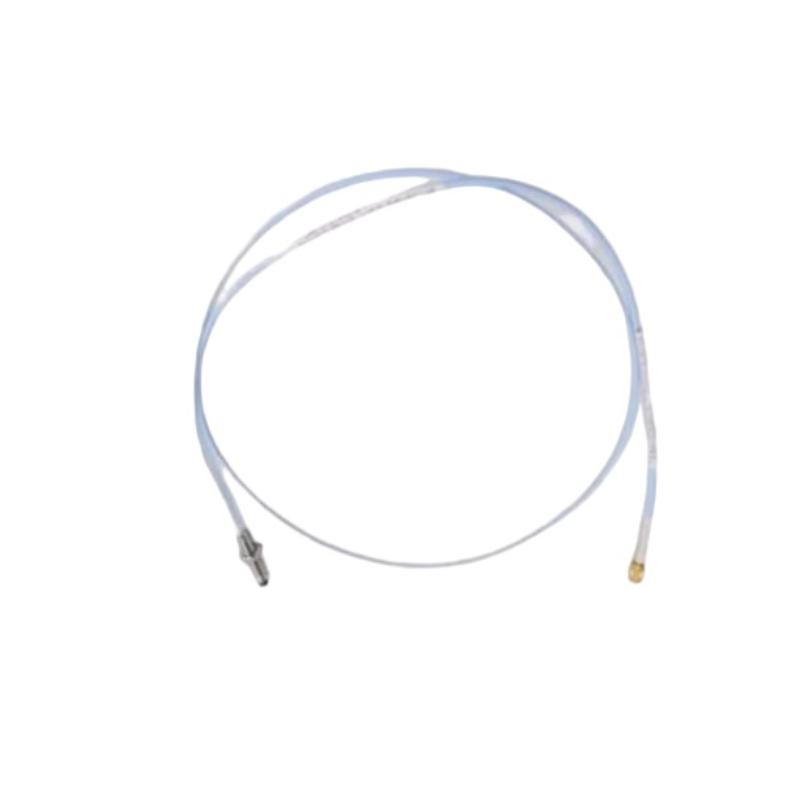
Industrial Technical Specification Report
Model: 330901-00-14-10-02-00 Proximity Probe
1. Product Overview
The model 330901-00-14-10-02-00 is a precision proximity probe designed for continuous non-contact measurement of shaft vibration, radial displacement, and rotor dynamic behavior in rotating machinery systems.
It uses eddy current sensing technology, which enables accurate measurement of distance changes between the probe tip and conductive metallic surfaces without physical contact.
The probe is typically installed in turbines, compressors, pumps, and other high-speed rotating machinery where real-time monitoring is required to ensure operational safety and prevent mechanical failure.
This product belongs to the 3300 XL proximity measurement platform within the industrial machinery monitoring ecosystem of Bently Nevada.
2. Product Series Description
The model is part of the 3300 XL 8 mm Proximity Probe Series, a widely used industrial standard for rotating machinery protection and condition monitoring.
Key characteristics of the series include:
- 8 mm standardized probe geometry
- Eddy current non-contact measurement technology
- Modular architecture (probe + cable + driver module)
- High stability in harsh industrial environments
- Long-term calibration consistency
- Strong electromagnetic interference resistance
- Designed for continuous 24/7 industrial operation
This series is widely deployed in global heavy industry applications.
3. Technical Parameters
Product Specification Table
| Parameter | Specification |
|---|---|
| Model | 330901-00-14-10-02-00 |
| Measurement Principle | Eddy current displacement sensing |
| Application Type | Shaft vibration and radial displacement monitoring |
| Probe Diameter | 8 mm |
| System Compatibility | 3300 XL proximity monitoring system |
| Linear Measurement Range | Approx. 2 mm – 4 mm |
| Target Material | Conductive metallic rotating shafts |
| Output Signal | Analog voltage proportional to gap distance |
| Cable Configuration | Integrated probe cable |
| Cable Length Code | 14 configuration standard |
| Electrical Interface | Industrial connector system |
| Operating Temperature | -52°C to +177°C |
| Storage Temperature | -55°C to +200°C |
| Mounting Type | Threaded installation |
| Housing Material | Stainless steel + insulation coating |
| Calibration | Factory calibrated linear response |
| Frequency Response | Suitable for high-speed rotating machinery |
| EMI Resistance | High immunity to industrial electromagnetic interference |
| Dimensions | 8 mm diameter × ~65–95 mm length |
| Total Assembly Length | Depends on system configuration |
| Weight | ~0.20 – 0.37 kg |
4. Working Principle
The probe generates a high-frequency electromagnetic field at its sensing tip.
When positioned near a conductive rotating shaft, eddy currents are induced on the shaft surface.
The interaction strength varies according to the distance between probe and shaft.
This variation is converted into an electrical signal proportional to displacement, which is then processed by monitoring systems for vibration analysis and machinery condition evaluation.
5. Application Fields
The model is widely used in rotating machinery monitoring systems across multiple industrial sectors.
It is applied for measuring shaft vibration, rotor eccentricity, axial position, and dynamic clearance in real time.
Typical application industries include:
- Gas turbine and steam turbine power plants
- Hydroelectric generation systems
- Oil and gas compressor stations
- Petrochemical refining facilities
- Industrial pumping systems
- Marine propulsion systems
- Heavy manufacturing rotating machinery
It is particularly important in predictive maintenance systems where early fault detection is required to prevent equipment failure.
6. Product Advantages
This model provides several key engineering advantages:
It enables non-contact measurement, eliminating mechanical wear and extending service life.
It maintains stable performance under harsh industrial conditions such as high temperature, vibration, and contamination.
It delivers excellent linear accuracy across its measurement range, ensuring reliable diagnostic results.
It provides strong electromagnetic interference resistance, improving signal stability in industrial environments.
It supports modular system integration, allowing flexible installation and replacement.
It is designed for continuous operation in mission-critical environments with minimal maintenance requirements.
7. Related Models (Same Series / Closely Related Variants)
Technical Comparison Table
| Model | Description | Key Characteristics | Dimensions | Weight (kg) |
|---|---|---|---|---|
| 330901-00-08-10-02-00 | Compact configuration probe | Short cable, compact installation | 8 mm × ~55 mm | ~0.17 |
| 330901-00-10-10-02-00 | Standard configuration probe | Balanced cable length, general use | 8 mm × ~60 mm | ~0.19 |
| 330901-00-15-10-02-00 | Extended reach probe | Long cable for remote mounting | 8 mm × ~70 mm | ~0.27 |
| 330905-00-14-10-02-00 | High-temperature variant | Enhanced thermal resistance design | 8 mm × ~65 mm | ~0.22 |
| 330908-00-14-10-02-00 | Reinforced industrial probe | Improved vibration and EMI resistance | 8 mm × ~70 mm | ~0.25 |
8. Popular Models from Same Ecosystem
Widely Used Industrial Products Table
| Model | Product Type | Function | Dimensions | Weight (kg) |
|---|---|---|---|---|
| 3300 XL 8mm Proximity System | Probe system | Shaft vibration monitoring platform | 8 mm probe | ~0.20 |
| 330780-90-00 Proximitor Sensor | Signal conditioning module | Converts probe signal into monitoring output | Compact module | ~0.45 |
| 3500/42M Vibration Monitor Module | Monitoring module | Multi-channel vibration analysis system | Rack unit | ~1.6 |
| 190501 Accelerometer Sensor | Vibration sensor | Structural vibration measurement device | Small sensor body | ~0.12 |
| TK-3E Calibration Kit | Calibration system | Field testing and verification equipment | Portable kit | ~2.4 |
9. Summary
The 330901-00-14-10-02-00 proximity probe is a high-precision industrial sensing device designed for continuous monitoring of rotating machinery.
It provides accurate shaft vibration and displacement measurement, supporting condition-based maintenance strategies in critical industrial systems.
Its robust construction, stable signal performance, and compatibility with standardized monitoring architectures make it suitable for long-term deployment in demanding environments.
The model is widely used across power generation, petrochemical, and heavy industrial sectors where reliability and early fault detection are essential.