

ProductPRODUCT
Featured products
Contact Us
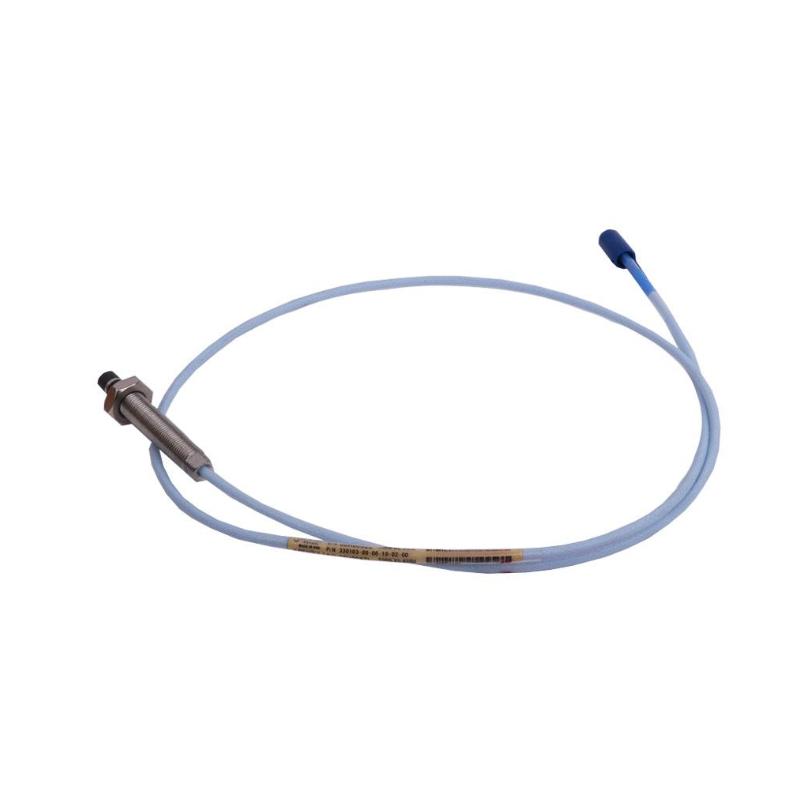
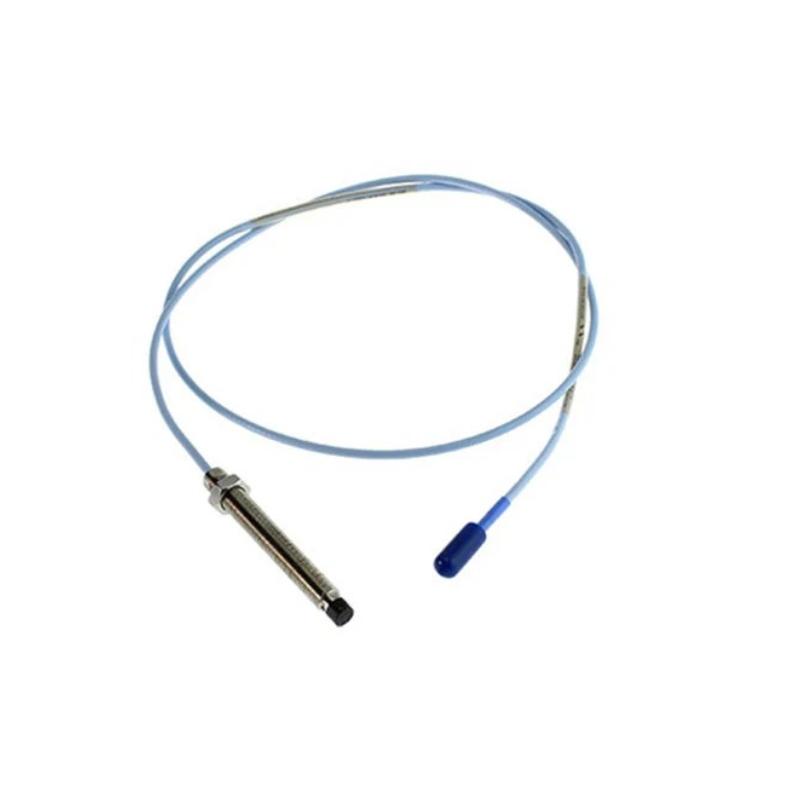
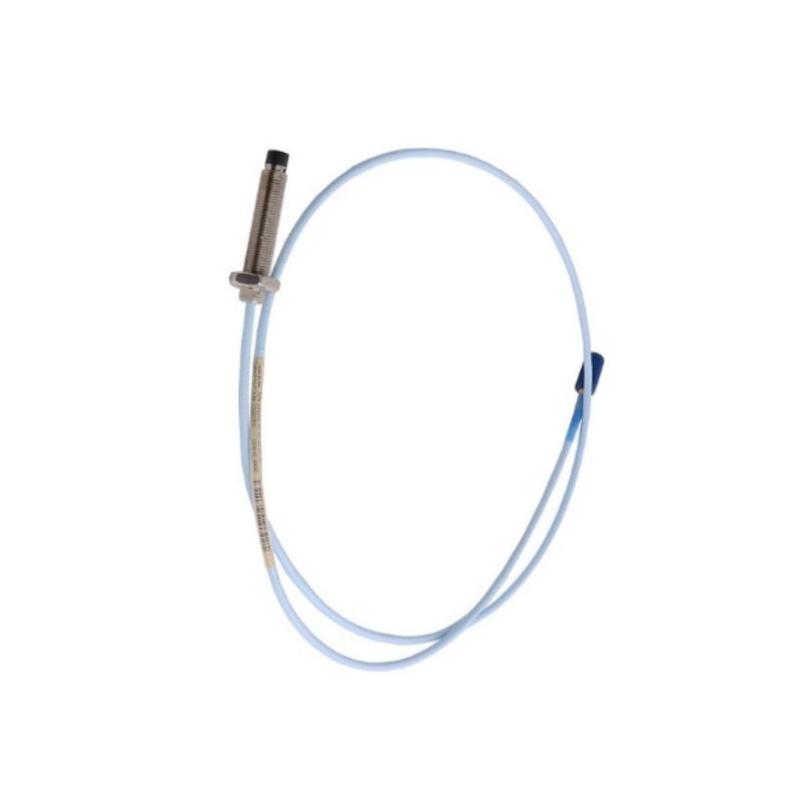
- Bently Nevada
- 330103-05-15-10-02-00
- 3300 XL 8 mm Proximity Probes
- USA
- 65 mm (length) × 8 mm (diameter)
- 0.35kg
- Xiamen, China
- New & In Stock
- T/T, PayPal, Western Union
- 1 Year
- 1-3 Working Days
- DHL, UPS, TNT, FedEx and EMS.
- 24-Hour Service
- COO
- 170
Our advantage

Global Logistics
We have a 10-year logistics and express cooperation agreement, so our products can be shipped to any place in the world.

Brand new and original
Our products are imported in bulk from the place of origin. Because of the cooperative relationship, our products are all original and 100% new.

24-hour service
We provide 7*24 hours service to our customers. We will be there whenever you need us.

Price advantage
All our products are priced very favorably because we have our own warehouse and supply.
| Company Information | |||
| [email protected] | |||
| Mobile | +8615980777398 | ||
| +8615980777398 | |||
| 15980777398 |
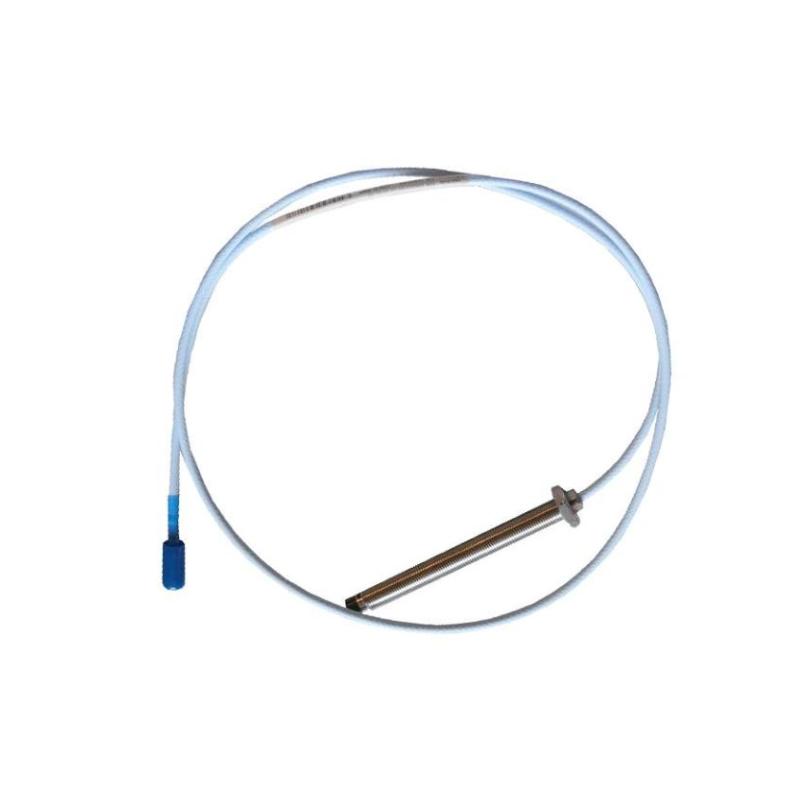
Bently Nevada 330103‑05‑15‑10‑02‑00
Comprehensive Technical Specification, Product Overview, Applications and Advantages
1. Product Introduction
The 330103‑05‑15‑10‑02‑00 is a precision eddy current proximity probe designed for non‑contact measurement of shaft vibration, radial displacement, and positional changes in rotating machinery.
This eddy current proximity probe is part of the 3300 XL 8 mm proximity probe series, a widely recognized industrial standard for vibration and displacement monitoring. It functions by generating a high‑frequency electromagnetic field at the probe tip. The distance between the probe and a conductive target, typically a rotating shaft, alters the field. These changes are converted to a voltage output that can be interpreted by industrial monitoring systems to measure vibration, displacement, and keyphasor position.
The specific configuration “05‑15‑10‑02‑00” denotes a standard industrial probe with a long body length and standard protection option, ideal for general rotating machinery monitoring without special hazardous‑area certification. This model is tailored for general industrial applications requiring greater mounting depth or extended probe reach.
2. Brand
- Brand: Bently Nevada
- Industry Focus: Industrial machinery protection and condition monitoring
- Core Technologies: Eddy current sensing, vibration analysis, shaft position measurement
Bently Nevada is a well‑established provider of condition monitoring instruments used worldwide in power plants, manufacturing, oil & gas, and heavy industry. The 3300 XL series probes are known for their long‑term stability and compatibility with standard vibration monitoring systems.
3. Series
- Series Name: 3300 XL 8 mm Proximity Probe Series
- Sensor Type: Eddy current non‑contact sensor
- System Compatibility: 3300 or 3500 condition monitoring systems
- Application Scope: Continuous online vibration and displacement monitoring
The 3300 XL series is engineered for robust performance and reliable signal output in industrial environments where accurate real‑time data on shaft behavior is critical for machine protection and predictive maintenance.
4. Technical Specifications
| Parameter | Description |
|---|---|
| Model | 330103‑05‑15‑10‑02‑00 |
| Sensor Type | Eddy current proximity probe |
| Probe Diameter | 8 mm |
| Measurement Range | 0.5 – 10 mm |
| Linear Operating Range | approx. 2 mm |
| Sensitivity | Typical industrial standard |
| Output Signal | Analog voltage |
| Frequency Response | 0 – 30 kHz |
| Power Supply | 12 – 24 V DC via monitoring system |
| Operating Temperature | −40 °C to +85 °C |
| Storage Temperature | −50 °C to +100 °C |
| Humidity Resistance | Up to 95 % non‑condensing |
| Protection Rating | IP67 |
| Probe Body Material | Stainless steel |
| Tip Material | High‑performance engineering polymer |
| Cable Type | Coaxial industrial cable |
| Connector Type | Standard miniature connector |
| System Cable Length | 5.0 meters |
| Probe Body Length Code | 15 (long body variant) |
| Cable Length Code | 10 |
| Option Code | 02 (standard industrial option) |
| Mounting Thread | M10 × 1 |
| Dimensions (probe body) | approx. 65 mm (length) × 8 mm (diameter) |
| Weight (kg) | approx. 0.35 kg |
5. Model Code Breakdown
330103‑05‑15‑10‑02‑00
- 330103 → 3300 XL 8 mm proximity probe type
- 05 → System cable length (5 meters)
- 15 → Probe body length variant (long body)
- 10 → Cable length segment
- 02 → Standard industrial protection option
- 00 → Default / no special certification
This configuration provides a longer probe body, useful for deeper mounting positions where extended reach is needed.
6. Product Features
- Non‑Contact Sensing: Eliminates wear associated with contact sensors.
- Stable Voltage Output: Delivers reliable signals for vibration and displacement analysis.
- Extended Measurement Range: Suitable for shafts and targets up to 10 mm away.
- Industrial Durability: Stainless steel construction resists mechanical damage and long‑term wear.
- Sealed Design: IP67 rating helps protect against dust and moisture ingress.
- Wide Operating Temperature: −40 °C to +85 °C for broad industrial use.
- Ease of Integration: Standardized mounting threads and cable connectors.
- Low Maintenance: No moving parts reduce service needs.
7. Applications
The 330103‑05‑15‑10‑02‑00 is used across a wide range of industrial rotating equipment:
- Steam Turbines – monitoring radial vibration and shaft positioning.
- Gas Turbines – continuous vibration detection at high shaft speeds.
- Compressors – detect imbalance and dynamic shaft motion.
- Pumps – ensure shaft stability and prevent premature bearing failures.
- Electric Motors – assess rotor movement for early signs of degradation.
- Gearboxes – monitor dynamic behavior under variable load.
- Fans and Blowers – track vibration patterns to prevent mechanical damage.
Common monitoring functions:
- Radial shaft vibration measurement
- Axial displacement tracking
- Shaft position / gap measurement
- Speed or phase reference keyphasor signals
This probe supports predictive maintenance programs aimed at reducing unscheduled downtime, extending machinery life, and improving operational safety.
8. Product Advantages
- High Precision: Accurate measurement at micron resolution.
- Reliability: Stable long‑term performance in demanding industrial environments.
- Durability: Resistant to dust, moisture, and mechanical stresses.
- Compatibility: Interchangeable with other 3300 series probes.
- Ease of Installation: Standard connectors and mounting threads simplify deployment.
- Low Operational Cost: Minimal maintenance due to non‑contact design.
- Industrial Suitability: Works effectively in varied industrial conditions.
- Extended Reach: Long body variant useful for recessed or deep installations.
9. Recommended Models (Same Series / Related)
| Model | Configuration | Measurement Range | Temperature | Dimensions | Weight (kg) |
|---|---|---|---|---|---|
| 330103‑05‑12‑10‑02‑00 | Medium body standard | 0.5 – 10 mm | −40~85 °C | 60×8 mm | 0.34 |
| 330103‑05‑13‑10‑02‑00 | Slightly longer body | 0.5 – 10 mm | −40~85 °C | 62×8 mm | 0.34 |
| 330103‑00‑05‑10‑02‑00 | Standard probe | 0.5 – 10 mm | −40~85 °C | 50×8 mm | 0.30 |
| 330103‑05‑15‑02‑00 | Long body, different cable | 0.5 – 10 mm | −40~85 °C | 65×8 mm | 0.35 |
| 330103‑05‑15‑10‑02‑05 | Long body with option | 0.5 – 10 mm | −40~85 °C | 65×8 mm | 0.36 |
10. Recommended Popular Models (Same Brand)
| Model | Type | Key Feature | Temperature | Dimensions | Weight (kg) |
|---|---|---|---|---|---|
| 330180‑90‑00 | Proximitor | Signal conditioning module | −40~85 °C | 120×80×30 mm | 0.30 |
| 330780‑90‑00 | Sensor head | High precision measurement | −40~85 °C | 60×10 mm | 0.20 |
| 330101‑00‑28‑10‑02‑05 | Probe | General purpose | −40~85 °C | 45×8 mm | 0.18 |
| 330703‑000‑100‑10‑02‑05 | Larger probe tip | Extended sensing diameter | −40~85 °C | 60×11 mm | 0.22 |
| 330701‑00‑20‑10‑01‑00 | Heavy‑duty probe | Designed for robust use | −40~85 °C | 60×11 mm | 0.23 |
11. FAQ (Q&A)
Q1: What does this proximity probe measure?
A: It measures vibration and displacement of rotating shafts without requiring physical contact.
Q2: Why is non‑contact measurement advantageous?
A: Non‑contact sensing prevents wear on the probe, ensuring long service life and consistent readings.
Q3: What environments can this probe operate in?
A: It works well in dusty, humid, and typical industrial temperature environments.
Q4: What systems can this probe be used with?
A: It is compatible with standard industrial monitoring systems such as 3300 and 3500 families.
Q5: Does this probe need calibration?
A: Periodic calibration is recommended to keep readings accurate over time.
Q6: What does the “15” code represent?
A: The “15” portion of the code indicates a longer probe body variant for extended reach.
Q7: How is this probe mounted?
A: It is typically mounted using an M10 × 1 threaded housing for secure installation.
Q8: Which types of machines commonly use this probe?
A: Steam turbines, gas turbines, compressors, pumps, motors, and gearboxes often employ this probe for condition monitoring.
Q9: What is the operating temperature range?
A: The probe is designed to operate from −40 °C to +85 °C.
Q10: Why is cable length important?
A: Correct cable length ensures accurate calibration and reliable signal transmission from the probe to the monitoring system.