

ProductPRODUCT
Featured products
Contact Us
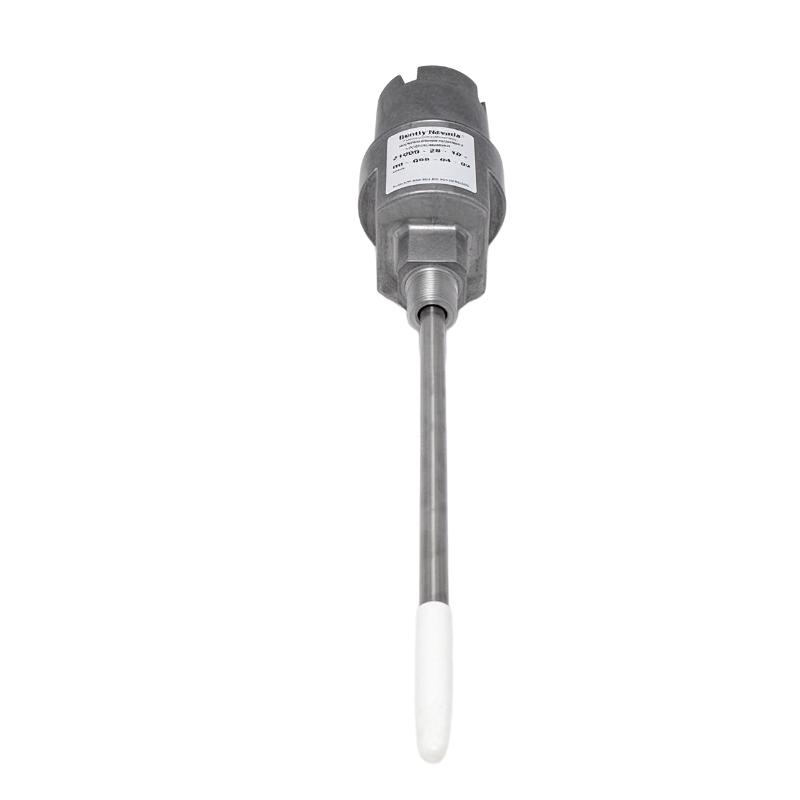
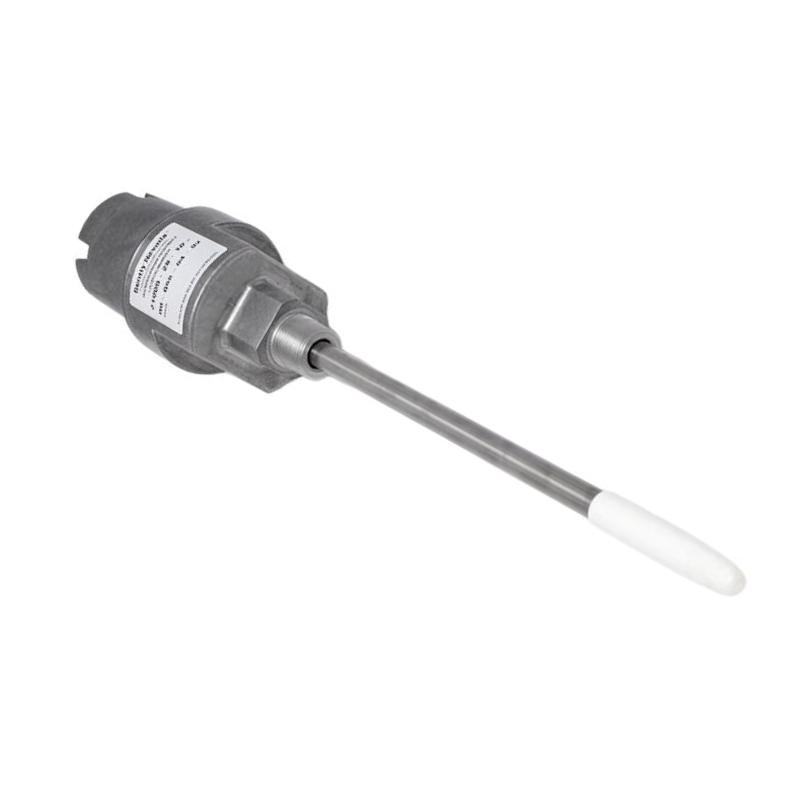
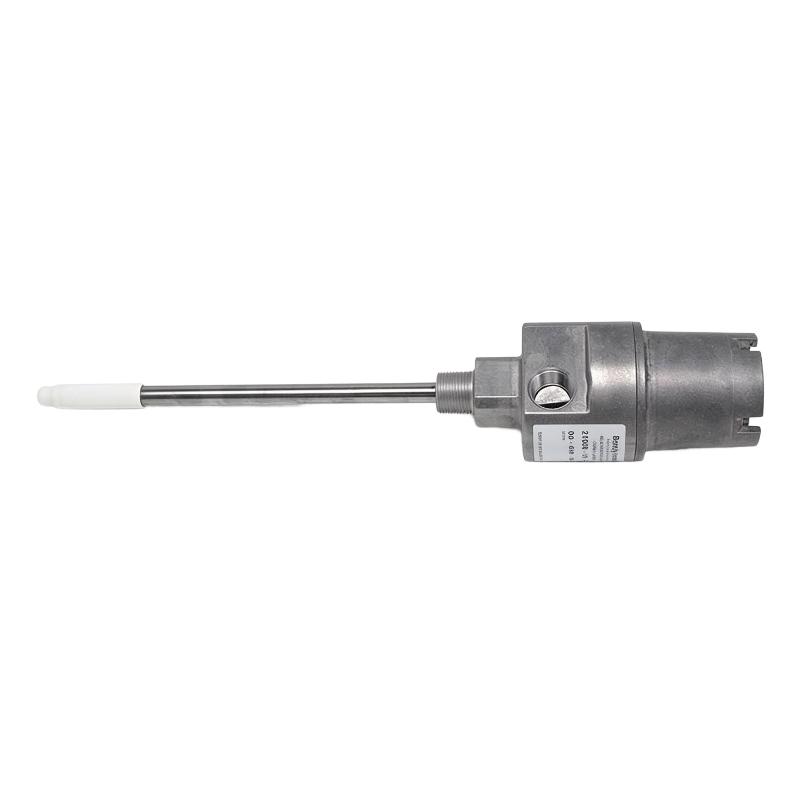
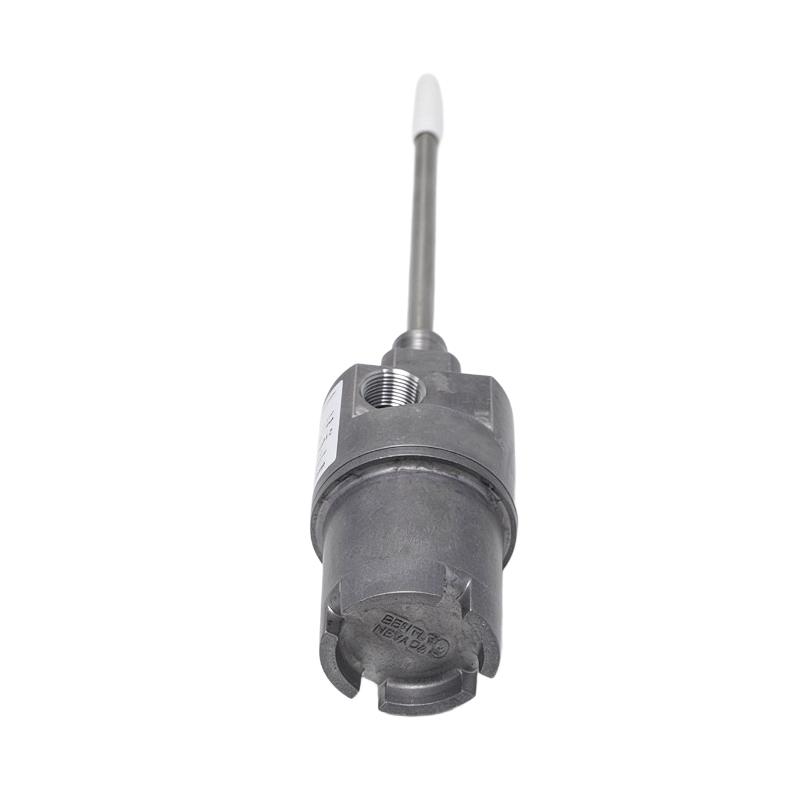
- Bently Nevada
- 21000-28-05-00-105-04-02
- Proximity Probe Housing Assembly (3300XL)
- USA
- 83.3 mm
- 1.1 kg
- Xiamen, China
- New & In Stock
- T/T, PayPal, Western Union
- 1 Year
- 1-3 Working Days
- DHL, UPS, TNT, FedEx and EMS.
- 24-Hour Service
- COO
- 34
Our advantage

Global Logistics
We have a 10-year logistics and express cooperation agreement, so our products can be shipped to any place in the world.

Brand new and original
Our products are imported in bulk from the place of origin. Because of the cooperative relationship, our products are all original and 100% new.

24-hour service
We provide 7*24 hours service to our customers. We will be there whenever you need us.

Price advantage
All our products are priced very favorably because we have our own warehouse and supply.
| Company Information | |||
| [email protected] | |||
| Mobile | +8615980777398 | ||
| +8615980777398 | |||
| 15980777398 |
Product Overview
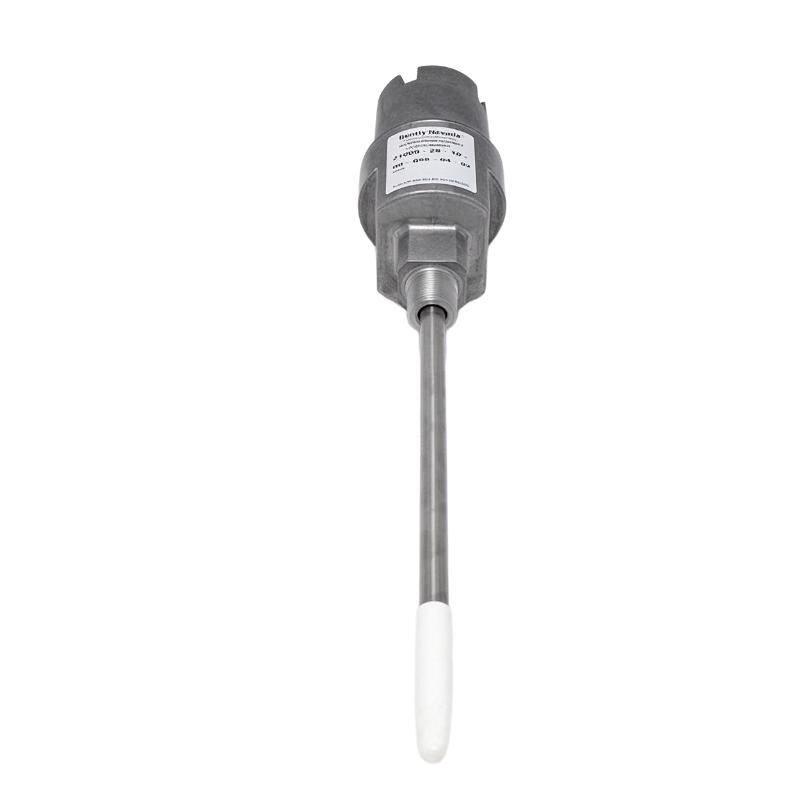
The Bently Nevada 21000-28-05-00-105-04-02 Proximity Probe Housing Assembly is designed to provide a protected mounting arrangement for proximity probe installations used in industrial machinery condition monitoring. It belongs to the Bently Nevada 21000 Series and is configured for use with a 3300 XL 8 mm proximity probe.
Proximity probes are widely used to monitor the vibration and displacement of rotating machinery. They measure the relative position of a conductive target, typically a machine shaft, without requiring physical contact. These measurements help machinery protection and condition-monitoring systems identify changes in shaft movement, vibration behavior, and mechanical operating conditions.
The 21000 housing assembly provides a mechanical structure for mounting and protecting the probe at the machine casing. It organizes the probe installation, cable connection, and mounting interface into a defined arrangement. This is particularly useful for industrial equipment operating in demanding environments where reliable probe positioning and protection are important.
The catalog number identifies a specific assembly configuration. The suffix code indicates a 3300 XL 8 mm probe with selectable hazardous-area approvals, a 0.5 m probe cable, no standoff adapter, a 10.5-inch probe penetration, and a specified fitting and mounting-thread arrangement.
The housing uses an aluminum body with a 304 stainless steel sleeve. This combination provides a lightweight structural housing with a corrosion-resistant probe sleeve. The typical weight of the 21000 assembly is 1.1 kg without fittings.
The product is suitable for applications involving turbines, compressors, pumps, and other rotating machinery where proximity measurements form part of a machinery protection or predictive maintenance system. Correct installation and compatibility with the monitoring electronics are essential for obtaining reliable measurement signals.
Technical Specifications
| Parameter | Specification |
|---|---|
| Brand | Bently Nevada |
| Manufacturer | Baker Hughes |
| Model | 21000-28-05-00-105-04-02 |
| Product Series | 21000 |
| Product Type | Proximity Probe Housing Assembly |
| Probe Compatibility | 3300 XL 8 mm |
| Probe Configuration | Selectable hazardous-area approvals |
| Probe Cable Length | 0.5 m (20 in) |
| Standoff Adapter | Not included |
| Probe Penetration | 10.5 in |
| Fitting Configuration | One 3/4-14 NPT plug only |
| Mounting Thread | 3/4-14 NPT |
| Housing Body Material | Aluminum |
| Probe Sleeve Material | 304 Stainless Steel |
| Housing Body Diameter | 83.3 mm |
| Typical Weight | 1.1 kg without fittings |
| Probe Operating and Storage Temperature | -51°C to +177°C for 3300 XL 8 mm probe |
| Product Application | Rotating machinery vibration and displacement monitoring |
Note: The housing diameter is the supplied listing value. The manufacturer’s 1.1 kg figure is a typical weight for the 21000 housing assembly without fittings. Confirm the complete assembly contents and hazardous-area approval requirements against the unit’s nameplate and order documentation.
Function and Working Principle
The 21000 proximity probe housing assembly provides the mechanical mounting and protection arrangement for a proximity probe. It does not independently perform vibration analysis. Instead, it supports the installation of the sensing element that measures shaft displacement and supplies signals to a compatible monitoring system.
1. Probe Mounting and Positioning
The housing provides a defined mounting structure for the proximity probe at the machine casing. Correct positioning is important because the probe must maintain the specified relationship with the rotating shaft or target surface.
The 10.5-inch penetration configuration determines the probe’s installation geometry. Engineers must confirm that this penetration is appropriate for the machine casing, bearing arrangement, and required measurement location.
2. Non-Contact Displacement Measurement
The compatible 3300 XL 8 mm proximity probe operates using an eddy-current sensing principle. The probe generates an electromagnetic field at its sensing tip. When a conductive target approaches or moves away from the tip, the electrical characteristics of the sensing circuit change.
The associated driver converts these changes into an electrical output representing the distance between the probe tip and the target.
When the target is a rotating shaft, the resulting signal can be used to evaluate shaft vibration, radial movement, and other displacement-related behavior.
3. Probe Cable Connection
The specified configuration includes a 0.5 m probe cable. This cable forms part of the sensing arrangement and connects the probe to the compatible extension cable and driver system, as required by the installation.
Cable length and system configuration must be checked carefully. The probe, extension cable, and driver must form a compatible measurement chain to maintain the required electrical characteristics and calibration.
4. Mechanical Protection
The housing protects the probe installation by providing a structured mounting arrangement and a sleeve around the probe. It helps organize the installation and reduce exposure to mechanical damage.
The aluminum body provides the main housing structure, while the 304 stainless steel sleeve provides a durable interface around the probe. The housing should still be installed according to the manufacturer’s mechanical and environmental requirements.
5. Hazardous-Area Installation Considerations
The probe option code 28 identifies a 3300 XL 8 mm probe with selectable hazardous-area approvals. The exact approval depends on the ordered configuration and applicable certification documentation.
For hazardous-area installations, the complete measurement circuit must meet the site’s electrical and safety requirements. The probe, driver, barriers or isolators where required, wiring, and installation method must be evaluated together. The presence of a selectable approval option should not be treated as automatic approval for every hazardous location.
Role in Industrial Machinery Protection Systems
The 21000 housing assembly is a mechanical component within a larger machinery monitoring arrangement. It supports the installation of the proximity probe, while the associated sensing electronics and monitoring system process the measurement signal.
Shaft Vibration Monitoring
Proximity probes are commonly installed near machine bearings to measure shaft vibration relative to the bearing housing. These measurements help identify changes in rotor behavior that may indicate imbalance, misalignment, looseness, or other mechanical conditions.
The housing helps maintain the intended probe installation geometry so that the sensing element can operate consistently.
Shaft Position Monitoring
In addition to vibration, proximity probe systems can be used to monitor shaft position and movement. Depending on the monitoring configuration, these measurements may support the assessment of shaft clearance, axial position, and rotor displacement.
Integration with Bently Nevada Monitoring Equipment
A compatible 3300 XL probe can form part of a Bently Nevada proximity measurement system. The measurement chain generally includes the probe, extension cable where required, driver, and monitoring input.
The 21000 housing assembly provides the mechanical mounting arrangement. It should not be confused with a monitor module, signal conditioner, or standalone vibration transmitter.
Machinery Protection and Maintenance
Measurements from proximity probes can be processed by machinery protection systems to provide alarms, trips, and diagnostic information according to the configured monitoring strategy.
Reliable results depend on correct probe selection, mechanical installation, cable compatibility, calibration, and monitoring-system configuration.
Industrial Applications
The Bently Nevada 21000-28-05-00-105-04-02 is intended for proximity probe installations on industrial rotating machinery. Its use is particularly relevant where shaft vibration and displacement measurements are part of an equipment protection strategy.
1. Steam and Gas Turbines
Turbines operate at high rotational speeds and require continuous monitoring of rotor behavior. Proximity probes installed near appropriate bearing locations can measure shaft vibration and relative displacement.
The housing provides a mounting arrangement for the probe at the machine casing. Correct penetration and alignment are important to ensure the sensing tip is positioned at the intended measurement point.
2. Industrial Compressors
Centrifugal and other high-speed compressors rely on stable rotor operation. Shaft vibration monitoring can help maintenance teams identify changes in machine condition before they develop into serious operating problems.
The 21000 assembly can support a suitable proximity probe installation where its mounting geometry and probe configuration match the compressor design.
3. Industrial Pumps
Large process pumps may use proximity probes to monitor shaft movement and bearing-related conditions. Measurements can help maintenance personnel evaluate changes in rotor behavior and investigate abnormal vibration.
The housing should be selected according to the pump casing, available installation space, and required probe penetration.
4. Power Generation Equipment
Power generation facilities use machinery monitoring systems to protect turbines, generators, and auxiliary rotating equipment. Proximity probe installations provide information about shaft movement and vibration.
A properly mounted housing helps maintain the mechanical arrangement required for reliable sensing.
5. Petrochemical and Process Industries
Refineries and chemical processing facilities operate pumps, compressors, turbines, and other rotating equipment that may require continuous condition monitoring.
Where hazardous-area approvals are required, the complete probe and monitoring installation must be checked against the applicable site classification and certification requirements.
6. Industrial Machinery Maintenance
The assembly may also be used in maintenance and replacement projects involving existing Bently Nevada 21000 Series installations. Matching the full catalog number helps preserve the original probe type, cable length, penetration, and mounting arrangement.
Installation and System Integration
Proper installation is essential for mechanical stability, probe protection, and measurement reliability.
1. Verify the Complete Model Number
Before installation, confirm the full part number: 21000-28-05-00-105-04-02.
The ordering code contains important configuration information. In particular, verify the probe type, cable length, standoff adapter, penetration, fitting, and mounting thread. A similar-looking housing with a different suffix may have a different installation geometry.
2. Confirm the Mounting Interface
The specified configuration uses a 3/4-14 NPT mounting arrangement. Check the machine casing and mating connection before installation.
The mounting surface should be clean and suitable for the housing. Follow the manufacturer’s instructions for thread engagement, sealing, and mechanical tightening. Avoid excessive force that could damage the housing or machine connection.
3. Check Probe Penetration
This model has a 10.5-inch probe penetration. Verify that the specified penetration provides the required probe position relative to the shaft or target surface.
The actual installation geometry must account for the machine casing, bearing structure, probe sleeve, and required sensing gap. If the machine design differs from the original configuration, engineering review may be necessary.
4. Connect the Probe and Cable
The assembly is configured with a 0.5 m probe cable. Connect the probe to the appropriate extension cable and driver according to the compatible Bently Nevada measurement-system configuration.
Avoid sharp cable bends, excessive tension, and routing near sources of electrical interference. Inspect connectors and cable insulation before commissioning.
5. Verify Hazardous-Area Requirements
The probe option is identified as having selectable hazardous-area approvals. Confirm the actual approval markings and documentation supplied with the assembly.
The entire measurement circuit must comply with the area’s electrical classification. Use the required barriers, isolators, grounding arrangements, and wiring methods where specified by the system design.
6. Set the Probe Gap and Calibrate
After the mechanical installation, set the probe gap according to the applicable 3300 XL system instructions. Verify the output using the correct driver and monitoring equipment.
Incorrect probe gap settings, incompatible extension cables, or unsuitable driver configurations can affect measurement accuracy and may produce unreliable monitoring signals.
7. Commission the Monitoring System
After installation, confirm that the monitoring channel receives a stable signal. Check the probe connection, cable condition, driver compatibility, channel configuration, and alarm settings.
Record the installation details and final measurement settings for future maintenance and replacement work.
Compatible System Components
The housing assembly is one part of a complete proximity measurement arrangement. The following components may be required depending on the monitoring-system design.
| Component | Function | Compatibility Considerations |
|---|---|---|
| Bently Nevada 3300 XL 8 mm probe | Measures shaft displacement without contact | This assembly is configured for the 3300 XL 8 mm probe option |
| 3300 XL extension cable | Connects the probe to the driver | Match cable type and total system length |
| 3300 XL Proximitor Sensor | Conditions the probe signal | Confirm compatibility with the probe and extension cable |
| Machinery monitor module | Processes measurement signals and provides monitoring functions | Select according to the installed monitoring platform |
| Probe mounting sleeve | Supports the probe within the housing | Verify the mechanical arrangement and penetration |
| 3/4-14 NPT mounting connection | Provides the specified housing interface | Confirm the mating machine connection |
| Hazardous-area barrier or isolator | Supports compliance with applicable installation requirements | Select according to the complete circuit approval |
| Monitoring cabinet | Houses signal-conditioning and monitoring equipment | Ensure suitable wiring, grounding, and environmental conditions |
The housing assembly does not replace the driver or monitoring electronics. Confirm which components are included in the supplied package before purchasing additional parts.
Alternative Models and Replacement Considerations
Bently Nevada offers different proximity probe housing configurations for different probe types, cable lengths, penetration requirements, and mounting arrangements.
| Related Model or Series | Description | Replacement Considerations |
|---|---|---|
| 21000-16 Series | Housing configuration for a 3300 XL 8 mm probe | Check probe approval option and complete suffix |
| 21000-28 Series | 3300 XL 8 mm probe with selectable hazardous-area approvals | Match cable length, penetration, and mounting details |
| 21000-29 Series | Configuration for a 3300 XL 11 mm probe | Not a direct substitute for an 8 mm probe arrangement |
| 21000-30 Series | 3300 XL 11 mm probe with selectable hazardous-area approvals | Verify probe and system compatibility |
| 24701 Series | Stainless steel proximity probe housing assembly | Different housing material and typical weight |
| 164818 Series | Alternative proximity probe housing family | Confirm dimensions and exact application requirements |
When choosing a replacement, compare:
- Probe type and diameter.
- Hazardous-area approval requirements.
- Probe cable length.
- Standoff adapter configuration.
- Probe penetration length.
- Housing material and sleeve material.
- Mounting thread and fitting arrangement.
- Overall mechanical dimensions.
- Compatibility with the existing driver and extension cable.
- Monitoring-system configuration.
A housing assembly should not be selected by appearance alone. Even small differences in penetration, mounting thread, or probe type can prevent correct installation or affect measurement performance.
Key Advantages
Dedicated 3300 XL 8 mm Configuration
The assembly is configured for a 3300 XL 8 mm proximity probe, providing a defined mechanical arrangement for this sensing technology.
Protected Probe Installation
The housing and stainless steel sleeve provide a structured mounting arrangement that helps protect the probe and organize its installation at the machine casing.
Defined Cable and Penetration Options
The 0.5 m cable and 10.5-inch penetration configuration allow the assembly to be selected for installations with matching mechanical and electrical requirements.
Aluminum Housing Construction
The aluminum body provides a relatively lightweight structure, while the 304 stainless steel sleeve offers a durable probe interface.
Hazardous-Area Option
The specified probe option supports selectable hazardous-area approvals. The actual certification must be verified against the supplied product documentation and site requirements.
Support for Machinery Condition Monitoring
When combined with compatible sensing and monitoring electronics, the assembly supports proximity measurement installations used for shaft vibration and displacement monitoring.
Suitable for Maintenance and Replacement Projects
The full catalog number identifies the assembly configuration, helping maintenance teams source a matching component for existing 21000 Series installations.
Technical FAQs
1. What is the Bently Nevada 21000-28-05-00-105-04-02?
It is a 21000 Series proximity probe housing assembly configured for a 3300 XL 8 mm proximity probe. It provides the mechanical mounting and protection arrangement for an externally mounted probe installation.
2. Which probe does this assembly use?
The code 28 identifies a 3300 XL 8 mm probe with selectable hazardous-area approvals.
3. What is the probe cable length?
The code 05 identifies a 0.5 m (20 in) probe cable.
4. Does this model include a standoff adapter?
No. The code 00 indicates that no standoff adapter is included.
5. What is the probe penetration length?
The code 105 identifies a 10.5-inch probe penetration. Confirm the machine’s mounting geometry before installation.
6. What is the mounting thread?
The specified mounting arrangement uses a 3/4-14 NPT connection. Check the mating machine connection and installation documentation before fitting the assembly.
7. What materials are used in the housing?
The 21000 housing uses an aluminum body with a 304 stainless steel sleeve.
8. What is the typical weight?
The typical weight of a 21000 assembly is 1.1 kg without fittings. The actual supplied package weight may differ depending on included accessories and packaging.
9. Can this assembly be used in hazardous areas?
The probe option 28 supports selectable hazardous-area approvals. However, the exact certification must be verified for the ordered configuration. The complete measurement circuit must also comply with the site’s hazardous-area requirements.
10. Which monitoring system can use this assembly?
The assembly is intended for a compatible 3300 XL 8 mm proximity probe measurement arrangement. The probe, extension cable, driver, and monitoring input must be selected as a compatible system.
Procurement and Maintenance Recommendations
When purchasing the Bently Nevada 21000-28-05-00-105-04-02, verify the complete catalog number rather than relying only on the 21000 Series description. The probe option, cable length, penetration, fitting, and mounting arrangement all affect compatibility.
For replacement projects, compare the existing assembly’s probe type, mounting thread, penetration, and cable arrangement with the new unit. If hazardous-area approval is required, request the relevant certification information and verify that it applies to the exact configuration.
Before installation, inspect the housing body, sleeve, threads, fittings, probe connector, and cable. Check for physical damage, corrosion, deformation, or signs of improper storage. Confirm the probe and driver are compatible and that the complete measurement chain is configured correctly.
During routine maintenance, inspect the mounting connection and cable routing. Ensure that the probe remains securely installed and that the cable is protected from abrasion, vibration, heat, and electrical interference.
For critical machinery, retain installation records, probe gap settings, calibration information, and the complete model number. These records help maintenance teams identify compatible replacement parts and maintain consistent monitoring performance.
Conclusion
The Bently Nevada 21000-28-05-00-105-04-02 Proximity Probe Housing Assembly is designed for installations using a 3300 XL 8 mm proximity probe. Its configuration includes a 0.5 m probe cable, no standoff adapter, 10.5-inch probe penetration, and a 3/4-14 NPT mounting arrangement.
With an aluminum housing body and 304 stainless steel sleeve, the assembly provides a defined mechanical installation for proximity sensing in rotating machinery applications. When correctly installed with compatible probe cables, driver electronics, and monitoring equipment, it supports shaft vibration and displacement measurement systems used in industrial machinery protection and condition monitoring.