

ProductPRODUCT
Featured products
Contact Us
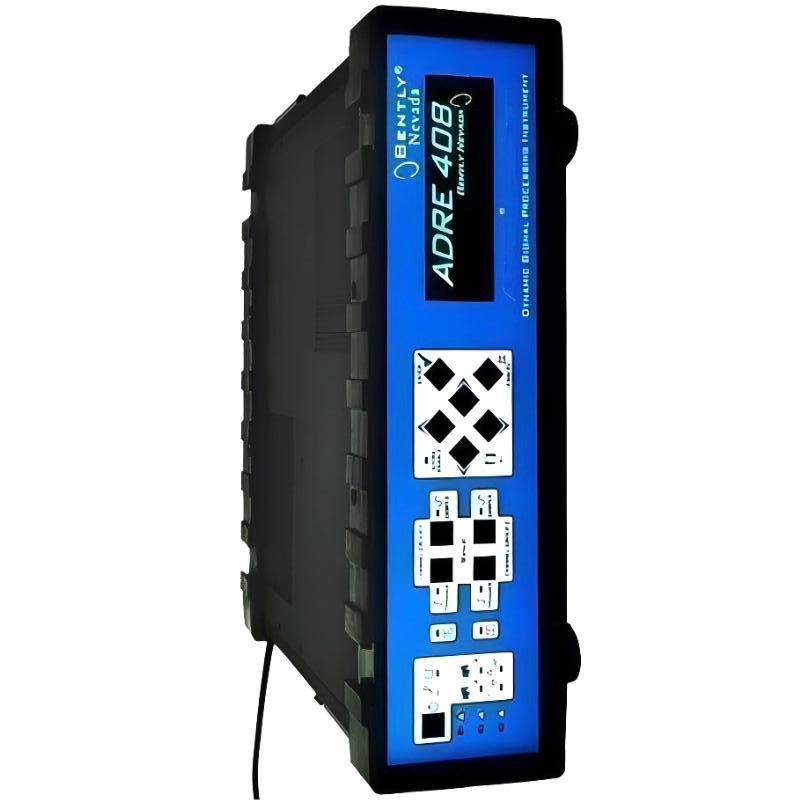
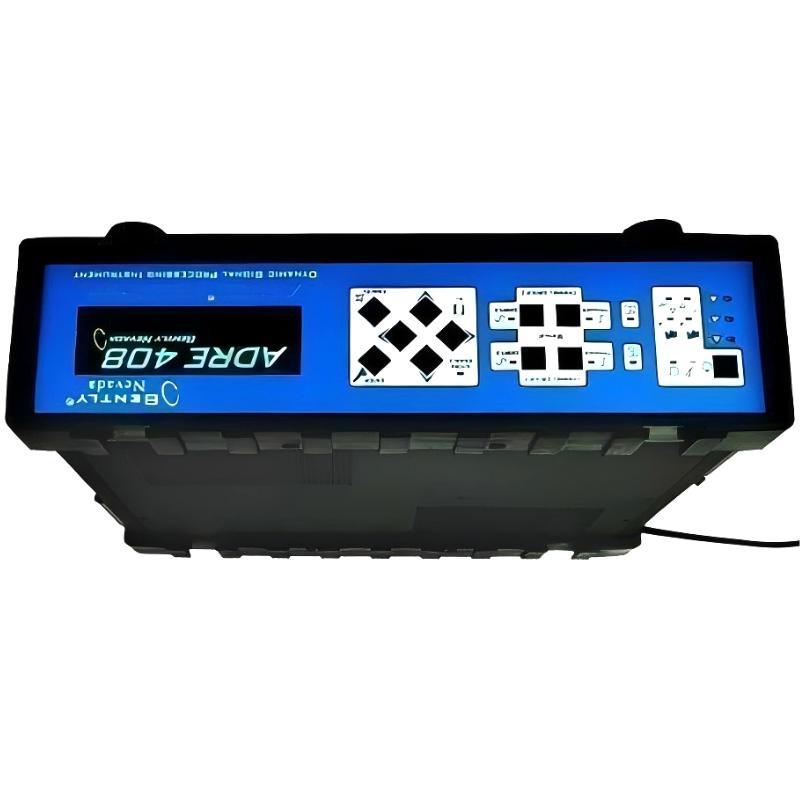
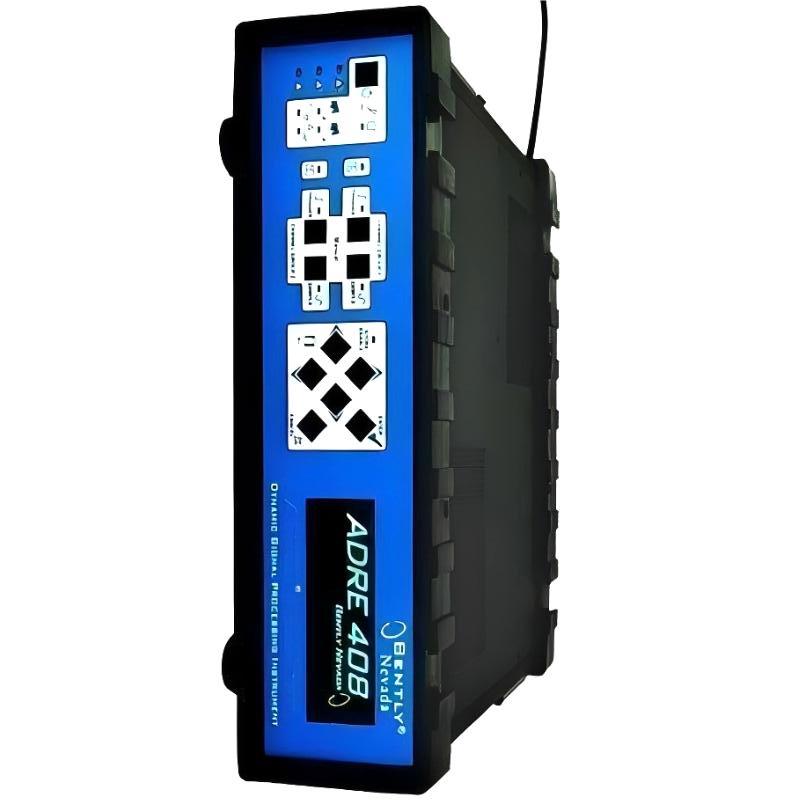
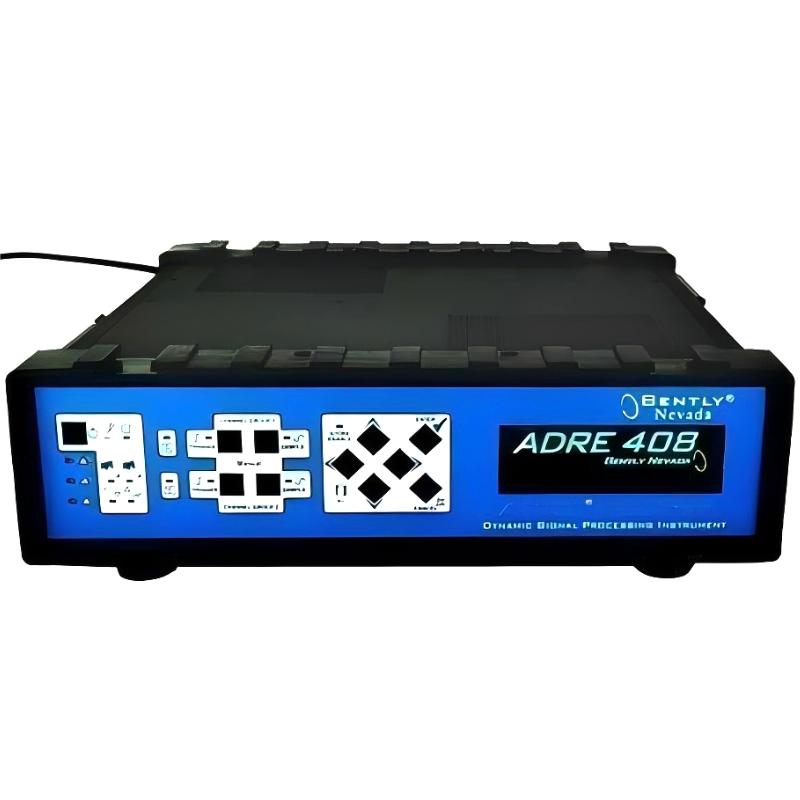
- Bently Nevada
- 168679-01-01-02-03-00-01-01-00-00-02
- Dynamic Signal Processing Instrument
- USA
- 410 × 100 × 361 mm
- 9.5 kg
- Xiamen, China
- New & In Stock
- T/T, PayPal, Western Union
- 1 Year
- 1-3 Working Days
- DHL, UPS, TNT, FedEx and EMS.
- 24-Hour Service
- COO
- 12
Our advantage

Global Logistics
We have a 10-year logistics and express cooperation agreement, so our products can be shipped to any place in the world.

Brand new and original
Our products are imported in bulk from the place of origin. Because of the cooperative relationship, our products are all original and 100% new.

24-hour service
We provide 7*24 hours service to our customers. We will be there whenever you need us.

Price advantage
All our products are priced very favorably because we have our own warehouse and supply.
| Company Information | |||
| [email protected] | |||
| Mobile | +8615980777398 | ||
| +8615980777398 | |||
| 15980777398 |
Product Overview
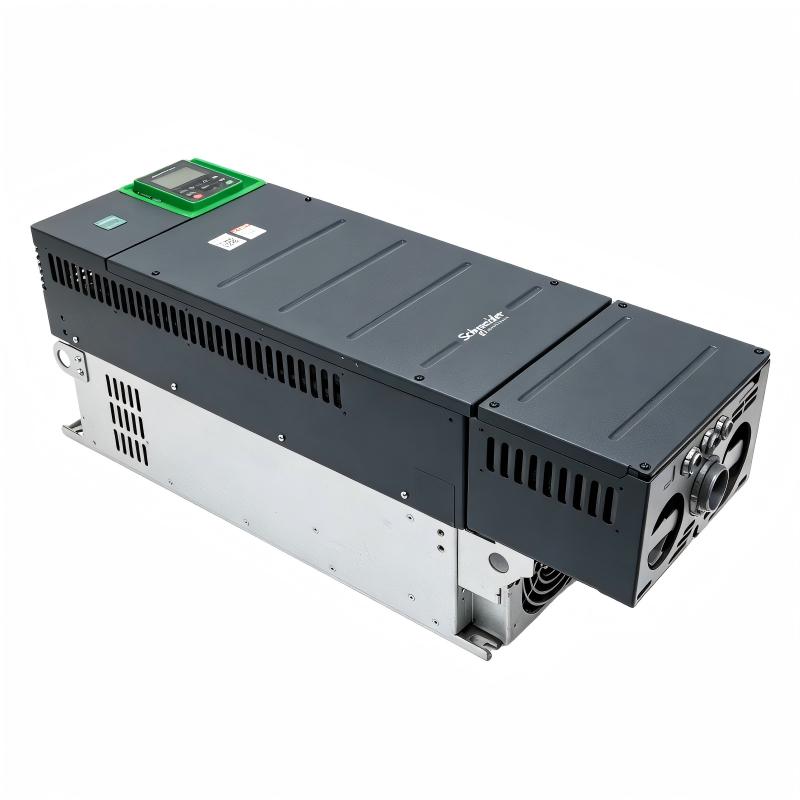
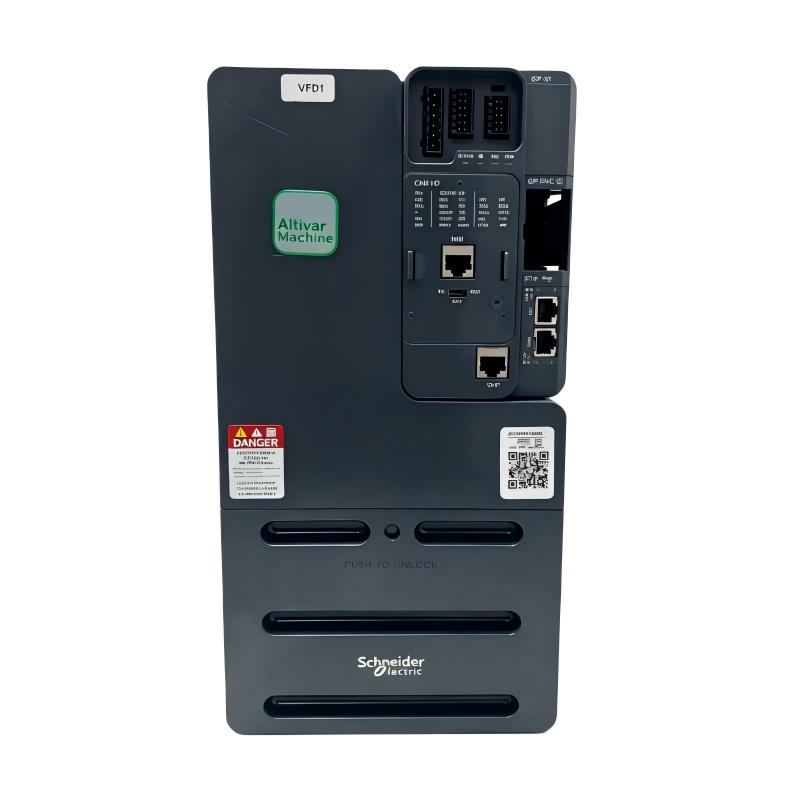
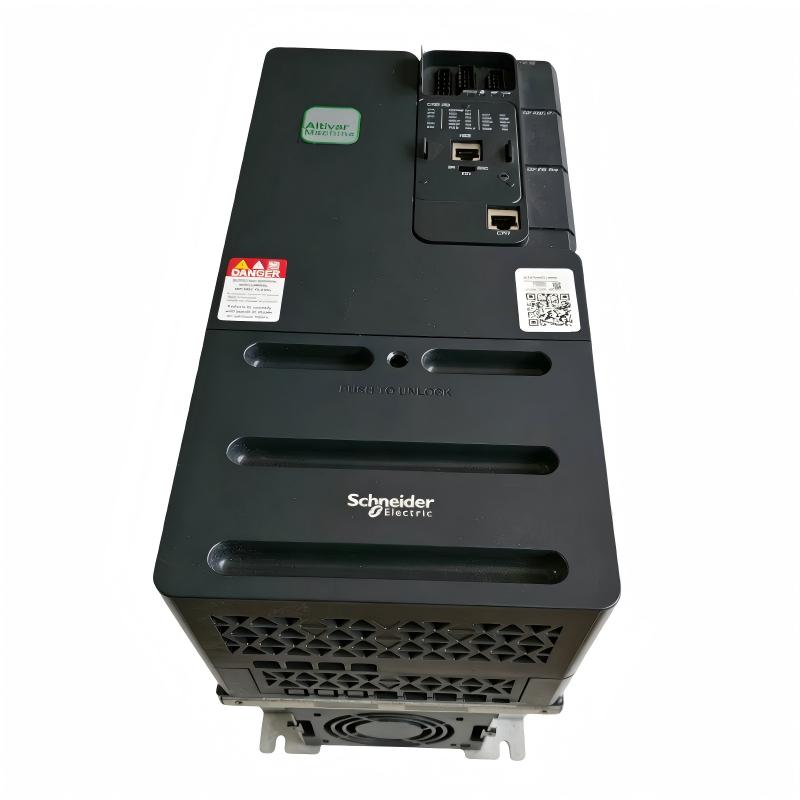
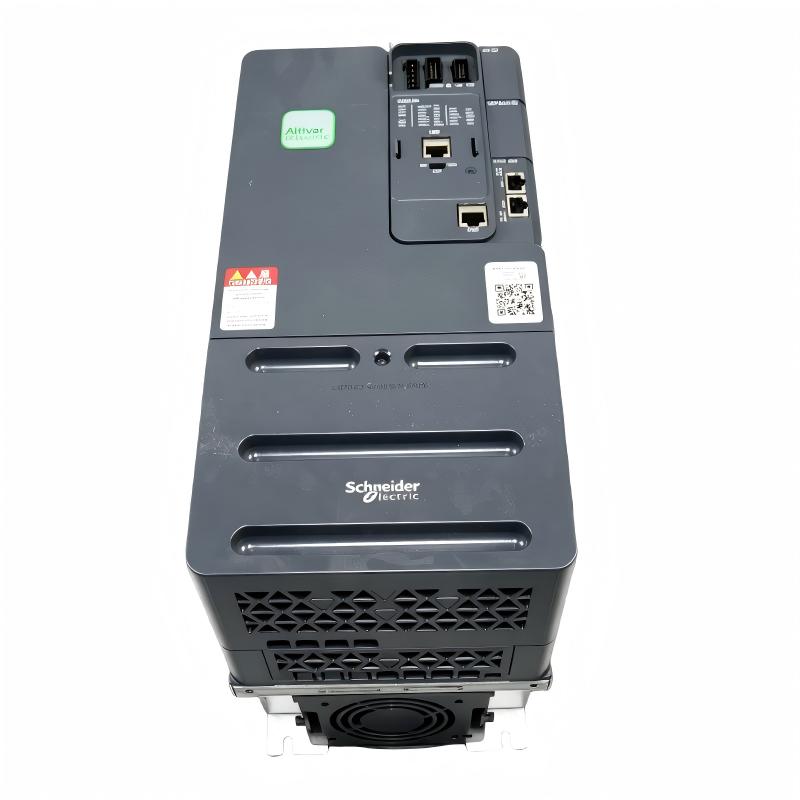
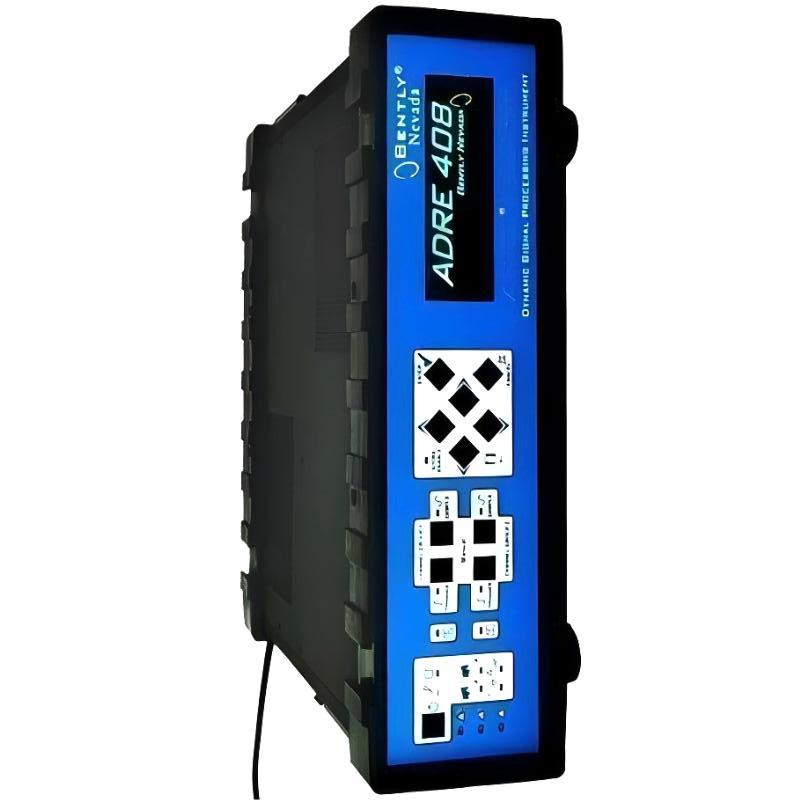
The Bently Nevada 168679-01-01-02-03-00-01-01-00-00-02 ADRE 408 Dynamic Signal Processing Instrument is a specialized machinery data-acquisition and dynamic signal processing device used in rotating equipment condition monitoring. It forms part of the ADRE 408 platform and is intended for collecting and processing dynamic machine signals for detailed analysis.
Unlike a conventional proximity probe or vibration sensor, the 168679-01-01-02-03-00-01-01-00-00-02 operates at the instrumentation and signal-processing level. It works with measurement channels from rotating machinery and converts acquired signals into usable data for engineers investigating vibration behavior, shaft dynamics, and machine operating conditions.
The ADRE 408 platform is particularly relevant when routine vibration values are not sufficient to explain a machine problem. Dynamic waveform and related measurement information can be examined to identify changes that may occur during startup, shutdown, load transitions, or other transient operating conditions.
For maintenance and diagnostic applications, the instrument should be considered as part of a complete measurement chain that includes sensors, signal connections, acquisition hardware, analysis software, and the monitored machine.
Technical Specifications
| Parameter | Specification |
|---|---|
| Manufacturer | Bently Nevada |
| Model | 168679-01-01-02-03-00-01-01-00-00-02 |
| Product Family | ADRE 408 |
| Product Type | Dynamic Signal Processing Instrument |
| Primary Function | Dynamic Machinery Signal Acquisition and Processing |
| System Role | Machinery Data Acquisition / Signal Analysis |
| Application | Rotating Machinery Condition Monitoring |
| Dimensions | 410 × 100 × 361 mm |
| Weight | 9.5 kg |
Product Features
The 168679-01-01-02-03-00-01-01-00-00-02 is intended for detailed acquisition and processing of dynamic signals associated with rotating machinery.
Key characteristics include:
- Bently Nevada ADRE 408 dynamic signal processing instrument
- Model 168679-01-01-02-03-00-01-01-00-00-02
- Designed for dynamic machinery signal acquisition
- Suitable for rotating equipment diagnostics
- Supports analysis of dynamic machine behavior
- Used with compatible machinery measurement channels
- Suitable for vibration investigation and condition assessment
- Useful for transient and steady-state machine analysis
- Supports engineering-level machinery diagnostics
- Suitable for maintenance, commissioning, and troubleshooting activities
Its role differs from that of a field sensor. Sensors capture physical machine behavior, while the ADRE 408 instrumentation processes acquired signals so engineers can analyze the resulting dynamic data.
Working Principle
The 168679-01-01-02-03-00-01-01-00-00-02 operates as part of a machinery dynamic-signal acquisition chain.
A simplified architecture is:
Machine → Sensors → Signal Conditioning / Connections → ADRE 408 → Dynamic Data → Engineering Analysis
The measurement process can be understood in several stages:
-
Machine Movement
Rotating equipment generates physical phenomena such as shaft vibration, position changes, and other dynamic responses.
-
Sensor Acquisition
Compatible sensors detect these physical changes and generate corresponding electrical signals.
-
Signal Transfer
The sensor signals are routed through the appropriate measurement connections to the acquisition instrument.
-
Dynamic Signal Processing
The ADRE 408 receives and processes the incoming measurement signals, preparing the data for detailed evaluation.
-
Data Analysis
Engineers can examine dynamic behavior using appropriate analysis methods to identify patterns, transient responses, or changes in machine condition.
-
Condition Assessment
The resulting information can be compared with historical or baseline behavior to support troubleshooting and machinery diagnostic decisions.
The key difference from a basic monitoring display is the emphasis on dynamic signal information rather than a single steady-state measurement value.
Role in an ADRE Machinery Diagnostic System
The 168679-01-01-02-03-00-01-01-00-00-02 occupies the data-acquisition and signal-processing portion of a machinery diagnostic architecture.
A practical relationship can be represented as:
Proximity Probes / Vibration Sensors → Measurement Signals → ADRE 408 → Dynamic Data Analysis → Diagnostic Assessment
The instrument can be used alongside different types of machinery measurements depending on the configured system.
| Measurement Source | Diagnostic Purpose |
|---|---|
| Proximity Probe | Shaft vibration or displacement |
| Keyphasor / Speed Signal | Establishes shaft rotational reference |
| Vibration Sensor | Monitors machine vibration behavior |
| Position Measurement | Evaluates shaft or machine movement |
| Process Data | Correlates machine behavior with operating conditions |
| Dynamic Signal Data | Provides detailed information for engineering analysis |
This makes the instrument particularly useful when an engineer needs to investigate how a machine signal changes over time, rather than simply determining whether a vibration value exceeds a predefined threshold.
Industrial Applications
| Application | Typical Use |
|---|---|
| Steam Turbine Diagnostics | Investigating rotor dynamic behavior |
| Gas Turbine Monitoring | Analyzing transient and operating-condition signals |
| Compressor Analysis | Evaluating vibration and shaft dynamics |
| Generator Diagnostics | Investigating rotor-related behavior |
| Turbo Machinery | Dynamic signal acquisition |
| Power Generation | Detailed machinery condition analysis |
| Commissioning | Establishing machine dynamic baselines |
| Machinery Troubleshooting | Investigating abnormal vibration events |
The actual measurement configuration depends on the monitored machine, sensor arrangement, and diagnostic objectives.
Installation and Maintenance
The ADRE 408 instrument should be integrated according to the requirements of the complete machinery measurement system.
Recommended practices include:
- Confirm the complete 168679-01-01-02-03-00-01-01-00-00-02 part number.
- Verify the intended ADRE 408 system configuration.
- Identify all connected measurement channels before installation.
- Document sensor and signal-cable assignments.
- Inspect signal cables for damage or poor termination.
- Check connectors before connecting measurement channels.
- Verify the associated sensors are correctly installed.
- Confirm signal routing and channel identification.
- Check the acquisition hardware before starting data collection.
- Establish a known baseline where practical.
- Compare dynamic signals with expected machine behavior.
- Record abnormal events together with machine speed and operating conditions.
- Protect the instrument from unsuitable environmental conditions.
- Keep measurement-system documentation updated.
When an acquired signal appears abnormal, troubleshooting should not begin with the processing instrument alone. The complete path from sensor → cable → acquisition hardware → processing → analysis should be examined.
Related Components
| Component | Function |
|---|---|
| Bently Nevada ADRE 408 | Acquires and processes dynamic machinery signals |
| Proximity Probe | Measures shaft displacement or vibration |
| Extension Cable | Connects measurement sensors to associated electronics |
| Keyphasor Sensor | Provides rotational reference information |
| Signal Conditioning Hardware | Prepares sensor signals for acquisition |
| Data Acquisition Hardware | Receives and digitizes measurement information |
| Analysis Software | Supports detailed dynamic signal evaluation |
| Machinery Monitoring System | Provides broader condition-monitoring functions |
| Rotating Machinery | Source of the monitored dynamic behavior |
Recommended Related Models
| Model / Product Family | Product Type | Typical Application |
|---|---|---|
| Bently Nevada 168679-01-01-02-03-00-01-01-00-00-02 | ADRE 408 Dynamic Signal Processing Instrument | Dynamic machinery signal analysis |
| Bently Nevada ADRE 408 | Dynamic Signal Processing Platform | Rotating machinery diagnostics |
| Bently Nevada 3300 Series Proximity Probes | Proximity Sensor | Shaft vibration and displacement |
| Bently Nevada Keyphasor Sensors | Speed / Phase Sensor | Rotational reference measurement |
| Bently Nevada Machinery Monitoring Systems | Monitoring Hardware | Machinery condition and protection |
Key Advantages
- Bently Nevada ADRE 408 dynamic signal processing instrument.
- Model 168679-01-01-02-03-00-01-01-00-00-02.
- Intended for dynamic machinery signal acquisition and processing.
- Suitable for rotating equipment diagnostics.
- Supports detailed investigation of vibration and shaft behavior.
- Useful for transient and steady-state analysis.
- Can work with compatible machinery measurement channels.
- Suitable for commissioning and troubleshooting.
- Supports engineering-level condition assessment.
Technical FAQs
What makes dynamic signal processing different from simply reading a vibration value?
A conventional vibration value summarizes machine behavior at a particular point or under a particular calculation method. Dynamic signal processing allows engineers to examine how the signal changes over time and under different machine operating conditions, which can reveal behavior hidden by a single overall value.
Why are rotational reference signals useful when analyzing rotating machinery?
A rotational reference provides a timing relationship between the measured vibration signal and shaft rotation. This helps engineers relate dynamic events to shaft position or rotational speed when investigating rotor-related behavior.
When would an ADRE 408 system be more useful than routine machinery monitoring?
It becomes particularly valuable when engineers need deeper diagnostic information, such as during startup, shutdown, speed changes, load transitions, or unexplained vibration events. Detailed dynamic data can help distinguish transient behavior from persistent mechanical problems.
What should be checked if the ADRE 408 receives an unexpected signal?
Begin with the measurement chain rather than replacing the processing instrument immediately. Verify the sensor, sensor mounting, signal cable, connections, channel assignment, acquisition configuration, and machine operating condition. Comparing the result with a known baseline can then help determine where the abnormality originates.