

ProductPRODUCT
Featured products
Contact Us
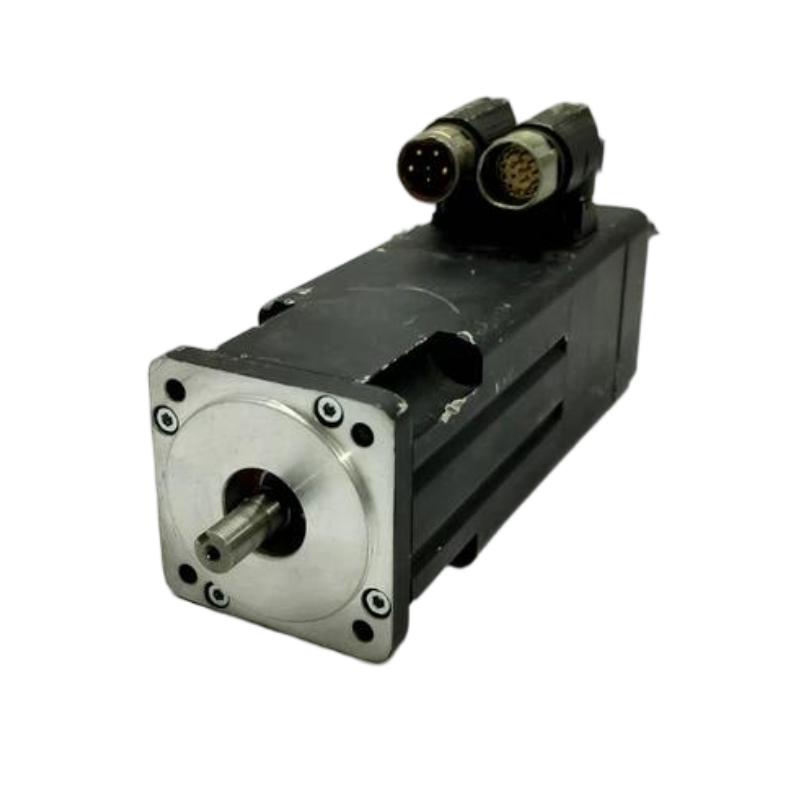
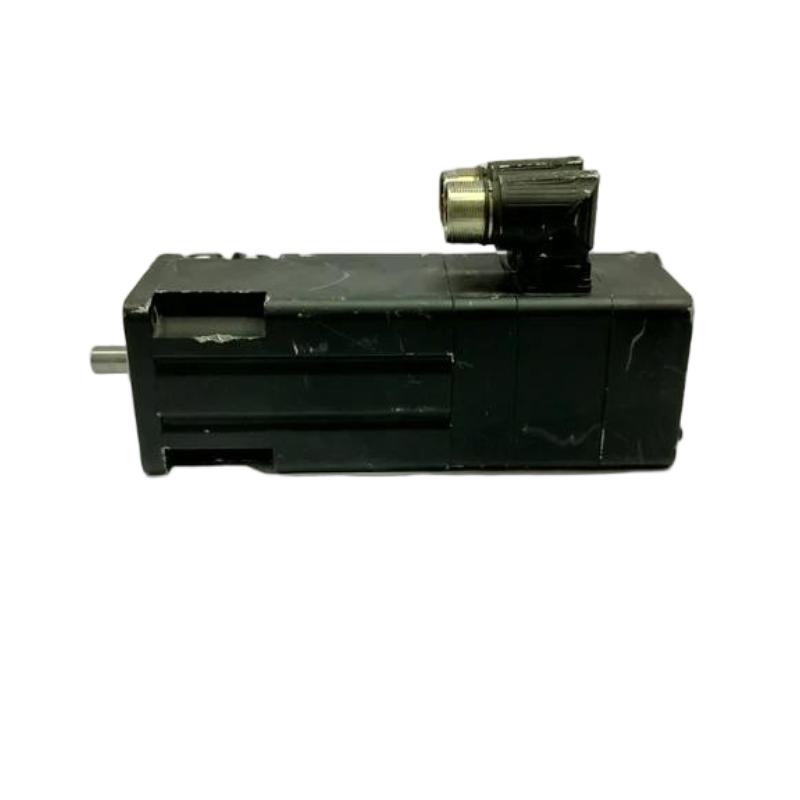
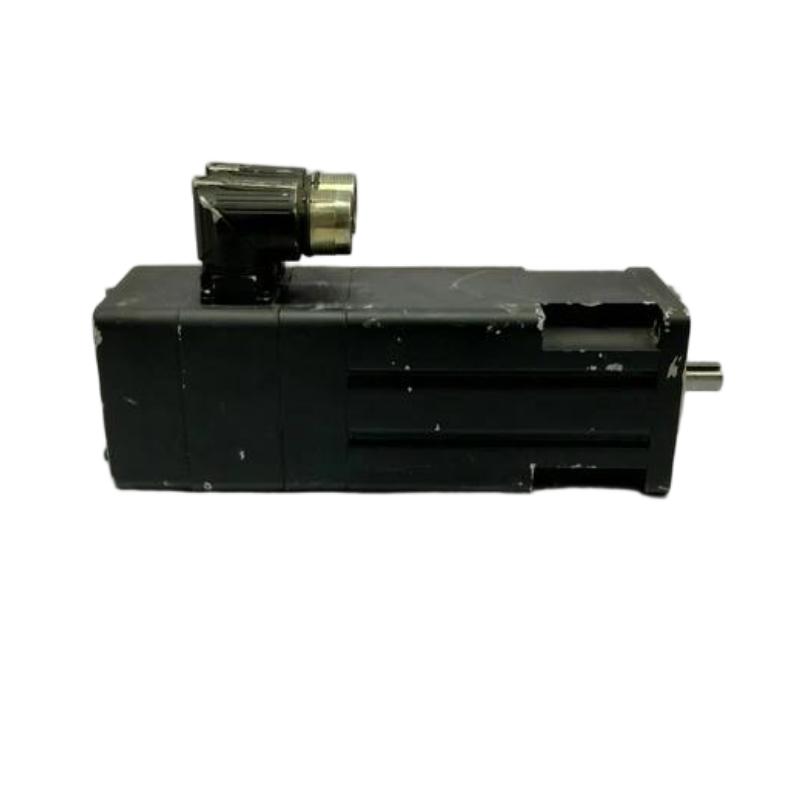
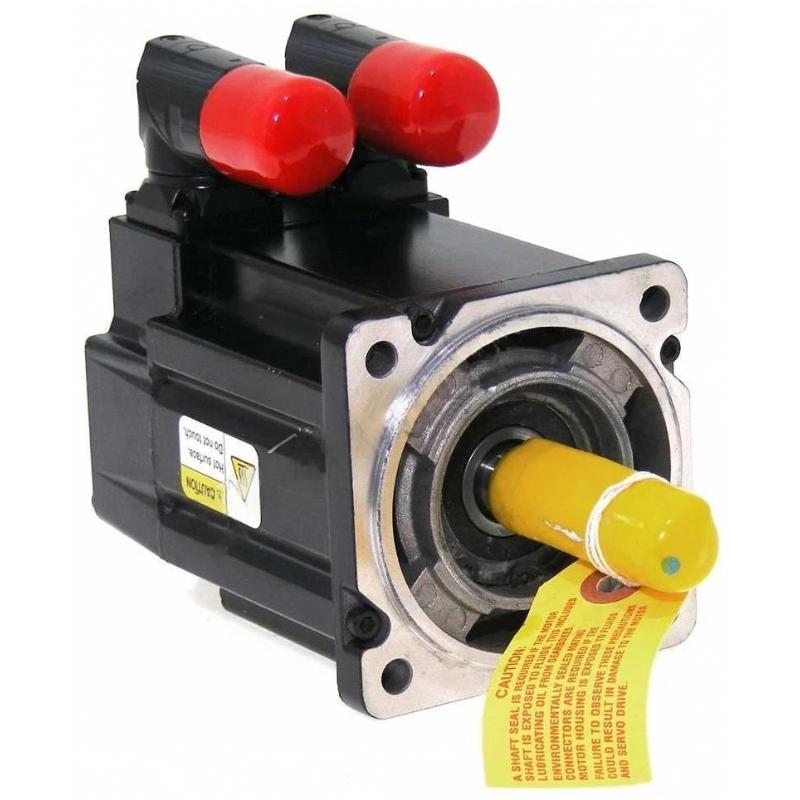
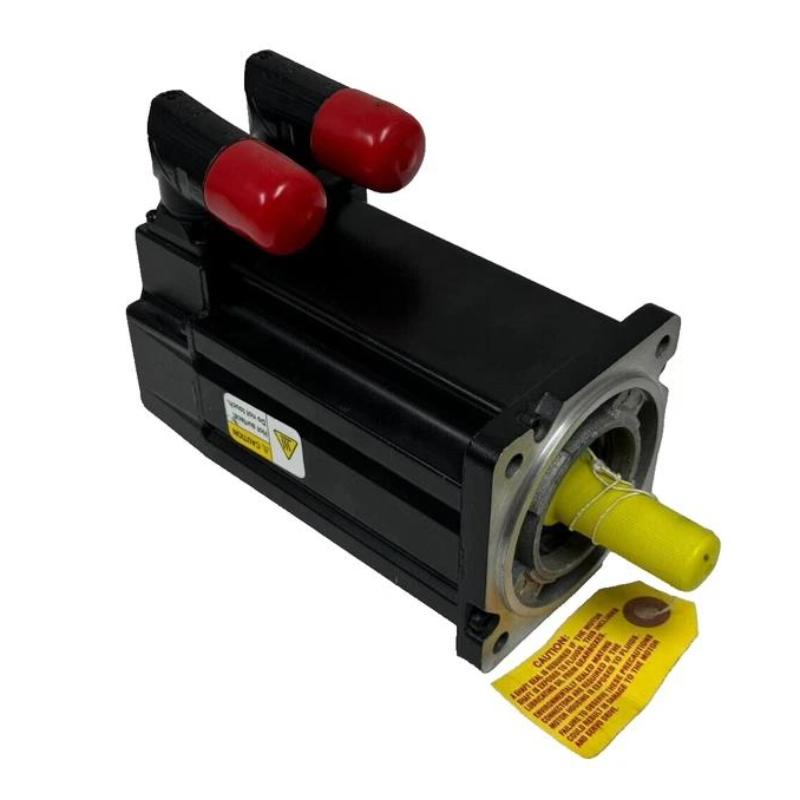
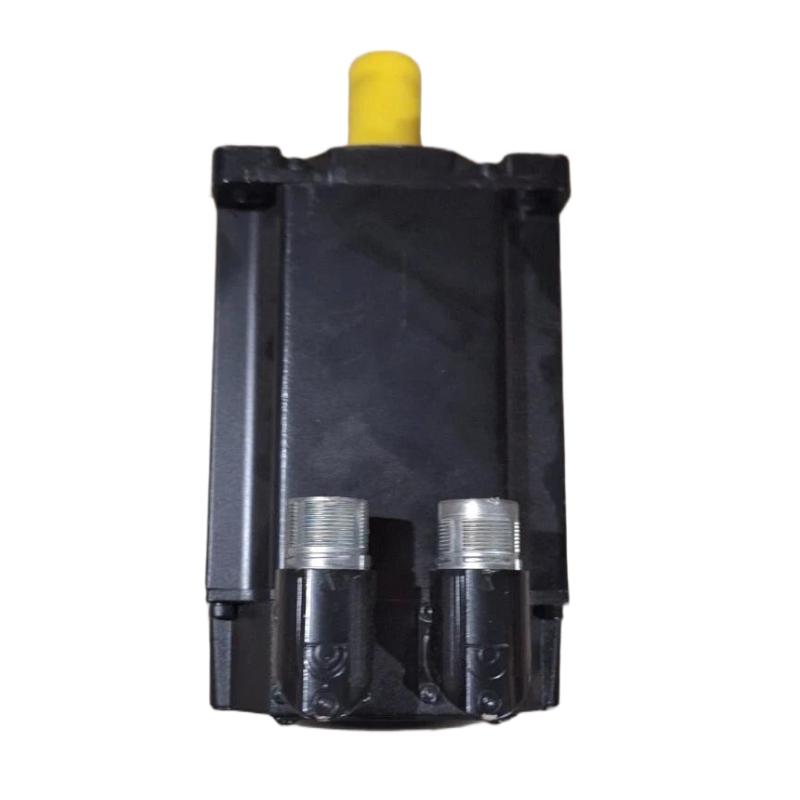
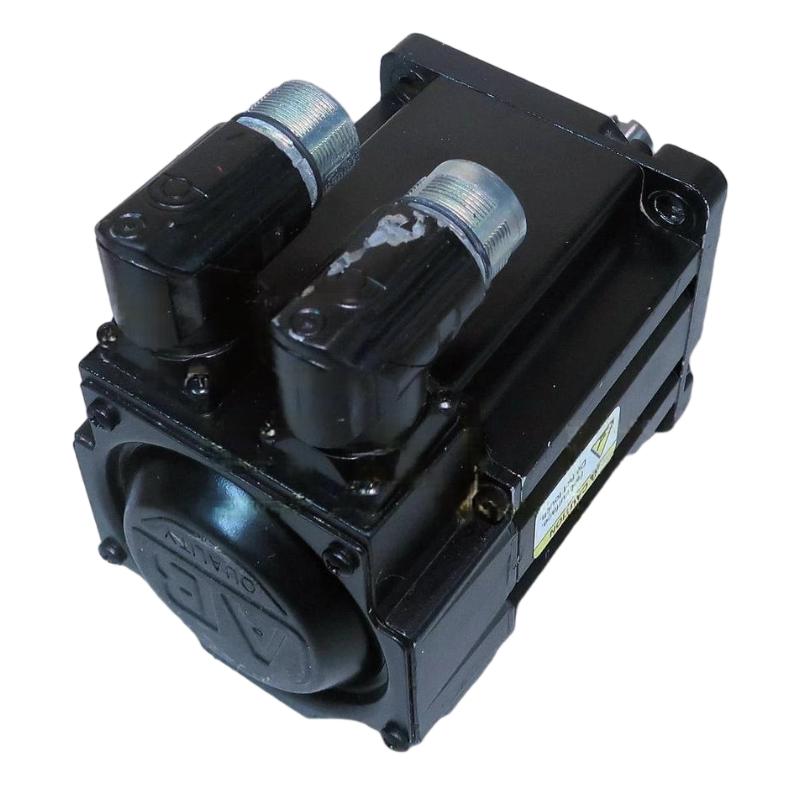
- Allen Bradley
- MPL-B230P-EJ74AA
- Servo Motor
- USA
- 75 mm
- 2.6 kg
- Xiamen, China
- New & In Stock
- T/T, PayPal, Western Union
- 1 Year
- 1-3 Working Days
- DHL, UPS, TNT, FedEx and EMS.
- 24-Hour Service
- COO
- 3
Our advantage

Global Logistics
We have a 10-year logistics and express cooperation agreement, so our products can be shipped to any place in the world.

Brand new and original
Our products are imported in bulk from the place of origin. Because of the cooperative relationship, our products are all original and 100% new.

24-hour service
We provide 7*24 hours service to our customers. We will be there whenever you need us.

Price advantage
All our products are priced very favorably because we have our own warehouse and supply.
| Company Information | |||
| [email protected] | |||
| Mobile | +8615980777398 | ||
| +8615980777398 | |||
| 15980777398 |
Product Overview
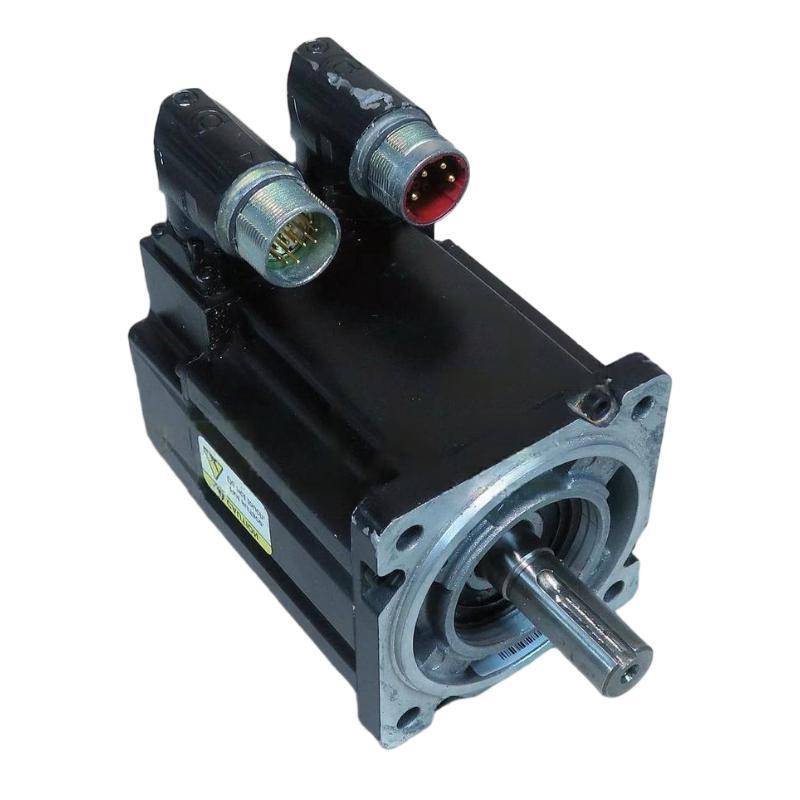
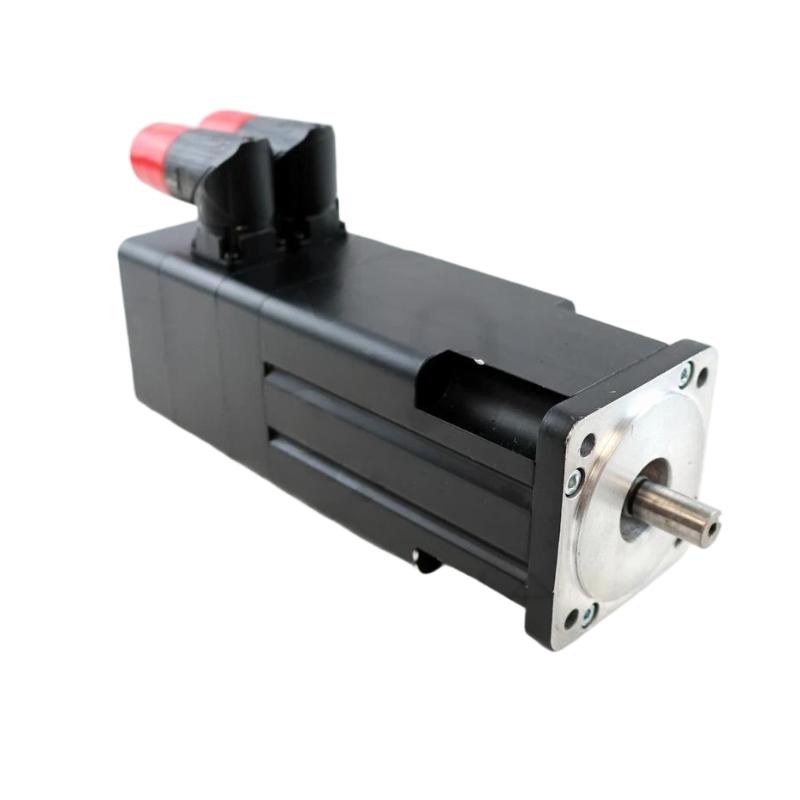
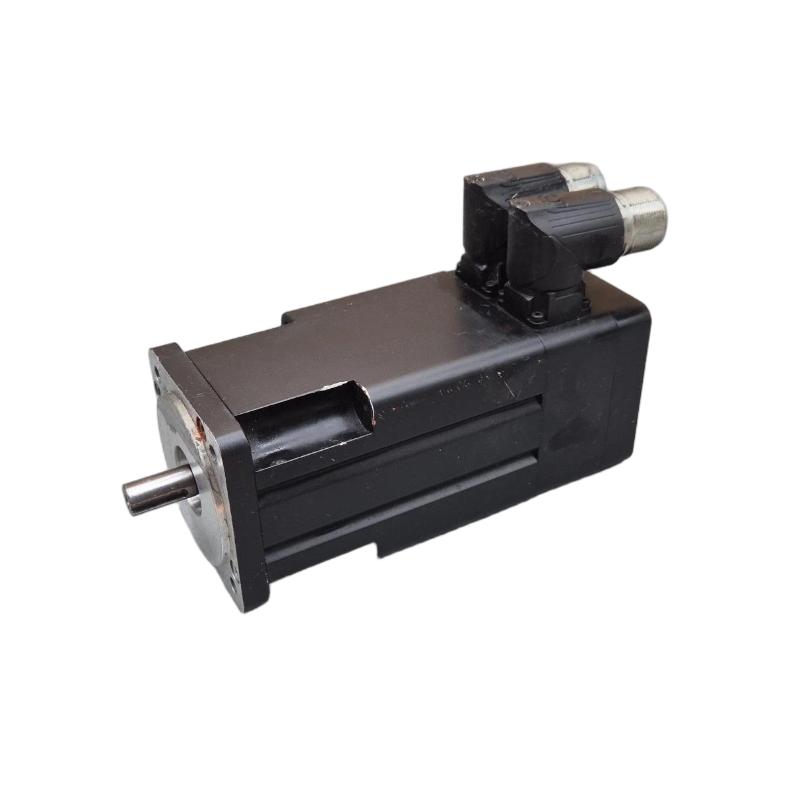
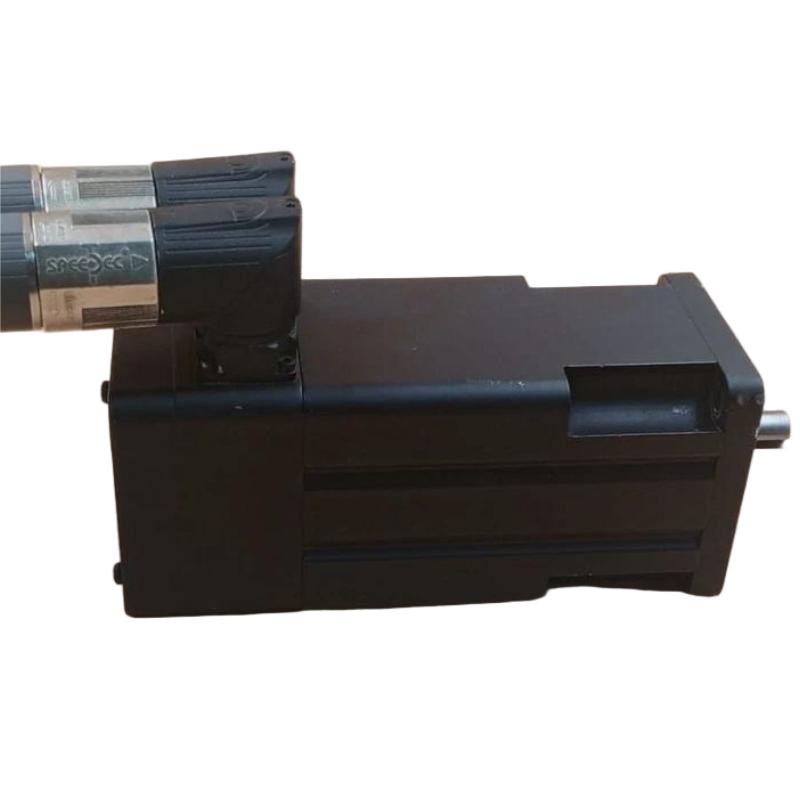
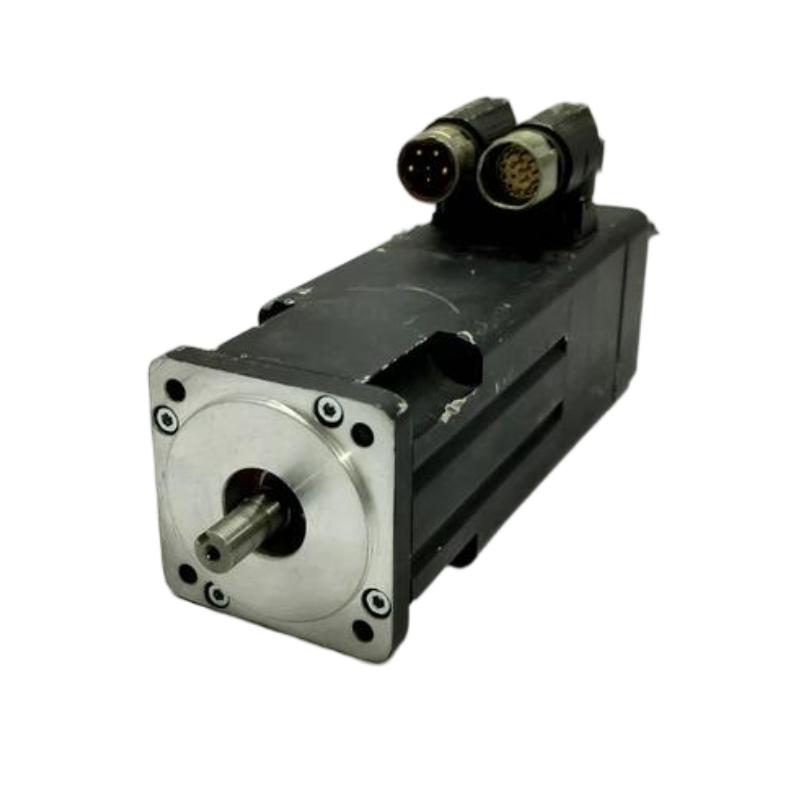
The Allen-Bradley MPL-B230P-EJ74AA Servo Motor is identified as part of Rockwell Automation’s Allen-Bradley MP-Series low-inertia servo motor family. Servo motors are designed for applications that require controlled motion, accurate positioning, repeatable movement, and coordinated operation with a compatible servo drive and motion controller.
In industrial automation systems, a servo motor converts electrical energy into controlled mechanical motion. Unlike a conventional motor operating primarily at a fixed or adjustable speed, a servo motor is used within a feedback-based motion-control system that regulates position, velocity, and torque according to the application requirements.
The MPL-B230P-EJ74AA model designation identifies a specific motor configuration. For procurement and replacement purposes, the complete catalog number is important because closely related MP-Series motors can differ in winding characteristics, feedback devices, shaft configuration, connectors, and other mechanical or electrical details.
The motor may be considered for suitable automated machinery, packaging equipment, material handling systems, assembly stations, and other applications that require dynamic motion control. Final suitability depends on the verified motor ratings, load characteristics, servo drive compatibility, and operating conditions.
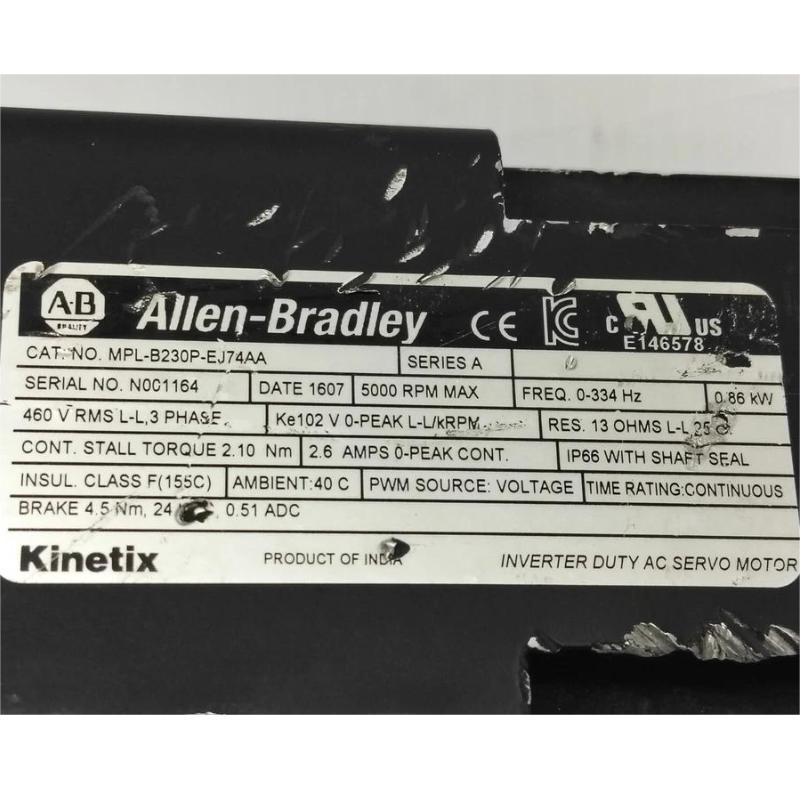
Because dimensions, weight, rated power, rated torque, and speed were not supplied with the model number, these specifications should be confirmed from the motor nameplate and applicable technical documentation before the motor is selected or installed.
Technical Specifications
| Parameter | Specification |
|---|---|
| Manufacturer | Allen-Bradley |
| Parent Company | Rockwell Automation |
| Model / Catalog Number | MPL-B230P-EJ74AA |
| Product Type | Servo Motor |
| Product Family | MP-Series, subject to catalog-number verification |
| Motor Technology | Permanent-magnet AC servo motor, subject to exact model confirmation |
| Primary Function | Controlled rotary motion for industrial automation |
| Control Method | Closed-loop servo control with a compatible drive and feedback system |
| Rated Power | Verify from the exact catalog specification |
| Rated Torque | Verify from the exact catalog specification |
| Rated Speed | Verify from the exact catalog specification |
| Feedback Device | Confirm from the complete motor configuration |
| Shaft and Connector Configuration | Verify before replacement |
| Dimensions | Not provided; confirm from the applicable product documentation |
| Weight | Not provided; confirm from the applicable product documentation |
| Drive Compatibility | Must be verified against the exact motor and servo-drive catalog numbers |
| Typical Applications | Automated machinery, positioning systems, packaging, and material handling |
The table distinguishes the supplied product identification from specifications that require confirmation. Values should not be inferred from similar MPL-B models because motor variants can have different electrical and mechanical characteristics.
What Is the Allen-Bradley MPL-B230P-EJ74AA?
A servo motor is a motion-producing component used in systems where movement must be controlled according to a defined command. The command may specify a target position, a velocity profile, or a torque requirement.
A typical servo system includes a motion controller, a servo drive, a servo motor, and a feedback device. The controller generates motion commands, while the drive regulates electrical power delivered to the motor. Feedback allows the control system to compare actual motor behavior with the commanded motion.
The MPL-B230P-EJ74AA is intended to be identified and applied according to its complete catalog number. Before assigning it to a particular machine, engineers should verify its rated electrical characteristics and the feedback and connector arrangements required by the compatible drive.
A simplified servo-control arrangement is:
Motion Controller → Servo Drive → MPL-B230P-EJ74AA Servo Motor → Mechanical Load
Feedback Device → Compatible Servo Drive / Control System
The precise feedback path and supported control functions depend on the verified motor and drive configuration.
Function and Working Principle
1. Electrical Power Conversion
The servo drive supplies controlled electrical power to the motor. By adjusting the current and electrical excitation according to the motion command, the drive controls the torque produced by the motor.
The permissible supply, output-current, and motor operating ranges must match the specifications of the actual motor and drive combination.
2. Torque Generation
The motor converts electromagnetic energy into rotational force. The resulting torque accelerates, decelerates, or maintains the movement of the connected mechanical load.
Required torque depends on factors such as load inertia, friction, acceleration, operating speed, and transmission design. Selecting a motor therefore requires more than matching its physical size to the available installation space.
3. Position and Speed Regulation
In a closed-loop servo system, the controller and drive use feedback information to regulate motion. The system can compare the commanded and measured operating conditions and adjust motor output to reduce tracking error.
The achievable accuracy and dynamic response depend on the motor, feedback device, drive settings, mechanical system, and control-program configuration.
4. Coordinated Machine Movement
Servo motors can be used in systems where multiple axes must operate in coordination. Depending on the controller and drive capabilities, an automation system may synchronize movement, execute programmed position changes, and maintain defined motion profiles.
The number of axes and the available motion functions depend on the wider automation architecture rather than on the motor alone.
5. Controlled Acceleration and Deceleration
Servo applications commonly require controlled speed transitions to reduce unnecessary mechanical stress and improve process repeatability. Acceleration and deceleration profiles should be configured according to the load, machine mechanics, and permissible motor operating limits.
Role in Industrial Motion-Control Systems
The Allen-Bradley MPL-B230P-EJ74AA serves as the mechanical motion-producing element within a suitable servo-control arrangement. It works alongside electronic control equipment and the machine’s mechanical transmission.
| System Component | Typical Function |
|---|---|
| Motion Controller | Generates position, speed, or motion-sequence commands |
| Servo Drive | Regulates motor current and electrical output |
| Servo Motor | Converts controlled electrical power into mechanical motion |
| Feedback Device | Provides motion-related feedback when included in the motor configuration |
| Coupling or Gearbox | Transfers motor torque to the driven mechanism |
| Linear Stage or Rotary Mechanism | Converts motor rotation into the required machine movement |
| Operator Interface | Allows operators to select modes and monitor machine status |
| Machine Sensors | Provide position, limit, presence, or process-state information |
| Protective Equipment | Provides appropriate electrical and machine safeguards |
The components must be selected as a compatible system. A motor with an unsuitable feedback interface, winding configuration, or electrical rating may not operate correctly with a particular servo drive.
Industrial Applications
Packaging Machinery
Servo motors are commonly used in packaging systems that require controlled product feeding, indexing, cutting, sealing, or transfer. Motion profiles can be coordinated with machine cycles to support consistent product handling.
Assembly and Manufacturing Equipment
Automated assembly stations may use servo-driven mechanisms for component positioning, insertion, pressing, and controlled transfer. Actual performance depends on the motor-drive combination and the mechanical design.
Material Handling
Servo systems can provide controlled movement in selected conveyor mechanisms, transfer units, indexing tables, and positioning equipment. Engineers should evaluate load inertia, required acceleration, duty cycle, and stopping requirements before selecting a motor.
Pick-and-Place Systems
Pick-and-place equipment requires coordinated movement between defined locations. A servo motor can support these movements when paired with a suitable drive, controller, and mechanical assembly.
Printing and Converting Equipment
Some printing, winding, feeding, and converting machines use servo control to maintain movement profiles and coordinate mechanical axes. Motor sizing must account for changing loads and operating speed.
General Industrial Automation
Servo motors are also used in custom machinery and production equipment where repeatable rotary movement and dynamic control are important. The MPL-B230P-EJ74AA should only be applied after its exact electrical and mechanical ratings have been verified.
Installation and System Integration
Correct installation is essential for safe operation and reliable motion control.
Verify the Motor Identity
Check the nameplate for the complete MPL-B230P-EJ74AA catalog number and any additional identification or revision information. Confirm the motor’s electrical ratings, shaft configuration, feedback device, connectors, and mounting requirements.
Do not substitute a similar-looking motor without checking the relevant specifications.
Confirm Servo-Drive Compatibility
Before connecting the motor, verify that the selected servo drive supports the motor’s exact winding and feedback configuration. Check the required motor cable, feedback cable, connector arrangement, and applicable drive parameters.
A compatible Allen-Bradley product family alone does not guarantee that every motor and drive combination can be used interchangeably.
Inspect the Mechanical Installation
Check the mounting surface, shaft, coupling, and driven equipment before installation. Alignment errors, excessive radial or axial loading, and incorrect coupling installation can contribute to vibration, bearing wear, and premature failure.
Follow the specified mounting torque and mechanical limits for the verified motor configuration.
Connect Power and Feedback
Motor power and feedback connections must follow the correct wiring diagrams. Use the specified cables and connectors, route them appropriately, and maintain the grounding and shielding arrangements required by the installation.
Disconnect and isolate equipment before handling motor wiring. Installation and commissioning should be performed by qualified personnel following the applicable electrical-safety procedures.
Configure the Servo System
Configure the drive using the verified motor data and the appropriate engineering software. Parameter settings may include motor identification, feedback configuration, current limits, motion limits, and control-loop settings, depending on the supported drive.
Do not copy parameter values from a different motor model without confirming that they apply to the installed unit.
Perform Commissioning Tests
Before returning the machine to normal operation:
- Verify motor and drive identification.
- Inspect power and feedback wiring.
- Check mechanical alignment and load freedom of movement.
- Confirm the applicable drive configuration.
- Test movement at an appropriate commissioning speed.
- Verify direction of rotation and commanded motion response.
- Review alarms and fault history.
- Confirm that machine guards and protective functions operate as designed.
The initial movement test should be conducted under controlled conditions with the driven equipment secured and personnel clear of moving parts.
Troubleshooting the MPL-B230P-EJ74AA Servo Motor
Servo-system faults may originate in the motor, drive, feedback device, cabling, controller configuration, mechanical load, or power supply. Diagnosis should consider the entire motion-control system.
Motor Does Not Rotate
Possible causes include a disabled servo drive, missing enable command, active fault, incorrect motor configuration, wiring problems, or a mechanical obstruction.
Check the drive status and fault history first. Verify the power and feedback connections, then confirm that the controller is issuing the intended motion command. Follow the manufacturer’s fault-reset procedure only after identifying and addressing the underlying condition.
Servo Drive Reports a Feedback Fault
A feedback-related fault may be associated with a damaged cable, loose connector, incorrect feedback configuration, incompatible drive, or a failed feedback device.
Inspect the feedback connections and verify the exact motor-drive pairing. Avoid replacing the motor before ruling out cable, connector, and configuration problems.
Unexpected Motor Vibration
Vibration can result from mechanical misalignment, loose mounting hardware, load imbalance, unsuitable control-loop settings, excessive mechanical resonance, or bearing deterioration.
Inspect the mechanical assembly and review the drive’s diagnostic information. Any adjustment to control-loop parameters should follow an appropriate commissioning procedure and account for the driven machine.
Positioning Is Inaccurate
Positioning errors may result from incorrect motion parameters, mechanical backlash, coupling slippage, feedback problems, excessive load, or an improperly configured motion profile.
Compare the commanded movement with the observed mechanical response. Check the feedback system and mechanical transmission before assuming that the motor itself is defective.
Motor or Drive Overheating
Excessive temperature may be caused by overload, frequent acceleration and deceleration, inadequate cooling, unsuitable operating conditions, mechanical binding, or incorrect motor-drive configuration.
Review the application’s load profile and duty cycle, inspect the motor’s ventilation and mounting environment, and compare operating conditions with the verified ratings. Do not continue operation if temperatures exceed the applicable limits.
Intermittent Operation
Intermittent motion faults can be associated with loose connectors, damaged cables, unstable power, electrical interference, controller communication issues, or temperature-dependent faults.
Record the fault codes and operating conditions when the problem occurs. Inspect cables and connectors, and determine whether the fault follows a particular operating sequence, load condition, or temperature change.
Maintenance Recommendations
Regular inspection helps maintain servo-system performance and can reduce unplanned downtime.
Inspect the motor exterior: Look for contamination, corrosion, mechanical damage, or signs of overheating.
Check mounting hardware: Verify that mounting bolts and mechanical connections remain secure according to the applicable maintenance requirements.
Inspect cables and connectors: Check for abrasion, damaged insulation, loose connectors, and excessive bending.
Monitor vibration and noise: Changes in operating sound or vibration may indicate alignment, bearing, load, or control problems.
Review drive diagnostics: Record recurring faults and compare operating trends with the machine’s normal behavior.
Check the mechanical load: Inspect couplings, gearboxes, belts, and driven mechanisms for wear, binding, or excessive loading.
Maintain configuration records: Keep the motor catalog number, compatible drive information, wiring details, and commissioning settings available for future service.
Maintenance should follow the requirements of the installed motor and drive, the machine manufacturer’s procedures, and the severity of the operating environment.
Compatible System Components
The MPL-B230P-EJ74AA requires a compatible motion-control system. The following component categories may be relevant, subject to confirmation against the exact motor configuration.
| Component Category | Role |
|---|---|
| Compatible Allen-Bradley Servo Drive | Supplies controlled electrical power to the motor |
| Rockwell Automation Motion Controller | Generates motion commands and coordinates machine movement |
| Motor Power Cable | Connects the servo drive’s motor output to the motor |
| Feedback Cable | Transfers supported feedback signals |
| Servo Motor Connector Accessories | Provide the required connection arrangement where applicable |
| Mechanical Coupling | Connects the motor shaft to the driven mechanism |
| Gearbox | Adjusts torque and speed when required by the application |
| Operator Interface | Supports machine operation and diagnostics |
| Electrical Protection Devices | Provide protection appropriate to the system design |
| Machine Safety Equipment | Supports the machine’s validated protective architecture |
Exact compatible catalog numbers should be selected only after checking the motor’s complete electrical, feedback, and mechanical specifications.
Replacement and Procurement Considerations
When purchasing a replacement for the Allen-Bradley MPL-B230P-EJ74AA, verify the complete catalog number on the installed motor and compare it with the proposed replacement.
Important checks include:
- Full motor catalog number
- Motor winding and electrical ratings
- Rated speed, torque, and power
- Feedback-device type
- Shaft dimensions and mounting arrangement
- Connector and cable requirements
- Compatible servo drive
- Operating duty and load requirements
- Product condition and available testing records
Do not rely on a shared MP-Series designation or a similar model prefix as proof of interchangeability. Even small differences in the complete catalog number may represent important changes to the motor configuration.
Before removing the existing motor, record the nameplate details and document the drive configuration. After replacement, verify feedback operation, rotation direction, positioning response, and the machine’s protective functions before resuming production.
Key Advantages of Servo Motor Integration
Controlled Motion
A properly configured servo system can regulate motor movement according to defined position, speed, and torque commands.
Support for Automated Sequencing
Servo motors enable controlled movement that can be coordinated with sensors, controller logic, and other machine axes.
Repeatable Machine Operation
When the complete system is correctly selected and tuned, feedback-based control can help improve motion consistency across repeated machine cycles.
Flexible Application Design
Servo technology can support a variety of rotary motion tasks, provided that motor ratings and drive capabilities match the application.
Maintainability Through Diagnostics
Drive fault information, wiring records, and motion-system monitoring can help maintenance personnel identify the source of operating problems.
Technical FAQs
What is the Allen-Bradley MPL-B230P-EJ74AA?
It is identified as an Allen-Bradley servo motor associated with the MPL-B-series catalog designation. The exact motor configuration should be verified from its complete catalog number and nameplate.
What does a servo motor do?
A servo motor converts electrical energy into controlled mechanical motion. When used with a compatible drive and feedback system, it can support regulated position, speed, and torque control.
Which servo drive is compatible with the MPL-B230P-EJ74AA?
The compatible drive must be determined from the exact motor electrical ratings, winding configuration, feedback interface, and applicable Rockwell Automation compatibility information. A specific drive model should not be assumed without this verification.
What are the dimensions and weight of this motor?
Dimensions and weight were not provided with the model designation in this request. They should be confirmed from the exact motor documentation or nameplate information.
What causes servo-motor positioning errors?
Possible causes include incorrect motion parameters, feedback faults, mechanical backlash, coupling slippage, excessive load, or unsuitable control-loop settings.
Can a similar MPL-series motor replace this model?
Not automatically. The replacement must match the required electrical characteristics, feedback configuration, mechanical dimensions, shaft arrangement, and servo-drive compatibility.
How can the service life of a servo motor be improved?
Follow the specified operating limits, maintain proper mechanical alignment, inspect cables and connectors, monitor vibration and temperature, and investigate recurring drive faults before they cause further damage.
Conclusion
The Allen-Bradley MPL-B230P-EJ74AA Servo Motor is identified as a motor intended for integration into an industrial motion-control system. When paired with a compatible servo drive, controller, feedback arrangement, and mechanical transmission, a servo motor can support controlled rotary motion for automated machinery and production equipment.
Reliable application depends on accurate motor identification, appropriate drive selection, correct feedback and power connections, proper mechanical installation, and systematic commissioning. Since the rated power, torque, speed, dimensions, and weight were not supplied here, these details should be confirmed before procurement or installation.
For maintenance and replacement work, use the complete MPL-B230P-EJ74AA catalog number as the starting point for compatibility checks. Verifying the motor’s electrical and mechanical characteristics before commissioning helps reduce installation errors and supports dependable operation of the wider automation system.