
NewsNEWCENTER
Featured products
Contact Us
Allen Bradley Develops Flexible PLC Automation for Modern Industrial Applications
2026-08-06The global manufacturing industry is entering a new stage of development as companies continue investing in intelligent automation, connected production systems, and digital transformation technologies.
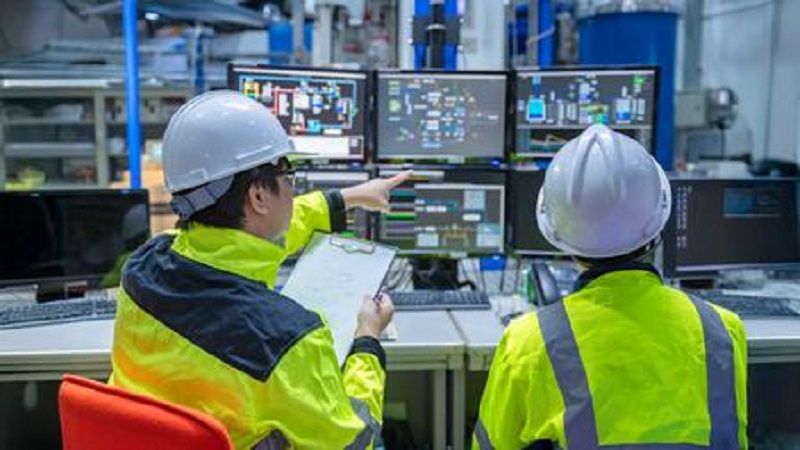
Modern industrial organizations are facing increasing demands to improve:
- Production efficiency
- Equipment reliability
- Manufacturing flexibility
- Product quality
- Operational visibility
Industries including:
- Automotive manufacturing
- Packaging machinery
- Electronics production
- Food and beverage
- Material handling
- Machine building
- Industrial equipment
are adopting advanced PLC technologies to build smarter and more efficient production environments.
Traditional automation systems were mainly focused on basic machine sequence control. However, modern factories require automation platforms capable of supporting:
- High-speed control
- Industrial communication
- Remote diagnostics
- Data integration
- Flexible system expansion
Programmable Logic Controllers have become the core control technology in modern industrial automation systems.
Today’s PLC platforms are no longer independent control devices. They serve as intelligent automation centers connecting:
- Industrial machines
- Sensors
- Motor drives
- Motion control systems
- Human-machine interfaces
- Industrial networks
- Manufacturing software platforms
Allen Bradley CompactLogix PLC technology represents a flexible and scalable automation solution designed for machine control, production applications, and connected industrial environments.
For global manufacturers, automation engineers, and system integrators, advanced PLC solutions provide the foundation for creating reliable, efficient, and future-ready industrial systems.
PLC Technology Remains the Core of Modern Industrial Control
Programmable Logic Controllers are essential components in industrial automation architectures.
A PLC system performs automation tasks by:
- Receiving signals from field devices
- Executing programmed logic
- Controlling industrial equipment
- Managing communication between automation components
Modern PLC applications include:
- Automated production lines
- Machine control systems
- Packaging equipment
- Assembly systems
- Motion applications
- Material handling systems
Advanced PLC technology provides manufacturers with:
- Reliable industrial performance
- Fast processing capability
- Flexible expansion options
- Network communication support
- Easier maintenance
These advantages allow companies to design automation systems that can adapt to changing production requirements.
A modern automation structure typically includes:
Sensors collect production information.
PLC controllers process control programs.
Industrial networks transfer operational data.
Digital platforms analyze production performance.
Operators optimize manufacturing processes.
This integrated approach improves efficiency, flexibility, and operational visibility.
Allen Bradley CompactLogix PLC Supports Flexible Industrial Applications
Modern manufacturing environments require automation systems that can support different levels of complexity.
CompactLogix PLC systems are widely applied in industrial environments requiring:
- Compact controller architecture
- Reliable machine control
- Communication capability
- System scalability
- Integration with industrial devices
Typical application areas include:
Machine Automation
Machine builders require compact and powerful controllers to manage complex equipment.
PLC systems support:
- Machine sequencing
- Equipment coordination
- Sensor monitoring
- Drive control
- Operator interface integration
This improves machine performance and reduces engineering complexity.
Packaging Automation
Packaging systems require fast and accurate control.
PLC-based automation manages:
- Conveyor systems
- Filling equipment
- Labeling machines
- Packaging sequences
Benefits include:
- Higher production speed
- Improved process stability
- Reduced downtime
Automotive Manufacturing
Automotive production requires highly coordinated automation systems.
PLC technology supports:
- Assembly operations
- Robotic integration
- Material handling
- Production monitoring
This improves manufacturing consistency and efficiency.
Industrial Communication Enables Connected Automation
Modern factories require communication between multiple automation components.
A connected industrial system includes:
- PLC controllers
- Sensors
- Drives
- HMIs
- Remote I/O modules
- Industrial networks
Industrial communication technologies enable:
- Real-time data exchange
- System coordination
- Equipment monitoring
- Remote diagnostics
Connected PLC systems provide manufacturers with better visibility into production processes.
Engineers can monitor:
- Machine conditions
- Production status
- Communication performance
- Equipment alarms
This helps improve troubleshooting efficiency and system reliability.
Smart Factory Development Drives Industrial Transformation
Smart factories are becoming an important direction for modern manufacturing.
A smart factory integrates:
- PLC control systems
- Industrial communication networks
- Sensors
- Robotics
- Data analytics
- Digital manufacturing platforms
The objective is to create production environments that can:
- Monitor operations
- Analyze performance
- Optimize processes
- Improve decision-making
Smart manufacturing technologies help companies achieve:
- Higher productivity
- Better product quality
- Reduced production losses
- More flexible manufacturing
A smart factory operates through continuous information exchange:
Machines generate operational data.
Sensors collect information.
PLC systems execute control logic.
Software platforms analyze performance.
Engineers improve production strategies.
This creates a continuous improvement cycle.
Industrial IoT Connects PLC Systems with Digital Platforms
Industrial Internet of Things technology is changing the way manufacturers manage production.
Traditional automation systems focused mainly on local equipment control.
Modern factories require connections between:
- PLC controllers
- Intelligent sensors
- Industrial machines
- Software platforms
- Enterprise systems
Industrial IoT enables:
- Real-time data collection
- Equipment condition monitoring
- Remote operation support
- Production analysis
Connected automation systems help companies understand:
- Equipment efficiency
- Production performance
- Energy consumption
- Maintenance requirements
This supports smarter manufacturing decisions.
Advanced Diagnostics Improve Maintenance Efficiency
Industrial downtime can create significant production losses.
Equipment failures may result in:
- Production interruptions
- Increased maintenance costs
- Delivery delays
- Reduced productivity
Modern PLC systems provide diagnostic functions that help engineers identify:
- Communication failures
- Input and output problems
- Controller conditions
- Equipment abnormalities
Advanced diagnostics support:
- Faster troubleshooting
- Reduced downtime
- Improved maintenance planning
- Higher system reliability
Motion Control Integration Improves Manufacturing Precision
Many modern production systems require accurate movement and synchronization.
Applications include:
- Robotics
- Automated assembly
- Packaging machines
- Electronics manufacturing
PLC systems integrated with motion control technologies support:
- Servo control
- Position management
- Machine synchronization
- High-speed operation
Benefits include:
- Higher accuracy
- Improved production speed
- Better product quality
Motion control integration is becoming an important capability for advanced automation systems.
Remote Monitoring Improves Industrial Management
Modern factories require better equipment visibility.
Remote monitoring technologies allow engineers to analyze:
- Machine operation
- System status
- Production performance
- Maintenance requirements
Benefits include:
- Faster response to problems
- Improved maintenance efficiency
- Reduced service costs
Remote monitoring supports more intelligent industrial management.
Predictive Maintenance Improves Equipment Reliability
Equipment reliability is essential for modern manufacturing.
Unexpected failures can cause:
- Production downtime
- Higher maintenance expenses
- Reduced operational efficiency
PLC systems combined with sensors and analytics support predictive maintenance strategies.
Operational information from:
- Motors
- Drives
- Machines
- Production lines
can help identify early warning signals.
Predictive maintenance allows companies to:
- Detect problems earlier
- Schedule maintenance effectively
- Reduce unexpected failures
- Extend equipment service life
Energy Management Supports Sustainable Manufacturing
Industrial companies are increasingly focused on improving energy efficiency.
Factories consume energy through:
- Motors
- Production equipment
- Heating systems
- Cooling systems
Automation systems help monitor and optimize energy usage.
PLC-based solutions support:
- Equipment monitoring
- Operating analysis
- Energy management strategies
Companies can achieve:
- Lower energy consumption
- Reduced operating costs
- Improved sustainability performance
Energy optimization will continue influencing industrial automation development.
Robotics Integration Creates Flexible Production Systems
Industrial robots are becoming increasingly important in modern manufacturing.
Robots are widely used in:
- Assembly
- Welding
- Packaging
- Inspection
- Material handling
PLC systems coordinate communication between robots and production equipment.
They manage:
- Sequence control
- Device communication
- Synchronization
- Safety coordination
The combination of PLC automation and robotics enables:
- Flexible production
- Higher productivity
- Improved precision
Artificial Intelligence Supports Future PLC Automation
Artificial intelligence is becoming an important technology in industrial environments.
AI can analyze industrial information and support:
- Production optimization
- Quality improvement
- Equipment analysis
- Maintenance planning
When integrated with PLC systems and digital platforms, AI can improve:
- Manufacturing intelligence
- Operational decisions
- Production efficiency
Future industrial automation will increasingly combine:
- PLC control
- Industrial IoT
- Data analytics
- Artificial intelligence
to create smarter manufacturing systems.
Industrial Cybersecurity Becomes Critical for Connected Factories
As automation systems become more connected, cybersecurity has become increasingly important.
Modern factories include:
- PLC controllers
- Industrial communication networks
- Remote monitoring systems
- Digital platforms
Companies must protect:
- Control systems
- Production information
- Communication infrastructure
Future automation solutions require:
- Secure communication
- Reliable operation
- Continuous availability
Cybersecurity will remain a key part of industrial digital transformation.
Challenges During PLC Automation Modernization
Although advanced PLC systems provide many benefits, companies must consider several challenges.
Legacy Equipment Integration
Many factories continue using existing equipment.
Modern automation upgrades require careful planning to connect older systems with new technologies.
Technical Expertise Requirements
Automation projects require professionals with knowledge of:
- PLC programming
- Industrial networking
- Motion control
- System integration
Investment Requirements
Industrial modernization requires investment in:
- Automation hardware
- Software platforms
- Engineering services
- Employee training
However, improvements in efficiency, reliability, and flexibility provide long-term value.
Future Outlook: Intelligent PLC Automation Will Continue Expanding
The future of industrial automation will depend on intelligent, connected, and flexible technologies.
Manufacturers will continue adopting:
- Advanced PLC systems
- Industrial communication solutions
- Smart factory technologies
- Industrial IoT applications
- Digital manufacturing platforms
Allen Bradley CompactLogix PLC technology represents the continued evolution of industrial control toward intelligent and connected manufacturing environments.
As global industries continue digital transformation, advanced PLC solutions will play an increasingly important role in improving:
- Productivity
- Reliability
- Flexibility
- Sustainability
The factories of the future will not only automate production processes but also collect information, analyze performance, and continuously optimize operations.
Conclusion
Industrial automation is moving beyond traditional machine control toward intelligent digital manufacturing ecosystems.
Allen Bradley CompactLogix PLC systems, industrial communication technologies, and smart manufacturing solutions demonstrate how modern automation can improve production efficiency, operational flexibility, and industrial competitiveness.
For global manufacturers, automation engineers, and system integrators, intelligent PLC-based automation provides the foundation for creating smarter and more efficient industrial facilities.
As digital transformation continues worldwide, advanced PLC controllers, connected networks, and intelligent manufacturing technologies will remain essential drivers of future industrial development.