Product Overview
In industrial robotics and automated manufacturing systems, servo drivers are essential motion control components responsible for regulating servo motor operation, controlling robotic axes, and maintaining high positioning accuracy. A reliable servo drive system enables industrial robots to achieve smooth movement, fast response, and stable performance during continuous production processes.
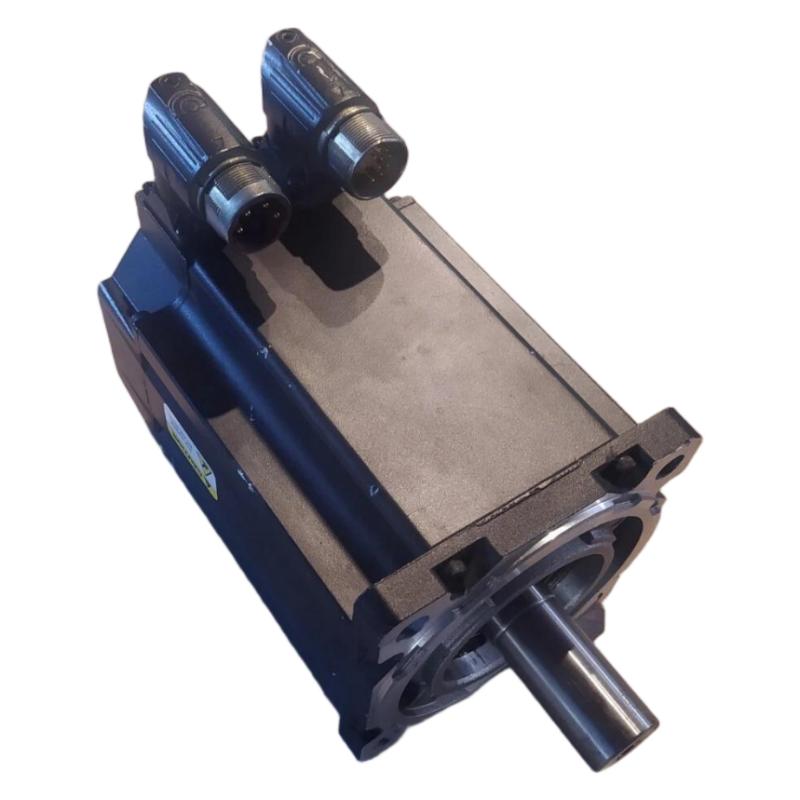
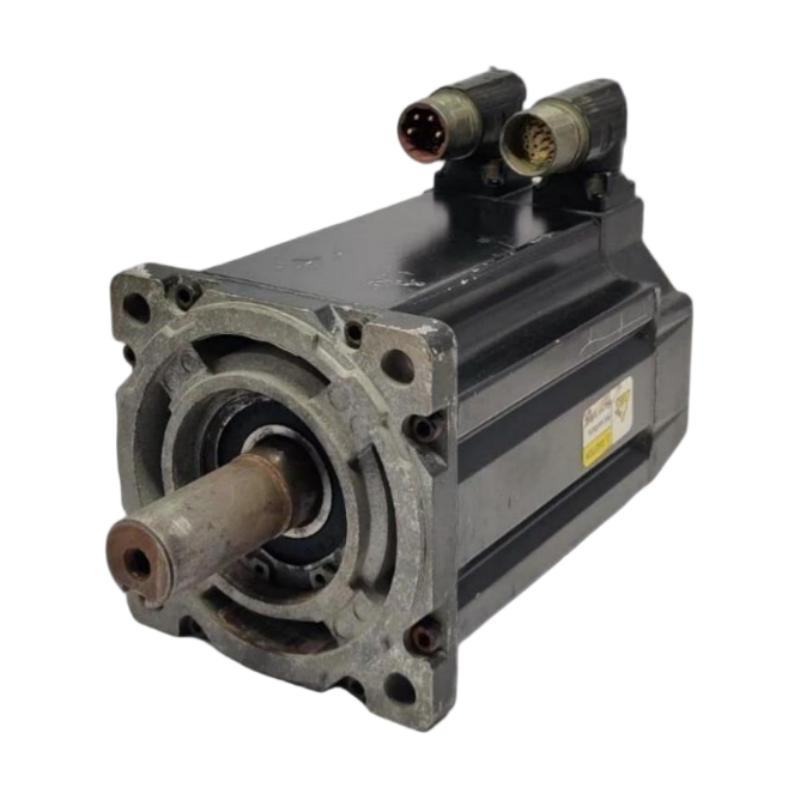
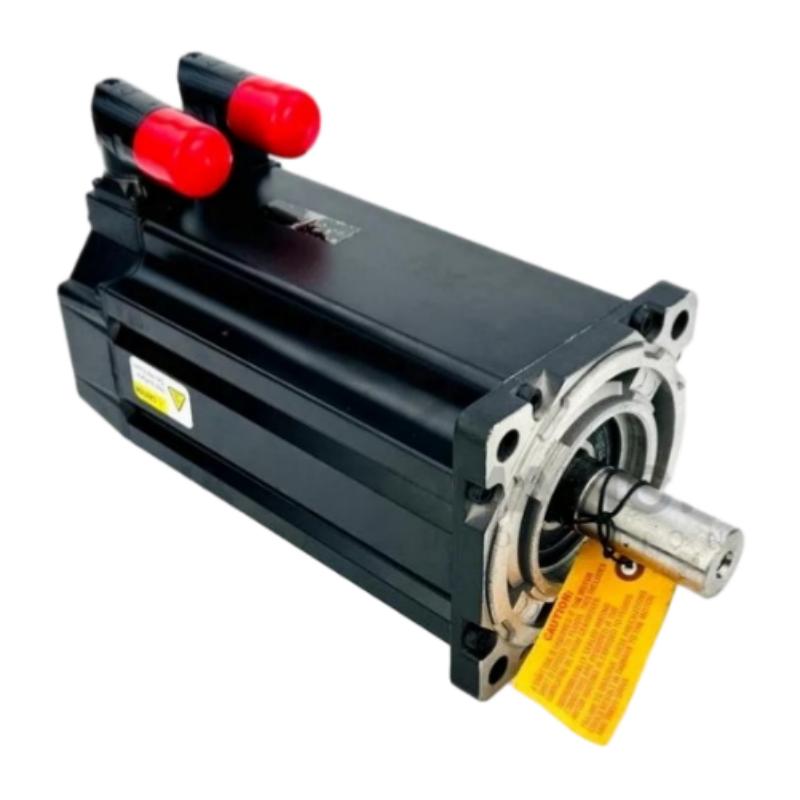
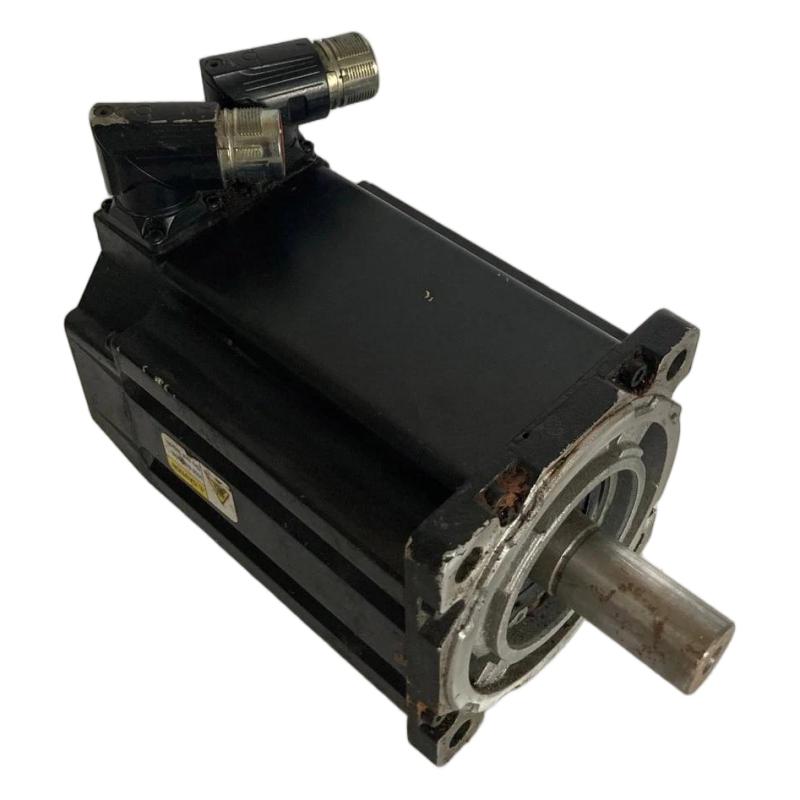
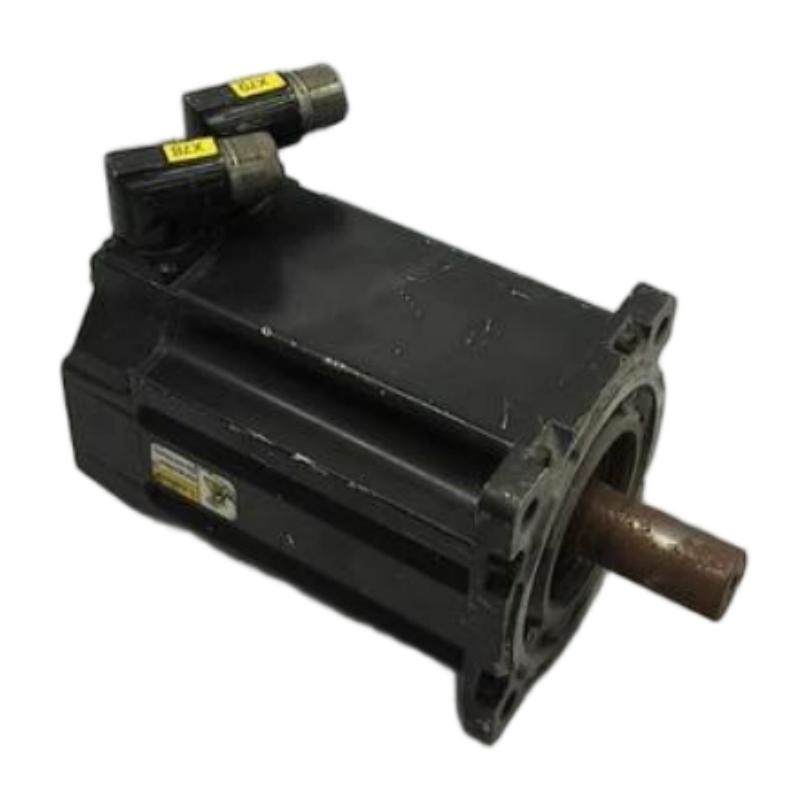
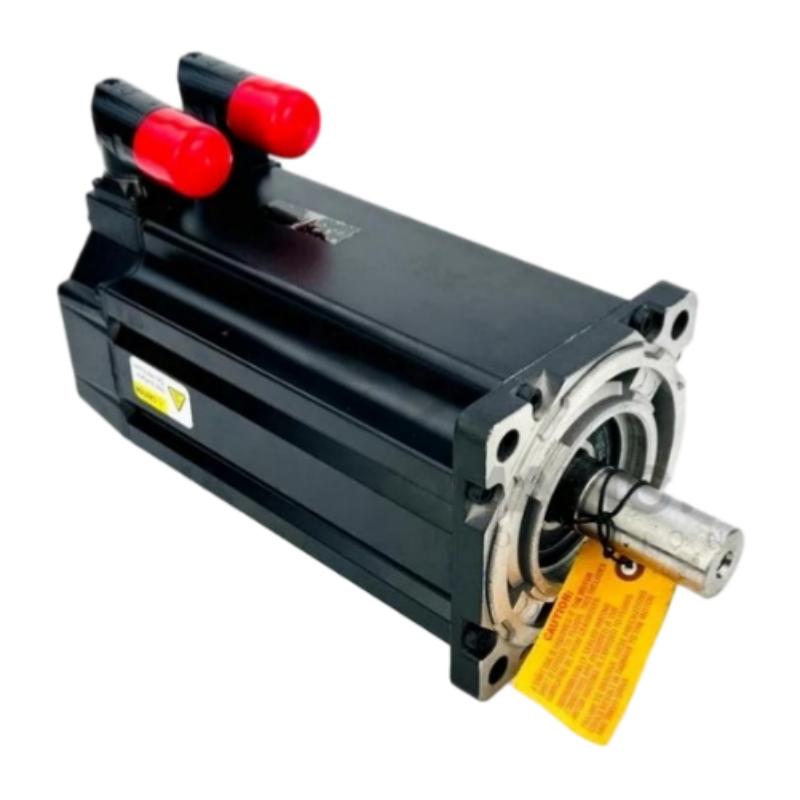
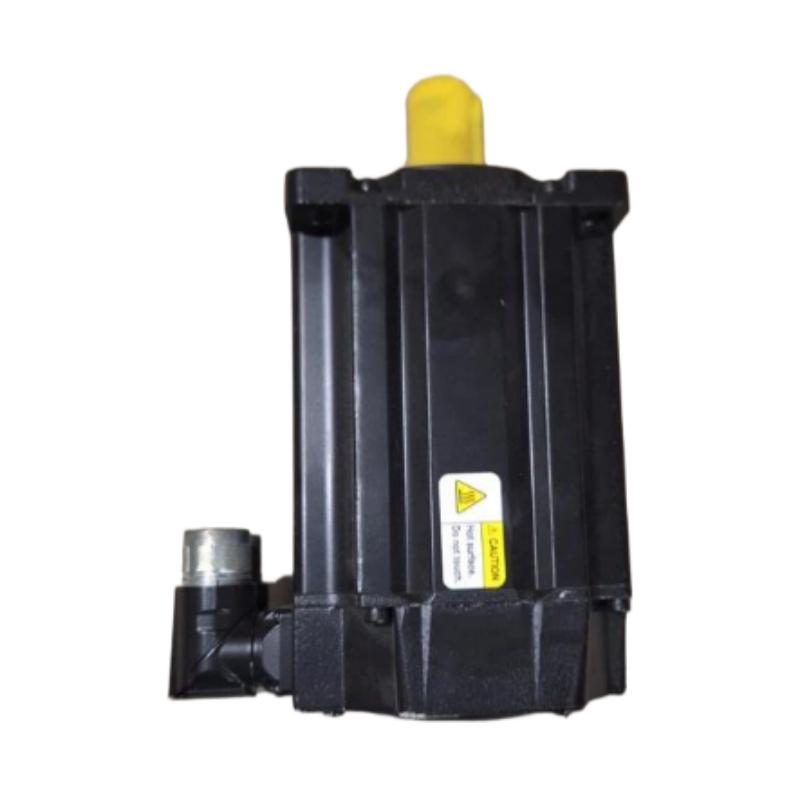
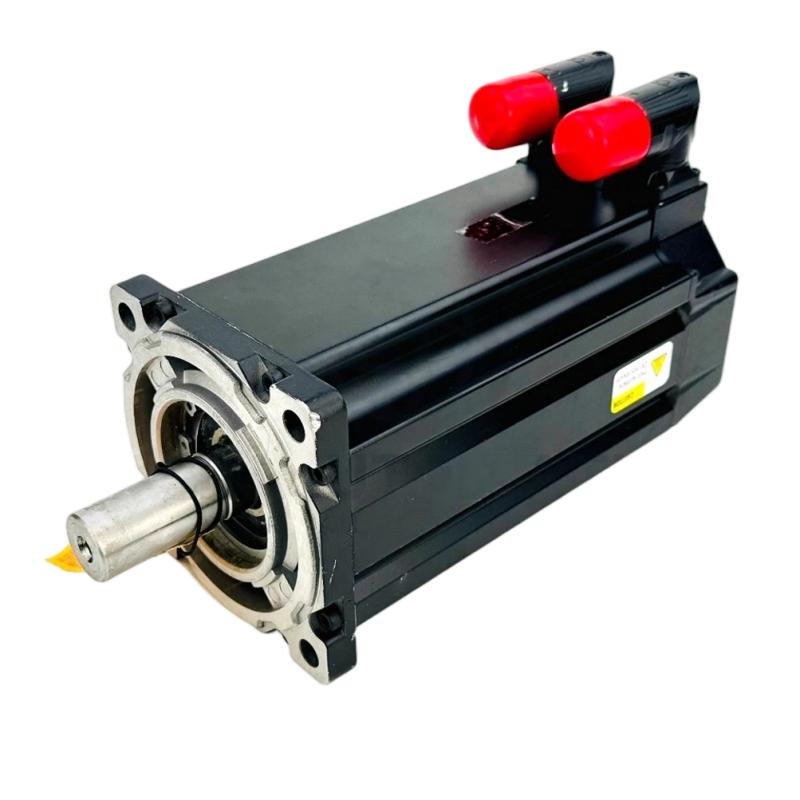
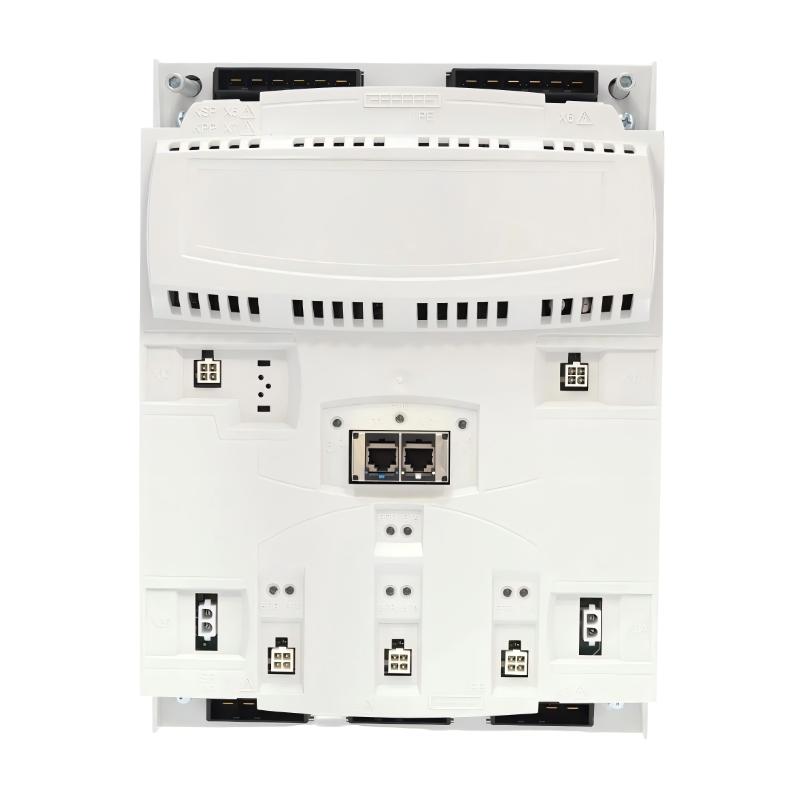
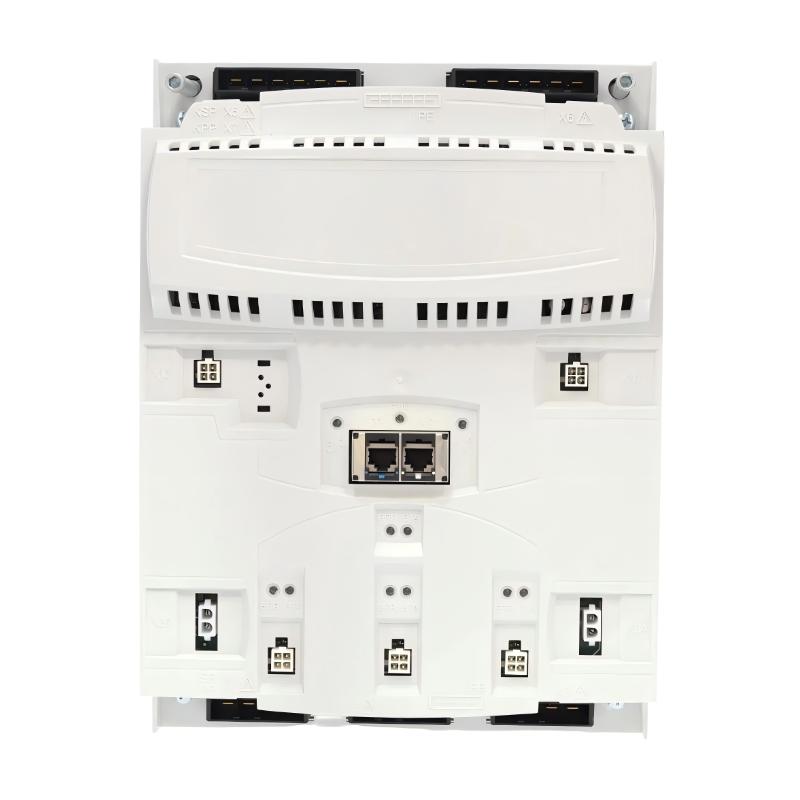
The ABB (KUKA) KSP 600-3×64 ECMAS3D7774BE531 Servo Driver is a high-performance servo drive module designed for KUKA industrial robot controller systems. It provides precise control of robotic servo motors and supports demanding automation applications that require high current capability, accurate motion control, and reliable multi-axis operation.
The KSP 600-3×64 servo driver belongs to the KUKA Servo Pack family and is designed for controlling industrial robot manipulator axes. The “3×64” designation represents a three-axis servo drive configuration with a higher current class, making it suitable for robotic systems requiring strong dynamic response and stable torque output.
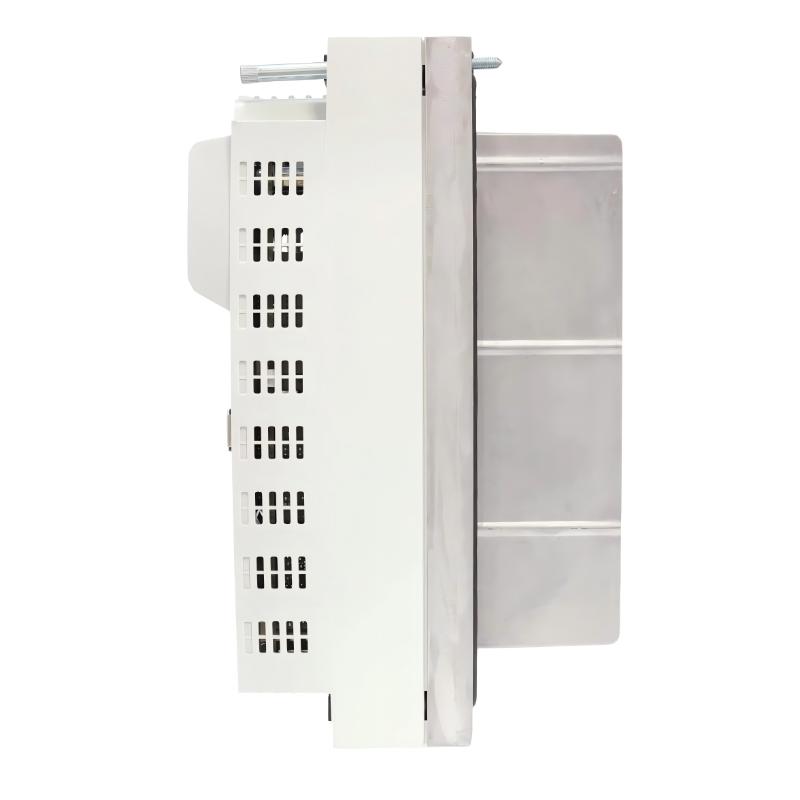
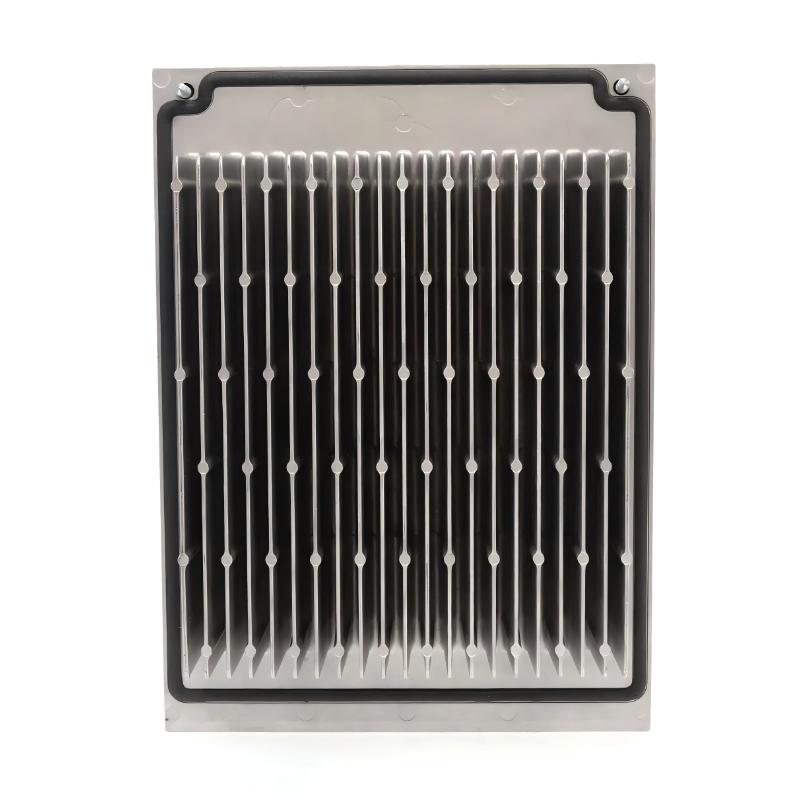
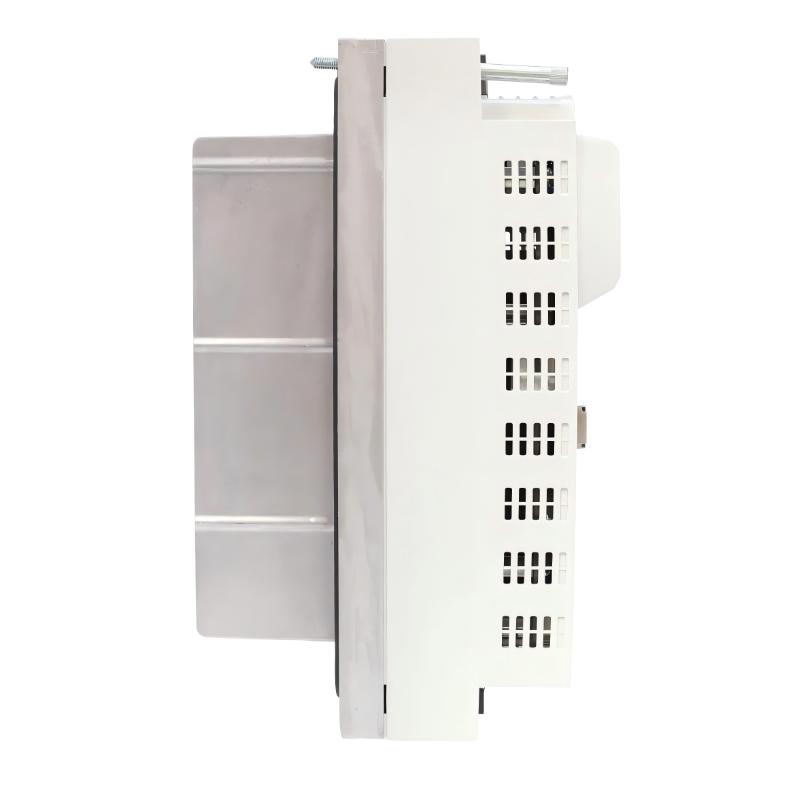
With dimensions of 240 × 120 × 80 mm and a weight of 9.5 kg, the ECMAS3D7774BE531 provides a compact structure while delivering powerful servo control performance. It is designed for installation inside robot controller cabinets and automation control systems where space efficiency and reliability are important.
Technical Specifications
| Parameter |
Details |
| Manufacturer |
ABB (KUKA) |
| Model |
KSP 600-3×64 |
| Part Number |
ECMAS3D7774BE531 |
| Product Type |
Servo Driver / Servo Pack |
| Application |
Industrial Robot Motion Control |
| Servo Control |
3-Axis Servo Control |
| Current Class |
3 × 64 A |
| Control Mode |
Position / Speed / Torque Control |
| Input Type |
DC Intermediate Circuit Power |
| Output Type |
Servo Motor Control Output |
| Cooling Method |
Air Cooling |
| Installation Type |
Robot Controller Cabinet Mounting |
| Dimensions |
240 × 120 × 80 mm |
| Weight |
9.5 kg |
Function and Working Principle
The ABB (KUKA) KSP 600-3×64 Servo Driver functions as a power conversion and motor control unit between the robot controller and servo motors.
The basic operation process is:
DC Power Input → Servo Control Processing → Power Amplification → Servo Motor Output
The working process includes:
- The servo driver receives DC power from the robot controller power system.
- The internal control circuits process motion commands.
- Power modules regulate current and voltage output.
- Controlled electrical energy is supplied to servo motors.
- Encoder feedback signals are collected in real time.
- The system adjusts motor output to maintain accurate movement.
Through closed-loop servo control technology, the KSP 600-3×64 provides precise positioning, stable torque regulation, and synchronized robotic motion.
Role in Industrial Automation Systems
The ABB (KUKA) KSP 600-3×64 Servo Driver is a core component in robotic motion control systems.
Its main functions include:
- Servo motor power management
- Robot axis movement control
- Torque regulation
- Speed adjustment
- Position feedback processing
- Multi-axis synchronization
- Servo fault monitoring
Typical applications include:
- Industrial robot systems
- Automotive manufacturing automation
- Welding robot stations
- Material handling systems
- Assembly automation lines
- Precision manufacturing equipment
Main Features
Three-Axis High-Performance Servo Control
The KSP 600-3×64 is designed for robotic systems requiring coordinated multi-axis movement.
Key advantages:
- Three servo axis control
- Improved motion synchronization
- High dynamic response
- Stable operation under variable loads
The three-axis architecture allows efficient control of complex robotic movements.
High Current Capability
The KSP 600-3×64 provides a higher current output class compared with standard servo modules.
Main benefits:
- Supports higher-power servo motors
- Provides stronger torque output
- Handles demanding robotic movements
- Improves acceleration performance
This makes it suitable for industrial robots performing heavy-duty operations.
Precision Motion Control
The servo driver provides accurate regulation of robot movement.
Advantages include:
- High positioning accuracy
- Smooth acceleration and deceleration
- Fast response to control commands
- Reduced position deviation
- Improved repeatability
These characteristics help maintain consistent production performance.
Compact Industrial Design
The servo driver has dimensions of 240 × 120 × 80 mm, allowing efficient installation inside robot controller cabinets.
Benefits:
- Space-saving design
- Easy integration
- Modular replacement
- Convenient maintenance
The compact structure improves cabinet layout efficiency.
Reliable Industrial Performance
The KSP 600-3×64 is designed for long-term industrial operation.
Features include:
- Stable electrical performance
- Strong internal protection
- Efficient thermal management
- Reliable continuous operation
It helps reduce equipment downtime and improves automation system availability.
Industrial Applications
Industrial Robot Systems
The KSP 600-3×64 is widely used in industrial robot applications.
Common uses:
- Welding robots
- Handling robots
- Assembly robots
- Painting robots
- Palletizing robots
It provides accurate servo control for robotic joints and axes.
Automotive Manufacturing
Automotive production requires powerful and reliable robotic motion systems.
Applications include:
- Vehicle body welding
- Component assembly
- Automated transfer systems
- Production line robotics
The servo driver supports stable operation in high-volume manufacturing environments.
Automated Production Equipment
The KSP 600-3×64 can be applied in various precision automation systems.
Applications include:
- Robotic inspection equipment
- Automated processing machines
- Precision assembly systems
- Custom industrial automation platforms
Installation Guide
Step 1: Verify Installation Conditions
Before installation, check:
- Control cabinet space
- Power supply condition
- Cooling airflow
- Grounding connection
- Environmental requirements
Ensure the installation environment meets industrial standards.
Step 2: Install the Servo Driver
Install the ABB (KUKA) KSP 600-3×64 securely inside the robot controller cabinet.
Installation requirements:
- Maintain sufficient ventilation space
- Avoid excessive vibration
- Prevent dust contamination
- Ensure proper mechanical fixing
Step 3: Connect Power Supply
Connect:
- DC intermediate circuit input
- Ground terminal
- Power connections
Verify wiring before startup.
Step 4: Connect Servo Motors
Connect:
- Servo motor power cables
- Encoder feedback cables
- Control communication lines
Correct wiring ensures reliable servo operation.
Step 5: Configure Parameters
Configure:
- Motor specifications
- Axis parameters
- Speed limits
- Torque settings
- Motion control parameters
Correct parameter configuration improves system performance.
Step 6: Commissioning
After installation:
- Start the robot controller
- Check servo status
- Test axis movement
- Verify feedback signals
- Confirm positioning accuracy
Common Failure Symptoms
| Fault Symptom |
Possible Cause |
| Robot axis does not move |
Power supply failure |
| Servo alarm appears |
Drive protection fault |
| Position error occurs |
Encoder feedback problem |
| Motor vibration |
Incorrect parameter settings |
| Overheating |
Cooling system issue |
| Unexpected shutdown |
Internal protection activation |
Troubleshooting Guide
Check Power Supply
Inspect:
- DC bus voltage
- Power connections
- Protection components
Incorrect power input may prevent normal operation.
Check Motor Wiring
Verify:
- Motor cables
- Encoder connections
- Connectors
Loose connections may cause servo instability.
Check Feedback System
Inspect:
- Encoder signals
- Feedback cables
- Position feedback data
Feedback problems may affect robot accuracy.
Check Servo Parameters
Review:
- Motor configuration
- Control mode
- Speed settings
- Torque limits
Incorrect settings may reduce performance.
Maintenance Recommendations
To maintain reliable operation of the ABB (KUKA) KSP 600-3×64 ECMAS3D7774BE531 Servo Driver:
- Inspect electrical connections regularly
- Keep control cabinets clean
- Check cooling airflow
- Monitor servo alarms
- Verify encoder feedback
- Perform preventive maintenance
Regular maintenance helps extend service life and improve robot system reliability.
Compatible Automation Components
| Component |
Function |
| Servo Driver |
Controls servo motor operation |
| Servo Motor |
Provides mechanical movement |
| Robot Controller |
Executes motion commands |
| Encoder System |
Provides position feedback |
| Power Supply Unit |
Provides electrical energy |
Key Advantages
- Designed for KUKA industrial robot systems
- Three-axis servo control capability
- 64A-class high current performance
- High precision motion regulation
- Reliable industrial operation
- Compact cabinet installation design
Technical FAQs
What is ABB (KUKA) KSP 600-3×64 used for?
The KSP 600-3×64 Servo Driver is used for controlling servo motors and robot axes in KUKA industrial robot systems.
What is the part number?
The part number is ECMAS3D7774BE531.
How many axes can this servo driver control?
The KSP 600-3×64 supports three-axis servo control applications.
What is the current capacity?
The servo driver belongs to the 3 × 64 A servo drive class.
What are the dimensions?
The dimensions are 240 × 120 × 80 mm.
What is the weight?
The weight is 9.5 kg.
Conclusion
The ABB (KUKA) KSP 600-3×64 ECMAS3D7774BE531 Servo Driver is a high-performance industrial motion control module designed for robotic automation, precision manufacturing, and advanced motion applications.
With powerful three-axis servo control, high current capability, accurate motion regulation, and reliable industrial construction, it provides stable support for KUKA robot systems and automated production environments.
For automation engineers, robot maintenance specialists, and system integrators, the KSP 600-3×64 Servo Driver is an effective solution for maintaining precise robotic movement, improving production efficiency, and ensuring long-term industrial automation reliability.