

ProductPRODUCT
Featured products
Contact Us
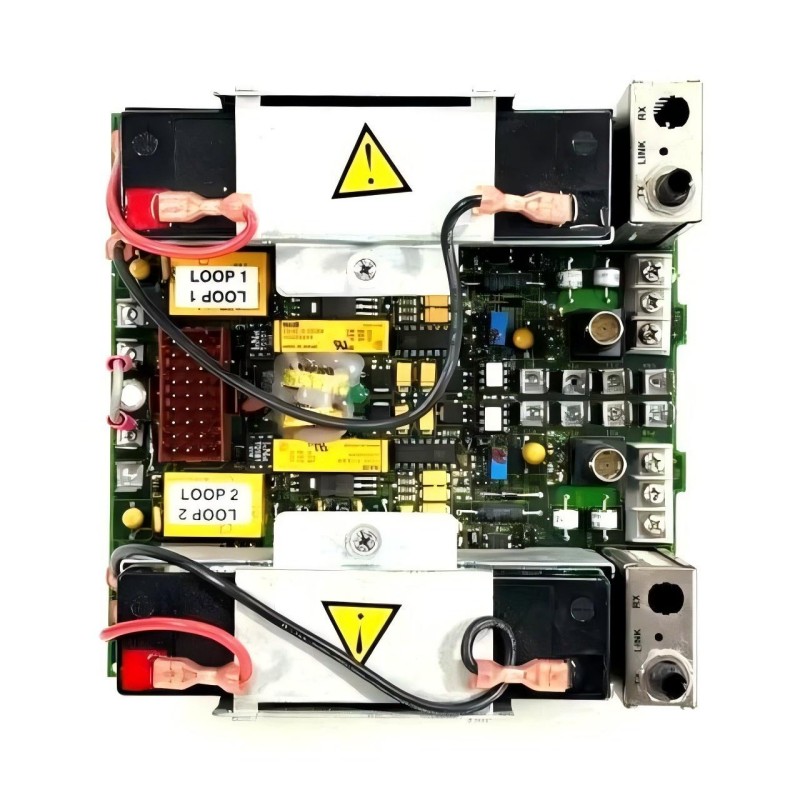
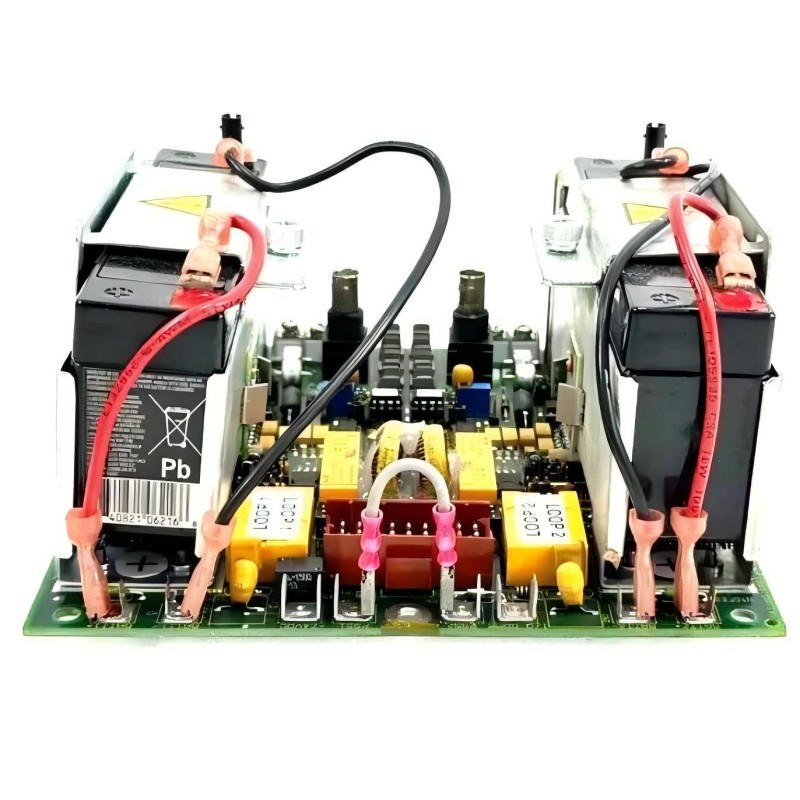
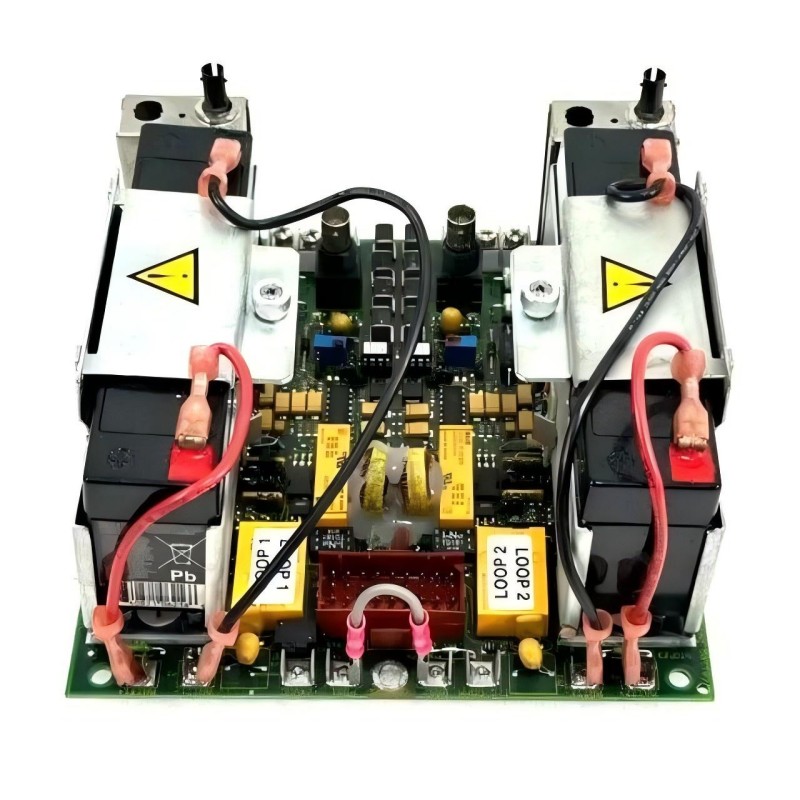
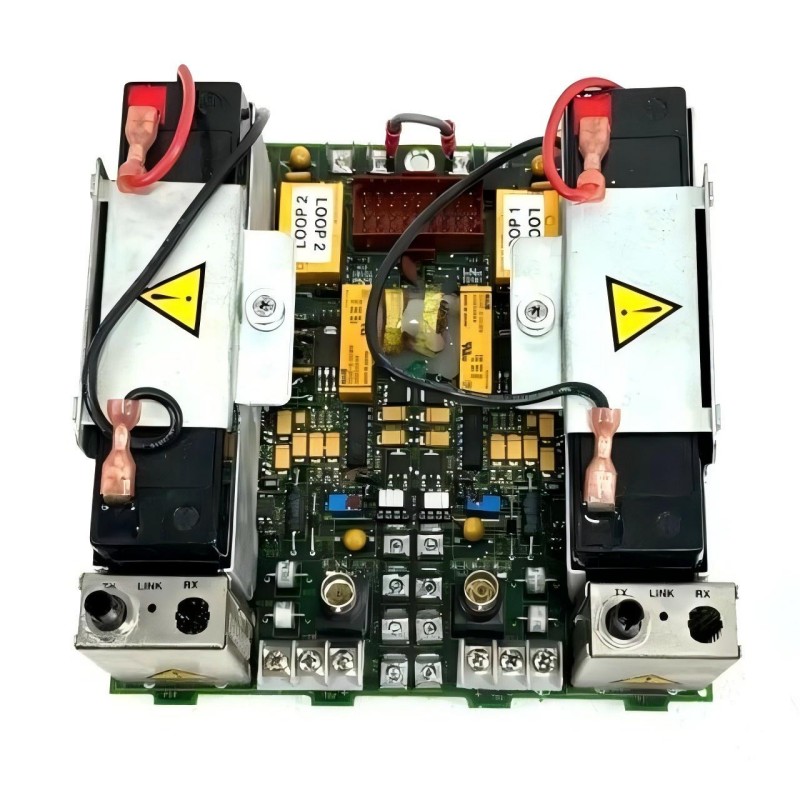
- ABB Bailey
- NTCF23
- Fiber Optic Communication Termination Unit
- Sweden (SE)
- 160.02 × 228.6 × 213.36 mm
- 0.65 kg
- Xiamen, China
- New & In Stock
- T/T, PayPal, Western Union
- 1 Year
- 1-3 Working Days
- DHL, UPS, TNT, FedEx and EMS.
- 24-Hour Service
- COO
- 75
Our advantage

Global Logistics
We have a 10-year logistics and express cooperation agreement, so our products can be shipped to any place in the world.

Brand new and original
Our products are imported in bulk from the place of origin. Because of the cooperative relationship, our products are all original and 100% new.

24-hour service
We provide 7*24 hours service to our customers. We will be there whenever you need us.

Price advantage
All our products are priced very favorably because we have our own warehouse and supply.
| Company Information | |||
| [email protected] | |||
| Mobile | +8615980777398 | ||
| +8615980777398 | |||
| 15980777398 |
Product Overview
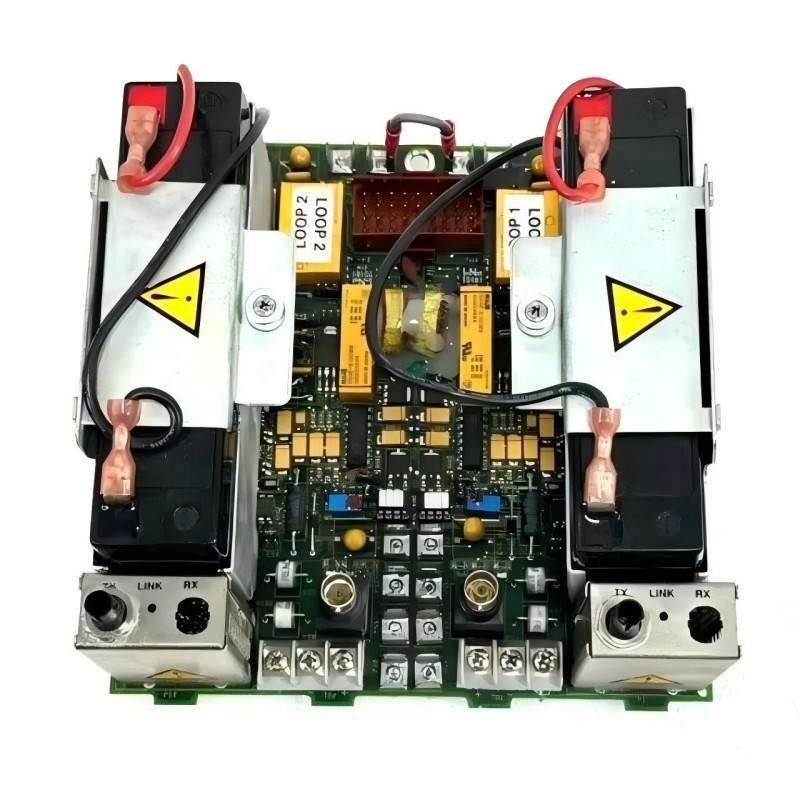
The ABB Bailey NTCF23 is a fiber optic communication termination unit used in ABB Bailey Symphony Harmony control-system communication infrastructure. It provides the physical termination and interface point for fiber optic communication connections associated with compatible control-system equipment.
In a Symphony Harmony installation, the NTCF23 can be used where communication links extend between control cabinets, system nodes, or other distributed equipment locations. Fiber optic transmission is particularly useful in plants with long communication runs or significant electrical interference from motors, drives, generators, and high-voltage equipment.
The NTCF23 is suited to industrial process control, power generation, and distributed automation environments where the communication network forms part of the overall control architecture. Its position at the communication interface makes correct fiber identification and termination important during commissioning and maintenance.
For replacement work, technicians should treat the NTCF23 as part of the complete communication path. Fiber condition, connector cleanliness, compatible communication equipment, and correct cable routing should be checked together when investigating communication faults.
Technical Specifications
| Parameter | Specification |
|---|---|
| Model | NTCF23 |
| Product Family | ABB Bailey Symphony Harmony |
| Product Type | Fiber Optic Communication Termination Unit |
| Primary Function | Fiber optic communication termination and interface |
| System Role | Communication interface |
| Communication Medium | Fiber Optic |
| Application | Industrial control and process automation systems |
| Dimensions | 160.02 × 228.6 × 213.36 mm |
| Weight | 0.65 kg |
Product Features
- Fiber optic communication termination for ABB Bailey Symphony Harmony systems
- Provides a dedicated interface for compatible fiber communication connections
- Suitable for distributed control-system communication architectures
- Supports communication infrastructure in electrically noisy industrial environments
- Applicable to process automation and power-generation control installations
- Helps organize fiber connections within control-system cabinets
- Suitable for maintenance and replacement of compatible Symphony Harmony communication equipment
- Integrates with associated ABB Bailey communication system components
Working Principle
The NTCF23 forms part of the physical communication path between a fiber optic network and compatible Symphony Harmony communication equipment. The incoming optical communication is terminated through the unit and connected to the associated communication interface, allowing system data to pass between distributed control-system nodes.
Fiber Optic Network → NTCF23 Communication Termination Unit → Symphony Harmony Communication Equipment → Control System
When communication problems occur, the termination unit should be checked together with the fiber cable and connected communication equipment. A damaged connector, contaminated optical interface, incorrect fiber connection, or poor cable routing can interrupt the communication path even when the NTCF23 itself is functioning normally.
Role in a Symphony Harmony Control Architecture
The NTCF23 occupies the communication-interface layer of a Symphony Harmony control architecture. It connects the physical fiber communication infrastructure with the associated system communication equipment without executing control logic or process-control calculations.
Control System → Communication Equipment → NTCF23 → Fiber Optic Network → Remote Symphony Harmony Equipment
| System Element | Function |
|---|---|
| Symphony Harmony Controller | Executes control logic and process functions |
| Communication Equipment | Manages system-level data communication |
| NTCF23 | Terminates and interfaces fiber optic communication |
| Fiber Optic Network | Transfers communication signals between locations |
| Remote Control Equipment | Exchanges control and system information |
Industrial Applications
| Application | Typical Use |
|---|---|
| Process Automation | Fiber communication between distributed control-system components |
| Power Generation | Communication between plant control equipment and remote system nodes |
| Industrial Plants | Fiber communication across separate control cabinets |
| Distributed Control Systems | Communication interface for separated system equipment |
| Electrical Substations | Communication in areas exposed to electromagnetic interference |
| Large Control Facilities | Fiber communication between different equipment areas |
Installation and Maintenance
- Confirm that the NTCF23 matches the installed Symphony Harmony communication architecture before replacement.
- Record the existing fiber connections before disconnecting the unit.
- Protect disconnected fiber connectors from dust and mechanical contamination.
- Inspect connectors for contamination, cracks, or physical damage before reconnection.
- Avoid sharp bends or excessive mechanical stress on fiber optic cables.
- Verify each fiber connection against the existing communication path.
- Keep fiber routing protected from abrasion and accidental pulling.
- Check that associated communication equipment is powered and operating correctly.
- Confirm communication status after completing the physical installation.
- Investigate intermittent communication separately from complete communication loss, as the two conditions can have different physical causes.
- Document fiber connections and cabinet locations after maintenance.
- Perform a system communication test to verify communication between the affected Symphony Harmony nodes.
Related Components
| Component | Function |
|---|---|
| ABB Bailey Symphony Harmony Controller | Control logic and process control |
| Symphony Harmony Communication Module | System communication interface |
| Fiber Optic Cable | Optical communication transmission |
| Fiber Optic Connector | Fiber cable termination |
| Communication Network Equipment | Network signal routing and communication |
| Control Cabinet | Houses communication and control equipment |
| Remote I/O Equipment | Interfaces field signals with the control system |
| System Engineering Station | Configuration, diagnostics, and maintenance |
Recommended Related Models
| Model / Product Family | Product Type | Typical Application |
|---|---|---|
| ABB Bailey NTCF22 | Fiber Optic Communication Termination Unit | Fiber communication termination |
| ABB Bailey NTCF23 | Fiber Optic Communication Termination Unit | Fiber communication termination |
| ABB Bailey Symphony Harmony Series | Distributed Control System | Process and industrial automation |
| ABB Bailey Communication Modules | Communication Interface Modules | Control-system networking |
| ABB Bailey Symphony Controllers | Process Controllers | Plant control and automation |
| ABB Bailey Remote I/O Modules | I/O Interface Modules | Field signal acquisition and control |
| ABB Bailey Fiber Optic Interfaces | Fiber Communication Components | Distributed communication |
| ABB Bailey Control Network Components | Network Equipment | Control-system communication |
Key Advantages
- Fiber optic communication interface for Symphony Harmony installations
- Suitable for communication between distributed control-system equipment
- Useful in environments with significant electromagnetic interference
- Supports organized fiber termination within control cabinets
- Practical for maintenance and replacement of compatible communication infrastructure
- Fits into ABB Bailey Symphony Harmony communication architectures
Technical FAQs
How does the NTCF23 differ in physical specification from the NTCF22?
The NTCF23 has a specified size of 160.02 × 228.6 × 213.36 mm, while the NTCF22 is specified at 160.02 × 226.06 × 210.82 mm. Both are listed as 0.65 kg, but physical fit and mounting conditions should still be checked before substituting one for the other.
What should be checked if the Symphony Harmony network loses communication after NTCF23 replacement?
Start with the fiber connections and verify that each cable is connected to the correct termination point. Then inspect connector cleanliness, cable condition, bending, and mechanical stress. If the physical fiber path is correct, check the associated communication equipment and system communication status.
Can a fiber termination problem cause intermittent communication?
Yes. An improperly seated connector, contaminated optical interface, damaged fiber, or excessive cable movement can cause unstable optical communication. Intermittent faults should therefore be investigated at the complete fiber path rather than assuming the termination unit is defective.
Is the NTCF23 a controller or communication interface?
The NTCF23 is a fiber optic communication termination unit, not a standalone process controller. Its function is associated with the physical communication interface between fiber optic cabling and compatible Symphony Harmony communication equipment.