

ProductPRODUCT
Featured products

Contact Us
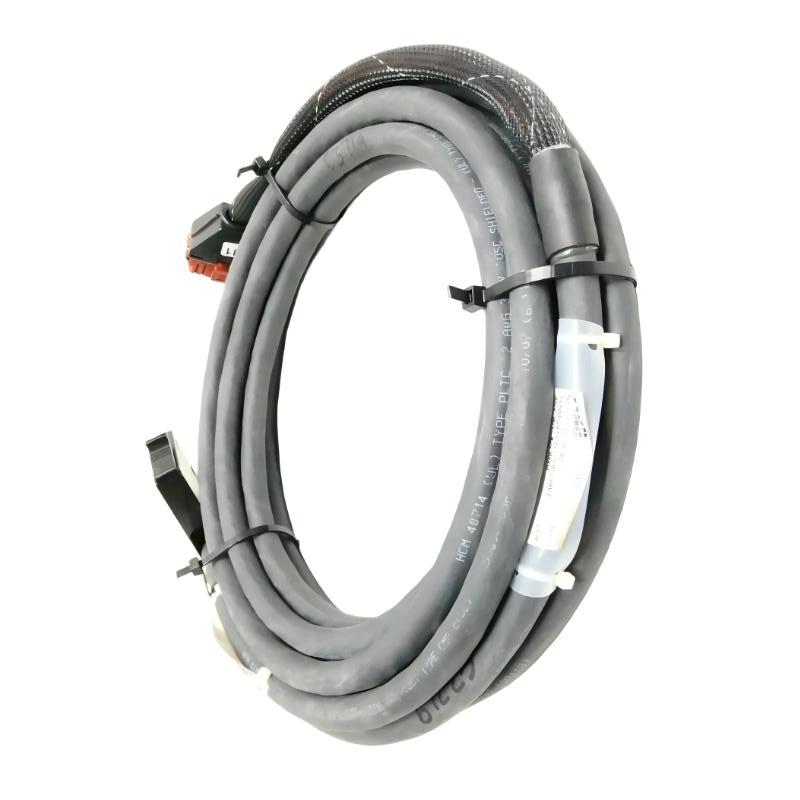
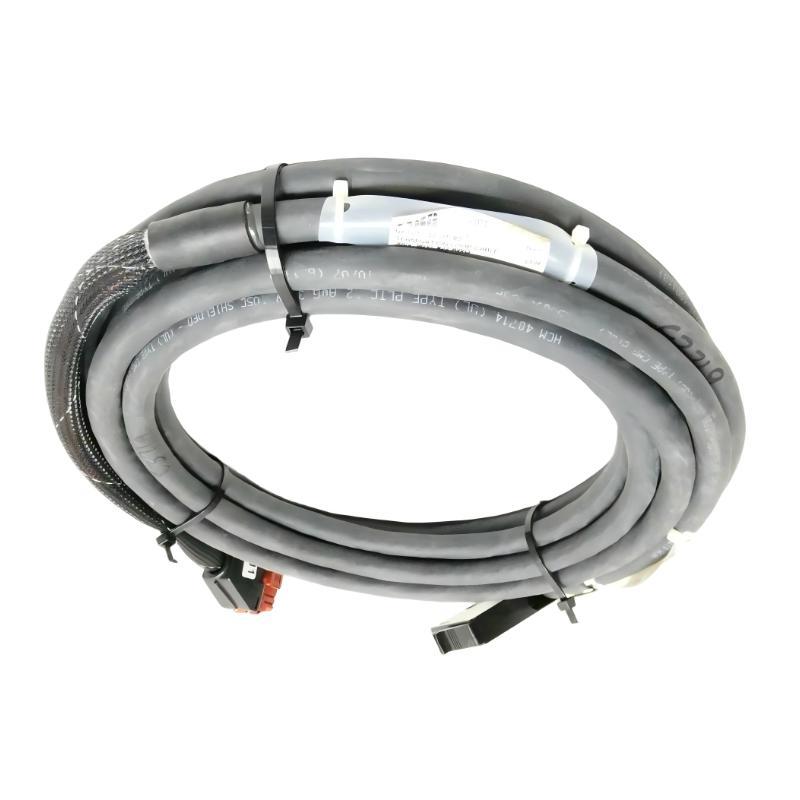
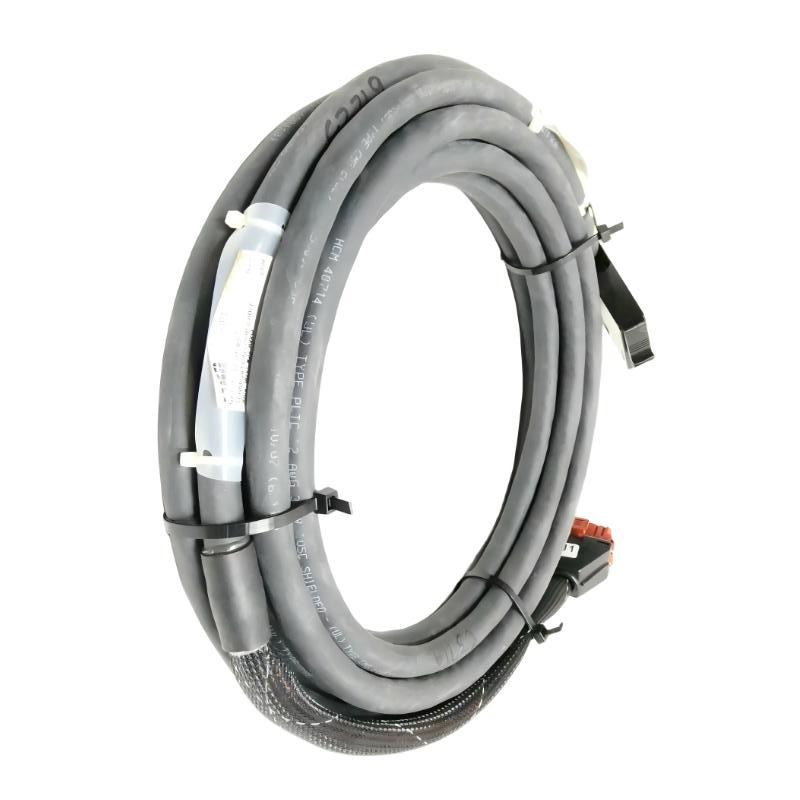
- ABB Bailey
- NKTK01-10
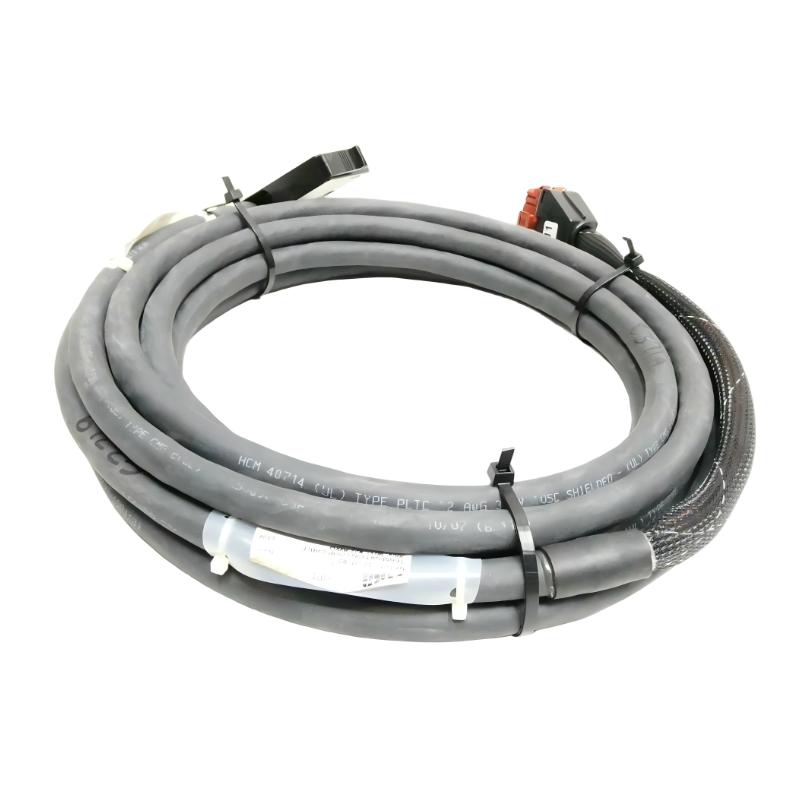
- SOE Time Synchronization Cable
- Sweden (SE)
- 10 feet
- 3 kg
- Xiamen, China
- New & In Stock
- T/T, PayPal, Western Union
- 1 Year
- 1-3 Working Days
- DHL, UPS, TNT, FedEx and EMS.
- 24-Hour Service
- COO
- 51
Our advantage

Global Logistics
We have a 10-year logistics and express cooperation agreement, so our products can be shipped to any place in the world.

Brand new and original
Our products are imported in bulk from the place of origin. Because of the cooperative relationship, our products are all original and 100% new.

24-hour service
We provide 7*24 hours service to our customers. We will be there whenever you need us.

Price advantage
All our products are priced very favorably because we have our own warehouse and supply.
| Company Information | |||
| [email protected] | |||
| Mobile | +8615980777398 | ||
| +8615980777398 | |||
| 15980777398 |
Product Overview
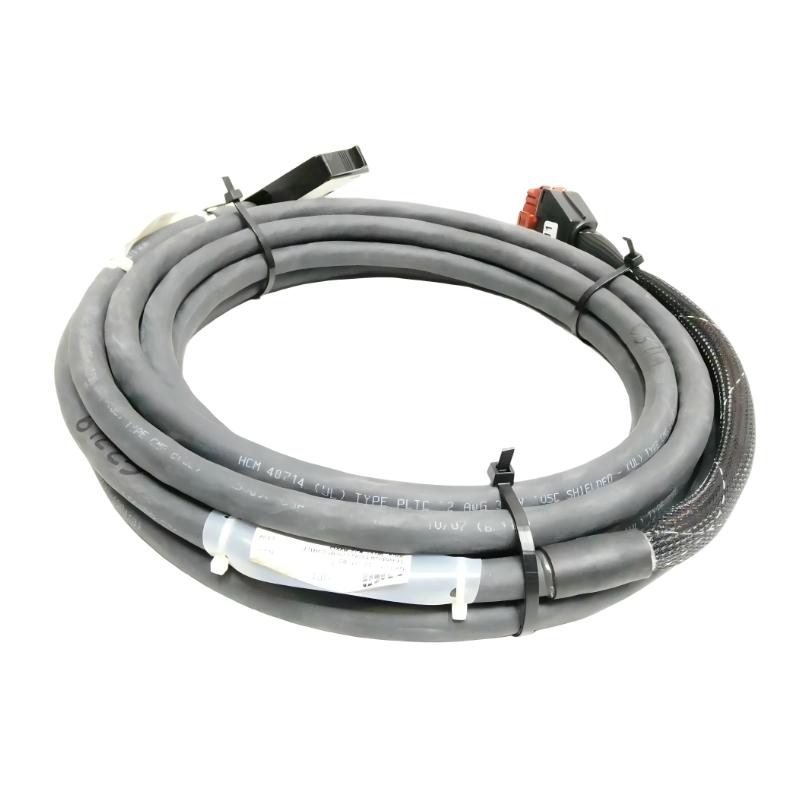
The ABB Bailey NKTK01-10 INFI 90 SOE Time Synchronization Cable is a dedicated synchronization cable for ABB Bailey INFI 90 Sequence of Events (SOE) applications.
SOE systems depend on synchronized timing information to establish the chronological relationship between events generated by different control-system devices. The NKTK01-10 provides the physical connection required within the timing-synchronization path.
The NKTK01-10 version specifies a 10-foot cable length, making it a fixed-length variant within the NKTK01 cable family. It is suitable for INFI 90 installations where the connected synchronization equipment is positioned within this cable-length range.
The cable serves as a passive interconnection component. It carries the required synchronization signal between the associated system interfaces without performing independent event processing.
Technical Specifications
| Parameter | Specification |
|---|---|
| Manufacturer / System | ABB Bailey |
| Model | NKTK01-10 |
| Product Family | INFI 90 |
| Product Type | SOE Time Synchronization Cable |
| Application | Sequence of Events Time Synchronization |
| Cable Length | 10 feet |
| Shipping Weight | 3 kg |
Product Features
- ABB Bailey INFI 90 SOE Time Synchronization Cable
- Model NKTK01-10
- 10-foot fixed cable length
- Supports Sequence of Events synchronization
- Provides a physical timing-signal connection
- Suitable for INFI 90 control-system installations
- Passive cable component
- Supports synchronized event timestamping
- Useful for alarm and trip sequence analysis
- Suitable for maintenance and replacement applications
Working Principle
The NKTK01-10 carries timing information between the designated synchronization interfaces in an INFI 90 SOE arrangement.
A typical signal path can be represented as:
Time Reference → Synchronization Interface → NKTK01-10 → SOE Equipment → Event Timestamp
The connected synchronization hardware establishes the time reference. The cable transfers that timing information to the receiving equipment.
The SOE system can then associate detected events with the synchronized time reference. Events from multiple sources can consequently be arranged according to their actual sequence.
This becomes particularly valuable during fast equipment trips or process disturbances, where several alarms and state changes may occur within a very short period.
Role in INFI 90 SOE Architecture
The NKTK01-10 occupies the physical interconnection layer of the timing system.
| System Element | Function |
|---|---|
| Time Reference | Establishes synchronized system time |
| Synchronization Interface | Distributes timing information |
| NKTK01-10 | Transfers the synchronization signal |
| SOE Hardware | Records event information |
| Event Sources | Generate system events |
| INFI 90 Control System | Provides control and monitoring |
| Operator Interface | Displays event and alarm information |
The cable supports the timing relationship between the synchronization source and the SOE recording hardware.
10-Foot Cable Configuration
The NKTK01-10 identifies a 10-foot cable configuration.
The fixed length can be useful in installations where the relevant INFI 90 synchronization interfaces have a known physical separation.
| Cable Variant | Length |
|---|---|
| NKTK01 | Optional |
| NKTK01-10 | 10 feet |
| NKTK01-15 | 15 feet |
| NKTK01-20 | 20 feet |
| NKTK01-30 | 30 feet |
The cable length should correspond to the actual connection arrangement within the control-system installation.
SOE Event Correlation
Time synchronization allows event records to be evaluated using a common timeline.
| SOE Information | Application |
|---|---|
| Event Timestamp | Determines event occurrence time |
| Event Sequence | Establishes chronological order |
| Alarm Record | Identifies abnormal conditions |
| Trip Record | Supports equipment-trip analysis |
| Status Change | Tracks equipment-state transitions |
| Historical Event Data | Supports post-event investigation |
A synchronized event record can help engineers determine the progression of a disturbance instead of relying solely on the order in which alarms were displayed.
Industrial Applications
| Application | Typical Use |
|---|---|
| Power Generation | SOE event synchronization |
| Thermal Power Plants | Trip sequence analysis |
| Turbine Control | Event timestamp correlation |
| Boiler Control | Alarm sequence monitoring |
| Process Automation | Time-synchronized event recording |
| Industrial Utilities | SOE system timing |
| Plant Automation | Event chronology |
| INFI 90 Maintenance | Synchronization cable replacement |
Installation and Maintenance
- Confirm the NKTK01-10 model.
- Verify the required 10-foot cable configuration.
- Identify both synchronization connection points.
- Record the existing cable routing.
- Isolate applicable equipment when required.
- Inspect connectors before installation.
- Check the cable for cuts, deformation, or other physical damage.
- Route the cable without excessive mechanical stress.
- Connect both ends to the designated interfaces.
- Verify secure connector engagement.
- Restore the applicable system connections.
- Check synchronization status.
- Verify SOE event timestamps.
- Compare event records from multiple system points.
- Check for synchronization-related alarms.
If SOE timestamps remain abnormal after cable replacement, the synchronization source, interface hardware, receiving equipment, and system configuration should also be examined.
Compatible System Components
| Component | Function |
|---|---|
| ABB Bailey NKTK01-10 | SOE Time Synchronization Cable |
| INFI 90 SOE Hardware | Event recording |
| Time Synchronization Equipment | Provides timing reference |
| Synchronization Interface | Timing-signal distribution |
| Event Input Hardware | Event acquisition |
| INFI 90 Controllers | Control-system processing |
| Operator Interface | Event and alarm monitoring |
Recommended Related Models
| Model / Product Family | Product Type | Typical Application |
|---|---|---|
| ABB Bailey NKTK01 | INFI 90 SOE Time Synchronization Cable | Optional-length configuration |
| ABB Bailey NKTK01-10 | INFI 90 SOE Time Synchronization Cable | 10-foot connection |
| ABB Bailey NKTK01-15 | INFI 90 SOE Time Synchronization Cable | 15-foot connection |
| ABB Bailey NKTK01-20 | INFI 90 SOE Time Synchronization Cable | 20-foot connection |
| ABB Bailey NKTK01-30 | INFI 90 SOE Time Synchronization Cable | 30-foot connection |
| ABB Bailey NKST11-10 | INFI 90 SOE Time Synchronization Cable | 10-foot synchronization |
| ABB Bailey NKST01-10 | INFI 90 SOE Time Synchronization Cable | SOE synchronization |
Key Advantages
- ABB Bailey INFI 90 SOE Time Synchronization Cable.
- Model NKTK01-10.
- 10-foot fixed cable length.
- Supports Sequence of Events synchronization.
- Provides the physical path for timing information.
- Supports chronological event recording.
- Useful for alarm and trip analysis.
- Suitable for INFI 90 control-system installations.
- Applicable to maintenance and replacement work.
Technical FAQs
What does the “-10” designation mean on NKTK01-10?
The “-10” identifies the 10-foot cable configuration of the NKTK01 family.
Why is a dedicated synchronization cable used for SOE?
SOE recording requires a consistent timing reference. The dedicated cable establishes the physical connection through which the applicable synchronization signal reaches the associated SOE equipment.
Can the NKTK01-10 be treated as an active synchronization device?
No. It functions as a cable connection rather than an independent timing generator or event-processing device.
What should be verified after installing the NKTK01-10?
The connector engagement, synchronization status, SOE timestamps, and event chronology should be checked. If timing remains abnormal, the associated synchronization source and receiving hardware should also be inspected.