Product Overview
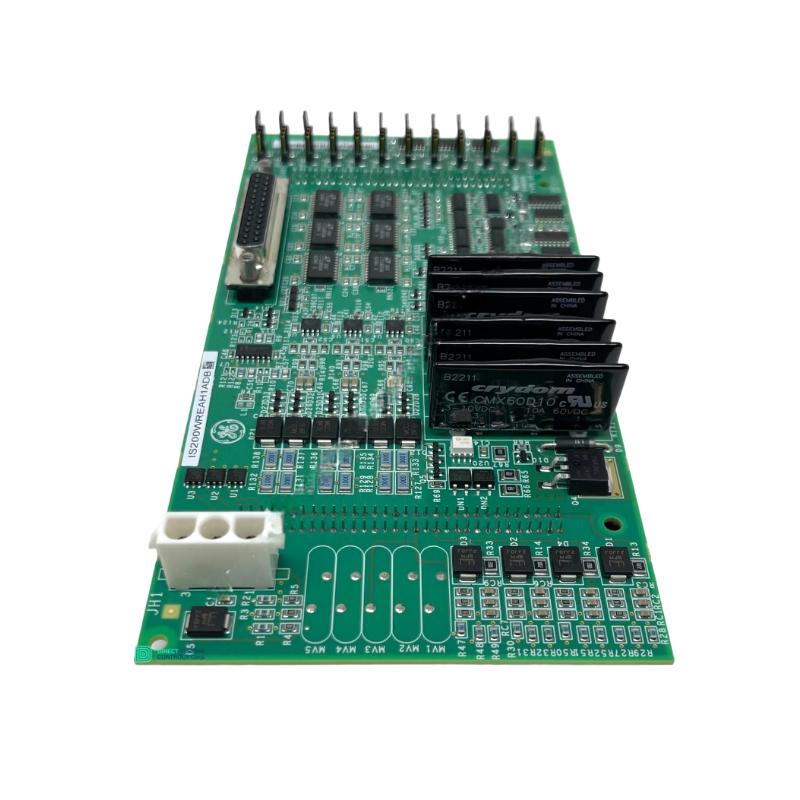
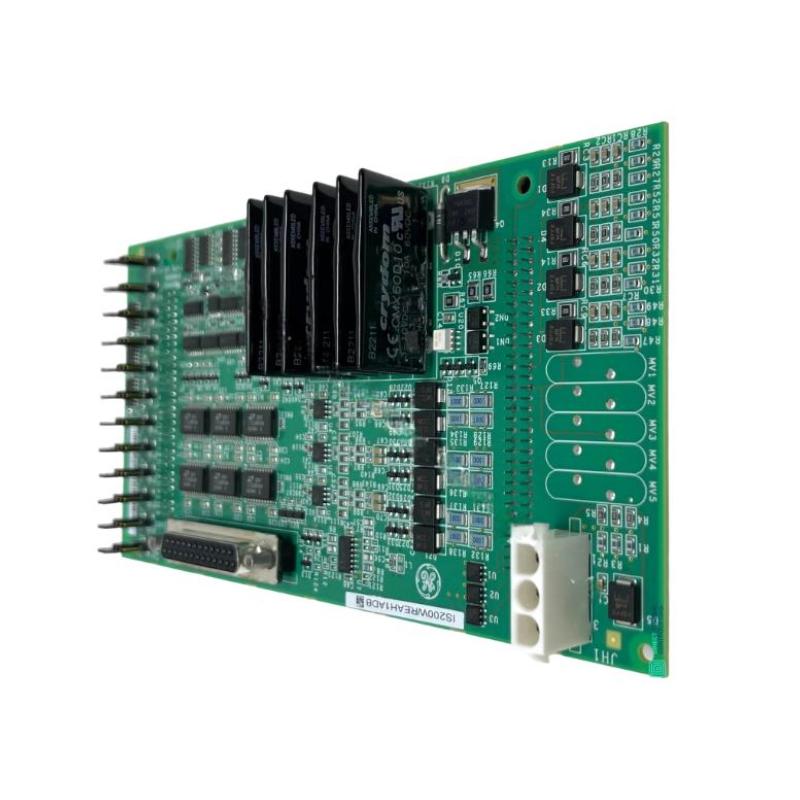
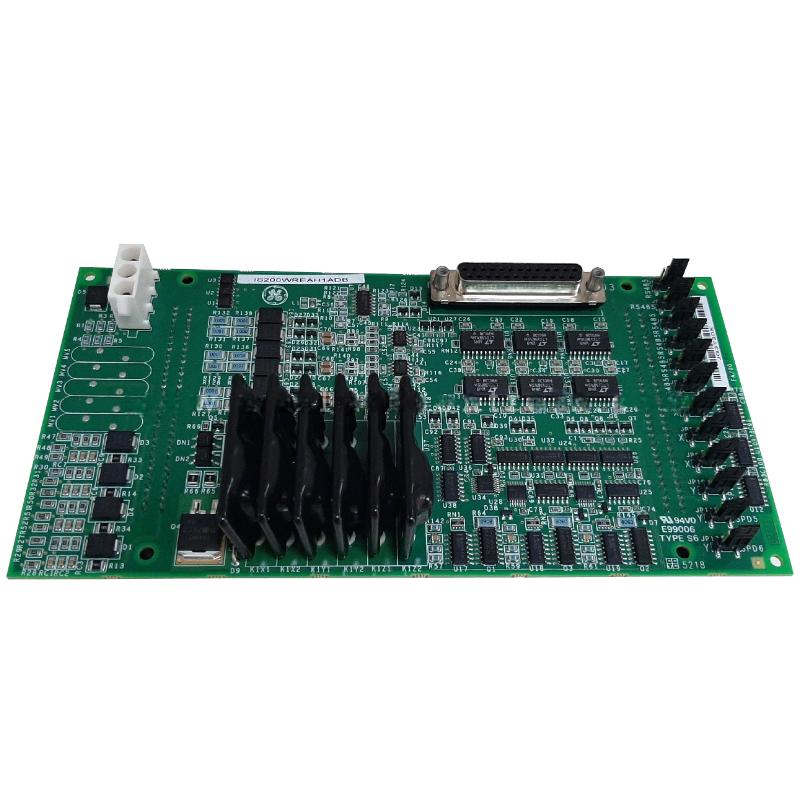
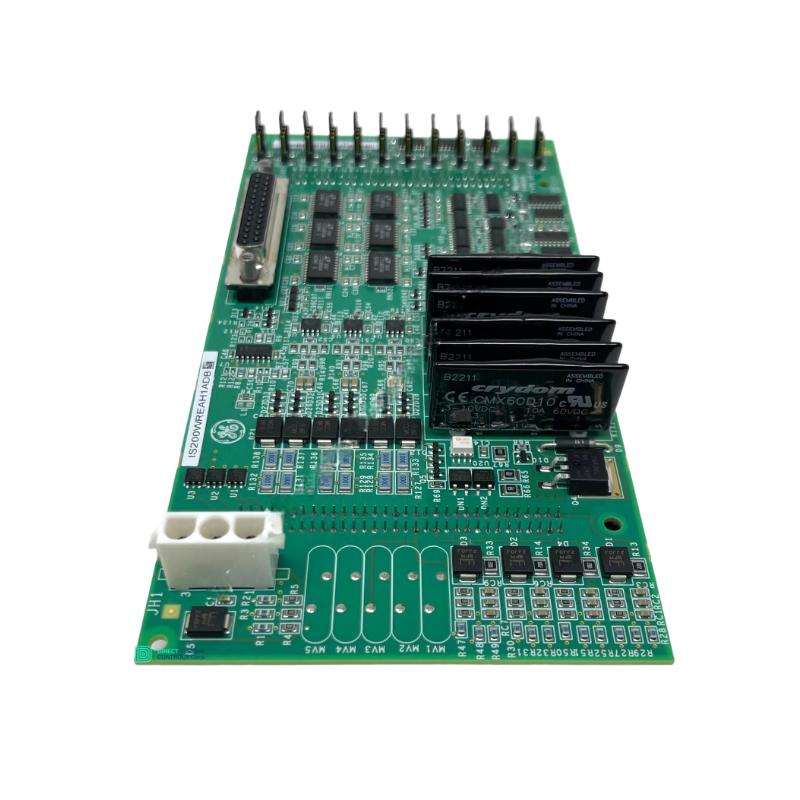
The GE IS200WREAH1ADB is an Aviation Turbine Terminal Board engineered for use within GE Mark VI turbine control systems. It serves as a critical interface for connecting field wiring from sensors, actuators, and auxiliary devices to the turbine control hardware, ensuring reliable signal transmission and organized cable management.
Designed for demanding industrial and turbine environments, this terminal board supports efficient installation, maintenance, and long-term operational reliability.
Technical Specifications
| Parameter |
Details |
| Manufacturer |
GE |
| Model |
IS200WREAH1ADB |
| Product Type |
Aviation Turbine Terminal Board |
| Series |
Mark VI Turbine Control System |
| Function |
Signal and field wiring termination interface |
| Mounting Type |
Panel-mounted terminal board |
| Connection Method |
Industrial terminal block connections |
| Dimensions |
200 × 150 × 30 mm |
| Weight |
0.3 kg |
| Installation Location |
Turbine control cabinet |
| Application |
Turbine monitoring and control systems |
Function and Working Principle
The IS200WREAH1ADB acts as a centralized electrical interface between field devices and the turbine control system.
Working Principle
- Receives wiring from field instruments and control devices.
- Routes signals to the appropriate control modules.
- Provides secure termination points for sensor and actuator connections.
- Maintains signal integrity throughout the control architecture.
- Simplifies troubleshooting, maintenance, and system expansion.
This arrangement helps improve wiring organization and reduces the complexity of turbine control cabinet installations.
Key Features
- Dedicated turbine control terminal board
- Centralized field wiring interface
- Supports sensor and actuator signal connections
- Compact industrial design
- Reliable terminal block architecture
- Simplifies installation and maintenance
- Suitable for continuous industrial operation
- Designed for GE turbine control platforms
Industrial Applications
- Aviation turbine control systems
- Gas turbine control panels
- Steam turbine automation systems
- Power generation facilities
- Combined-cycle power plants
- Turbine auxiliary control systems
- Industrial process control installations
Installation Overview
- Installed within turbine control cabinets
- Mounted on control panel assemblies
- Connected to field devices through terminal blocks
- Interfaces directly with associated control modules
- Requires proper grounding and cable routing practices
Compatible Systems
- GE Mark VI control systems
- Turbine control and protection systems
- Generator control platforms
- Industrial automation control cabinets
- Power plant instrumentation networks
Alternative Models
| Model |
Description |
| IS200WREAH1ADB |
Aviation Turbine Terminal Board (this model) |
| IS200WREAH1A |
Standard terminal board version |
| IS200WREAH1ADB |
Alternate revision within the same family |
| Mark VI terminal interface boards |
Related signal termination boards |
| Mark VIe interface boards |
Newer-generation terminal board solutions |
Key Advantages
- Improves wiring organization
- Enhances signal reliability
- Simplifies maintenance procedures
- Reduces installation complexity
- Supports critical turbine applications
- Compact and lightweight construction
- Designed for long-term industrial operation
Technical FAQs
What is the primary purpose of the IS200WREAH1ADB?
It provides a centralized termination point for field wiring in turbine control systems.
Is this module a controller?
No, it is a terminal interface board used for signal routing and wiring management.
Where is it typically installed?
Inside GE turbine control cabinets as part of the Mark VI system architecture.
What devices connect to this board?
Sensors, transmitters, switches, actuators, and other field devices.
Can it be used in power generation applications?
Yes, it is commonly used in turbine and power plant control systems.
Conclusion
The GE IS200WREAH1ADB Aviation Turbine Terminal Board is a specialized interface component that provides organized field wiring termination, reliable signal routing, and simplified maintenance within GE Mark VI turbine control systems. Its robust design and critical interface functionality make it an important element in turbine automation and power generation environments.