

ProductPRODUCT
Featured products
Contact Us
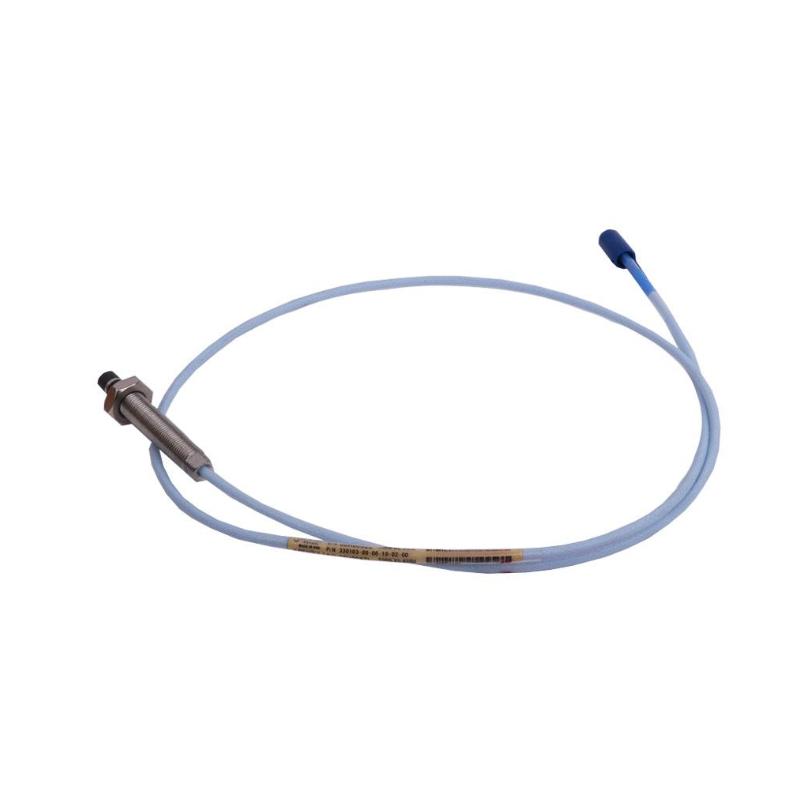
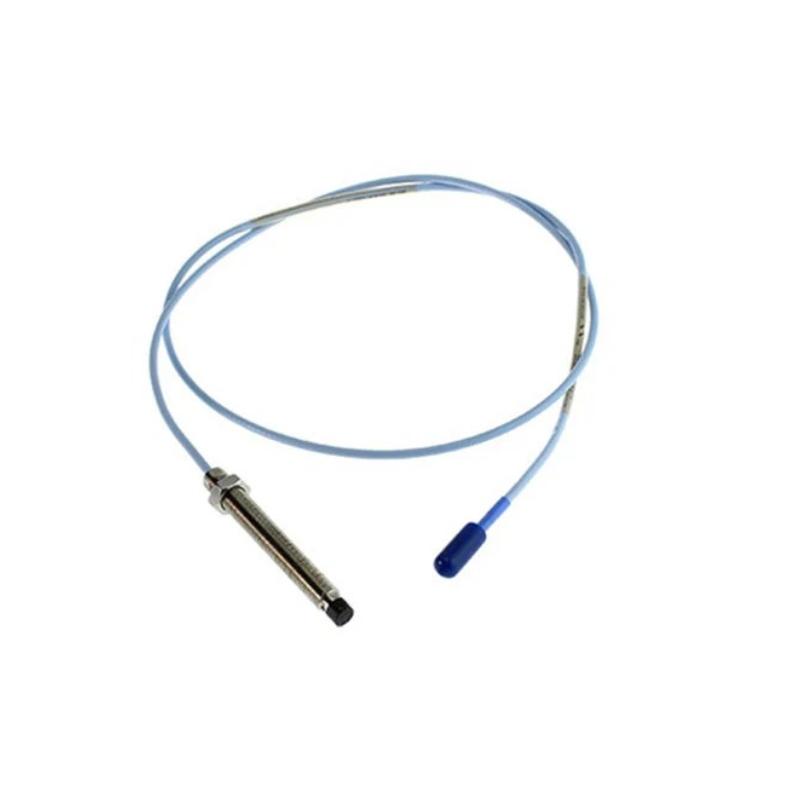
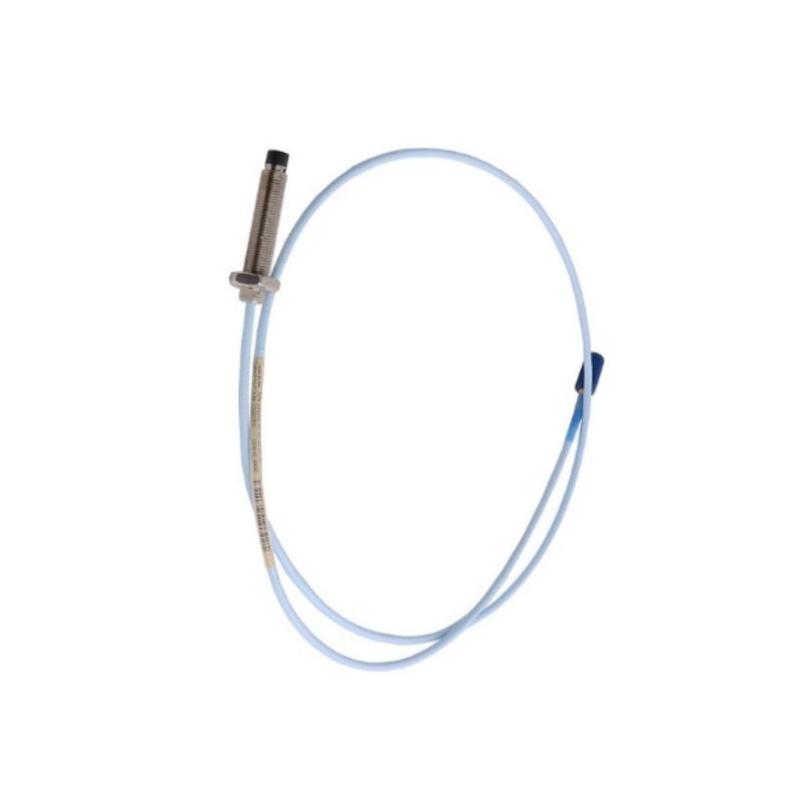
- Bently Nevada
- 330103-06-15-10-12-CN
- 3300 XL 8 mm Proximity Probes
- USA
- 12.7*150 mm
- 0.4kg
- Xiamen, China
- New & In Stock
- T/T, PayPal, Western Union
- 1 Year
- 1-3 Working Days
- DHL, UPS, TNT, FedEx and EMS.
- 24-Hour Service
- COO
- 174
Our advantage

Global Logistics
We have a 10-year logistics and express cooperation agreement, so our products can be shipped to any place in the world.

Brand new and original
Our products are imported in bulk from the place of origin. Because of the cooperative relationship, our products are all original and 100% new.

24-hour service
We provide 7*24 hours service to our customers. We will be there whenever you need us.

Price advantage
All our products are priced very favorably because we have our own warehouse and supply.
| Company Information | |||
| [email protected] | |||
| Mobile | +8615980777398 | ||
| +8615980777398 | |||
| 15980777398 |
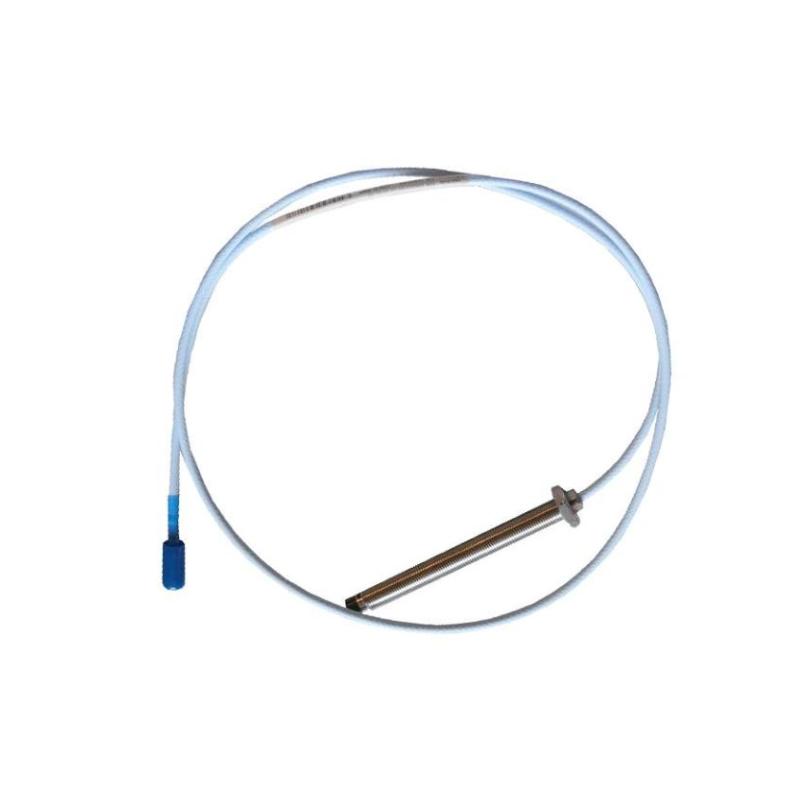
Bently Nevada 330103-06-15-10-12-CN – Detailed Product Overview
Product Introduction
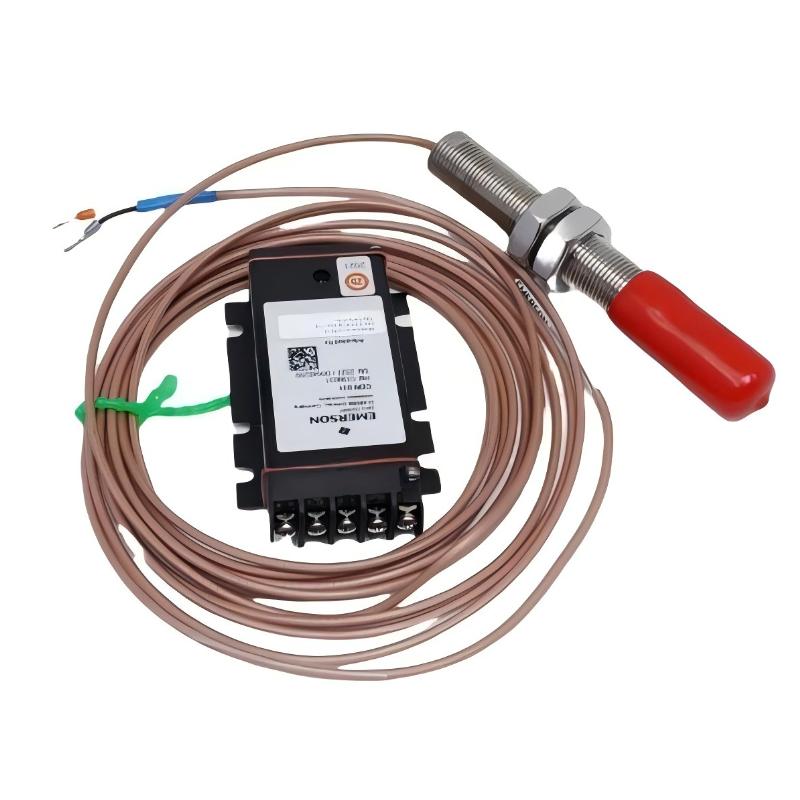
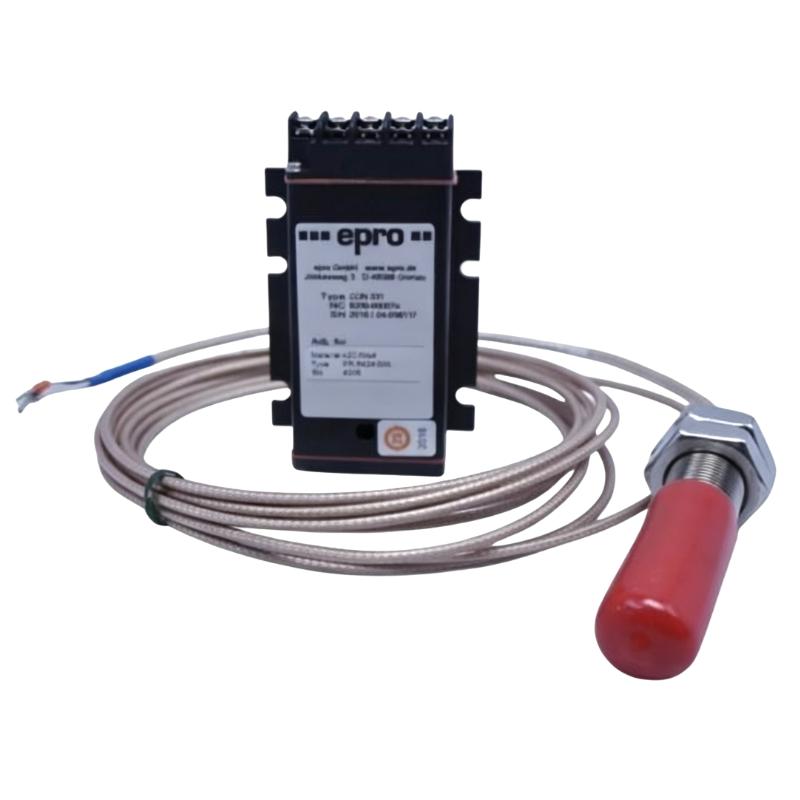
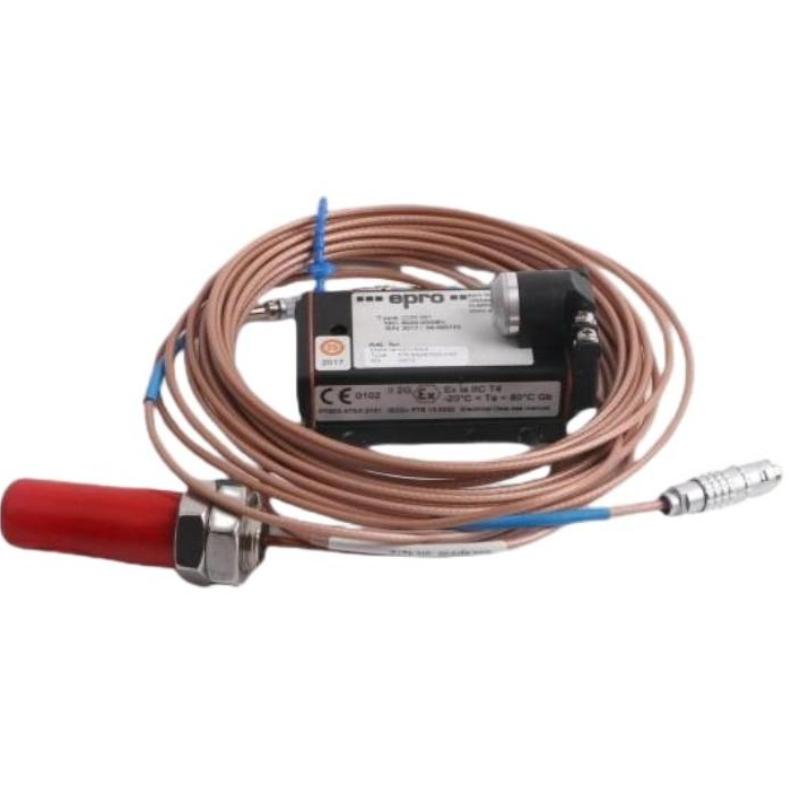
The Bently Nevada 330103-06-15-10-12-CN is a precision eddy-current proximity sensor engineered for industrial machinery condition monitoring. This sensor provides accurate real-time measurements of shaft vibration and displacement, making it critical for predictive maintenance programs and operational safety.
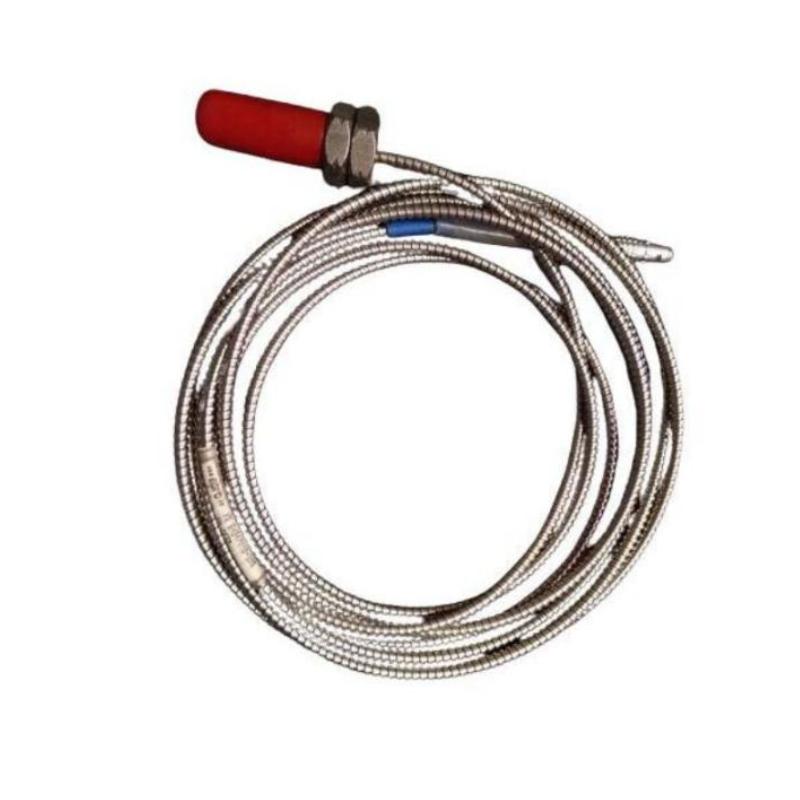
This model is designed with rugged industrial environments in mind. It is capable of operating under extreme temperatures, heavy vibration, and dusty or moist conditions. Its durable stainless steel construction ensures longevity, while the measurement accuracy allows for early detection of mechanical issues such as imbalance, misalignment, or wear.
The “CN” designation typically indicates a version adapted for specific industrial requirements, such as extended cable length or Chinese market standards, while maintaining full compatibility with standard 3300 XL monitoring systems.
Brand and Series
Brand: Bently Nevada
Series: 3300 XL Proximity Sensor Series
The 3300 XL series represents a family of industrial eddy-current proximity probes and monitors widely used in power generation, petrochemical, and heavy manufacturing industries. Sensors in this series are renowned for reliability, precision, and long service life under demanding operational conditions.
Product Specifications
| Parameter | Specification |
|---|---|
| Model | 330103-06-15-10-12-CN |
| Brand | Bently Nevada |
| Series | 3300 XL Proximity Sensor |
| Sensor Type | Eddy-Current Proximity Probe |
| Measurement Range | 0.25–2.0 mm |
| Frequency Response | 0–20 kHz |
| Output Signal | AC or DC Voltage (system dependent) |
| Operating Temperature | -40°C to +120°C |
| Housing Material | Stainless Steel |
| Diameter | 12.7 mm |
| Length | 150 mm |
| Weight | 0.40 kg |
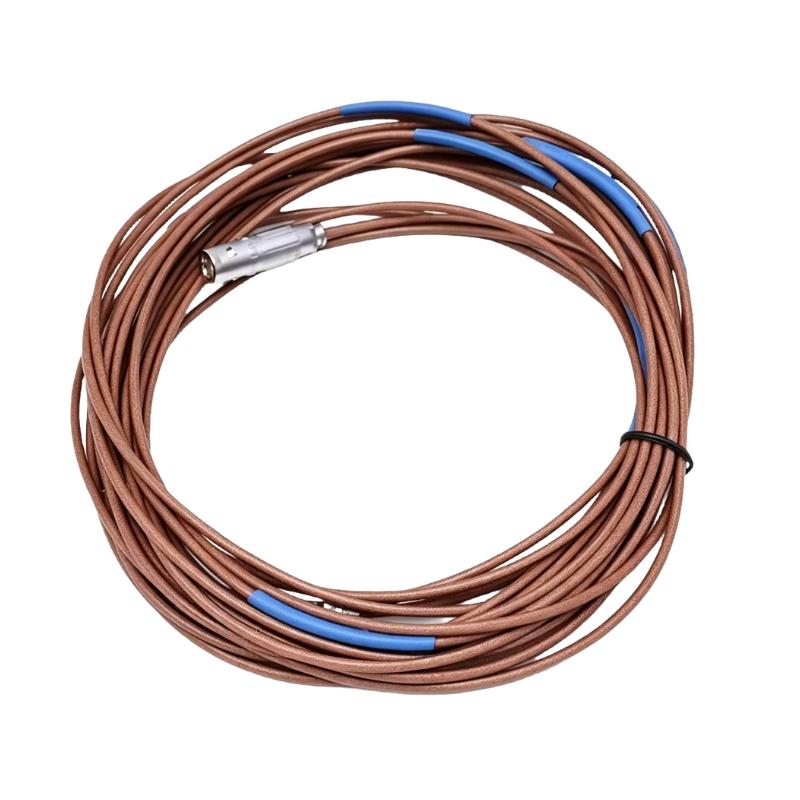
| Cable Length | 6 m standard (customizable for CN version) |
| Mounting Style | Threaded or flanged |
| Protection Rating | IP65 |
| Typical Accuracy | ±0.001 mm |
Product Applications
The 330103-06-15-10-12-CN is commonly used in industrial settings for:
• Real-time vibration and shaft position monitoring in steam and gas turbines.
• Centrifugal compressors, pumps, and motors in petrochemical and chemical plants.
• Preventive maintenance in power generation plants.
• Monitoring generator shaft displacement and alignment.
• Rotating machinery in aerospace ground testing and industrial engines.
• Early detection of mechanical faults to reduce downtime and maintenance costs.
Product Advantages
• High Accuracy: Detects minimal shaft displacement for reliable condition monitoring.
• Rugged Design: Stainless steel housing provides resistance against vibration, corrosion, and mechanical stress.
• Temperature Tolerance: Operates up to +120°C, with some variations for higher temperature tolerance.
• Seamless Integration: Compatible with 3300 XL monitoring systems for predictive maintenance programs.
• Flexible Installation: Threaded or flanged mounting supports multiple machinery configurations.
• Reduced Maintenance Costs: Early detection of faults prevents unplanned downtime.
Related Models in the Same Series (3300 XL)
| Model | Measurement Range | Operating Temp | Length (mm) | Weight (kg) | Notes |
|---|---|---|---|---|---|
| 330103-06-15-10-12-01 | 0.25–2.0 mm | -40°C to +120°C | 120 mm | 0.35 kg | Standard proximity sensor |
| 330103-06-15-10-12-02 | 0.5–2.5 mm | -40°C to +120°C | 130 mm | 0.37 kg | Extended measurement range |
| 330103-06-15-10-12-03 | 0.25–2.0 mm | -50°C to +140°C | 120 mm | 0.36 kg | Extreme temperature tolerant |
| 330103-06-15-10-12-04 | 0.1–1.5 mm | -40°C to +120°C | 110 mm | 0.33 kg | Short-range precision probe |
| 330103-06-15-10-12-05 | 0.25–2.0 mm | -40°C to +120°C | 150 mm | 0.40 kg | Long cable, flexible installation |
Other Popular Models from the Same Brand
| Model | Measurement Range | Operating Temp | Length (mm) | Weight (kg) | Description |
|---|---|---|---|---|---|
| 330103-01-05-10-10-00 | 0.25–1.5 mm | -40°C to +100°C | 100 mm | 0.30 kg | Standard industrial sensor |
| 330103-02-06-12-10-00 | 0.3–2.0 mm | -40°C to +120°C | 120 mm | 0.35 kg | General-purpose industrial use |
| 330103-04-15-10-12-00 | 0.5–2.5 mm | -50°C to +140°C | 130 mm | 0.37 kg | High-temperature resistant sensor |
| 330103-05-10-08-08-00 | 0.2–1.8 mm | -40°C to +120°C | 110 mm | 0.32 kg | Compact design for limited space |
| 330103-06-10-12-10-00 | 0.25–2.0 mm | -40°C to +120°C | 125 mm | 0.36 kg | Extended measurement range version |
FAQ – 10 Questions and Answers
Q1: What is the main purpose of this sensor?
A1: It measures shaft vibration and displacement for machinery health monitoring.
Q2: What industries commonly use this sensor?
A2: Power generation, petrochemical, heavy manufacturing, and aerospace ground testing.
Q3: How is the “CN” version different from the standard model?
A3: It may include extended cables or modifications to comply with regional industrial standards.
Q4: What is the size and weight of the sensor?
A4: Diameter is 12.7 mm, length is 150 mm, weight is 0.40 kg.
Q5: Can it operate in extreme temperature conditions?
A5: Yes, standard operation is -40°C to +120°C. Some models can tolerate up to +140°C.
Q6: Is it suitable for harsh industrial environments?
A6: Yes, it has stainless steel housing and an IP65 rating for dust and moisture protection.
Q7: How is it installed on machinery?
A7: It can be mounted using threaded or flanged interfaces depending on the setup.
Q8: What maintenance is required?
A8: Minimal; periodic inspection and cleaning are recommended for long-term performance.
Q9: What kind of output signal does it provide?
A9: It provides AC or DC voltage compatible with 3300 XL monitoring systems.
Q10: How does it help prevent machinery failure?
A10: By detecting early signs of vibration or shaft displacement, it enables predictive maintenance and reduces unexpected downtime.