

ProductPRODUCT
Featured products
Contact Us
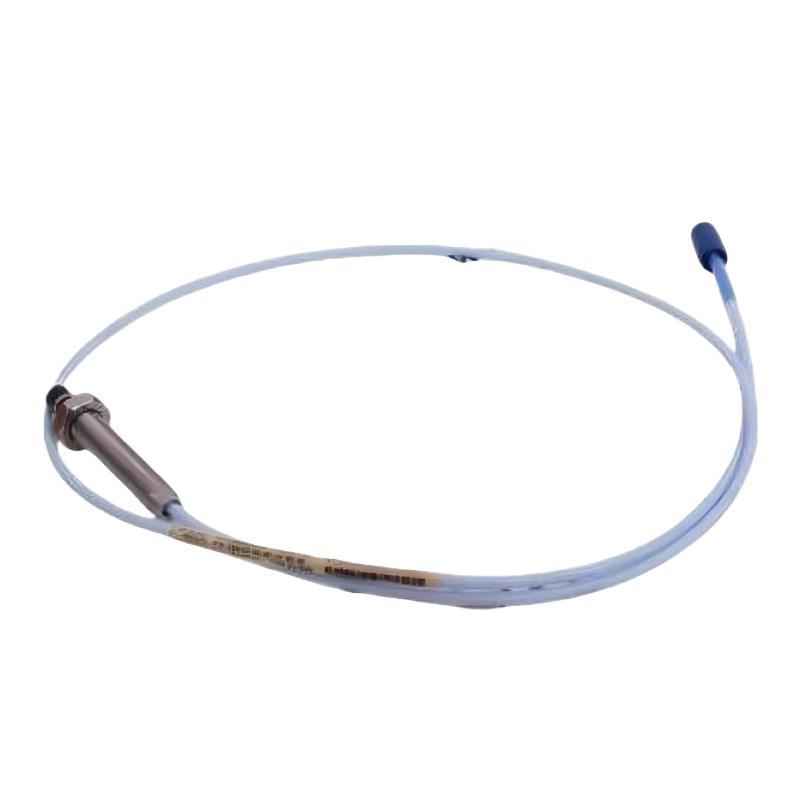
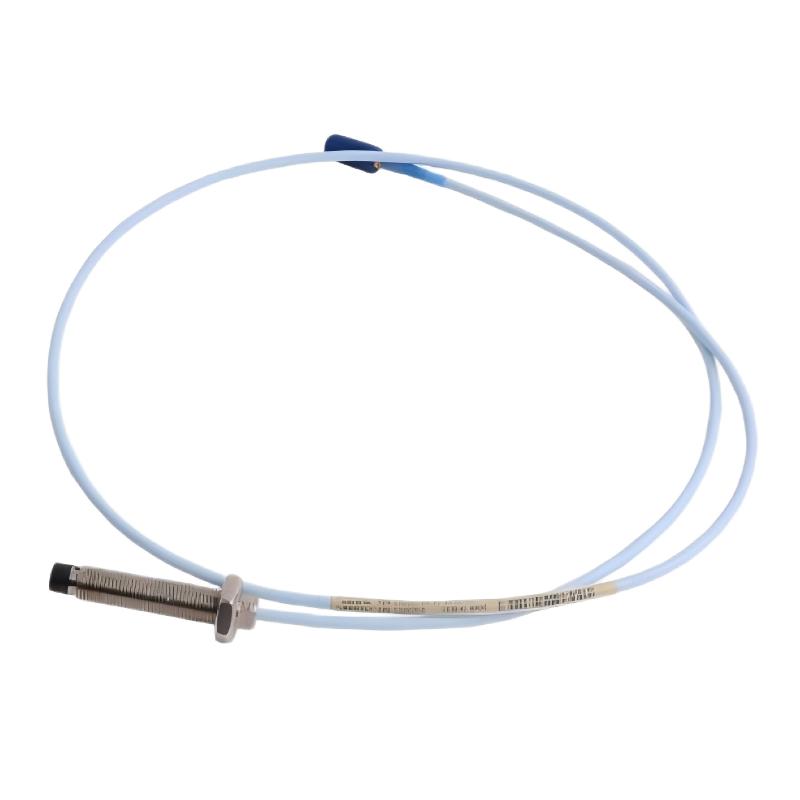
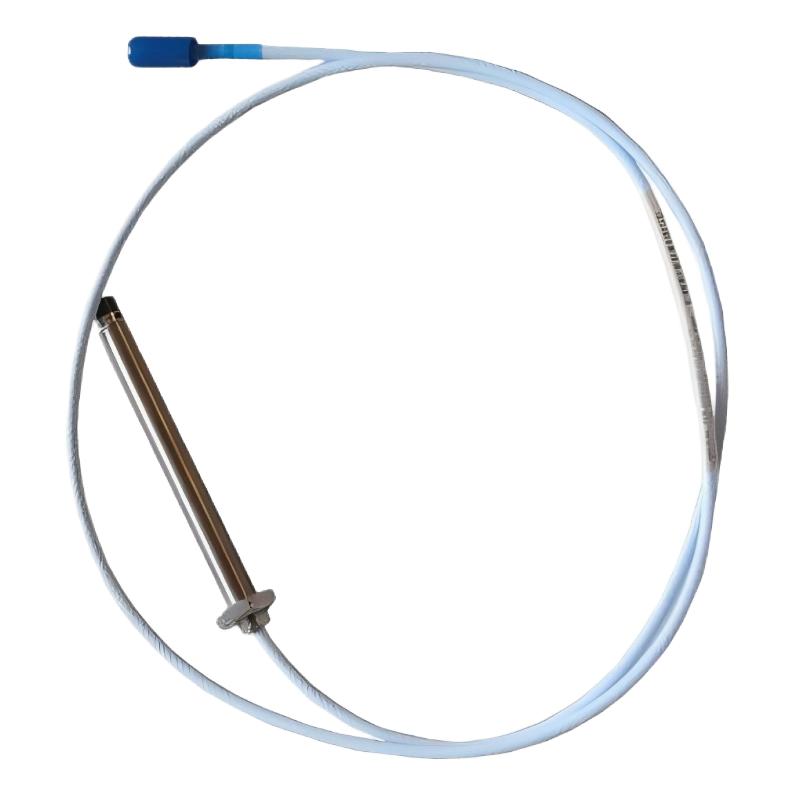
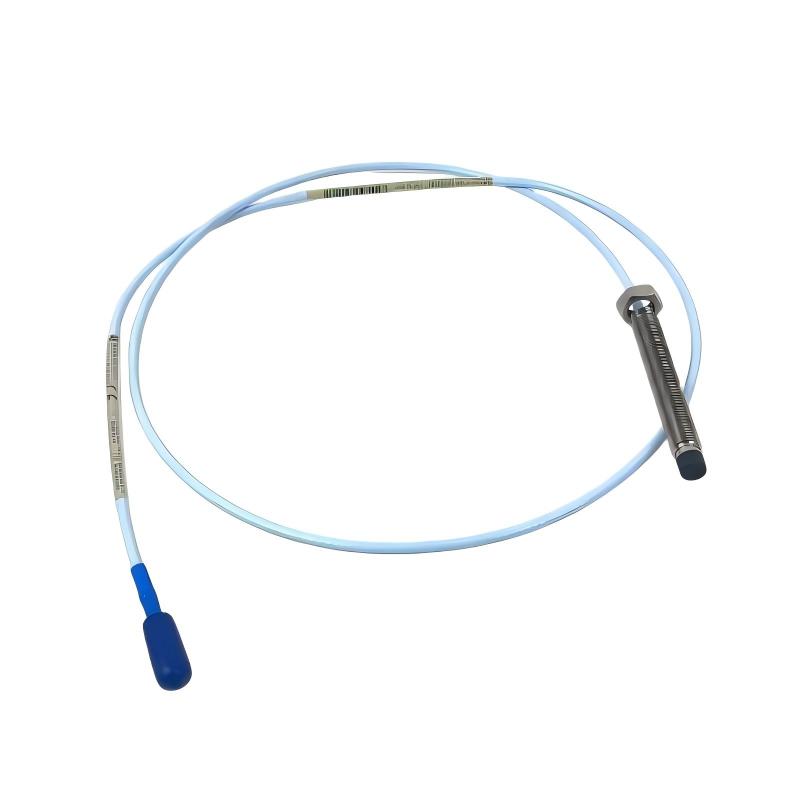
- Bently Nevada
- 100630-00-08-05-02
- 3300 XL 8 mm Underwater Proximity Probe
- USA
- 0.5 meters
- 3 kg
- Xiamen, China
- New & In Stock
- T/T, PayPal, Western Union
- 1 Year
- 1-3 Working Days
- DHL, UPS, TNT, FedEx and EMS.
- 24-Hour Service
- COO
- 8
Our advantage

Global Logistics
We have a 10-year logistics and express cooperation agreement, so our products can be shipped to any place in the world.

Brand new and original
Our products are imported in bulk from the place of origin. Because of the cooperative relationship, our products are all original and 100% new.

24-hour service
We provide 7*24 hours service to our customers. We will be there whenever you need us.

Price advantage
All our products are priced very favorably because we have our own warehouse and supply.
| Company Information | |||
| [email protected] | |||
| Mobile | +8615980777398 | ||
| +8615980777398 | |||
| 15980777398 |
Product Overview
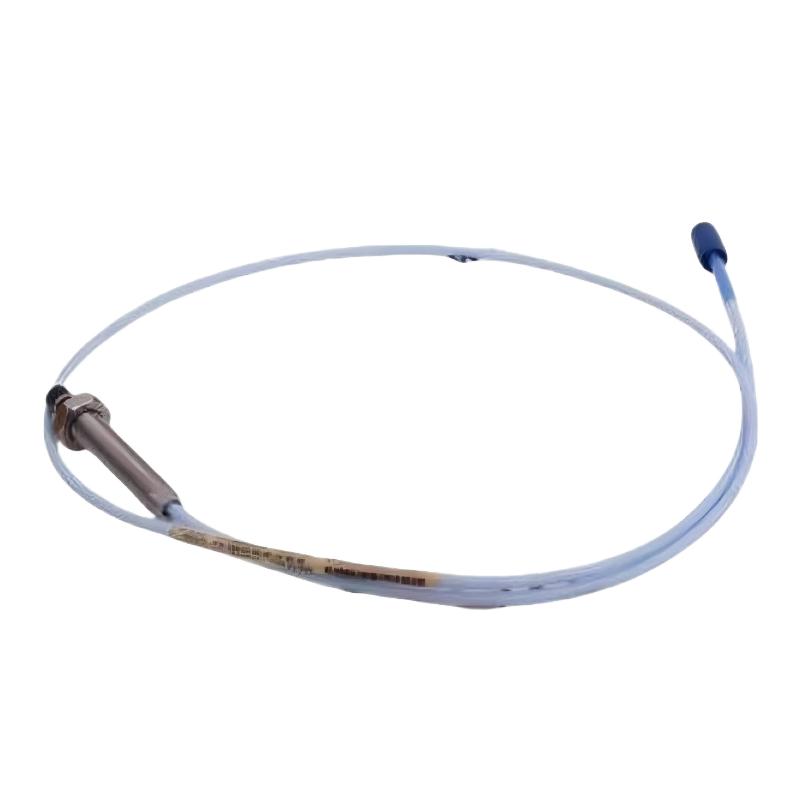
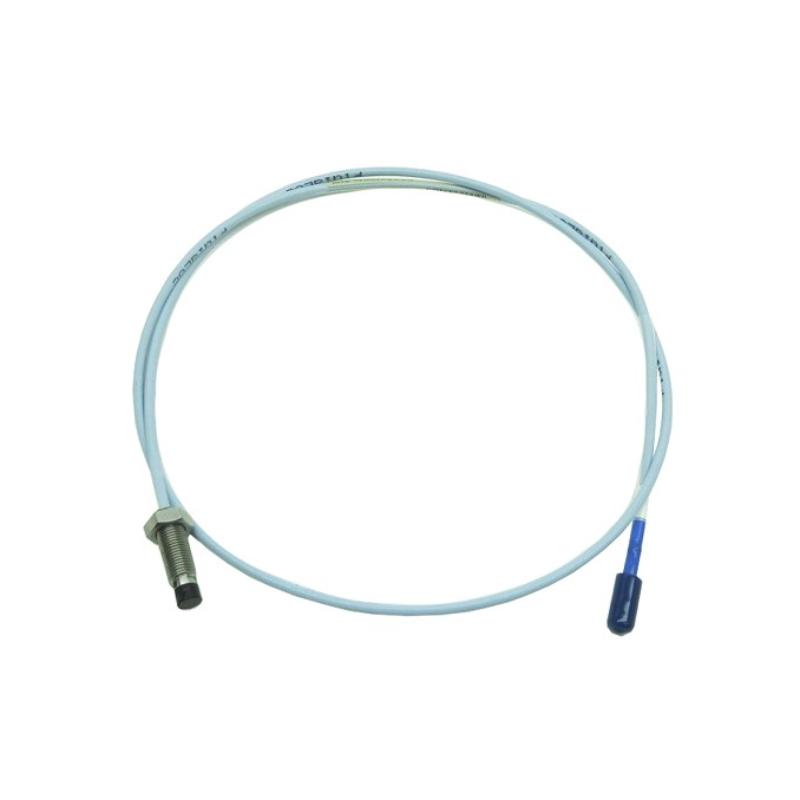
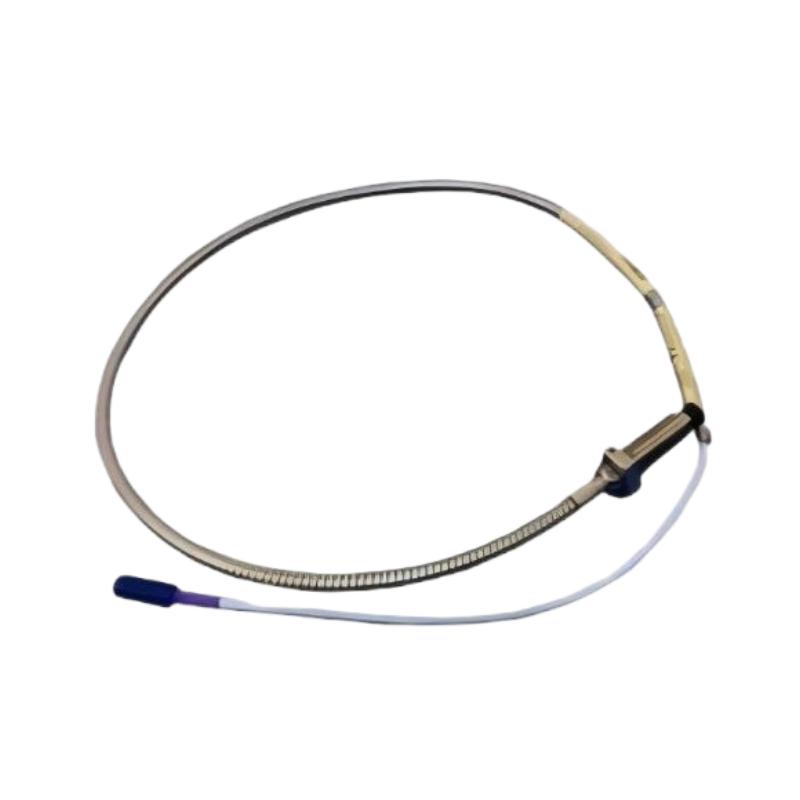
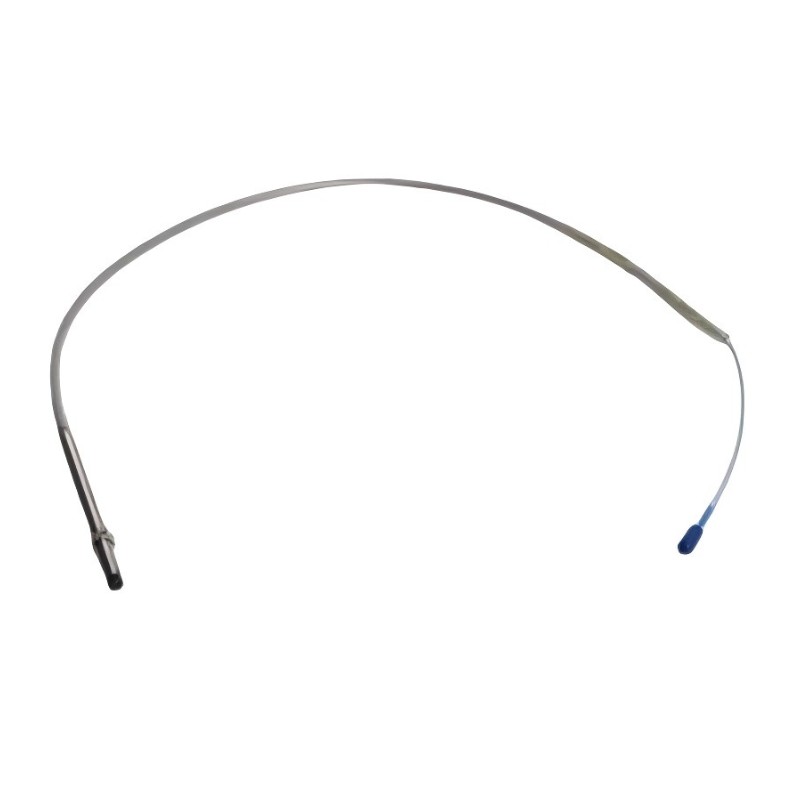
The Bently Nevada 100630-00-08-05-02 3300 XL 8 mm Underwater Proximity Probe is a specialized non-contact displacement measurement sensor designed for machinery condition monitoring in environments where the probe body is exposed to liquids. It belongs to the Bently Nevada 3300 XL 8 mm proximity transducer family and is intended for applications requiring reliable shaft position and vibration measurements under demanding environmental conditions.
Unlike a standard proximity probe designed primarily for conventional industrial installation environments, the 100630 underwater probe incorporates a sealed probe case and protective tubing around the cable. This construction is intended to support applications involving continuous exposure to liquids, including certain hydroelectric power generation and wastewater treatment installations.
The probe operates using eddy-current measurement technology. When installed with a compatible 3300 XL 8 mm Proximitor sensor and extension cable, it detects changes in the distance between the probe tip and a conductive target, such as a rotating machinery shaft. The resulting measurement can be used to monitor shaft displacement, vibration, and relative position.
The 100630 model uses a 3/8-24 UNF mounting thread and a sealed case with Tefzel tubing. Its specified configuration includes a 0.5-meter cable and a miniature coaxial connector without a connector protector. These details are important when matching the probe to an existing monitoring system.
The underwater design does not mean that every part of the assembly can be submerged. The probe body and protected cable are designed for liquid-exposure applications, but the connector end is not sealed against liquids and must remain outside the submerged area. The probe case is manufactured from 304 stainless steel and is not suitable for saltwater applications without an appropriately engineered alternative.
Technical Specifications
| Parameter | Specification |
|---|---|
| Brand | Bently Nevada |
| Manufacturer | Baker Hughes |
| Model | 100630-00-08-05-02 |
| Product Series | 3300 XL |
| Product Type | 8 mm Underwater Proximity Probe |
| Measurement Technology | Eddy-current proximity sensing |
| Probe Tip Diameter | 8 mm |
| Mounting Thread | 3/8-24 UNF |
| Probe Construction | Sealed case with Tefzel tubing |
| Unthreaded Length Code | 00 |
| Overall Case Length Code | 08 |
| Cable Length Code | 05 – 0.5 m |
| Connector Code | 02 – Miniature coaxial ClickLoc connector, standard cable |
| Connector Protector | Not included in the specified connector configuration |
| Probe Pressure Rating | 500 psi (34 bar) at the probe tip-to-case interface |
| Operating and Storage Temperature | -51°C to +177°C |
| Probe Case Material | 304 stainless steel |
| Supplied Total Length | 0.5 m |
| Shipping Weight Provided | 3 kg |
| Compatible System | 3300 XL 8 mm Proximitor sensor and extension cable |
| Typical Applications | Hydroelectric equipment, wastewater facilities, and liquid-exposure machinery monitoring |
Note: The 3 kg figure is the supplied shipping weight, not a verified bare-probe weight. Confirm the actual shipment weight and packaging dimensions with the supplier.
Function and Working Principle
The 100630-00-08-05-02 operates as part of an eddy-current proximity transducer system. It measures the distance between the probe tip and a conductive target without requiring physical contact.
This measurement method is widely used in rotating machinery because it can detect small changes in shaft position while the machine is operating.
1. Eddy-Current Measurement
The probe contains a coil that produces an electromagnetic field when driven by the compatible Proximitor sensor. When the probe is positioned near a conductive target, eddy currents are generated in the target surface.
Changes in the distance between the probe tip and the target affect the electromagnetic interaction. The monitoring system converts these changes into an electrical signal corresponding to the measured gap.
This non-contact principle allows the probe to monitor shaft movement without introducing mechanical contact between the sensor and rotating component.
2. Shaft Displacement Monitoring
Shaft displacement measurements provide information about the relative position of a rotating shaft within its bearing assembly.
In machinery equipped with fluid-film bearings, changes in shaft position may indicate variations in operating conditions, bearing clearances, or mechanical loading.
The 100630 probe can provide this information when installed with the appropriate 3300 XL 8 mm monitoring components and correctly positioned against the target surface.
3. Vibration Measurement
Dynamic shaft movement can be monitored by observing changes in the probe signal over time. These measurements can help identify abnormal vibration behavior in rotating machinery.
Monitoring systems may use the resulting signals to evaluate shaft vibration, identify changes in operating patterns, and support maintenance decisions.
The probe itself is the sensing element. Signal processing, alarm generation, and condition evaluation are performed by the connected monitoring equipment.
4. Liquid-Exposure Protection
The underwater design addresses applications where the probe body and its cable are exposed to liquids for extended periods.
A sealed probe case and Tefzel tubing help protect the sensing assembly and cable in the intended environment. This construction is particularly useful in installations where ordinary proximity probes may not provide the required environmental protection.
However, the connector end remains a critical installation boundary. It must be positioned outside the submerged area and protected according to the manufacturer’s installation requirements.
5. Pressure-Sealing Function
The manufacturer specifies a 500 psi (34 bar) pressure rating at the interface between the probe tip and probe casing.
This rating is relevant when the probe is installed in equipment exposed to liquid pressure. It should not be interpreted as a general pressure rating for every part of the cable, connector, or complete monitoring system.
Applications requiring higher pressure ratings or special sealing arrangements should be reviewed with the manufacturer or an authorized technical specialist.
Role in Industrial Machinery Condition Monitoring
The 100630 underwater proximity probe is normally used as one component of a complete machinery protection and condition-monitoring system.
A typical 3300 XL 8 mm system consists of three main components:
- 3300 XL 8 mm proximity probe.
- Compatible 3300 XL 8 mm extension cable.
- Compatible 3300 XL 8 mm Proximitor sensor.
Each component has a specific function. The probe detects changes in the target gap, the extension cable connects the probe to the sensor, and the Proximitor sensor processes the measurement into an electrical output for monitoring equipment.
Shaft Position Monitoring
Shaft position information can help maintenance personnel understand the operating position of rotating machinery. Changes in shaft position may provide useful information about bearing behavior and mechanical operating conditions.
The probe must be installed at the correct measurement location and aligned according to the equipment design.
Vibration Monitoring
The proximity signal can be used to monitor dynamic shaft movement. When connected to suitable monitoring equipment, the measurement can contribute to vibration analysis and machinery protection strategies.
Integration with Monitoring Systems
The Proximitor sensor provides the measurement signal to compatible machinery monitoring equipment. Depending on the installation, this equipment may provide vibration readings, position measurements, alarm functions, and condition-monitoring data.
The 100630 probe should not be treated as a standalone vibration monitoring system. Its performance depends on correct system components, installation geometry, calibration, and configuration.
Industrial Applications
The 3300 XL underwater probe family is intended for applications involving continuous exposure to liquids. The 100630 8 mm version is particularly relevant where an 8 mm proximity measurement system is already used or required.
1. Hydroelectric Power Plants
Hydroelectric facilities contain rotating equipment that operates in environments where water exposure is an important engineering consideration.
The 100630 probe may be used in suitable installations to monitor shaft movement in equipment associated with hydroelectric generation. Its underwater construction is intended to support applications where the probe body is exposed to liquid.
The complete installation must still ensure that the connector end remains outside the liquid and that the probe material is suitable for the water chemistry.
2. Wastewater Treatment Facilities
Wastewater treatment plants operate pumps, motors, and other rotating machinery in environments where moisture and liquid exposure are common.
Where the machinery design requires proximity measurement in a liquid-exposure area, an underwater probe can provide a suitable sensing option.
The 100630 should be selected only after confirming that the mounting arrangement, probe material, pressure conditions, and target geometry meet the installation requirements.
3. Industrial Pumping Systems
Large pumping installations may require continuous monitoring of shaft position and vibration to support equipment reliability.
A properly installed proximity probe can measure shaft movement and provide signals to the machinery monitoring system.
For liquid-exposure applications, the sealed construction of the 100630 can be useful, provided the connector and monitoring electronics are installed in an appropriate protected location.
4. Turbine Monitoring
Rotating machinery in power generation facilities may use proximity transducers to monitor shaft displacement and vibration.
The 100630 can be considered for suitable turbine-related applications where its 8 mm measurement system and underwater construction match the machinery design.
Selection should be based on the turbine manufacturer’s sensor requirements, mounting dimensions, target material, and monitoring-system compatibility.
5. Industrial Rotating Equipment
Other industrial installations may involve rotating equipment exposed to liquid environments. In these cases, an underwater proximity probe can help maintain shaft measurement capability where conventional probe constructions may not be appropriate.
The suitability of the 100630 depends on liquid composition, temperature, pressure, mounting arrangement, and the required measurement range.
Installation and System Integration
Correct installation is essential for obtaining reliable measurement signals and maintaining the environmental protection provided by the underwater probe construction.
1. Confirm Mounting Compatibility
The 100630 uses a 3/8-24 UNF mounting thread. Before installation, verify that the mounting port and mechanical arrangement match this thread specification.
Check the available mounting space, probe insertion depth, target clearance, and required unthreaded length.
Incorrect mounting geometry can affect measurement accuracy or prevent the probe from being positioned correctly.
2. Maintain Correct Probe Positioning
The probe tip must face the conductive target and be positioned within the measurement system’s specified linear range.
The initial gap should be established according to the manufacturer’s setup procedure and the connected Proximitor sensor configuration.
Avoid contact between the probe tip and rotating components. The installation should also account for shaft movement during startup, normal operation, and abnormal conditions.
3. Protect the Cable and Tubing
The Tefzel tubing protects the cable in the intended liquid-exposure environment. Avoid crushing, sharply bending, or damaging the tubing during installation.
The cable route should minimize mechanical stress, abrasion, and interference from nearby moving equipment.
Do not loosen the factory-installed tubing fitting unless the manufacturer specifically authorizes the procedure. Improper handling may compromise the sealing arrangement.
4. Keep the Connector Outside the Liquid
The connector end of the 100630 assembly is not sealed against liquids and must not be submerged.
Position the connector in a dry, protected location. If additional connector protection is needed, use compatible accessories and follow the manufacturer’s installation instructions.
This distinction is especially important in underwater installations. The probe body may be exposed to liquid, but the entire assembly should not be assumed to be fully submersible.
5. Connect Compatible 3300 XL Components
The 100630 belongs to the 3300 XL 8 mm probe family. Use a compatible 8 mm extension cable and Proximitor sensor.
Do not substitute components from the 11 mm or 25 mm underwater probe families simply because they share a similar product appearance. Different probe families require their corresponding measurement components.
6. Verify the Measurement Signal
After installation, check the sensor connections, probe gap, system output, and measurement stability.
Confirm that the signal corresponds to the expected mechanical position and that the monitoring system displays reasonable readings.
Document the installed probe model, cable configuration, mounting position, and initial gap settings for future maintenance.
Compatible System Components
The 100630-00-08-05-02 is designed to operate as part of a compatible 3300 XL 8 mm proximity transducer system.
| Component | Function | Compatibility Considerations |
|---|---|---|
| 3300 XL 8 mm Proximitor Sensor | Processes the probe signal | Must match the 8 mm probe family and cable configuration |
| 3300 XL 8 mm Extension Cable | Connects the probe to the Proximitor sensor | Verify cable type and required system length |
| Machinery Monitoring System | Receives and processes measurement signals | Confirm input compatibility and monitoring configuration |
| Probe Mounting Hardware | Secures the probe in the machine | Must match the 3/8-24 UNF thread |
| Connector Protection Accessories | Protects the connection where applicable | Select compatible connector protection hardware |
| Machinery Target Surface | Provides the conductive measurement target | Confirm material, surface condition, and target geometry |
| Monitoring Cabinet | Houses monitoring electronics | Keep connectors and electronics in a suitable protected environment |
Compatibility should be checked using the complete part numbers of the probe, extension cable, and Proximitor sensor. The 0.5-meter cable option should also be considered when determining the total electrical system configuration.
Alternative Models and Replacement Considerations
Bently Nevada offers several proximity probe families for different mechanical and environmental requirements. The correct replacement depends on probe diameter, mounting thread, cable length, connector type, and the installed monitoring system.
| Related Model or Family | Description | Replacement Considerations |
|---|---|---|
| Bently Nevada 100630 | 3300 XL 8 mm underwater probe | Same base underwater probe family; compare all ordering options |
| Bently Nevada 148239 | 3300 XL 11 mm underwater probe | Different probe diameter and corresponding system components |
| Bently Nevada 174985 | 3300 XL 25 mm underwater probe | Larger probe family with different mechanical requirements |
| 3300 XL 8 mm Standard Proximity Probe | Standard 8 mm proximity measurement option | Not automatically suitable for continuous liquid exposure |
| 3300 XL 8 mm Extension Cable | Probe-to-sensor connection component | Must match the installed 8 mm system configuration |
| 3300 XL 8 mm Proximitor Sensor | Signal-conditioning component | Verify system compatibility and required electrical configuration |
When replacing the 100630-00-08-05-02, compare the complete part number rather than relying only on the base model 100630.
Important details include:
- Mounting thread and case dimensions.
- Unthreaded length and overall case length.
- Total cable length.
- Connector type.
- Connector protector configuration.
- Required approvals.
- Environmental and pressure conditions.
- Compatibility with the existing extension cable and Proximitor sensor.
A standard 3300 XL 8 mm probe may share the same measurement technology but does not automatically provide the underwater construction required for continuous liquid exposure.
Key Advantages
Designed for Liquid-Exposure Applications
The sealed probe case and Tefzel tubing are intended for installations where the probe body and protected cable are exposed to liquids.
Non-Contact Measurement
Eddy-current sensing measures the gap between the probe tip and a conductive target without physical contact, making it suitable for monitoring rotating shafts.
8 mm Proximity System Compatibility
The probe belongs to the 3300 XL 8 mm family and can be integrated with compatible 8 mm extension cables and Proximitor sensors.
Pressure-Sealing Capability
The specified pressure rating of 500 psi (34 bar) at the probe tip-to-case interface supports suitable pressure-exposure applications.
Industrial Temperature Range
The published operating and storage temperature range is -51°C to +177°C, subject to the complete system’s operating limits and installation requirements.
Compact Mounting Thread
The 3/8-24 UNF mounting arrangement supports installation in equipment designed for the corresponding threaded probe connection.
Machinery Condition Monitoring
The probe provides displacement-related signals that can contribute to shaft position and vibration monitoring when connected to a suitable monitoring system.
Technical FAQs
1. What is the Bently Nevada 100630-00-08-05-02?
It is a 3300 XL 8 mm underwater proximity probe designed for non-contact shaft displacement and vibration measurement in suitable liquid-exposure applications.
2. What does the 100630 model number represent?
The base number 100630 identifies the 3300 XL 8 mm underwater proximity probe with a 3/8-24 UNF thread, sealed case, and Tefzel tubing.
3. What does the 05 suffix mean?
The 05 option identifies a nominal total cable length of 0.5 meter.
4. What does the 02 suffix mean?
The 02 option identifies a miniature coaxial ClickLoc connector with standard cable and without the connector protector specified by option 01.
5. Can the entire probe assembly be submerged?
No. The probe body and protected cable are designed for liquid-exposure applications, but the connector end is not sealed against liquids and must not be submerged.
6. What is the pressure rating of the 100630 probe?
The published rating is 500 psi (34 bar) at the interface between the probe tip and probe casing. This is not a general pressure rating for every part of the complete assembly.
7. What temperature range does the probe support?
The published operating and storage temperature range is -51°C to +177°C. The limits of the complete measurement system may depend on the connected components and installation conditions.
8. Can the 100630 be used in saltwater?
The manufacturer specifies a 304 stainless steel probe case and states that it is not suitable for saltwater applications. A different material or specially engineered solution should be evaluated for saltwater environments.
9. Which Proximitor sensor should be used?
Use a compatible 3300 XL 8 mm Proximitor sensor with the appropriate 8 mm extension cable. Confirm the complete transducer system configuration before installation.
10. What should be checked before purchasing a replacement?
Verify the complete part number, mounting thread, case length, cable length, connector type, approval option, physical condition, and compatibility with the installed monitoring system. Also confirm whether the connector protector is required for the application.
Procurement and Maintenance Recommendations
When purchasing the Bently Nevada 100630-00-08-05-02, verify the complete catalog number and compare it with the identification information on the existing probe. The base model alone is not sufficient for confirming a replacement because different suffix options can specify different mechanical dimensions and connector configurations.
For a used or surplus unit, request clear photographs of the probe tip, threaded mounting section, Tefzel tubing, cable, and connector. Check for visible damage, corrosion, deformation, or signs of previous repairs.
For underwater installations, pay particular attention to the condition of the sealed probe case and cable protection. Any suspected damage to the sealing arrangement should be evaluated before the probe is returned to service.
During maintenance, inspect the probe mounting, cable routing, connector condition, and signal stability. Keep the connector end in a protected dry location and avoid applying mechanical force to the tubing connection.
Record the probe gap, mounting dimensions, cable configuration, and corresponding Proximitor sensor information. These records can simplify future troubleshooting and help ensure that replacement components maintain the intended measurement configuration.
For shipping and inventory purposes, the supplied weight is 3 kg. Confirm the actual packaged weight and dimensions with the supplier before arranging international transportation.
Conclusion
The Bently Nevada 100630-00-08-05-02 3300 XL 8 mm Underwater Proximity Probe is a specialized eddy-current sensor designed for shaft position and vibration monitoring in suitable liquid-exposure environments. Its sealed probe case, Tefzel cable tubing, 3/8-24 UNF mounting thread, and 0.5-meter cable configuration make it relevant to selected hydroelectric, wastewater, and industrial rotating-machinery applications.
The probe must be used with compatible 3300 XL 8 mm extension cables and Proximitor sensors. Its connector end is not designed for submersion, and its 304 stainless steel case is not suitable for saltwater applications. Careful attention to these installation limitations, together with accurate part-number verification, is essential for maintaining reliable machinery monitoring performance.