

ProductPRODUCT
Featured products
Contact Us
- Siemens
- 6AG1315-6FF04-2AB0
- Central Processing Unit
- Germany
- 40 × 125 × 130 mm
- 0.344 kg
- Xiamen, China
- New & In Stock
- T/T, PayPal, Western Union
- 1 Year
- 1-3 Working Days
- DHL, UPS, TNT, FedEx and EMS.
- 24-Hour Service
- COO
- 7
Our advantage

Global Logistics
We have a 10-year logistics and express cooperation agreement, so our products can be shipped to any place in the world.

Brand new and original
Our products are imported in bulk from the place of origin. Because of the cooperative relationship, our products are all original and 100% new.

24-hour service
We provide 7*24 hours service to our customers. We will be there whenever you need us.

Price advantage
All our products are priced very favorably because we have our own warehouse and supply.
| Company Information | |||
| [email protected] | |||
| Mobile | +8615980777398 | ||
| +8615980777398 | |||
| 15980777398 |
Product Overview
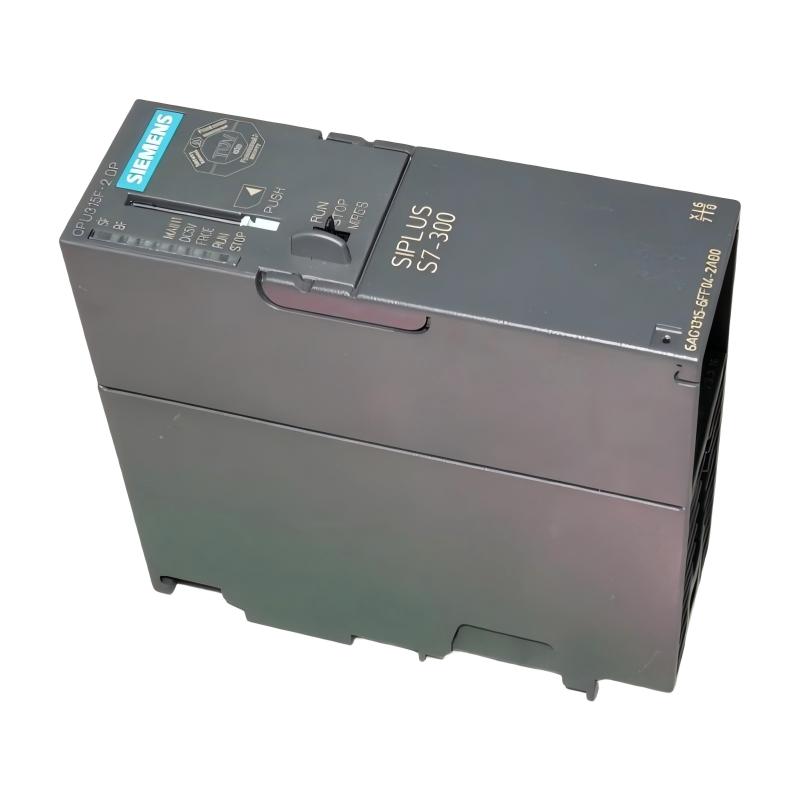
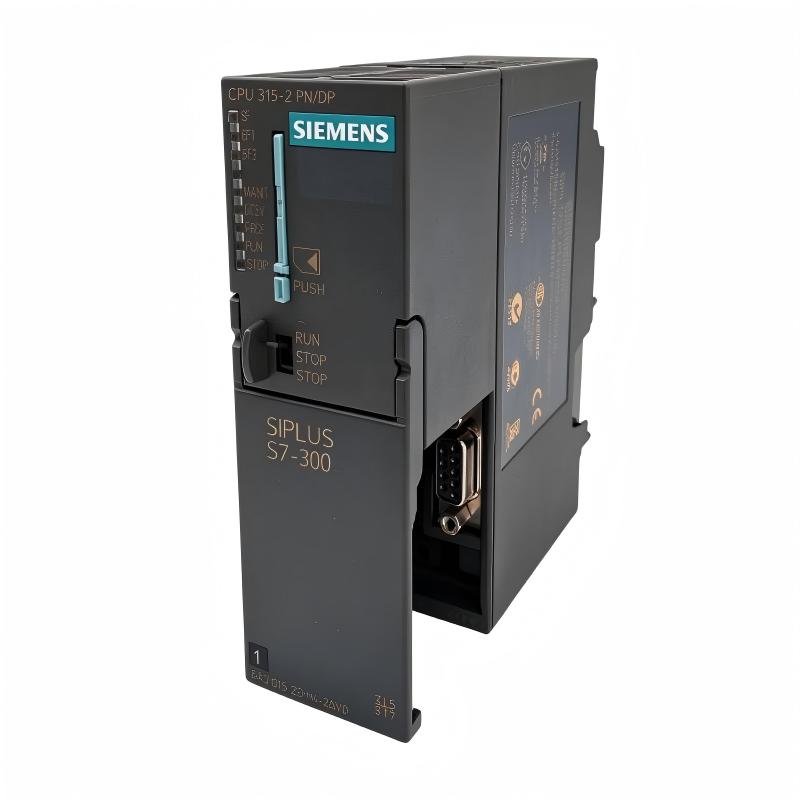
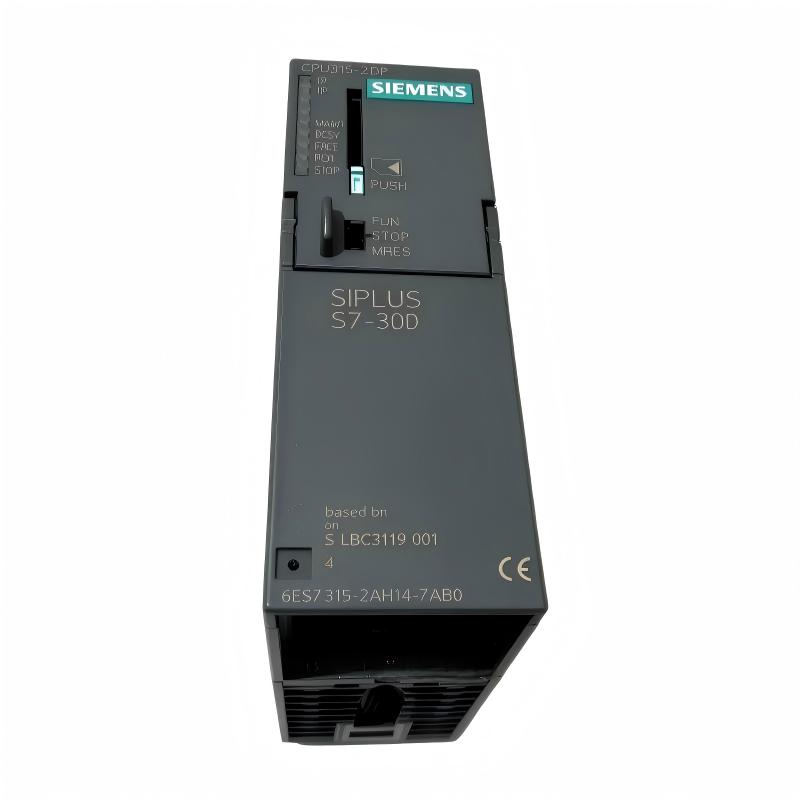
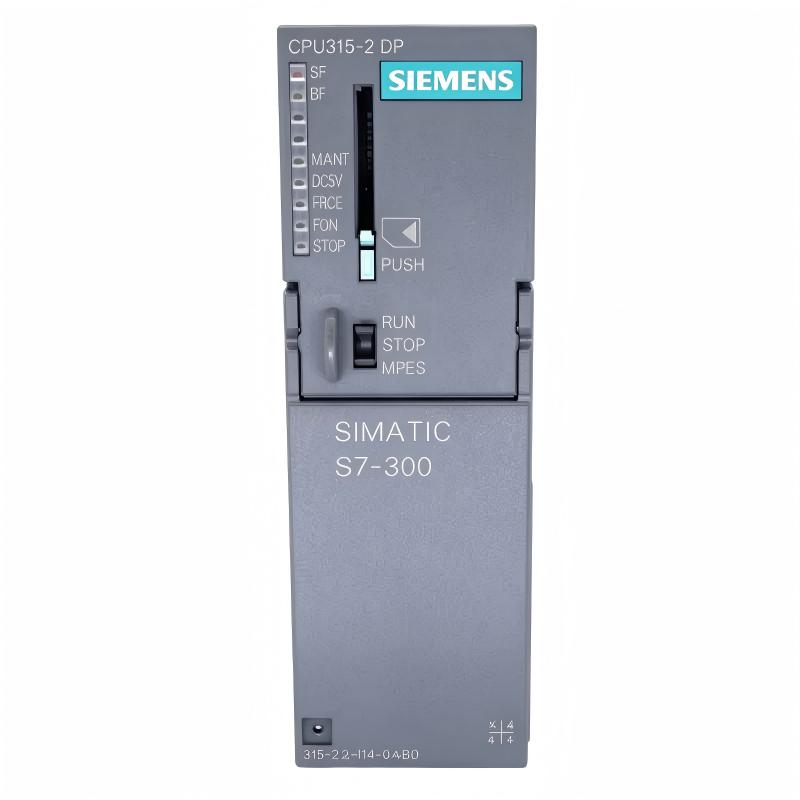
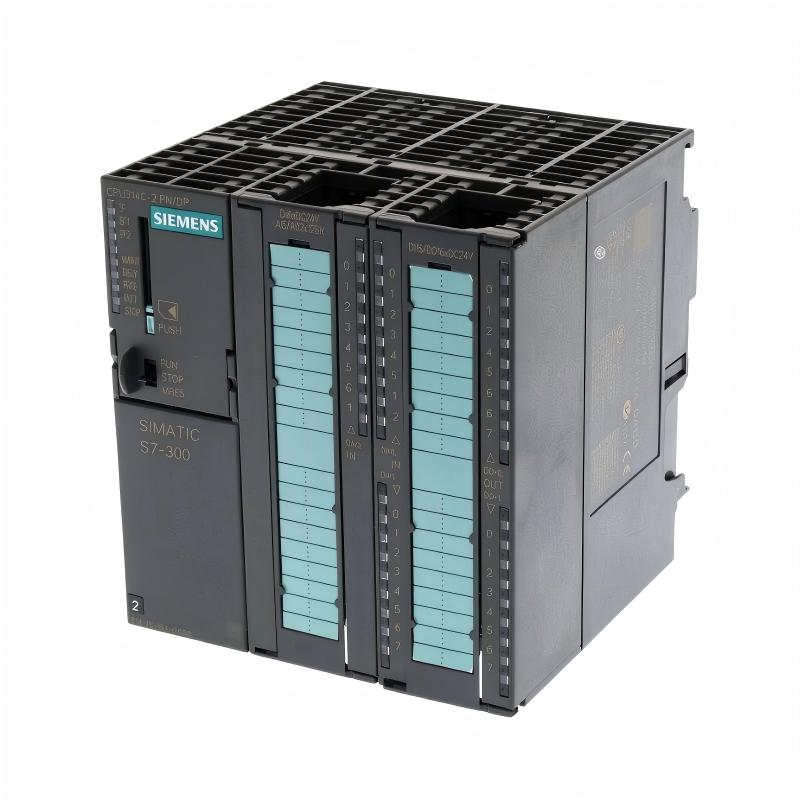
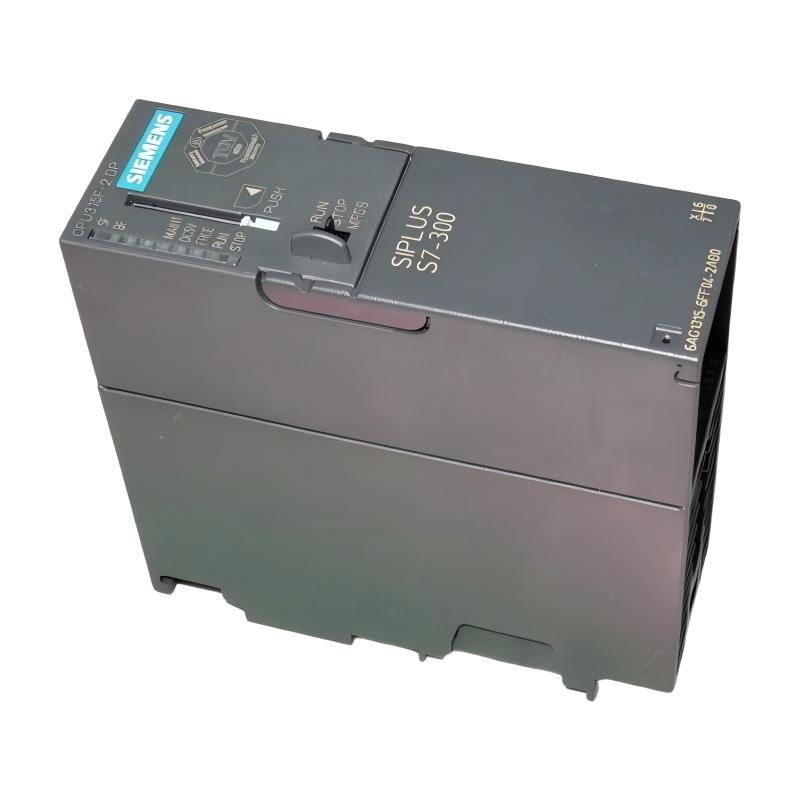
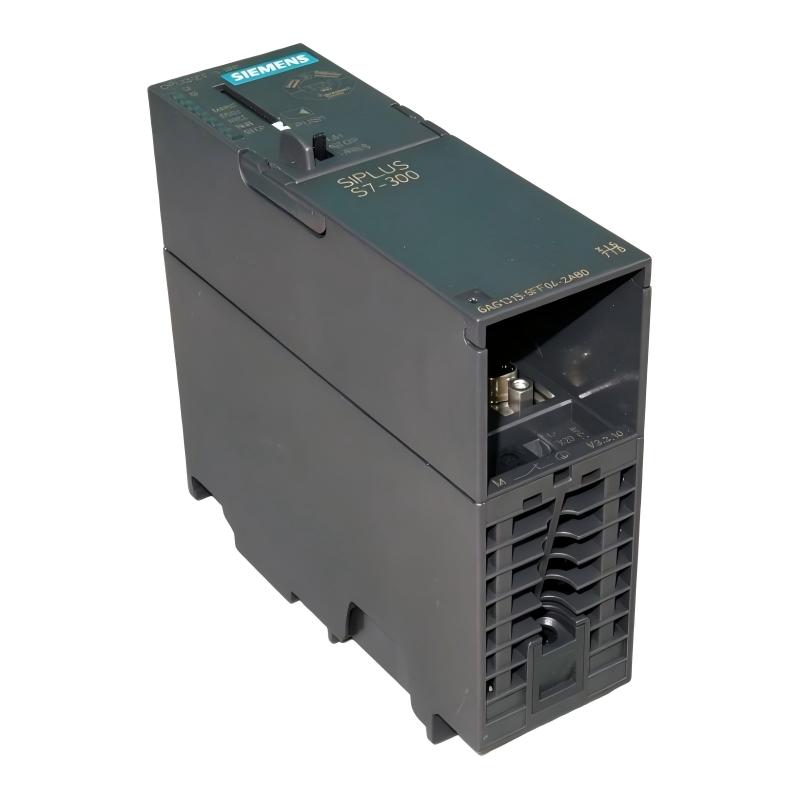
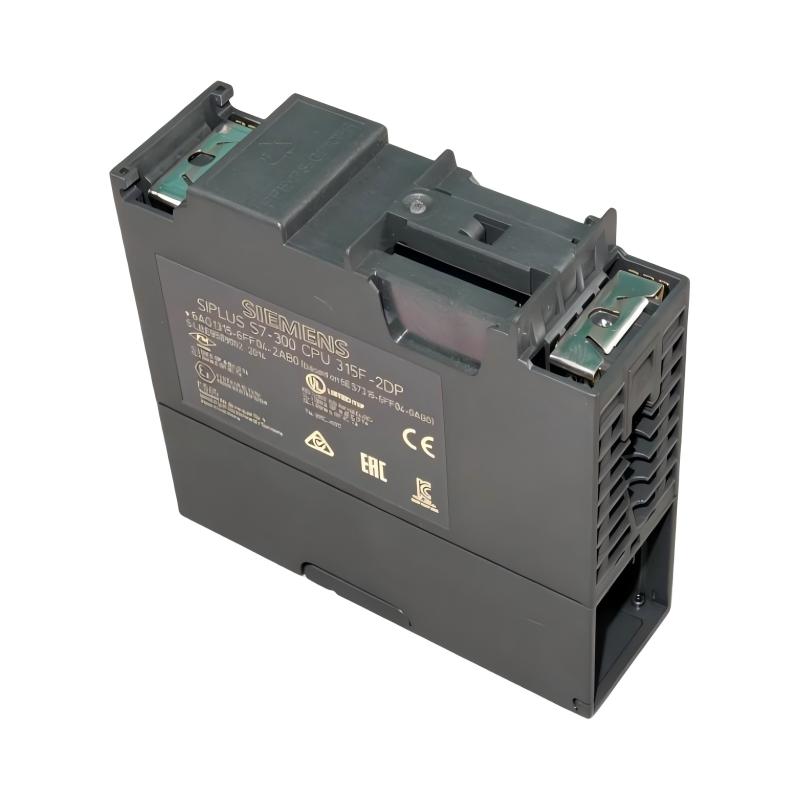
The Siemens 6AG1315-6FF04-2AB0 Central Processing Unit is a fail-safe controller in the SIPLUS S7-300 product family. Designed for industrial automation systems requiring both standard control and safety-related functions, this CPU provides the processing capability needed to coordinate machine operations, manage distributed I/O, and execute configured safety programs.
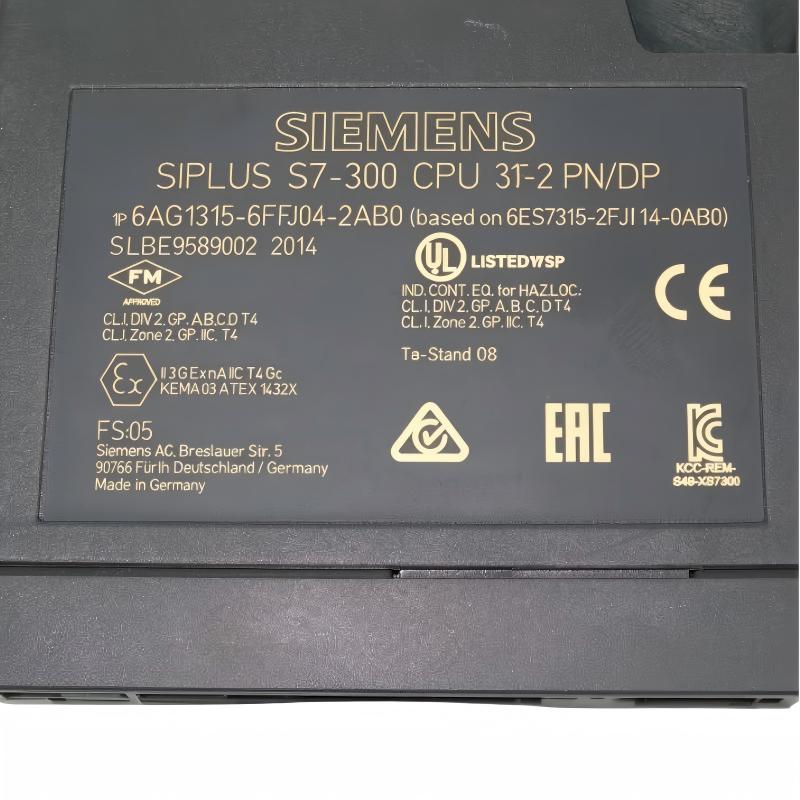
This model is based on the SIMATIC S7-300 CPU 315F-2DP, order number 6ES7315-6FF04-0AB0. The SIPLUS version incorporates conformal coating and an extended operating temperature range of -25 to +60 °C, making it suitable for selected industrial environments where additional environmental protection is required.
The CPU provides 384 KB of integrated work memory and supports a Micro Memory Card (MMC) for load memory. Its communication interfaces include an MPI interface and a second interface for PROFIBUS DP operation as a master or slave. An integrated 24 V DC power supply supports the CPU’s internal operation.
As a fail-safe CPU, the 6AG1315-6FF04-2AB0 can execute safety-related control tasks when engineered with the appropriate Siemens safety programming tools and compatible safety I/O. It can be used in machinery and industrial processes where safety functions must be coordinated with normal automation sequences.
The product is particularly relevant to existing SIMATIC S7-300 installations, including systems that require maintenance, spare-part replacement, or lifecycle extension. Before installation, engineers should verify the hardware version, firmware, memory card, software compatibility, and configuration of the existing automation system.
Technical Specifications
| Parameter | Specification |
|---|---|
| Brand | Siemens |
| Product Family | SIPLUS S7-300 |
| Model | 6AG1315-6FF04-2AB0 |
| CPU Designation | CPU 315F-2DP |
| Product Type | Fail-Safe Central Processing Unit |
| Based On | 6ES7315-6FF04-0AB0 |
| Work Memory | 384 KB |
| Load Memory | Micro Memory Card (MMC) required |
| Maximum MMC Capacity | 8 MB |
| Integrated Power Supply | 24 V DC |
| Permissible Supply Voltage | 19.2–28.8 V DC |
| Rated Current Consumption | 850 mA |
| Typical No-Load Current Consumption | 150 mA |
| Typical Power Loss | 4.5 W |
| First Communication Interface | MPI |
| Second Communication Interface | PROFIBUS DP, master/slave |
| Fail-Safe Capability | Yes |
| Conformal Coating | Included |
| Operating Temperature | -25 to +60 °C |
| Programming Environment | STEP 7 with Distributed Safety |
| Isochronous Mode | Supported |
| Module Width | 40 mm |
| Dimensions Provided | 40 × 125 × 130 mm |
| Weight Provided | 0.344 kg |
Specifications should be checked against the exact hardware revision and applicable Siemens documentation before system integration.
Function and Working Principle
The 6AG1315-6FF04-2AB0 acts as the central processing unit of an S7-300 automation system. It executes the user program, processes signals from connected I/O modules, manages communication with other automation devices, and coordinates control actions according to the configured logic.
Its operation combines standard PLC processing with safety-related program execution.
1. Central Program Execution
The CPU repeatedly executes the configured control program. During normal operation, it processes input information, evaluates programmed conditions, updates internal data, and sends output commands to connected modules.
For example, in an automated production line, the CPU can monitor conveyor sensors, evaluate product-position signals, coordinate motor commands, and control the sequence of machine operations.
The 384 KB work memory provides space for program execution and associated data. The actual application capacity depends on the program structure, configured blocks, data requirements, and system resources.
2. Fail-Safe Control Processing
The CPU 315F-2DP is designed for safety-related automation tasks. It can execute fail-safe programs developed using the appropriate Siemens engineering environment.
In a machine-control application, safety logic may monitor emergency-stop circuits, protective-door switches, safety sensors, or other safety-related signals. When a configured safety condition is detected, the system can initiate the appropriate protective response through compatible fail-safe components.
The CPU itself is only one part of a complete safety system. Correctly selected fail-safe I/O, suitable field devices, validated application logic, and appropriate commissioning procedures are also necessary.
3. Memory Management
The CPU contains 384 KB of integrated work memory. A Siemens Micro Memory Card is required for load memory.
The MMC stores the user program and associated load data. It also provides a means of retaining program and data information without depending on a conventional battery-backed memory arrangement.
The selected card must be compatible with the CPU and the intended application. Its capacity and contents should be checked before commissioning or replacing an existing controller.
4. Communication and Data Exchange
The CPU provides MPI and PROFIBUS DP communication capabilities.
MPI can be used for programming access and communication with compatible Siemens devices. The second interface supports PROFIBUS DP master or slave operation, allowing the CPU to exchange process data with compatible distributed I/O stations and automation equipment.
This architecture is useful in established S7-300 installations where field devices and remote I/O are connected through PROFIBUS.
5. Environmental Protection
The SIPLUS configuration includes conformal coating and supports an operating temperature range from -25 to +60 °C.
Conformal coating provides additional protection for electronic assemblies under suitable environmental conditions. It does not make the CPU waterproof or suitable for unrestricted exposure to corrosive chemicals, condensation, or conductive contamination.
The installation environment must remain within the manufacturer’s specified limits.
Role in Industrial Control Systems
The 6AG1315-6FF04-2AB0 is designed to serve as the main processing unit in an S7-300 control architecture. It coordinates standard automation functions and configured safety-related tasks through the connected modules and communication network.
Standard PLC Control
In a typical installation, the CPU receives signals from digital and analog input modules, processes them according to the control program, and updates output modules.
Typical control functions include:
- Machine start and stop sequencing.
- Equipment interlocking.
- Motor and actuator coordination.
- Process monitoring.
- Alarm and fault handling.
- Communication with operator interfaces.
- Data exchange with distributed I/O stations.
The exact capabilities depend on the installed modules and the application program.
Safety-Related Automation
The fail-safe design allows the CPU to participate in safety-related control systems. It can evaluate safety signals and execute programmed protective responses through compatible fail-safe hardware.
Typical examples include emergency-stop monitoring, access-door interlocking, and safety-related machine shutdown sequences.
Safety functions must be designed, validated, and maintained according to the applicable standards and the requirements of the complete machine or process.
Distributed I/O Communication
The PROFIBUS DP interface enables communication with compatible distributed I/O equipment.
This can reduce the need for extensive point-to-point wiring between a central control cabinet and remote field devices. Remote I/O stations can be positioned closer to the equipment they serve, while the CPU coordinates their operation over the fieldbus.
Operator Interface Integration
An HMI can communicate with the S7-300 system through a suitable MPI or PROFIBUS-based arrangement. Operators can use the interface to monitor machine status, view alarms, and interact with permitted control functions.
The HMI configuration must match the communication architecture and the installed CPU firmware and software environment.
Industrial Applications
The Siemens 6AG1315-6FF04-2AB0 is suitable for selected industrial applications that require S7-300 automation and fail-safe control capabilities.
1. Manufacturing Machinery
Manufacturing machines often combine standard sequencing with safety-related functions. The CPU can coordinate production steps, monitor sensors, and manage machine interlocks through compatible I/O modules.
Examples include assembly equipment, automated workstations, and production machinery with protective access systems.
2. Packaging and Material Handling
Packaging lines and material-handling systems use sensors, conveyors, motors, and actuators to move products through different production stages.
The CPU can coordinate these operations while supporting configured safety functions such as emergency-stop monitoring and protective-door interlocking.
3. Industrial Process Equipment
Selected process installations require centralized monitoring and control of pumps, valves, motors, and distributed field devices.
Through its PROFIBUS DP interface, the CPU can communicate with compatible remote I/O stations and coordinate equipment according to the configured process logic.
4. Automated Production Lines
Large production lines may contain multiple machine sections that must operate in a coordinated sequence.
The CPU can manage operating conditions, equipment interlocks, and communication with connected automation devices. Its fail-safe capabilities can also support the safety-related logic required by the machine design.
5. Environmental and Industrial Utility Systems
Industrial utility installations may use PLCs to manage ventilation, water circulation, auxiliary machinery, and other equipment.
The CPU can coordinate compatible control components and monitor operating conditions. Safety functions must be implemented using appropriate devices and validated control logic.
6. Legacy S7-300 Installations
The module is particularly relevant to existing SIMATIC S7-300 systems that use CPU 315F-2DP hardware.
For maintenance teams, retaining the original architecture may reduce the need for extensive changes to field wiring, PLC programs, and communication arrangements. However, hardware and software compatibility must be confirmed before replacement.
Installation and System Integration
Correct installation is essential for reliable CPU operation and the integrity of safety-related functions.
1. Verify the Complete Order Number
Before installation, confirm that the module is 6AG1315-6FF04-2AB0 rather than the standard 6ES7315-6FF04-0AB0.
Although the SIPLUS version is based on the standard CPU, it includes conformal coating and an extended temperature specification. The exact order number should be recorded in the system documentation.
2. Check the Power Supply
The CPU uses a 24 V DC supply, with a permissible operating range of 19.2–28.8 V DC.
The rated current consumption is 850 mA, while typical no-load consumption is approximately 150 mA. The external supply should be selected with adequate capacity for the CPU and the complete system configuration.
Siemens recommends external protection of at least 2 A for the power supply lines. The final protection arrangement must follow the applicable installation documentation.
3. Install the CPU in the S7-300 Rack
The CPU has a 40 mm module width and is designed for the SIMATIC S7-300 mounting architecture.
Before installation, confirm the rack configuration, slot assignment, bus connections, and compatibility with the existing power supply and I/O modules.
Ensure that the mounting location provides adequate ventilation and allows access for wiring, diagnostics, and maintenance.
4. Install the Required Micro Memory Card
A compatible Siemens Micro Memory Card is required for load memory.
Check the card’s part number, capacity, condition, and stored program before installation. For replacement work, retain a verified backup of the existing program and configuration whenever possible.
5. Configure MPI and PROFIBUS DP
Set the appropriate communication parameters for the MPI and PROFIBUS DP interfaces.
For PROFIBUS DP operation, verify the network topology, node addresses, bus termination, cable type, and communication settings. If the CPU operates as a DP master, confirm the configuration of all connected slave devices.
If the CPU is used as a DP slave, verify the master configuration and the data areas exchanged between devices.
6. Configure the Safety Program
Use a compatible Siemens STEP 7 engineering environment with Distributed Safety for the fail-safe application.
The safety program must be developed according to the machine’s risk assessment and the required safety functions. Hardware configuration, I/O assignments, program validation, and commissioning records should be checked before the system enters service.
7. Perform Commissioning Tests
After installation, verify power supply stability, CPU startup, memory-card recognition, communication status, and I/O operation.
Test the standard automation sequence and all relevant safety functions. Confirm that the system responds correctly to simulated fault conditions and that the intended safe state is reached.
Safety validation should be performed by qualified personnel using the procedures applicable to the complete installation.
Compatible System Components
The 6AG1315-6FF04-2AB0 is designed to operate within the SIMATIC S7-300 architecture and can be used with compatible automation components.
| Component | Function | Integration Considerations |
|---|---|---|
| SIMATIC S7-300 rack | Houses the CPU and associated modules | Verify rack and slot compatibility |
| S7-300 power supply | Supplies the rack and connected modules | Confirm system power requirements |
| Micro Memory Card | Stores the user program and load data | Required; verify supported card type and capacity |
| Digital input modules | Acquire sensor and switch signals | Check voltage, channel count, and module compatibility |
| Digital output modules | Control actuators and interface devices | Verify output type and load ratings |
| Fail-safe I/O modules | Exchange safety-related signals | Select according to the safety architecture |
| PROFIBUS DP remote I/O | Provides distributed signal acquisition and control | Verify node addresses and bus configuration |
| HMI operator panel | Provides monitoring and operator interaction | Confirm MPI or PROFIBUS communication compatibility |
| Engineering workstation | Used for programming and diagnostics | Requires compatible STEP 7 and Distributed Safety software |
| PROFIBUS cables and connectors | Provide fieldbus communication | Check cable specifications, shielding, and termination |
The components listed are examples of equipment that may be used in a compatible system. They are not necessarily supplied with the CPU.
Alternative Models and Replacement Considerations
The CPU 315F-2DP belongs to the SIPLUS S7-300 family. Replacement selection must account for safety functionality, communication interfaces, memory requirements, and environmental specifications.
| Alternative Model | General Description | Replacement Considerations |
|---|---|---|
| Siemens 6ES7315-6FF04-0AB0 | Standard SIMATIC S7-300 CPU 315F-2DP | Similar base CPU, but does not automatically provide the same SIPLUS environmental specification |
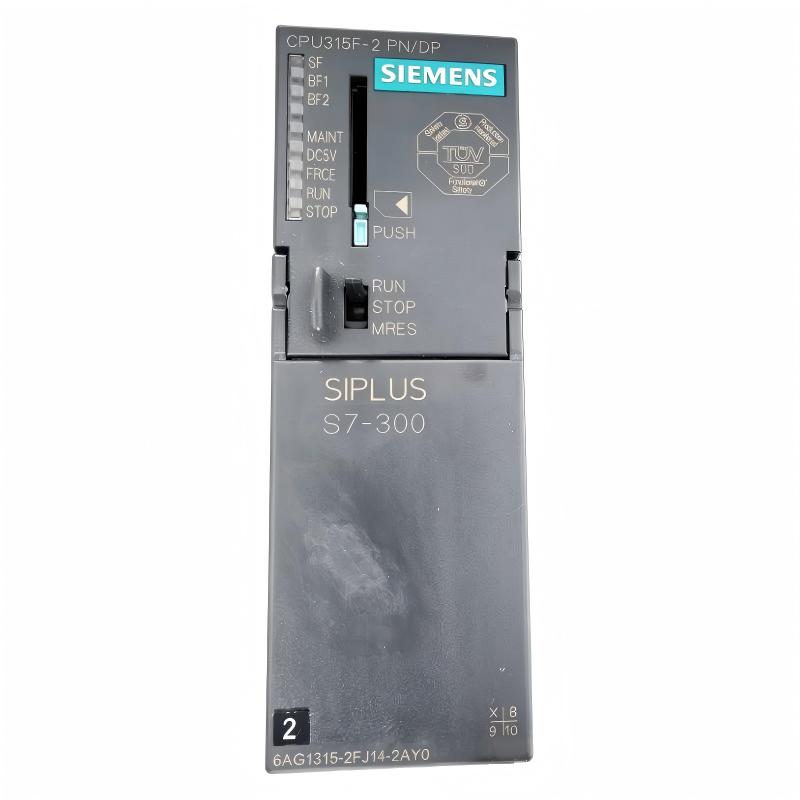
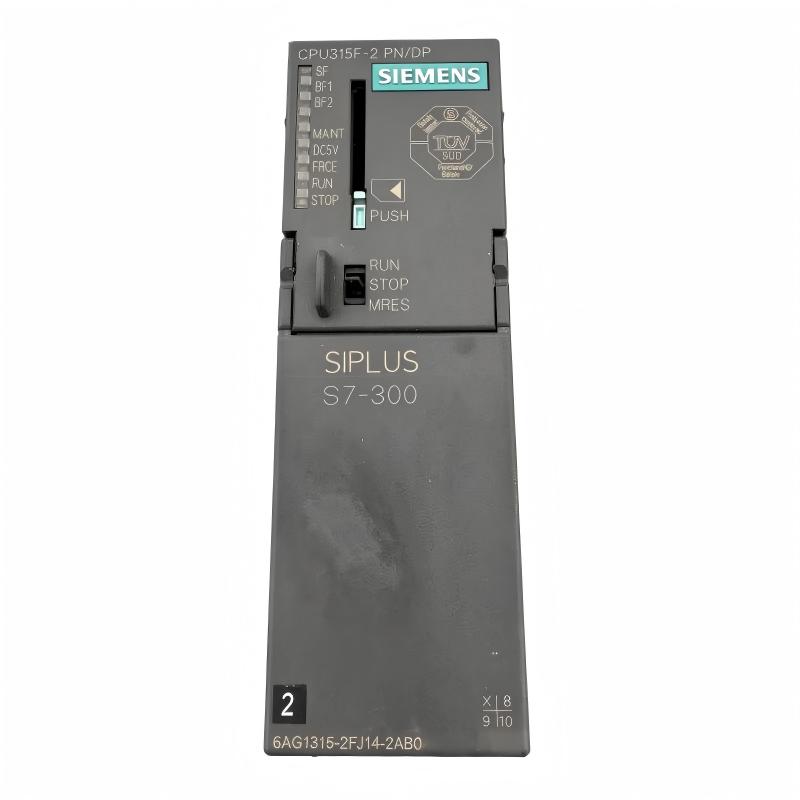
| Siemens 6AG1315-2FJ14-2AB0 | SIPLUS S7-300 CPU 315F-2PN/DP | Includes PROFINET capability; hardware and program compatibility must be reviewed |
| Siemens 6ES7315-2FJ14-0AB0 | Standard S7-300 CPU 315F-2PN/DP | Different communication configuration; not a direct substitute without engineering checks |
| Siemens 6AG1317-6FF04-2AB0 | SIPLUS S7-300 CPU 317F-2DP | Higher-level CPU option; verify memory, performance, and program compatibility |
| Siemens S7-1500F CPU | Newer fail-safe controller family | Generally requires a migration and engineering project rather than a simple replacement |
Before choosing an alternative, compare:
- Fail-safe capability and required safety performance.
- MPI and PROFIBUS DP interface requirements.
- PROFINET requirements, if applicable.
- Work memory and program size.
- MMC requirements and program backup.
- Firmware and STEP 7 compatibility.
- S7-300 rack and I/O compatibility.
- Environmental temperature and coating requirements.
- Existing HMI and distributed I/O configuration.
- Safety program validation and commissioning requirements.
A standard CPU should not be substituted for a fail-safe CPU where the application depends on safety-related processing. Any migration to a newer controller family requires a full review of the hardware configuration, software, field wiring, and safety functions.
Key Advantages
Fail-Safe Processing
The CPU 315F-2DP supports safety-related automation tasks when used with compatible fail-safe hardware and correctly engineered safety programs.
Integrated MPI and PROFIBUS DP Interfaces
The two communication interfaces support integration with compatible Siemens programming devices, operator panels, and distributed I/O systems.
384 KB Work Memory
The integrated work memory supports the execution of control programs and associated application data.
SIPLUS Environmental Design
Conformal coating and the specified -25 to +60 °C operating temperature range provide additional environmental capability compared with the corresponding standard CPU configuration.
Micro Memory Card Storage
The required MMC provides load memory and supports program and data retention without relying on a conventional backup battery.
S7-300 System Compatibility
The CPU is designed for the SIMATIC S7-300 architecture, making it relevant to established installations that use compatible racks, I/O modules, and communication equipment.
Industrial Application Flexibility
Its combination of standard control processing, fail-safe capability, and PROFIBUS DP communication supports a range of machinery and industrial automation applications.
Technical FAQs
1. What is the Siemens 6AG1315-6FF04-2AB0?
It is a SIPLUS S7-300 CPU 315F-2DP fail-safe central processing unit. It is designed for industrial automation applications requiring standard PLC processing and safety-related control functions.
2. What is the difference between this CPU and 6ES7315-6FF04-0AB0?
The 6AG1315-6FF04-2AB0 is the SIPLUS version based on the standard 6ES7315-6FF04-0AB0. The SIPLUS model includes conformal coating and an extended operating temperature range of -25 to +60 °C.
3. How much work memory does the CPU have?
It has 384 KB of integrated work memory. A compatible Micro Memory Card is also required for load memory.
4. Which communication interfaces are available?
The CPU provides an MPI interface and a second interface for PROFIBUS DP communication. The second interface can operate as a DP master or slave, depending on the configuration.
5. Does the CPU support PROFINET?
The 6AG1315-6FF04-2AB0 is a CPU 315F-2DP model, not a CPU 315F-2PN/DP model. It should not be selected where an integrated PROFINET interface is required.
6. What power supply does it require?
The CPU uses 24 V DC, with a permissible range of 19.2–28.8 V DC. The external supply must have sufficient capacity for the CPU and the connected system.
7. Is a Micro Memory Card required?
Yes. A Siemens Micro Memory Card is required for load memory. Verify the card type and capacity against the CPU’s supported specifications.
8. Which programming software is required?
The documented engineering environment includes STEP 7 V5.5 with SP1 or higher, or STEP 7 V5.2 with SP1 or higher using the specified hardware support package and Distributed Safety. The exact engineering setup should be checked against the CPU firmware and project requirements.
9. Can this CPU be used in a safety-related application?
Yes. It is a fail-safe CPU designed for safety-related automation tasks. The complete application must use compatible fail-safe I/O, correctly developed safety logic, and appropriate validation and commissioning procedures.
10. What should be checked before purchasing a replacement?
Confirm the complete order number, hardware and firmware versions, physical condition, memory-card compatibility, MPI and PROFIBUS configuration, and safety-program requirements. Also verify that the replacement is suitable for the existing rack and connected modules.
Procurement and Maintenance Recommendations
When sourcing the Siemens 6AG1315-6FF04-2AB0, verify the full order number and distinguish it from the standard 6ES7315-6FF04-0AB0. Although the two models share a base CPU design, their environmental specifications differ.
For used or refurbished units, request clear photographs of the front label, connectors, housing, and terminal areas. Check the hardware version, firmware information, and available test records. Confirm whether the Micro Memory Card is included, as it is required for load memory.
During maintenance, inspect the rack, power supply, bus connections, and communication cables. Monitor CPU diagnostic information and investigate recurring communication or memory-related faults. Keep verified backups of the PLC program, hardware configuration, and safety project.
For safety-related installations, changes to the CPU, I/O configuration, program, or firmware must be assessed carefully. Replacement work should include the required validation of safety functions rather than relying solely on successful CPU startup.
Conclusion
The Siemens 6AG1315-6FF04-2AB0 SIPLUS S7-300 CPU 315F-2DP is a fail-safe central processing unit designed for industrial automation systems that require standard PLC control and safety-related processing. It provides 384 KB of work memory, an integrated 24 V DC supply, MPI communication, and a second interface for PROFIBUS DP master or slave operation.
Its conformal coating and -25 to +60 °C operating temperature range distinguish it from the corresponding standard CPU configuration. With a required Micro Memory Card and compatible STEP 7 engineering environment, it can support established S7-300 automation installations.
For maintenance and replacement projects, verifying the complete order number, communication architecture, memory requirements, firmware, and safety configuration is essential to maintaining reliable system operation.