

ProductPRODUCT
Featured products
Contact Us
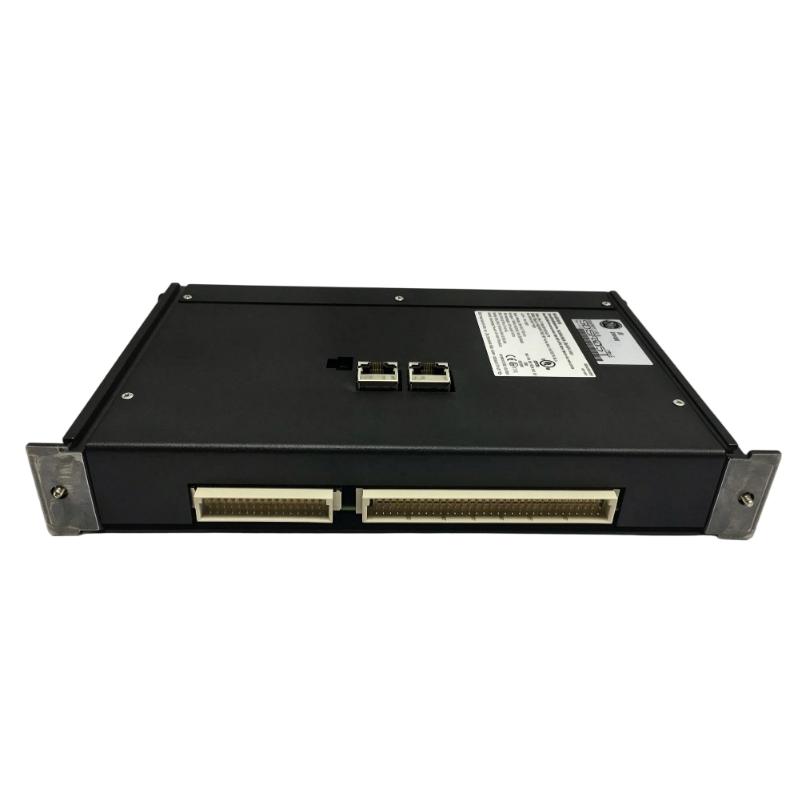
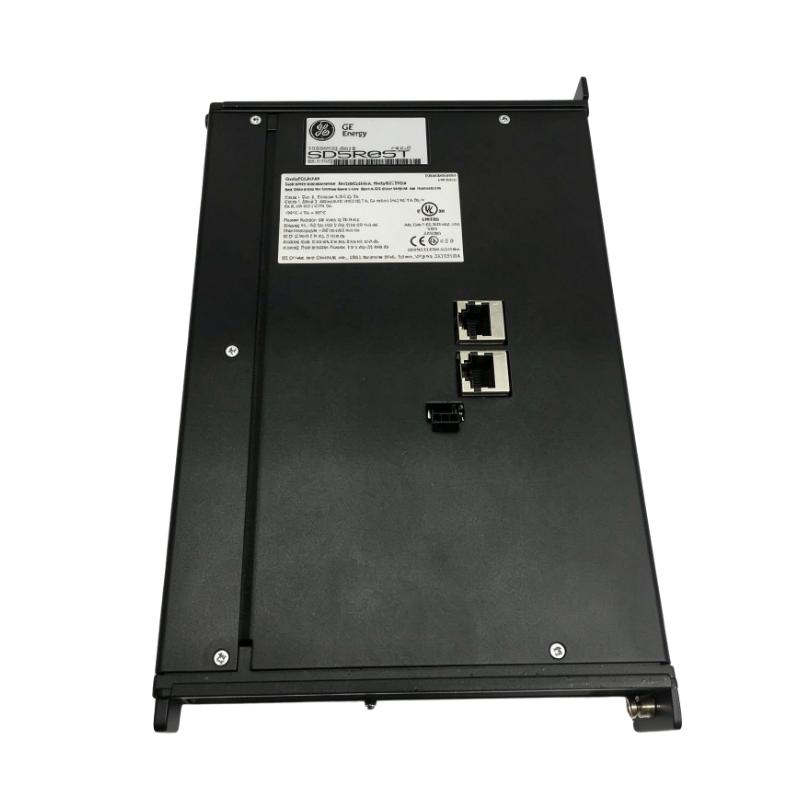
- GE
- IS220PCLAH1B
- Power Distribution Module
- USA
- 280 x 50 x 100 mm
- 0.85 kg
- Xiamen, China
- New & In Stock
- T/T, PayPal, Western Union
- 1 Year
- 1-3 Working Days
- DHL, UPS, TNT, FedEx and EMS.
- 24-Hour Service
- COO
- 4
Our advantage

Global Logistics
We have a 10-year logistics and express cooperation agreement, so our products can be shipped to any place in the world.

Brand new and original
Our products are imported in bulk from the place of origin. Because of the cooperative relationship, our products are all original and 100% new.

24-hour service
We provide 7*24 hours service to our customers. We will be there whenever you need us.

Price advantage
All our products are priced very favorably because we have our own warehouse and supply.
| Company Information | |||
| [email protected] | |||
| Mobile | +8615980777398 | ||
| +8615980777398 | |||
| 15980777398 |
Product Overview
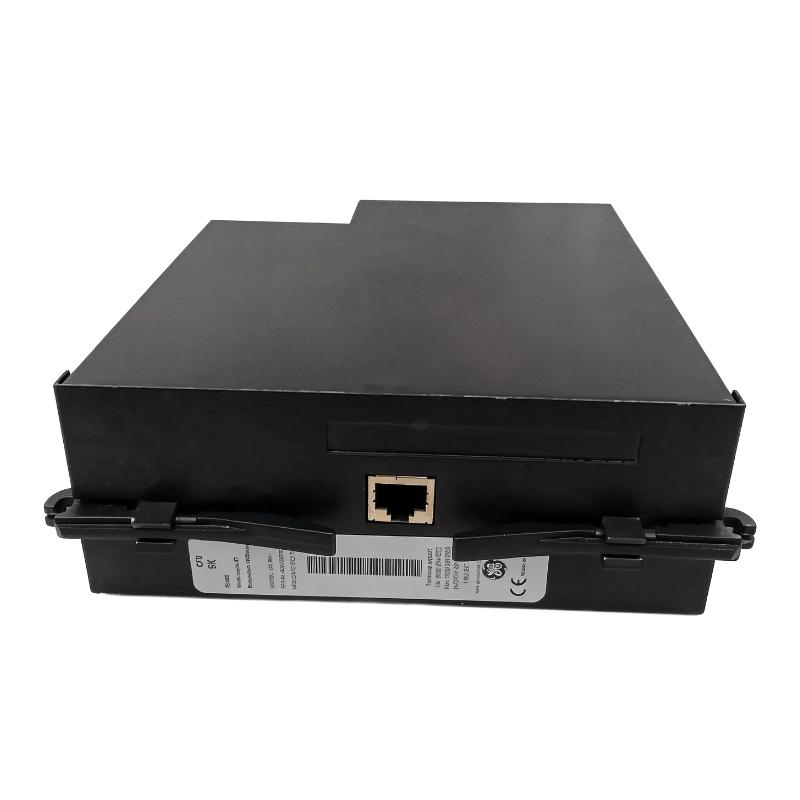
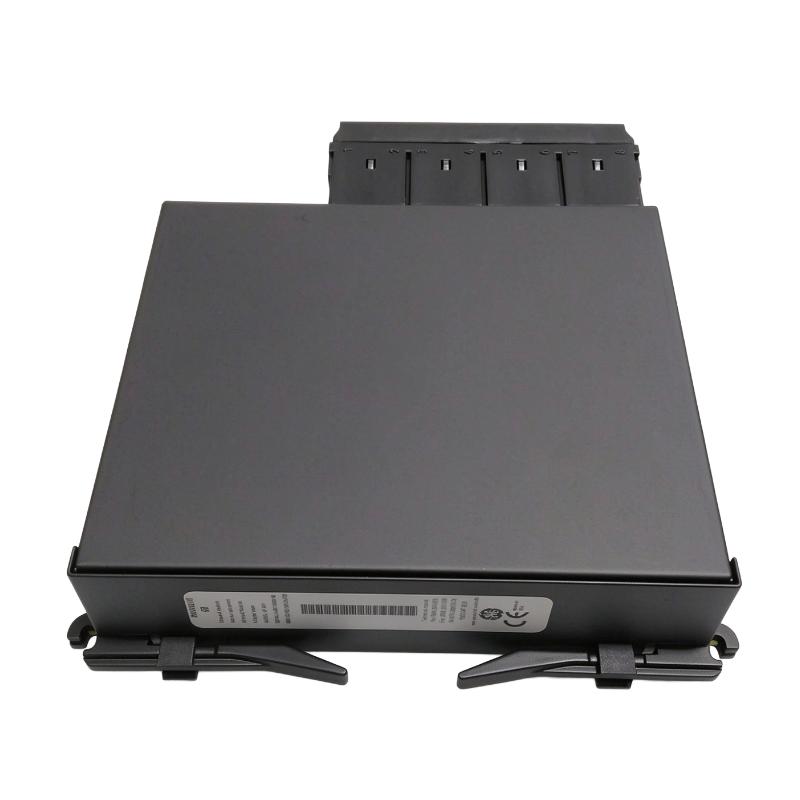
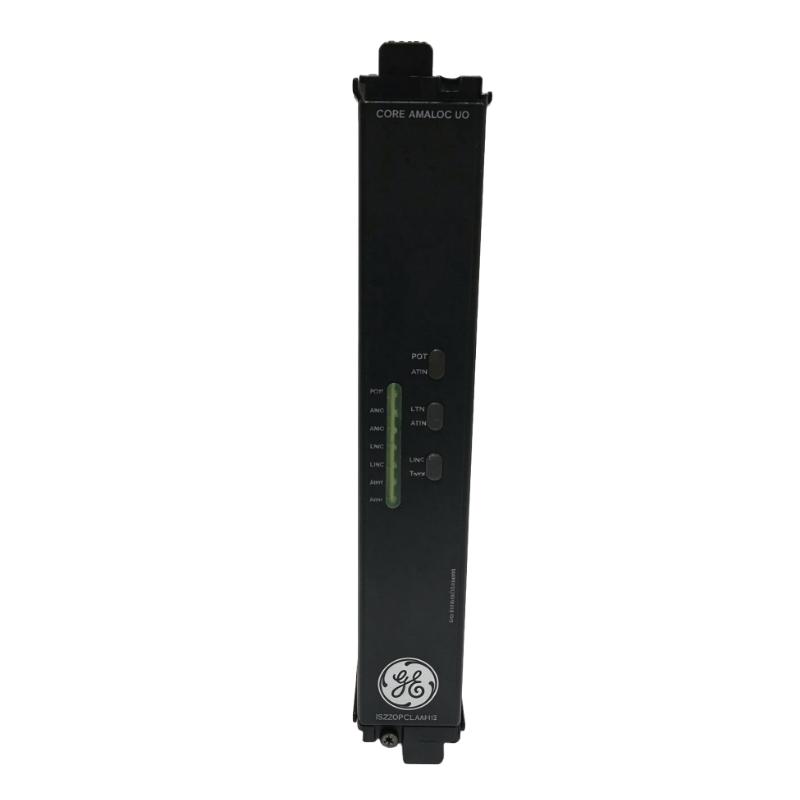
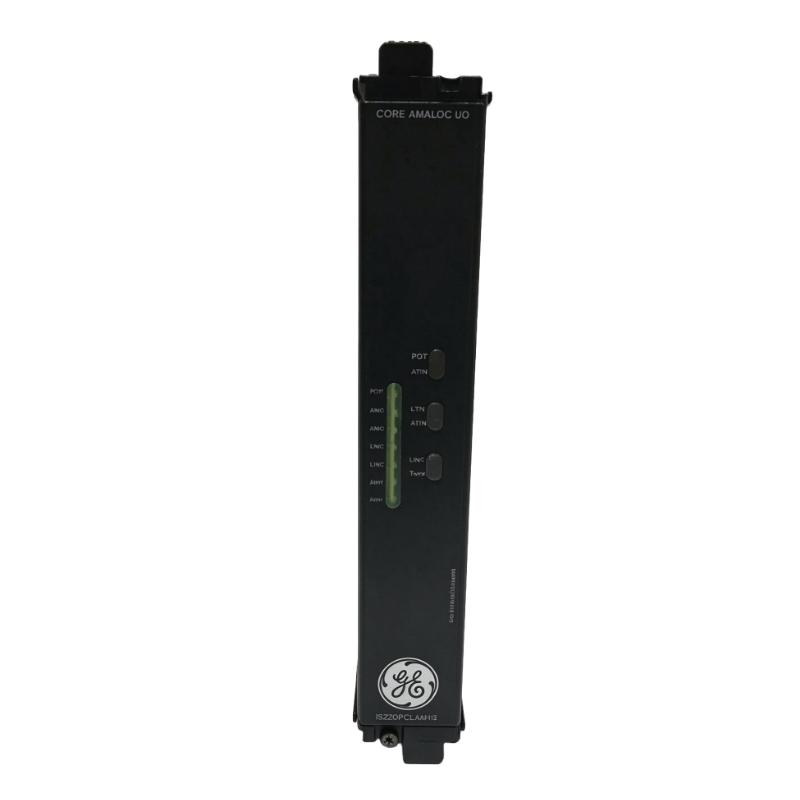
The GE IS220PCLAH1B Core Analog I/O Module is an analog input/output module designed for the GE Mark VIe turbine control system. It is part of the PCLA module family, which provides analog signal acquisition and output functions for aero-derivative gas turbine applications.
In an industrial turbine control system, accurate analog signal processing is essential for monitoring operating conditions and coordinating control actions. Sensors and field instruments provide information such as temperature, pressure, electrical characteristics, and other process variables. The controller uses this information to evaluate equipment status and execute control strategies.
The IS220PCLAH1B serves as an interface between field instrumentation and the Mark VIe control architecture. It works with compatible SCLS or SCLT terminal boards to support different analog signal types, including thermocouple inputs, RTD inputs, voltage inputs, and current-loop inputs and outputs.
The module is designed for integration into different Mark VIe control arrangements, including simplex and redundant configurations. Its use in turbine control applications makes correct module identification, terminal-board selection, wiring, and configuration particularly important.
This model should not be confused with a power distribution module. Its primary function is analog signal input and output processing rather than supplying or distributing electrical power to other modules.
Technical Specifications
| Parameter | Specification |
|---|---|
| Brand | GE |
| Manufacturer | General Electric |
| Model | IS220PCLAH1B |
| Product Series | Mark VIe |
| Product Type | Core Analog I/O Module |
| Module Designation | PCLA |
| Application | Aero-derivative gas turbine control |
| Module Function | Analog signal acquisition and output |
| Compatible Terminal Boards | IS210SCLSH1A, IS200SCLTH1A |
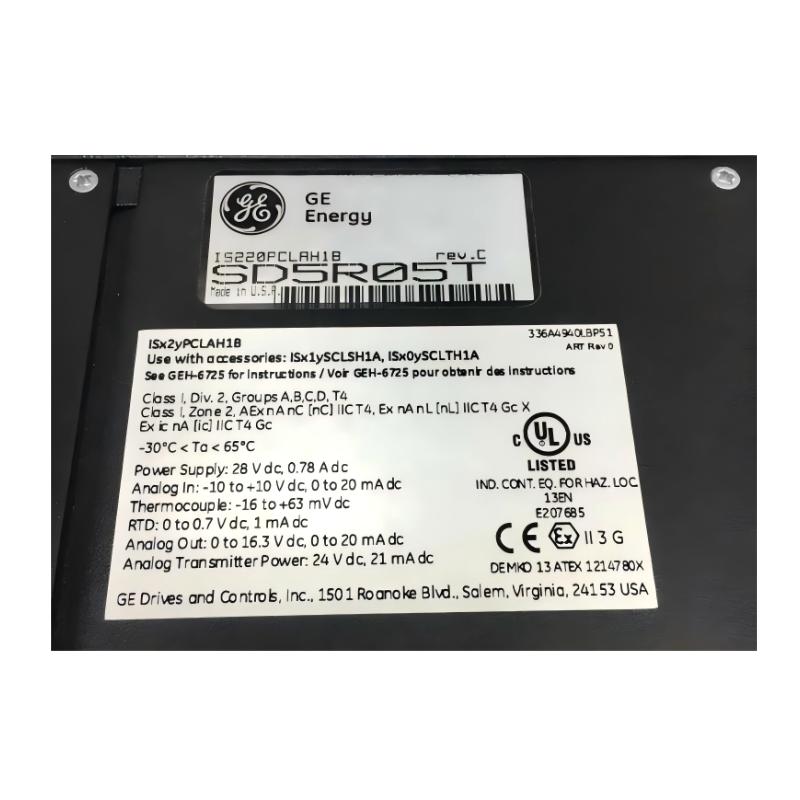
| Module Power Supply | 28 V DC nominal |
| Power Supply Voltage Range | 27.4–28.6 V DC |
| Maximum Power Supply Current | 0.78 A DC |
| Analog Voltage Input Range | -10 to +10 V DC |
| Analog Current Input Range | 0–20 mA DC |
| Thermocouple Input Range | -16 to +63 mV |
| RTD Input Voltage Range | 0–0.7 V |
| RTD Excitation Current | 1.0 mA nominal |
| Analog Output Voltage | 0–16.3 V DC |
| Analog Output Current | 0–20 mA DC |
| Analog Transmitter Supply | 24 V DC nominal |
| Transmitter Supply Range | 22.8–25.2 V DC |
| Transmitter Supply Maximum Current | 21 mA |
| Dimensions Provided | 280 × 50 × 100 mm |
| Weight Provided | 0.85 kg |
| Typical System | GE Mark VIe turbine control system |
Note: Electrical ratings are based on the available Mark VIe PCLA technical documentation. Dimensions and weight are the supplied listing values and should be checked against the actual unit.
Function and Working Principle
The IS220PCLAH1B performs analog signal interface functions within the Mark VIe control system. It receives electrical signals from field instrumentation, processes the available input information, and provides analog output signals for compatible control applications.
1. Analog Signal Acquisition
Industrial sensors frequently transmit information as voltage or current signals. The PCLA module supports analog input signals within its documented electrical ranges.
These signals may represent operating conditions such as pressure, temperature, or other turbine-related process variables. The module provides an interface through which these field measurements can become available to the turbine control system.
Correct signal type selection, wiring, grounding, and configuration are necessary to obtain reliable measurements.
2. Thermocouple Signal Processing
Thermocouples are widely used for temperature measurement in industrial equipment. They generate a small voltage that changes according to the temperature difference between the measuring junction and reference junction.
The IS220PCLAH1B supports thermocouple input signals. The module’s documented input range is -16 to +63 mV.
Thermocouple type, polarity, extension cable, grounding, and reference-junction arrangements must be considered during installation. Incorrect wiring or sensor configuration can lead to inaccurate temperature readings.
3. RTD Signal Processing
Resistance temperature detectors measure temperature through changes in electrical resistance. They are commonly used where stable and repeatable temperature measurement is required.
The PCLA module supports RTD input arrangements. Its documented RTD input voltage range is 0–0.7 V, with a nominal excitation current of 1.0 mA.
The correct sensor type and wiring arrangement must be selected according to the system configuration. Cable resistance and connection quality can influence measurement accuracy.
4. Voltage and Current Signal Interfaces
The module supports voltage inputs from -10 to +10 V DC and current inputs from 0 to 20 mA DC.
These signal types are commonly used by industrial transmitters and monitoring devices. Current-loop signals are particularly useful in industrial environments because they can provide reliable transmission over suitable cable distances.
The module also supports analog outputs, including voltage output up to 16.3 V DC and current output up to 20 mA DC. These outputs can be used in compatible control arrangements to provide analog commands or reference signals.
5. Signal Transmission to the Controller
After field signals are acquired and processed, the information becomes available to the Mark VIe control architecture for use by the control application.
The controller can use these measurements to monitor equipment conditions, evaluate operating limits, and coordinate control responses. The specific control logic depends on the turbine application and the installed Mark VIe configuration.
Role in GE Mark VIe Control Systems
The IS220PCLAH1B is an important interface component in a Mark VIe turbine control system. It connects field analog instrumentation with the control platform and supports the acquisition and output of process signals.
Turbine Condition Monitoring
Gas turbine operation depends on accurate monitoring of multiple operating variables. Temperature, pressure, and other process measurements provide information that helps the control system evaluate operating conditions.
The PCLA module provides supported analog input interfaces for connecting compatible instrumentation to the control system.
Controller Integration
The module works within the Mark VIe architecture and supports different control arrangements, including simplex and redundant configurations.
The actual redundancy design depends on the complete system architecture, terminal-board arrangement, controller configuration, and signal distribution strategy. Redundancy should not be assumed simply because multiple modules are installed.
Field Instrumentation Interface
Field sensors and transmitters are connected through compatible terminal boards. These terminal boards provide the physical connection and signal routing needed for integration with the PCLA module.
The selected terminal board must match the application and the intended signal arrangement.
Analog Output Coordination
In addition to receiving field signals, the module supports analog output functions. These outputs can provide compatible control signals to external equipment within the turbine control system.
Output wiring, signal range, load requirements, and controller configuration must be verified before commissioning.
Industrial Applications
The IS220PCLAH1B is primarily associated with GE Mark VIe control systems for aero-derivative gas turbines.
1. Aero-Derivative Gas Turbine Control
The module is designed for analog I/O functions in aero-derivative turbine applications. These systems require continuous monitoring of process variables and reliable signal interfaces between field instruments and control hardware.
The PCLA module supports the analog signal acquisition and output functions required by the associated control architecture.
2. Power Generation Facilities
Gas turbines are used in power generation installations, including facilities that require flexible generation capacity and coordinated turbine operation.
Within a suitable Mark VIe system, the module can support the acquisition of analog measurements used by turbine monitoring and control applications.
3. Industrial Turbine Monitoring
Industrial turbine installations use sensors and transmitters to monitor operating parameters. Analog signal interfaces help transfer these measurements into the control system.
The IS220PCLAH1B can be used where its supported signal types and electrical ratings match the instrumentation requirements.
4. Energy and Process Facilities
Turbine-driven equipment may be installed in energy and process facilities where continuous operation and equipment monitoring are important.
The module can form part of the broader control architecture responsible for receiving field measurements and providing compatible analog outputs.
5. Turbine Maintenance and System Replacement
The IS220PCLAH1B may also be required during maintenance, refurbishment, and replacement projects involving existing Mark VIe installations.
When sourcing a replacement, engineers should verify the complete model number, revision, terminal-board compatibility, system configuration, and installed software requirements.
Installation and System Integration
Correct installation is essential for reliable analog signal acquisition and stable turbine control system operation.
1. Verify Module Identification
Before installation, confirm that the module is identified as IS220PCLAH1B. Check the nameplate, hardware revision, physical condition, and connector arrangement.
Do not identify the module only by its appearance. Different Mark VIe I/O packs may have similar physical formats but perform different functions.
2. Select the Compatible Terminal Board
The PCLA module is designed to work with compatible terminal boards, including:
- IS210SCLSH1A
- IS200SCLTH1A
The correct terminal board depends on the application and signal wiring arrangement. Verify the approved hardware combination in the applicable GE documentation before installation.
3. Check the Power Supply
The documented module power supply is 28 V DC nominal, with an operating range of 27.4–28.6 V DC.
The maximum specified power supply current is 0.78 A DC. The supply arrangement must meet the required voltage and current capacity under operating conditions.
Incorrect supply voltage or unstable power can affect module operation and system availability.
4. Verify Field Signal Wiring
Check each field signal against the module’s supported input or output range. Confirm signal polarity, terminal assignments, shielding, grounding, and cable routing.
Thermocouple, RTD, voltage, and current-loop signals have different wiring requirements. They should not be connected interchangeably without confirming the correct configuration.
5. Configure the Mark VIe System
After hardware installation, verify that the module is recognized by the control system and that the configured I/O channels correspond to the actual field wiring.
Check sensor types, input ranges, scaling, engineering units, output assignments, and alarm limits.
Configuration changes in a turbine control system should follow the approved engineering and commissioning procedures.
6. Perform Functional Testing
Before returning the equipment to service, verify the module’s status indications and system diagnostics. Test representative input channels against known signal values and confirm that the controller receives the expected measurements.
Where analog outputs are used, verify output scaling and the response of the connected equipment.
Testing should be performed by qualified personnel using the approved turbine control maintenance procedures.
Compatible System Components
The IS220PCLAH1B operates as part of a wider Mark VIe control system. Its associated hardware and field devices must be selected according to the system design.
| Component | Function | Integration Considerations |
|---|---|---|
| IS210SCLSH1A Terminal Board | Provides field signal termination for the PCLA arrangement | Verify terminal assignments and approved hardware combination |
| IS200SCLTH1A Terminal Board | Provides an associated terminal-board option | Confirm application and signal routing requirements |
| Mark VIe Controller | Executes turbine control logic | Verify system configuration and module recognition |
| Thermocouples | Measure temperature | Confirm sensor type, polarity, and input configuration |
| RTD Sensors | Measure temperature through resistance changes | Verify sensor type and wiring arrangement |
| Analog Transmitters | Provide voltage or current signals | Match signal ranges to module input specifications |
| Field Actuators or Control Interfaces | Receive compatible analog output signals | Check output range and load requirements |
| 28 V DC Supply Arrangement | Provides module operating power | Maintain the specified supply voltage and current capacity |
| Industrial Control Cabinet | Houses the control hardware | Provide suitable environmental conditions and wiring protection |
Compatibility must be confirmed using the applicable GE system documentation. The listed components are examples of associated equipment and are not necessarily included with the module.
Alternative Models and Replacement Considerations
The IS220PCLAH1B belongs to a specialized Mark VIe analog I/O family. A replacement must match the required signal functions and system configuration.
| Related Model or Component | Description | Replacement Considerations |
|---|---|---|
| IS220PCLAH1A | Earlier PCLA Core Analog I/O module version | Verify hardware revision, system approval, and configuration compatibility |
| IS210SCLSH1A | Associated PCLA terminal board | Not a direct replacement for the I/O module; it is a separate system component |
| IS200SCLTH1A | Associated PCLA terminal board option | Verify the approved hardware combination and wiring requirements |
| Other Mark VIe Analog I/O Modules | Different analog I/O functions within the Mark VIe family | Channel types, ranges, terminal boards, and control functions may differ |
Before replacing the module, compare:
- Complete catalog number and hardware revision.
- Mark VIe system configuration.
- Compatible terminal-board model.
- Analog input and output signal types.
- Voltage and current ranges.
- Thermocouple and RTD requirements.
- Power supply specifications.
- Field wiring and connector arrangements.
- Controller configuration and software compatibility.
- System redundancy and signal distribution requirements.
A module from the same Mark VIe family should not automatically be considered interchangeable. Replacement approval should be based on the actual turbine control design and manufacturer documentation.
Key Advantages
Multiple Analog Signal Types
The module supports voltage, current-loop, thermocouple, and RTD signal interfaces, allowing it to work with different types of industrial instrumentation.
Integration with Mark VIe
The IS220PCLAH1B is designed for the GE Mark VIe control architecture and can be used in approved turbine control arrangements.
Analog Input and Output Capability
The module supports both analog signal acquisition and output functions, providing an interface between field devices and the control system.
Aero-Derivative Turbine Application
Its PCLA design is intended for analog I/O requirements in aero-derivative gas turbine control applications.
Flexible Terminal-Board Configuration
Compatibility with SCLS and SCLT terminal-board arrangements supports different field connection and signal distribution requirements.
Support for Different Control Architectures
The module can be incorporated into approved simplex and redundant Mark VIe configurations, subject to the complete system design.
Technical FAQs
1. What is the GE IS220PCLAH1B?
The IS220PCLAH1B is a Mark VIe Core Analog I/O Module designed for aero-derivative gas turbine control applications. It provides analog signal input and output functions.
2. Is the IS220PCLAH1B a power distribution module?
No. Its documented function is Core Analog I/O. It processes analog field signals and provides compatible analog outputs. It should not be listed as a power distribution module.
3. Which terminal boards are compatible with this module?
The documented associated terminal boards include IS210SCLSH1A and IS200SCLTH1A. The correct choice depends on the application and approved hardware arrangement.
4. What power supply does the module require?
The documented nominal power supply is 28 V DC, with a specified range of 27.4–28.6 V DC. The maximum specified current is 0.78 A DC.
5. What analog input signals does it support?
The module supports voltage inputs from -10 to +10 V DC and current inputs from 0 to 20 mA DC. It also supports thermocouple and RTD input arrangements.
6. Does it support analog outputs?
Yes. The documented analog output ranges include 0–16.3 V DC and 0–20 mA DC. Actual channel use depends on the system configuration.
7. Can it be used in a redundant turbine control system?
The PCLA module can be applied in approved Mark VIe simplex and redundant control arrangements. The exact configuration depends on the controller architecture, terminal boards, and signal distribution design.
8. Is the IS220PCLAH1B interchangeable with IS220PCLAH1A?
The two models are related PCLA module versions, but interchangeability should not be assumed. Verify hardware revision, system approval, configuration, and applicable GE documentation before replacement.
9. What should be checked before purchasing?
Verify the complete model number, revision, physical condition, connectors, compatible terminal board, and available testing information. For critical turbine applications, confirm the unit’s configuration and suitability with the maintenance engineering team.
10. Why is correct module identification important?
Mark VIe modules perform different functions, and similar-looking modules may have different signal interfaces or system roles. Incorrect identification can result in incompatible wiring, incorrect configuration, and control-system problems.
Procurement and Maintenance Recommendations
When sourcing the GE IS220PCLAH1B, begin by checking the exact catalog number and hardware revision against the installed module. Confirm that the product is the PCLA Core Analog I/O Module rather than a different Mark VIe I/O or power-related component.
Check whether the required SCLS or SCLT terminal board is already installed and whether it matches the intended signal arrangement. If the module is being purchased for a replacement project, verify the analog input and output requirements, module supply voltage, and controller configuration before ordering.
For used or surplus equipment, request clear photographs of the nameplate, connectors, and physical condition. Ask for available functional test information and confirm the seller’s warranty and return conditions.
During maintenance, inspect the module and associated terminal boards for loose connections, contamination, damaged connectors, and signs of overheating. Verify field wiring and signal readings against the approved engineering documentation.
Because this module is used in turbine control applications, installation, configuration, and testing should be carried out by qualified personnel following the applicable GE procedures.
Conclusion
The GE IS220PCLAH1B Mark VIe Core Analog I/O Module provides analog signal acquisition and output functions for aero-derivative gas turbine control applications. It supports voltage, current-loop, thermocouple, and RTD signal interfaces and is designed to operate with compatible SCLS or SCLT terminal boards.
Its role in the Mark VIe architecture makes accurate identification and correct system integration essential. For maintenance and replacement projects, buyers should verify the complete model number, hardware revision, terminal-board compatibility, power requirements, and field signal configuration before installation.