

ProductPRODUCT
Featured products
Contact Us
- Woodward
- 5466-256
- Discrete I/O Module
- USA
- 180 x 50 x 120 mm
- 2.72 kg
- Xiamen, China
- New & In Stock
- T/T, PayPal, Western Union
- 1 Year
- 1-3 Working Days
- DHL, UPS, TNT, FedEx and EMS.
- 24-Hour Service
- COO
- 5
Our advantage

Global Logistics
We have a 10-year logistics and express cooperation agreement, so our products can be shipped to any place in the world.

Brand new and original
Our products are imported in bulk from the place of origin. Because of the cooperative relationship, our products are all original and 100% new.

24-hour service
We provide 7*24 hours service to our customers. We will be there whenever you need us.

Price advantage
All our products are priced very favorably because we have our own warehouse and supply.
| Company Information | |||
| [email protected] | |||
| Mobile | +8615980777398 | ||
| +8615980777398 | |||
| 15980777398 |
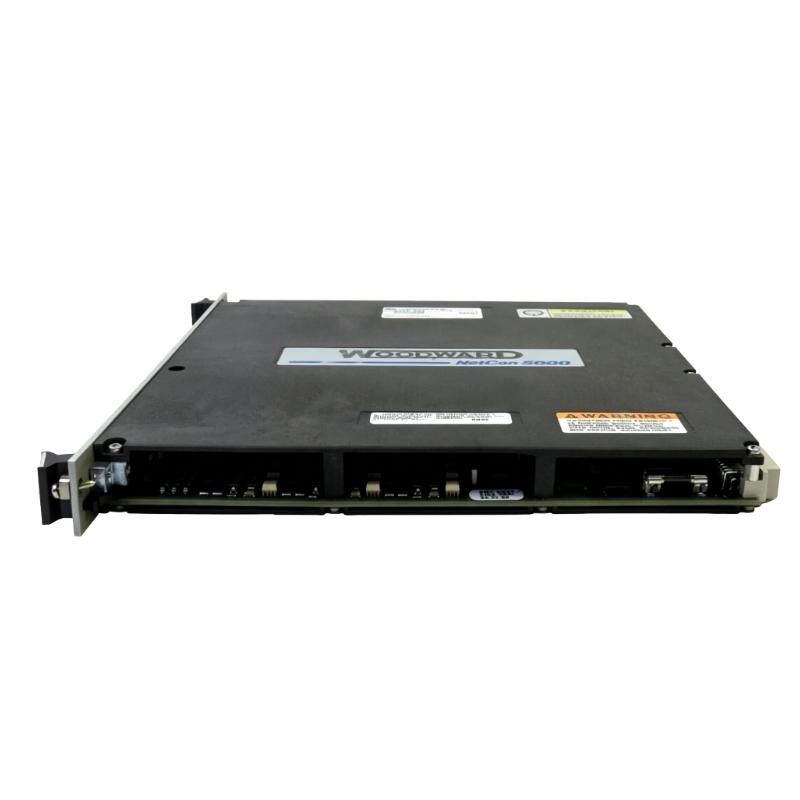
Product Overview
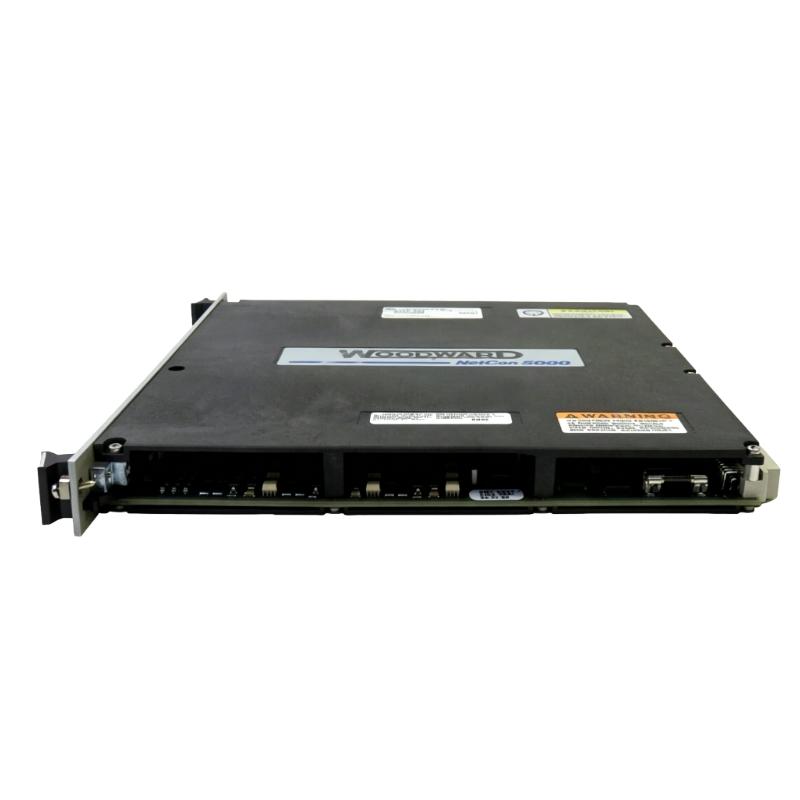
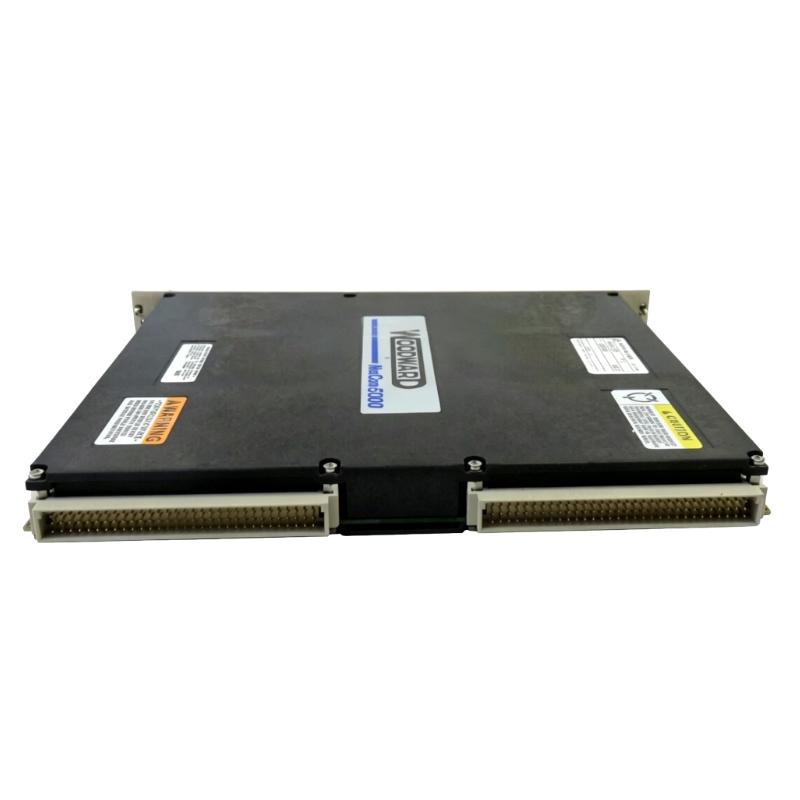
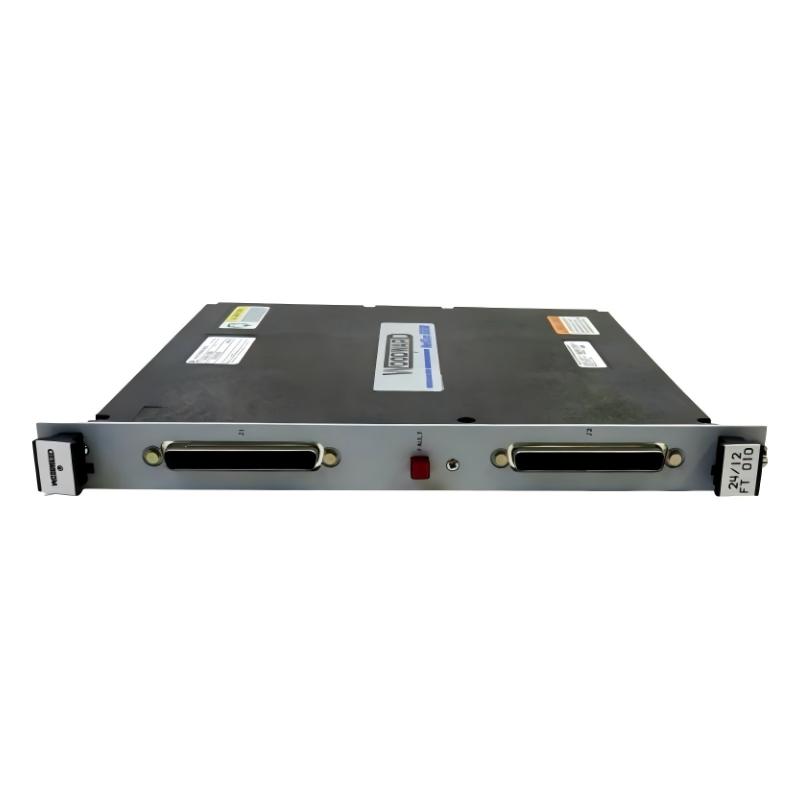
The Woodward 5466-256 Discrete I/O Module is an industrial control component designed for discrete signal interfacing within Woodward MicroNet control systems. It is used in industrial automation environments where reliable communication between field devices and a central controller is essential for monitoring equipment status, processing switching signals, and coordinating control operations.
Woodward is widely associated with industrial turbine control, engine management, and power generation control systems. Its MicroNet platform provides a modular architecture that allows different control, communication, and I/O functions to be organized within a common control system.
The 5466-256 belongs to an earlier generation of MicroNet discrete I/O hardware. Its role is to support the handling of discrete field signals within a compatible system configuration. Discrete signals typically represent two-state conditions, such as ON/OFF, open/closed, running/stopped, or alarm/normal.
In industrial applications, these signals are important for equipment sequencing, operating-state monitoring, permissive conditions, and protective logic. By connecting field-level devices with the controller, discrete I/O hardware helps the control system respond to changes in machine and process conditions.
The 5466-256 is particularly relevant to maintenance projects involving existing Woodward MicroNet installations. Since this is a legacy module, engineers should verify the exact hardware revision, chassis compatibility, CPU platform, and software version before selecting it as a replacement.
Technical Specifications
| Parameter | Specification |
|---|---|
| Brand | Woodward |
| Manufacturer | Woodward, Inc. |
| Model | 5466-256 |
| Product Type | Discrete I/O Module |
| Product Description | FT Discrete I/O Module |
| Product Family | MicroNet Control System |
| Application | Industrial discrete signal interfacing |
| Signal Type | Digital / Discrete |
| System Role | Field signal interface |
| Installation | Compatible MicroNet system configuration |
| Dimensions Provided | 180 × 50 × 120 mm |
| Weight Provided | 2.72 kg |
| Product Lifecycle | Legacy / Discontinued |
| Typical Industries | Power Generation, Turbine Control, Industrial Automation |
Note: The dimensions and weight are supplied listing information. Confirm the physical unit and exact hardware revision before using these values for installation or shipping calculations. Detailed channel counts, electrical thresholds, and terminal assignments should be checked against the applicable Woodward manual for the specific module revision.
Function and Working Principle
The Woodward 5466-256 is designed to support discrete signal handling within an industrial control architecture. Its function is associated with the interface between field-level electrical signals and the MicroNet control platform.
1. Discrete Signal Interface
Industrial equipment uses discrete signals to indicate operating states and switching conditions. Typical examples include:
- Motor running and stopped signals.
- Valve open and closed feedback.
- Equipment fault indications.
- Pressure and temperature switch status.
- Limit switch signals.
- Machine permissive and interlock conditions.
- Auxiliary equipment operating status.
The discrete I/O interface allows these field conditions to be incorporated into the controller’s operating logic.
2. Field Signal Processing
When a field device changes state, the corresponding electrical signal is presented to the appropriate input interface. The control system can then use this information to determine whether a machine should continue operating, change its operating sequence, or initiate an alarm response.
The exact signal voltage, current threshold, isolation arrangement, and terminal configuration depend on the applicable hardware documentation and field termination arrangement.
3. Controller Coordination
The MicroNet controller processes the field information according to the configured application logic. Depending on the control program, the system may use discrete signals to initiate equipment sequences, evaluate permissive conditions, or monitor protective devices.
The 5466-256 should therefore be considered part of a complete control architecture rather than an independent controller.
4. Discrete Output Control
Discrete output functions in an industrial control system are used to operate or coordinate external devices such as relays, contactors, solenoid valves, and other switching equipment.
The exact output capabilities and electrical limits associated with the 5466-256 must be confirmed from the correct hardware manual. External interface devices may be required depending on the connected load and system design.
5. System Status and Diagnostics
Reliable industrial control requires more than signal transmission. Maintenance personnel must also be able to identify abnormal operating conditions and determine whether a fault originates from the field device, wiring, termination hardware, or control module.
The module’s condition should be evaluated together with the chassis, connectors, field termination hardware, and controller diagnostics during troubleshooting.
Role in Woodward MicroNet Control Systems
The Woodward MicroNet platform is designed for modular industrial control. Different modules provide processing, communication, signal acquisition, and control functions.
The 5466-256 contributes to the field signal interface layer, allowing discrete information to participate in the control system’s operating logic.
1. Field Device Connection
Field devices generate electrical signals representing equipment conditions. These devices may include switches, relays, limit switches, and other discrete instruments.
The appropriate termination hardware and wiring connect the field devices to the MicroNet I/O architecture.
2. Controller Signal Acquisition
The controller uses the available I/O information to evaluate operating conditions. For example, a turbine control application may use equipment status and permissive signals to determine whether a particular operating sequence can proceed.
The exact application logic depends on the installed Woodward control program.
3. Equipment Sequencing
Discrete signals are important for coordinating equipment sequences. A control system may require confirmation that one operation has completed before allowing the next operation to begin.
Examples include:
- Confirming valve position before starting a pump.
- Checking motor status before enabling another machine.
- Monitoring auxiliary equipment before allowing a turbine sequence.
- Detecting abnormal switch conditions during operation.
4. Redundant Control Architecture
Some Woodward MicroNet installations use redundant or triple-modular-redundant architectures to support availability in critical applications.
The 5466-256 must be checked against the intended system architecture. Its suitability for a specific Simplex, redundant, or TMR installation should not be assumed from the product name alone.
Industrial Applications
The Woodward 5466-256 is associated with legacy MicroNet control installations. Its potential applications are concentrated in industrial systems that depend on reliable discrete signal monitoring and switching control.
1. Power Generation
Power generation facilities use discrete signals to monitor equipment status, switching conditions, auxiliary systems, and operating interlocks.
Within a suitable Woodward control architecture, discrete I/O interfaces help integrate field conditions into the overall control strategy.
2. Gas Turbine Control
Gas turbine systems involve multiple auxiliary devices and operating sequences. Discrete signals can indicate valve positions, equipment availability, motor conditions, and other machine states.
These signals are important for coordinating startup, shutdown, and normal operating procedures.
3. Steam Turbine Control
Steam turbine installations use field signals to monitor auxiliary equipment, switching devices, and operating conditions.
A suitable discrete I/O interface allows the control system to incorporate these conditions into its programmed operating logic.
4. Industrial Engine Management
Large industrial engines and generator sets use discrete signals to monitor starting conditions, operating status, alarms, and auxiliary equipment.
Discrete signal handling supports equipment coordination and provides the controller with information required for programmed sequences.
5. Process Automation
Industrial process systems frequently use discrete field signals for pump status, valve feedback, limit detection, and equipment interlocking.
The 5466-256 may be relevant to process installations that continue to operate compatible legacy MicroNet hardware.
Installation and System Integration
Correct installation is essential for reliable operation. Because the 5466-256 is a legacy control module, compatibility verification should be completed before installation.
1. Verify the MicroNet Platform
Confirm the installed MicroNet system type and the CPU platform. Different generations of MicroNet hardware may have different module compatibility and software requirements.
Do not assume that a module can be installed in every MicroNet chassis simply because the product belongs to the same family.
2. Check Hardware Revision
Inspect the module label and identify its complete part number and revision. Compare this information with the installed system’s hardware documentation.
Revision differences may affect compatibility, supported functions, or replacement procedures.
3. Verify Field Termination Hardware
Field termination modules and connecting cables are important parts of the I/O architecture. Check that the installed termination hardware is appropriate for the 5466-256 and that the wiring arrangement matches the system documentation.
Do not assume that terminal assignments from another MicroNet I/O model are interchangeable.
4. Inspect Electrical Connections
Before installation, inspect the module connector, chassis slot, wiring, and field termination components.
Check for:
- Bent or damaged connector pins.
- Corrosion or contamination.
- Loose field wiring.
- Damaged insulation.
- Signs of overheating.
- Incorrect grounding or wiring arrangements.
All electrical work should follow the applicable safety procedures and manufacturer instructions.
5. Confirm Software Compatibility
The MicroNet controller’s software and application configuration must support the installed module.
Woodward’s product change documentation identifies different replacement options according to CPU platform and Coder software version. Therefore, software compatibility must be checked before changing the hardware.
6. Perform Functional Testing
After installation, verify the module’s recognition and status through the appropriate system diagnostics.
Test the relevant field signals and confirm that their states are correctly reflected in the control application. Where output functions are used, verify the associated switching behavior under approved commissioning procedures.
For turbine and other critical control applications, testing should be performed by qualified personnel following the equipment manufacturer’s commissioning and safety requirements.
Compatible System Components
The 5466-256 operates within a wider MicroNet control architecture. The following components represent related system elements that may be involved in an installation.
| Component | Function | Integration Considerations |
|---|---|---|
| Woodward MicroNet CPU | Executes control logic | Verify CPU generation and software compatibility |
| MicroNet Chassis | Houses control modules | Confirm supported slot and module configuration |
| Field Termination Module (FTM) | Provides field wiring termination | Check exact hardware and terminal compatibility |
| I/O Connection Cable | Connects module and termination hardware | Verify connector type and cable part number |
| Power Supply Module | Provides system operating power | Confirm voltage and system power requirements |
| Communication Module | Supports data exchange with external systems | Depends on the installed MicroNet architecture |
| Field Switches | Provide discrete equipment status | Verify electrical signal characteristics |
| Relays and Contactors | Switch external equipment | Confirm output interface and load requirements |
| Turbine Control Application | Coordinates equipment operation | Confirm module support in the application configuration |
The table describes related system components, not a list of accessories included with the 5466-256.
Alternative Models and Replacement Considerations
The 5466-256 belongs to a legacy Woodward module generation. Woodward issued Product Change Notification 06920 concerning the obsolescence of older MicroNet HDD modules and identified replacement options for different system configurations.
The notification lists the following replacement references for the 5466-256 function:
| Original Module | Replacement Reference | Application Consideration |
|---|---|---|
| 5466-256 | 5466-1051 | Identified for TMR / redundant applications using applicable 5200 or P1020 CPU systems and Coder 5.04 or later |
| 5466-256 | 5466-1156 | Identified for certain legacy 5200 CPU systems running Coder 4.06 or later |
These references should not be interpreted as universal plug-and-play replacements. The appropriate selection depends on the installed CPU, Coder version, system architecture, and existing field termination hardware.
Before replacing the 5466-256, compare:
- Complete module part number and revision.
- MicroNet CPU model.
- Simplex, redundant, or TMR architecture.
- Coder software version.
- Field termination module configuration.
- Cable and connector arrangement.
- I/O signal requirements.
- Application software and memory mapping.
- Commissioning and testing requirements.
For older CPU platforms, Woodward documentation recommends consulting the manufacturer or the turbine OEM for an appropriate replacement solution.
Key Advantages
Discrete Field Signal Integration
The module supports the integration of discrete field information into a compatible industrial control system.
MicroNet System Application
It belongs to the Woodward MicroNet product ecosystem and is relevant to maintenance projects involving existing MicroNet installations.
Industrial Equipment Monitoring
Discrete signal interfaces are important for monitoring machine conditions, equipment status, and operating interlocks.
Support for Legacy System Maintenance
The 5466-256 remains relevant to facilities maintaining older Woodward control systems where original hardware configuration and compatibility must be preserved.
Modular Control Architecture
MicroNet’s modular design allows control, communication, and I/O functions to be organized within the wider system architecture.
Replacement Planning Reference
Its documented obsolescence and replacement history provide useful information for maintenance teams planning spare-parts procurement or long-term system upgrades.
Technical FAQs
1. What is the Woodward 5466-256?
The Woodward 5466-256 is a legacy discrete I/O module associated with the MicroNet control system. It provides discrete signal interface functionality within a compatible industrial control architecture.
2. What is the main function of the 5466-256?
Its primary role is to support the handling of discrete field signals within the MicroNet control system. These signals may represent equipment status, switching conditions, and control interlocks.
3. Is the 5466-256 still manufactured?
The 5466-256 is a legacy, discontinued product. Woodward’s product change documentation identifies replacement options for certain newer MicroNet CPU and software configurations.
4. Can the 5466-256 be used in a TMR system?
Its compatibility must be checked against the exact MicroNet architecture and hardware documentation. The Woodward replacement documentation specifically identifies a 5466-1156 replacement option for certain TMR or redundant legacy configurations.
5. What is the replacement for the 5466-256?
Woodward’s product change documentation identifies 5466-1051 for applicable 5200/P1020 CPU systems running Coder 5.04 or later, and 5466-1156 for certain 5200 CPU systems running Coder 4.06 or later.
The correct option depends on the installed system and should be confirmed before replacement.
6. Can the 5466-256 be replaced directly with 5466-1051?
Not in every installation. Although the replacement documentation identifies 5466-1051 for certain TMR or redundant configurations, CPU compatibility, software version, field termination hardware, and system configuration must be verified.
7. What should be checked before purchasing this module?
Confirm the part number, revision, physical condition, connector condition, and compatibility with the existing MicroNet system. For critical applications, request functional testing and documentation of the module’s condition.
8. What systems commonly use Woodward MicroNet modules?
MicroNet control systems are used in industrial control applications including turbine control, power generation, and other machinery-control environments.
9. Why is hardware revision important?
Different hardware revisions may have different compatibility requirements or supported functions. Checking the revision helps reduce the risk of installing an unsuitable module.
10. What maintenance is recommended?
Inspect connectors, chassis contacts, field wiring, termination hardware, and module condition. Follow the manufacturer’s procedures for diagnostics, replacement, and functional testing.
Procurement and Maintenance Recommendations
When purchasing the Woodward 5466-256, start by checking the complete part number and confirming that it matches the module installed in the existing MicroNet system.
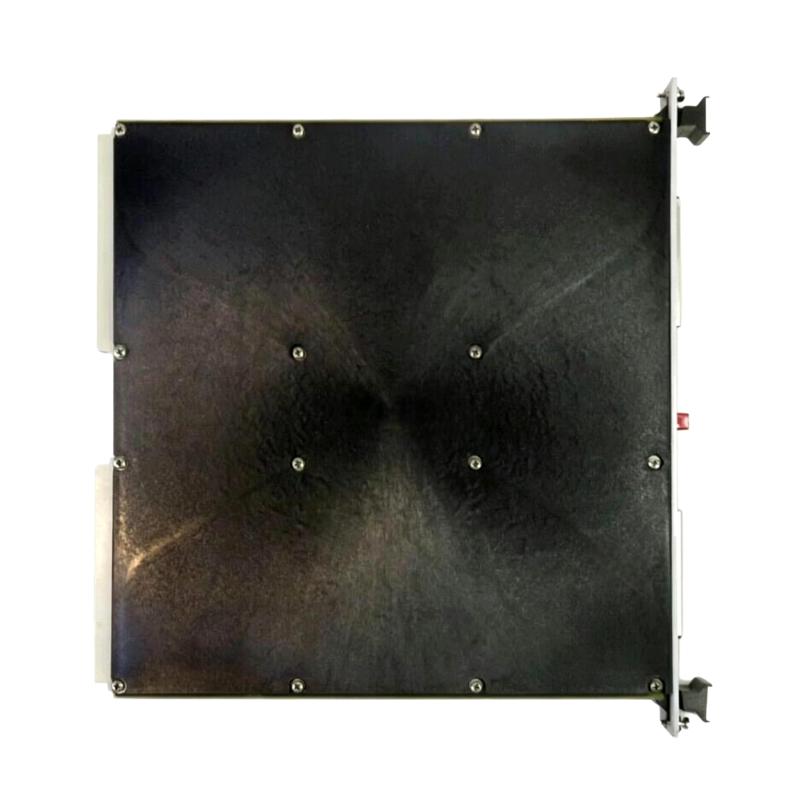
Because the product is discontinued, available units may include unused surplus, refurbished equipment, or previously installed modules. Buyers should confirm the product’s condition and request clear photographs of the label, connectors, and external housing.
For critical turbine and power-generation applications, compatibility is especially important. Confirm the CPU platform, Coder software version, control architecture, and field termination arrangement before ordering. A replacement module with a similar description may not provide the same hardware or software compatibility.
Maintenance teams should also retain records of the module revision, installation position, wiring configuration, and relevant control-system parameters. These records can help reduce troubleshooting time and support future replacement planning.
For long-term maintenance, evaluate whether retaining the original hardware or upgrading to a supported MicroNet configuration is more appropriate. Any upgrade should be assessed as a complete control-system change rather than a simple module exchange.
Conclusion
The Woodward 5466-256 Discrete I/O Module is a legacy MicroNet control-system component used for discrete field signal interfacing in industrial automation applications. It is relevant to existing turbine control, power generation, and other industrial installations that continue to operate compatible Woodward MicroNet hardware.
Since the module is discontinued, procurement and replacement require careful verification of the part number, hardware revision, CPU platform, software version, and field termination configuration. Understanding these compatibility requirements helps maintenance teams reduce replacement risks and maintain the reliability of existing industrial control systems.