

ProductPRODUCT
Featured products
Contact Us
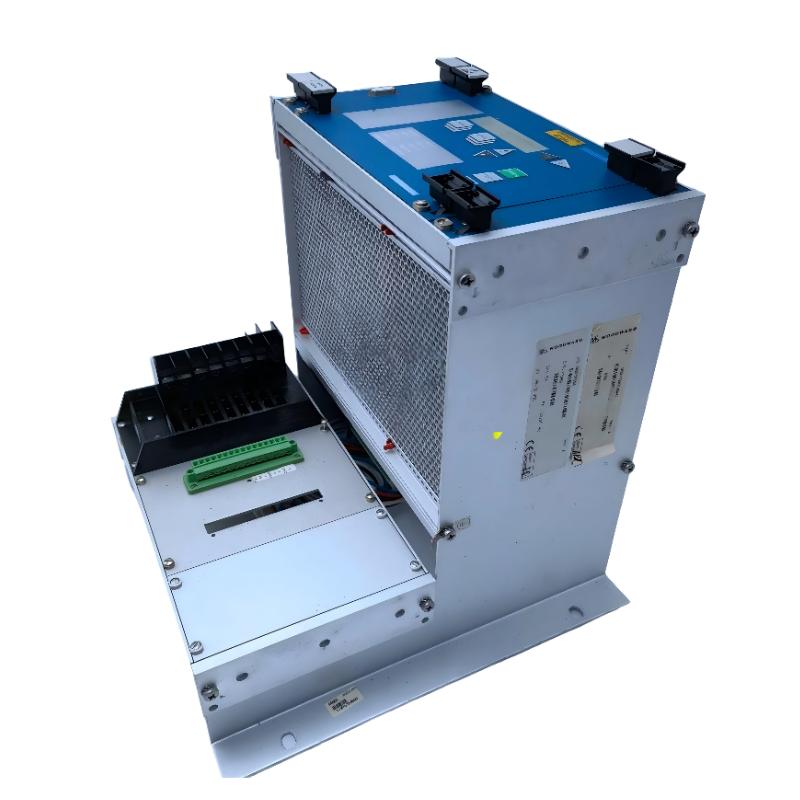
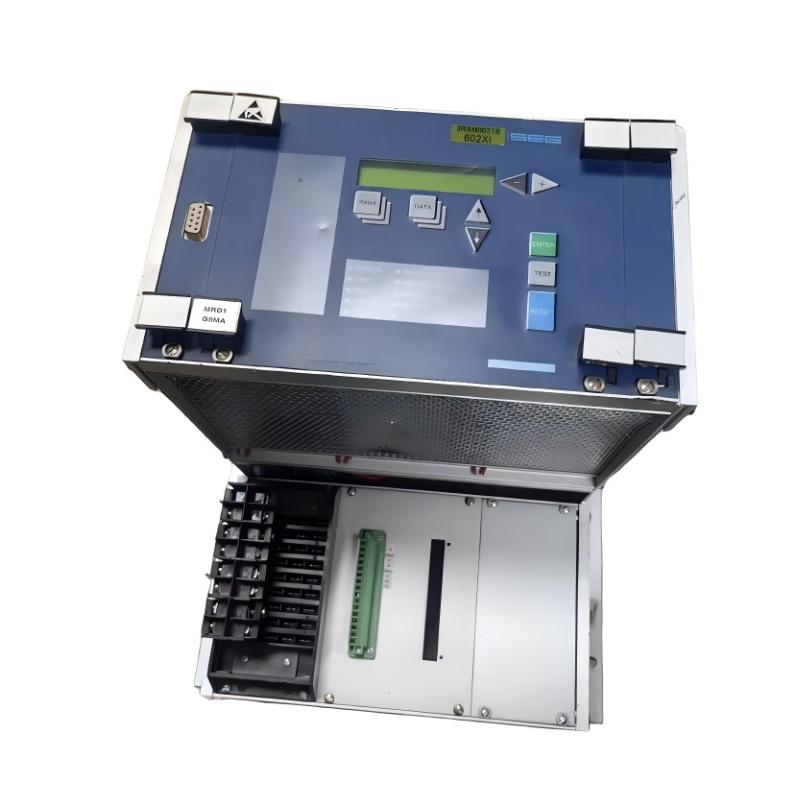
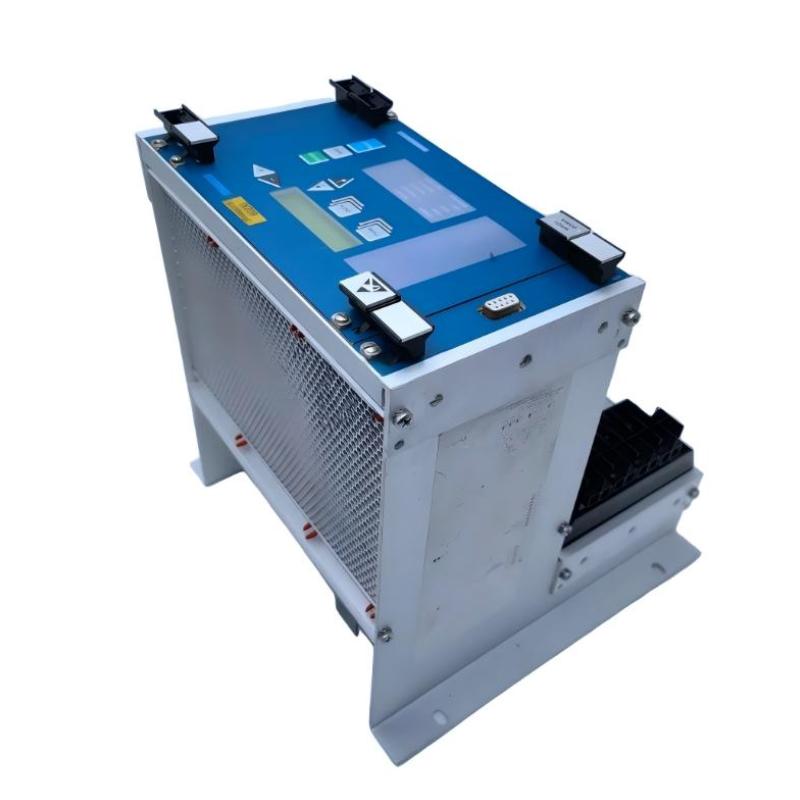
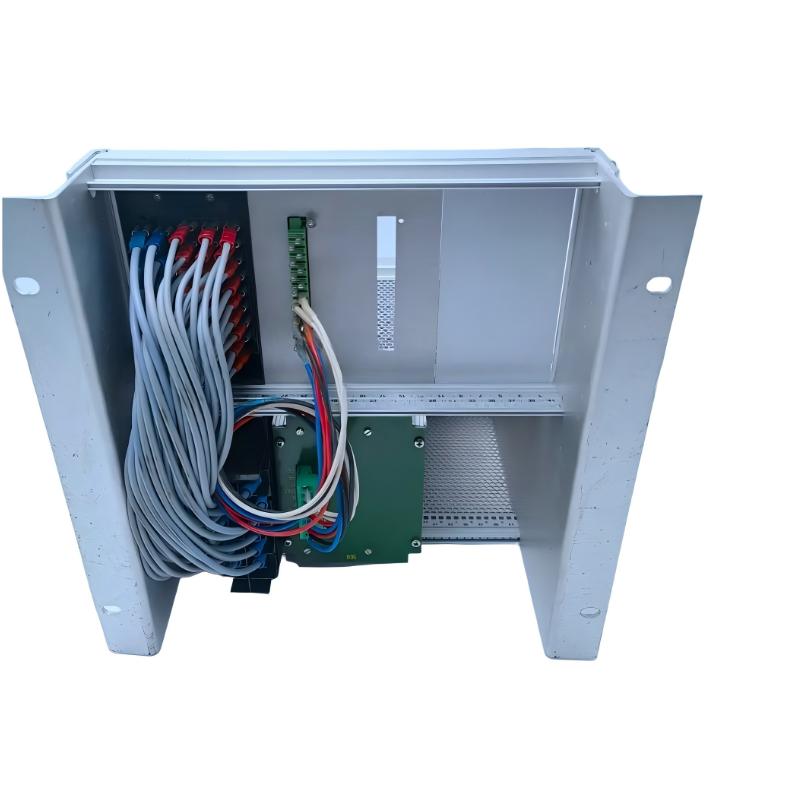
- Woodward
- MRD1G5MA
- Digital Speed Control Module
- USA
- 290 x 210 x 135 mm
- 1.8 kg
- Xiamen, China
- New & In Stock
- T/T, PayPal, Western Union
- 1 Year
- 1-3 Working Days
- DHL, UPS, TNT, FedEx and EMS.
- 24-Hour Service
- COO
- 4
Our advantage

Global Logistics
We have a 10-year logistics and express cooperation agreement, so our products can be shipped to any place in the world.

Brand new and original
Our products are imported in bulk from the place of origin. Because of the cooperative relationship, our products are all original and 100% new.

24-hour service
We provide 7*24 hours service to our customers. We will be there whenever you need us.

Price advantage
All our products are priced very favorably because we have our own warehouse and supply.
| Company Information | |||
| [email protected] | |||
| Mobile | +8615980777398 | ||
| +8615980777398 | |||
| 15980777398 |
Product Overview
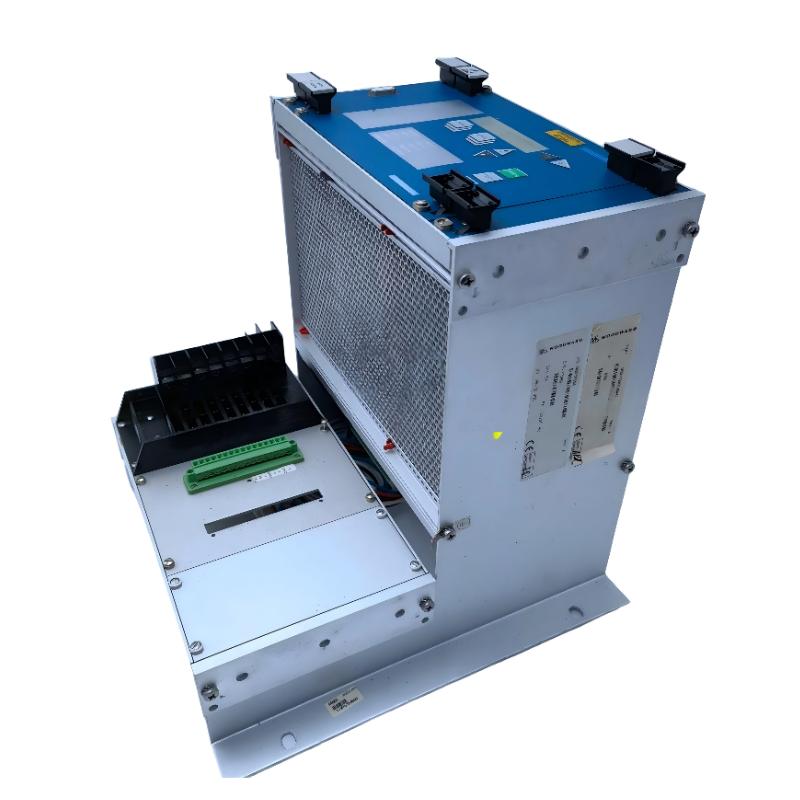
The Woodward MRD1G5MA Digital Speed Control Module is an industrial control component identified for digital speed regulation in engine and rotating-machinery applications. It is associated with systems that require stable engine-speed management, coordinated control signals, and integration with other equipment in an industrial control environment.
Speed control is an important function in industrial power-generation and mechanical-drive systems. Engines and turbines must maintain suitable operating speeds as mechanical loads change. In generator applications, for example, engine speed is closely related to electrical output frequency. In other machinery, stable speed helps maintain process performance and coordinated equipment operation.
A digital speed control system typically receives speed-related signals from sensors, processes these signals using configured control logic, and provides commands to a fuel actuator or another engine-control mechanism. The control system can adjust its output in response to speed deviations and changing operating conditions.
The MRD1G5MA is listed by industrial suppliers as a Digital Speed Control Module. Some supplier descriptions associate it with engine and turbine control applications and list 24 V DC operation and Ethernet and serial communication interfaces. However, these detailed specifications should be confirmed against the exact product revision and manufacturer documentation before system integration.
For maintenance and replacement projects, the full model number is important. Similar-looking Woodward modules may have different electrical connections, firmware, communication capabilities, and control functions. Confirming the exact part number helps reduce the risk of selecting an incompatible component.
Technical Specifications
| Parameter | Specification |
|---|---|
| Brand | Woodward |
| Model | MRD1G5MA |
| Product Type | Digital Speed Control Module |
| Main Function | Digital speed regulation |
| Application Area | Industrial engines and rotating machinery |
| Power Supply | 24 V DC, as listed by suppliers; verify against the unit documentation |
| Power Consumption | Approximately 10 W, as listed by suppliers; verify before installation |
| Communication Interfaces | Ethernet, RS-232, and RS-485 reported by suppliers; confirm actual hardware configuration |
| Operating Temperature | Supplier-listed range varies; confirm the applicable manual |
| Dimensions Provided | 290 × 210 × 135 mm |
| Weight Provided | 1.8 kg |
| Manufacturer | Woodward |
Important: The dimensions and weight above are the supplied listing values. Some third-party product listings report different dimensions and weight, as well as electrical and communication specifications that should be verified against the exact unit. Do not use unconfirmed values for final panel design or electrical connection.
Function and Working Principle
A digital speed control module is part of a control system that regulates the rotational speed of an engine or other prime mover. Its operation generally involves signal acquisition, speed calculation, control processing, and output adjustment.
1. Speed Signal Acquisition
The control system needs information about the actual rotational speed of the engine or driven machine. Speed sensors may provide pulse signals corresponding to shaft rotation.
Common sensor technologies in engine-control installations include magnetic pickup sensors and other compatible speed-detection devices. The selected sensor must match the controller’s input requirements and the mechanical installation.
Reliable speed feedback is essential. Poor sensor alignment, damaged wiring, electrical interference, or an unsuitable signal level can affect speed measurement and control stability.
2. Digital Speed Processing
A digital controller processes incoming speed information and compares the measured value with the configured speed reference.
When actual speed differs from the reference, the control algorithm calculates the required correction. The response depends on the controller configuration, tuning parameters, actuator characteristics, and engine dynamics.
Proper tuning is important because overly aggressive control settings may cause speed oscillation, while insufficient response may result in slow recovery after a load change.
3. Actuator Command
In an engine-control system, the speed controller may send a command to a compatible fuel actuator or another final control element.
The actuator changes the engine’s fuel delivery or operating input to increase or decrease engine speed. The control loop continues to monitor the speed feedback and adjusts the output as necessary.
The exact actuator type, signal range, and wiring arrangement must be confirmed for the installed control system.
4. Load Response
Engine speed can change when the mechanical load increases or decreases. A suitable speed-control system responds to these changes by adjusting the control output.
For generator applications, load changes can occur when electrical equipment is connected or disconnected. Stable speed regulation helps the generating set maintain its intended operating frequency, subject to the generator and control-system design.
5. Monitoring and Diagnostics
Industrial digital control systems may provide operating information, alarm conditions, and diagnostic data through local indicators or communication interfaces.
The availability of particular diagnostic functions depends on the controller’s hardware and firmware. Engineers should consult the correct documentation rather than assume that every feature listed for a related model is available on the MRD1G5MA.
Role in Industrial Control Systems
The MRD1G5MA is identified as a digital speed control module. In a complete industrial installation, speed control is only one part of the overall machine or engine-management architecture.
Engine Control
In an engine application, the speed controller works with speed sensors, actuators, the engine, and associated protection equipment. It helps regulate engine speed according to the configured reference and operating requirements.
The controller must be matched to the engine type, actuator, sensor arrangement, and required operating mode.
Generator Set Coordination
In a generator set, the engine drives an alternator. The engine speed affects the electrical frequency produced by the generator.
The speed-control system therefore contributes to generator operation by regulating the prime mover. Other equipment, such as voltage regulators, generator protection relays, synchronizing equipment, and load-sharing controls, performs separate but coordinated functions.
A speed controller should not be treated as a substitute for generator protection or the complete generator-management system.
PLC and Supervisory System Integration
A PLC or supervisory control system may coordinate the engine or turbine with other plant equipment. Depending on the actual controller interfaces and configuration, operating information may be exchanged through supported communication channels or hardwired signals.
Before planning integration, verify the physical ports, communication protocols, addressing requirements, and supported data points for the exact MRD1G5MA version.
Protection and Shutdown Coordination
Industrial engines and turbines normally require independent protection and shutdown functions. These may include overspeed protection, low oil pressure monitoring, high-temperature protection, and emergency shutdown circuits.
The speed-control module may participate in the wider control architecture, but critical protection functions must be designed and implemented according to the equipment manufacturer’s safety requirements.
Industrial Applications
Digital speed regulation is used in industrial systems where engine or rotating-machine speed must be controlled according to operating conditions.
1. Industrial Generator Sets
Generator sets require stable engine operation to produce electrical power at the intended frequency. A suitable speed-control system helps regulate the prime mover as electrical demand changes.
The controller must be compatible with the engine, fuel actuator, speed sensor, alternator, and generator-management equipment.
2. Gas Engine Systems
Industrial gas engines are used in power generation and other mechanical-drive applications. Their operating speed must be regulated according to the required load and operating mode.
A digital speed-control arrangement can coordinate speed feedback and actuator commands, provided that the selected controller supports the engine’s control requirements.
3. Turbine-Related Control Systems
Rotating machinery and turbine installations require carefully engineered speed-management systems. Speed monitoring and control are important during startup, acceleration, normal operation, and changes in mechanical load.
The exact role of the MRD1G5MA in any turbine installation must be confirmed from the original system documentation. A product description alone is not sufficient to establish turbine compatibility.
4. Industrial Prime Movers
Prime movers used to drive pumps, compressors, and other mechanical equipment may require controlled operating speeds. A digital speed-control system can help maintain the required speed as operating conditions change.
The control module must be selected according to the prime mover’s characteristics and the actuator and sensor interfaces.
5. Power and Process Facilities
Industrial power facilities often contain multiple engines, generators, and auxiliary systems. Speed-control equipment forms part of the broader automation architecture that supports reliable operation and coordinated equipment management.
System integration should account for control signals, alarms, shutdown requirements, and the facility’s operating procedures.
Installation and System Integration
Correct installation is essential for reliable speed measurement, stable control, and safe operation.
1. Verify the Exact Model
Before installation, check the product label and confirm the complete model number: MRD1G5MA.
Compare the module with the existing equipment documentation, wiring diagrams, and approved spare-parts list. Do not rely only on appearance or a shortened model reference.
2. Confirm Power Requirements
Some supplier listings identify 24 V DC as the input supply for this model. Before connecting power, verify the actual module’s rated voltage, polarity, current requirement, and power-terminal assignments using the correct technical documentation.
Do not apply power based only on a third-party product description.
3. Check Sensor Compatibility
Confirm that the speed sensor type, signal level, pulse characteristics, and wiring arrangement are supported by the controller.
Sensor installation should provide a stable signal across the required operating-speed range. Cable shielding, grounding, and separation from high-current conductors should follow the manufacturer’s recommendations.
4. Verify Actuator Compatibility
The actuator is a critical part of the speed-control loop. Confirm its electrical characteristics, operating range, direction of response, and mechanical connection.
An incompatible actuator or incorrect output configuration can cause unstable speed regulation or unsafe engine behavior.
5. Review Communication Connections
If the installation requires Ethernet, RS-232, or RS-485 communication, verify that these interfaces are physically present on the specific module and that the required protocols are supported.
Check connector types, pin assignments, cable requirements, network settings, and grounding arrangements before connecting the controller to other equipment.
6. Configure and Commission the System
Commissioning should be performed by qualified personnel familiar with the engine or rotating machinery.
The process should include:
- Verifying the power supply and grounding.
- Checking sensor signals and wiring.
- Confirming actuator compatibility and output behavior.
- Reviewing speed-reference settings.
- Configuring control parameters according to the engine requirements.
- Testing normal operating response.
- Verifying alarms and independent shutdown functions.
- Recording the final configuration for maintenance.
Engine startup and overspeed testing must follow approved procedures. Never bypass protection devices to simplify commissioning.
Compatible System Components
The following components may form part of an engine or rotating-machinery speed-control installation. Actual compatibility must be established from the MRD1G5MA documentation and the complete system design.
| Component | Function | Integration Considerations |
|---|---|---|
| Speed sensor | Measures engine or shaft speed | Verify sensor type, signal level, and pulse requirements |
| Fuel actuator | Adjusts fuel delivery or engine input | Confirm electrical and mechanical compatibility |
| Engine control system | Coordinates engine operating functions | Check control architecture and signal assignments |
| PLC | Coordinates plant-level logic | Confirm supported hardwired or communication interfaces |
| Generator controller | Manages generator operating functions | Define responsibilities between speed control and generator management |
| AVR | Regulates generator output voltage | Operates alongside, but separately from, engine speed control |
| Protection relay | Monitors electrical or equipment faults | Confirm independent protection and trip arrangements |
| DC power supply | Supplies the control equipment | Verify rated voltage, polarity, and capacity |
| Communication network | Exchanges operating information | Confirm actual interfaces and supported protocols |
| Control cabinet | Houses and protects equipment | Provide suitable mounting, ventilation, and environmental protection |
The table describes typical system components and does not mean that these items are included with the MRD1G5MA.
Alternative Models and Replacement Considerations
Selecting a replacement for a digital speed-control module requires more than matching the product description. Speed controllers can differ in sensor inputs, actuator outputs, power requirements, communication interfaces, control algorithms, and configuration software.
When considering an alternative, evaluate the following:
| Replacement Factor | What to Verify |
|---|---|
| Speed sensor input | Signal type, frequency range, and electrical characteristics |
| Actuator output | Output type, current capability, and control range |
| Power supply | Voltage, polarity, and power consumption |
| Control performance | Speed regulation, transient response, and tuning functions |
| Communication | Physical interfaces and supported protocols |
| Protection functions | Alarm, shutdown, and fault-handling requirements |
| Mechanical installation | Dimensions, mounting points, and terminal locations |
| Configuration | Software, firmware, parameter backup, and commissioning requirements |
A replacement should be approved only after the system engineer confirms that its control functions and electrical interfaces are suitable for the application. A different Woodward controller should not be assumed to be a direct replacement simply because it is also described as a digital speed controller.
Key Advantages
Digital Speed Regulation
Digital speed control supports consistent processing of speed feedback and control commands. It can be used in applications where engine speed must respond to changing operating conditions.
Integration with Engine-Control Equipment
A speed-control module forms part of a larger engine-control system and can coordinate with compatible sensors, actuators, and supervisory equipment.
Support for Industrial Rotating Machinery
Speed regulation is important in generator sets, engines, and other rotating machinery. Properly selected control equipment contributes to stable operation.
Flexible Control-System Design
Where supported by the actual hardware configuration, communication and I/O interfaces can help integrate speed-control equipment into a broader automation architecture.
Maintenance and Replacement Applications
Correct identification of the MRD1G5MA allows maintenance teams to evaluate the required spare part and compare it with the existing installation.
Technical FAQs
1. What is the Woodward MRD1G5MA?
The Woodward MRD1G5MA is listed as a Digital Speed Control Module. It is associated with speed-regulation applications in industrial engines and rotating machinery.
2. What is the main function of a digital speed control module?
Its general function is to process speed feedback, compare actual speed with a reference, and provide control commands to a compatible actuator or engine-control system.
3. What power supply does the MRD1G5MA use?
Some supplier listings identify 24 V DC operation. The exact supply requirements must be verified from the module’s nameplate and applicable Woodward documentation before wiring.
4. Does the MRD1G5MA support Ethernet and serial communication?
Third-party listings report Ethernet, RS-232, and RS-485 interfaces. Confirm the actual connectors and supported protocols on the specific unit before planning network integration.
5. Can it be used with a generator set?
It may be considered for a compatible engine speed-control arrangement in a generator set. Compatibility depends on the engine, speed sensor, actuator, generator controller, and system architecture.
6. Can it control a gas turbine?
Some supplier descriptions associate the product with turbine applications. However, suitability for a particular turbine must be confirmed through the original system documentation and manufacturer-approved application information.
7. What should be checked before replacing an existing module?
Check the full part number, power requirements, sensor inputs, actuator outputs, communication interfaces, firmware, configuration parameters, and mounting details.
8. Are the supplied dimensions and weight confirmed manufacturer specifications?
The dimensions of 290 × 210 × 135 mm and weight of 1.8 kg are the supplied listing values. Some third-party listings report different figures. Confirm the actual unit and its documentation before using the values for shipping or cabinet design.
9. Does the module replace an engine protection system?
No. Speed control and independent engine protection are different functions. Overspeed protection, emergency shutdown, and other safety functions must be provided according to the engine and system design.
10. What information should be requested when purchasing this module?
Request a clear nameplate photograph, complete model number, hardware revision where applicable, condition details, available test information, and confirmation of included accessories. For critical installations, confirm configuration compatibility before placing an order.
Procurement and Maintenance Recommendations
When sourcing the Woodward MRD1G5MA, begin by checking the complete model number on the existing module or approved equipment documentation. Confirm that the replacement matches the required speed-control function, sensor inputs, actuator outputs, power supply, and communication arrangement.
For used or refurbished units, request photographs of the front panel, connectors, nameplate, and overall condition. Ask whether the module has been functionally tested and whether configuration or firmware information is available.
Before installation, compare the replacement with the original wiring diagram. Check power requirements, grounding, signal assignments, and actuator compatibility. If configuration parameters can be backed up from the existing controller, preserve them before removing the original unit.
During maintenance, inspect connectors, wiring, mounting, ventilation, and the surrounding cabinet environment. Investigate unstable speed readings, unexpected actuator movement, or repeated alarms before changing control parameters.
For engine and turbine installations, all commissioning and functional testing should be performed under approved procedures by qualified personnel. Independent overspeed and shutdown protection must remain operational throughout the process.
Conclusion
The Woodward MRD1G5MA Digital Speed Control Module is identified as an industrial speed-control component for engine and rotating-machinery applications. Digital speed regulation is important for maintaining stable operating speed as mechanical loads and process requirements change.
For replacement and maintenance projects, accurate identification and interface verification are essential. The supplied dimensions of 290 × 210 × 135 mm and weight of 1.8 kg can be used as listing information, but should be checked against the actual unit. Electrical ratings, communication interfaces, and application compatibility should likewise be confirmed using the corresponding manufacturer documentation before installation.