

ProductPRODUCT
Featured products
Contact Us
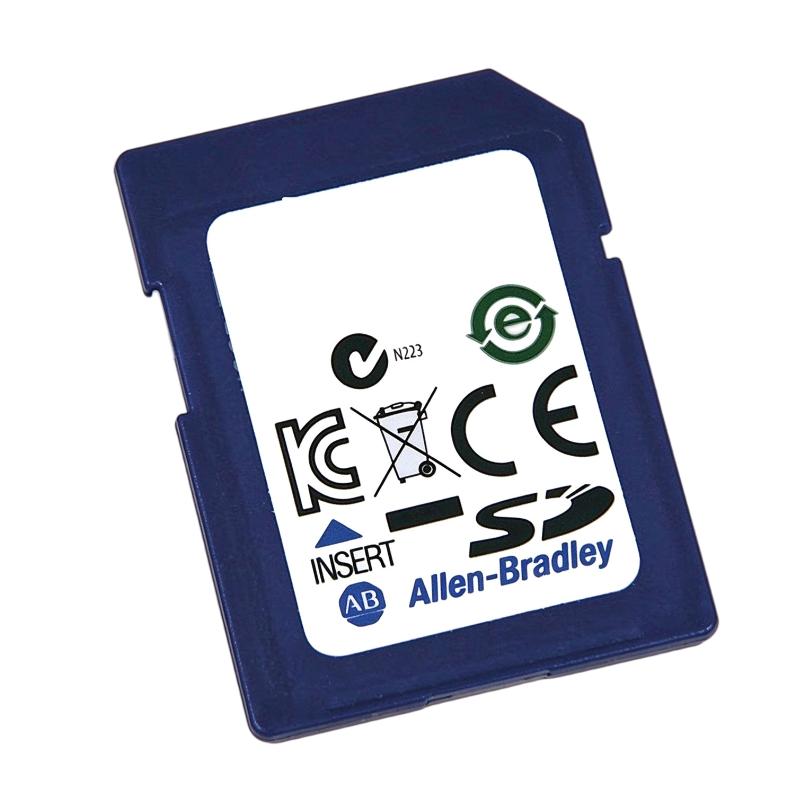
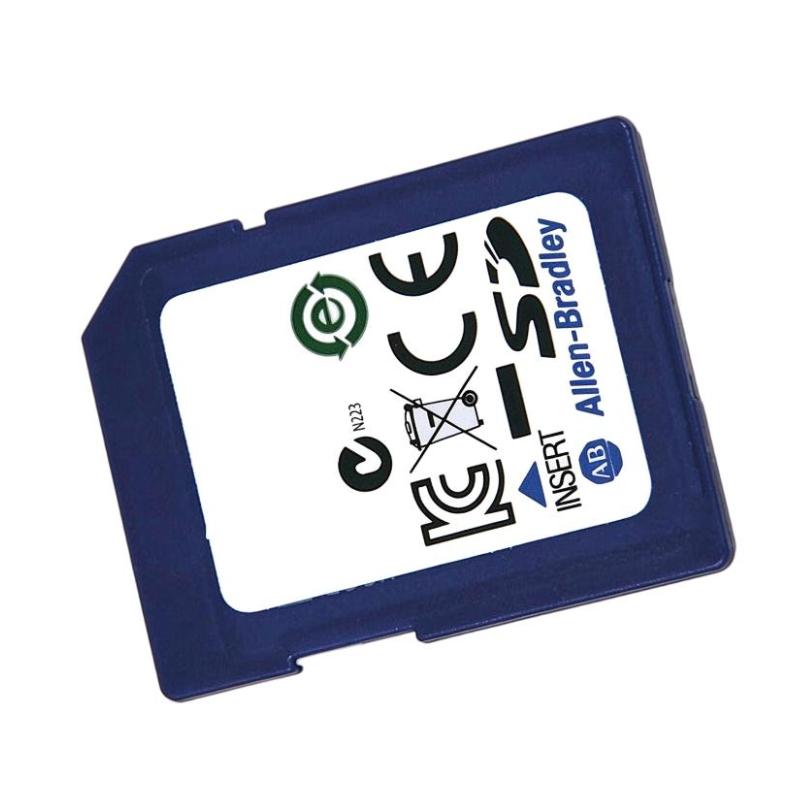
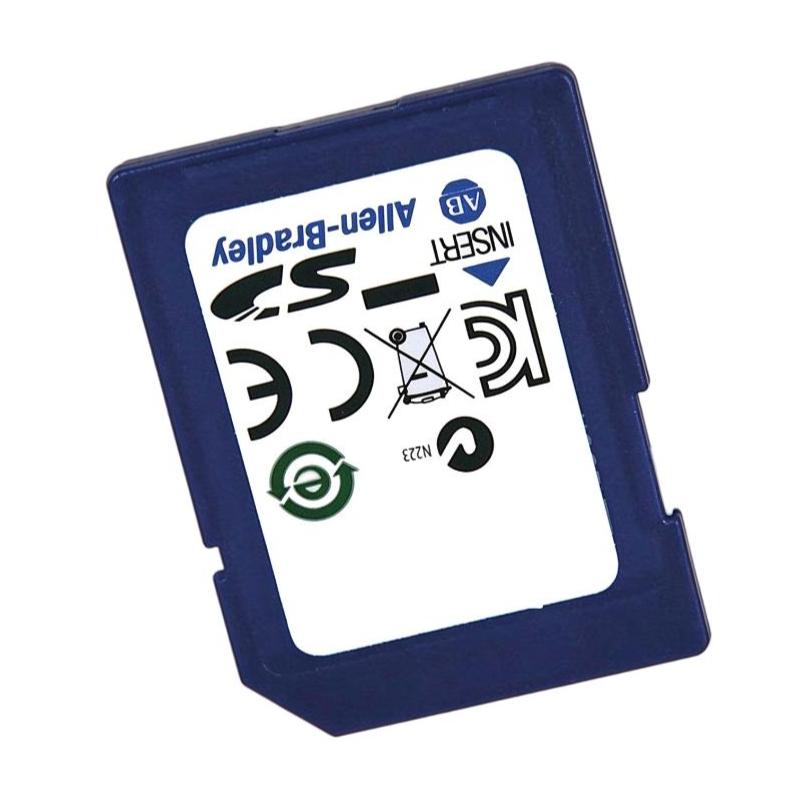
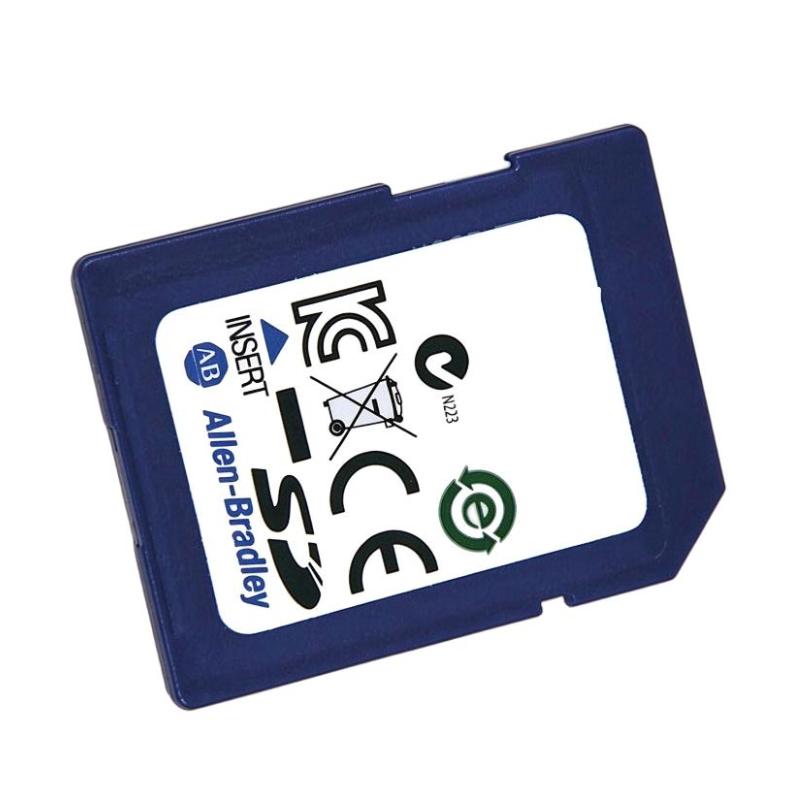
- Allen Bradley
- 1784-SDHC8
- Industrial 8GB High Capacity SD Card
- USA
- 60 × 20 × 50 mm
- 0.24 kg
- Xiamen, China
- New & In Stock
- T/T, PayPal, Western Union
- 1 Year
- 1-3 Working Days
- DHL, UPS, TNT, FedEx and EMS.
- 24-Hour Service
- COO
- 7
Our advantage

Global Logistics
We have a 10-year logistics and express cooperation agreement, so our products can be shipped to any place in the world.

Brand new and original
Our products are imported in bulk from the place of origin. Because of the cooperative relationship, our products are all original and 100% new.

24-hour service
We provide 7*24 hours service to our customers. We will be there whenever you need us.

Price advantage
All our products are priced very favorably because we have our own warehouse and supply.
| Company Information | |||
| [email protected] | |||
| Mobile | +8615980777398 | ||
| +8615980777398 | |||
| 15980777398 |
Product Overview
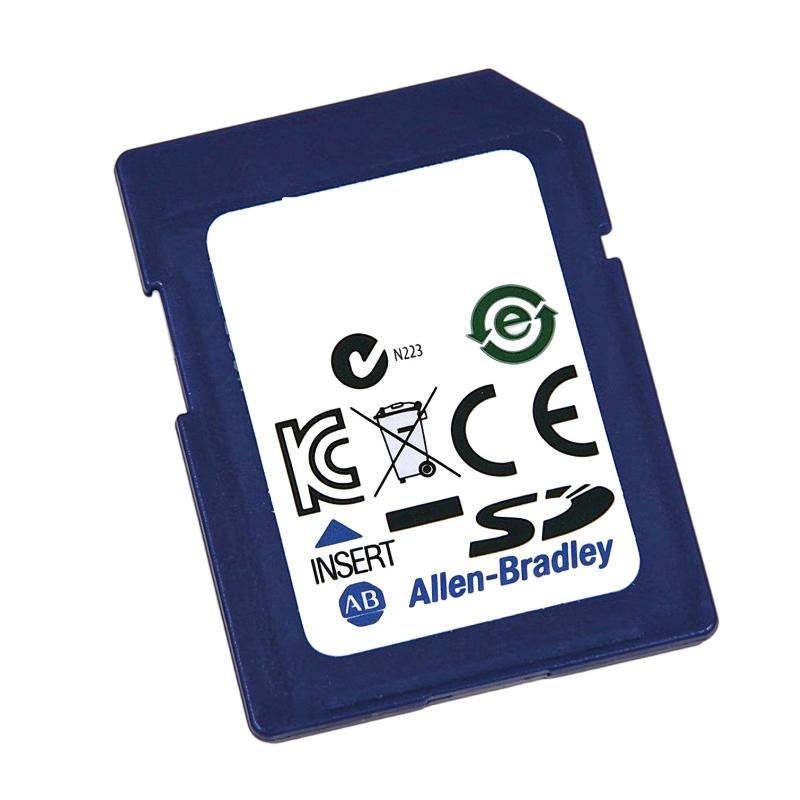
The Allen-Bradley 1784-SDHC8 is an industrial 8 GB High Capacity Secure Digital (SDHC) memory card used with compatible ControlLogix and GuardLogix programmable automation controllers. It provides nonvolatile storage for controller user programs and tag data, allowing application information to be retained independently of the controller’s normal operating power.
The 1784-SDHC8 belongs to the Allen-Bradley 1784 memory card family, which includes several storage capacities for different controller configurations. Compared with the 1784-SD2, which offers 2 GB of storage, the SDHC8 provides 8 GB for applications requiring additional nonvolatile storage capacity.
The card is compatible with supported ControlLogix 5580 and GuardLogix 5580 controller configurations. It can be installed in the designated SD card socket and used with the controller’s supported memory operations through Logix Designer.
One important application is maintaining a separate copy of the controller project. Engineers can use nonvolatile memory functions to save user programs and tag data, retrieve stored information, or configure compatible controllers to load application data during startup.
The 1784-SDHC8 is also relevant to industrial maintenance and controller recovery. Keeping a compatible memory card installed allows supported controllers to retain application information and, where applicable, record diagnostic data for subsequent investigation.
Technical Specifications
| Parameter | Specification |
|---|---|
| Manufacturer | Allen-Bradley |
| Model | 1784-SDHC8 |
| Product Type | Industrial 8GB High Capacity SD Card |
| Product Family | ControlLogix |
| Memory Technology | Secure Digital High Capacity (SDHC) |
| Storage Capacity | 8 GB |
| Memory Type | Nonvolatile Flash Memory |
| Primary Function | Secure User Program and Data Storage |
| Compatible Controller Families | ControlLogix / GuardLogix |
| Controller Generation | ControlLogix 5580 / GuardLogix 5580 |
| Memory Card Interface | SD Card Socket |
| Programming Software | Studio 5000 Logix Designer |
| Data Storage | User Programs and Tag Data |
| Operating Temperature | -25 to +70 °C |
| Storage Temperature | -40 to +85 °C |
| Relative Humidity | 5–95%, noncondensing |
| Operating Vibration | 2 g at 10–500 Hz |
| Operating Shock | 30 g |
| Dimensions | 60 × 20 × 50 mm |
| Shipping Weight | 0.24 kg |
Product Features
- 8 GB SDHC Storage: Provides nonvolatile storage capacity for controller user programs and tag data.
- Secure Digital Technology: Uses SDHC flash memory for compatible industrial controller applications.
- ControlLogix 5580 Compatibility: Supports designated ControlLogix 5580 processor configurations.
- GuardLogix Integration: Supports compatible GuardLogix 5580 controller configurations.
- Nonvolatile Data Retention: Maintains stored application information without continuous controller power.
- Program Backup: Allows supported controller projects to be saved to the installed memory card.
- Application Recovery: Supports retrieving stored application information through compatible controller memory operations.
- Startup Loading Configuration: Allows compatible controllers to load stored information during powerup.
- Diagnostic Data Storage: Provides a storage location for diagnostic information generated by supported controllers.
- Industrial Application: Suitable for controller maintenance, project management, and recovery operations.
Working Principle
The 1784-SDHC8 operates as a removable nonvolatile memory device within a compatible Logix controller. It provides a separate storage location for user programs and tag data without requiring continuous power to retain the information.
During normal operation, the controller executes its application using its internal processing resources. When an engineer initiates a supported memory operation through Logix Designer or custom application code, the controller transfers the selected information to the SDHC card.
The stored project information remains available when the controller is powered down. During maintenance or recovery, compatible controller configurations can retrieve the saved information from the card.
The memory card also supports configured startup loading. Through the appropriate controller application settings, stored tag data can be loaded from nonvolatile memory during powerup.
The card does not execute PLC logic or independently control connected equipment. Its function is limited to storing and supplying application information through the controller’s supported memory functions.
Typical Operating Sequence:
- Install the 1784-SDHC8 in the designated controller SD card socket.
- The controller detects and accesses the installed memory card.
- The PLC executes its application during normal operation.
- An engineer initiates a supported nonvolatile memory save operation.
- The controller transfers the selected user program and tag data to the SDHC card.
- The card retains the stored information without continuous controller power.
- During maintenance, the saved application can be accessed for recovery.
- Compatible controller configurations can load stored information during startup.
Role in Allen-Bradley ControlLogix Control Architecture
Within the Allen-Bradley ControlLogix architecture, the 1784-SDHC8 serves as an additional nonvolatile storage resource for compatible controllers.
The processor handles logic execution, I/O management, and communication with other automation equipment. The SDHC card operates separately from these processing functions, retaining application information that can be used for backup and recovery.
In ControlLogix 5580 and GuardLogix 5580 installations, the card provides an additional storage option for supported controller memory operations. Engineers can use it to maintain project information and configure application loading behavior.
The card is particularly useful in installations where controller programs must be preserved for equipment replacement, maintenance, or restoration following an unexpected shutdown.
| Component | Product Description | Function |
|---|---|---|
| 1784-SDHC8 | ControlLogix 8 GB SDHC Memory Card | Nonvolatile program and tag data storage |
| 1784-SD2 | ControlLogix 2 GB SD Memory Card | Alternative memory configuration |
| 1784-SDHC32 | ControlLogix 32 GB SDHC Memory Card | Higher-capacity storage |
| 1756-L81E | ControlLogix 5580 Controller | PLC processing and application execution |
| 1756-L82E | ControlLogix 5580 Controller | Industrial automation control |
| 1756-L83E | ControlLogix 5580 Controller | Controller processing and data management |
| 1756-L81ES | GuardLogix 5580 Controller | Safety and standard control |
Industrial Applications
| Application | Typical Use |
|---|---|
| Automotive Manufacturing | Retaining controller programs for production equipment |
| Packaging Machinery | Supporting PLC application backup and recovery |
| Process Automation | Maintaining nonvolatile controller data |
| Material Handling | Preserving conveyor and sorting control programs |
| Factory Automation | Storing controller projects and tag data |
| Power and Utility Systems | Maintaining compatible Logix controller applications |
| Industrial Robotics | Supporting application restoration during maintenance |
| Distributed I/O Systems | Retaining controller information for recovery operations |
| Industrial Equipment Maintenance | Maintaining stored application copies |
| Machine Commissioning | Managing controller startup and application loading configurations |
Installation and Maintenance
- Verify Part Number: Confirm that the memory card is Allen-Bradley 1784-SDHC8 and has the required 8 GB storage capacity.
- Check Controller Compatibility: Verify that the target processor belongs to a supported ControlLogix 5580 or GuardLogix 5580 configuration.
- Check Firmware Requirements: Confirm that the controller firmware and programming software support the intended SDHC memory operations.
- Back Up Existing Applications: Save the current controller project and important tag data before replacing or servicing the memory card.
- Inspect the Card: Examine the memory card for physical damage, contamination, or damaged electrical contacts.
- Prepare the Controller: Follow the applicable Rockwell Automation instructions for accessing the processor’s SD card socket.
- Install the Memory Card: Insert the 1784-SDHC8 into the designated socket according to the correct orientation.
- Verify Card Recognition: Check that the controller recognizes the installed memory card and that the required storage functions are available.
- Configure Memory Operations: Set the appropriate application save and load behavior through the supported Logix programming environment.
- Test Backup Functions: Perform a controlled save operation and verify that the required application information has been stored correctly.
- Check Recovery Settings: Verify the configured startup loading behavior when automatic application recovery is required.
- Document Maintenance Results: Record the memory card part number, controller model, firmware version, stored application information, and maintenance date.
Compatible System Components
| Model | Product Description | Application |
|---|---|---|
| 1784-SDHC8 | ControlLogix 8 GB SDHC Memory Card | Nonvolatile application storage |
| 1784-SD2 | ControlLogix 2 GB SD Memory Card | Alternative memory configuration |
| 1784-SDHC32 | ControlLogix 32 GB SDHC Memory Card | Higher-capacity storage |
| 1756-L81E | ControlLogix 5580 Controller | Controller platform |
| 1756-L82E | ControlLogix 5580 Controller | Controller platform |
| 1756-L81ES | GuardLogix 5580 Controller | Safety controller platform |
Recommended Related Models
| Model | Product Description |
|---|---|
| 1784-SD1 | Allen-Bradley ControlLogix 1 GB SD Memory Card |
| 1784-SD2 | Allen-Bradley ControlLogix 2 GB SD Memory Card |
| 1784-SDHC32 | Allen-Bradley ControlLogix 32 GB SDHC Memory Card |
| 1756-L81E | Allen-Bradley ControlLogix 5580 Controller |
| 1756-L82E | Allen-Bradley ControlLogix 5580 Controller |
| 1756-L83E | Allen-Bradley ControlLogix 5580 Controller |
Key Advantages
- 8 GB Secure Digital High Capacity storage.
- Nonvolatile storage for controller user programs and tag data.
- Compatible with supported ControlLogix 5580 controllers.
- Supports compatible GuardLogix 5580 controller configurations.
- Allows controller application backup and restoration.
- Supports configured program and tag data loading during startup.
- Provides additional storage capacity compared with the 2 GB SD card.
- Supports diagnostic data retention in compatible controller installations.
- Suitable for industrial controller maintenance and recovery operations.
Technical FAQs
1. What is the main difference between the 1784-SDHC8 and 1784-SD2?
The main difference is storage capacity. The 1784-SDHC8 provides 8 GB, while the 1784-SD2 provides 2 GB. Both belong to the Allen-Bradley SD memory card family, but their selection depends on the controller configuration and application storage requirements.
2. Can the 1784-SDHC8 be used with GuardLogix controllers?
Yes. Rockwell Automation lists the 1784-SDHC8 among the supported memory card options for compatible GuardLogix 5580 controllers. The specific processor and firmware configuration should be checked before installation.
3. Does the 1784-SDHC8 automatically back up the controller program?
The card provides nonvolatile storage, but saving application information depends on the configured controller memory operations. Supported application code or programming operations must initiate the save process.
4. Can the 1784-SDHC8 be used for controller recovery after a power interruption?
It can support recovery when the required application information has previously been saved and the controller is configured for the corresponding loading operation. The recovery behavior depends on the processor configuration and nonvolatile memory settings.