

ProductPRODUCT
Featured products
Contact Us
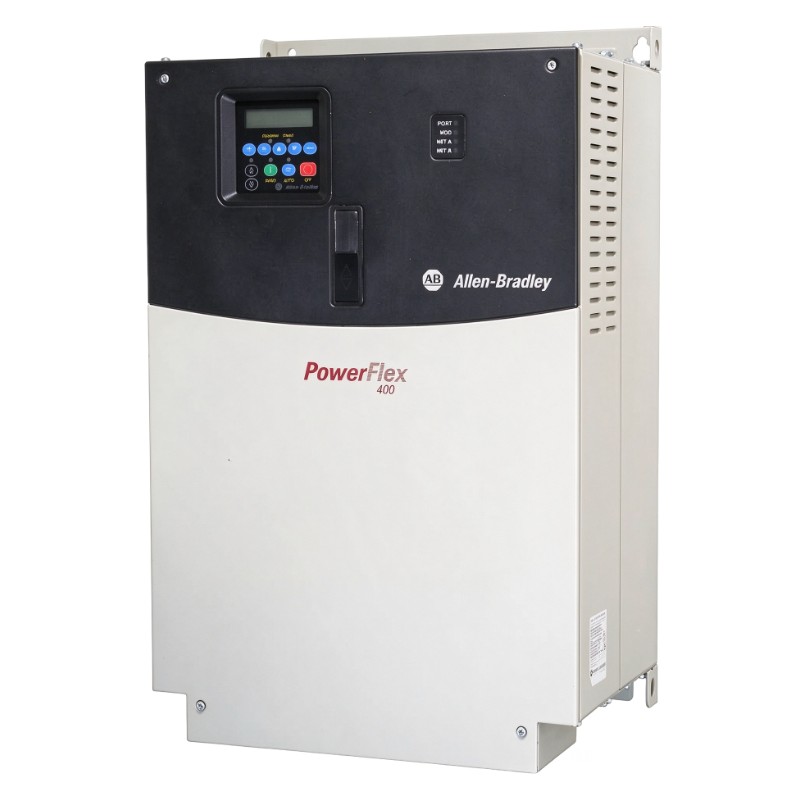
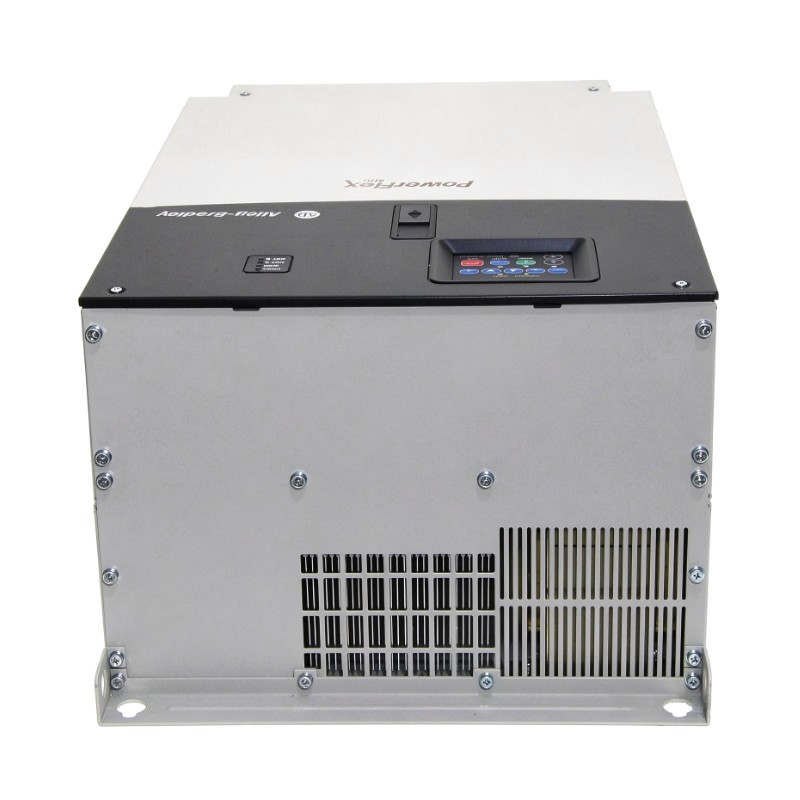
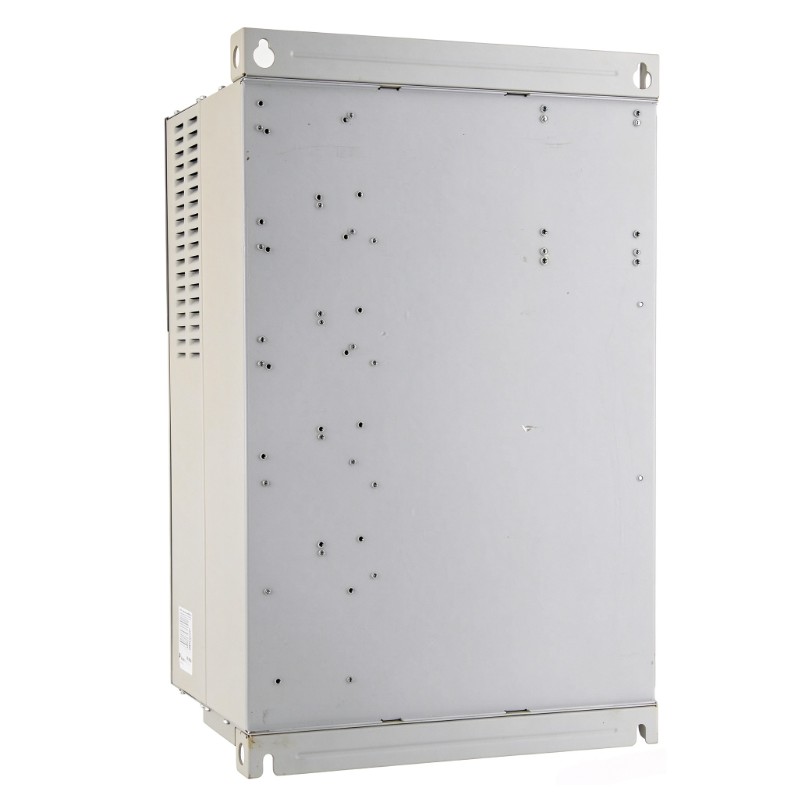
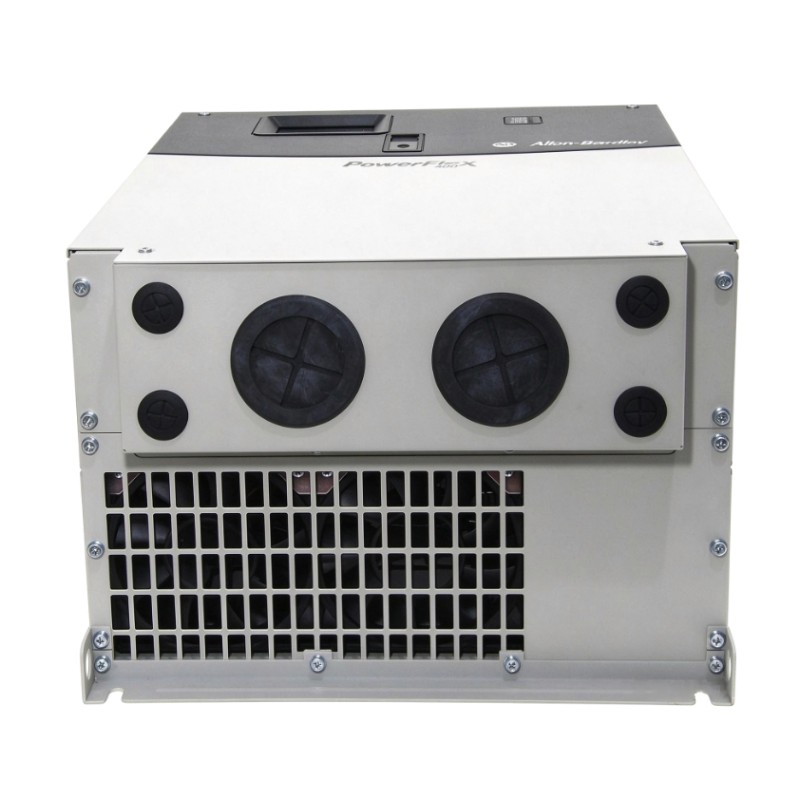
- Allen Bradley
- 22C-D142A103
- Power Flex 400 AC Drive
- USA
- 370 x 605.5 x 259.2 mm
- 51.2 kg
- Xiamen, China
- New & In Stock
- T/T, PayPal, Western Union
- 1 Year
- 1-3 Working Days
- DHL, UPS, TNT, FedEx and EMS.
- 24-Hour Service
- COO
- 6
Our advantage

Global Logistics
We have a 10-year logistics and express cooperation agreement, so our products can be shipped to any place in the world.

Brand new and original
Our products are imported in bulk from the place of origin. Because of the cooperative relationship, our products are all original and 100% new.

24-hour service
We provide 7*24 hours service to our customers. We will be there whenever you need us.

Price advantage
All our products are priced very favorably because we have our own warehouse and supply.
| Company Information | |||
| [email protected] | |||
| Mobile | +8615980777398 | ||
| +8615980777398 | |||
| 15980777398 |
Product Overview
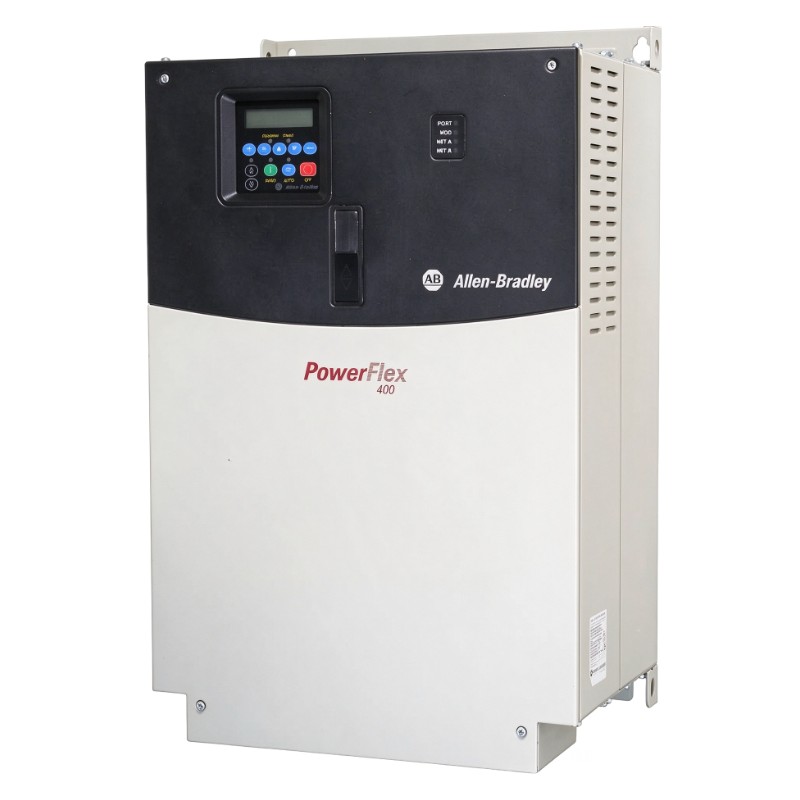
The Allen-Bradley 22C-D142A103 PowerFlex 400 AC Drive is a high-power variable frequency drive designed primarily for controlling three-phase AC motors in industrial fan and pump applications. Manufactured by Rockwell Automation, this drive belongs to the PowerFlex 400 series, a product family developed to provide adjustable motor speed, process control, and reliable operation in variable-torque applications.
The 22C-D142A103 operates with a nominal 480 V AC three-phase supply and provides a continuous output current rating of 142 A. Its rated motor power is 75 kW (100 HP), making it suitable for larger industrial ventilation systems, water circulation equipment, process pumps, and other compatible motor-driven machinery.
A variable frequency drive controls motor speed by adjusting the frequency and voltage supplied to the motor. Instead of operating continuously at a fixed speed, a motor can respond to changing process demands. For fan and pump systems, this can improve flow or pressure regulation and reduce unnecessary energy consumption when the application permits lower-speed operation.
The 22C-D142A103 is a Frame E PowerFlex 400 drive with an IP30 (NEMA 1 / UL Type 1) enclosure configuration. It includes an integral fixed keypad with an LED display and RS-485 communication capability. The specified version does not include a braking IGBT.
The complete catalog number is important when selecting this drive for an existing installation. Other PowerFlex 400 models may have different input voltages, output current ratings, frame sizes, keypad configurations, and communication options. A replacement should therefore be selected according to the original electrical and mechanical requirements rather than the product-family name alone.
Technical Specifications
| Parameter | Specification |
|---|---|
| Brand | Allen-Bradley |
| Manufacturer | Rockwell Automation |
| Model | 22C-D142A103 |
| Product Series | PowerFlex 400 |
| Product Type | AC Drive / Variable Frequency Drive |
| Application Category | Fan and Pump Drive |
| Input Voltage | 480 V AC nominal |
| Input Phase | Three-phase |
| Input Frequency | 50–60 Hz |
| Output Current | 142 A |
| Rated Power | 75 kW |
| Horsepower Rating | 100 HP |
| Frame Size | Frame E |
| Enclosure Rating | IP30 / NEMA 1 / UL Type 1 |
| Human Interface | Integral Fixed Keypad with LED Display |
| Communication | RS-485 |
| Braking IGBT | Not included |
| Drive Configuration | Standalone Drive |
| Dimensions Provided | 370 × 605.5 × 259.2 mm |
| Weight Provided | 51.2 kg |
| Typical Applications | Industrial Fans, Pumps, Ventilation and Fluid Handling |
| Product Lifecycle | Active according to the manufacturer’s product page |
Note: Dimensions and weight are supplied listing values. Confirm the exact product revision and manufacturer’s mechanical drawing before panel fabrication, installation, or shipping.
Function and Working Principle
The PowerFlex 400 AC drive regulates the electrical power supplied to an AC motor. By controlling the output frequency and voltage, it allows the connected motor to operate at different speeds according to the requirements of the industrial process.
1. Variable Frequency Motor Control
An AC motor’s operating speed is related to the frequency of its electrical supply and the motor’s pole configuration. The drive changes the output frequency to adjust motor speed.
For example, a large ventilation fan may not need to operate at full speed throughout the day. When airflow demand decreases, the drive can reduce the motor’s operating frequency, provided that the fan and motor remain within their permitted operating ranges.
This adjustable operation is particularly useful in industrial applications where airflow, water flow, or pressure requirements change over time.
2. Fan and Pump Speed Regulation
The PowerFlex 400 family is optimized for fan and pump applications. These applications commonly operate with variable-torque loads, where the required motor torque changes with operating speed.
For centrifugal fans and pumps, reducing motor speed can significantly reduce the power required by the equipment. This provides an opportunity for energy savings when the process does not require full-speed operation.
The actual savings depend on the system curve, equipment characteristics, operating schedule, and control strategy.
3. Acceleration and Deceleration Control
The drive provides configurable acceleration and deceleration functions. These settings determine how quickly the motor changes between operating speeds.
Controlled acceleration can reduce sudden mechanical loading on pump shafts, fan assemblies, couplings, and connected equipment. Controlled deceleration can also help reduce abrupt changes in fluid flow.
For pump applications, suitable ramp settings can help manage pressure changes and reduce the possibility of water hammer. The settings must be selected according to the hydraulic system and the equipment manufacturer’s requirements.
4. Motor Operating Protection
A variable frequency drive incorporates monitoring and protective functions to help detect abnormal operating conditions.
Depending on the configured parameters, relevant conditions may include:
- Motor overload.
- Drive overcurrent.
- DC bus overvoltage or undervoltage.
- Excessive drive temperature.
- Ground faults and other electrical abnormalities.
The drive’s protection functions should be coordinated with correctly selected upstream circuit breakers, fuses, wiring, and motor protection arrangements.
5. RS-485 Communication
The 22C-D142A103 includes RS-485 communication capability. This interface can support communication with compatible industrial control equipment using the appropriate protocol and configuration.
RS-485 provides a physical communication interface, but the protocol, network settings, wiring topology, and supported functions must be verified before integration.
Role in Industrial Control Systems
The 22C-D142A103 can serve as the motor-control component in a larger industrial automation system. It receives electrical power from the distribution system and supplies controlled power to the connected motor.
Its operation can be coordinated with PLCs, sensors, process instruments, and operator interfaces.
PLC Integration
A programmable logic controller can manage the drive as part of an automated process. Depending on the system configuration, the PLC may provide operating commands, speed references, and process interlocks.
For example, a PLC-controlled pumping station may adjust pump speed according to pressure transmitter feedback. The PLC processes the measured pressure and determines the appropriate speed command for the drive.
The RS-485 interface can also be considered for communication with compatible control devices. Engineers should verify the communication protocol and supported parameters before selecting this integration method.
HMI and Operator Monitoring
An HMI provides operators with a central interface for monitoring equipment and controlling production processes.
In a fan or pump installation, an HMI may display:
- Motor operating frequency.
- Drive operating status.
- Motor current.
- Process pressure or flow.
- Active alarms and fault conditions.
- Operating mode and speed reference.
The drive has an integral fixed keypad with an LED display for local access. The overall HMI arrangement depends on the control architecture and the communication or I/O connections used.
Process Instrument Integration
Pressure transmitters, flowmeters, temperature sensors, and other process instruments can provide feedback to the control system.
For example, a pressure transmitter can measure the discharge pressure of a water pump. A PLC or appropriately configured control function can use this measurement to adjust the drive’s speed reference.
The result is a coordinated control arrangement that responds to actual process demand rather than operating continuously at a fixed speed.
Industrial Applications
The PowerFlex 400 22C-D142A103 is designed for industrial fan and pump applications. Its 75 kW output rating and 142 A current capacity make it suitable for larger motor-control installations when the motor and operating conditions match the drive’s ratings.
1. Industrial Ventilation Systems
Large industrial ventilation systems use fans to circulate air, remove heat, and maintain suitable environmental conditions.
A variable frequency drive can regulate fan speed according to ventilation demand. This is useful in factories, warehouses, processing facilities, and other industrial buildings where airflow requirements may change throughout the day.
The drive can help coordinate fan operation with temperature sensors, air-pressure measurements, and building automation systems.
2. Centrifugal Pump Systems
Centrifugal pumps are widely used in water distribution, cooling circuits, industrial processing, and wastewater treatment.
The PowerFlex 400 can adjust pump motor speed according to flow or pressure requirements. When the system is designed appropriately, variable-speed operation can reduce the need for continuous throttling through mechanical valves.
The pump’s minimum flow requirements, motor cooling, pressure limits, and hydraulic characteristics must be considered during commissioning.
3. Water Treatment Facilities
Water treatment plants use pumps and ventilation equipment throughout filtration, circulation, chemical treatment, and wastewater handling processes.
A drive can regulate the speed of compatible motors according to changing process demand. This supports coordinated operation between pumps, tanks, valves, and process instruments.
For critical water-treatment equipment, engineers should also consider standby arrangements, alarm handling, and emergency operating procedures.
4. HVAC and Building Services
Industrial HVAC installations use large fans and pumps for air circulation, chilled-water distribution, and cooling systems.
The PowerFlex 400 can provide adjustable-speed control for suitable motors, allowing equipment operation to respond to temperature, pressure, and airflow requirements.
Proper control-system design is necessary to ensure that ventilation and cooling requirements are maintained under all operating conditions.
5. Industrial Cooling Systems
Manufacturing plants often use cooling-water pumps and large ventilation fans to remove heat from machinery and production processes.
Variable-speed operation can help match cooling capacity to actual thermal demand. This may reduce unnecessary full-speed operation when the system is operating under partial load.
6. General Process Fluid Handling
Industrial facilities use pumps to move water and other compatible process fluids between storage tanks, production equipment, and distribution systems.
The drive can regulate pump speed to support stable flow and pressure control. Fluid properties, pump design, seal requirements, and the operating range must be checked before applying variable-speed control.
Installation and System Integration
The 22C-D142A103 is a high-power industrial drive. Its installation requires careful consideration of electrical protection, ventilation, wiring, grounding, and mechanical mounting.
1. Verify the Incoming Power Supply
Confirm that the available supply matches the drive’s 480 V AC three-phase rating.
Before energizing the equipment, check:
- Supply voltage and phase configuration.
- Supply frequency.
- Upstream circuit protection.
- Cable ampacity and conductor material.
- Grounding and bonding arrangements.
- Motor voltage and rated current.
The input supply must remain within the manufacturer’s permitted operating range. Do not connect the drive based solely on its nominal voltage description without checking the actual nameplate and installation documentation.
2. Mounting and Cabinet Design
The supplied dimensions are 370 × 605.5 × 259.2 mm, and the listed weight is 51.2 kg.
The drive should be installed on a suitable mounting structure that can support its weight and maintain the required clearances. Because it is a high-power Frame E unit, adequate space should be provided for power wiring, cooling airflow, maintenance access, and heat dissipation.
The IP30 / NEMA 1 enclosure configuration is intended for protected indoor installations. It should not be exposed directly to rain, water spray, or unsuitable outdoor conditions.
Where necessary, install the drive in an appropriately designed industrial control cabinet.
3. Power and Motor Wiring
Use correctly rated conductors for the input supply and motor output. Cable sizing must consider current, installation method, ambient temperature, cable length, and applicable electrical regulations.
Keep power wiring separated from sensitive control and communication wiring where required. Correct cable routing helps reduce electromagnetic interference and communication problems.
The motor cable, grounding conductor, and protective devices must follow the manufacturer’s installation instructions.
4. RS-485 Communication Configuration
When using the RS-485 interface, verify the communication protocol, baud rate, addressing, wiring polarity, termination, and network topology.
Communication settings must match the connected PLC or control equipment. Incorrect wiring or inconsistent communication parameters can result in communication loss or unreliable command transmission.
5. Braking Requirements
The 22C-D142A103 configuration does not include a braking IGBT.
This is an important consideration when evaluating applications that require rapid stopping or frequent deceleration. A braking arrangement should not be assumed to be available simply because the drive belongs to the PowerFlex 400 family.
If the application requires controlled braking, engineers should review the motor, load inertia, deceleration requirements, and manufacturer-approved braking options. An alternative drive configuration or braking solution may be necessary.
6. Commissioning and Functional Testing
After installation, commissioning personnel should verify the electrical connections, grounding, motor nameplate data, and drive parameters.
Functional testing should include:
- Motor rotation direction.
- Start and stop commands.
- Minimum and maximum speed settings.
- Acceleration and deceleration ramps.
- Motor current under operating load.
- Process pressure or flow response.
- RS-485 communication.
- Alarm and fault handling.
Record the final parameter configuration and keep a copy for future maintenance.
Compatible System Components
The 22C-D142A103 is commonly used as part of a larger motor-control installation. The following components may be used depending on the control-system architecture.
| Component | Function | Integration Considerations |
|---|---|---|
| Three-phase AC motor | Converts electrical energy into mechanical power | Match voltage, current, power, and operating duty |
| PLC | Coordinates drive operation and process logic | Confirm I/O and RS-485 communication requirements |
| HMI | Provides operator monitoring and control | Configure according to the selected control architecture |
| Pressure transmitter | Measures pump-system pressure | Verify signal type, range, and calibration |
| Flowmeter | Measures fluid flow | Confirm process connection and output compatibility |
| Temperature sensor | Monitors process or equipment temperature | Match sensor type and input interface |
| Circuit breaker or fuses | Provides upstream electrical protection | Select according to manufacturer recommendations and applicable codes |
| RS-485 communication cable | Connects compatible control equipment | Verify wiring, protocol, termination, and shielding |
| Industrial control cabinet | Protects and supports installed equipment | Provide suitable space, ventilation, and environmental protection |
| Grounding accessories | Support electrical safety and interference control | Follow the installation and grounding instructions |
These components are examples of equipment that may be used in a complete installation. They are not necessarily included with the drive.
Alternative Models and Replacement Considerations
The PowerFlex 400 family includes multiple voltage and current configurations. Selecting an alternative requires comparing the electrical ratings and application requirements.
| Related Model | Rated Power | Output Current | Replacement Considerations |
|---|---|---|---|
| 22C-D105A103 | 55 kW / 75 HP | 105 A | Lower output-current rating; not a direct replacement for a 142 A application |
| 22C-D142A103 | 75 kW / 100 HP | 142 A | Original catalog number |
| 22C-D170A103 | 90 kW / 125 HP | 170 A | Higher-rated model; verify motor and system compatibility |
| 22C-D208A103 | 110 kW / 150 HP | 208 A | Higher-capacity option requiring a different installation assessment |
| PowerFlex 753 | Application dependent | Application dependent | Current-generation alternative family; requires engineering review |
| PowerFlex 755 | Application dependent | Application dependent | May be considered for more advanced drive-control requirements |
A higher-rated drive is not automatically a suitable substitute. Replacement engineering should consider:
- Input voltage and supply configuration.
- Continuous output current.
- Motor power and overload requirements.
- Fan or pump load characteristics.
- Enclosure rating and mounting dimensions.
- Control terminals and I/O assignments.
- Communication interface and protocol.
- Braking requirements.
- Cooling and cabinet ventilation.
- PLC program and parameter configuration.
When replacing an installed 22C-D142A103, matching the complete catalog number is generally the preferred starting point.
Key Advantages
High-Power Motor Control
The 75 kW / 100 HP rating and 142 A output capacity make this model suitable for compatible large industrial motors.
Optimized for Fan and Pump Applications
The PowerFlex 400 family is designed for variable-torque fan and pump duties, supporting adjustable-speed operation in ventilation and fluid-handling systems.
Integrated Operator Interface
The fixed keypad and LED display provide local access to drive operation and parameter information.
RS-485 Communication
The RS-485 interface supports integration with compatible industrial control devices when the correct protocol and network configuration are used.
Industrial Enclosure Design
The IP30 / NEMA 1 configuration is intended for protected indoor industrial installations.
Flexible Process Operation
Adjustable motor speed can help coordinate fan and pump performance with changing process demand.
Active Lifecycle Status
The manufacturer’s product page currently identifies this catalog number as Active. Buyers should still confirm current availability, lead time, and exact product configuration with their supplier.
Technical FAQs
1. What is the Allen-Bradley 22C-D142A103?
It is a PowerFlex 400 AC drive designed for industrial fan and pump applications. It provides variable-speed control for compatible three-phase AC motors.
2. What is the rated power of the 22C-D142A103?
The rated power is 75 kW, equivalent to 100 HP.
3. What is the output current?
The drive has a rated output current of 142 A.
4. What input voltage does this drive require?
It is a 480 V AC three-phase model. Check the drive nameplate and manufacturer’s permitted voltage range before installation.
5. Does the drive support RS-485 communication?
Yes. The specified configuration includes RS-485 communication capability. The communication protocol and parameters must be configured to match the connected equipment.
6. Does the 22C-D142A103 include a braking IGBT?
No. The manufacturer identifies this configuration as being supplied without a braking IGBT. Applications requiring braking functionality need a separately evaluated solution.
7. What is the enclosure rating?
The specified enclosure configuration is IP30 / NEMA 1 / UL Type 1. It is intended for suitable protected installations and is not designed for direct exposure to water.
8. Can this drive be used for industrial water pumps?
Yes, provided that the pump motor’s voltage, current, power, and operating characteristics match the drive’s ratings. The hydraulic system and minimum operating requirements must also be evaluated.
9. Can it be integrated with a PLC?
Yes. PLC integration can be achieved through suitable control wiring or compatible RS-485 communication. The selected method depends on the PLC, communication protocol, and application requirements.
10. Is the 22C-D142A103 still an active product?
The Rockwell Automation product page currently lists its lifecycle status as Active. Confirm availability and lead time before placing an order.
Procurement and Maintenance Recommendations
When purchasing the Allen-Bradley 22C-D142A103, verify the complete catalog number and compare it with the nameplate of the installed equipment. The 142 A output rating, 75 kW power rating, 480 V three-phase input, Frame E size, fixed keypad, and RS-485 configuration should all be checked.
For industrial spare-parts procurement, request clear product photographs and confirm the unit’s condition, manufacturing details, and included accessories. For a new or refurbished unit, establish the warranty and testing arrangements before purchase.
Because this is a high-power drive, shipping and installation arrangements should account for its supplied weight and physical dimensions. Confirm whether the listed weight represents the bare unit or packaged shipment weight.
During maintenance, keep cooling paths clear and inspect ventilation components, electrical terminals, grounding connections, and cabinet conditions according to the manufacturer’s recommendations. Record fault information and back up drive parameters before making configuration changes.
For critical fan and pump systems, maintenance planning should also include standby equipment, process interlocks, alarm handling, and a suitable recovery procedure in case of drive failure.
Conclusion
The Allen-Bradley 22C-D142A103 PowerFlex 400 AC Drive is a 75 kW (100 HP), 480 V AC three-phase variable frequency drive designed primarily for industrial fan and pump applications. With a 142 A output rating, Frame E construction, fixed keypad, and RS-485 communication capability, it provides adjustable-speed control for compatible high-power motor installations.
The specified version does not include a braking IGBT, which should be considered when evaluating applications with demanding stopping requirements. Correct electrical selection, cabinet design, communication configuration, and commissioning are essential for reliable operation in industrial automation systems.