

ProductPRODUCT
Featured products
Contact Us
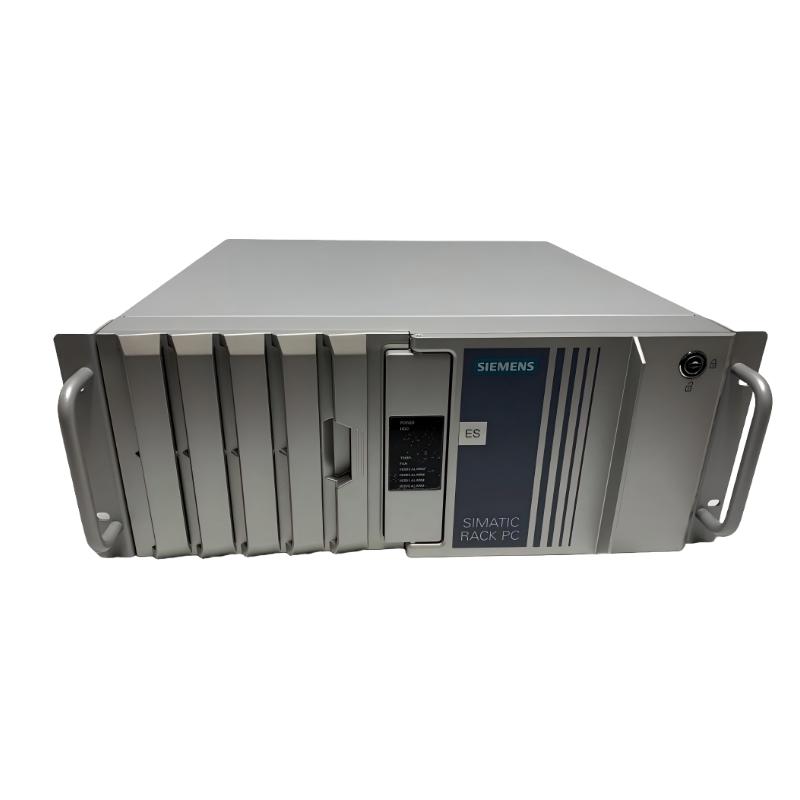
- Siemens
- 6AG4114-3JA12-0XX2
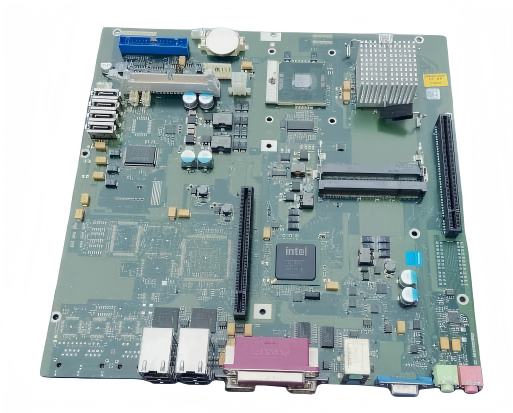
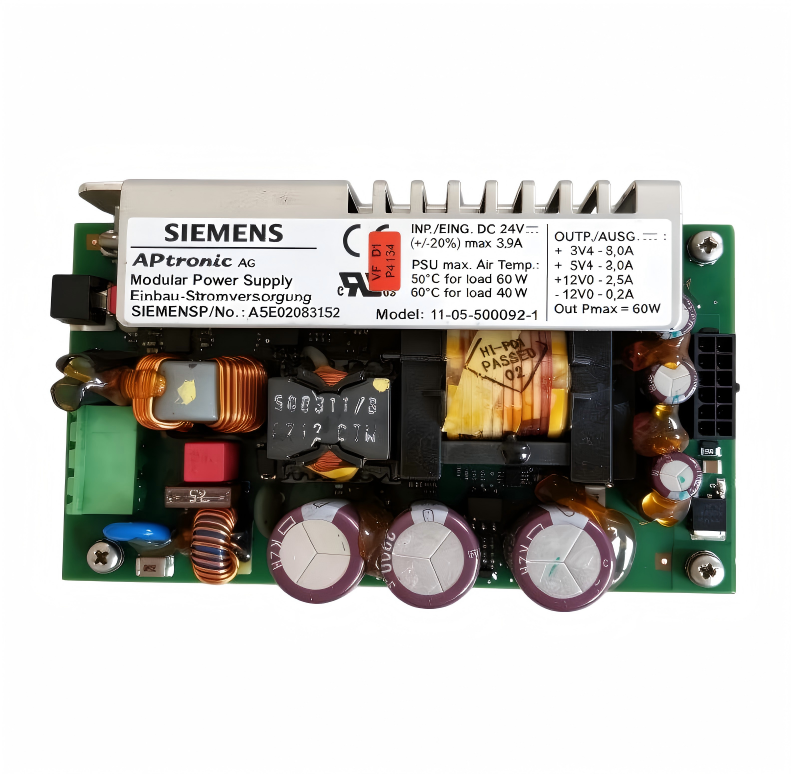
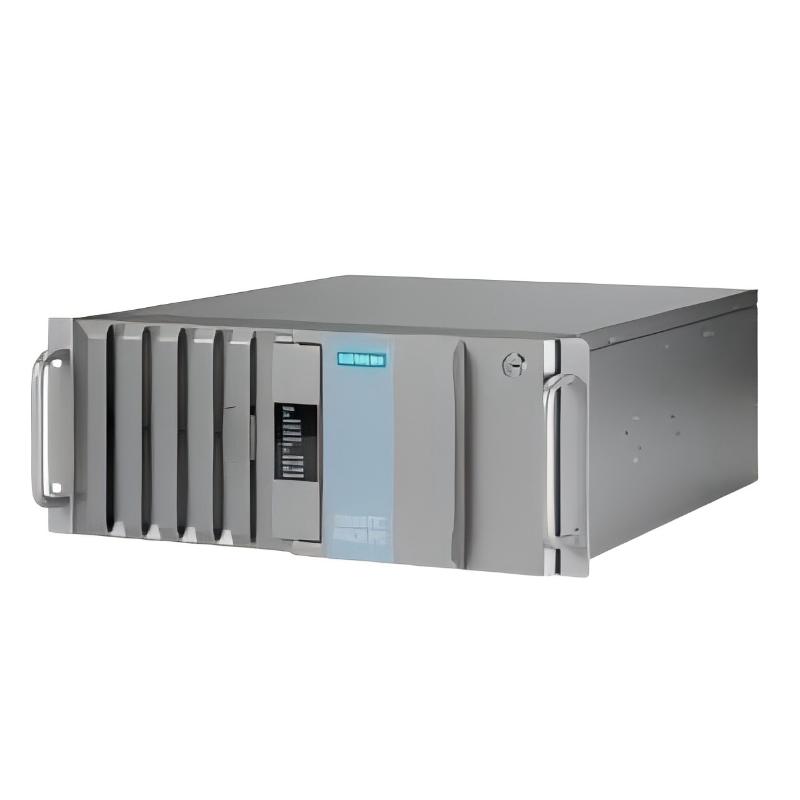
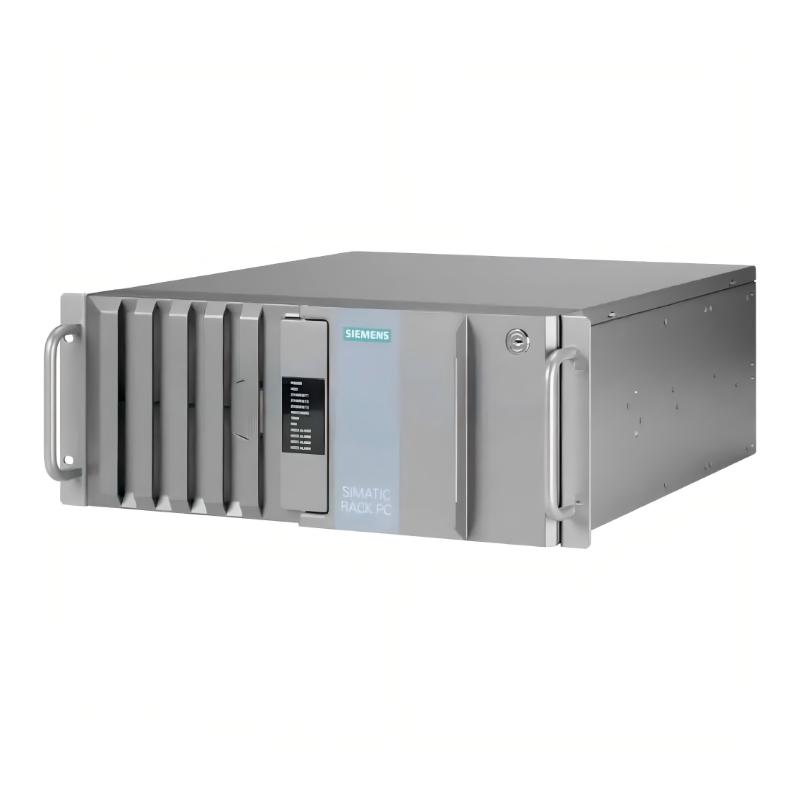
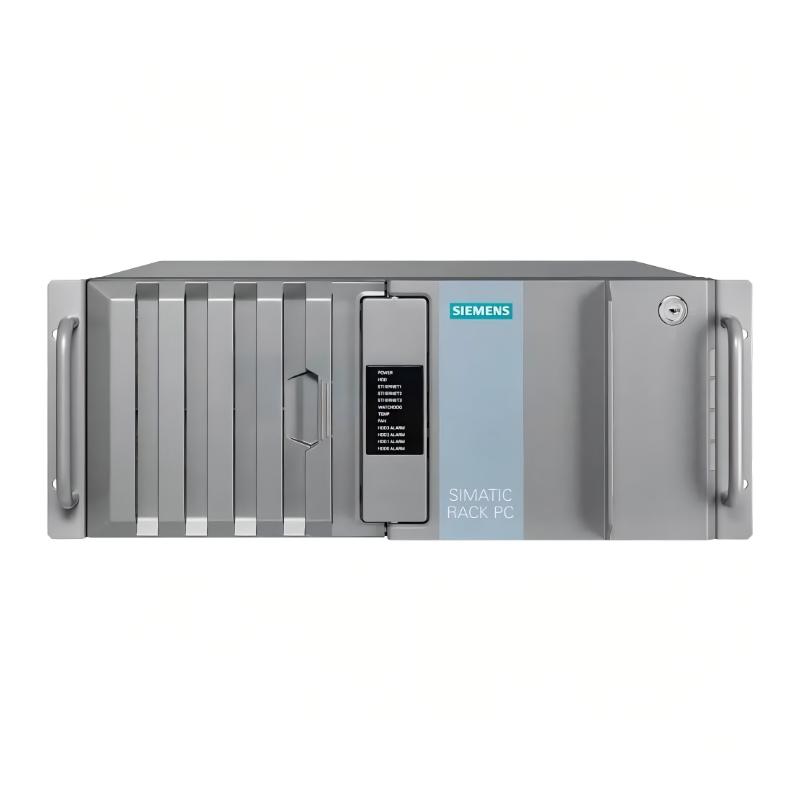
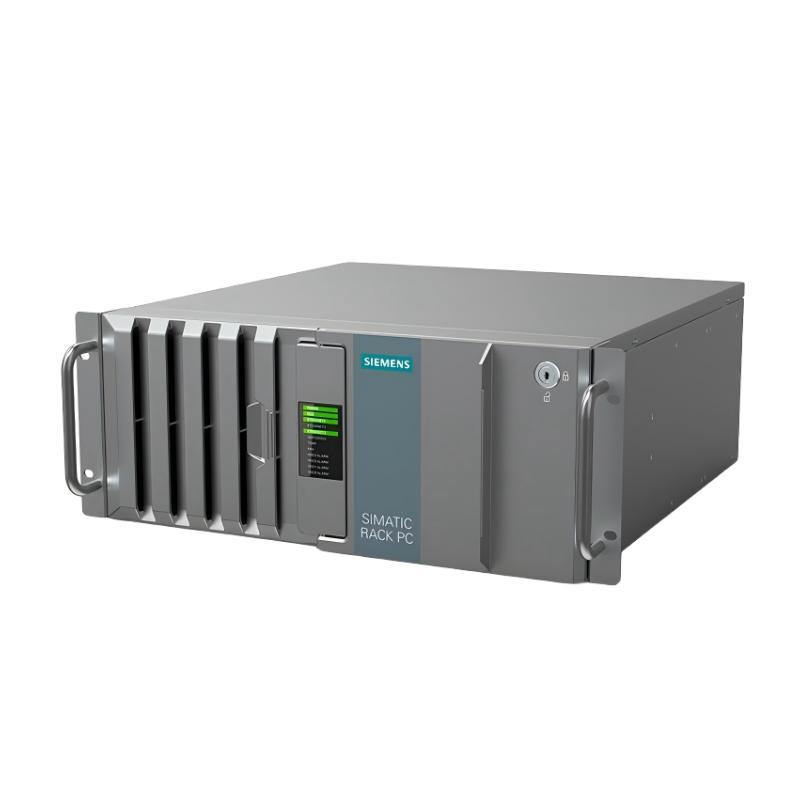
- IPC847E Rack PC with Intel Core I7-8700
- Germany
- 430 × 177 × 444 mm
- 17kg
- Xiamen, China
- New & In Stock
- T/T, PayPal, Western Union
- 1 Year
- 1-3 Working Days
- DHL, UPS, TNT, FedEx and EMS.
- 24-Hour Service
- COO
- 5
Our advantage

Global Logistics
We have a 10-year logistics and express cooperation agreement, so our products can be shipped to any place in the world.

Brand new and original
Our products are imported in bulk from the place of origin. Because of the cooperative relationship, our products are all original and 100% new.

24-hour service
We provide 7*24 hours service to our customers. We will be there whenever you need us.

Price advantage
All our products are priced very favorably because we have our own warehouse and supply.
| Company Information | |||
| [email protected] | |||
| Mobile | +8615980777398 | ||
| +8615980777398 | |||
| 15980777398 |
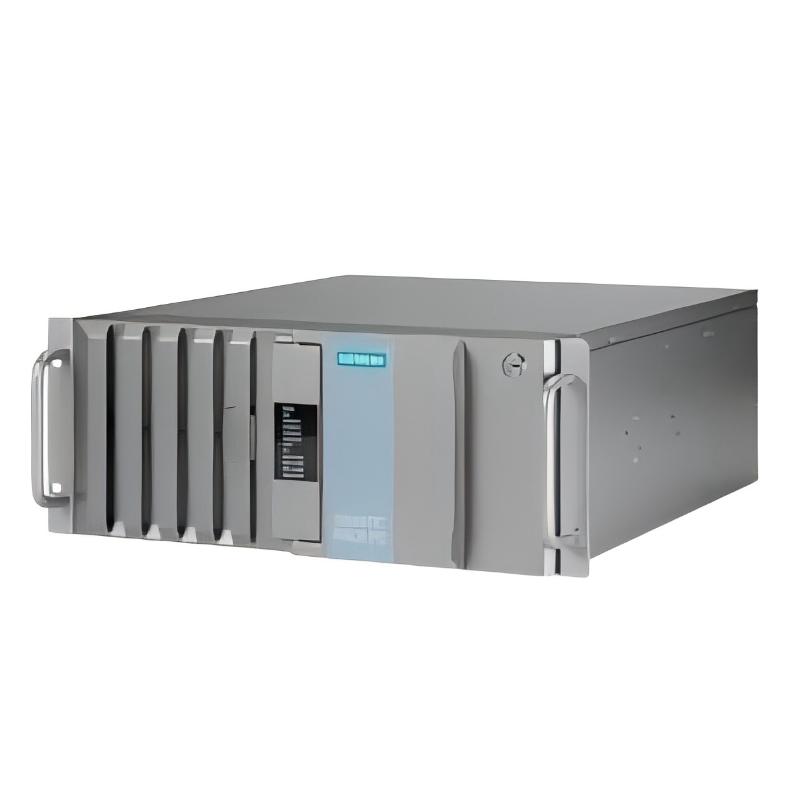
Siemens 6AG4114-3JA12-0XX2 Industrial Computer: Product Overview, Technical Parameters, Applications, Advantages, and Related Models
1. Product Introduction
The Siemens 6AG4114-3JA12-0XX2 is an industrial product identified by an order number within Siemens’ industrial automation portfolio. Before selecting it for a project, it is important to confirm its exact product family and factory configuration, because individual order-number variants can differ in processor, memory, storage, interfaces, power supply, and mechanical design.
Industrial computers are used in manufacturing environments where conventional computing tasks must be integrated with production equipment, industrial networks, and specialized software. Depending on its exact configuration, an industrial PC may support production monitoring, data collection, process visualization, machine inspection, reporting, and communication between automation equipment and higher-level information systems.
This product should not be treated as a confirmed drop-in replacement for another industrial PC solely because the model numbers are similar. The complete order number and hardware specification must match the intended application.
Configuration note: The exact processor, memory, storage, dimensions, and net weight of 6AG4114-3JA12-0XX2 cannot be reliably established from the information available in this response. Unconfirmed values are explicitly marked below instead of being presented as guaranteed specifications.
2. Brand and Product Series
| Item | Description |
|---|---|
| Brand | Siemens |
| Product family | SIMATIC / industrial automation portfolio; exact subseries requires confirmation |
| Model number | 6AG4114-3JA12-0XX2 |
| Product category | Industrial computing equipment; exact device type to be confirmed |
| Primary purpose | Industrial software execution, data processing, monitoring, and system integration, if confirmed as an industrial PC |
| Typical environment | Manufacturing facilities, industrial control rooms, equipment cabinets, and production systems, subject to the device’s ratings |
| Installation method | Depends on the actual chassis and mounting design |
| Processor | Requires confirmation |
| Installed memory | Requires confirmation |
| Storage configuration | Requires confirmation |
| Dimensions | Requires confirmation |
| Net weight | Requires confirmation |
The SIMATIC product family includes industrial PCs, programmable controllers, operator panels, and distributed I/O systems. These devices serve different roles within an automation architecture. An industrial PC provides a flexible software platform, a PLC executes control logic, an HMI provides an operator interface, and distributed I/O connects field signals to the control system.
Identifying the exact series is essential when sourcing a replacement or planning an installation. Similar order-number prefixes do not necessarily indicate the same chassis, processor generation, or expansion capabilities.
3. Detailed Technical Specifications
The model is identified as a SIMATIC IPC847E industrial rack PC in a 19-inch, 4U chassis. Its listed configuration includes an Intel Core i7-8700 processor, 16 GB of DDR4 memory, a 1 TB SATA hard disk, and three Gigabit Ethernet interfaces.
| Parameter | Technical specification |
|---|---|
| Product model | 6AG4114-3JA12-0XX2 |
| Brand | Siemens |
| Product series | SIMATIC IPC847E |
| Product type | Industrial rack PC |
| Chassis format | 19-inch rack, 4U |
| Processor | Intel Core i7-8700 |
| Processor architecture | 6 cores, 12 threads |
| Base frequency | 3.2 GHz |
| Maximum turbo frequency | Up to 4.6 GHz |
| Processor cache | 12 MB |
| Chipset | Intel C246 |
| Installed memory | 16 GB DDR4 SDRAM |
| Memory configuration | 2 × 8 GB, dual channel |
| Maximum supported memory | Up to 128 GB, subject to supported configuration |
| Primary storage | 1 × 1 TB, 3.5-inch SATA HDD |
| Graphics | Integrated Intel graphics; optional graphics-card configurations depend on the build |
| Ethernet interfaces | 3 × Gigabit Ethernet, RJ45 |
| Display interfaces | 2 × DisplayPort and 1 × DVI-D |
| Serial interfaces | 1 × COM1 RS-232; COM2 may be available depending on configuration |
| USB interfaces | 9 USB ports in total; exact port distribution should be checked against the hardware revision |
| Audio | Microphone input, line input, and line output |
| Power supply | 100/240 V AC, autoranging, 50/60 Hz |
| Power-failure buffering | Approximately 20 ms |
| Redundant power supply | Optional configuration |
| Monitoring functions | Temperature monitoring, fan monitoring, watchdog, and status indicators |
| Front protection rating | IP41 |
| Rear protection rating | IP20; confirm against the actual configuration |
| Operating system | Configuration-dependent; verify the installed license and version |
| Dimensions (W × H × D) | 430 × 177 × 444 mm |
| Weight (kg) | Approximately 17 kg |
| Installation | 19-inch rack mounting; horizontal or vertical installation options depend on the mounting arrangement |
3.1 Processor performance
The Intel Core i7-8700 processor has six physical cores and supports twelve threads. Its base frequency is 3.2 GHz, with a maximum turbo frequency of up to 4.6 GHz under suitable operating conditions.
This processor class is suitable for many industrial computing workloads, including visualization, production reporting, database clients, equipment monitoring, and applications that benefit from multiple CPU threads. Actual performance depends on the application, memory usage, storage speed, cooling conditions, and operating-system configuration.
The processor’s virtualization and management features can also be useful in environments that require remote administration or compatible virtualized workloads. However, support for a particular virtualization platform depends on its software requirements and configuration.
3.2 Memory capacity
The listed unit is configured with 16 GB of DDR4 SDRAM, arranged as two 8 GB modules in dual-channel mode.
This capacity can support many conventional industrial applications, including machine-monitoring software, operator dashboards, data collection, and standard office-style reporting tools used in production environments.
For more demanding workloads, such as large databases, machine vision, or several concurrent applications, memory requirements should be evaluated carefully. The product family supports configurations of up to 128 GB, but any upgrade must comply with the supported memory type, module arrangement, and hardware configuration.
3.3 Storage configuration
The listed configuration includes one 1 TB, 3.5-inch SATA hard disk drive.
This provides local storage for the operating system, application software, configuration files, logs, and production records. A conventional HDD can be useful when capacity is a priority, although it generally offers slower access times and greater sensitivity to mechanical shock than an SSD.
The presence of one HDD does not mean the system has storage redundancy. If the computer stores important operational data, a separate backup strategy should be established. Where supported, a compatible SSD or RAID configuration may be worth considering for improved performance or data availability.
3.4 Communication and display interfaces
Three Gigabit Ethernet interfaces provide network connectivity for compatible industrial and enterprise networks. Depending on the software architecture, separate network interfaces can be assigned to different functions, such as communication with automation equipment, access to production information systems, and engineering or maintenance access.
The two DisplayPort interfaces and one DVI-D interface provide options for connecting compatible displays. Actual multi-monitor support depends on the graphics configuration, display resolution, driver support, and application requirements.
Serial and USB interfaces can support compatible legacy devices, peripherals, diagnostic tools, and additional equipment. Before installation, verify the physical connector types and required communication protocols.
3.5 Power and operating environment
The listed power input is 100/240 V AC, 50/60 Hz, with an autoranging power supply. A redundant power supply may be available as an option for configurations designed to support it.
The system includes temperature and fan monitoring, a watchdog, and status indicators. These features can help maintenance personnel identify certain hardware or system problems, but they do not eliminate the need for regular inspection and appropriate operating conditions.
The 17 kg approximate net weight and 4U chassis height should be considered when planning the rack, mounting rails, ventilation, cable routing, and service clearance.
4. Product Description and Functional Overview
4.1 Industrial rack-mounted computer
The SIMATIC IPC847E is designed as an industrial rack PC for installations that require a full computer platform in a standardized 19-inch equipment rack.
Its 4U form factor offers space for the computing hardware, storage, power supply, and supported expansion components. This can be useful in centralized control rooms, production equipment racks, and industrial cabinets designed to accommodate rack-mounted equipment.
The chassis dimensions are 430 mm wide, 177 mm high, and 444 mm deep. Installation planning should account for the additional room required for power cables, network connections, ventilation, and maintenance access.
4.2 A platform for industrial software
Unlike a PLC, which is primarily designed to execute control logic, an industrial PC can run a wider range of compatible operating-system applications. It may serve as a host for visualization software, production databases, analysis tools, inspection applications, or engineering utilities.
This flexibility makes the computer useful in applications where several software functions must operate together. The specific software that can be installed depends on the operating system, hardware requirements, licensing, and compatibility with connected equipment.
4.3 Integration with industrial networks
The three Gigabit Ethernet interfaces provide multiple network connections for supported communication architectures.
For example, one interface may connect to a production network, another to a separate equipment network, and a third to an engineering or maintenance network. The exact network design must follow the plant’s security policies and communication requirements.
Multiple physical interfaces do not automatically provide network isolation or cybersecurity protection. Appropriate configuration, access controls, firewall rules, and network segmentation remain necessary.
4.4 Monitoring and maintenance features
Temperature monitoring, fan monitoring, watchdog functionality, and status indicators can help maintenance personnel identify certain operating conditions.
These functions are particularly useful in installations where downtime affects production. A structured maintenance plan should include inspection of cooling paths, storage health, event logs, backup status, and operating-system updates.
5. Main Applications
5.1 Factory automation and production monitoring
The IPC847E can run compatible software used to monitor production lines, collect machine data, and present operational information.
Typical functions include displaying equipment status, recording production counts, monitoring alarms, and compiling manufacturing reports. The computer can communicate with controllers and other automation devices through supported interfaces and software drivers.
5.2 SCADA and industrial visualization
Where supported by the installed operating system and software, the computer can serve as a platform for supervisory control and data acquisition applications.
It can present process values, alarm histories, trend charts, production states, and other information used by operators and engineers. The final performance depends on the visualization application, number of connected devices, update frequency, and workload.
5.3 Production databases and data logging
The computer can be used to collect and store process information, production records, machine events, and quality data.
A 1 TB HDD provides local storage capacity, although the available space will be reduced by the operating system, applications, and other files. Data-retention planning should account for logging frequency, record size, retention periods, and backup requirements.
For applications that cannot tolerate extended downtime, the storage design and recovery strategy should be assessed before deployment.
5.4 Machine vision and inspection
Industrial computers can support machine-vision applications that analyze images captured by compatible cameras. These applications may include dimensional inspection, defect detection, product identification, and automated quality reporting.
The listed Core i7 processor can support many CPU-based image-processing tasks, but suitability depends on the complexity and speed requirements of the inspection process. High-throughput applications may require additional graphics acceleration, dedicated acquisition hardware, or a different computer configuration.
5.5 Engineering and maintenance workstations
The IPC847E can serve as an engineering workstation for compatible industrial software, configuration utilities, diagnostics, and maintenance applications.
Its multiple network interfaces and expansion capabilities may be helpful in installations that connect to several equipment groups or use specialized interface cards. Compatibility must be checked for the specific software and peripheral hardware.
5.6 Industrial information systems
In a larger manufacturing architecture, an industrial PC can connect production equipment to reporting systems, manufacturing databases, or other information platforms.
This can help organizations consolidate operational information and improve visibility into machine utilization, production performance, quality trends, and maintenance requirements.
6. Product Advantages
6.1 Multiple network interfaces
Three Gigabit Ethernet ports provide flexibility when connecting the computer to different networks or equipment groups.
This can simplify some industrial network architectures and reduce the need for additional network adapters. Correct network design and configuration are still required to ensure secure and reliable communications.
6.2 Suitable computing resources for many industrial applications
The six-core, twelve-thread processor and 16 GB of installed memory provide a useful platform for many visualization, reporting, monitoring, and data-processing tasks.
The actual workload capacity should be verified through application requirements and, where necessary, performance testing. Applications with particularly high memory, graphics, or real-time processing demands may require a different configuration.
6.3 Standardized rack format
The 19-inch, 4U design allows the computer to be incorporated into compatible equipment racks and cabinets.
A standardized format can simplify mechanical planning when several devices are installed together. The rack must still provide sufficient load capacity, airflow, cable clearance, and access for maintenance.
6.4 Expansion potential
The IPC847E product family supports different expansion-board configurations. Depending on the selected chassis and motherboard arrangement, compatible expansion cards may be used for additional communications, data acquisition, or specialized application requirements.
The exact number and type of available slots must be confirmed for the particular unit. Expansion capability should not be assumed from the series name alone.
6.5 Hardware monitoring and diagnostics
Temperature and fan monitoring, watchdog functionality, and status indicators can assist with fault diagnosis and preventive maintenance.
These features may reduce the time required to identify certain hardware problems. Their effectiveness depends on correct configuration, monitoring procedures, and the availability of maintenance personnel.
6.6 Flexible storage options across the product family
The product family can support different storage configurations, depending on the selected hardware and ordering options.
For this particular model, the listed configuration uses a single 1 TB HDD. If faster access, redundancy, or higher availability is required, verify which SSD and RAID options are supported before modifying or replacing the unit.
7. Five Related Models in the SIMATIC IPC847E Series
The following models belong to the same or a closely related industrial rack-PC family. They are useful comparison candidates, but differences in processor, storage, memory, power supply, and expansion-board configuration mean that they should not automatically be considered interchangeable.
| Model | Product series | Main parameters | Dimensions (W × H × D) | Weight (kg) |
|---|---|---|---|---|
| 6AG4114-3GA12-0XX2 | SIMATIC IPC847E | Core i7-8700; 16 GB DDR4 memory; 3 × Gigabit Ethernet; 19-inch, 4U rack PC | 430 × 177 × 444 mm | Approx. 17 |
| 6AG4114-3HB12-0XX2 | SIMATIC IPC847E | Core i7-8700; 16 GB DDR4 memory; 3 × Gigabit Ethernet; industrial rack chassis | 430 × 177 × 444 mm | Approx. 17 |
| 6AG4114-3LR82-0XX2 | SIMATIC IPC847E | Xeon E-2176G configuration; 16 GB DDR4 memory; 960 GB SATA SSD; multiple expansion-slot options | 430 × 177 × 444 mm | Approx. 17 |
| 6AG4114-3GQ03-0DJ0 | SIMATIC IPC847E | Core i7-8700 configuration; 32 GB DDR4 memory; 480 GB SATA SSD in the listed configuration | 430 × 177 × 444 mm | Approx. 17 |
| 6AG4114-3JA03-4DX3 | SIMATIC IPC847E | Core i7-8700; 32 GB DDR4 memory; 1 TB SATA HDD in the listed configuration | 430 × 177 × 444 mm | Approx. 17 |
The dimensions and weights above refer to the shared IPC847E chassis class and are approximate. Confirm the exact configuration and mechanical documentation before installation or replacement.
Comparison and selection guidance
6AG4114-3GA12-0XX2
This model is a useful comparison candidate when looking for a similar Core i7-8700-based industrial rack PC. Compare its complete storage, interface, and expansion configuration with the requested model before deciding whether it is suitable.
6AG4114-3HB12-0XX2
This is another related IPC847E configuration using the Core i7-8700 processor and 16 GB of memory in the listed configuration. It may be worth considering when the objective is to retain a similar computing platform.
6AG4114-3LR82-0XX2
The listed configuration uses a Xeon E-2176G processor and a 960 GB SATA SSD. It is worth evaluating when a different processor configuration or SSD-based storage is desirable. Check the expansion-board arrangement and software compatibility before substitution.
6AG4114-3GQ03-0DJ0
This configuration has 32 GB of memory and a 480 GB SATA SSD in the listed build. The additional memory may be useful for applications that handle larger datasets or run several programs concurrently.
6AG4114-3JA03-4DX3
This model provides another IPC847E configuration with a Core i7-8700 processor and 32 GB of memory. It is a relevant candidate when comparing configurations with greater installed memory than the requested 16 GB unit.
8. Five Popular Siemens Models from Related Automation Product Families
The following products perform different functions in industrial automation. They can complement an industrial PC, but they are not direct substitutes for it.
| Model | Product family | Main technical characteristics | Dimensions (W × H × D) | Weight (kg) |
|---|---|---|---|---|
| 6ES7214-1AG40-0XB0 | SIMATIC S7-1200 | CPU 1214C PLC for machine control; integrated I/O and communication capabilities depend on the precise CPU version | Approx. 110 × 100 × 75 mm; verify exact variant | Approx. 0.4 |
| 6ES7511-1AK02-0AB0 | SIMATIC S7-1500 | CPU 1511-1 PN PLC; supports PROFINET communication and modular automation architectures | Approx. 35 × 147 × 129 mm; verify exact variant | Approx. 0.6 |
| 6AV2124-0GC01-0AX0 | SIMATIC HMI TP700 Comfort | Operator panel for machine visualization, alarms, and operator input | Approx. 214 × 158 × 61 mm; verify exact variant | Approx. 1.5 |
| 6SL3210-1KE22-6AF1 | SINAMICS G120C | Compact variable-frequency drive for motor-speed control; electrical ratings depend on the exact variant | Confirm exact variant | Confirm exact variant |
| 6ES7155-6AU01-0BN0 | SIMATIC ET 200SP | Distributed I/O interface module for connecting field-level signals to a compatible controller | Approx. 50 × 117 × 74 mm; verify exact variant | Approx. 0.2 |
The dimensions and weights in this table are preliminary reference values. They should not be used as certified mounting or shipping specifications without checking the exact product variant.
How these models complement an industrial PC
A PLC typically handles machine-control logic and process sequencing. Distributed I/O connects sensors and actuators, while an HMI panel gives operators a direct interface for viewing status and entering commands. A variable-frequency drive controls compatible motor operation.
An industrial PC can work alongside these devices to run higher-level software, collect data, store records, and provide additional visualization or analytical functions.
A well-designed system assigns each task to the equipment best suited to it. Time-critical machine control is usually handled by the appropriate controller, while software-intensive processing and production reporting may be handled by an industrial PC.
9. Installation and Maintenance Recommendations
9.1 Rack and cabinet installation
Before installing the IPC847E, confirm that the rack supports a 4U device measuring approximately 430 × 177 × 444 mm and weighing around 17 kg.
Allow sufficient room for power and network cables, airflow, and service access. If telescopic rails or another mounting accessory are used, check their load rating and compatibility with the actual chassis.
9.2 Cooling and ventilation
The cooling arrangement should be maintained according to the equipment’s operating requirements. Dust accumulation, blocked ventilation openings, or failed fans can cause excessive temperatures and unexpected shutdowns.
A preventive maintenance plan should include checking ventilation, monitoring temperature warnings, and inspecting fan operation.
9.3 Storage and backup
The listed configuration contains one 1 TB HDD. Important production data should be backed up to a separate, appropriately protected location.
If the computer is used for data logging or production databases, establish a retention policy and periodically test data restoration. A larger drive alone does not guarantee data protection.
9.4 Operating system and software compatibility
Verify the installed operating system, software licenses, application versions, device drivers, and security requirements before upgrading or replacing the unit.
A newer computer may not run older automation software without additional configuration. Conversely, an older operating system may no longer receive the security updates required by current company policies.
9.5 Network security
Where the computer connects to production networks, apply appropriate access controls and security policies. Separate network interfaces should be configured according to the approved network design rather than assumed to provide automatic isolation.
Remote access should be restricted to authorized users, and important configuration files should be backed up.
9.6 Replacement planning
When replacing the computer, record the original order number, processor, memory, storage configuration, expansion cards, network settings, operating system, software licenses, and mounting arrangement.
These records make it easier to choose a compatible replacement and restore the application environment with fewer interruptions.
10. Final Assessment
The Siemens 6AG4114-3JA12-0XX2 is a SIMATIC IPC847E industrial rack PC in a 19-inch, 4U chassis. Its listed configuration includes an Intel Core i7-8700 processor, 16 GB DDR4 memory, a 1 TB SATA HDD, three Gigabit Ethernet ports, two DisplayPort outputs, and one DVI-D output. The chassis measures approximately 430 × 177 × 444 mm and weighs approximately 17 kg.
Its principal strengths are its industrial rack format, multi-interface connectivity, useful computing resources for many automation applications, and the expansion possibilities available within the IPC847E family.
It can be considered for compatible industrial visualization, production data collection, monitoring, reporting, and other software-driven manufacturing tasks. More demanding applications should be assessed against their CPU, memory, storage, graphics, and interface requirements.
For a replacement project, the most relevant comparison candidates are the related IPC847E models listed above. However, final selection should be based on the complete hardware configuration, software compatibility, power requirements, dimensions, and expansion layout—not the model prefix alone.