

ProductPRODUCT
Featured products
Contact Us
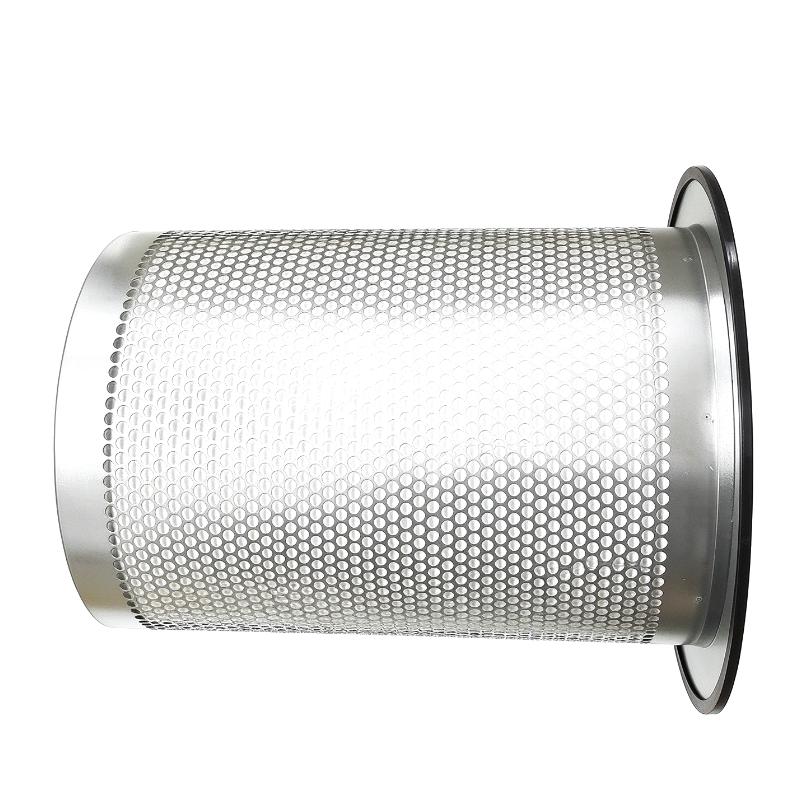
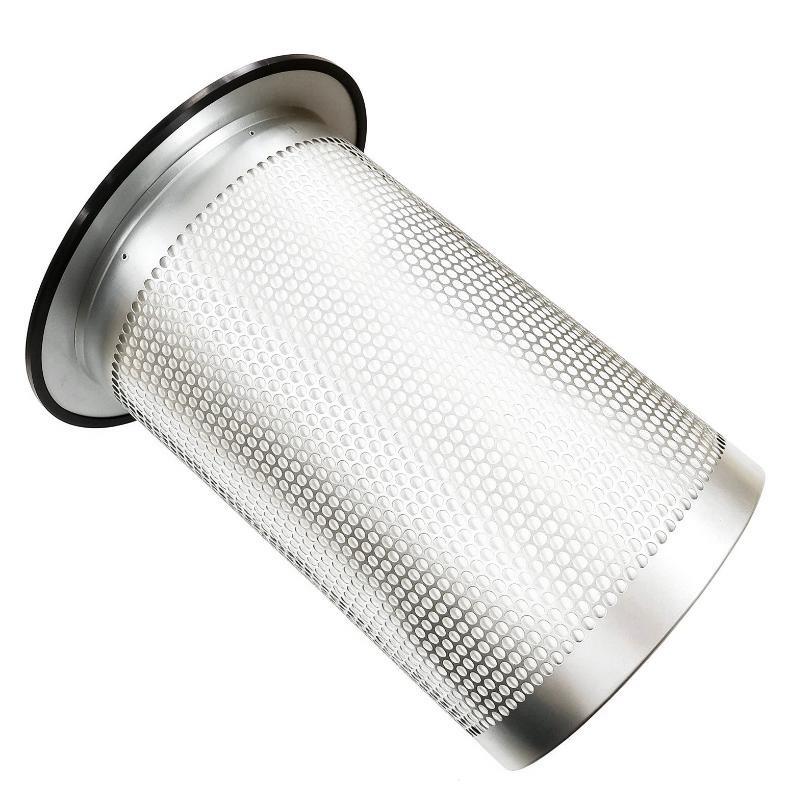
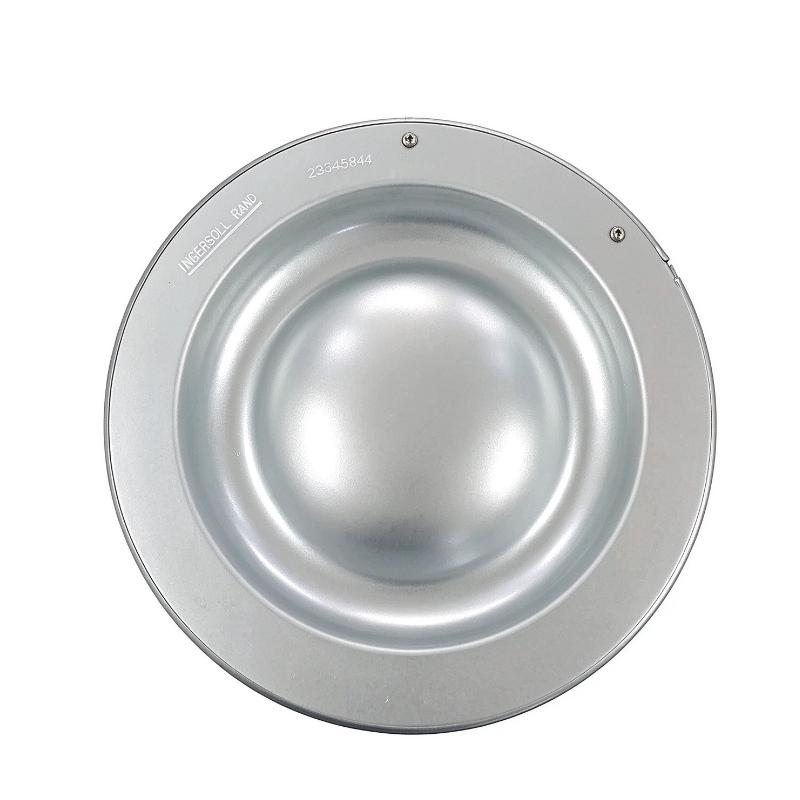
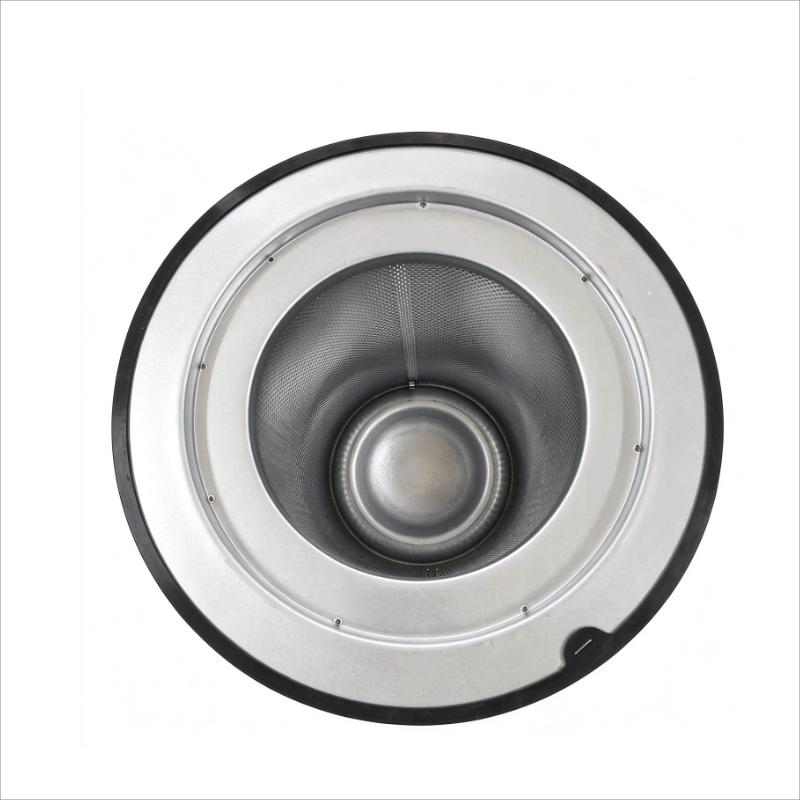
- Ingersoll Rand
- 47572169001 23545841
- Air-Oil Separator
- USA
- 375 mm
- 7.5 kg
- Xiamen, China
- New & In Stock
- T/T, PayPal, Western Union
- 1 Year
- 1-3 Working Days
- DHL, UPS, TNT, FedEx and EMS.
- 24-Hour Service
- COO
- 4
Our advantage

Global Logistics
We have a 10-year logistics and express cooperation agreement, so our products can be shipped to any place in the world.

Brand new and original
Our products are imported in bulk from the place of origin. Because of the cooperative relationship, our products are all original and 100% new.

24-hour service
We provide 7*24 hours service to our customers. We will be there whenever you need us.

Price advantage
All our products are priced very favorably because we have our own warehouse and supply.
| Company Information | |||
| [email protected] | |||
| Mobile | +8615980777398 | ||
| +8615980777398 | |||
| 15980777398 |
1. Product Overview
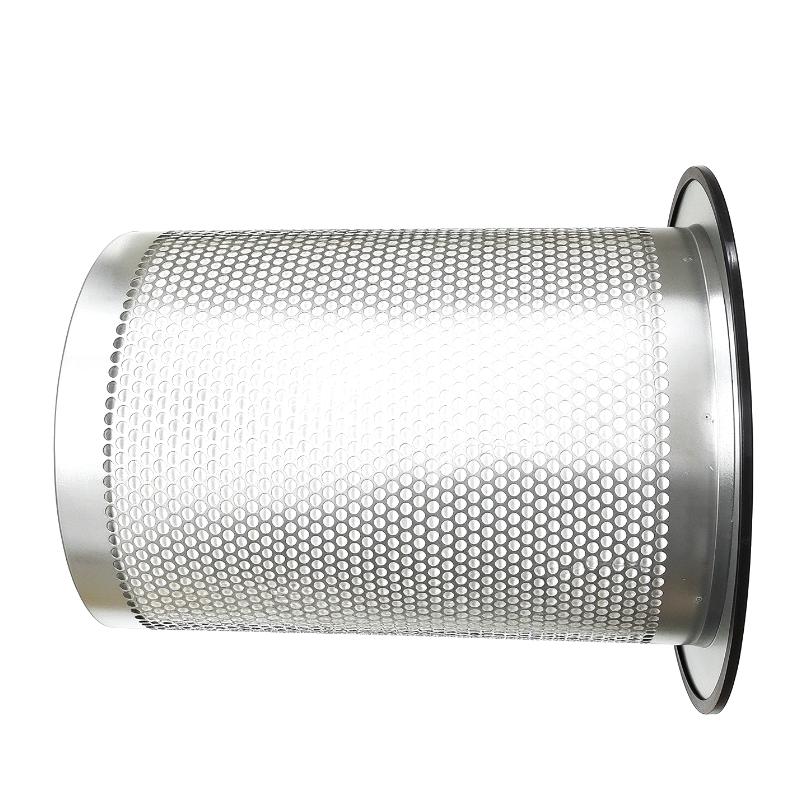
The Ingersoll Rand 47572169001 / 23545841 Air-Oil Separator is a compressor separation component designed for compatible industrial compressed-air systems. Its primary function is to separate oil droplets and aerosols from compressed air in oil-injected compressor applications, helping reduce oil carryover and support the delivery of cleaner compressed air to downstream equipment.
In an oil-injected rotary screw air compressor, lubricant is introduced into the compression process to support functions such as lubrication, cooling, and sealing. As the air and oil mixture leaves the compression stage, the oil must be separated from the compressed air before the air continues through the cooling and delivery system. The air-oil separator performs this important separation function.
During operation, fine oil droplets are carried in the compressed-air stream. A suitable separator element helps capture and coalesce these droplets so that the separated oil can drain back into the compressor’s oil circuit, where the system design permits. This process helps control oil consumption, reduce downstream contamination, and support the reliable operation of compressed-air equipment.
The Ingersoll Rand 23545841 part number is associated with an air-oil separator element. The product information provided for this listing specifies a diameter of 375 mm and a weight of 7.5 kg. These values can support initial product identification, warehouse handling, and procurement planning. However, the exact dimensional reference, separator configuration, and equipment fitment should be verified before ordering.
The numbers 47572169001 and 23545841 should also be checked against the applicable parts documentation to confirm their relationship for the intended compressor. Because separator elements can vary in height, internal diameter, sealing arrangement, and operating characteristics, diameter alone is not sufficient to establish compatibility.
For maintenance teams, industrial distributors, and compressed-air system operators, selecting the correct separator is an important part of preventive maintenance. A properly matched and maintained separator helps support compressor performance, manage oil carryover, and protect downstream air-treatment equipment.
2. Technical Specifications
| Parameter | Specification |
|---|---|
| Brand | Ingersoll Rand |
| Product Name | Air-Oil Separator |
| Main Part Number | 47572169001 |
| Additional Part Number | 23545841 |
| Product Category | Industrial Air Compressor Separator Element |
| Diameter | 375 mm |
| Weight | 7.5 kg |
| Primary Function | Separation of oil from compressed air |
| Typical Application | Compatible oil-injected industrial air compressors |
| Installation Location | Separator vessel or oil separation assembly, depending on compressor design |
| Separation Principle | Oil droplet capture and coalescence, depending on element construction |
| Filter Media | Confirm from the applicable technical specification |
| Operating Pressure | Confirm for the target compressor |
| Oil Carryover Performance | Confirm from the applicable technical specification |
| Service Life | Follow the compressor manufacturer’s maintenance schedule |
| Equipment Compatibility | Verify using the compressor model, serial number, and parts documentation |
The table reflects the product information provided and identifies technical details that require confirmation. The specified diameter of 375 mm should be checked against the manufacturer’s dimensional drawing to determine exactly which part of the separator it describes.
The listed weight is 7.5 kg. Before arranging international transportation, confirm whether this figure represents the net product weight or the packaged shipping weight.
Additional specifications such as overall height, inner diameter, connection arrangement, filtration media, pressure limits, and permissible oil carryover should be confirmed before the element is selected for a specific compressor.
3. Function and Working Principle
3.1 Separating Oil from Compressed Air
In an oil-injected compressor, the compression process produces a mixture of compressed air and lubricant. Before the compressed air enters the downstream system, much of the entrained oil must be removed.
The air-oil separator provides a separation stage in which the mixed flow passes through or around the separator element according to the compressor’s design. Fine oil droplets encounter the separator medium, where they can collect and combine into larger droplets. This process is commonly known as coalescence.
As the droplets become larger, they can drain toward the designated oil collection area. The separated oil may then return to the compressor’s lubrication circuit through a return arrangement designed for the specific machine.
The exact flow path depends on the separator vessel and compressor configuration. The replacement element must therefore match the intended installation rather than being selected by appearance alone.
3.2 Reducing Oil Carryover
Oil carryover refers to lubricant that remains entrained in the compressed air after the separation stage. Excessive carryover can increase oil consumption and introduce lubricant into downstream pipework, air receivers, filters, dryers, and pneumatic equipment.
A correctly specified separator helps reduce this carryover by capturing oil aerosols while allowing compressed air to continue through the intended flow path. Its actual performance depends on the separator media, construction, operating conditions, and compatibility with the compressor.
Oil carryover can also be affected by other factors, including incorrect oil level, unsuitable lubricant, damaged seals, a blocked oil-return line, or operating conditions outside the intended range. Replacing the separator may be necessary, but persistent carryover should be investigated systematically.
3.3 Maintaining Suitable Airflow
The separator must remove oil while allowing the required volume of compressed air to pass through the system. As contaminants accumulate or the element reaches the end of its service life, resistance to airflow may increase.
Excessive pressure drop across the separator can affect compressor efficiency and operating conditions. The separator should therefore be maintained according to the manufacturer’s service schedule and any specified pressure-differential monitoring procedure.
A suitable replacement element should meet the compressor’s required flow capacity and pressure conditions. A physically similar element may not provide equivalent performance if its internal construction or media characteristics differ.
3.4 Returning Separated Oil to the Lubrication Circuit
Many oil-injected compressor systems are designed to recover separated oil and return it to the lubrication circuit. The separator assembly may work with a dedicated oil-return line or another mechanism defined by the equipment design.
If the return line becomes blocked, damaged, or incorrectly installed, oil may not return as intended. This can contribute to abnormal oil consumption or oil carryover even when the separator element itself is in acceptable condition.
During separator replacement, maintenance personnel should inspect associated oil-return components where the manufacturer’s service procedure requires it.
4. Role in Industrial Compressed-Air Systems
4.1 Improving Compressed-Air Quality
Oil contamination in compressed air can affect pneumatic equipment and downstream air-treatment components. By reducing oil carryover at the compressor, a suitable separator helps support cleaner compressed air and more predictable downstream maintenance.
The separator is only one stage of the overall compressed-air treatment process. Applications requiring specific oil-content or air-purity levels may need additional filtration, drying, monitoring, or treatment equipment.
4.2 Supporting Compressor Efficiency
A separator operating with excessive restriction may increase the pressure drop through the compressor system. Maintaining the element in suitable condition helps support the operating conditions intended by the compressor design.
The separator’s condition is not the only factor affecting energy consumption. System pressure, air demand, leakage, compressor loading, cooling performance, and maintenance condition also influence overall efficiency. Nevertheless, correct separator selection and timely replacement are important maintenance considerations.
4.3 Managing Lubricant Consumption
Oil carried out with the compressed air represents lubricant that is no longer available for normal circulation within the compressor. Excessive carryover can increase the frequency of oil top-ups and may contribute to contamination in downstream equipment.
A suitable separator helps retain and recover oil according to the intended system design. If lubricant consumption remains abnormal after replacement, the maintenance team should inspect oil level, operating conditions, seals, oil-return components, and other possible causes.
4.4 Protecting Downstream Equipment
Oil contamination can accumulate in compressed-air piping, air receivers, dryers, filters, and pneumatic devices. Excessive contamination may increase cleaning and maintenance requirements and can affect applications with stricter air-quality demands.
The air-oil separator helps reduce the oil entering the downstream air system. It should be maintained alongside the compressor’s other filtration and air-treatment components to support the complete compressed-air installation.
5. Industrial Applications
The Ingersoll Rand 47572169001 / 23545841 Air-Oil Separator may be considered for compatible compressor installations where the relevant part reference is specified. The following examples describe common industrial applications of air-oil separator elements, not guaranteed fitment for every compressor in each sector.
5.1 Manufacturing Plants
Manufacturing facilities use compressed air for pneumatic actuators, assembly equipment, automated production lines, and general industrial tools. Reliable compressed-air supply is important for maintaining production schedules and reducing unplanned interruptions.
An appropriately maintained separator helps control oil carryover and supports the operation of downstream pneumatic systems.
5.2 Automotive and Engineering Industries
Automotive plants and engineering workshops rely on compressed air for pneumatic tools, component handling, assembly operations, and other production activities. Oil contamination in the air supply can increase maintenance requirements and affect certain pneumatic devices.
Regular separator inspection and replacement help maintain the intended performance of the compressor’s oil separation system.
5.3 Centralized Compressor Stations
Large industrial sites may operate centralized compressor rooms supplying multiple production areas. These installations require coordinated maintenance because a compressor problem can affect several downstream processes.
Keeping verified separator elements in stock helps maintenance teams plan service work and reduce delays caused by uncertain part identification.
5.4 Packaging and Material Handling
Compressed air is widely used for pneumatic movement, valve operation, packaging machinery, and material handling systems. Oil carryover can affect equipment condition and contribute to contamination in the compressed-air network.
A suitable air-oil separator is one element of an overall maintenance program intended to support consistent air supply and reduce unnecessary service work.
5.5 Industrial Utilities and Plant Support
Compressed air may serve as a general utility in facilities that operate multiple machines and production systems. In these environments, routine compressor maintenance helps preserve system availability and reduce the risk of contamination-related problems.
Correct part identification and maintenance records are particularly valuable when several compressor models are installed at the same site.
6. Installation and System Integration
Air-oil separator replacement should be performed by personnel familiar with the compressor’s service procedure. The following guidance is general and must be adapted to the specific equipment.
6.1 Verify the Part Number and Dimensions
Before ordering or installing the separator, confirm the part number against the compressor’s parts documentation. Verify whether 47572169001 and 23545841 refer to the same intended element or represent related ordering references.
Check the diameter of 375 mm against the applicable drawing. Also verify the overall height, inner diameter, mounting arrangement, sealing surfaces, and any other dimensions required by the separator housing.
Do not assume that two separator elements are interchangeable simply because their external diameters are similar.
6.2 Shut Down and Isolate the Compressor
Stop the compressor and follow the manufacturer’s shutdown and isolation procedure. Allow the equipment to reach a safe condition before opening the separator vessel or related components.
The separator assembly may contain hot oil and compressed air under pressure. Isolate the equipment, relieve stored pressure as instructed, and allow components to cool before maintenance begins.
Follow site lockout/tagout requirements and use appropriate personal protective equipment. Never open a pressurized separator vessel or loosen its connections while the system remains under pressure.
6.3 Remove the Used Separator Element
Remove the existing element according to the manufacturer’s service instructions. Use the recommended tools and avoid damaging the separator vessel, mounting surfaces, connections, or retaining hardware.
Handle the used element carefully because it may contain oil and accumulated contaminants. Dispose of the element and any collected lubricant according to site procedures and applicable environmental requirements.
6.4 Inspect the Separator Vessel and Seals
Before installing the replacement, inspect the vessel and relevant sealing surfaces. Look for damage, corrosion, deposits, deteriorated seals, and signs of leakage.
Clean the required surfaces using an approved method that prevents debris from entering the system. Replace damaged sealing components with the correct specified parts.
The vessel, mounting arrangement, and associated components must be in suitable condition for the replacement element to operate correctly.
6.5 Install the New Separator
Install the replacement element according to the equipment manufacturer’s instructions. Confirm that the element is correctly positioned and that the sealing surfaces engage as designed.
Use the specified fasteners, tightening sequence, and torque values where applicable. Do not invent tightening values or modify the element to make it fit.
If the replacement does not seat correctly, stop the installation and recheck the part number, dimensions, and separator configuration.
6.6 Inspect Associated Components
Where specified by the service procedure, inspect the oil-return line, related fittings, seals, and other components associated with the separator assembly. A restriction or fault in the return arrangement may contribute to abnormal oil carryover.
Check that all connections are restored correctly and that no foreign material remains in the assembly.
6.7 Restart and Check Operation
Complete the required reassembly and follow the manufacturer’s startup procedure. Observe the compressor for oil leakage, abnormal pressure readings, alarms, or other signs of a problem.
Where the compressor provides separator differential-pressure monitoring or other relevant indicators, verify that readings are within the specified operating range.
If abnormal oil carryover, pressure drop, or leakage persists, investigate the system according to the equipment troubleshooting procedure instead of assuming that the new separator is defective.
7. Maintenance and Replacement Recommendations
The service life of an air-oil separator depends on the compressor model, operating hours, lubricant condition, ambient environment, load profile, and maintenance practices.
A fixed replacement interval should not be assumed for this specific product without the applicable compressor documentation. Follow the manufacturer’s recommended schedule and any approved condition-monitoring instructions.
Recommended maintenance practices include:
- Follow the separator replacement interval specified for the compressor.
- Monitor available differential-pressure indicators and relevant operating alarms.
- Investigate abnormal oil carryover or lubricant consumption.
- Inspect the separator vessel and sealing surfaces during replacement.
- Check associated oil-return components where required by the service procedure.
- Use the specified lubricant and maintain the correct oil level.
- Avoid reusing a disposable separator element unless the manufacturer expressly permits it.
- Store replacement elements in clean, dry conditions and keep them protected until installation.
- Record the installed part number, service date, compressor identification, and maintenance findings.
If a separator becomes restricted earlier than expected, examine the operating conditions and possible causes rather than automatically shortening every replacement interval. Contamination, unsuitable lubricant, excessive temperature, incorrect oil level, and other system issues may need investigation.
8. Compatible System Components
An air-oil separator works as part of a larger compressor assembly. The following components may be relevant when planning maintenance, but their presence and compatibility depend on the particular compressor design.
| Component | Function | Integration Consideration |
|---|---|---|
| Separator Vessel or Tank | Houses the separator element in applicable designs | Confirm the correct element dimensions and mounting arrangement |
| Compressor Lubricant | Supports lubrication, cooling, and sealing functions as designed | Use the lubricant specified for the compressor |
| Oil Return Line | Returns separated oil to the intended circuit where fitted | Inspect for blockage, damage, and incorrect routing |
| Oil Filter Element | Removes specified contaminants from circulating lubricant | Verify its part number independently |
| Air Intake Filter | Helps limit particulate entry into the compressor | Maintain according to the equipment service schedule |
| Separator Seals and Gaskets | Help maintain sealing and prevent bypass or leakage | Use the correct specified sealing components |
| Aftercooler | Cools compressed air downstream of the compression stage where fitted | Inspect according to the compressor maintenance procedure |
| Downstream Air Filters | Provide additional compressed-air treatment | Select according to the required air-quality level |
| Differential-Pressure Monitoring | Indicates separator restriction where fitted | Follow the manufacturer’s specified inspection criteria |
| Maintenance Records | Track service dates and replacement history | Record the equipment identity and installed part number |
These components should not be treated as a bundled replacement kit unless the supplier or equipment documentation confirms that arrangement. Verify each component’s part number and maintenance requirements independently.
9. Alternative Models and Replacement Selection
The following references may be encountered when researching replacement options for Ingersoll Rand 23545841. They are comparison candidates, not a guarantee of direct interchangeability across every compressor configuration.
| Reference | Description | Selection Consideration |
|---|---|---|
| Ingersoll Rand 23545841 | Air-oil separator element | Confirm fitment against the compressor model and serial number |
| Ingersoll Rand 47572169001 | Additional product reference supplied for this listing | Verify its relationship to 23545841 |
| HIFI FILTER OS578 | Air-oil separator cross-reference candidate | Confirm full dimensions and application |
| KELTEC KV1000-066 | Separator replacement reference found in cross-reference listings | Obtain application-specific confirmation |
| OCP OS1000-066 | Separator replacement reference found in cross-reference listings | Verify mounting, performance, and fitment |
| OXFIL SP2585 | Separator cross-reference candidate | Check the complete technical specification |
Cross-reference information may vary by equipment generation, compressor model, and supplier catalog. The presence of a part number in a cross-reference list does not, by itself, prove that the element is a suitable replacement for the exact equipment being serviced.
Before approving an alternative, compare:
- Overall height, outer diameter, inner diameter, and mounting dimensions.
- Separator media and documented oil carryover performance.
- Required airflow and operating pressure.
- Sealing arrangement and compatibility with the separator vessel.
- Any specified pressure-drop or differential-pressure limits.
- Compatibility with the compressor model and serial number.
- Supplier documentation confirming the replacement application.
For critical industrial equipment, the approved parts list or written confirmation from a qualified supplier should take priority over a generic cross-reference.
10. Key Advantages of Correct Separator Selection
Reduced Oil Carryover
A suitable air-oil separator helps capture oil aerosols from compressed air, supporting lower oil carryover under the specified operating conditions.
Support for Downstream Equipment
Reducing oil contamination helps support the condition of downstream air-treatment equipment and pneumatic systems. The overall air-quality result still depends on the complete compressed-air treatment arrangement.
Support for Compressor Efficiency
Maintaining a separator in suitable condition helps control unnecessary pressure drop and supports the operating conditions intended by the compressor design.
Improved Lubricant Management
Effective separation helps recover oil through the intended system arrangement, supporting lubricant management and helping reduce avoidable oil loss.
More Predictable Maintenance
Correct part identification and scheduled replacement allow maintenance teams to plan service work, maintain records, and reduce uncertainty during procurement.
Better Spare-Parts Control
Recording the applicable part number and equipment identity helps reduce confusion between similar-looking elements and supports more reliable international spare-parts purchasing.
11. Technical Frequently Asked Questions
Q1. What is the Ingersoll Rand 47572169001 / 23545841 Air-Oil Separator?
It is identified as an air-oil separator element for compatible industrial compressor equipment. Its function is to help separate oil from compressed air in applicable oil-injected compressor systems.
Q2. What is the specified diameter?
The supplied product information lists a diameter of 375 mm. Confirm which diameter is being measured and verify the remaining dimensions against the equipment drawing before ordering.
Q3. What is the product weight?
The supplied weight is 7.5 kg. Confirm whether this is the net element weight or the packaged shipping weight when calculating freight and handling requirements.
Q4. Are 47572169001 and 23545841 interchangeable references?
They are presented together in the product information for this listing. Their exact relationship should be confirmed against the relevant parts documentation or supplier confirmation before procurement.
Q5. What does an air-oil separator do?
It helps remove oil droplets and aerosols from compressed air. In applicable systems, the separated oil drains back into the intended oil circuit while the compressed air continues downstream.
Q6. How often should the separator be replaced?
The replacement interval depends on the compressor model, operating conditions, and manufacturer maintenance requirements. Follow the specified service schedule and any approved condition-monitoring guidance.
Q7. What are common signs of separator problems?
Possible indications include increased oil carryover, abnormal separator pressure drop, unusual lubricant consumption, or related compressor alarms. These symptoms can also result from other system problems, so diagnosis should follow the equipment manufacturer’s troubleshooting procedure.
Q8. Can a separator with a similar diameter be used as a replacement?
Not on diameter alone. The replacement must also match the required height, inner diameter, sealing arrangement, airflow, pressure conditions, and oil separation performance.
Q9. Can another manufacturer’s separator replace this product?
An alternative may be suitable if documented cross-reference information and technical specifications confirm compatibility with the target compressor. Verify the exact model and serial number before using an aftermarket replacement.
Q10. Does replacing the separator solve every oil carryover problem?
No. Oil carryover may also be caused by incorrect oil level, a blocked oil-return line, unsuitable lubricant, damaged seals, or operating conditions outside the intended range. Investigate these possibilities if the problem continues after replacement.
Q11. Should other compressor filters be replaced at the same time?
That depends on the maintenance schedule and the condition of the other filters. Follow the compressor manufacturer’s service recommendations and verify each required part number independently.
Q12. What information should be provided when ordering?
Provide the complete part number, compressor model, serial number, specified diameter, and any available dimensional drawing. If 47572169001 and 23545841 appear as separate identifiers, ask the supplier to confirm their relationship for the intended equipment.
12. Procurement and Spare-Parts Management
When purchasing the Ingersoll Rand 47572169001 / 23545841 Air-Oil Separator, accurate part identification is essential. Industrial compressors may use different separator configurations even when the equipment belongs to the same product family.
Before confirming an order, buyers should:
- Verify the part number against the compressor parts list.
- Confirm the relationship between 47572169001 and 23545841.
- Provide the compressor model and serial number.
- Verify the specified diameter of 375 mm and the complete dimensional drawing.
- Confirm the stated weight of 7.5 kg and clarify whether packaging adds weight.
- Request technical details for oil carryover, pressure drop, and media construction when needed.
- Confirm whether the supplied product is an OEM component or an aftermarket replacement.
- Check the product label and packaging before installation.
- Maintain records linking the installed separator to the relevant equipment.
For international procurement, accurate part references and complete shipping information help reduce the risk of incorrect deliveries, simplify warehouse receiving, and support future maintenance planning.
13. Conclusion
The Ingersoll Rand 47572169001 / 23545841 Air-Oil Separator is identified as an industrial compressor separation element intended to help remove oil from compressed air in compatible systems. The supplied product information specifies a diameter of 375 mm and a weight of 7.5 kg.
By helping reduce oil carryover, the separator supports compressed-air quality, lubricant management, and the protection of downstream equipment. Correct selection and scheduled replacement are important elements of a comprehensive compressor maintenance program.
Before purchasing or installing this product, confirm the relationship between the part numbers, the compressor model and serial number, the complete dimensions, and the applicable operating specifications. Matching the separator to the exact equipment and following the manufacturer’s service procedure helps support reliable operation and effective spare-parts management.