

ProductPRODUCT
Featured products
Contact Us
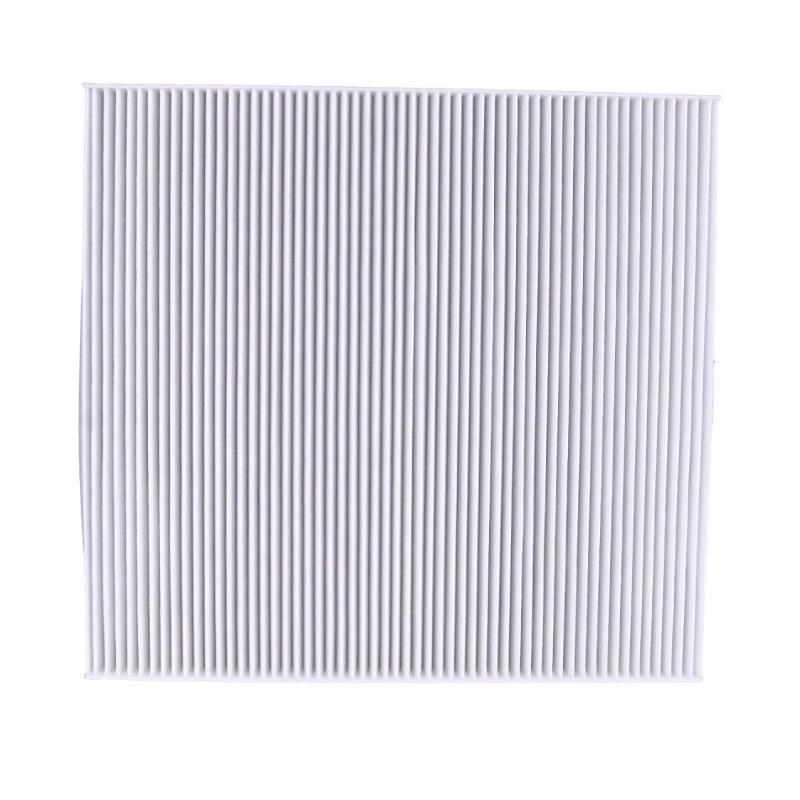
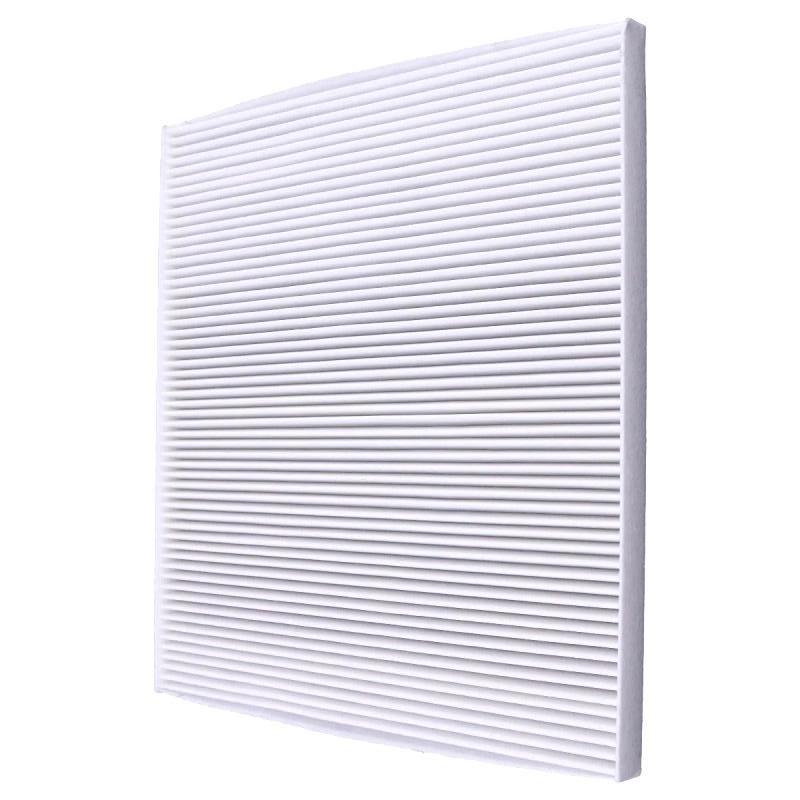
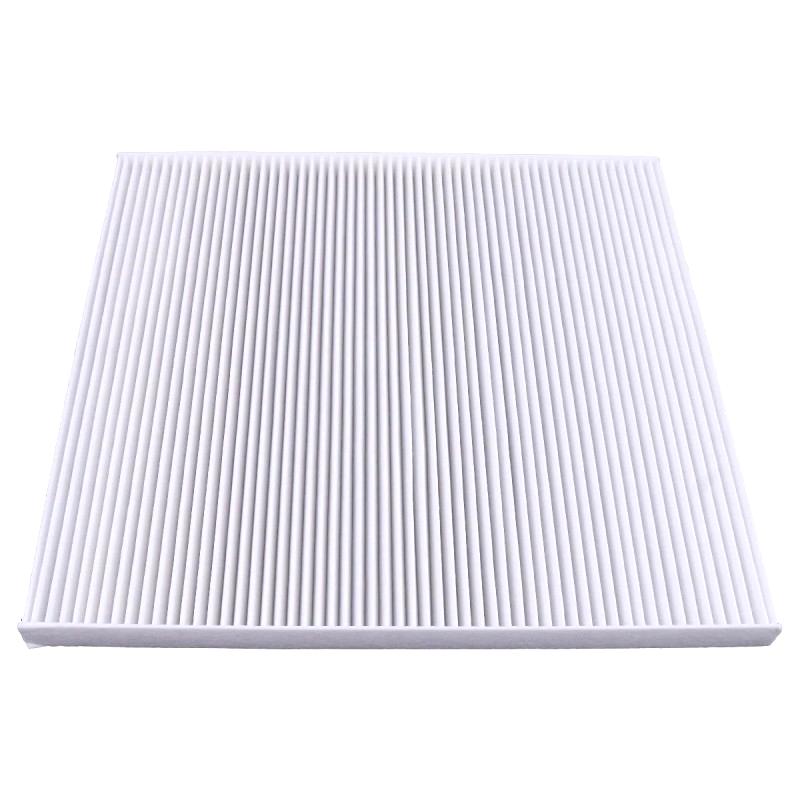
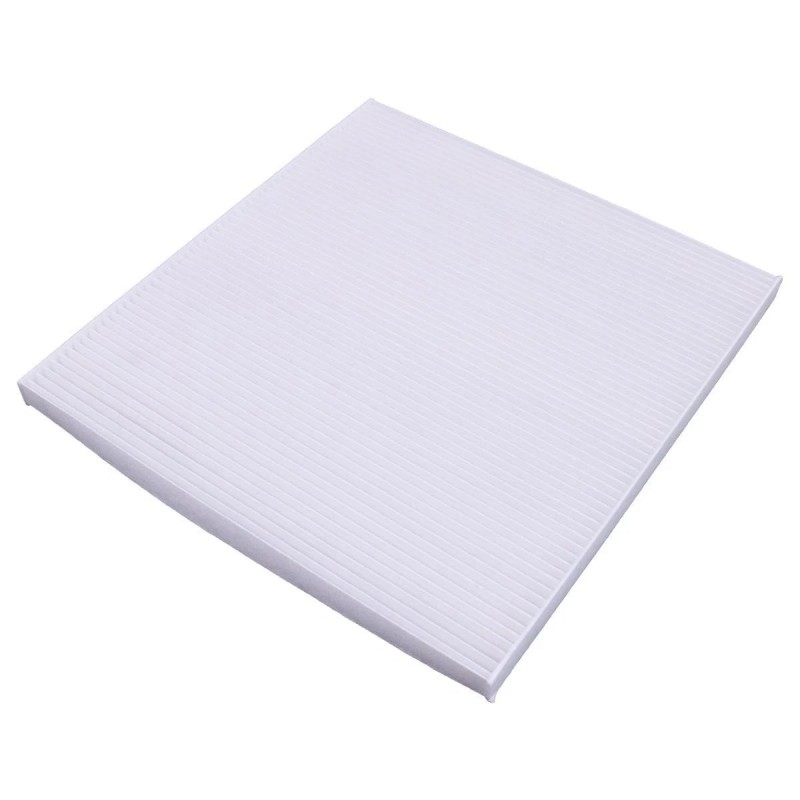
- Ingersoll Rand
- 47572173001 23564446
- Filter Pad
- USA
- 279 × 268 × 17 mm
- 0.1 kg
- Xiamen, China
- New & In Stock
- T/T, PayPal, Western Union
- 1 Year
- 1-3 Working Days
- DHL, UPS, TNT, FedEx and EMS.
- 24-Hour Service
- COO
- 4
Our advantage

Global Logistics
We have a 10-year logistics and express cooperation agreement, so our products can be shipped to any place in the world.

Brand new and original
Our products are imported in bulk from the place of origin. Because of the cooperative relationship, our products are all original and 100% new.

24-hour service
We provide 7*24 hours service to our customers. We will be there whenever you need us.

Price advantage
All our products are priced very favorably because we have our own warehouse and supply.
| Company Information | |||
| [email protected] | |||
| Mobile | +8615980777398 | ||
| +8615980777398 | |||
| 15980777398 |
1. Product Overview
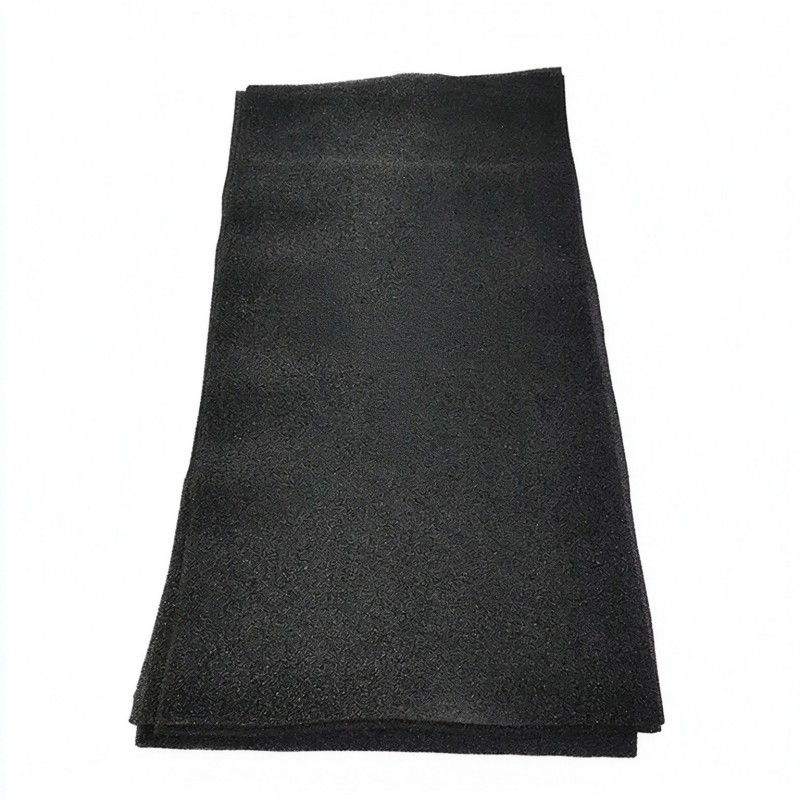
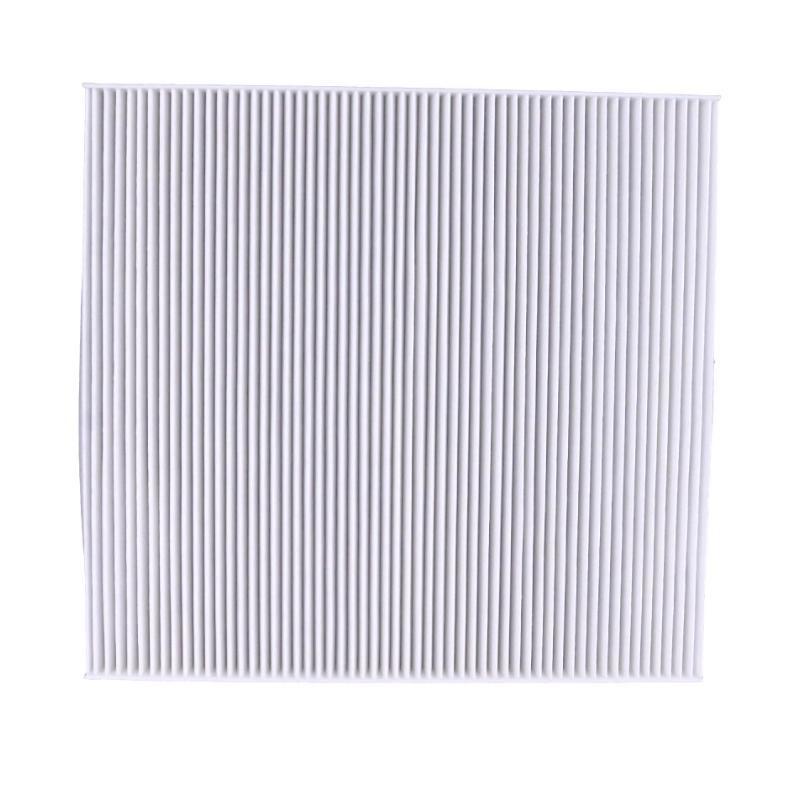
The Ingersoll Rand 47572173001 / 23564446 Filter Pad is an industrial filtration component intended for use in compatible equipment where air cleanliness, contaminant control, and reliable equipment operation are important. Filter pads are commonly used to capture airborne particles and help prevent dust and other contaminants from entering sensitive equipment or circulating through ventilation and air-handling paths.
In industrial environments, filtration components contribute to equipment protection and maintenance planning. Dust accumulation can restrict airflow, contaminate internal surfaces, and increase the maintenance requirements of machinery. Selecting the correct filter pad helps maintain the intended filtration arrangement and supports consistent equipment operation.
The Ingersoll Rand 47572173001 / 23564446 is identified by the supplied product information as a Filter Pad. Its listed dimensions are 279 × 268 × 17 mm, and its weight is 0.1 kg. These specifications are useful when identifying the component, checking physical fit, planning replacement work, and managing spare parts.
When purchasing a replacement filter pad, buyers should confirm the complete part number and the equipment model for which the component is intended. Filter pads that look similar may differ in thickness, material, filtration characteristics, airflow resistance, or mounting configuration. A matching external shape alone does not establish compatibility.
This product is relevant to industrial maintenance teams, equipment service providers, and procurement departments seeking to identify and replace a specified Ingersoll Rand filtration component. Before installation, the applicable equipment documentation should be checked to confirm the intended position, replacement interval, and maintenance procedure.
2. Technical Specifications
| Parameter | Specification |
|---|---|
| Brand | Ingersoll Rand |
| Part Number | 47572173001 |
| Additional Part Number | 23564446 |
| Product Name | Filter Pad |
| Product Category | Industrial filtration component |
| Dimensions | 279 × 268 × 17 mm |
| Weight | 0.1 kg |
| Main Function | Filtration of airborne particles in compatible equipment |
| Filter Material | Requires model-specific verification |
| Filtration Efficiency | Not provided; confirm from product documentation |
| Airflow Capacity | Not provided; confirm from product documentation |
| Pressure Drop | Not provided; confirm from product documentation |
| Compatible Equipment | Verify using the applicable equipment model and parts documentation |
| Installation Position | Confirm from the equipment maintenance manual |
| Replacement Interval | Depends on equipment requirements and operating conditions |
| Operating Conditions | Verify from the applicable product documentation |
| Product Condition | Confirm whether new, unused, or otherwise supplied |
Specification note: The dimensions and weight above are based on the supplied product details. Filter material, filtration efficiency, airflow rating, pressure drop, and equipment compatibility have not been assumed.
3. Function and Working Principle
3.1 Particle Filtration
A filter pad is designed to allow air to pass through a filtration medium while capturing some of the particles carried by the airflow. The specific particles captured and the overall filtration performance depend on the material structure, thickness, design, and rated filtration characteristics of the filter.
In industrial equipment, airborne contaminants may include dust, fibers, and other particles generated by the surrounding environment or nearby processes. A correctly specified filter pad helps control the movement of these contaminants through the equipment’s airflow path.
The exact filtration performance of the Ingersoll Rand 47572173001 / 23564446 should be confirmed using its applicable technical documentation. The product name and physical dimensions alone do not establish a particular efficiency class or particle-size rating.
3.2 Airflow Management
Filtration components must balance particle capture with airflow requirements. As contaminants accumulate, the resistance to airflow can increase. Depending on the equipment design, excessive restriction may reduce ventilation performance or affect the thermal conditions inside the machine.
A filter pad should therefore be selected according to the original equipment requirements. Installing a pad with an unsuitable material or thickness may alter airflow resistance even if the component can physically fit into the filter housing.
The listed thickness of 17 mm is useful for identification, but the correct material, density, and airflow characteristics must also be verified where these specifications are relevant.
3.3 Equipment Protection
Dust and other airborne particles can accumulate on internal components, ventilation surfaces, and heat-dissipation areas. Depending on the equipment design and operating environment, contamination may increase cleaning requirements and contribute to reduced operating reliability.
A properly selected filter pad helps limit the entry or circulation of contaminants along the intended airflow path. It should be regarded as one part of an overall maintenance strategy that may also include periodic inspections, cleaning, and replacement of other service components.
3.4 Routine Replacement
Filter pads are consumable or serviceable components in many industrial filtration arrangements. Their condition can change with operating hours, ambient contamination, humidity, and airflow conditions.
A replacement decision should be based on the equipment manufacturer’s maintenance instructions and the actual condition of the installed filter. A pad that is visibly contaminated, damaged, deformed, or no longer seated correctly may require inspection or replacement according to the applicable procedure.
4. Role in Industrial Equipment Maintenance
4.1 Maintaining Airflow Quality
Industrial equipment often operates in environments where airborne dust and debris are unavoidable. Filtration components help manage the movement of these contaminants through designated air passages.
Using the correct filter pad supports the intended filtration arrangement. It also helps maintenance personnel preserve the original equipment configuration instead of introducing an unverified substitute.
4.2 Supporting Equipment Reliability
Contamination management is an important aspect of preventive maintenance. Depending on the equipment design, accumulated dust can affect ventilation paths, internal cleanliness, and access to serviceable components.
A correctly specified filter pad can help reduce contamination entering the protected area. Its contribution to reliability depends on the overall filtration design, the operating environment, and whether the component is maintained according to the applicable service requirements.
4.3 Simplifying Spare-Parts Management
Using both supplied part identifiers—47572173001 and 23564446—can help procurement teams distinguish the requested component from other filter pads with similar dimensions.
Maintenance records should include the part number, installed equipment model, replacement date, and relevant inspection observations. This information helps facilities establish a consistent purchasing process and reduces the risk of ordering an incorrect filter.
4.4 Supporting Preventive Maintenance
Preventive maintenance involves inspecting equipment before contamination or component deterioration causes operational problems. Depending on the equipment design, this may include checking the filter pad, its seating surfaces, the surrounding housing, and the airflow path.
The inspection interval should be determined by the applicable equipment instructions and actual operating conditions rather than by a universal schedule.
5. Industrial Applications
The exact equipment models compatible with the Ingersoll Rand 47572173001 / 23564446 have not been established from the supplied information. The following sections describe general environments in which industrial filter pads may be used; they should not be interpreted as confirmation of model-specific compatibility.
5.1 Industrial Air Filtration Systems
Industrial air-handling and ventilation equipment may use filter pads to capture particles before air reaches protected areas or downstream components. The required filtration characteristics depend on the airflow design and the level of contamination expected in the operating environment.
When replacing a pad, confirm that its dimensions, material, and filtration performance match the original specification.
5.2 Compressor and Related Equipment Environments
Compressed-air equipment and associated machinery may contain separate ventilation, cooling, or enclosure-filtration arrangements. These systems should not be confused with the process-air filtration stages that directly affect compressed-air quality.
If this filter pad is intended for a particular Ingersoll Rand compressor or related assembly, verify the exact installation location and function in the relevant parts documentation before purchasing or installing it.
5.3 Manufacturing Facilities
Manufacturing plants may generate dust, fibers, and other airborne particles through production, material handling, packaging, and general facility operations.
Filter pads used in compatible equipment help control contamination within the designated airflow path. Regular inspection and correct replacement practices support maintenance planning and help preserve the intended equipment configuration.
5.4 Industrial Equipment Enclosures
Some industrial enclosures use filter media to reduce the entry of airborne contaminants while allowing the required airflow. The correct filter characteristics depend on the enclosure design, thermal load, and environmental conditions.
Before using the 47572173001 / 23564446 in an enclosure or ventilation assembly, verify that the part is specified for that particular application. The product name alone does not establish that it is suitable for every enclosure-filtering arrangement.
5.5 Equipment Servicing and Refurbishment
During equipment servicing or refurbishment, worn or contaminated filter pads may need to be replaced to restore the original maintenance condition.
The replacement component should match the specified part number and installation requirements. If the original product label or documentation is unavailable, confirm the required filter characteristics with the equipment identification and service records before selecting an alternative.
6. Installation and Replacement Guidelines
The following recommendations are general maintenance guidance. Always follow the applicable Ingersoll Rand equipment instructions for the specific installation.
6.1 Verify the Part Number
Before beginning replacement work, confirm that the requested component is identified as Ingersoll Rand 47572173001 / 23564446.
Check the equipment model and the parts documentation to establish the correct installation location. Do not rely on physical appearance alone, because filter pads with similar dimensions may have different material or performance specifications.
6.2 Check the Dimensions
The supplied dimensions are 279 × 268 × 17 mm, with a weight of 0.1 kg.
Before installation, compare the replacement pad with the original component and the available filter housing. Confirm the required orientation, seating arrangement, edge profile, and clearance.
The listed dimensions are useful for initial identification, but they do not establish all mounting or sealing requirements.
6.3 Inspect the Filter Housing
Before inserting the replacement, inspect the accessible filter housing and surrounding surfaces according to the equipment maintenance procedure.
Remove accumulated contamination only where the approved cleaning instructions permit it. Check for damaged seating surfaces, obstructions, or deformation that could prevent the filter pad from fitting correctly.
A clean, undamaged housing helps the replacement sit properly and reduces the risk of air bypassing the intended filtration medium.
6.4 Install the Replacement Correctly
Fit the pad in the specified location and orientation. Ensure that it sits securely and that any required retaining features, seals, or frames are correctly positioned.
Do not compress, cut, stretch, or otherwise modify the replacement unless the equipment documentation explicitly permits that procedure. Unapproved modifications may change the airflow characteristics or prevent proper seating.
6.5 Check Airflow and Equipment Operation
After installation, complete the inspection and operational checks specified for the equipment. Confirm that the filter pad is seated correctly and that the surrounding components have been reassembled properly.
If the equipment shows abnormal airflow, temperature, or operating behavior after replacement, follow the manufacturer’s troubleshooting procedure rather than assuming that the filter pad is the only possible cause.
6.6 Record the Maintenance Activity
Record the replacement date, part number, equipment identification, and any relevant observations. If the removed pad showed unusual contamination or damage, document the condition for future maintenance review.
Consistent records can help maintenance teams identify recurring contamination issues and determine whether inspection intervals need to be reviewed according to the equipment manufacturer’s guidance.
7. Compatible Components and Related Maintenance Items
The following table describes component categories that may be found in industrial filtration or equipment-maintenance arrangements. It is not a confirmed compatibility list for the 47572173001 / 23564446.
| Component Category | Typical Function | Verification Required |
|---|---|---|
| Filter housing | Holds and positions the filter medium | Confirm the specified housing and fit |
| Filter frame or retainer | Secures the filter pad in place | Verify the required frame and retaining method |
| Sealing components | Help prevent air from bypassing the filter medium | Confirm the correct seal type and dimensions |
| Ventilation fan or blower | Moves air through the intended airflow path | Check airflow requirements and equipment design |
| Other filter elements | Provide additional filtration stages where designed | Confirm the intended filtration sequence |
| Equipment monitoring devices | Monitor relevant operating conditions where fitted | Follow the equipment’s documented monitoring arrangement |
| Replacement service parts | Support routine equipment maintenance | Confirm each item against the equipment parts list |
Only components specified for the relevant equipment should be installed. The presence of a component category in this table does not establish that a particular part number is compatible with the Ingersoll Rand filter pad.
8. Recommended Models and Alternatives for Comparison
When sourcing a replacement, the preferred starting point is the original part number. Other filter pads should be considered only after their physical and filtration characteristics have been checked against the equipment requirements.
| Product or Identification | Purpose of Comparison | Important Considerations |
|---|---|---|
| Ingersoll Rand 47572173001 | Primary part-number identification | Confirm the full number and intended equipment |
| Ingersoll Rand 23564446 | Additional supplied part identifier | Verify its relationship to the requested product in the applicable parts documentation |
| Filter pads with dimensions of 279 × 268 × 17 mm | Preliminary dimensional comparison | Confirm material, airflow resistance, filtration performance, and fit |
| Filter pads specified for the same equipment model | Potential replacement comparison | Verify the manufacturer’s approved part number and service requirements |
Important: Similar dimensions do not establish equivalent filtration performance. An alternative should not be treated as a direct replacement unless the relevant equipment documentation or a qualified technical assessment confirms its suitability.
9. Key Advantages of Correct Filter Pad Selection
9.1 Accurate Identification
Using the supplied part numbers 47572173001 and 23564446 provides a clear starting point for procurement and maintenance records. Correct identification reduces confusion between visually similar filtration components.
9.2 Practical Handling and Storage
With a listed weight of 0.1 kg and dimensions of 279 × 268 × 17 mm, the filter pad is straightforward to identify and handle during routine maintenance. Appropriate storage should still protect the filter medium from contamination, moisture, deformation, and physical damage.
9.3 Support for Equipment Cleanliness
A correctly specified filter pad helps manage airborne contaminants within its intended airflow path. The actual protection provided depends on the filter design and the condition of the installed component.
9.4 Easier Preventive Maintenance
Recording the installed part number and replacement history helps maintenance teams plan inspections and order the correct spare parts before service is required.
9.5 Reduced Risk of Incorrect Substitution
Verifying dimensions, material, filtration performance, and equipment compatibility helps prevent the use of an unsuitable filter pad that may fit physically but fail to meet the intended operating requirements.
10. Technical FAQs
Q1. What is the Ingersoll Rand 47572173001 / 23564446?
It is identified in the supplied product information as an Ingersoll Rand Filter Pad. Its exact application and compatible equipment models should be confirmed using the relevant parts documentation.
Q2. What are the dimensions of this filter pad?
The supplied dimensions are 279 × 268 × 17 mm. Check the original component and the applicable equipment documentation before using these dimensions to confirm fit.
Q3. How much does the filter pad weigh?
The supplied weight is 0.1 kg.
Q4. Are 47572173001 and 23564446 interchangeable part numbers?
Both identifiers were supplied for this product, but their precise relationship should be confirmed using the applicable manufacturer or equipment parts documentation. Do not assume that two identifiers always represent identical versions without verification.
Q5. What material is the filter pad made from?
The material has not been specified in the supplied information. Confirm the material and any relevant filtration characteristics before selecting a replacement.
Q6. What is the filtration efficiency?
The filtration efficiency and particle-size rating were not provided. These values should be obtained from the applicable technical documentation rather than estimated from the dimensions or product name.
Q7. How often should the filter pad be replaced?
The replacement interval depends on the equipment manufacturer’s instructions, operating hours, ambient contamination, and the condition of the filter. Follow the maintenance schedule for the specific equipment.
Q8. Can a filter pad with the same dimensions be used as a substitute?
Not automatically. The replacement must also meet the required material, airflow, filtration, fit, and operating requirements. Confirm equivalence before installation.
Q9. How can an incorrect filter pad affect equipment operation?
Depending on the application, an unsuitable pad may restrict airflow, allow excessive contamination to pass through, or fail to seat properly in the housing. The potential effects depend on the equipment design and the filter’s intended role.
Q10. What should buyers check before ordering?
Confirm the full part number, the equipment model, the listed dimensions, the product condition, and any available technical documentation. If an alternative is proposed, request evidence that it meets the original equipment requirements.
11. Procurement and Replacement Checklist
Before ordering the Ingersoll Rand 47572173001 / 23564446 Filter Pad, consider the following checks:
- Part number: Confirm the supplied identifiers, 47572173001 and 23564446.
- Equipment identification: Establish the model and configuration of the equipment in which the pad will be installed.
- Dimensions: Check the supplied size of 279 × 268 × 17 mm against the original part and filter housing.
- Product condition: Confirm that the pad is new and unused or clearly identify any other supplied condition.
- Material and performance: Obtain available information about the filter medium and its required filtration characteristics.
- Installation requirements: Verify orientation, retaining arrangements, sealing requirements, and the intended installation position.
- Storage and shipping: Protect the filter pad from contamination, moisture, crushing, and deformation during handling.
- Replacement planning: Record the part number and replacement date in the equipment maintenance log.
- Alternative products: Confirm technical equivalence before using a different part number.
A consistent procurement process helps maintenance teams identify the correct component and reduces the risk of delays caused by incorrect spare parts.
12. Conclusion
The Ingersoll Rand 47572173001 / 23564446 Filter Pad is an industrial filtration component identified by the supplied part numbers, with dimensions of 279 × 268 × 17 mm and a listed weight of 0.1 kg.
Correct filter selection is important for maintaining the intended airflow path, managing airborne contamination, and supporting routine industrial equipment maintenance. Buyers and maintenance personnel should verify the part number, equipment model, physical fit, and required filtration characteristics before installing a replacement.
Although filter pads with similar dimensions may appear interchangeable, differences in material, airflow resistance, filtration efficiency, and mounting design can affect their suitability. Model-specific verification remains the most reliable approach to sourcing and replacing the Ingersoll Rand 47572173001 / 23564446 Filter Pad.