

ProductPRODUCT
Featured products
Contact Us
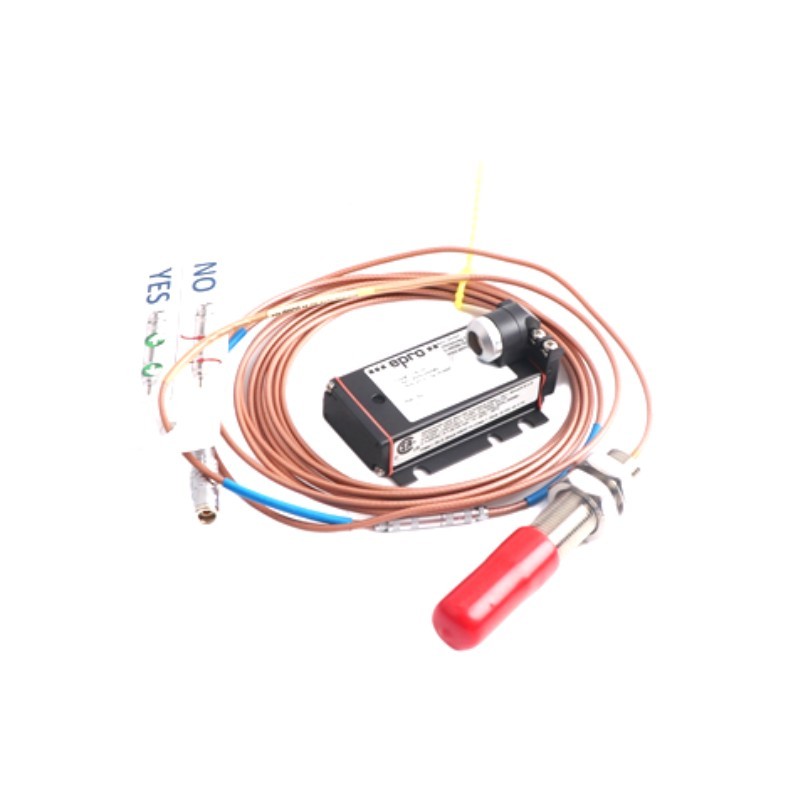
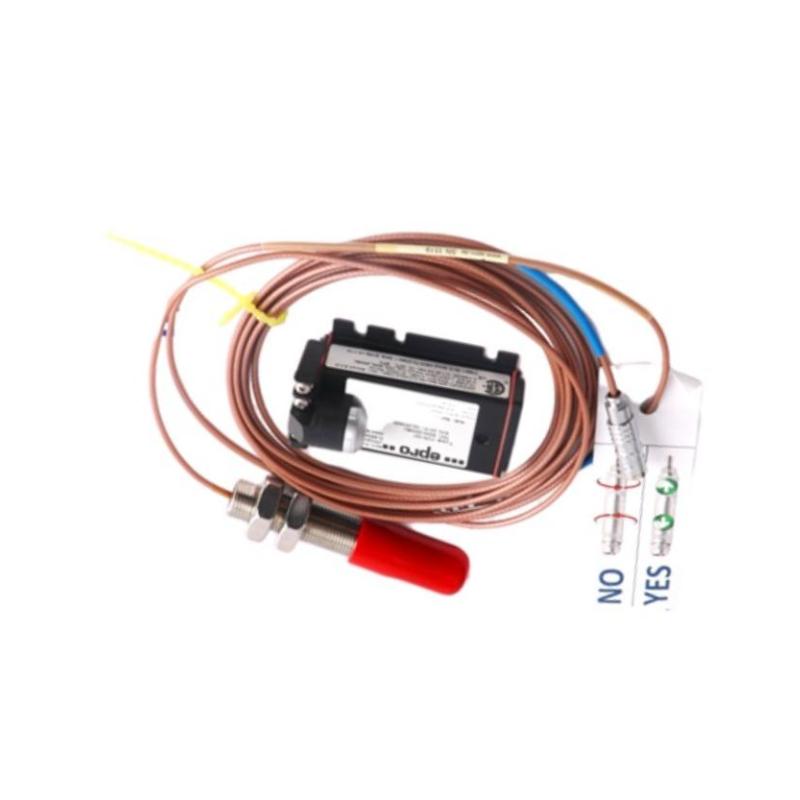
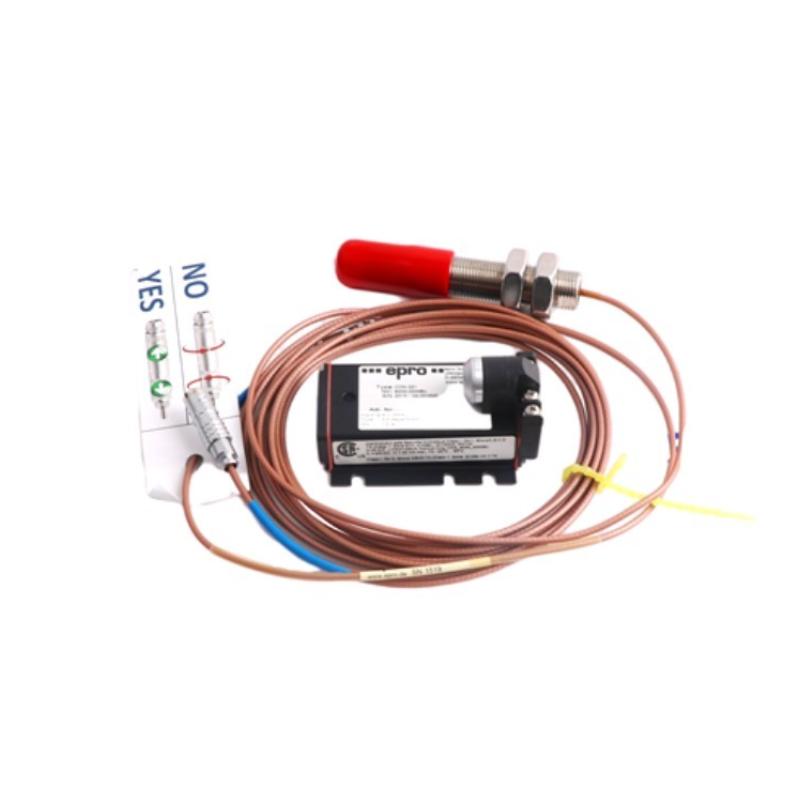
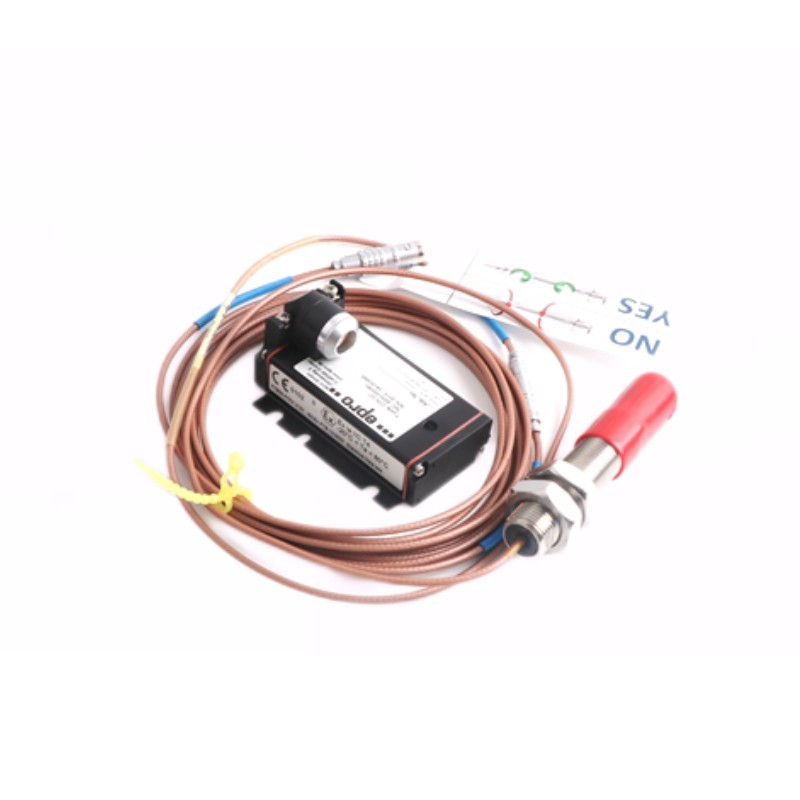
- Epro
- PR6424/005-000
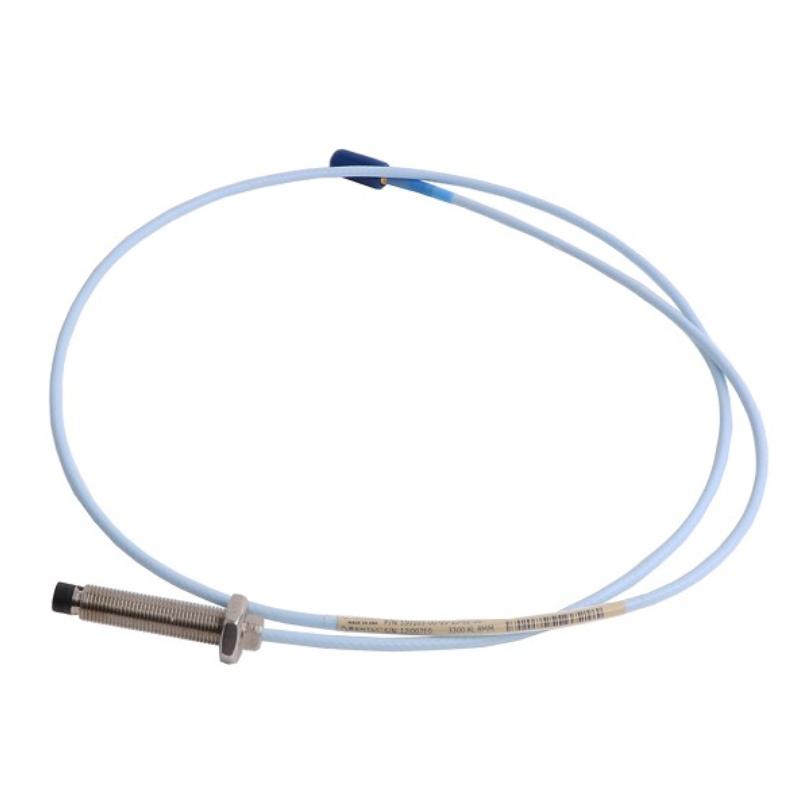
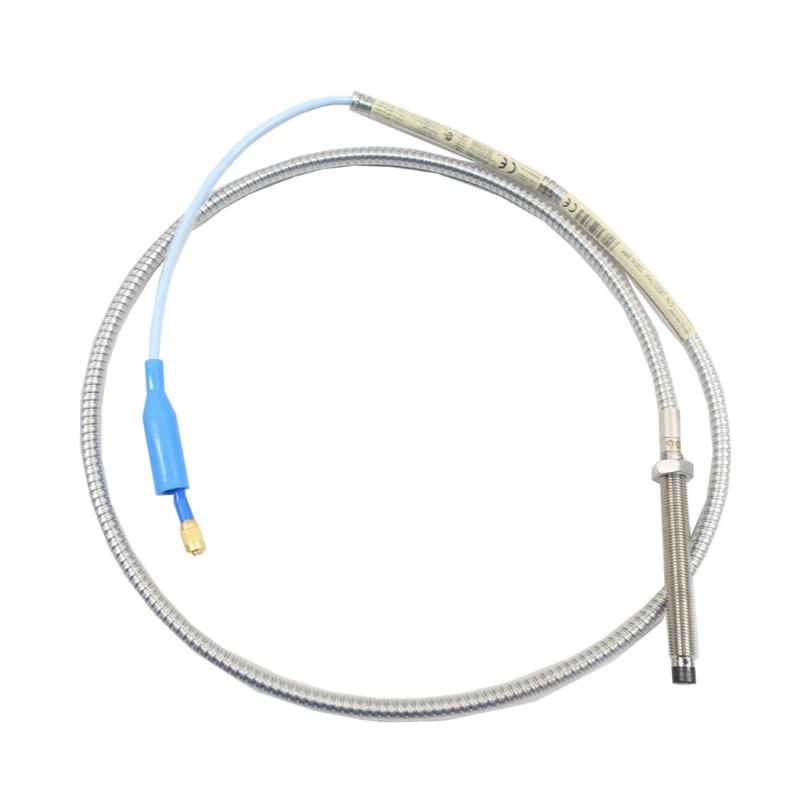
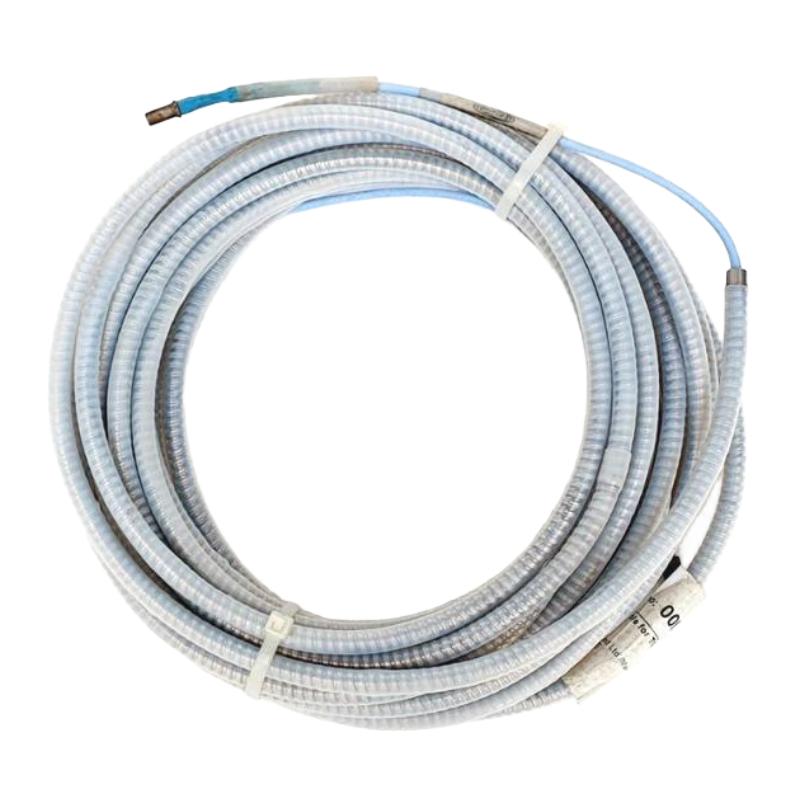
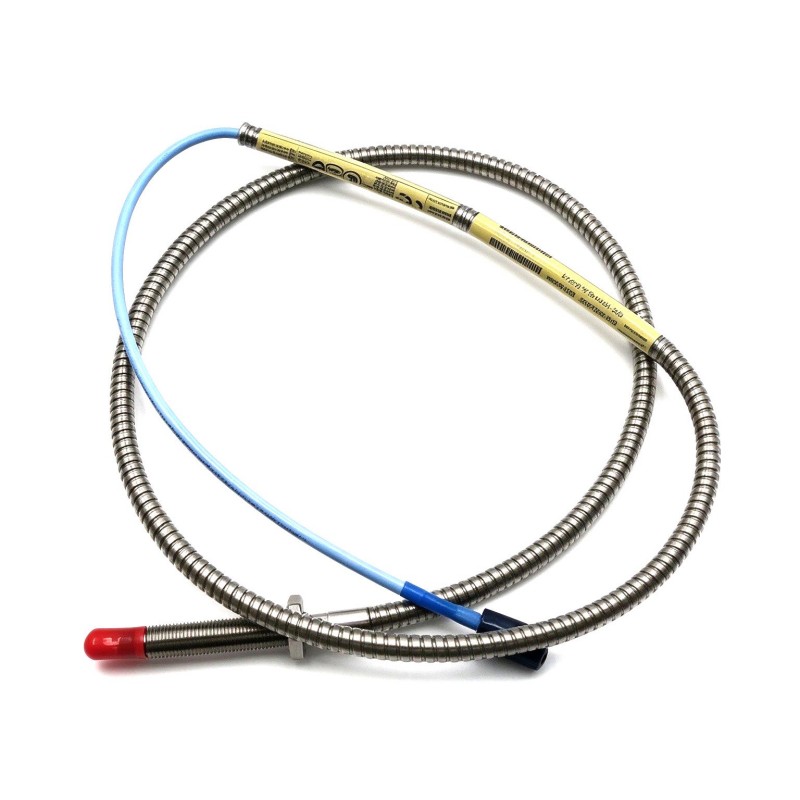
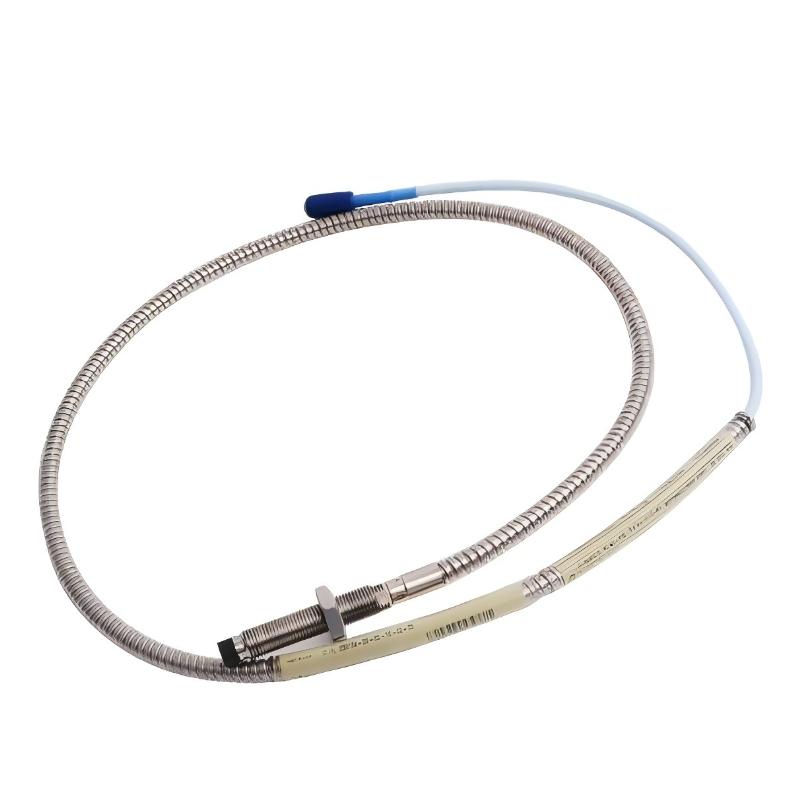
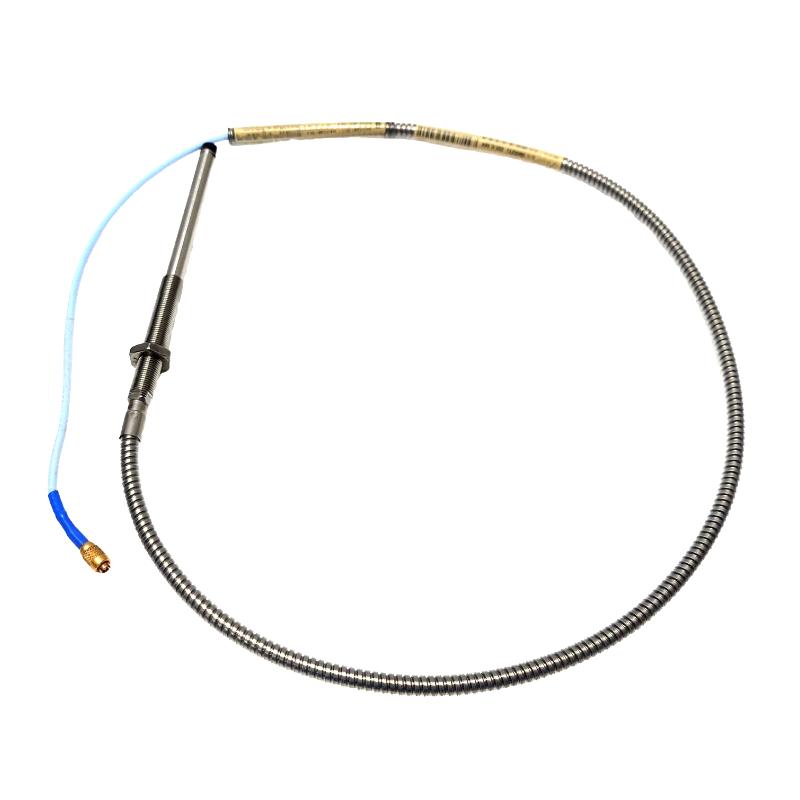
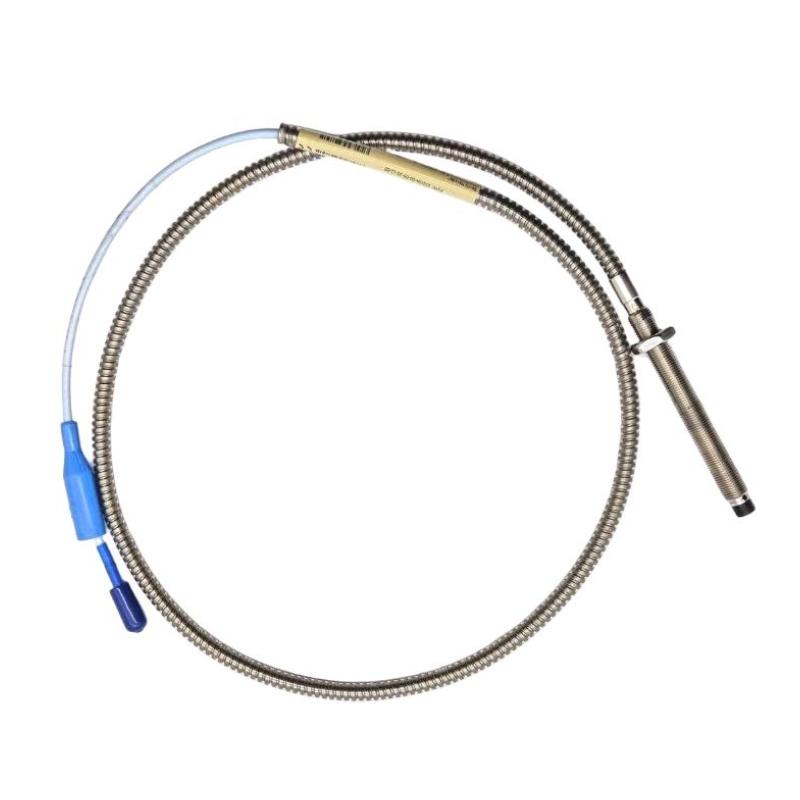
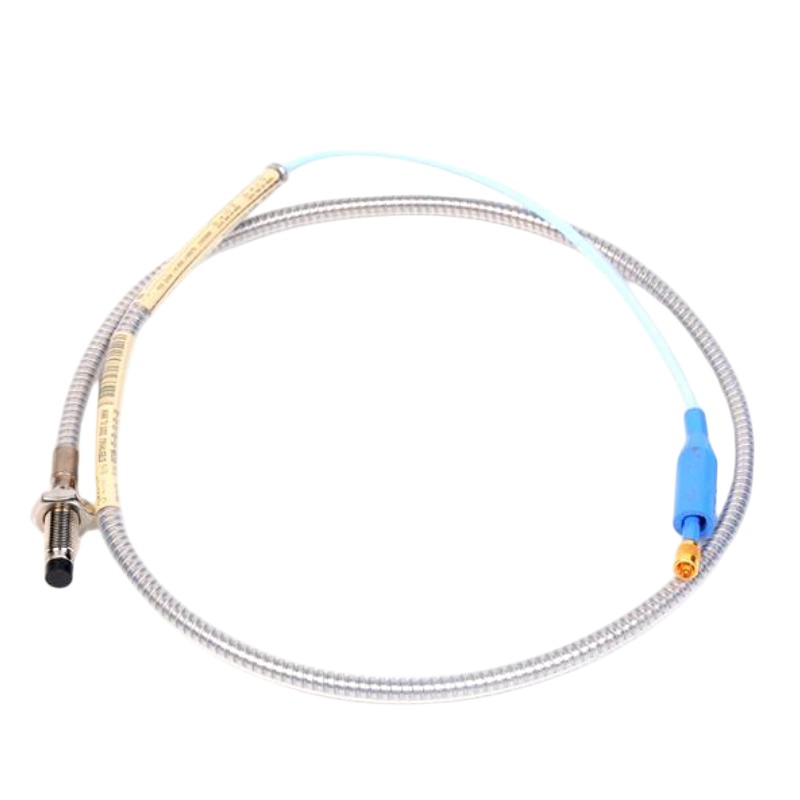
- 16 mm Eddy Current Sensor
- Germany
- 16 mm
- 0.2 kg
- Xiamen, China
- New & In Stock
- T/T, PayPal, Western Union
- 1 Year
- 1-3 Working Days
- DHL, UPS, TNT, FedEx and EMS.
- 24-Hour Service
- COO
- 4
Our advantage

Global Logistics
We have a 10-year logistics and express cooperation agreement, so our products can be shipped to any place in the world.

Brand new and original
Our products are imported in bulk from the place of origin. Because of the cooperative relationship, our products are all original and 100% new.

24-hour service
We provide 7*24 hours service to our customers. We will be there whenever you need us.

Price advantage
All our products are priced very favorably because we have our own warehouse and supply.
| Company Information | |||
| [email protected] | |||
| Mobile | +8615980777398 | ||
| +8615980777398 | |||
| 15980777398 |
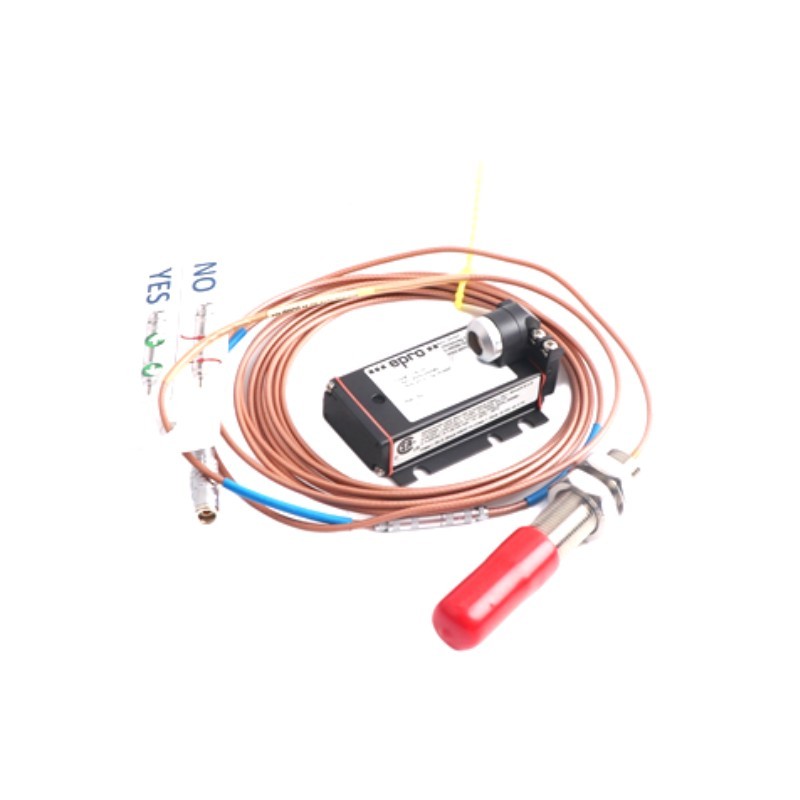
1. Product Overview
The Epro PR6424/005-000 16 mm Eddy Current Sensor is an industrial non-contact displacement sensor intended for machinery monitoring and measurement applications. The PR6424 product family is designed to measure dynamic shaft displacement, relative position, eccentricity, and other mechanical characteristics in critical rotating equipment.
With a stated sensor head diameter of 16 mm and a product weight of approximately 0.2 kg, the PR6424/005-000 is relevant to industrial applications where accurate measurement of the gap between a stationary probe and a moving conductive target is required. Unlike contact-based measurement devices, an eddy current sensor operates without physically touching the shaft, helping avoid contact wear during normal operation.
The PR6424 family is used in machinery monitoring arrangements for steam turbines, gas turbines, hydroelectric turbines, compressors, pumps, fans, and other rotating equipment. These machines often operate continuously and require reliable information about shaft movement and vibration to support maintenance planning and machinery protection.
The sensor works as part of a measurement chain that may include a probe, extension cable, signal converter, and monitoring equipment. The probe detects changes in the distance between its sensing tip and the target surface. Compatible signal conditioning equipment processes the sensor response and supplies measurement information to the receiving monitoring system.
For maintenance engineers and industrial automation buyers, selecting the correct sensor configuration is important. The complete ordering code determines the specific mechanical and electrical arrangement, so the cable, connector, mounting dimensions, calibration characteristics, and converter compatibility should be verified before installation or replacement.
2. Technical Specifications
The following table combines the product information supplied for the PR6424/005-000 with general technical characteristics published for the PR6424 sensor family. Family-level values should be treated as reference specifications until confirmed for the exact ordering code.
| Parameter | Specification |
|---|---|
| Brand | Epro |
| Model | PR6424/005-000 |
| Product Type | Eddy Current Sensor |
| Sensor Head Diameter | 16 mm |
| Product Weight | Approximately 0.2 kg, as provided |
| Measurement Principle | Non-contact eddy current sensing |
| Primary Function | Shaft displacement and vibration measurement |
| Other Measurement Applications | Position, eccentricity, and suitable rotational monitoring applications |
| Typical Static Measurement Range | ±2.0 mm, PR6424 family reference |
| Typical Dynamic Measurement Range | 0–1,000 μm, PR6424 family reference |
| Typical Sensitivity | 4 V/mm, PR6424 family reference |
| Typical Center Air Gap | Approximately 2.7 mm, PR6424 family reference |
| Typical Frequency Response | 0–20 kHz, depending on the complete measurement system |
| Standard Reference Target | Ferromagnetic steel, with target conditions specified by the manufacturer |
| Signal Conditioning | Compatible EPRO signal converter or monitoring equipment |
| Installation Method | Fixed probe mounting facing a suitable conductive target |
| Typical Industries | Power generation, oil and gas, petrochemical processing, and industrial manufacturing |
Specification note: The sensor head diameter and approximate weight above follow the information supplied for this product. The measurement range, sensitivity, air gap, and frequency response are PR6424 family reference values, not independently verified specifications for every PR6424/005-000 configuration. Confirm the manufacturer’s documentation before using these values for detailed engineering or procurement.
3. Function and Working Principle
3.1 Eddy Current Sensing Technology
An eddy current sensor measures displacement through electromagnetic interaction with a conductive target. The sensing probe generates an alternating electromagnetic field around its tip. When a suitable conductive target enters this field, eddy currents develop in the target surface.
These currents change the electrical characteristics of the probe. As the distance between the probe and target changes, the probe response also changes. The associated signal conditioning equipment converts this response into a measurement signal representing the gap or displacement.
Because the probe does not need to contact the target, eddy current technology is suitable for measuring moving shafts and other components that rotate at high speed.
3.2 Shaft Position Measurement
Shaft position measurement helps engineers understand the relative location of a rotating shaft with respect to a fixed reference point. Changes in position may be associated with bearing clearance, load variation, thermal expansion, mechanical alignment, or changes in machine condition.
A correctly installed probe continuously detects changes in the gap between its sensing tip and the shaft surface. The resulting measurement can be used by compatible monitoring equipment to track shaft position and identify deviations from expected operating behavior.
3.3 Shaft Vibration Monitoring
Rotating machinery can develop vibration due to imbalance, misalignment, looseness, changes in bearing condition, or other mechanical issues. Monitoring dynamic shaft displacement provides useful information for identifying changes in vibration behavior.
When the PR6424 sensor is installed in a suitable measurement arrangement, its output can be processed by the connected monitoring equipment to evaluate dynamic shaft movement. Engineers can compare trends over time and investigate abnormal changes in machine operation.
3.4 Signal Conversion and Data Processing
The sensor probe is one component of the complete measurement system. Depending on the selected configuration, a compatible converter may be required to condition the probe signal and provide an output suitable for the monitoring equipment.
The complete system may include:
- Eddy current probe
- Compatible extension cable, where required
- Signal converter
- Machinery monitoring module
- Operator display, control system, or protection interface
The exact converter and cable arrangement must be selected according to the full sensor part number and the requirements of the receiving equipment.
4. Role in Industrial Control and Machinery Protection Systems
The Epro PR6424/005-000 is intended to function as a sensing component within a larger machinery monitoring system. It provides measurement information rather than independently performing all monitoring, alarm, or shutdown functions.
4.1 Continuous Machinery Monitoring
Industrial rotating equipment often operates for extended periods under changing loads and process conditions. Continuous measurement of shaft displacement and vibration helps maintenance personnel observe machine behavior during startup, steady-state operation, load changes, and shutdown.
When connected to compatible monitoring equipment, the sensor contributes measurement data that can be evaluated alongside other machine parameters.
4.2 Alarm and Protection Applications
The sensor signal may be used by an appropriately configured monitoring system to support alarm and protection functions. Engineering teams define thresholds and response logic according to equipment requirements, operating limits, and the plant’s approved protection design.
Alarm limits, trip settings, shutdown logic, and voting arrangements depend on the connected monitoring system. They should not be assumed to be built into the sensor itself.
4.3 Integration With Plant Automation
Machinery condition information can form part of a broader plant automation architecture. Depending on the monitoring equipment, processed measurement values may be made available to operator interfaces, data acquisition systems, or supervisory control platforms.
This integration enables engineers to compare mechanical behavior with operating variables such as speed, temperature, pressure, load, and flow. The combined information can support troubleshooting and maintenance decisions.
5. Industrial Applications
5.1 Steam and Gas Turbines
Turbines require monitoring of shaft movement and vibration because mechanical changes can affect operating stability and equipment reliability. Eddy current probes can provide non-contact displacement measurements when installed in a suitable turbine monitoring arrangement.
The measurement data can help engineers evaluate shaft behavior and investigate changes associated with operating conditions or mechanical faults.
5.2 Hydroelectric Power Generation
Hydroelectric turbine-generator assemblies operate under varying hydraulic and electrical loads. Shaft displacement monitoring can contribute to the assessment of shaft alignment, bearing behavior, and mechanical stability.
5.3 Industrial Compressors
Compressors are widely used in petrochemical plants, refineries, gas processing facilities, and manufacturing operations. Shaft vibration measurements can help identify changes in rotor behavior and support condition-based maintenance programs.
5.4 Pumps and Fans
Industrial pumps and fans are common in water treatment, power generation, chemical processing, and general manufacturing. Where the equipment design calls for non-contact shaft displacement measurements, an eddy current sensor can provide useful information about rotating component behavior.
5.5 General Rotating Machinery
The PR6424 family may be considered for other rotating equipment where a conductive target and suitable mounting geometry are available. The final sensor selection should take into account the shaft material, shaft diameter, target surface, mounting clearance, operating environment, and required measurement performance.
6. Installation and System Integration
Proper installation is essential for achieving reliable and repeatable measurements.
6.1 Verify the Complete Ordering Code
Before installation, verify the complete PR6424/005-000 ordering code against the manufacturer’s documentation. Confirm the sensor dimensions, mounting thread, probe length, cable configuration, connector type, and compatible signal converter.
The fact that two sensors belong to the same product family does not guarantee that their cable arrangements, electrical characteristics, or mounting dimensions are identical.
6.2 Select the Mounting Location
Choose a stable mounting position that allows the probe to face the intended target surface. The mounting structure should minimize unwanted movement and provide adequate clearance from surrounding machinery.
The installation must follow the specified mechanical requirements and provide sufficient space for the probe body and cable connection.
6.3 Establish the Correct Air Gap
The gap between the sensor tip and the target determines the operating point within the measurement range. Set the gap according to the installation instructions and calibration requirements for the exact sensor and converter combination.
A typical PR6424 family air-gap value should not replace the specified setup procedure for the actual unit.
6.4 Confirm Target Material and Geometry
The target material and geometry affect eddy current sensor performance. Verify that the shaft material, diameter, surface condition, and measurement location meet the manufacturer’s requirements.
Where a standard ferromagnetic steel target is specified, the measurement system should be calibrated for the intended target conditions. Different materials or geometries may require additional verification.
6.5 Connect the Sensor and Converter
Use the specified cable and compatible signal conditioning equipment. Check all connector interfaces, cable lengths, grounding arrangements, and routing requirements before commissioning.
Route sensor cables in accordance with the manufacturer’s instructions and avoid unnecessary proximity to high-interference power wiring.
6.6 Commission the Measurement System
After installation, verify the air gap, sensor response, converter configuration, and monitoring channel setup. Confirm that the output behaves as expected throughout the required operating range.
The commissioning procedure should also include verification of any configured alarms and protection functions within the wider machinery monitoring system.
7. Compatible System Components
The PR6424/005-000 should be selected as part of a complete and compatible measurement chain. Exact compatibility depends on the probe configuration and the input requirements of the receiving equipment.
| Component | Role in the Measurement System |
|---|---|
| PR6424/005-000 Sensor | Detects changes in the gap between the probe and a suitable conductive target |
| Extension Cable | Connects the probe to the signal converter when required by the configuration |
| EPRO Signal Converter | Conditions the probe signal and provides an output for compatible monitoring equipment |
| Machinery Monitoring Module | Processes measurement information and supports monitoring or protection functions |
| Control or Protection System | Uses processed measurement values for display, alarms, or approved control and protection logic |
| Probe Mounting Hardware | Holds the sensor in the required position relative to the target |
Potential converter families used with PR6424 sensors include CON-series devices, but compatibility with the specific PR6424/005-000 configuration must be confirmed before ordering.
8. Recommended Alternative Models
The following models are examples for comparison and selection within the broader EPRO sensor portfolio. They are not guaranteed direct replacements for PR6424/005-000.
| Model | General Description | Selection Consideration |
|---|---|---|
| PR6424/004-101 | 16 mm eddy current sensor | Verify mechanical dimensions, cable arrangement, and calibration compatibility |
| PR6424/004-121 | 16 mm eddy current sensor | Compare the full ordering code and interface requirements |
| PR6424/005-000 | 16 mm eddy current sensor | Reference model for this article |
| PR6423 Series | 8 mm eddy current sensor family | Consider only if a smaller probe suits the application and system design |
| PR6425 Series | High-temperature eddy current sensor family | Evaluate for applications requiring a different sensor temperature capability |
Alternative selection should be based on the complete part number, sensor dimensions, measuring characteristics, cable and connector configuration, converter compatibility, calibration requirements, and environmental conditions. Similar product names or nominal probe diameters do not establish direct interchangeability.
9. Key Advantages
Non-Contact Measurement
The sensor measures the gap between its sensing tip and a suitable target without direct physical contact. This makes it suitable for monitoring moving shafts and other rotating components.
Suitable for Machinery Condition Monitoring
The PR6424 family is intended for displacement and vibration monitoring in critical rotating machinery, including turbines, compressors, pumps, and fans.
Supports Multiple Measurement Applications
Depending on the system configuration, the sensor can contribute to shaft displacement, position, vibration, and eccentricity monitoring.
Compact Probe Diameter
The stated 16 mm sensor head diameter provides a useful dimensional reference when planning installation space or evaluating replacement requirements.
Integration With Monitoring Equipment
When paired with compatible signal conditioning and monitoring equipment, the sensor can contribute to a broader machinery condition monitoring arrangement.
Supports Maintenance Planning
Consistent measurement data can help engineers track changes in machine behavior, investigate abnormal trends, and plan inspections based on equipment condition.
10. Technical FAQs
Q1. What is the Epro PR6424/005-000?
It is an EPRO PR6424-family eddy current sensor intended for non-contact measurement applications involving rotating machinery.
Q2. What is the sensor head diameter?
The supplied product information specifies a sensor head diameter of 16 mm.
Q3. What is the weight of the PR6424/005-000?
The supplied product information lists the weight as approximately 0.2 kg. Confirm whether this value refers to the sensor alone or includes its cable and accessories when planning shipping or installation.
Q4. How does an eddy current sensor work?
The sensor generates an alternating electromagnetic field. A conductive target changes the electrical response of the probe, allowing a compatible measurement system to determine the relative gap between the probe and the target.
Q5. Can the sensor measure shaft vibration?
The PR6424 family is designed for non-contact shaft displacement and vibration measurement. The sensor must be connected to compatible signal conditioning and monitoring equipment to provide usable measurement information.
Q6. What is the measurement range?
PR6424 family documentation lists a typical static range of ±2.0 mm and a dynamic range of 0–1,000 μm for a standard configuration. Verify the exact range applicable to PR6424/005-000 before using these values in a design.
Q7. What signal converter is required?
The required converter depends on the exact sensor configuration, cable and connector arrangement, and monitoring equipment. Confirm compatibility using the complete part number and system documentation.
Q8. Can the PR6424/005-000 replace another PR6424 model?
Not automatically. Sensors within the same family may have different mechanical or electrical configurations. Check the mounting dimensions, cable and connector type, calibration characteristics, and converter compatibility before replacement.
Q9. Which industries use this type of sensor?
Typical applications include power generation, petrochemical processing, oil and gas, industrial manufacturing, and other facilities that monitor critical rotating machinery.
Q10. What should be verified before purchase?
Confirm the full model number, sensor head diameter, probe length, mounting thread, cable and connector configuration, compatible converter, operating environment, target material, and measurement requirements.
11. Conclusion
The Epro PR6424/005-000 16 mm Eddy Current Sensor is intended for non-contact measurement in industrial machinery monitoring applications. Its stated 16 mm sensor head diameter and approximately 0.2 kg weight provide useful initial information for product selection and installation planning.
When integrated with compatible signal conditioning and monitoring equipment, an eddy current sensor can support shaft displacement, vibration, position, and eccentricity monitoring in suitable rotating machinery. These measurements can contribute to machinery condition assessment, maintenance planning, and protection-system functions.
For replacement purchases and new installations, confirm the exact PR6424/005-000 configuration and its compatibility with the existing measurement chain. Verifying the probe dimensions, cable and connector arrangement, converter requirements, and applicable measurement specifications helps support reliable system integration and long-term operation.