

ProductPRODUCT
Featured products
Contact Us
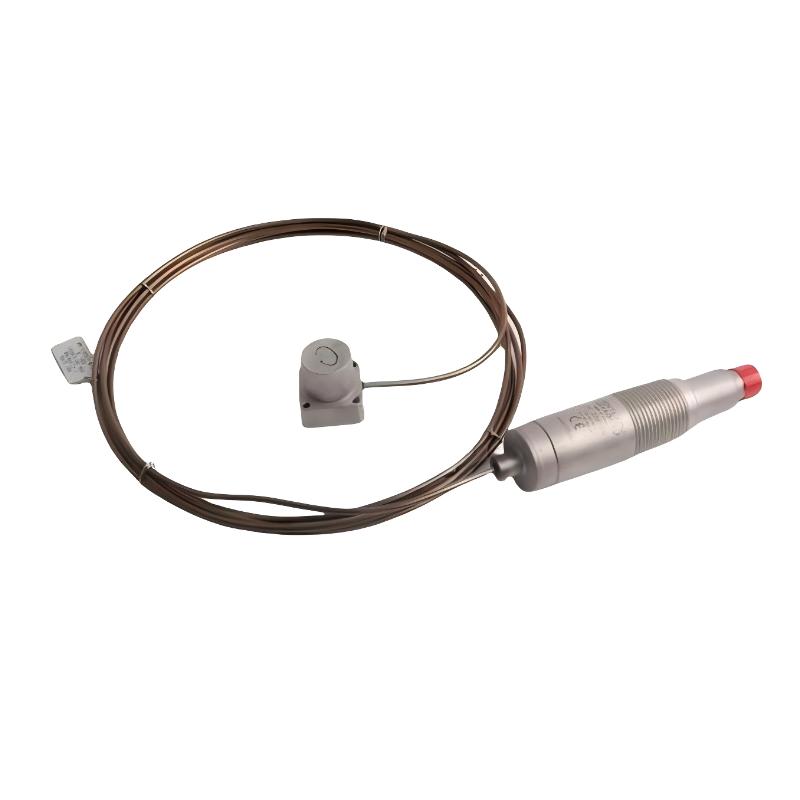
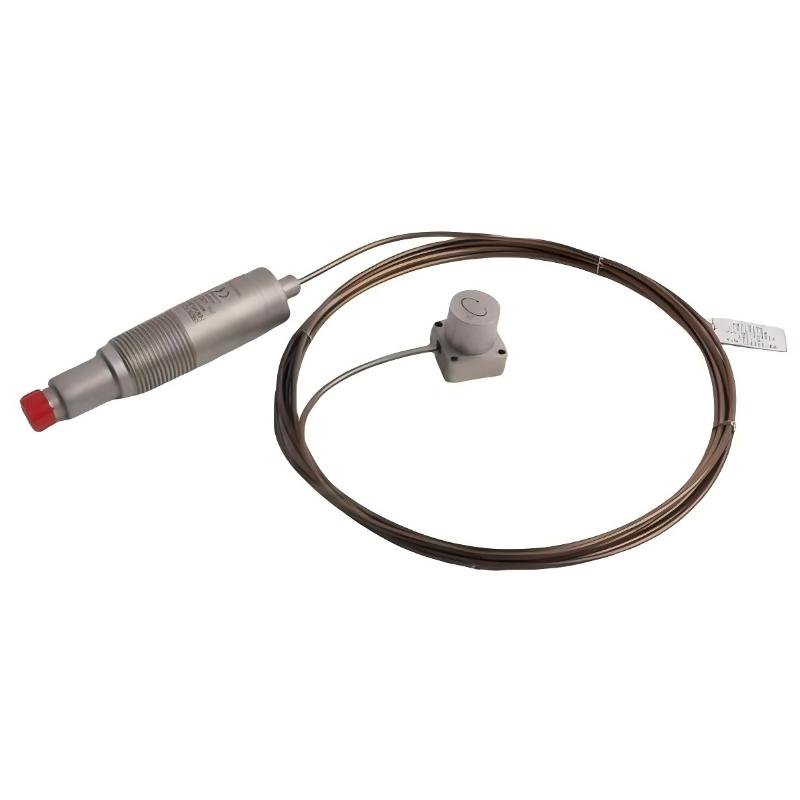
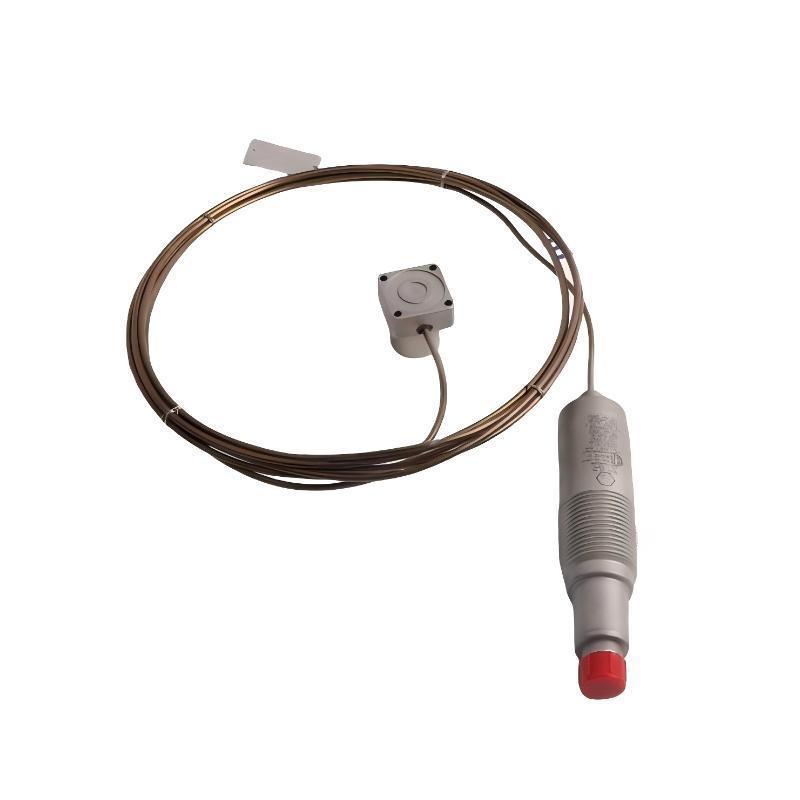
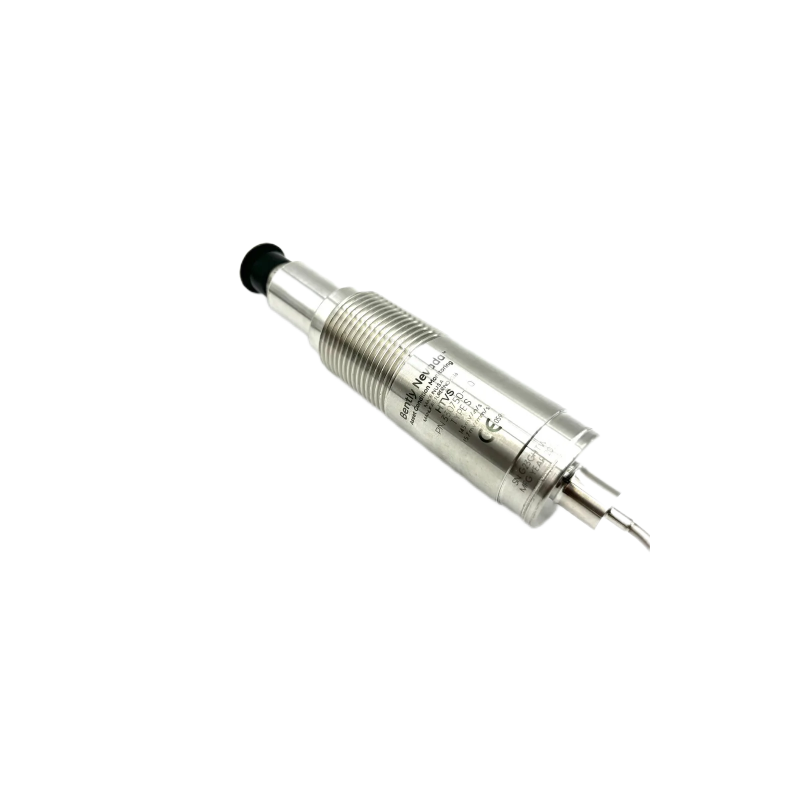
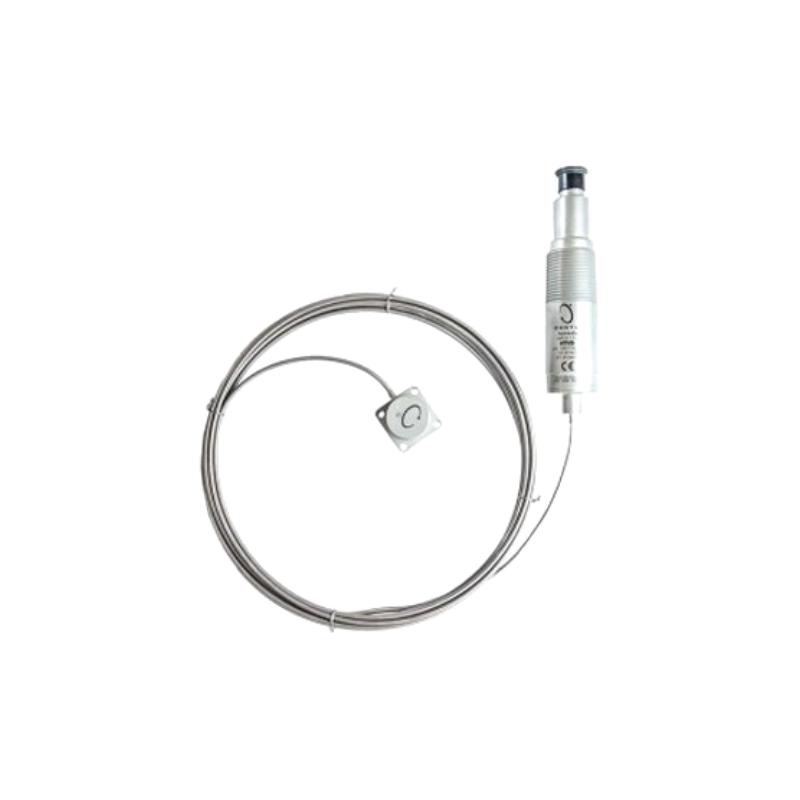
- Bently Nevada
- 330750-20-CN
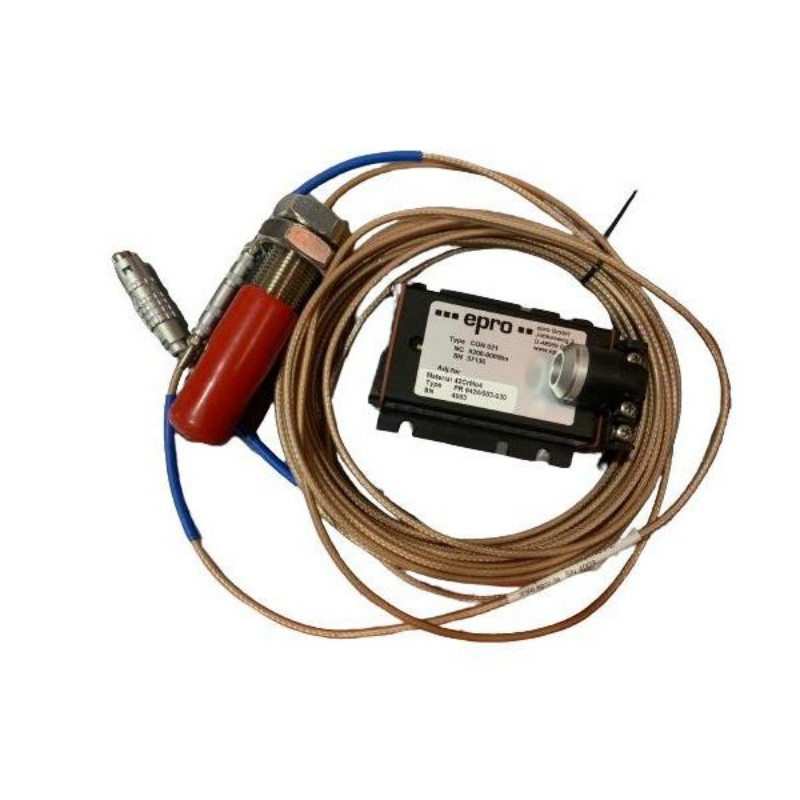
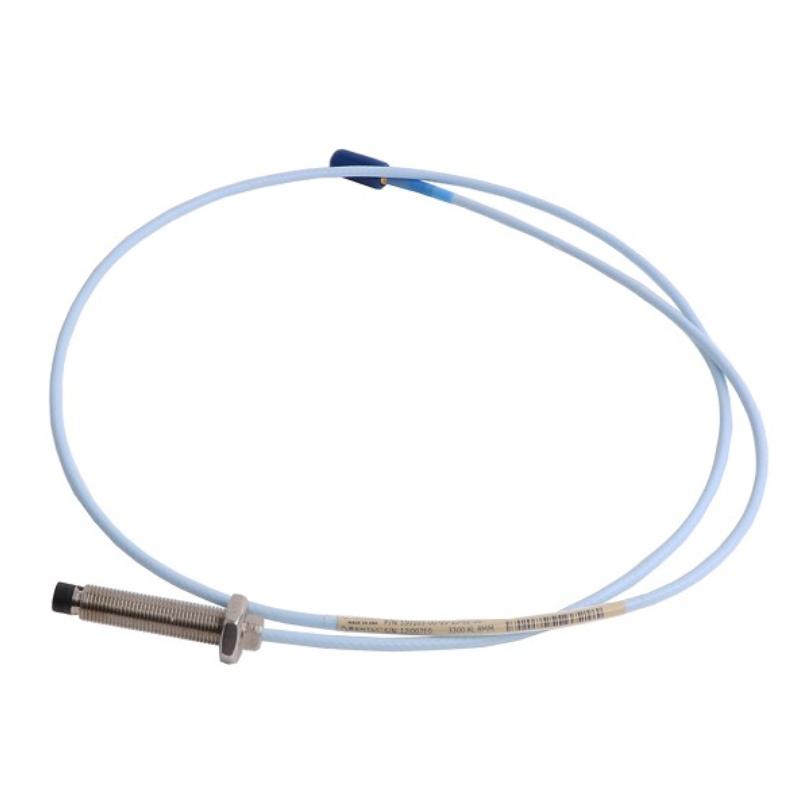
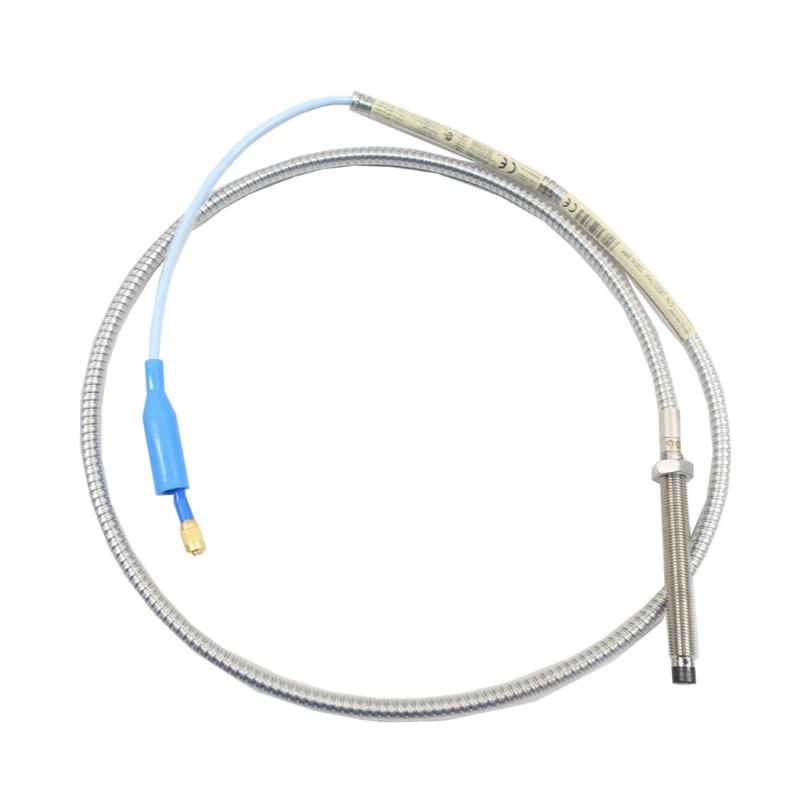
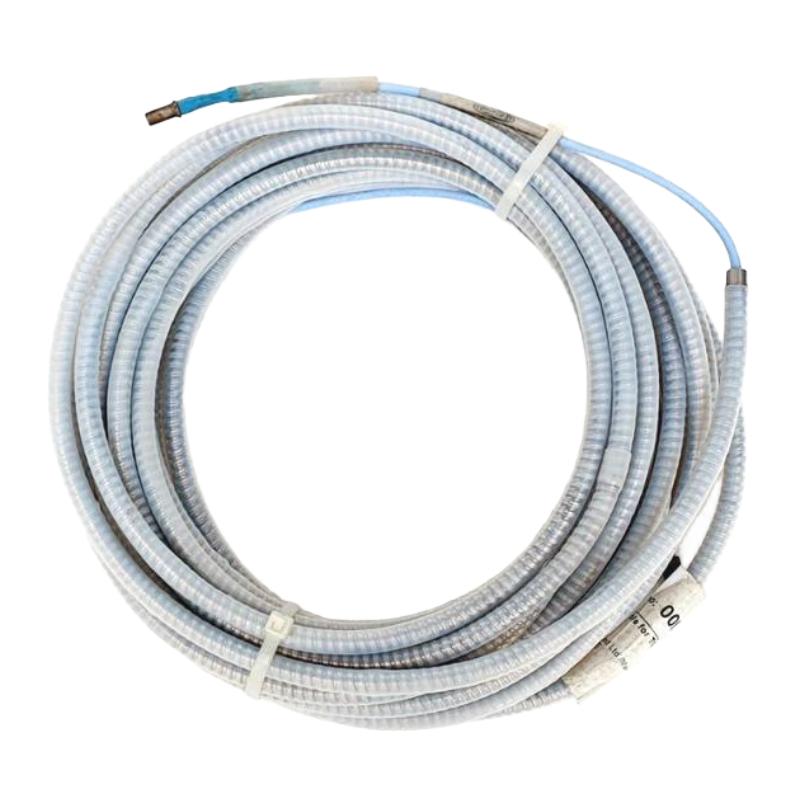
- High Temperature Velomitor Velocity Sensor
- USA
- 33.4 mm × 152.1 mm
- 0.3kg
- Xiamen, China
- New & In Stock
- T/T, PayPal, Western Union
- 1 Year
- 1-3 Working Days
- DHL, UPS, TNT, FedEx and EMS.
- 24-Hour Service
- COO
- 5
Our advantage

Global Logistics
We have a 10-year logistics and express cooperation agreement, so our products can be shipped to any place in the world.

Brand new and original
Our products are imported in bulk from the place of origin. Because of the cooperative relationship, our products are all original and 100% new.

24-hour service
We provide 7*24 hours service to our customers. We will be there whenever you need us.

Price advantage
All our products are priced very favorably because we have our own warehouse and supply.
| Company Information | |||
| [email protected] | |||
| Mobile | +8615980777398 | ||
| +8615980777398 | |||
| 15980777398 |
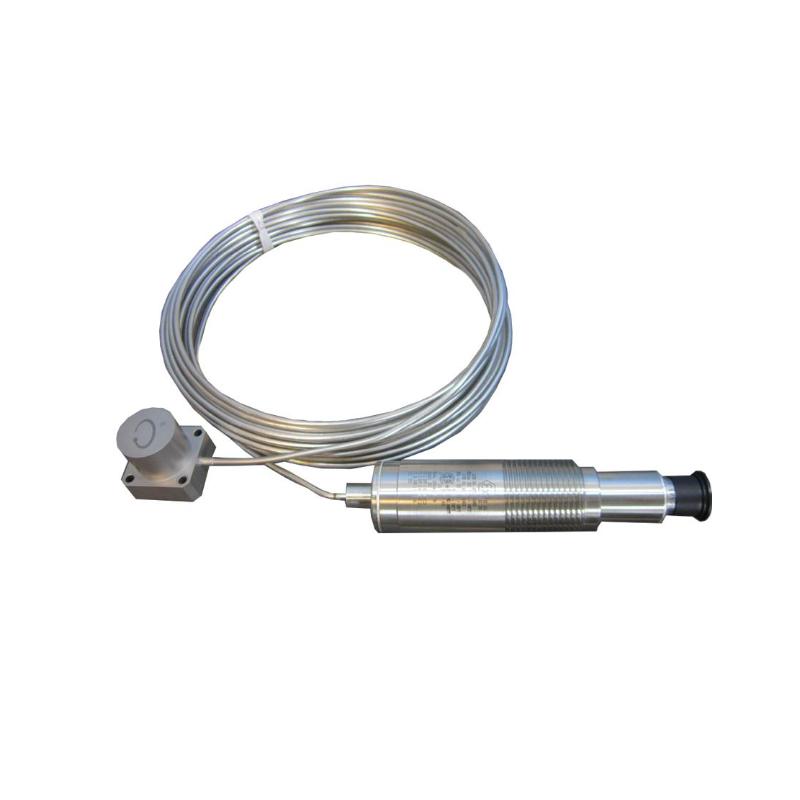
Bently Nevada 330750-20-CN — Product Description, Technical Parameters, Applications, Advantages, and Related Models
1. Product Overview
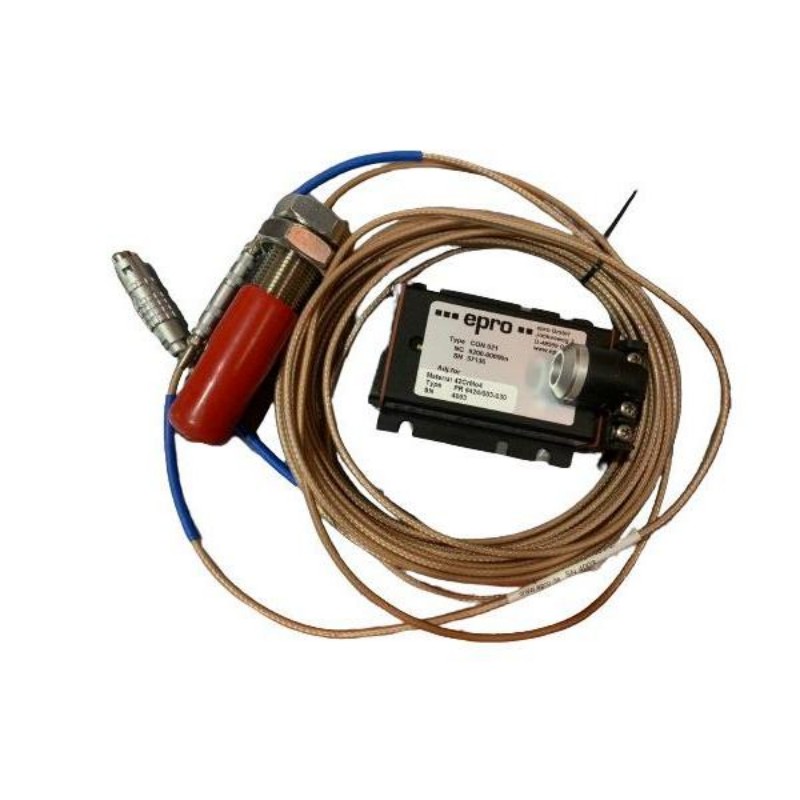
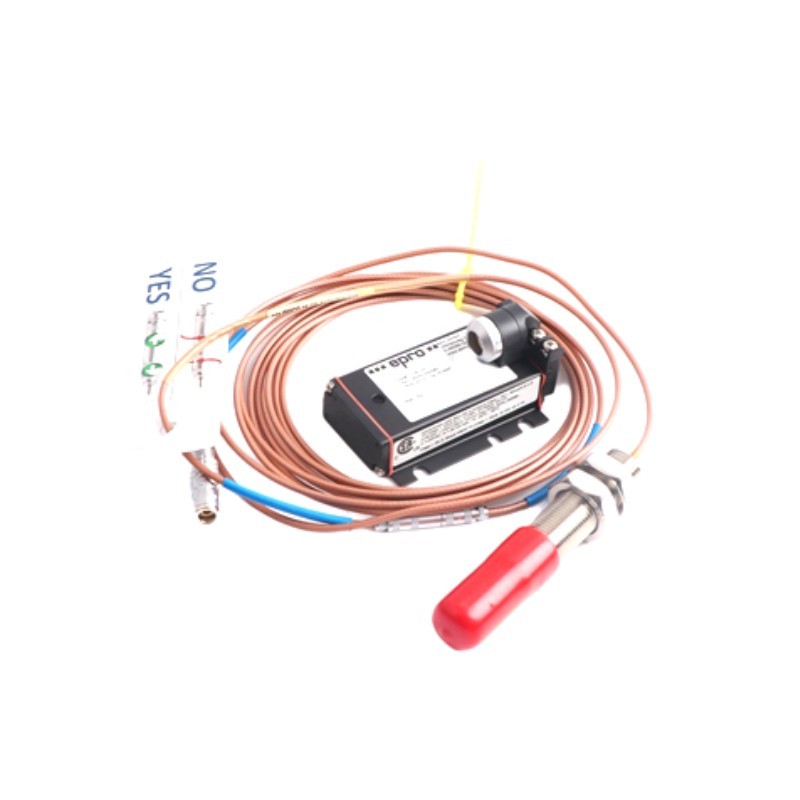
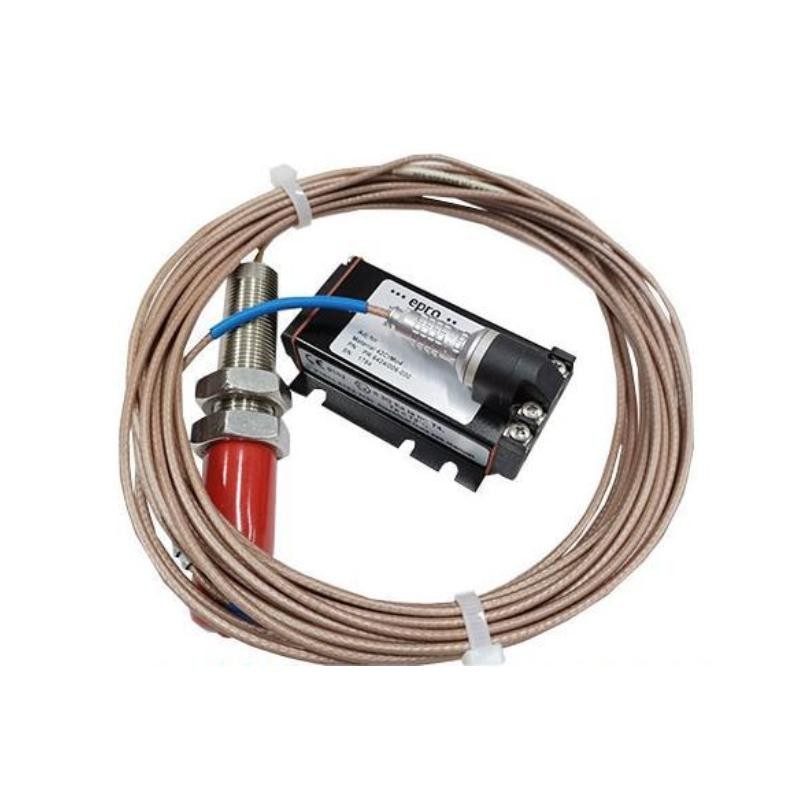
The Bently Nevada 330750-20-CN is a model designation associated with the 330750 high-temperature Velomitor vibration measurement product family. It is intended for industrial machinery monitoring applications where vibration velocity needs to be measured at locations exposed to elevated temperatures.
The key design concept of this product family is the separation of the sensing head from the signal-conditioning electronics. This arrangement allows the sensor to be installed near a hot machinery surface while the electronic section can be positioned in a cooler area, subject to the installation requirements of the particular configuration.
Brand: Bently Nevada
Product series: 330750 High Temperature Velomitor System
Product category: Industrial vibration velocity sensor and transducer system
Primary function: Measurement of machinery vibration for condition monitoring and maintenance assessment
Important model distinction: The suffix -CN should not automatically be interpreted as a cable length, temperature rating, or certification. The complete ordering code must be confirmed before assigning configuration-specific specifications to this exact model.
2. Detailed Technical Specifications
The following table summarizes the principal technical characteristics associated with the 330750 high-temperature Velomitor product family. Configuration-specific details for the -CN suffix should be confirmed before using the values for engineering or procurement purposes.
| Parameter | Technical specification |
|---|---|
| Model | 330750-20-CN |
| Brand | Bently Nevada |
| Product series | 330750 High Temperature Velomitor System |
| Sensor type | Piezoelectric velocity transducer |
| Measurement variable | Absolute casing vibration velocity |
| Nominal sensitivity | 5.7 mV/mm/s (145 mV/in/s), ±5% |
| Frequency response | 15 Hz–2,000 Hz, ±3 dB |
| Extended accuracy range | 20 Hz–1,000 Hz, ±0.9 dB for the applicable specification |
| Amplitude linearity | ±2% up to 152 mm/s peak |
| Output bias voltage | −12 ±2 VDC |
| Excitation current | 2–10 mA constant-current excitation |
| Sensor-head temperature | −55°C to +400°C for the applicable configuration |
| Integral cable temperature | −55°C to +400°C for the applicable configuration |
| Electronics operating temperature | −55°C to +121°C |
| Resonant frequency | Greater than 5 kHz |
| Transverse sensitivity | Less than 5% of nominal sensitivity |
| Broadband noise floor | Approximately 0.127 mm/s RMS over 15 Hz–2 kHz, nominal |
| Shock survivability | Up to 2,500 g peak under the specified test conditions |
| Sensor-head material | Stainless steel construction |
| Connector | Two-pin MIL-C-5015-type receptacle for the applicable assembly |
| Cable arrangement | Integral hardline cable |
| Nominal cable length | 2 m for the -20 configuration |
| Sensor-head diameter | Approximately 25.4 mm |
| Electronics housing diameter | Approximately 33.4 mm |
| Electronics housing length | Approximately 152.1 mm |
| Overall dimensions | Assembly and cable configuration dependent |
| Weight (kg) | Approximately 0.30 kg as a reference for the sensor system; verify the exact supplied assembly |
| Installation | Mechanically mounted at the designated measurement location |
| Typical use | High-temperature industrial machinery vibration monitoring |
The electrical values describe the general 330750 family. The suffix -CN should be verified against the complete ordering specification, especially when the application requires a particular approval, installation classification, or replacement compatibility.
3. Product Dimensions and Weight
The product comprises a sensing head, integral cable, and electronic section. These components have different environmental limits and must be considered separately during installation.
| Component | Dimensions | Operating temperature | Weight (kg) |
|---|---|---|---|
| Sensor head | Approximately 25.4 mm diameter; mounting dimensions depend on the version | Up to +400°C | Not separately confirmed |
| Integral hardline cable | Approximately 3.2 mm cable diameter; nominal length 2 m | Up to +400°C | Not separately confirmed |
| Electronics housing | Approximately 33.4 mm diameter × 152.1 mm long | Up to +121°C | Not separately confirmed |
| Connector section | Two-pin connector; exact external dimensions depend on assembly | Within the applicable electronics specification | Not separately confirmed |
| Complete sensor system | Depends on the precise supplied configuration | Component-dependent | Approximately 0.30 kg reference value; verify before use |
| Shipping package | Depends on packaging and included accessories | Not applicable | Requires confirmation |
The 0.30 kg figure is a reference for the sensor system, not a guaranteed shipping weight. For installation design, shipping arrangements, or equipment replacement records, use the verified weight of the actual assembly.
4. Product Operating Principle
The 330750-20-CN uses a piezoelectric sensing principle to measure vibration velocity. When the machine surface vibrates, the sensor detects the resulting mechanical motion and produces an electrical signal suitable for processing by compatible monitoring instrumentation.
The system separates the sensing head from the signal-conditioning electronics. This is important because the sensing location may reach temperatures that exceed the operating limit of conventional integrated electronics.
The sensing head and integral cable can be installed in the high-temperature area, while the electronic section is positioned in a cooler location within its permitted operating range.
The output signal can be used to monitor changes in vibration amplitude and trend behavior over time. Maintenance personnel can compare measurements with established baselines and investigate unusual changes in machine operation.
The sensor does not independently identify every mechanical fault. Accurate diagnosis requires appropriate instrumentation, correct installation, suitable alarm settings, and an understanding of the machine’s operating conditions.
5. Industrial Applications
5.1 Steam and gas turbines
Turbines can operate with elevated casing temperatures and continuous mechanical loading. The 330750 family can be considered for casing vibration measurement at suitable high-temperature locations.
Typical monitoring objectives include tracking vibration changes, identifying deviations from normal operating behavior, and providing measurement data for machinery condition assessment.
5.2 Industrial compressors
Large compressors in process plants may have hot casings and demanding operating conditions. A high-temperature velocity sensor can help monitor suitable measurement locations while allowing the electronics to be installed farther away from the heat source.
The actual sensor selection must reflect whether casing vibration, shaft vibration, or another mechanical variable is required.
5.3 Pumps and process equipment
Hot oil pumps, circulation pumps, and other process machinery may require vibration monitoring near elevated-temperature surfaces.
The sensor can support condition monitoring where its environmental and electrical specifications are compatible with the installation.
5.4 Petrochemical and refinery equipment
Refineries contain rotating machinery operating in thermally demanding environments. A high-temperature sensor may help expand monitoring coverage at locations where conventional sensors are unsuitable.
Hazardous-area requirements must be evaluated against the exact configuration and the installation classification.
5.5 Industrial fans and auxiliary machinery
Large fans, blowers, and other rotating equipment may experience imbalance, mechanical looseness, or changes in vibration during operation.
Where the mounting location is sufficiently hot, the 330750 family can provide velocity measurements for trend analysis and maintenance planning.
6. Main Product Advantages
| Advantage | Technical explanation | Practical benefit |
|---|---|---|
| High-temperature sensing | Sensor head and integral cable are designed for elevated temperatures within the applicable rating | Enables monitoring at selected hot machine locations |
| Separated electronics | Electronic components can be positioned away from the hottest area | Offers more flexible installation |
| Velocity measurement | Provides a signal proportional to vibration velocity | Supports vibration trending and machinery assessment |
| Integral cable construction | Reduces the need for an intermediate connection at the sensing head | Simplifies the hot-end installation |
| Industrial construction | Metal sensor construction is suited to demanding industrial applications | Supports use in industrial monitoring systems |
| Continuous monitoring capability | Compatible monitoring equipment can collect vibration measurements over time | Helps identify abnormal operating changes |
| Integration flexibility | Can be incorporated into compatible monitoring arrangements | Supports existing maintenance programs |
The practical benefits depend on correct sensor mounting, proper signal conditioning, cable routing, and appropriate interpretation of vibration data.
7. Five Related Models in the Same Series
The following models provide alternatives within the 330750/330752 high-temperature Velomitor family. The main distinction shown here is the nominal integral cable length and associated configuration.
| Model | Product series | Nominal cable length | Sensor-head temperature | Sensor-head dimensions | Weight (kg) |
|---|---|---|---|---|---|
| 330750-40 | High Temperature Velomitor | 4 m | Up to +400°C | Approximately 25.4 mm diameter | Requires confirmation |
| 330750-60 | High Temperature Velomitor | 6 m | Up to +400°C | Approximately 25.4 mm diameter | Requires confirmation |
| 330750-80 | High Temperature Velomitor | 8 m | Up to +400°C | Approximately 25.4 mm diameter | Requires confirmation |
| 330752-25 | High Temperature Velomitor | 2.5 m | Up to +400°C | Verify the 330752 mounting drawing | Requires confirmation |
| 330752-40 | High Temperature Velomitor | 4 m | Up to +400°C | Verify the 330752 mounting drawing | Requires confirmation |
These are related model configurations, not guaranteed drop-in replacements. The full part number, approvals, electrical characteristics, and mounting requirements must be checked before substitution.
8. Five Additional Related Models from the Same Brand
The following products cover other industrial vibration-monitoring requirements. Some measure velocity, while others measure acceleration, so their suitability depends on the intended monitoring function.
| Model | Product category | Main technical characteristics | Dimensions | Weight (kg) |
|---|---|---|---|---|
| 330500 | Velomitor velocity sensor | Conventional vibration velocity measurement; operating temperature depends on the applicable specification | Confirm exact housing and mounting dimensions | Approximately 0.142 kg as a family reference; verify version |
| 330525 | Velomitor XA sensor | Industrial vibration velocity measurement; verify electrical and environmental specifications | Confirm exact model dimensions | Approximately 0.156 kg as a family reference; verify version |
| 330400 | Accelerometer | Measures vibration acceleration; requires compatible signal conditioning | Confirm exact version | Requires confirmation |
| 330425 | Accelerometer | Acceleration measurement for machinery vibration monitoring | Confirm exact version | Requires confirmation |
| 190501 | Velocity transducer | Related vibration velocity measurement product; check system compatibility | Confirm exact model dimensions | Requires confirmation |
These reference weights are not guaranteed values for every supplied configuration. Complete assembly weight, mounting hardware, and packaging can change the final value.
8.1 Model 330500
The 330500 is a standard velocity-sensing option for industrial machinery where the measurement-point temperature is within the applicable operating limits.
It may be appropriate for pumps, motors, and other rotating equipment where a conventional sensor arrangement is sufficient. It should not be substituted for the 330750-20-CN without checking the local temperature and signal requirements.
8.2 Model 330525
The 330525 is another velocity-sensing product that can be considered for compatible monitoring systems.
Its suitability depends on the required sensitivity, frequency response, mounting method, and electronic interface. A shared measurement objective does not automatically mean that the two products are electrically interchangeable.
8.3 Model 330400
The 330400 is an accelerometer intended for applications requiring vibration acceleration measurement.
Acceleration measurements can be useful for examining higher-frequency vibration and certain impact-related phenomena. The sensor must be matched with appropriate signal conditioning and monitoring equipment.
8.4 Model 330425
The 330425 is another industrial accelerometer option.
It can be evaluated where acceleration is the preferred measurement variable. Before selecting it, check the frequency range, sensitivity, mounting requirements, and environmental limits of the specific version.
8.5 Model 190501
The 190501 is a related velocity transducer for compatible monitoring applications.
Its use as an alternative depends on the required signal characteristics, installation conditions, and receiving instrumentation. The exact model specification should be checked before it is selected as a replacement for a high-temperature Velomitor system.
9. Model Selection Recommendations
| Operating requirement | Model or family to evaluate | Main consideration |
|---|---|---|
| High-temperature measurement with a nominal 2 m cable | 330750-20-CN | Confirm the complete suffix and applicable approvals |
| High-temperature measurement with a 4 m cable | 330750-40 | Confirm cable routing and monitoring compatibility |
| High-temperature measurement with a 6 m cable | 330750-60 | Confirm installation distance and cable requirements |
| High-temperature measurement with an 8 m cable | 330750-80 | Confirm cable routing and permitted installation arrangement |
| Conventional velocity monitoring | 330500 | Confirm the sensor’s operating-temperature limit |
| Velocity measurement using a related sensor design | 330525 | Confirm sensitivity and electrical compatibility |
| Acceleration monitoring | 330400 or 330425 | Confirm that acceleration is the required measurement variable |
| Existing compatible velocity-monitoring installation | 190501 | Confirm the complete system interface |
10. Installation and Maintenance
Correct installation is essential for obtaining meaningful vibration measurements.
The sensing head should be mounted securely at the designated measurement location. The mounting surface must be mechanically suitable, and the sensor should be installed according to the requirements of the applicable configuration.
The integral cable should be supported and routed to prevent abrasion, excessive bending, and unnecessary mechanical loading. The electronics should remain within their specified operating-temperature range.
The monitoring channel must be configured for the correct sensor sensitivity and signal characteristics. Incorrect configuration can result in inaccurate readings even if the sensor itself is functioning normally.
During routine maintenance, inspect the sensor mounting, cable condition, connectors, and housing for damage. Compare measured vibration with historical baseline data and consider machine speed, load, and process conditions before drawing conclusions about equipment health.
11. Final Product Summary
The Bently Nevada 330750-20-CN is associated with the 330750 High Temperature Velomitor System, a product family intended for industrial vibration velocity measurement at elevated-temperature locations.
Its key characteristics include piezoelectric velocity sensing, a separated sensing head and electronic section, an integral high-temperature cable, and a nominal 2 m cable configuration for the applicable -20 model.
The related models provide alternative cable lengths within the same family, while the additional models extend the selection to conventional velocity sensors and accelerometers.
For purchasing and engineering purposes, the most important remaining checks are the exact meaning of the -CN suffix, the complete assembly dimensions, the verified weight in kilograms, and compatibility with the existing monitoring system. These details should be confirmed for the precise supplied part number before final selection.