

ProductPRODUCT
Featured products
Contact Us
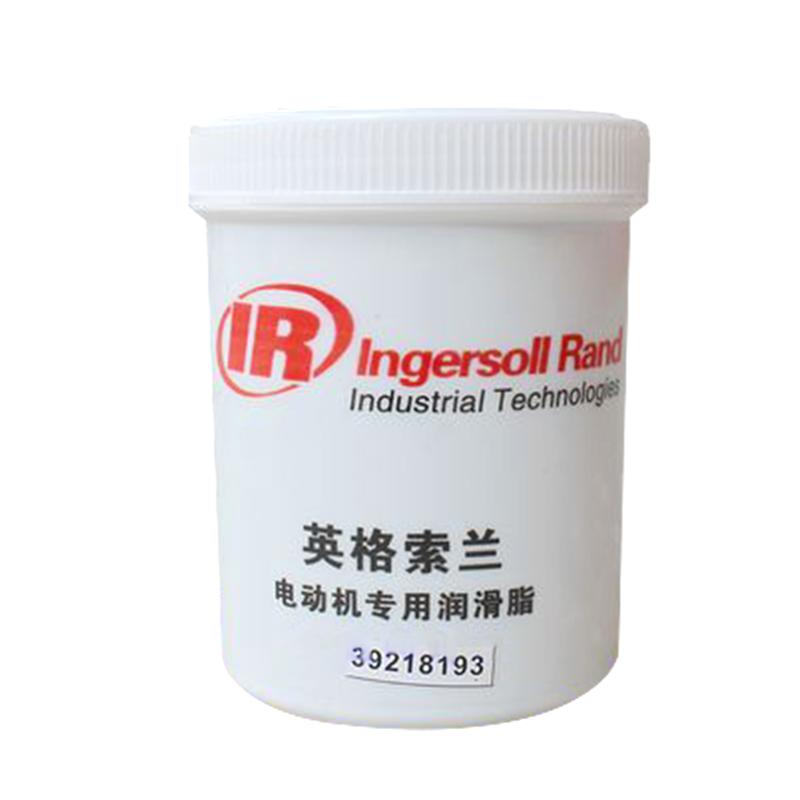
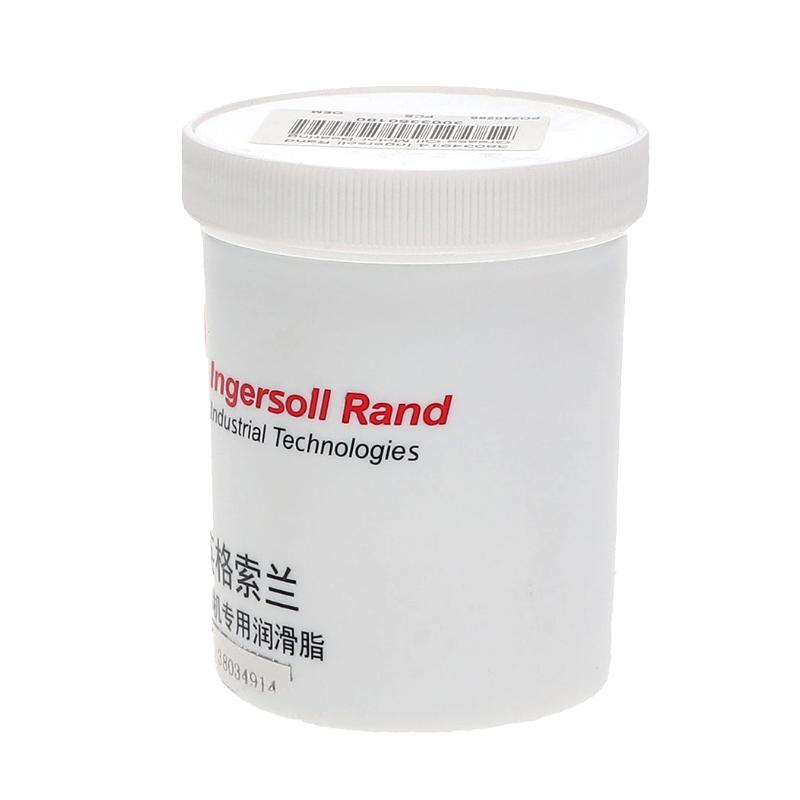
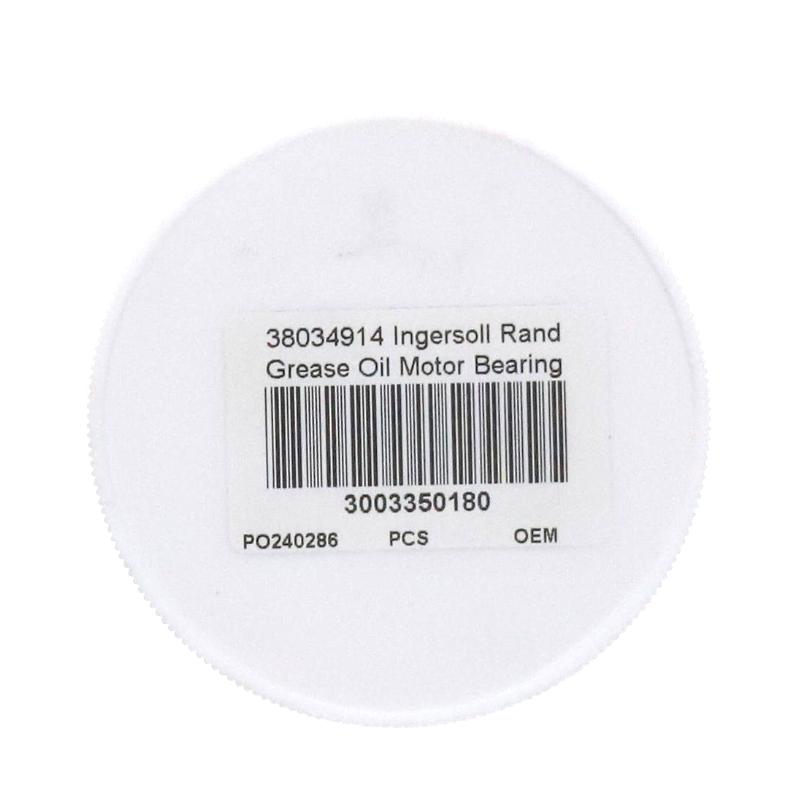
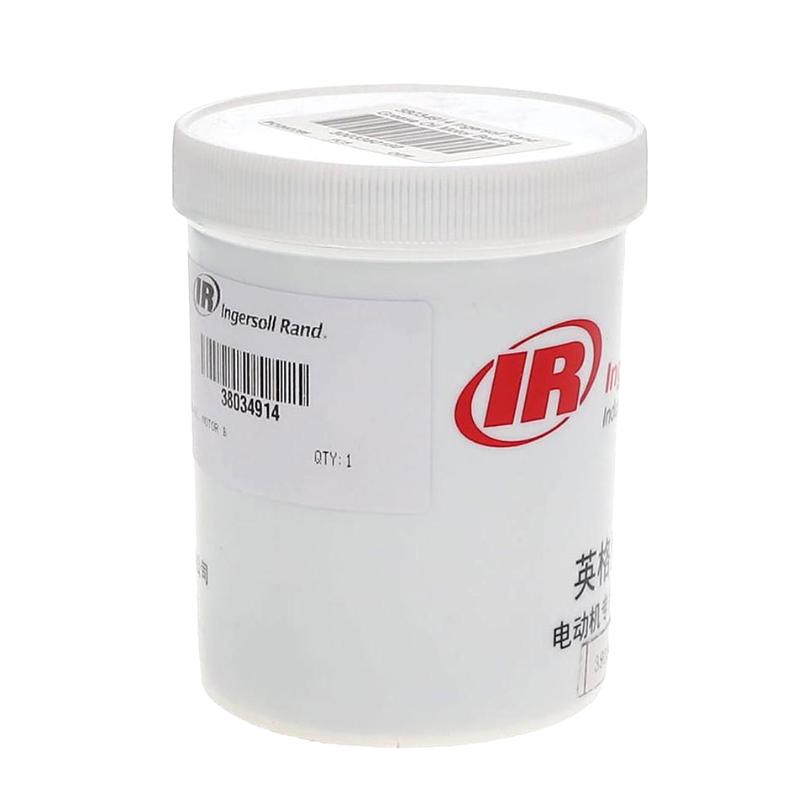
- Ingersoll Rand
- 47588443001 38034914
- Motor Bearing Grease
- USA
- 180 × 35 × 100 mm
- 0.41 kg
- Xiamen, China
- New & In Stock
- T/T, PayPal, Western Union
- 1 Year
- 1-3 Working Days
- DHL, UPS, TNT, FedEx and EMS.
- 24-Hour Service
- COO
- 5
Our advantage

Global Logistics
We have a 10-year logistics and express cooperation agreement, so our products can be shipped to any place in the world.

Brand new and original
Our products are imported in bulk from the place of origin. Because of the cooperative relationship, our products are all original and 100% new.

24-hour service
We provide 7*24 hours service to our customers. We will be there whenever you need us.

Price advantage
All our products are priced very favorably because we have our own warehouse and supply.
| Company Information | |||
| [email protected] | |||
| Mobile | +8615980777398 | ||
| +8615980777398 | |||
| 15980777398 |
Product Overview
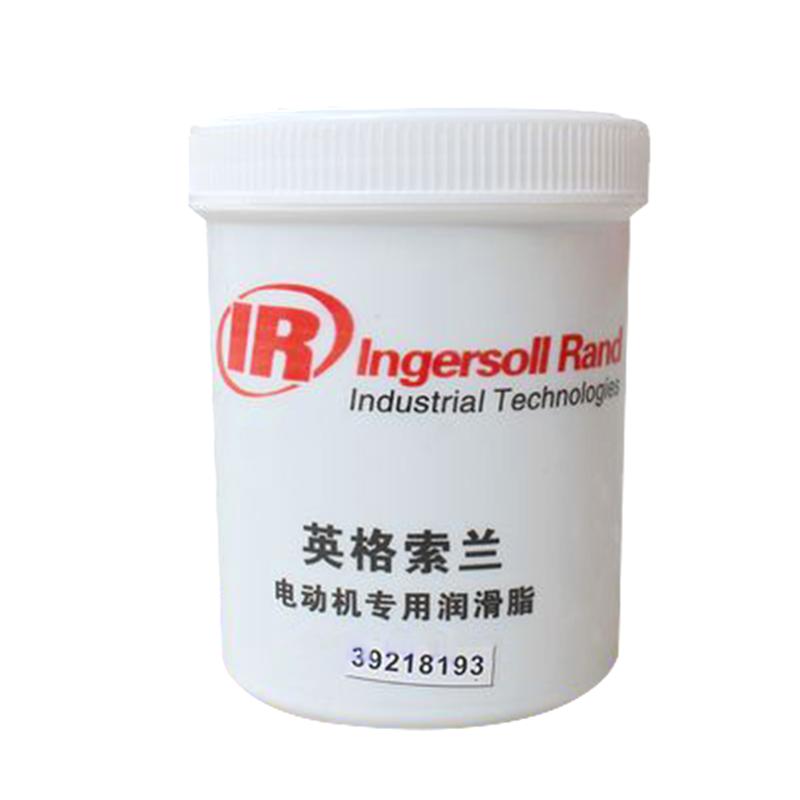
The Ingersoll Rand 47588443001 38034914 Motor Bearing Grease is a specialized lubrication product intended for motor-bearing maintenance in compatible Ingersoll Rand compressor equipment. Its purpose is to maintain a lubricating film between bearing contact surfaces, reduce friction during rotation, and help limit wear associated with repeated mechanical loading.
Motor bearings support rotating shafts and help maintain the alignment of moving assemblies. During compressor operation, these bearings are exposed to rotational forces, temperature changes, and continuous mechanical loading. Appropriate grease helps separate contacting surfaces and reduces direct metal-to-metal interaction, supporting smooth rotation and consistent mechanical operation.
Part number 38034914 is identified in product listings as motor bearing grease. The product is also described in parts catalogs as a 13.7 oz tube of Polyrex EM motor-bearing grease. This identification distinguishes it from general-purpose compressor lubricants used in the main oil circulation circuit. Grease intended for motor bearings should not automatically be substituted with compressor oil or another grease simply because both products provide lubrication.
Unlike liquid compressor oil, bearing grease remains within the bearing area and releases lubricant as the bearing operates. Its thickened structure helps retain the lubricating material around the contact surfaces, while the base oil provides the lubrication required to reduce friction. The formulation must be appropriate for the bearing design, operating conditions, and manufacturer’s maintenance requirements.
The condition of the lubricant is particularly important in electric motor assemblies. Insufficient grease can contribute to increased friction and bearing wear, while excessive grease can create additional churning resistance and temperature rise in applications where the bearing requires a controlled grease quantity. Using the correct lubricant and applying it in the specified amount are therefore essential parts of maintenance.
The 38034914 grease is intended for lubrication-related service rather than filtration or fluid separation. Its use should follow the maintenance procedure specified for the applicable motor and bearing assembly. The required quantity, replenishment interval, and application method depend on the bearing construction and the equipment manufacturer’s instructions.
During scheduled servicing, maintenance personnel should also consider the condition of the bearing itself. Abnormal noise, vibration, excessive temperature, or visible contamination may indicate problems that cannot be resolved through grease replacement alone. Bearing damage, misalignment, seal deterioration, and contamination ingress should be investigated when these symptoms occur.
The Ingersoll Rand 47588443001 38034914 Motor Bearing Grease supports bearing lubrication in compatible equipment when selected and applied correctly. Following the specified lubrication procedure helps maintain the intended bearing condition and supports the continued operation of motor-driven compressor assemblies.
Technical Specifications
| Parameter | Specification |
|---|---|
| Manufacturer | Ingersoll Rand |
| Model | 47588443001 |
| Part Number | 38034914 |
| Product Type | Motor Bearing Grease |
| Product Category | Industrial Lubricant |
| Lubricant Form | Grease |
| Identified Formulation | Polyrex EM, as listed in product catalogs |
| Packaging Description | 13.7 oz tube, as listed in product catalogs |
| Primary Function | Lubrication of compatible motor bearings |
| Application Area | Motor-bearing assemblies |
| Equipment Type | Compatible Ingersoll Rand compressor equipment |
| Maintenance Use | Bearing lubrication and scheduled servicing |
| Application Method | According to the applicable bearing maintenance procedure |
| Dimensions | 180 × 35 × 100 mm |
| Weight | 0.41 kg |
Product Features
- Bearing friction control: Helps maintain a lubricating film between moving bearing surfaces.
- Wear reduction: Reduces direct contact between bearing surfaces when applied under the specified operating conditions.
- Grease retention: The grease consistency helps keep lubricant around the intended bearing area.
- Motor maintenance application: Intended for bearing lubrication rather than filtration or air/oil separation.
- Controlled lubrication: Supports maintenance procedures that specify a particular lubricant and application quantity.
- Rotating equipment support: Helps maintain the lubrication condition of motor-bearing assemblies.
- Service-oriented packaging: The tube format supports controlled dispensing during maintenance.
- Component-specific selection: Requires confirmation that the grease is appropriate for the installed bearing and its operating conditions.
Working Principle
The Ingersoll Rand 38034914 Motor Bearing Grease lubricates bearing contact surfaces by maintaining a film of oil between moving mechanical components. Although the product is supplied as grease, its lubricating action depends primarily on the oil released from the grease structure as the bearing operates.
Grease Application → Lubricant Distribution → Bearing Rotation → Reduced Surface Friction
When grease is applied to a compatible bearing, it remains within the designated lubrication area and supplies lubricant to the contact surfaces. As the bearing rotates, the lubricant film helps separate the rolling or sliding surfaces, reducing friction and limiting direct contact between the materials.
The thickener within the grease helps retain the lubricant around the bearing. During operation, the grease structure can release base oil to replenish the lubricating film. The precise behavior depends on the grease formulation, bearing design, rotational speed, temperature, and operating load.
Lubrication requirements vary between bearing assemblies. Some bearings require a small, carefully controlled quantity of grease, while others have different replenishment arrangements. Excessive grease can increase churning resistance and contribute to heat generation in applications where the bearing cavity must not be overfilled. Too little grease can leave the contact surfaces inadequately lubricated.
The condition of the grease can change over time because of mechanical working, temperature exposure, contamination, or lubricant aging. Contaminated or deteriorated grease may no longer provide the intended lubrication performance. For this reason, replenishment and replacement should follow the specified maintenance procedure rather than relying only on visual appearance.
Grease compatibility is also important. Mixing different formulations can alter consistency and lubrication behavior, particularly when their base oils or thickener systems are incompatible. Existing grease should not be mixed with another product unless the applicable maintenance instructions permit it.
During service, the bearing should be inspected for signs of wear, contamination, seal damage, or abnormal operating conditions. Applying fresh grease cannot repair damaged rolling elements, worn races, or mechanical misalignment.
When the correct grease is applied in the specified quantity, the lubricating film helps maintain bearing operation and reduces friction-related wear. The result depends on correct product selection, appropriate application, and the overall condition of the bearing assembly.
Role in the Compressor Motor and Bearing System
The 38034914 Motor Bearing Grease supports the lubrication requirements of compatible motor-bearing assemblies associated with compressor equipment. It is used at the bearing level rather than as a circulating fluid throughout the compressor’s main oil circuit.
Motor Bearing → Lubricating Film → Reduced Friction → Supported Shaft Rotation
| System Component | Function |
|---|---|
| Motor Bearing Grease | Supplies lubricant to compatible bearing contact surfaces |
| Electric Motor Bearing | Supports the rotating shaft and manages mechanical loads |
| Motor Shaft | Transfers rotational motion to the driven assembly |
| Bearing Housing | Supports and locates the bearing assembly |
| Bearing Seals | Help protect the bearing area against contamination and lubricant loss |
| Electric Motor | Converts electrical energy into rotational mechanical power |
| Compressor Drive Assembly | Transfers motor power to the compressor mechanism |
| Compressor Airend | Performs air compression in rotary screw compressor designs |
| Motor Cooling System | Helps manage motor temperature according to the equipment design |
| Vibration Monitoring Equipment | Helps identify abnormal vibration associated with bearing or rotating-assembly problems |
The actual bearing arrangement and lubrication requirements depend on the motor and compressor configuration. Grease quantity, application points, and service intervals must follow the relevant equipment instructions.
Industrial Applications
| Application | Typical Use |
|---|---|
| Ingersoll Rand Compressor Motor Maintenance | Lubricating compatible motor-bearing assemblies where specified |
| Industrial Electric Motors | Maintaining the lubrication condition of designated bearings |
| Compressor Overhaul | Replenishing or renewing bearing grease during scheduled service |
| Preventive Maintenance Programs | Supporting planned bearing lubrication and condition checks |
| Manufacturing Facilities | Maintaining motor-driven equipment used in production |
| Industrial Utility Systems | Supporting lubrication maintenance for compatible rotating machinery |
| Motor-Driven Compressor Packages | Maintaining designated bearing assemblies in compressor drive systems |
| Equipment Refurbishment | Reapplying the specified grease during approved bearing servicing |
| Rotating Machinery Maintenance | Supporting bearing lubrication as part of a broader inspection procedure |
| Maintenance Workshops | Providing a specified grease for approved bearing service tasks |
Installation and Maintenance
- Identify the bearing application: Confirm that 38034914 is specified for the particular motor or bearing assembly before applying the grease.
- Isolate the equipment: Shut down the motor and follow the prescribed electrical isolation and lockout procedure before maintenance.
- Allow the assembly to cool: Wait until the bearing housing and surrounding components are safe to handle.
- Review the lubrication instructions: Determine the required grease quantity, application point, and replenishment interval from the applicable equipment procedure.
- Inspect the bearing area: Check for contamination, grease leakage, damaged seals, abnormal discoloration, or other visible signs of deterioration.
- Prepare the application point: Clean the accessible lubrication fitting or designated application area to prevent dirt from entering the bearing.
- Check lubricant compatibility: Do not mix the grease with an existing lubricant unless the applicable instructions confirm that the combination is suitable.
- Remove old grease when required: Follow the bearing service procedure if the existing grease must be removed before applying the replacement lubricant.
- Apply the specified quantity: Dispense the grease carefully and avoid overfilling the bearing cavity or applying lubricant to unintended areas.
- Restore the assembly: Refit any removed covers, seals, or lubrication fittings according to the prescribed procedure.
- Check operating condition: Return the equipment to service as authorized and monitor for abnormal noise, vibration, temperature, or other indications of bearing problems.
- Record the lubrication service: Document the grease used, service date, operating hours, and any bearing condition issues observed during inspection.
If a bearing continues to run hot or produces abnormal noise after lubrication, investigate the bearing condition, alignment, load, and lubrication arrangement. Additional grease should not be added automatically, because excessive lubrication can also contribute to temperature rise in some bearing designs.
Related Components
| Component | Function |
|---|---|
| Ingersoll Rand 38034914 Motor Bearing Grease | Provides grease lubrication for specified motor-bearing applications |
| Electric Motor Bearing | Supports shaft rotation and carries mechanical loads |
| Bearing Housing | Locates and supports the bearing |
| Bearing Seals | Help retain lubricant and restrict contamination ingress |
| Motor Shaft | Transfers rotational motion to the driven equipment |
| Electric Motor | Supplies mechanical power to the compressor drive |
| Compressor Drive Assembly | Transfers motor power to the compression mechanism |
| Motor Cooling System | Helps maintain suitable motor operating temperatures |
| Vibration Monitoring Equipment | Helps detect changes in rotating-equipment condition |
| Temperature Monitoring Equipment | Helps identify abnormal bearing or motor temperature conditions |
Recommended Related Models
| Model | Product Type | Typical Application |
|---|---|---|
| Ingersoll Rand 38034914 | Motor Bearing Grease | Lubrication of specified motor-bearing assemblies |
| Ingersoll Rand 24900433 | Oil Filter | Removal of particulate contaminants from circulating compressor lubricant |
| Ingersoll Rand 54672654 | Oil Filter | Lubricant filtration in compatible compressor configurations |
| Ingersoll Rand 89295976 | Air Filter | Intake-air filtration in designated compressor applications |
| Ingersoll Rand 54749247 | Air/Oil Separator | Separation of entrained lubricant from compressed air in compatible systems |
Key Advantages
- Helps maintain a lubricating film between compatible bearing contact surfaces.
- Supports reduced friction and wear during normal bearing operation.
- Provides a specified grease option for applicable motor-bearing maintenance.
- Supports planned lubrication procedures for compressor motor assemblies.
- Helps maintenance personnel manage bearing lubrication as part of equipment servicing.
- Encourages condition-based inspection alongside routine grease application.
Technical FAQs
Is the 38034914 Motor Bearing Grease the same as compressor oil?
No. Motor bearing grease is applied to designated bearing assemblies, whereas compressor oil generally circulates through the compressor’s lubrication, sealing, and cooling circuit. The products have different physical properties and application requirements and should not be substituted for one another.
What does the Polyrex EM designation indicate for this product?
Parts catalogs identify part number 38034914 as a tube of Polyrex EM motor-bearing grease. The formulation designation helps distinguish the specified lubricant from other greases, but the correct application must still be established from the equipment’s bearing lubrication requirements.
Can excessive grease cause motor-bearing problems?
Yes. Depending on the bearing design, overfilling can increase churning resistance and heat generation. Excess grease may also interfere with seals or escape from the bearing housing. Always apply the specified quantity rather than assuming that more grease provides better protection.
What should be checked if a motor bearing remains noisy after lubrication?
Inspect the bearing for wear, contamination, seal damage, misalignment, and abnormal loading. Confirm that the correct grease and application quantity were used. Persistent noise or vibration may indicate mechanical damage that lubrication alone cannot correct.