

ProductPRODUCT
Featured products
Contact Us
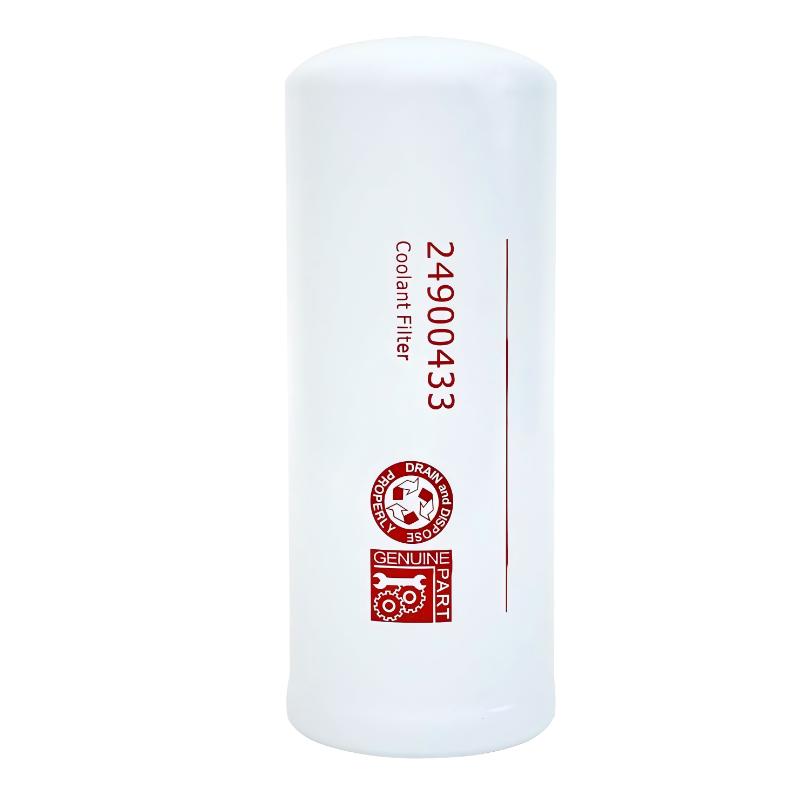
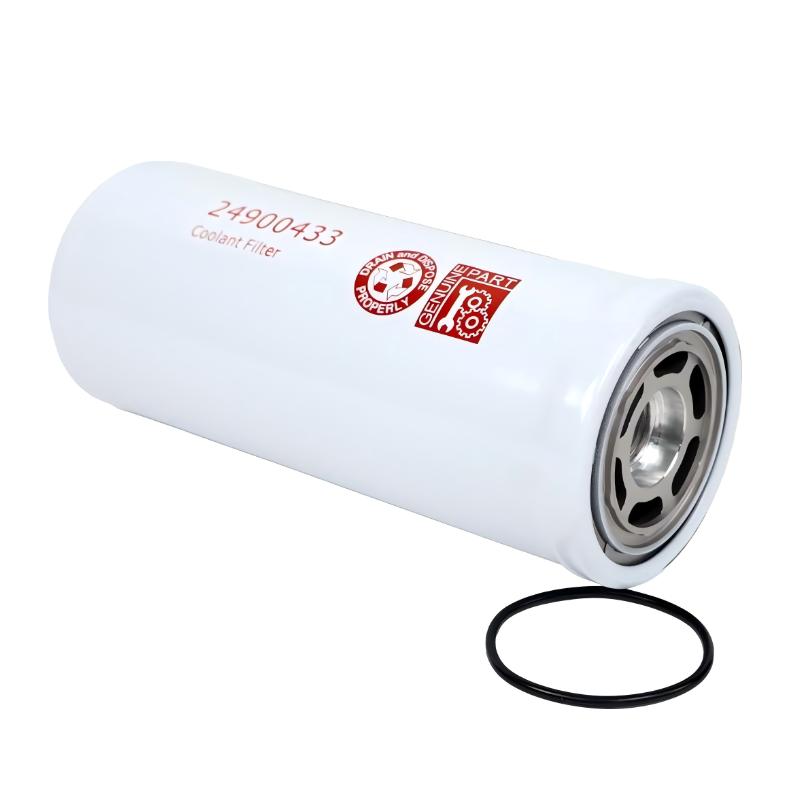
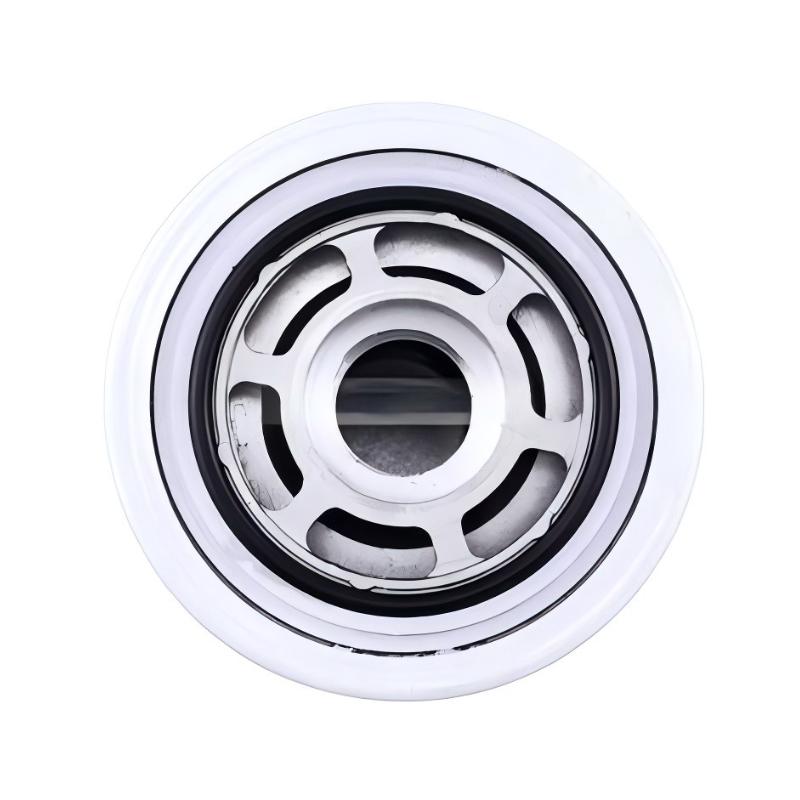
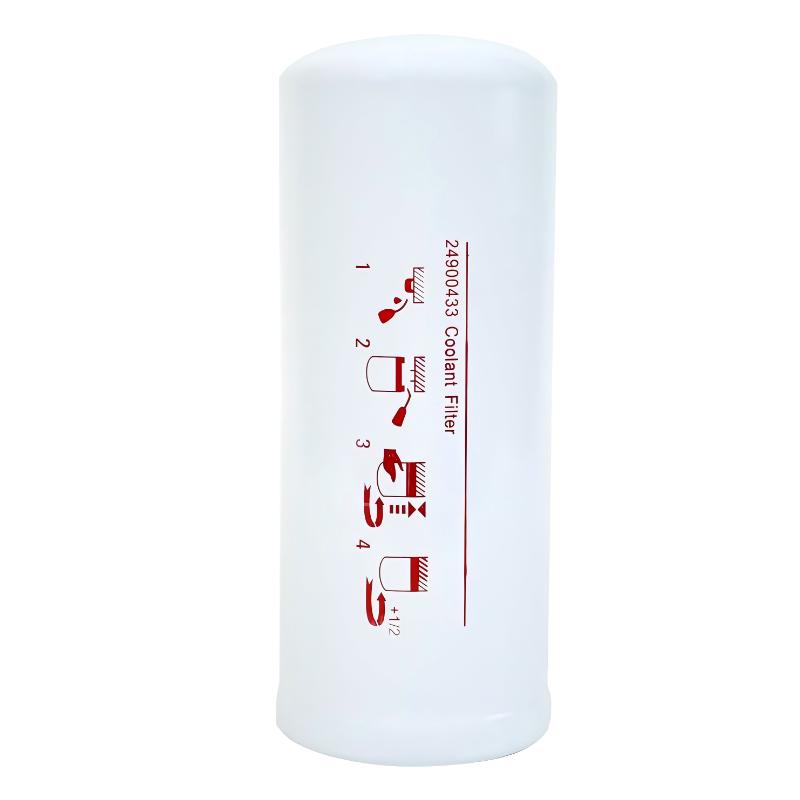
- Ingersoll Rand
- 47588443001 24900433
- Oil Filter
- USA
- 208 × 50 × 95 mm
- 1.36 kg
- Xiamen, China
- New & In Stock
- T/T, PayPal, Western Union
- 1 Year
- 1-3 Working Days
- DHL, UPS, TNT, FedEx and EMS.
- 24-Hour Service
- COO
- 5
Our advantage

Global Logistics
We have a 10-year logistics and express cooperation agreement, so our products can be shipped to any place in the world.

Brand new and original
Our products are imported in bulk from the place of origin. Because of the cooperative relationship, our products are all original and 100% new.

24-hour service
We provide 7*24 hours service to our customers. We will be there whenever you need us.

Price advantage
All our products are priced very favorably because we have our own warehouse and supply.
| Company Information | |||
| [email protected] | |||
| Mobile | +8615980777398 | ||
| +8615980777398 | |||
| 15980777398 |
Product Overview
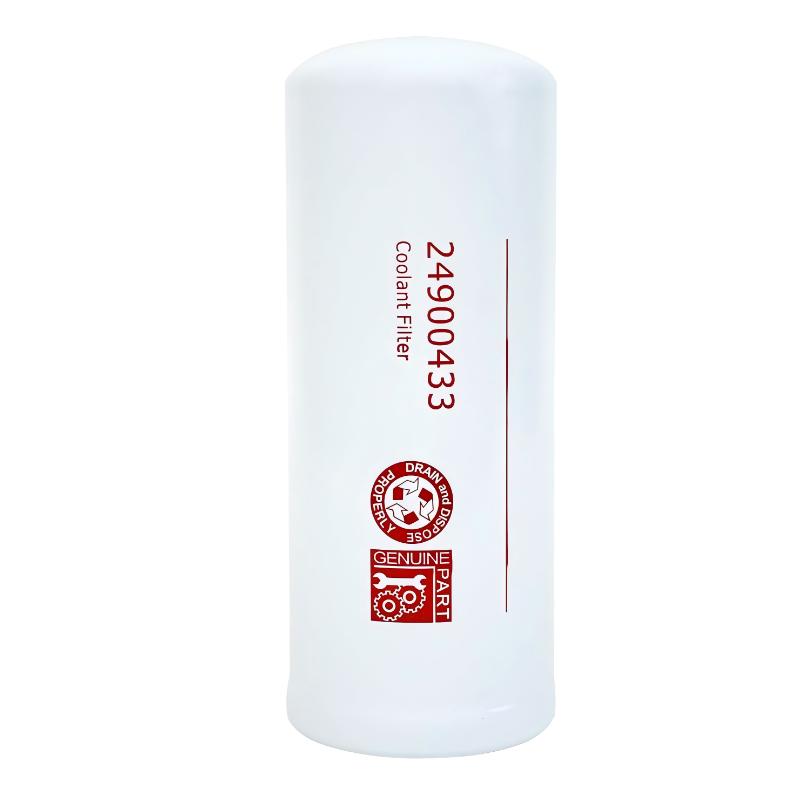
The Ingersoll Rand 47588443001 24900433 Oil Filter is a replacement lubricant filtration component for compatible Ingersoll Rand rotary screw air compressors. It removes suspended particles and debris from the circulating compressor oil before the lubricant returns to the components that depend on it for lubrication, cooling, and sealing. Maintaining clean oil helps limit contamination within the lubrication circuit and supports the continued operation of the compressor airend.
In an oil-injected rotary screw compressor, lubricant performs several functions simultaneously. It reduces friction between moving components, helps seal the rotor clearances, and carries heat away from the compression process. During operation, the oil can collect fine particulate matter, wear debris, and contaminants introduced through the surrounding system. Without effective filtration, these materials may continue circulating through the compressor and contribute to deposits or premature component wear.
The 24900433 is identified in parts listings as a spin-on coolant/oil filter element. It is used in selected Ingersoll Rand RS and RSa rotary screw compressor configurations, with additional applications documented for certain UP5 and UP6 machines. Its precise application depends on the compressor model, production configuration, and installed filter arrangement.
The filter is installed in the lubricant circuit, where oil passes through the internal filtration media before returning to the system. The media retains particulate contaminants while allowing the lubricant to continue flowing. This process helps maintain the cleanliness of oil supplied to the airend, oil cooler, and other components served by the lubrication circuit.
As the filter accumulates contaminants, resistance to oil flow can increase. Excessive restriction may affect the pressure difference across the filter and interfere with normal lubricant circulation. The actual effect depends on the filter’s internal construction and the compressor’s operating conditions. Replacing the filter at the prescribed service interval helps maintain the intended filtration performance.
The condition of the removed filter can also reveal information about the compressor’s operating environment. Unusual deposits or excessive debris may indicate lubricant deterioration, internal wear, or contamination elsewhere in the system. Simply fitting a new filter may not resolve the underlying cause if the oil or lubrication circuit remains contaminated.
The Ingersoll Rand 47588443001 24900433 Oil Filter supports routine maintenance of compatible compressor systems. Correct application, proper installation, suitable lubricant, and adherence to the equipment’s maintenance requirements help maintain oil cleanliness and protect components that depend on consistent lubricant circulation.
Technical Specifications
| Parameter | Specification |
|---|---|
| Manufacturer | Ingersoll Rand |
| Model | 47588443001 |
| Part Number | 24900433 |
| Product Type | Oil Filter |
| Component Description | Coolant/Oil Filter Element |
| Product Category | Compressor Lubricant Filtration |
| Equipment Type | Rotary Screw Air Compressor |
| Filter Construction | Spin-On Filter Element |
| Primary Function | Removes particulate contaminants from circulating lubricant |
| Installation Location | Compressor lubrication circuit |
| Filtration Method | Mechanical filtration through filter media |
| Lubricant Circuit | Oil circulation and cooling system |
| Associated Equipment | Compatible Ingersoll Rand RS, RSa, UP5, and UP6 configurations |
| Maintenance Type | Periodic inspection and filter replacement |
| Dimensions | 208 × 50 × 95 mm |
| Weight | 1.36 kg |
Product Features
- Lubricant filtration: Captures suspended particles and debris carried by the compressor oil.
- Spin-on construction: Supports replacement of the filter element as a complete service unit.
- Oil circuit protection: Helps reduce the circulation of contaminants through the airend and associated lubrication components.
- Cooling circuit support: Contributes to lubricant cleanliness in systems where the oil also transfers heat.
- Routine maintenance compatibility: Can be included in scheduled compressor servicing.
- Contamination monitoring: The removed filter can help maintenance personnel identify unusual debris or oil-system contamination.
- Compressor-specific fitment: Requires the appropriate mounting interface and filtration characteristics for the installed equipment.
- Lubricant circulation support: Helps maintain the intended balance between particle retention and oil flow when correctly selected and maintained.
Working Principle
The Ingersoll Rand 24900433 Oil Filter uses mechanical filtration to remove particulate contaminants from circulating compressor lubricant. During normal operation, oil flows through the filter’s inlet connection and passes through the internal filtration media. Suspended particles are retained, while the filtered lubricant continues through the lubrication circuit.
Compressor Oil Circuit → Filter Inlet → Filtration Media → Filtered Lubricant → Airend and Associated Components
The filtration media captures particles carried by the oil, including debris generated through normal equipment operation and contaminants introduced from the surrounding system. The exact particle-retention performance depends on the filter specification and the condition of the media.
As operating hours accumulate, retained contaminants gradually occupy the available filtration area. This can increase resistance to oil flow and raise the differential pressure across the filter. A heavily loaded element may therefore require replacement to maintain the intended lubrication-system performance.
Some spin-on filter designs incorporate a bypass mechanism that permits oil to continue flowing when the pressure difference reaches a specified threshold. The presence and operating characteristics of such a mechanism depend on the particular filter design. If bypass operation occurs, filtration may be reduced, so it should not be treated as a substitute for scheduled maintenance.
The filter also depends on the condition of its mounting interface and sealing gasket. Incorrect installation, damaged threads, or a poorly seated seal can cause oil leakage or interfere with the intended flow path. The replacement element must therefore be installed using the applicable service procedure.
After removing the used filter, technicians should inspect the surrounding mounting area and assess any unusual deposits or debris. If contamination is excessive, the lubricant condition and other parts of the oil circuit may require further investigation.
Following installation, the compressor should be returned to service according to the prescribed procedure. The filter connection should be checked for leakage, and available oil-pressure and temperature indications should be reviewed against the equipment’s normal operating requirements.
Role in the Compressor Lubrication System
The 24900433 Oil Filter forms part of the lubricant circulation system in compatible Ingersoll Rand rotary screw compressors. It helps remove particulate contaminants before the oil returns to the components that rely on it for lubrication, rotor sealing, and heat transfer.
Lubricant Circuit → Oil Filter → Filtered Oil Supply → Airend and Oil Cooler → Lubricant Return
| System Component | Function |
|---|---|
| Ingersoll Rand 24900433 Oil Filter | Removes particulate contaminants from circulating lubricant |
| Compressor Oil Circuit | Distributes lubricant through the components served by the system |
| Oil Pump or Pressure-Driven Supply | Moves lubricant through the circuit according to the compressor design |
| Airend | Compresses air and uses lubricant for sealing and heat management in oil-injected designs |
| Bearings | Support rotating assemblies and depend on suitable lubrication |
| Oil Cooler | Removes heat from circulating lubricant |
| Air/Oil Separator | Separates entrained lubricant from compressed air in applicable oil-injected systems |
| Minimum Pressure Valve | Helps maintain required pressure conditions in applicable compressor designs |
| Oil Lines and Fittings | Carry lubricant between the system components |
| Compressor Controller | Monitors available operating signals and coordinates equipment operation |
The exact arrangement depends on the compressor model and production configuration. The filter must match the designated mounting assembly and lubrication requirements.
Industrial Applications
| Application | Typical Use |
|---|---|
| Ingersoll Rand RS-Series Compressors | Lubricant filtration in compatible RS compressor configurations |
| Ingersoll Rand RSa-Series Compressors | Oil filtration in designated RSa equipment |
| Ingersoll Rand UP5 Compressors | Filter replacement in applicable UP5 configurations |
| Ingersoll Rand UP6 Compressors | Lubricant filtration in compatible UP6 equipment |
| Manufacturing Plants | Maintaining oil cleanliness in industrial compressed-air systems |
| Automotive Production | Supporting compressor lubrication in pneumatic utility installations |
| Metalworking Facilities | Reducing particulate circulation through compressor oil circuits |
| Packaging Operations | Maintaining lubricant filtration in compressors supplying production equipment |
| Process Industries | Supporting oil circulation and cooling in industrial compressor installations |
| Central Compressor Rooms | Maintaining filtration performance in regularly operated equipment |
| Preventive Maintenance Programs | Replacing loaded filters according to operating hours and service requirements |
Installation and Maintenance
- Isolate the compressor: Stop the machine and follow the prescribed lockout procedure before starting maintenance.
- Allow the system to cool: Ensure that the lubricant and surrounding components have reached a safe condition for servicing.
- Relieve pressure as required: Follow the equipment-specific procedure to make the relevant oil circuit safe to open.
- Locate the oil filter: Identify the installed element and confirm that part 24900433 matches the required compressor application.
- Prepare a collection container: Position a suitable container beneath the filter to collect residual lubricant during removal.
- Remove the used filter: Unscrew the element using the approved method and avoid damaging the mounting connection.
- Inspect the mounting surface: Check the filter head, threaded connection, and gasket contact area for contamination or damage.
- Examine the removed element: Look for unusual deposits or debris that may indicate contamination or excessive wear within the lubrication circuit.
- Prepare the replacement: Check the new filter and sealing gasket for damage and follow the specified preparation procedure.
- Install the new filter: Engage the mounting connection correctly and tighten the element according to the equipment instructions. Avoid overtightening.
- Check operation and leakage: Restore the compressor to service under the approved procedure and inspect the filter connection for oil leakage.
- Record the maintenance: Document the replacement date, operating hours, lubricant condition, and any unusual contamination observed during servicing.
If the filter loads up unusually quickly or the compressor continues to show abnormal oil-pressure or temperature indications, inspect the wider lubrication circuit. Contaminated lubricant, internal wear, cooler problems, or restricted oil passages may require attention beyond filter replacement.
Related Components
| Component | Function |
|---|---|
| Ingersoll Rand 24900433 Oil Filter | Filters particulate contaminants from circulating compressor lubricant |
| Compressor Lubricant | Provides lubrication, sealing, and heat transfer in the applicable compressor design |
| Oil Cooler | Removes heat from the circulating lubricant |
| Airend | Compresses air and uses lubricant for sealing and heat management in oil-injected systems |
| Bearings | Support rotating components and depend on appropriate lubricant delivery |
| Oil Lines and Fittings | Carry lubricant between the filter, cooler, and other system components |
| Air/Oil Separator Element | Separates entrained lubricant from compressed air |
| Minimum Pressure Valve | Supports pressure management in applicable compressor arrangements |
| Air Filter Element | Removes airborne contaminants before air enters the compression element |
| Compressor Controller | Monitors available operating signals and coordinates compressor operation |
Recommended Related Models
| Model | Product Type | Typical Application |
|---|---|---|
| Ingersoll Rand 24900433 | Oil Filter | Lubricant filtration in compatible RS, RSa, UP5, and UP6 configurations |
| Ingersoll Rand 54672654 | Oil Filter | Oil filtration in designated compressor applications |
| Ingersoll Rand 89295976 | Air Filter | Intake-air filtration in compatible compressor systems |
| Ingersoll Rand 54749247 | Air/Oil Separator | Separation-element replacement in designated compressor configurations |
| Ingersoll Rand 23545841 | Air/Oil Separator | Air/oil separation in other compatible compressor installations |
Key Advantages
- Helps control particulate contamination in the compressor lubrication circuit.
- Supports clean lubricant delivery to the airend and associated components.
- Uses a spin-on configuration for routine filter replacement.
- Helps reduce the circulation of debris that may contribute to component wear.
- Supports preventive maintenance of compatible Ingersoll Rand compressor systems.
- Provides an opportunity to identify unusual contamination during filter servicing.
Technical FAQs
What is the difference between the 24900433 filter and an air/oil separator?
The 24900433 filters particulate contaminants from circulating lubricant. An air/oil separator removes entrained oil from compressed air and supports recovery of the separated lubricant. The two components perform different functions and cannot be substituted for one another.
Which compressor families are associated with the 24900433 Oil Filter?
Parts listings associate this element with selected Ingersoll Rand RS and RSa rotary screw compressors, as well as certain UP5 and UP6 configurations. The actual application depends on the compressor model and installed filter arrangement.
How can a restricted oil filter affect the lubrication system?
Accumulated contaminants can increase resistance to oil flow and raise the differential pressure across the filter. Depending on the compressor design, excessive restriction may affect lubricant circulation or activate a bypass mechanism where one is fitted. The filter should be maintained according to the applicable service requirements.
What should be checked when installing a replacement 24900433 filter?
Inspect the mounting surface, threaded connection, sealing gasket, and surrounding area for damage or contamination. Confirm that the replacement matches the specified application, install it according to the equipment procedure, and check for leakage after returning the compressor to service.