

ProductPRODUCT
Featured products
Contact Us
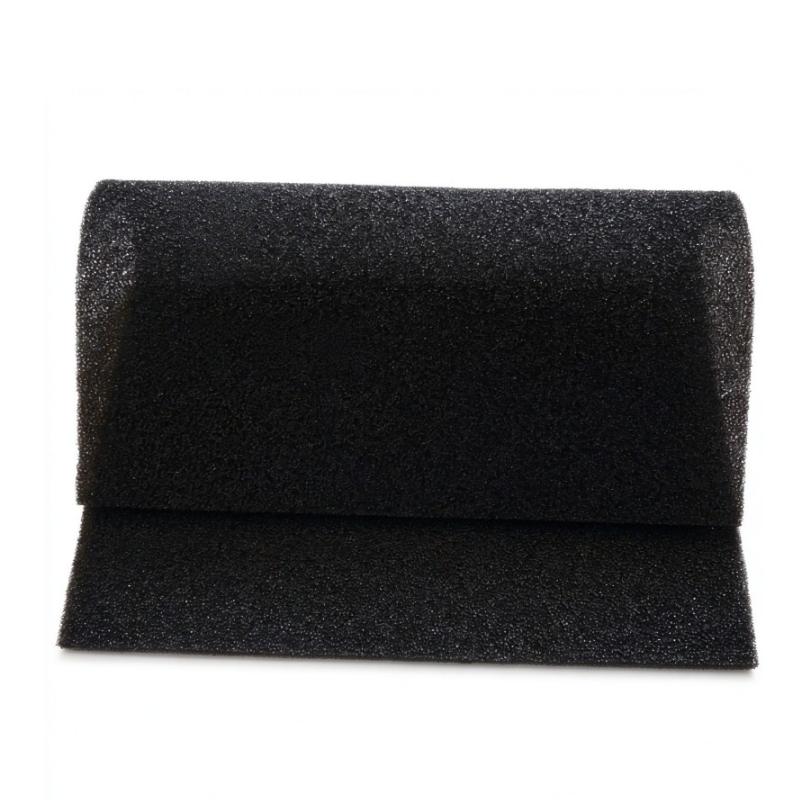
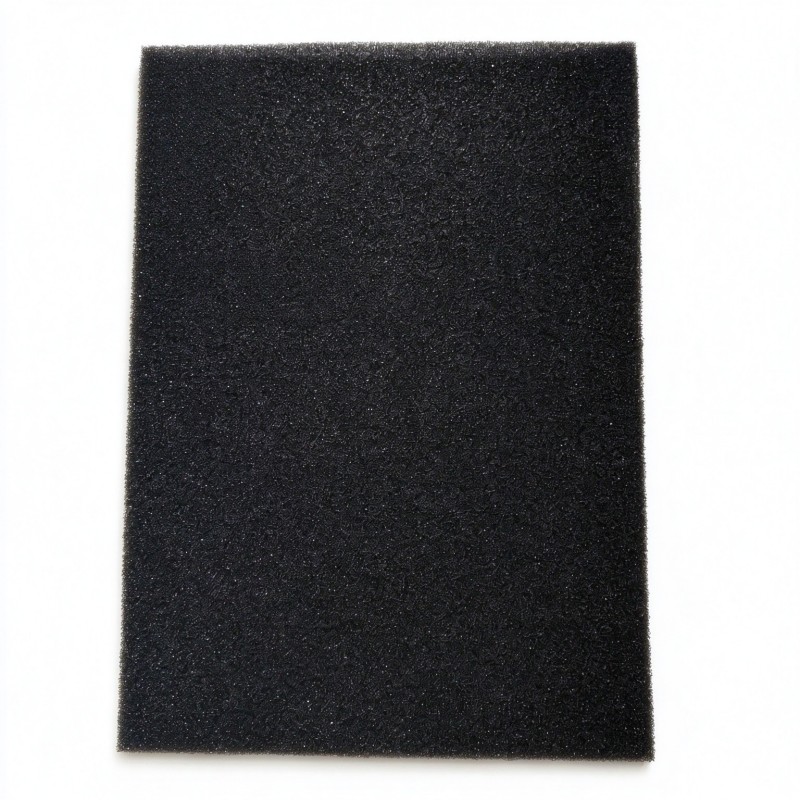
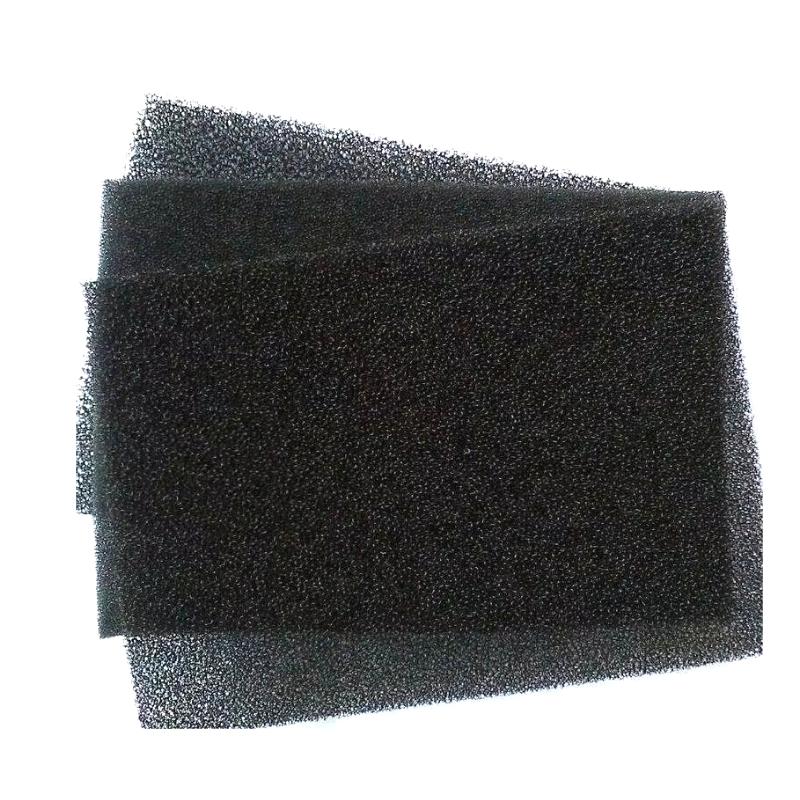
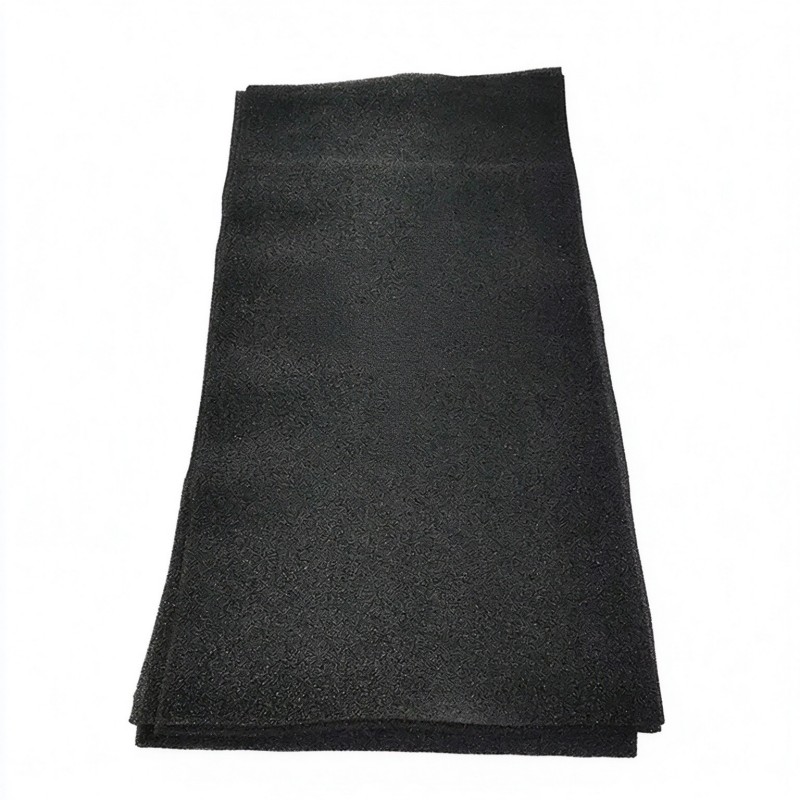
- Ingersoll Rand
- 47572168001 23523772
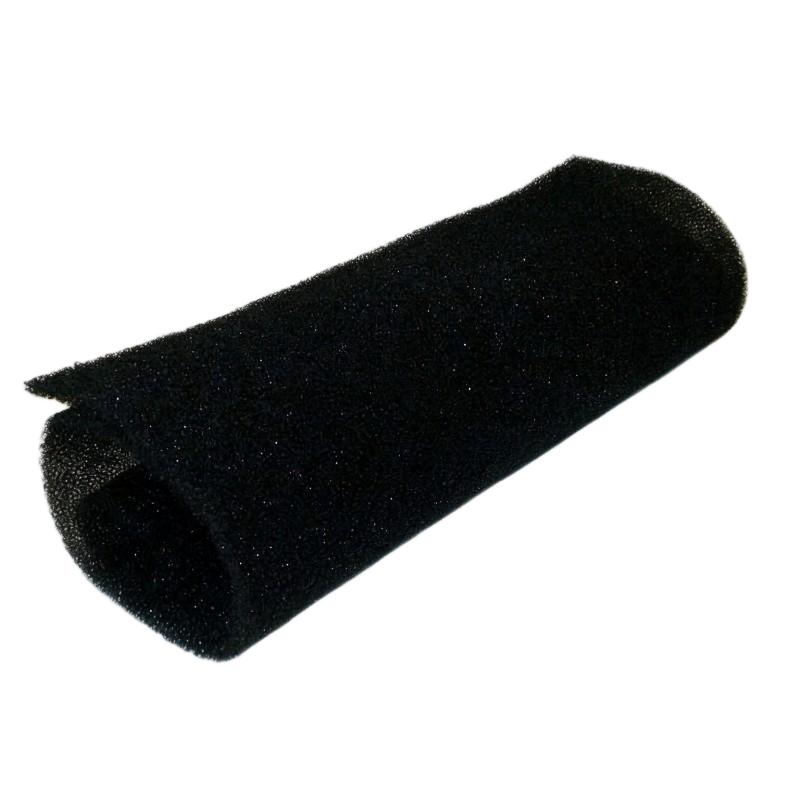
- Filter Pad
- USA
- 10 × 880 × 1420 mm
- 0.227 kg
- Xiamen, China
- New & In Stock
- T/T, PayPal, Western Union
- 1 Year
- 1-3 Working Days
- DHL, UPS, TNT, FedEx and EMS.
- 24-Hour Service
- COO
- 15
Our advantage

Global Logistics
We have a 10-year logistics and express cooperation agreement, so our products can be shipped to any place in the world.

Brand new and original
Our products are imported in bulk from the place of origin. Because of the cooperative relationship, our products are all original and 100% new.

24-hour service
We provide 7*24 hours service to our customers. We will be there whenever you need us.

Price advantage
All our products are priced very favorably because we have our own warehouse and supply.
| Company Information | |||
| [email protected] | |||
| Mobile | +8615980777398 | ||
| +8615980777398 | |||
| 15980777398 |
1. Product Overview
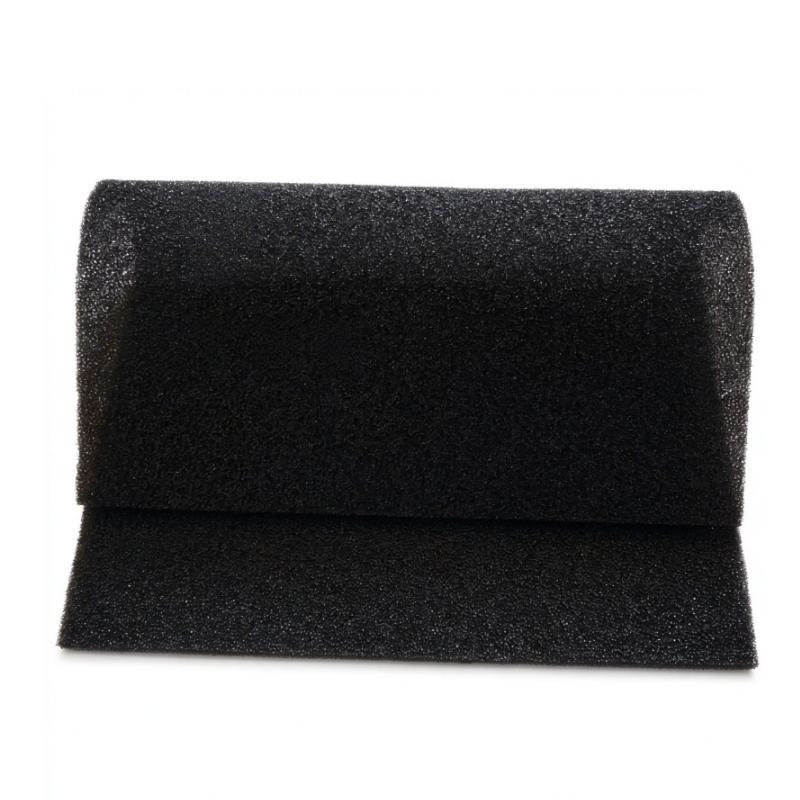
The Ingersoll Rand 47572168001 / 23523772 Filter Pad is an industrial filtration component intended for use in compatible equipment where air filtration and the management of airborne particles are required. Filter pads are commonly used in industrial machinery to help capture dust and other suspended contaminants, supporting cleaner airflow and protecting equipment from excessive particulate accumulation.
In industrial environments, filtration components can contribute to equipment reliability by helping maintain appropriate airflow conditions and reducing the amount of dust entering designated areas of a machine. Their effectiveness depends on the filter material, filtration characteristics, operating environment, airflow requirements, and compatibility with the equipment in which they are installed.
The Ingersoll Rand part numbers 47572168001 and 23523772 should be checked against the equipment documentation and the identification information supplied with the replacement part. When ordering a filter pad, confirming the complete part number is important because visually similar filters may differ in dimensions, material, airflow resistance, or intended application.
The supplied dimensions are 10 × 880 × 1420 mm, and the listed weight is 0.227 kg. These specifications help with preliminary product identification, replacement planning, storage, and installation-space assessment.
Before installation, users should confirm the filter’s intended position, material requirements, airflow direction if applicable, and compatibility with the specific Ingersoll Rand equipment. The exact filtration performance and service interval should be determined from the applicable technical documentation and actual operating conditions.
2. Technical Specifications
| Parameter | Specification |
|---|---|
| Brand | Ingersoll Rand |
| Part Number 1 | 47572168001 |
| Part Number 2 | 23523772 |
| Product Name | Filter Pad |
| Product Category | Industrial Filtration Components |
| Dimensions | 10 × 880 × 1420 mm |
| Weight | 0.227 kg |
| Primary Function | Filtration of airborne particles in a compatible equipment assembly |
| Application | Industrial equipment filtration, subject to model and installation verification |
| Installation Position | Confirm from the equipment assembly and maintenance documentation |
| Filter Material | Verify the material specification for the exact part |
| Filtration Efficiency | Confirm from the applicable product documentation |
| Airflow Resistance | Verify the specified pressure-drop or airflow characteristics |
| Replacement Interval | Determine according to equipment requirements and operating conditions |
| Compatibility | Confirm using the complete part number and equipment model |
The dimensions and weight above are the supplied product specifications. Filter material, filtration grade, airflow capacity, pressure-drop limits, and approved equipment models should not be assumed without confirmation.
3. Function and Working Principle
A filter pad is designed to capture airborne particles as air passes through its filtration medium. The material structure allows air to flow through while retaining some of the particles carried in the airflow. The exact particle-capture characteristics depend on the filter’s construction, material, and specified performance.
In a compatible industrial system, the general filtration process involves several stages.
3.1 Air Intake
Air enters the equipment through a designated intake or ventilation path. Depending on the machine design, this air may be used for cooling, ventilation, or another equipment-specific purpose.
3.2 Particle Capture
As air passes through the filter pad, the filtration material captures particles according to its design and filtration characteristics. The degree of capture depends on the material, particle size, airflow, and operating conditions.
3.3 Airflow Through the Equipment
The filtered air continues through the intended airflow path. Maintaining the correct filter dimensions and installation arrangement helps prevent gaps or bypass paths that could allow unfiltered air to enter.
3.4 Contaminant Accumulation
Over time, captured dust and other particles accumulate within the filter material. As contamination increases, airflow resistance may rise, depending on the filter design and the nature of the particles.
3.5 Inspection and Replacement
The filter pad should be inspected and replaced according to the equipment manufacturer’s instructions and the actual condition of the filter. A heavily contaminated or damaged pad may no longer provide the required filtration or airflow characteristics.
These stages describe the general operation of an industrial filter pad. They do not establish the precise filtration mechanism, efficiency, or intended installation position of the Ingersoll Rand 47572168001 / 23523772.
4. Role in Industrial Equipment
Filtration components support industrial equipment by helping manage contamination in designated airflow paths. Their role varies according to the machine’s design and the purpose of its ventilation or filtration system.
4.1 Contamination Control
Dust and airborne particles can accumulate on internal surfaces, obstruct airflow paths, or interfere with sensitive components. A correctly specified filter pad helps reduce particulate entry through the area it is designed to protect.
4.2 Airflow Management
Industrial equipment may rely on controlled airflow to maintain suitable operating conditions. Selecting a filter with the correct dimensions and airflow characteristics helps preserve the intended design of the ventilation system.
4.3 Equipment Protection
Appropriate filtration can help reduce the accumulation of contaminants in protected areas. However, a filter pad should not be considered a substitute for other required maintenance, sealing, ventilation, or contamination-control measures.
4.4 Maintenance Efficiency
A correctly identified replacement filter simplifies scheduled servicing and reduces the risk of installing a pad that does not fit or meet the equipment’s requirements.
4.5 Operational Reliability
A damaged, incorrectly installed, or excessively contaminated filter may affect airflow and reduce filtration performance. Regular inspection and timely replacement help maintain the intended condition of the filtration system.
5. Industrial Applications
The suitability of the Ingersoll Rand 47572168001 / 23523772 depends on the exact equipment model and the filter’s verified specifications. The following examples describe general industrial environments where compatible filter pads may be used.
5.1 Industrial Air Equipment
Industrial air equipment may require filtration components to help control airborne particles entering designated ventilation or intake areas. The replacement filter must match the original dimensions and specified filtration characteristics.
5.2 Compressor-Related Equipment
Industrial compressor installations may contain ventilation, cooling, or enclosure filtration components. A filter pad should be used only in the position and equipment configuration for which it is approved.
5.3 Manufacturing Facilities
Manufacturing environments can contain dust and airborne contaminants generated by machining, material handling, packaging, or other processes. Compatible filter pads may help manage particulate entry into equipment ventilation paths.
5.4 Industrial Control Cabinets and Enclosures
Some industrial enclosures use filter pads in ventilation assemblies to reduce dust entry while allowing airflow. Correct filter selection is important because unsuitable materials or excessive airflow resistance may affect enclosure ventilation.
5.5 Equipment Maintenance and Refurbishment
During maintenance or refurbishment, technicians may replace worn or contaminated filter pads to restore the intended filtration arrangement. The exact part number and equipment documentation should be checked before installation.
These examples are general descriptions of possible filter-pad applications. They do not confirm that this specific part number is suitable for every application listed.
6. Installation and System Integration
Correct installation helps ensure that a filter pad fits the intended opening and performs according to the equipment’s design. The following procedure is a general checklist; the applicable Ingersoll Rand equipment documentation takes precedence.
Step 1: Verify the Part Number
Check whether the replacement is identified as 47572168001 or 23523772. Compare the identification with the equipment’s parts list, maintenance records, or the original filter.
Do not rely on appearance alone, because similar filter pads may have different material properties or airflow characteristics.
Step 2: Shut Down the Equipment Safely
Stop the equipment and follow the manufacturer’s maintenance procedure. Isolate relevant energy sources where required and allow hot surfaces or moving components to reach a safe condition before accessing the filter location.
If the filter is installed near powered fans or other moving equipment, ensure that these components cannot start unexpectedly during maintenance.
Step 3: Access the Filter Housing
Open the designated access panel or filter compartment according to the equipment instructions. Avoid damaging the housing, retaining clips, seals, or adjacent components.
Step 4: Remove the Existing Filter
Remove the old filter pad carefully to minimize the release of accumulated dust. Follow the site’s contamination-control and disposal procedures, particularly if the filter may contain hazardous or process-specific particles.
Step 5: Inspect the Filter Compartment
Check the housing, filter frame, retaining elements, and surrounding surfaces for contamination or damage. Clean the accessible area according to the manufacturer’s instructions without introducing debris into the equipment.
Inspect any seals or retaining components that are designed to prevent air from bypassing the filter.
Step 6: Confirm the Dimensions and Orientation
The supplied dimensions are 10 × 880 × 1420 mm. Confirm that these dimensions match the required installation position and that the filter is oriented correctly.
Do not trim, fold, compress, or otherwise modify the filter unless the equipment documentation specifically permits it.
Step 7: Install the Replacement Pad
Position the filter in the designated housing. Ensure that it sits evenly and that retaining components are correctly engaged.
If the filter has a marked airflow direction or a defined front and rear face, follow the specified orientation. Do not assume that every filter pad is directional.
Step 8: Check the Fit
Confirm that the filter covers the intended opening and that there are no obvious gaps around the edges. An incorrect fit may allow unfiltered air to bypass the filtration medium.
Step 9: Close the Housing
Reinstall the access panel and secure all retaining elements according to the equipment instructions. Confirm that the filter cannot move into nearby fans or other components during operation.
Step 10: Restore Operation and Inspect
Restore power or return the equipment to service according to the approved procedure. Check for abnormal airflow, unexpected noise, warning messages, or other indications that the filter assembly has not been installed correctly.
Record the replacement date and any relevant maintenance observations.
7. Common Problems and Troubleshooting
Filter-related problems may result from contamination, incorrect dimensions, unsuitable material, installation errors, or issues elsewhere in the equipment’s airflow system.
| Symptom | Possible Causes | Recommended Checks |
|---|---|---|
| Reduced airflow | Filter contamination, obstruction, or unsuitable filter characteristics | Inspect the pad and airflow path; verify the required filter specification |
| Excessive dust inside the equipment | Damaged filter, poor fit, edge gaps, or bypass airflow | Check filter condition, dimensions, orientation, and sealing arrangement |
| Filter pad does not fit | Incorrect part number, dimensional mismatch, or unsuitable replacement | Compare the complete part number and supplied dimensions with equipment records |
| Filter becomes dirty quickly | High environmental dust levels, process contamination, or unsuitable service interval | Review operating conditions and the manufacturer’s maintenance recommendations |
| Filter deforms during operation | Incorrect installation, unsuitable material, or airflow conditions outside the specification | Check the filter specification, support arrangement, and operating conditions |
| Abnormal ventilation performance | Restricted airflow, blocked openings, or a problem elsewhere in the ventilation system | Inspect the filter, intake openings, fans, and other relevant components |
| Filter is damaged during installation | Incorrect handling, excessive force, or interference with retaining hardware | Inspect the pad and housing; replace damaged material before returning equipment to service |
7.1 Inspect for Contamination
Check the filter for accumulated dust, discoloration, moisture, or other visible contamination. Compare its condition with the manufacturer’s replacement criteria.
Do not clean and reuse the filter unless the product documentation specifically identifies it as reusable and provides an approved cleaning method.
7.2 Check the Fit and Seal
A filter that is too small, incorrectly positioned, or damaged around its edges may allow unfiltered air to pass through gaps. Verify the dimensions, installation position, and retaining arrangement.
7.3 Review Airflow Conditions
If airflow is reduced after filter replacement, check whether the replacement meets the required specifications. Also inspect the surrounding airflow path for obstructions and verify the operation of related ventilation equipment.
7.4 Investigate Rapid Filter Loading
Frequent contamination may be associated with high dust concentrations, changes in the operating environment, or maintenance intervals that do not match actual conditions. Review the environment and confirm that the selected filter is appropriate for the application.
7.5 Replace Damaged Material
A torn, distorted, or otherwise damaged filter pad should be evaluated against the equipment’s maintenance requirements. Use an approved replacement if the existing pad can no longer provide the required fit or filtration performance.
8. Preventive Maintenance and Reliability
Routine filter maintenance helps preserve airflow and supports consistent equipment operation.
- Inspect the filter regularly: Check for dust accumulation, physical damage, moisture, and deformation.
- Follow replacement guidance: Use the equipment manufacturer’s recommended maintenance interval and adjust inspection frequency according to permitted maintenance practices and operating conditions.
- Maintain the filter housing: Keep the compartment and surrounding surfaces clean using approved procedures.
- Check edge sealing: Confirm that the pad fits correctly and that the intended opening is covered.
- Monitor airflow: Investigate changes in ventilation performance or unusual operating conditions.
- Use the correct replacement: Confirm the part number, dimensions, and required material characteristics before installation.
- Store spare filters appropriately: Protect unused filter pads from moisture, dust, crushing, and other conditions that may damage the material.
- Document maintenance: Record the part number, replacement date, filter condition, and any observations relevant to equipment performance.
The appropriate inspection and replacement interval depends on the filter specification, operating environment, contamination level, and equipment manufacturer’s recommendations.
9. Compatible Equipment and Related Components
The Ingersoll Rand 47572168001 / 23523772 should be selected for the specific equipment and filter location for which it is approved. The following table lists component categories that may need to be checked during replacement; it does not confirm compatibility with specific equipment models.
| Component Category | Integration Considerations |
|---|---|
| Filter housing | Verify the required dimensions and retaining arrangement |
| Ventilation assembly | Confirm that the filter meets the airflow requirements |
| Fan or blower | Check that the filter characteristics are suitable for the designed airflow |
| Seals and retaining clips | Ensure that the filter is held securely and that bypass gaps are minimized |
| Equipment enclosure | Confirm the correct filter location and required ventilation conditions |
| Replacement filter | Match the complete part number and approved material characteristics |
| Maintenance documentation | Verify replacement intervals, inspection criteria, and installation instructions |
Compatibility should be established using the complete equipment model, original part number, and applicable maintenance documentation. A filter pad with similar dimensions is not necessarily an approved substitute.
10. Replacement and Alternative Selection
When sourcing a replacement for the Ingersoll Rand 47572168001 / 23523772 Filter Pad, prioritize correct fit, filtration characteristics, and compatibility with the equipment.
| Selection Factor | What to Verify |
|---|---|
| Part number | Confirm 47572168001 or 23523772 against equipment records |
| Product type | Verify that the component is the required filter pad |
| Dimensions | Confirm 10 × 880 × 1420 mm against the installation requirements |
| Weight | Use the supplied weight of 0.227 kg for product identification and handling records |
| Filter material | Confirm the specified material and suitability for the operating environment |
| Filtration performance | Verify the required filtration characteristics |
| Airflow resistance | Check that the replacement meets the equipment’s airflow requirements |
| Installation arrangement | Confirm fit, orientation, and retaining method |
| Environmental suitability | Check any applicable temperature, moisture, or contamination limitations |
| Product condition | Ensure that the filter is unused or otherwise in an approved condition for installation |
| Documentation | Verify the part number and compatibility with the equipment model |
10.1 Choosing an Alternative Filter Pad
An alternative filter pad should not be selected based solely on matching dimensions. Differences in material, filtration efficiency, pressure drop, rigidity, or environmental suitability may affect equipment operation.
Before approving an alternative, verify:
- The intended equipment and installation position.
- The required dimensions and mounting arrangement.
- The filtration performance specified for the application.
- The allowable airflow resistance.
- The suitability of the filter material for the operating environment.
If the original part is unavailable, obtain confirmation of technical equivalence before installing a substitute. An alternative should not be considered interchangeable unless its specifications meet the requirements of the intended equipment.
11. Key Benefits of Correct Filter Pad Selection
Selecting the correct filter pad helps preserve the intended filtration arrangement and supports effective equipment maintenance.
Appropriate Contamination Control
A correctly specified filter pad helps capture airborne particles passing through its designated airflow path, according to its filtration characteristics.
Consistent Airflow
Matching the required filter dimensions and airflow properties helps maintain the intended ventilation arrangement and reduces the risk of unnecessary restriction or bypass.
Easier Maintenance Planning
Accurate part-number identification helps maintenance teams prepare replacement stock and reduces the likelihood of installing an unsuitable filter.
Practical Installation Planning
The supplied dimensions of 10 × 880 × 1420 mm and weight of 0.227 kg provide useful information for product identification, storage, and replacement preparation.
Support for Equipment Reliability
Routine inspection and timely replacement help prevent problems associated with damaged, incorrectly installed, or excessively contaminated filter pads.
These benefits depend on the filter being suitable for the intended equipment and installed according to the applicable instructions.
12. Technical FAQs
Q1: What is the Ingersoll Rand 47572168001 / 23523772?
It is identified in the supplied product information as an Ingersoll Rand Filter Pad. Its exact equipment compatibility and filtration characteristics should be confirmed from the part identification and applicable technical documentation.
Q2: What are the dimensions of this filter pad?
The supplied dimensions are 10 × 880 × 1420 mm.
Q3: How much does the filter pad weigh?
The supplied weight is 0.227 kg.
Q4: What is the main function of a filter pad?
A filter pad generally captures airborne particles as air passes through its filtration material. Its effectiveness depends on the material, filter design, airflow, and operating conditions.
Q5: Can this filter pad be installed in any Ingersoll Rand machine?
No. Compatibility depends on the equipment model, required filter dimensions, material characteristics, airflow requirements, and approved installation position.
Q6: How often should the filter pad be replaced?
The replacement interval depends on the equipment manufacturer’s recommendations, the filter’s specified service conditions, and the level of contamination in the operating environment. Follow the applicable maintenance instructions.
Q7: Can a dirty filter pad be cleaned and reused?
Do not assume that the filter is reusable. Cleaning should only be performed if the manufacturer explicitly permits it and provides an approved procedure. Otherwise, replace the pad according to the maintenance requirements.
Q8: What happens if the wrong filter pad is installed?
An unsuitable filter may not fit correctly, may allow unfiltered air to bypass the material, or may introduce excessive airflow resistance. These issues can affect the intended filtration and ventilation performance.
Q9: What should be checked before ordering a replacement?
Confirm the complete part number, dimensions, equipment model, filter material, required filtration characteristics, and installation arrangement.
Q10: Why might airflow decrease after a filter replacement?
Possible causes include an incorrect filter specification, a blocked airflow path, improper installation, or a problem elsewhere in the ventilation system. Check the replacement filter and the complete airflow path.
Q11: How should spare filter pads be stored?
Store unused pads in a clean, dry environment and protect them from dust, moisture, crushing, and physical damage. Follow any specific storage requirements supplied for the product.
Q12: Can a similar-sized filter pad be used as an alternative?
Only after confirming that its material, filtration performance, airflow resistance, dimensions, and installation characteristics meet the requirements of the equipment. Matching dimensions alone does not establish compatibility.
13. Conclusion
The Ingersoll Rand 47572168001 / 23523772 Filter Pad is an industrial filtration component identified for use in compatible equipment. Its supplied dimensions of 10 × 880 × 1420 mm and weight of 0.227 kg provide useful information for product identification, storage, and maintenance planning.
For reliable operation, users should verify the filter’s exact equipment compatibility, material characteristics, airflow requirements, and installation arrangement before replacement. Correct part selection, proper fitting, regular inspection, and timely replacement help maintain the intended filtration performance and support dependable equipment operation.
When sourcing a replacement, confirm the complete part number and required specifications rather than relying on appearance or dimensions alone.