

ProductPRODUCT
Featured products
Contact Us
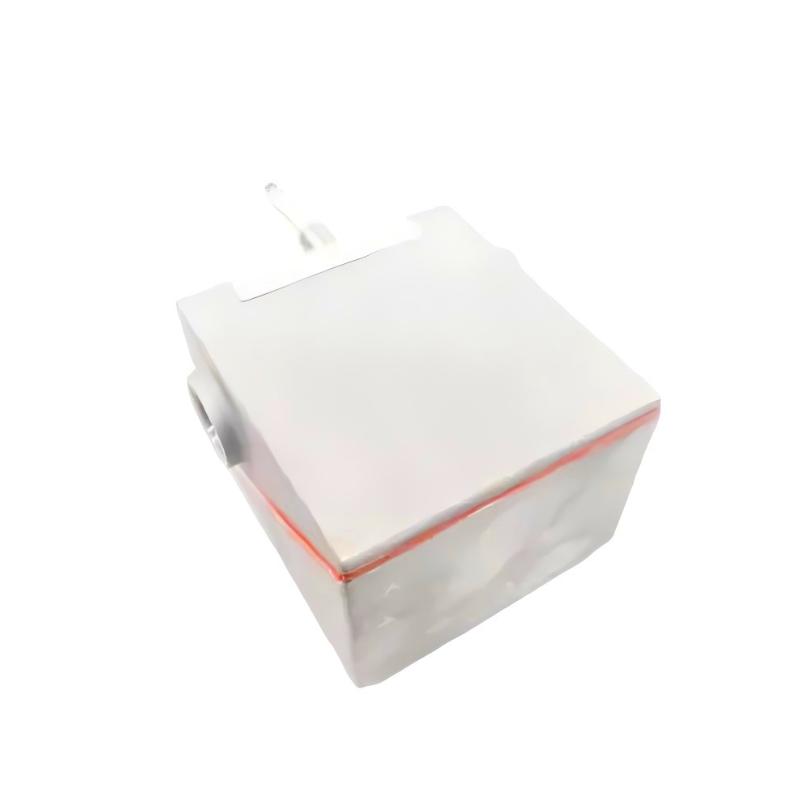
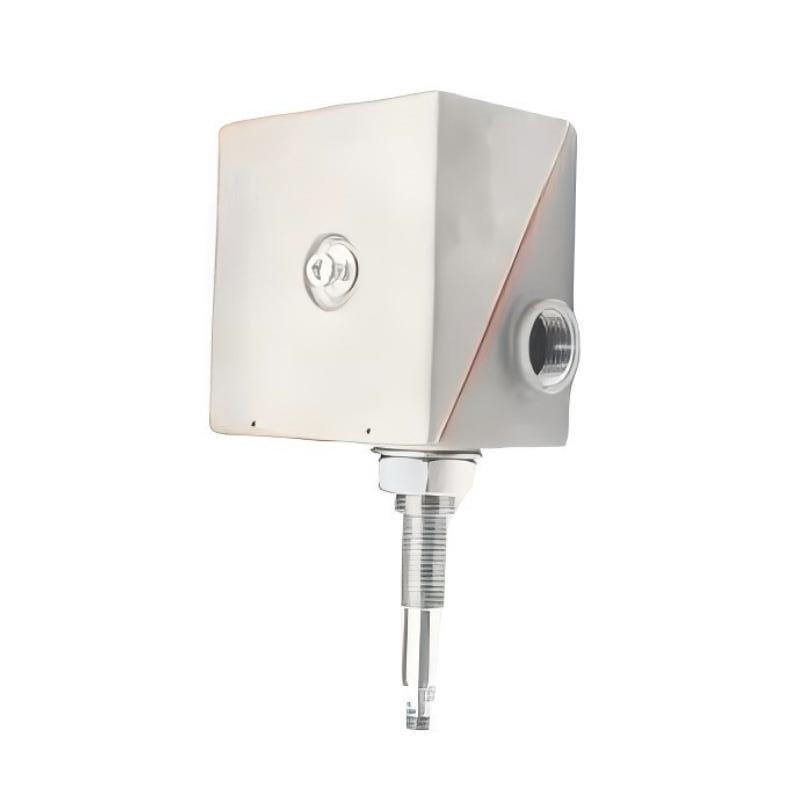
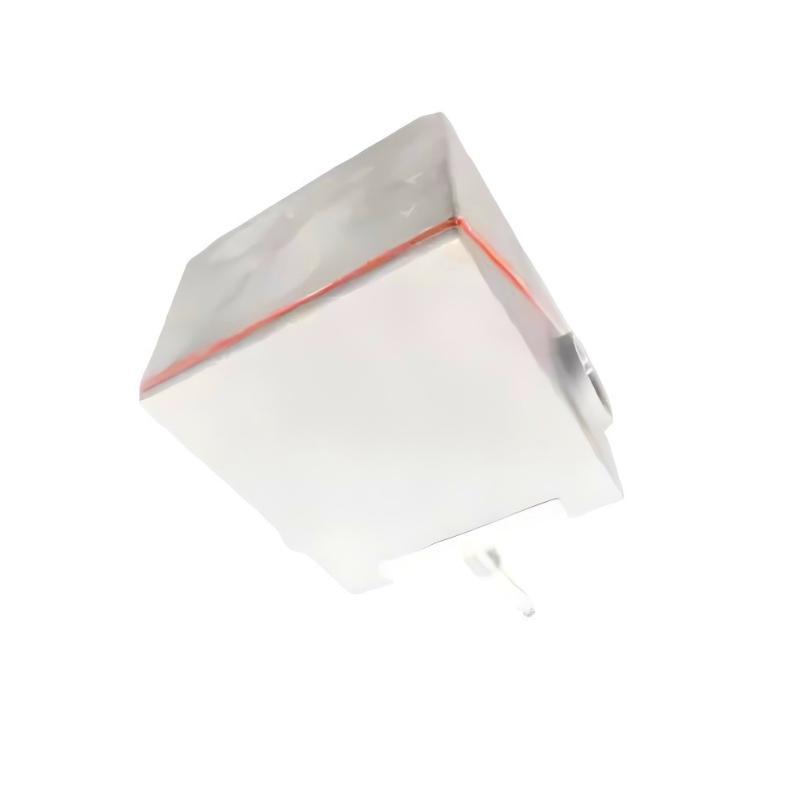
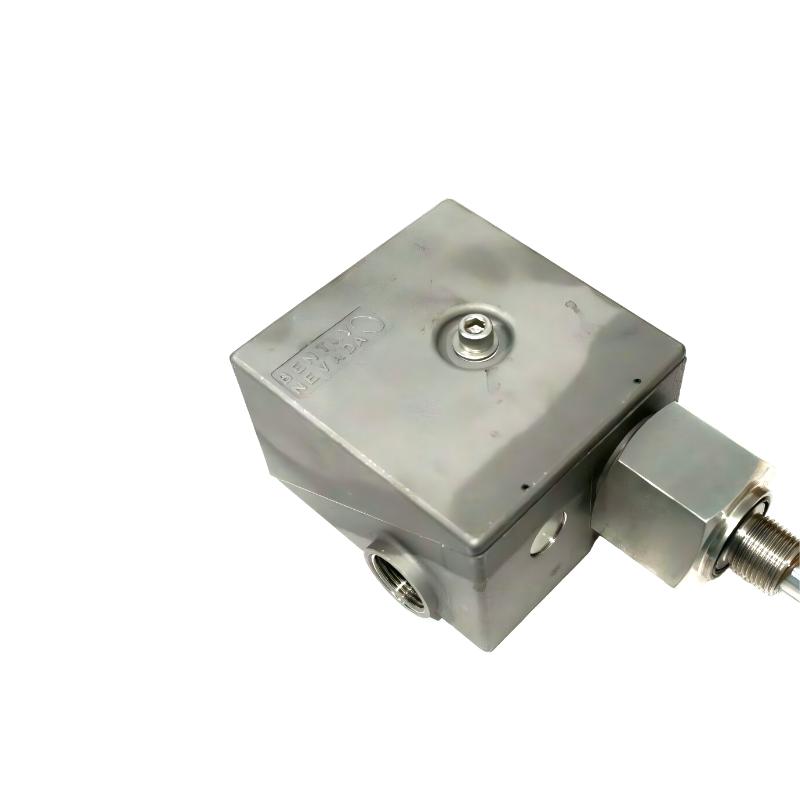
- Bently Nevada
- 26530-12-10-03-018-195-22-04-00
- Dual Probe Transducer System
- USA
- 1 meter
- 3 kg
- Xiamen, China
- New & In Stock
- T/T, PayPal, Western Union
- 1 Year
- 1-3 Working Days
- DHL, UPS, TNT, FedEx and EMS.
- 24-Hour Service
- COO
- 4
Our advantage

Global Logistics
We have a 10-year logistics and express cooperation agreement, so our products can be shipped to any place in the world.

Brand new and original
Our products are imported in bulk from the place of origin. Because of the cooperative relationship, our products are all original and 100% new.

24-hour service
We provide 7*24 hours service to our customers. We will be there whenever you need us.

Price advantage
All our products are priced very favorably because we have our own warehouse and supply.
| Company Information | |||
| [email protected] | |||
| Mobile | +8615980777398 | ||
| +8615980777398 | |||
| 15980777398 |
Product Overview
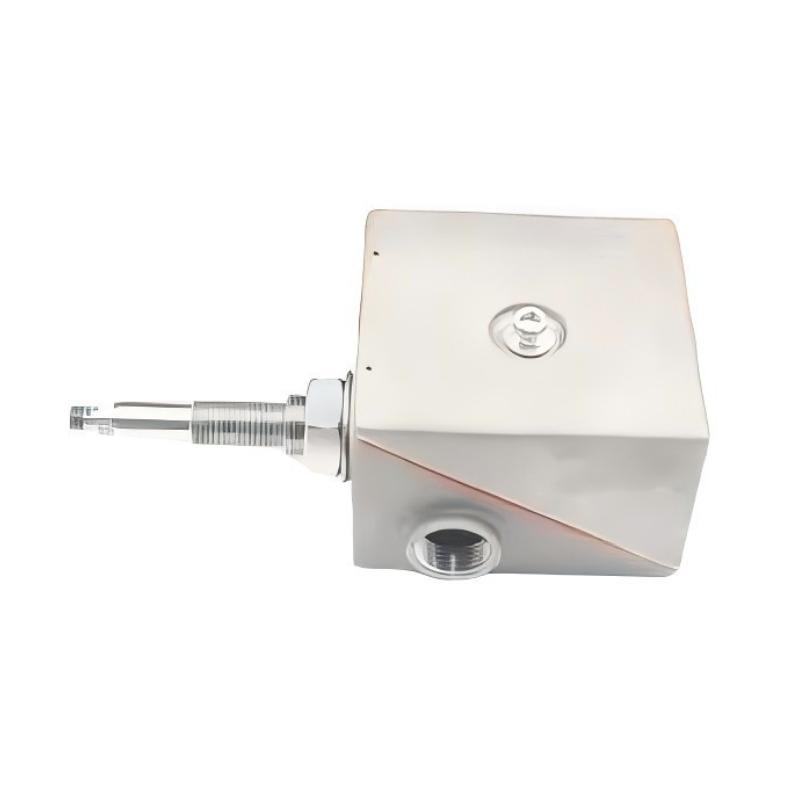
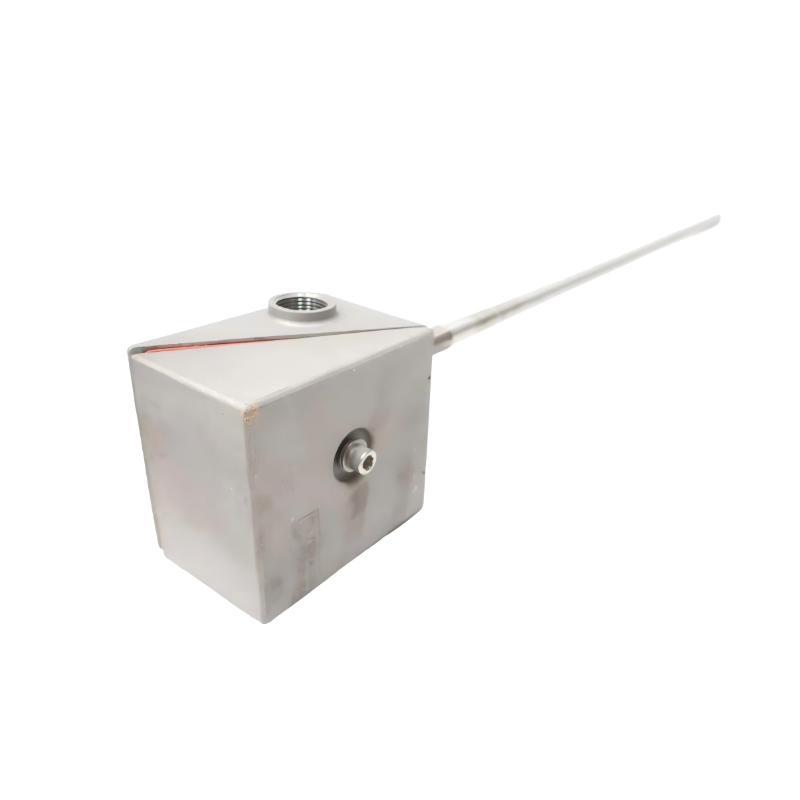
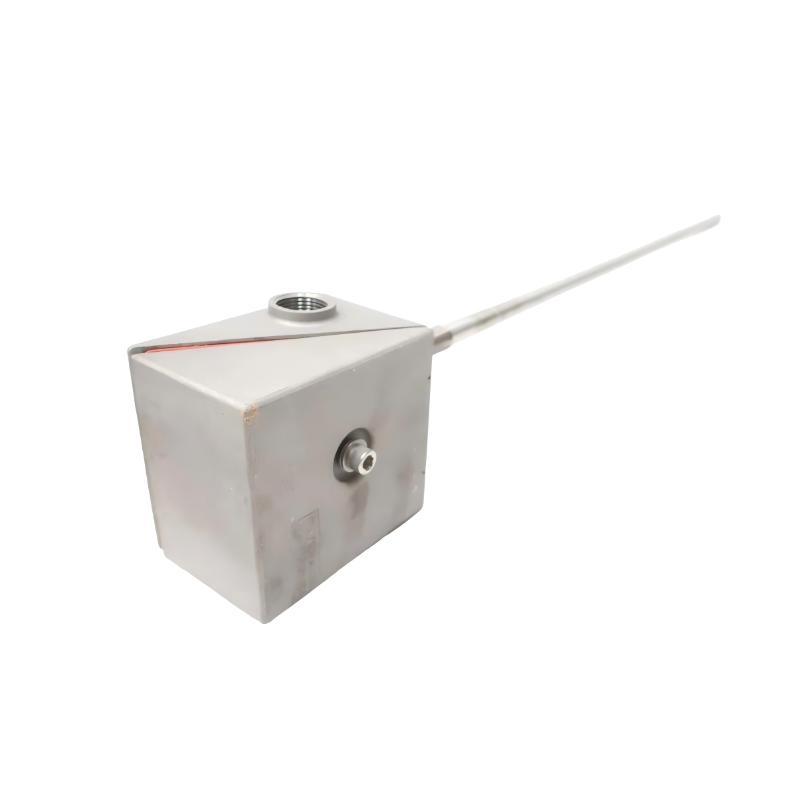
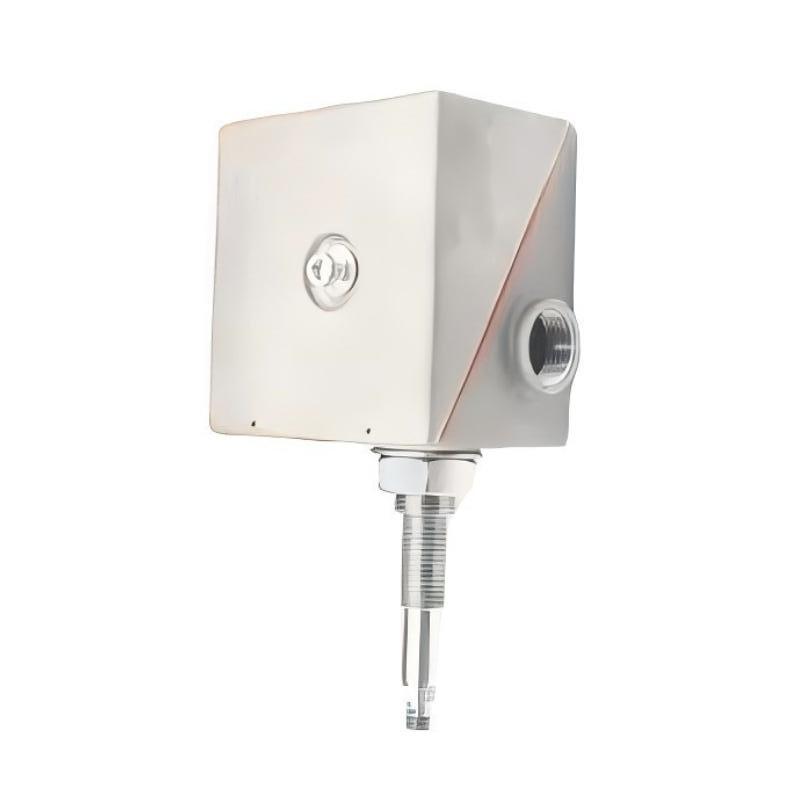
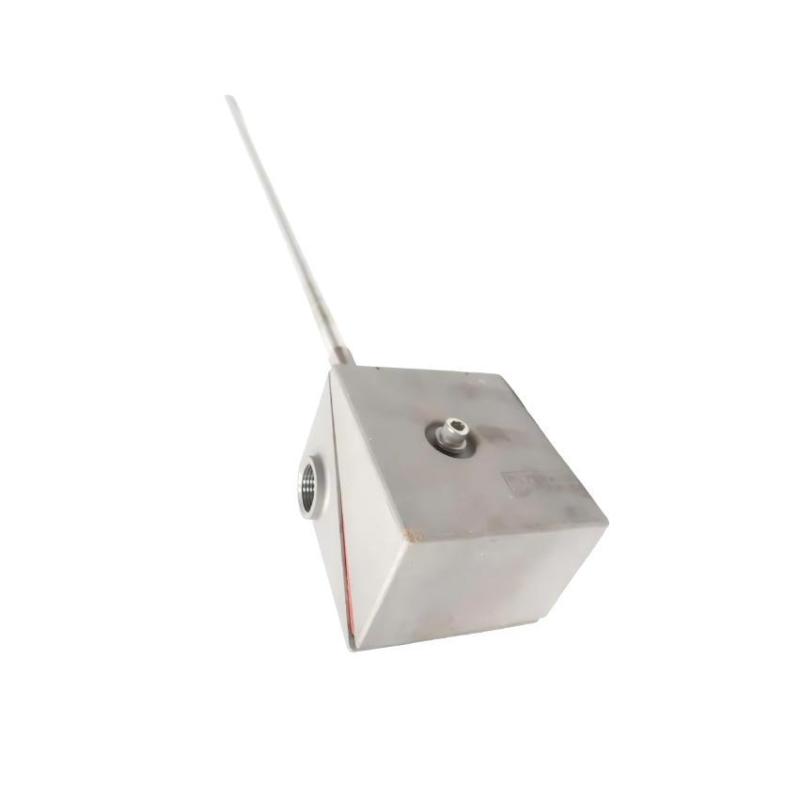
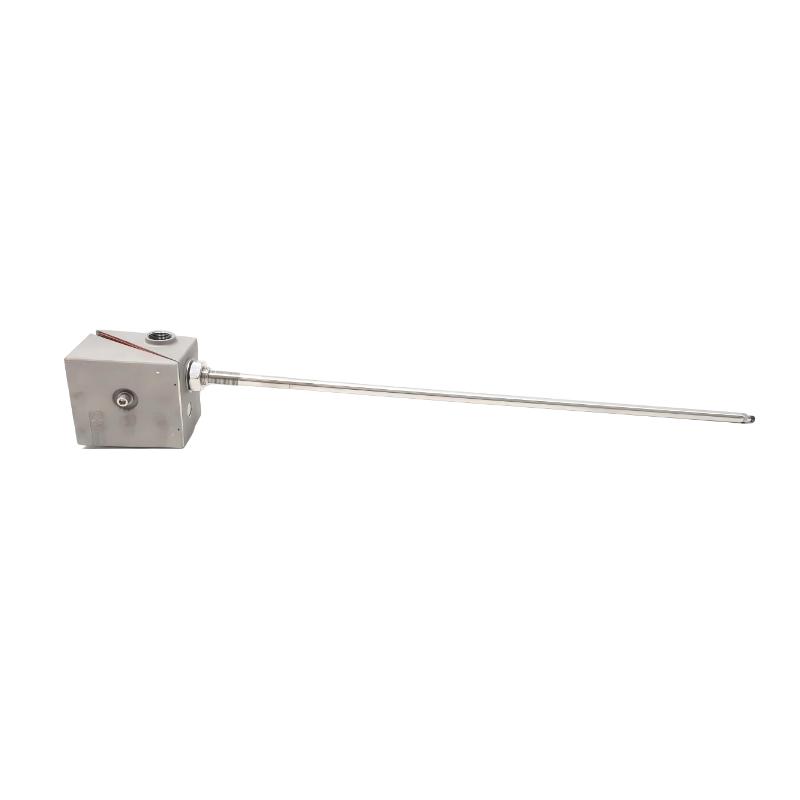
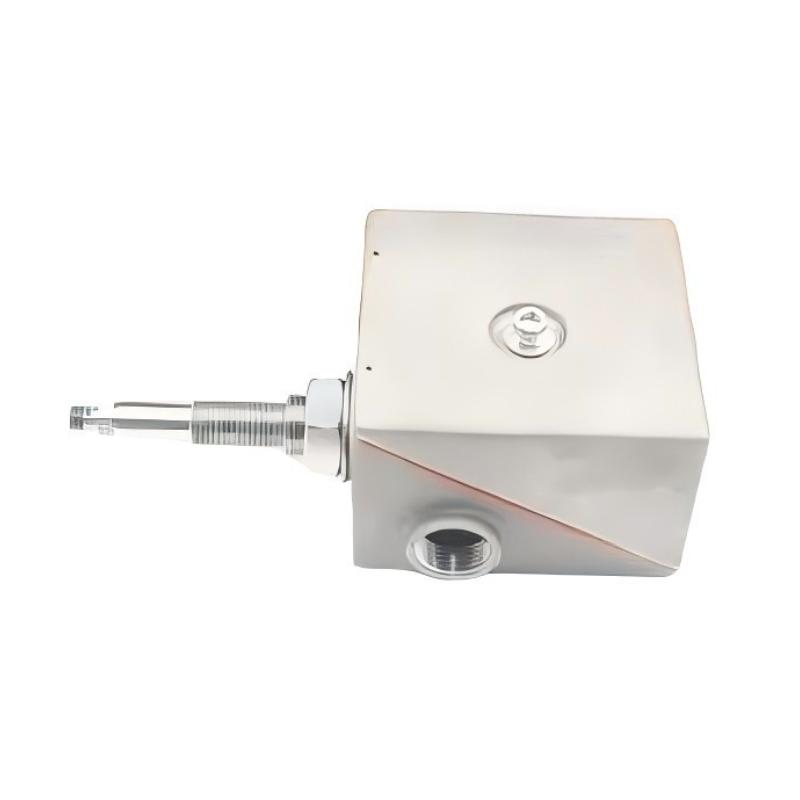
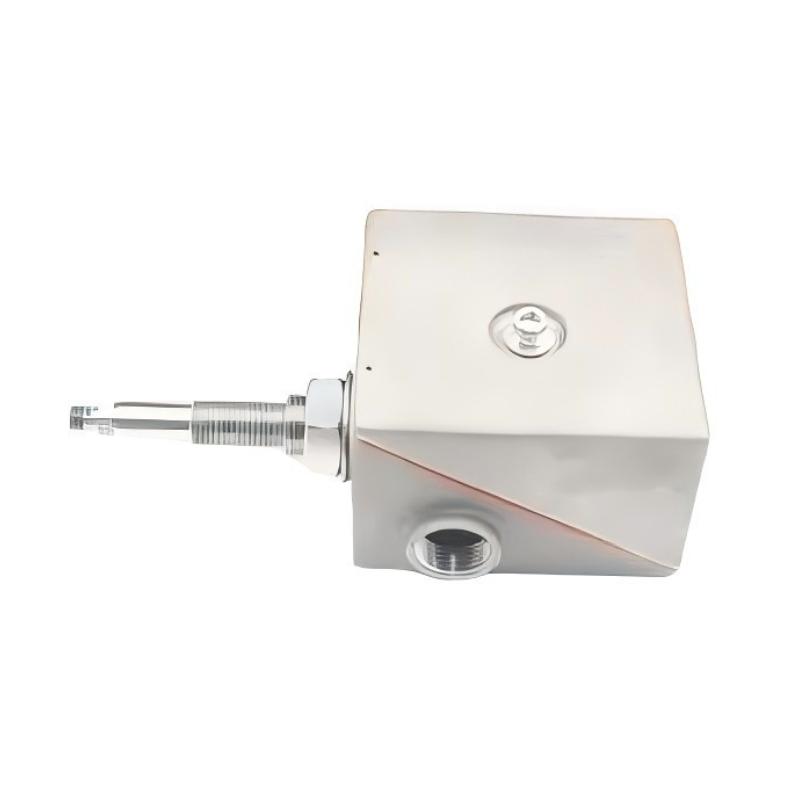
The Bently Nevada 26530-12-10-03-018-195-22-04-00 Dual Probe Transducer System combines a 3300 XL 8 mm proximity probe and a high-temperature, two-wire Seismoprobe in a common housing. It is used in rotating machinery monitoring applications where shaft displacement relative to its mounting point and vibration of the supporting structure need to be evaluated together.
The proximity probe measures the gap between its sensing tip and the conductive shaft surface. Changes in this gap provide information about shaft position and dynamic movement relative to the probe mounting point. The Seismoprobe measures vibration of the bearing housing or machine casing, providing a separate indication of structural movement.
This distinction is important in large compressors, steam turbines, and other rotating equipment. During startup, speed changes, or load transitions, the shaft and its supporting structure may vibrate simultaneously. A proximity probe records the shaft’s motion relative to the housing, but it cannot independently describe the shaft’s motion relative to a stationary reference when the housing is also moving. The dual-transducer arrangement supplies complementary signals for this type of assessment.
This configuration incorporates a 1-meter probe lead, a 3/4-14 NPT adapter connection, an 018 adapter-length option, and a 195 probe-penetration option. It also specifies the high-temperature, two-wire velocity transducer, a single 3/4-14 NPT plug fitting, and no optional probe support/oil seal. These configuration details determine the assembly’s mounting arrangement and sensing components.
The extended probe penetration is relevant when the shaft target sits deeper within a bearing housing or machine casing. Installation planning must account for the mounting interface, available clearance, probe adjustment, and mechanical rigidity. The probe needs to reach the intended target while maintaining a suitable sensing gap throughout the expected range of shaft movement.
The system supports four related measurement functions: shaft relative radial position, shaft relative radial dynamic motion, machine-casing absolute vibration, and shaft absolute motion calculated from the relevant signals. The final calculation requires compatible monitoring equipment to process the proximity and seismic measurements appropriately.
In a compressor installation, for example, an increase in shaft-relative vibration may occur alongside a change in bearing-housing vibration. Comparing the two signals helps maintenance personnel determine whether the observed change is primarily associated with relative rotor movement, structural vibration, or a combination of both. Additional measurements may still be necessary to establish the underlying mechanical cause.
The assembly forms part of a complete machinery monitoring installation. Appropriate signal conditioning, electrical connections, mounting geometry, and channel configuration are necessary for meaningful results. It should be integrated with compatible monitoring equipment rather than treated as a standalone vibration protection device.
Technical Specifications
| Parameter | Specification |
|---|---|
| Manufacturer | Bently Nevada |
| Model | 26530-12-10-03-018-195-22-04-00 |
| Product Type | Dual Probe Transducer System |
| Product Series | 26530 |
| Proximity Probe | 3300 XL 8 mm |
| Probe Lead Length | 1 meter |
| Adapter Thread | 3/4-14 NPT |
| Adapter Length Option | 018 |
| Probe Penetration Option | 195 |
| Velocity Transducer | High-temperature, two-wire Seismoprobe |
| Velocity Transducer Orientation | 0° ± 100° |
| Fittings Option | 04 — One 3/4-14 NPT plug |
| Probe Support/Oil Seal Option | 00 — Not required |
| Measurement Technology | Eddy-current proximity sensing and seismic velocity sensing |
| Shaft Measurement | Relative radial position and relative radial dynamic motion |
| Casing Measurement | Absolute vibration |
| Combined Measurement | Shaft absolute motion through appropriate signal processing |
| Proximity Probe Temperature Range | -51°C to +177°C |
| High-Temperature Seismoprobe Temperature Range | -29°C to +204°C |
| Minimum Operating Frequency for Velocity Transducer | 600 cpm |
| Shipping Weight | 3 kg |
Product Features
- Dual-sensor arrangement: Combines shaft displacement sensing and structural vibration measurement in one assembly.
- 3300 XL 8 mm proximity probe: Detects changes in the distance between the sensing tip and the conductive shaft surface.
- High-temperature Seismoprobe: Measures vibration of the supporting structure using the specified two-wire configuration.
- Extended penetration configuration: Accommodates the specified mounting arrangement for a recessed shaft measurement point.
- NPT mounting interface: Uses a 3/4-14 NPT adapter connection.
- Defined probe lead: Incorporates the specified 1-meter proximity probe lead.
- Complementary measurement signals: Allows shaft-relative movement and casing vibration to be assessed separately.
- Combined motion assessment: Supports shaft absolute-motion calculations through compatible monitoring equipment.
- Machinery monitoring integration: Supplies measurements for appropriate signal-conditioning and monitoring channels.
Working Principle
The 26530 Dual Probe Transducer System uses two sensing methods to measure different aspects of rotating machinery movement.
The 3300 XL 8 mm proximity probe operates through eddy-current sensing. Its electromagnetic field interacts with the conductive shaft surface, and the electrical response changes as the distance between the probe tip and shaft changes. Compatible signal-conditioning equipment converts this response into a displacement measurement relative to the probe mounting point.
The high-temperature Seismoprobe measures vibration of the supporting structure. Its output represents the movement of the bearing housing or casing rather than the shaft-to-probe gap. This provides an additional measurement when the supporting structure is also vibrating.
Shaft Surface → 3300 XL 8 mm Probe → Relative Displacement Signal
Bearing Housing → High-Temperature Seismoprobe → Structural Vibration Signal
Compatible Monitoring Equipment → Signal Processing → Shaft Absolute-Motion Assessment
The proximity channel records changes in relative shaft position and dynamic movement. The Seismoprobe supplies structural vibration data. When the monitoring system integrates the seismic signal into displacement and combines it appropriately with the relative shaft displacement, it can calculate shaft absolute motion.
This distinction becomes useful during changing operating conditions. A rotor may move relative to its bearing while the bearing housing responds to structural forces. The proximity probe measures the first movement, while the Seismoprobe records the second. Examining the signals together helps engineers understand the relationship between rotor motion and structural vibration.
The selected probe penetration also affects installation. The probe must reach the intended conductive shaft surface without interference from surrounding components. Its clearance must remain within the appropriate measurement range, and the mounting must be sufficiently rigid to avoid introducing unwanted movement into the readings.
The velocity transducer’s mounting orientation and operating-frequency characteristics should also suit the application. The specified configuration has an orientation range of 0° ± 100° and a minimum operating frequency of 600 cpm. These characteristics should be considered when choosing the measurement location and interpreting data during low-speed operation.
The assembly itself does not diagnose faults or initiate machinery shutdown. Those functions depend on the connected monitoring equipment, signal processing, alarm configuration, and protection logic implemented in the wider system.
Role in a Rotating Machinery Monitoring System
The Bently Nevada 26530-12-10-03-018-195-22-04-00 supplies complementary measurements to a machinery monitoring system. Its proximity channel follows shaft movement relative to the mounting point, while its velocity channel measures vibration of the supporting structure.
Shaft Movement → Proximity Measurement
Casing Vibration → Seismic Measurement
Monitoring Channels → Signal Processing → Operator Display and Alarm Logic
| System Component | Function |
|---|---|
| Bently Nevada 26530 Dual Probe Transducer System | Combines proximity and velocity sensing in one housing |
| 3300 XL 8 mm Proximity Probe | Measures shaft-to-probe displacement |
| High-Temperature Two-Wire Seismoprobe | Measures vibration of the supporting structure |
| Probe Lead | Connects the proximity probe to its associated signal-conditioning circuit |
| NPT Adapter | Establishes the mechanical mounting interface |
| Proximity Signal Conditioner | Converts the probe response into a usable displacement signal |
| Velocity Monitoring Input | Receives the velocity transducer signal |
| Machinery Monitoring Channels | Process the separate measurements and configured alarm functions |
| Operator Interface | Displays measurement values, trends, and calculated measurements where supported |
For radial-bearing diagnostics, two suitable assemblies can be positioned along perpendicular X-Y axes. With compatible monitoring equipment, this arrangement supports shaft orbit analysis and shaft centerline evaluation using measurements from both radial directions.
Industrial Applications
| Application | Typical Use |
|---|---|
| Steam Turbines | Evaluating shaft-relative movement and casing vibration during startup and operation |
| Industrial Compressors | Comparing rotor movement with vibration of the supporting bearing housing |
| Centrifugal Compressor Trains | Monitoring shaft behavior under changing speed and process loads |
| Power Generation Equipment | Supporting vibration assessment of large rotating machinery |
| Refinery Machinery | Collecting complementary shaft and structural vibration measurements |
| Radial Bearing Monitoring | Measuring shaft displacement relative to the bearing support |
| Turbomachinery Diagnostics | Distinguishing shaft-relative movement from casing vibration |
| Shaft Orbit Analysis | Providing measurements for X-Y analysis when suitable assemblies are installed in the required arrangement |
| Shaft Centerline Monitoring | Supporting position assessment through compatible monitoring equipment |
| Machinery Commissioning | Establishing baseline measurements for subsequent operating comparisons |
Installation and Maintenance
- Confirm the measurement location: Select a mounting point that provides access to the intended shaft target and a mechanically suitable reference on the bearing housing or casing.
- Check the adapter interface: Confirm that the machine mounting provision matches the specified 3/4-14 NPT adapter connection.
- Review the mounting geometry: Check the adapter-length and probe-penetration options against the machine drawing and available clearance before installation.
- Inspect the target surface: Ensure the shaft surface is suitable for eddy-current measurement and that the probe faces the intended measurement area.
- Set the probe gap: Establish the initial clearance according to the applicable 3300 XL 8 mm installation procedure and the connected signal-conditioning requirements.
- Secure the assembly: Tighten the mounting hardware according to the installation requirements to prevent movement of the sensor housing during machine operation.
- Inspect the probe lead: Check the 1-meter lead for cuts, crushing, abrasion, and excessive strain before connecting the electrical circuit.
- Connect the velocity transducer: Follow the wiring requirements for the high-temperature, two-wire Seismoprobe and its compatible receiving input.
- Check sensor orientation: Position the velocity transducer within its specified orientation range and ensure that the measurement axis matches the intended monitoring function.
- Verify signal conditioning: Confirm that the proximity and velocity signals are connected to suitable inputs with the correct scaling and measurement configuration.
- Assess mechanical support: Check that the mounting arrangement is sufficiently rigid to prevent unwanted movement or resonance from affecting the readings.
- Establish baseline readings: Record shaft-relative displacement and casing vibration under known operating conditions for later comparison.
During maintenance, inspect the probe gap, mounting security, cable condition, and electrical connections. If the proximity and velocity signals change differently, investigate the two measurement paths separately before attributing the change to rotor behavior or structural vibration.
Related Components
| Component | Function |
|---|---|
| Bently Nevada 26530 Dual Probe Transducer System | Combines shaft-relative displacement sensing with casing-vibration measurement |
| 3300 XL 8 mm Proximity Probe | Detects changes in the gap between the probe tip and the conductive shaft surface |
| High-Temperature Two-Wire Seismoprobe | Measures vibration of the supporting machine structure |
| Compatible Proximity Signal Conditioner | Processes the proximity probe output |
| Compatible Velocity Monitoring Input | Receives the Seismoprobe signal |
| NPT Adapter and Mounting Hardware | Secures the assembly at the designated machine location |
| Probe Sleeve Support | Helps maintain mechanical rigidity in extended probe installations where required |
| Machinery Monitoring Rack | Collects and processes the measurement signals |
| X-Y Measurement Arrangement | Supports radial orbit analysis when configured with two suitable assemblies |
Recommended Related Models
| Model | Product Type | Typical Application |
|---|---|---|
| Bently Nevada 26530-12-10-03-018-195-22-04-00 | Dual Probe Transducer System | Combined shaft-relative displacement and casing-vibration measurement |
| Bently Nevada 26530-12-10-03-018-191-22-04-00 | Dual Probe Transducer System | Related configuration with a different probe-penetration option |
| Bently Nevada 26530-12-10-03-018-187-22-04-00 | Dual Probe Transducer System | Alternative penetration configuration for different mounting geometry |
| Bently Nevada 3300 XL 8 mm Proximity Probe | Proximity Probe | Shaft displacement measurement in a compatible transducer system |
| Bently Nevada 330500 Velomitor Sensor | Seismic Velocity Transducer | Structural vibration measurement in compatible monitoring applications |
Key Advantages
- Combines shaft-relative displacement and casing-vibration measurements.
- Helps distinguish rotor movement from motion of the supporting structure.
- Uses a 3300 XL 8 mm proximity probe and a high-temperature, two-wire Seismoprobe.
- Supports shaft absolute-motion assessment through compatible signal processing.
- Accommodates the specified mounting and probe-penetration configuration.
- Supplies complementary measurement data for rotating machinery diagnostics.
Technical FAQs
How does the dual-transducer arrangement help identify the source of a vibration change?
The proximity probe measures shaft movement relative to its mounting point, while the Seismoprobe measures vibration of the supporting structure. Comparing the signals helps compatible monitoring equipment distinguish relative shaft motion from casing vibration and calculate shaft absolute motion where supported.
What should be considered when installing the extended-penetration configuration?
The selected penetration must suit the distance between the mounting interface and the intended shaft target. The installation requires adequate clearance, correct probe-gap adjustment, and sufficient mechanical rigidity. The mounting arrangement should also be assessed for potential resonance.
Why does this assembly use a high-temperature Seismoprobe?
The Seismoprobe supplies a structural vibration measurement that complements the proximity probe’s shaft-displacement signal. The high-temperature configuration is intended for its specified operating environment, and its two-wire output must be connected to compatible receiving instrumentation.
Can one 26530 assembly provide complete radial shaft orbit information?
One assembly supplies measurements from its installed sensing arrangement. Comprehensive radial-bearing orbit analysis generally requires two suitable assemblies positioned along perpendicular X-Y axes, together with monitoring equipment configured to process the corresponding signals.