

ProductPRODUCT
Featured products
Contact Us
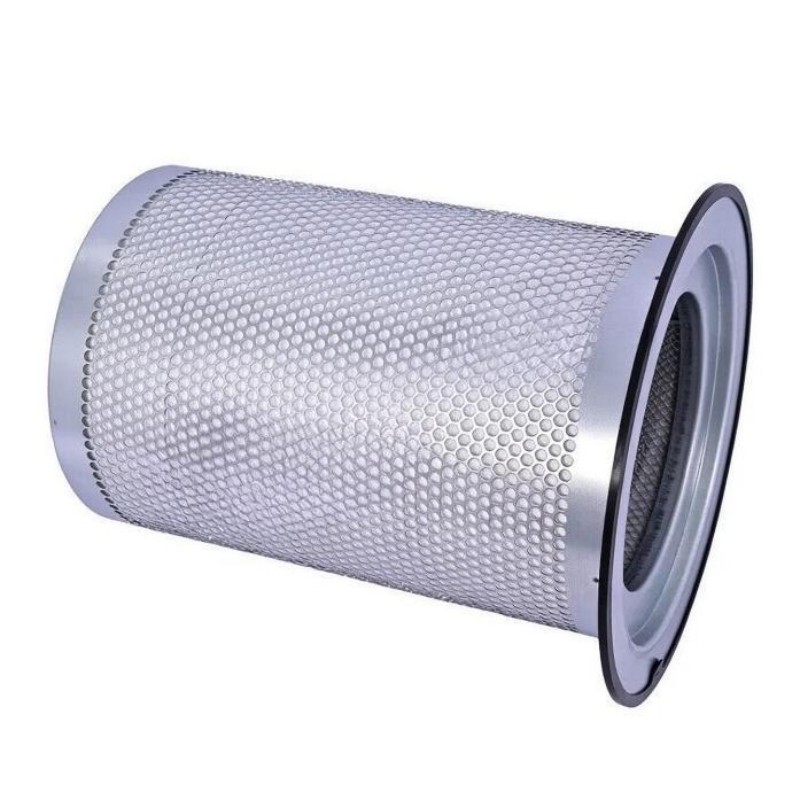
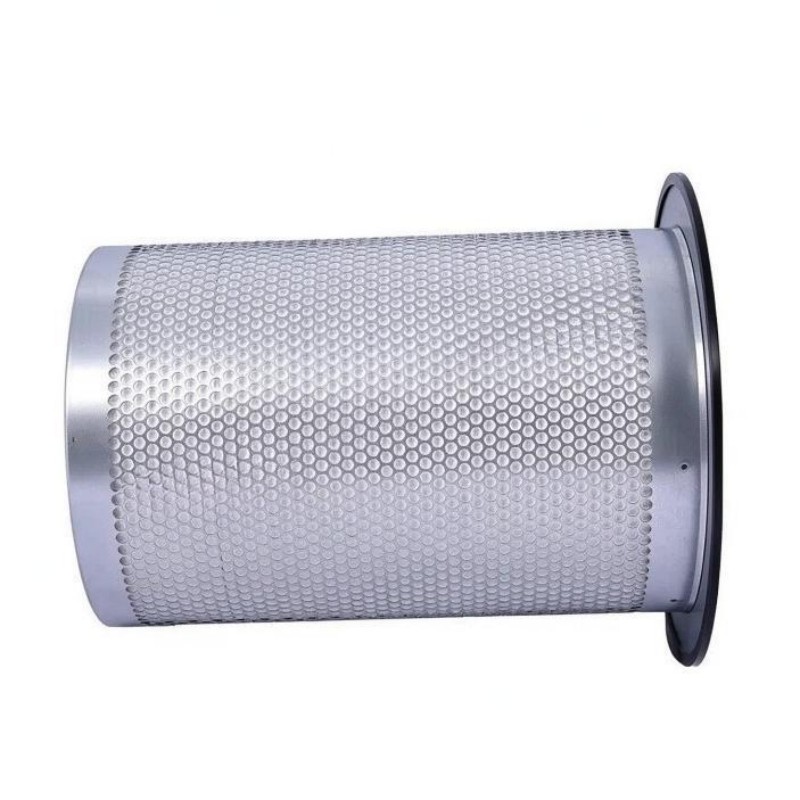
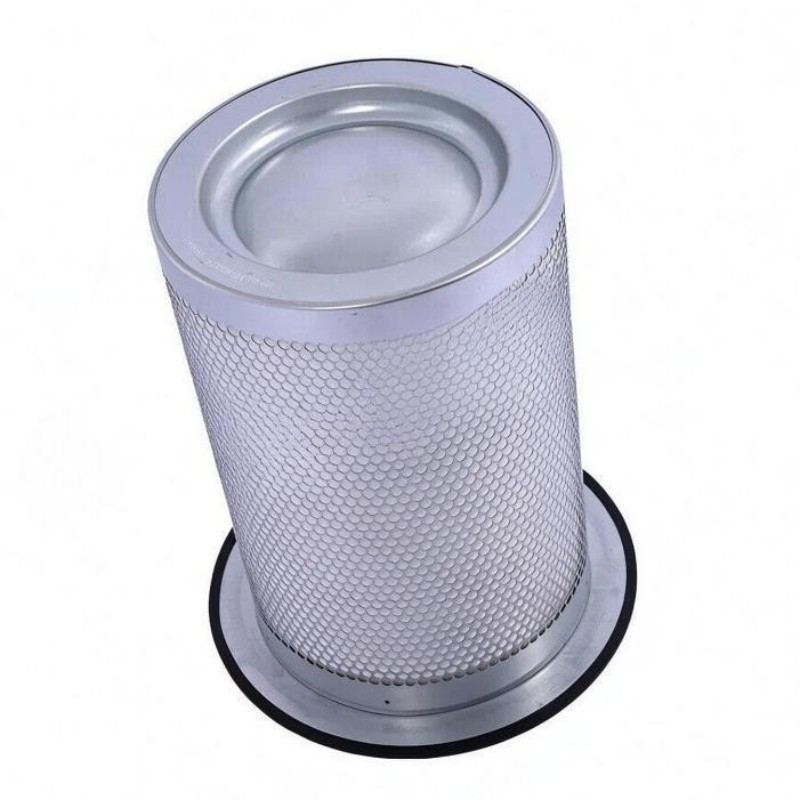
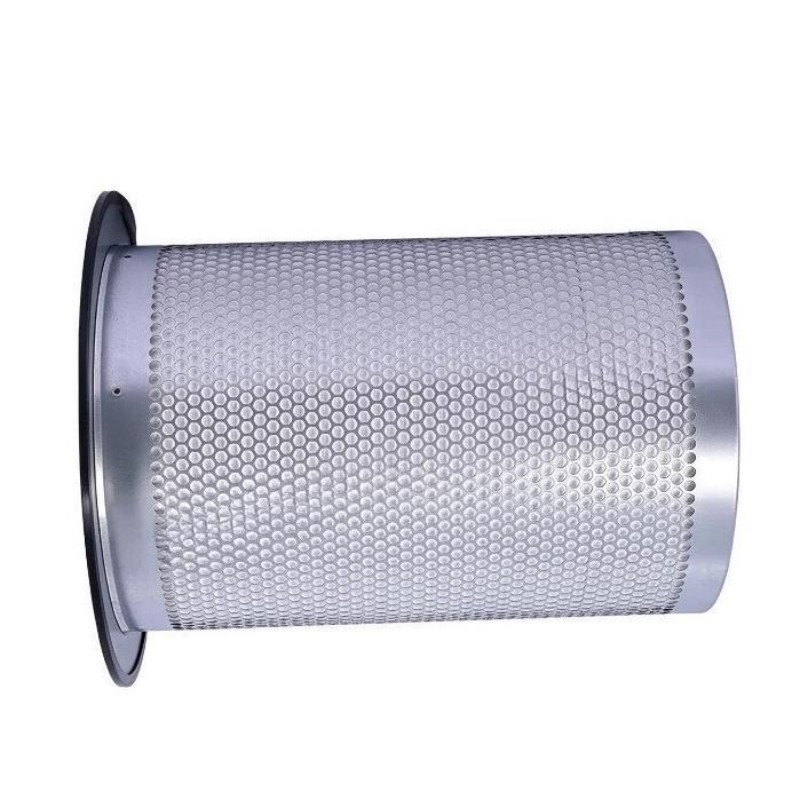
- Ingersoll Rand
- 47572166001 23545841
- Air/Oil Separator
- USA
- 375 mm
- 7.5 kg
- Xiamen, China
- New & In Stock
- T/T, PayPal, Western Union
- 1 Year
- 1-3 Working Days
- DHL, UPS, TNT, FedEx and EMS.
- 24-Hour Service
- COO
- 14
Our advantage

Global Logistics
We have a 10-year logistics and express cooperation agreement, so our products can be shipped to any place in the world.

Brand new and original
Our products are imported in bulk from the place of origin. Because of the cooperative relationship, our products are all original and 100% new.

24-hour service
We provide 7*24 hours service to our customers. We will be there whenever you need us.

Price advantage
All our products are priced very favorably because we have our own warehouse and supply.
| Company Information | |||
| [email protected] | |||
| Mobile | +8615980777398 | ||
| +8615980777398 | |||
| 15980777398 |
Product Overview
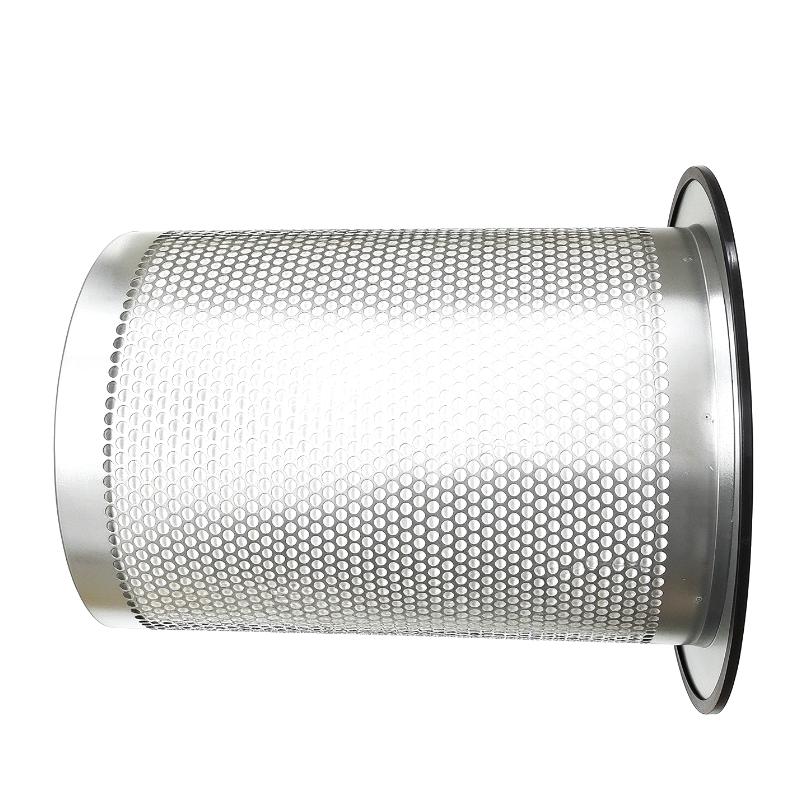
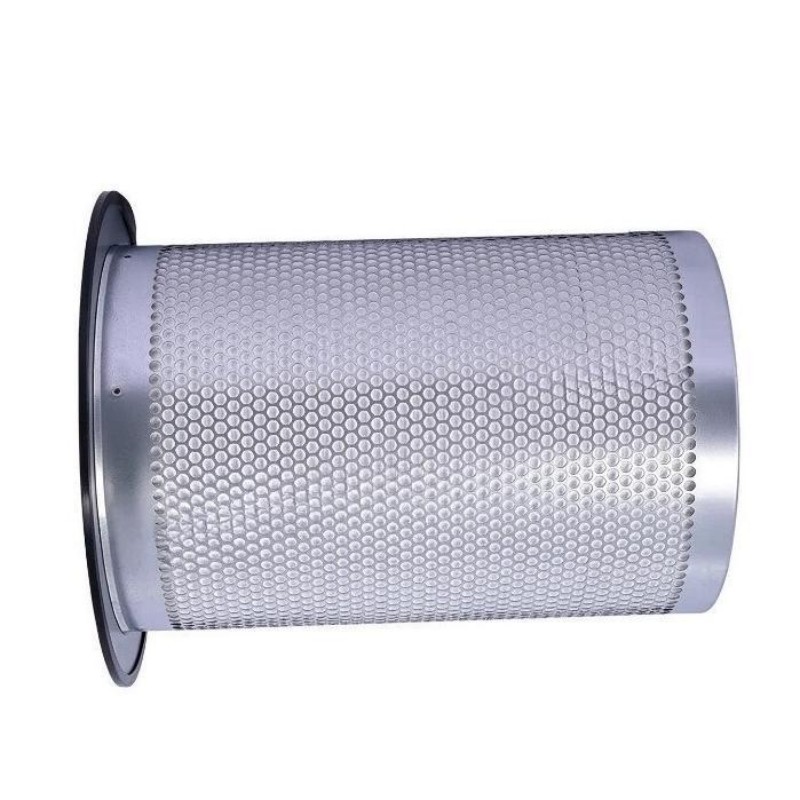
The Ingersoll Rand 47572166001 23545841 Air/Oil Separator is a replacement separator element used in compatible oil-injected rotary screw air compressors. Its primary task is to remove entrained lubricating oil from compressed air before the air moves toward the aftercooler and downstream distribution system. At the same time, the separated oil must be collected and returned to the compressor’s lubrication circuit.
During compression, oil is mixed with incoming air to lubricate the screw elements, seal internal clearances, and carry away heat. After the air-oil mixture leaves the compression stage, the separator element captures fine oil droplets while allowing compressed air to pass through. The effectiveness of this process affects lubricant consumption, discharge air cleanliness, and the operating conditions of the compressor.
The 23545841 part number is associated with selected Ingersoll Rand R-series and RS-series rotary screw compressors, including certain R90i, R110i, RS90ie, RS110ie, RS132i, RS132ie, RS160i, and RS160ie configurations. Its application depends on the specific compressor version and installed separator arrangement rather than the series designation alone.
In a factory where compressors operate throughout multiple shifts, separator condition can influence both production air quality and maintenance costs. Excessive oil carryover may lead to oil deposits in downstream filters, air receivers, pneumatic valves, and production equipment. A restricted separator can also increase the pressure drop across the separation stage, adding resistance to compressed air delivery.
When a separator-related problem occurs, replacing the element is only part of the diagnostic process. Engineers should also consider oil return restrictions, lubricant level, separator sealing surfaces, and actual operating conditions. These checks help distinguish an element that has reached the end of its service life from a problem elsewhere in the oil separation circuit.
Technical Specifications
| Parameter | Specification |
|---|---|
| Manufacturer | Ingersoll Rand |
| Model Reference | 47572166001 |
| Part Number | 23545841 |
| Product Type | Air/Oil Separator |
| Product Category | Rotary Screw Air Compressor Spare Part |
| Primary Function | Separation of lubricating oil from compressed air |
| Separation Method | Coalescing filtration |
| Compressor Type | Oil-injected rotary screw air compressor |
| Installation Location | Compressor oil separator vessel |
| Oil Recovery Function | Returns collected oil through the compressor oil recovery circuit |
| Application | Selected Ingersoll Rand R-series and RS-series compressors |
| Replacement Purpose | Maintenance of the compressor oil separation stage |
| Operating Consideration | Separator differential pressure and oil carryover |
| Diameter | 375 mm |
| Weight | 7.5 kg |
Product Features
- Coalescing separation: Captures fine oil droplets from the compressed air stream so they can combine and drain back into the lubrication system.
- Oil recovery support: Helps retain lubricating oil within the compressor instead of allowing excessive quantities to leave with the discharge air.
- Downstream contamination control: Helps limit oil carryover into air receivers, filters, pneumatic valves, and connected production equipment.
- Internal separator installation: Fits the applicable separator vessel arrangement when the replacement reference matches the compressor configuration.
- Pressure-drop management: A serviceable separator helps maintain appropriate airflow resistance through the oil separation stage.
- Continuous-duty compressor maintenance: Supports scheduled maintenance of industrial compressors operating for extended periods.
- Part-number identification: The 23545841 reference distinguishes this separator from elements intended for other compressor configurations.
- Oil circulation support: Works with the separator vessel and oil return circuit to recover lubricant after separation.
- Service-condition monitoring: Can be evaluated through separator differential pressure, oil carryover, and compressor operating history.
- Compressor-specific application: Supports replacement planning based on the installed equipment and its specified separator arrangement.
Working Principle
The 23545841 Air/Oil Separator uses coalescing media to remove entrained lubricating oil from the compressed air produced by the rotary screw air end. Its operation depends on the interaction between the separator media, vessel pressure, airflow, and oil recovery circuit.
Rotary Screw Air End → Air-Oil Mixture → Separator Vessel and Element → Compressed Air Discharge
When the compressed air-oil mixture enters the separation stage, the media captures fine oil droplets. These droplets accumulate and combine into larger droplets, which drain toward the collection area. The recovered lubricant then returns through the compressor’s oil return arrangement, while the separated air continues toward the aftercooler and downstream air system.
The separator must remove oil without creating excessive resistance to airflow. As contamination accumulates or the media becomes restricted, the pressure difference across the element may increase. The compressor must then overcome additional resistance to maintain the required discharge conditions, potentially increasing energy consumption.
Oil carryover can develop when the separator media deteriorates or when the sealing arrangement no longer prevents internal bypass. However, a blocked oil return line or an incorrect lubricant level can produce similar symptoms. A replacement element will not correct these faults unless the underlying cause is addressed.
During servicing, technicians should inspect the element seating area, sealing surfaces, oil return passages, and separator vessel. Correct installation is essential because even a suitable replacement element may perform poorly if the sealing arrangement is damaged or the recovered oil cannot drain properly.
Role in an Ingersoll Rand Compressed Air System
The 23545841 separator occupies the oil separation stage between the compressor air end and the downstream cooling equipment. It works with the separator vessel and oil recovery circuit to control oil carryover while allowing compressed air to continue through the system.
Air Intake → Rotary Screw Air End → Oil Separator Vessel → 23545841 Separator Element → Aftercooler → Air Treatment Equipment → Plant Air Network
Separated Oil → Oil Return Circuit → Compressor Lubrication System
| System Component | Function |
|---|---|
| 23545841 Air/Oil Separator | Captures entrained oil from compressed air |
| Rotary Screw Air End | Compresses incoming air and mixes it with lubricating oil |
| Separator Vessel | Houses the separator element and collects separated oil |
| Oil Return Line | Returns collected oil to the compressor lubrication circuit |
| Compressor Oil Filter | Removes contaminants from circulating lubricant |
| Air Intake Filter | Reduces the entry of airborne particles into the compressor |
| Aftercooler | Reduces compressed air temperature after separation |
| Moisture Separator | Removes condensed liquid from the compressed air stream where fitted |
| Air Dryer | Reduces moisture content to meet downstream air quality requirements |
| Differential Pressure Monitoring | Helps identify increasing resistance across the separator where fitted |
| Compressor Controller | Monitors operating conditions and coordinates compressor functions |
The separator’s performance depends on the condition of the complete oil separation circuit. Increasing differential pressure, unusual oil consumption, or oil deposits downstream should be evaluated alongside the oil return path, lubricant level, and operating conditions.
Industrial Applications
| Application | Typical Use |
|---|---|
| Automotive Manufacturing | Supporting oil separation in compressors supplying assembly equipment and pneumatic tools |
| Metalworking Plants | Maintaining compressed air systems used by production machinery and workshop equipment |
| Packaging Lines | Helping limit oil contamination in air supplied to pneumatic actuators and packaging machinery |
| General Manufacturing | Supporting central compressor installations serving multiple production areas |
| Material Handling | Maintaining compressor performance in systems supplying pneumatic conveying and handling equipment |
| Industrial Assembly | Supporting compressed air supply for air-powered tools and automated workstations |
| Textile Production | Maintaining oil separation in compressors serving pneumatic production equipment |
| Plastics Processing | Supporting compressed air systems used by pneumatic controls and auxiliary machinery |
| Food and Beverage Facilities | Maintaining compressor separation performance where compressed air quality requirements are assessed for the process |
| Central Compressor Rooms | Supporting scheduled maintenance of compressors operating across multiple shifts |
In these environments, separator maintenance should reflect actual compressor duty rather than calendar time alone. Operating hours, air demand, contamination, lubricant condition, and measured differential pressure all contribute to maintenance decisions.
Installation and Maintenance
- Verify the part number: Confirm 47572166001 and 23545841 against the compressor’s parts documentation and installed separator configuration.
- Isolate the compressor: Stop the equipment, disconnect the relevant power sources, and follow the site’s lockout and tagout procedure before beginning maintenance.
- Release stored pressure: Ensure the separator vessel and connected piping are fully depressurized before opening the assembly.
- Inspect the removed element: Examine the used separator for contamination, deformation, damaged sealing areas, or other signs of deterioration.
- Check the separator vessel: Inspect the mounting surfaces and sealing interfaces for damage, residue, and contamination that could affect the new element.
- Examine the oil return circuit: Check the return line and associated passages for blockages that could prevent collected oil from draining correctly.
- Confirm replacement compatibility: Match the new element to the specified part number and compressor configuration before installation.
- Install the separator correctly: Follow the applicable service procedure for element positioning, seal placement, and securing the assembly.
- Inspect related maintenance items: Check the compressor oil, oil filter, intake filter, and other service components according to the equipment’s maintenance requirements.
- Check the lubrication system: Confirm the correct lubricant type and operating level before returning the compressor to service.
- Monitor operation after startup: Observe separator differential pressure, discharge conditions, leakage, and oil carryover during the approved restart procedure.
- Record maintenance findings: Document the installed part number, operating hours, pressure readings, and observed condition to support future troubleshooting.
If oil carryover or abnormal differential pressure persists after replacement, investigate the oil return circuit, sealing arrangement, lubricant level, and compressor operating conditions before concluding that the replacement element is responsible.
Related Components
| Component | Function |
|---|---|
| Ingersoll Rand 23545841 | Air/Oil Separator for compatible compressor configurations |
| Ingersoll Rand 23487457 Air Filter | Filters incoming air in applicable compressor configurations |
| Ingersoll Rand 23507545 Oil Filter Element | Filters circulating compressor lubricant where specified |
| Oil Separator Vessel | Houses the separator element and collects recovered oil |
| Separator Sealing Gasket | Helps prevent air and oil from bypassing the intended separation path |
| Oil Return Line | Returns separated oil to the compressor lubrication circuit |
| Compressor Lubricating Oil | Lubricates internal components and carries away compression heat |
| Aftercooler Assembly | Reduces compressed air temperature after separation |
| Moisture Separator | Removes condensed liquid from the compressed air stream where fitted |
| Differential Pressure Monitoring Device | Helps identify increasing pressure drop across the separator |
Recommended Related Models
| Model / Product Family | Product Type | Typical Application |
|---|---|---|
| Ingersoll Rand 23545841 | Air/Oil Separator | Oil separation in compatible R-series and RS-series compressors |
| Ingersoll Rand 23487457 | Air Filter | Intake air filtration in applicable compressor configurations |
| Ingersoll Rand 23507545 | Oil Filter Element | Lubricating oil filtration where this part number is specified |
| Ingersoll Rand R90i | Rotary Screw Air Compressor | Compressed air generation in compatible configurations |
| Ingersoll Rand R110i | Rotary Screw Air Compressor | Industrial compressed air supply in applicable configurations |
| Ingersoll Rand R132i | Rotary Screw Air Compressor | Higher-capacity compressed air applications requiring configuration verification |
| Ingersoll Rand R160i | Rotary Screw Air Compressor | Industrial compressed air generation in compatible configurations |
| Ingersoll Rand RS90ie | Variable-Speed Rotary Screw Air Compressor | Variable-speed compressed air supply in applicable configurations |
| Ingersoll Rand RS110ie | Variable-Speed Rotary Screw Air Compressor | Industrial compressed air generation with variable-speed control |
| Ingersoll Rand RS132ie | Variable-Speed Rotary Screw Air Compressor | Higher-capacity variable-speed compressed air applications |
| Ingersoll Rand RS160ie | Variable-Speed Rotary Screw Air Compressor | Industrial compressed air supply where the specified separator matches |
Key Advantages
- Removes entrained oil from compressed air through coalescing separation.
- Supports lubricant recovery within the compressor oil circuit.
- Helps limit oil contamination in downstream pneumatic equipment.
- Supports control of separator pressure drop when maintained at the appropriate interval.
- Fits selected Ingersoll Rand R-series and RS-series compressor configurations.
- Provides a defined part number for maintenance identification and replacement planning.
Technical FAQs
What operating symptoms suggest that the 23545841 Air/Oil Separator needs attention?
Increasing differential pressure, excessive oil carryover, or changes in compressor oil consumption can indicate that the separator requires inspection. These symptoms can also result from a blocked oil return line, incorrect oil level, or sealing problems, so the surrounding oil separation circuit should be evaluated as well.
Can a blocked oil return line cause the same symptoms as a worn separator?
Yes. If separated oil cannot drain back into the lubrication system, oil may accumulate within the separator assembly and contribute to excessive carryover. Inspecting the return line is therefore an important part of diagnosing separator-related problems.
Which Ingersoll Rand compressor configurations use the 23545841 separator?
The part number is associated with selected R-series and RS-series compressors, including certain R90i, R110i, RS90ie, RS110ie, RS132i, RS132ie, RS160i, and RS160ie configurations. The exact model version and installed parts arrangement determine applicability.
How does separator pressure drop affect compressor energy consumption?
As resistance across the separator increases, the compressor must overcome a greater pressure loss to maintain the required discharge conditions. This can increase energy consumption and affect operating performance. Monitoring differential pressure alongside oil carryover helps identify when separator maintenance is necessary.