

ProductPRODUCT
Featured products
Contact Us
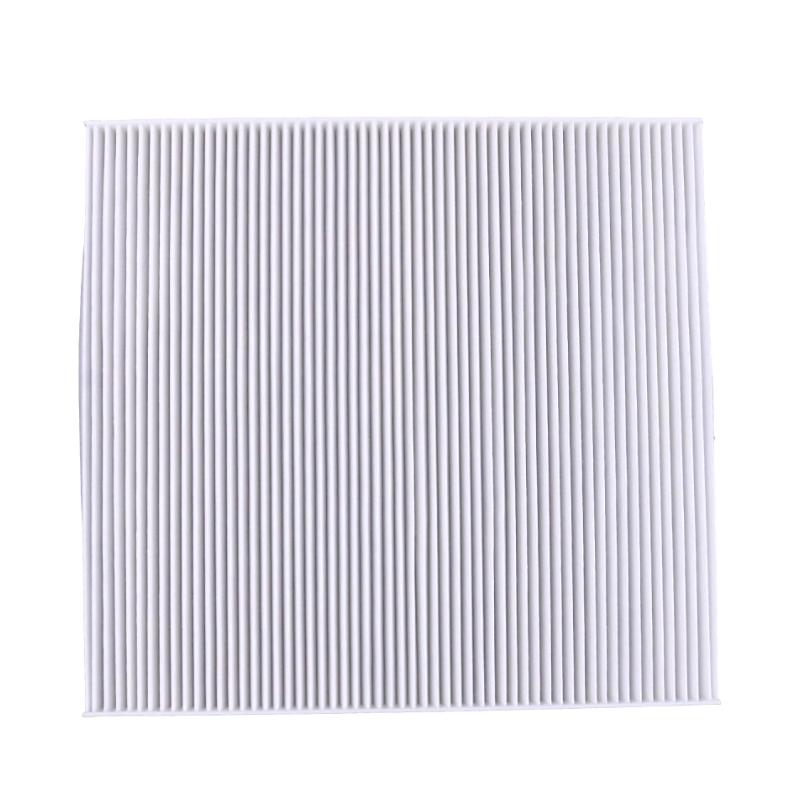
- Ingersoll Rand
- 47572172001 23564446
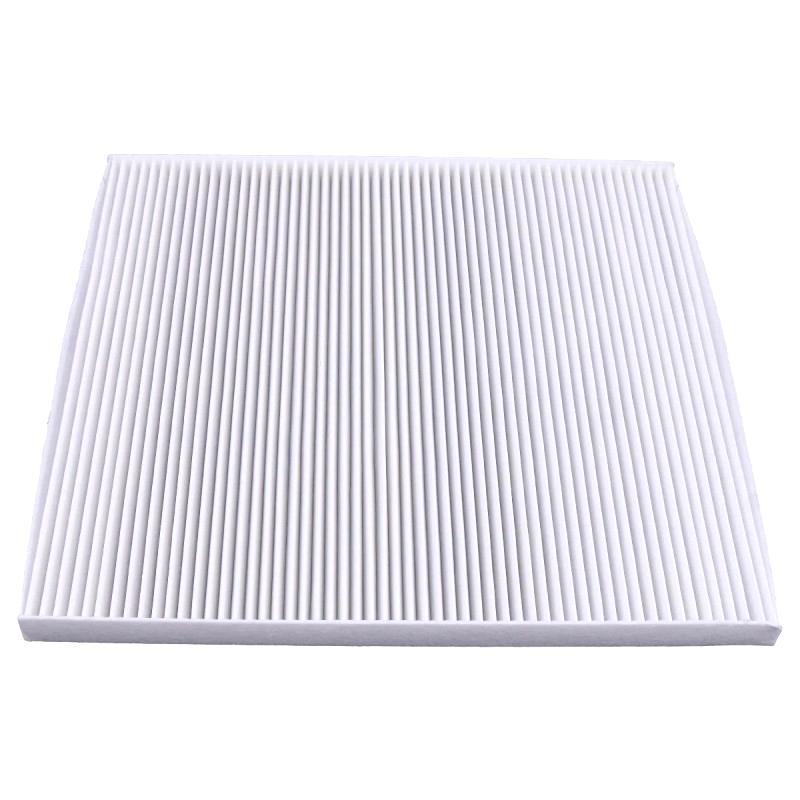
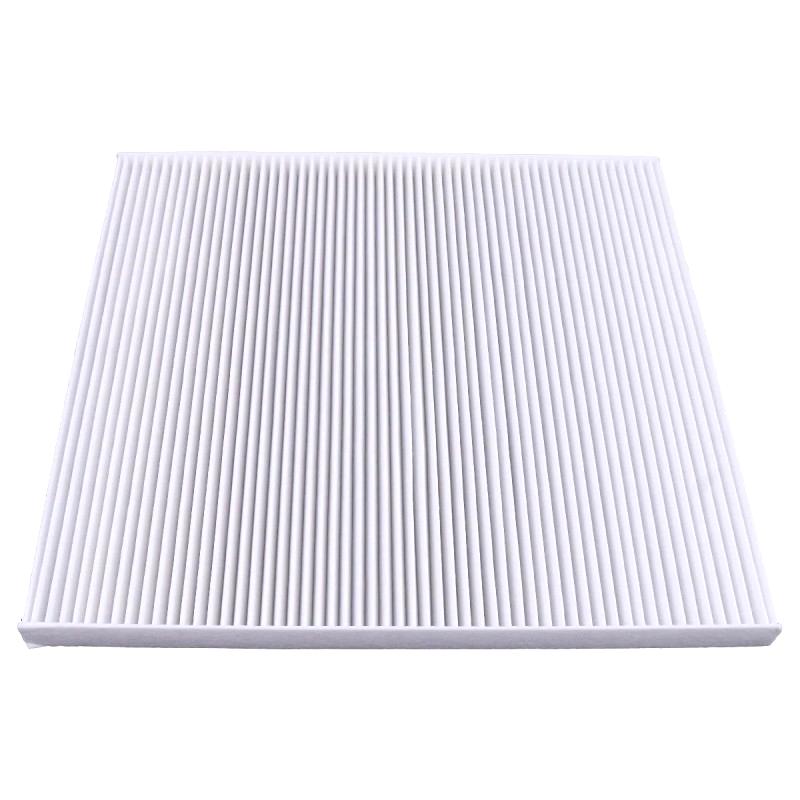
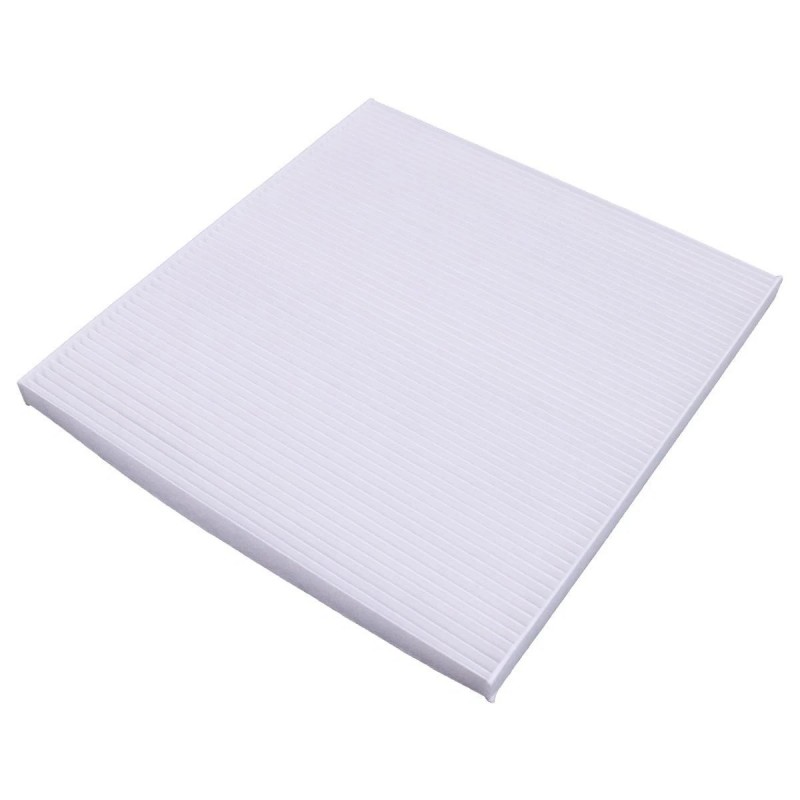
- Filter Pad
- USA
- 279 × 268 × 17 mm
- 0.1 kg
- Xiamen, China
- New & In Stock
- T/T, PayPal, Western Union
- 1 Year
- 1-3 Working Days
- DHL, UPS, TNT, FedEx and EMS.
- 24-Hour Service
- COO
- 7
Our advantage

Global Logistics
We have a 10-year logistics and express cooperation agreement, so our products can be shipped to any place in the world.

Brand new and original
Our products are imported in bulk from the place of origin. Because of the cooperative relationship, our products are all original and 100% new.

24-hour service
We provide 7*24 hours service to our customers. We will be there whenever you need us.

Price advantage
All our products are priced very favorably because we have our own warehouse and supply.
| Company Information | |||
| [email protected] | |||
| Mobile | +8615980777398 | ||
| +8615980777398 | |||
| 15980777398 |
1. Product Overview
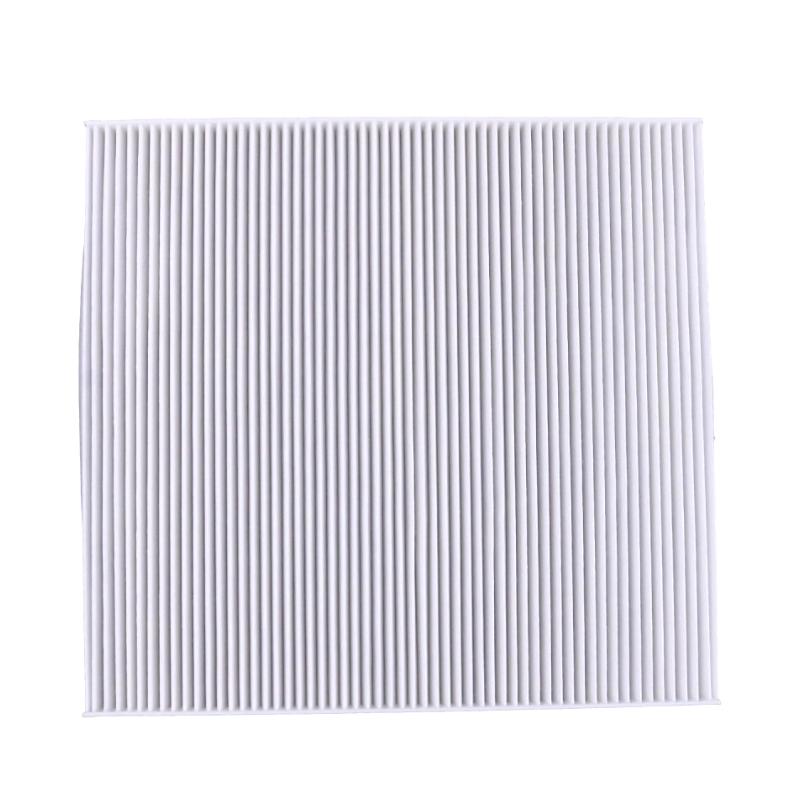
The Ingersoll Rand 47572172001 / 23564446 Filter Pad is an industrial replacement filter component intended for use in compatible Ingersoll Rand equipment. Filter pads are commonly used to capture airborne dust and particulate matter, helping protect internal components and maintain suitable airflow within equipment designed to use this type of filtration element.
In industrial environments, filters play an important role in maintaining equipment cleanliness and supporting reliable operation. Depending on the specific equipment design, a filter pad may be installed in an air intake, ventilation assembly, cooling airflow path, or another designated filtration location. Its exact function and installation position should be confirmed for the equipment associated with the supplied part number.
With dimensions of 279 × 268 × 17 mm and a weight of 0.1 kg, this filter pad is a lightweight component suitable for planned replacement and routine maintenance when the dimensions and specifications match the original installation.
When selecting the Ingersoll Rand 47572172001 / 23564446, maintenance personnel should verify the complete part number, equipment compatibility, physical dimensions, filter material, and required filtration characteristics. A filter pad that fits mechanically may not provide the correct airflow or filtration performance if its material or specification differs from the approved component.
2. Technical Specifications
| Parameter | Specification |
|---|---|
| Brand | Ingersoll Rand |
| Part Number | 47572172001 |
| Alternate Part Number | 23564446 |
| Product Type | Filter Pad |
| Application | Equipment filtration and maintenance |
| Dimensions | 279 × 268 × 17 mm |
| Weight | 0.1 kg |
| Filter Material | Confirm from the original part specification |
| Filtration Efficiency | Verify for the intended equipment |
| Airflow Requirements | Confirm against equipment specifications |
| Installation Position | Verify the designated filter location |
| Compatibility | Confirm using the complete part number and equipment model |
| Maintenance | Inspect and replace according to operating conditions and manufacturer guidance |
The dimensions and weight listed above are the supplied product specifications. The filter material, filtration rating, airflow resistance, and specific equipment compatibility should be verified before installation.
3. Function and Working Principle
A filter pad is designed to allow air to pass through a filtration medium while retaining a proportion of airborne particles. Its effectiveness depends on the material structure, thickness, airflow rate, particle characteristics, and condition of the filter.
3.1 Particulate Filtration
As air passes through the filter medium, dust and other airborne particles may be captured within or on the surface of the material. This helps reduce the amount of particulate matter entering the protected equipment or moving through the designated airflow path.
The actual filtration efficiency depends on the filter’s specified design and should not be assumed from its dimensions alone.
3.2 Airflow Management
A filter must provide the required balance between particle capture and airflow. As particulate matter accumulates, resistance to airflow may increase. Excessive restriction can affect ventilation or cooling performance in equipment that relies on a consistent air supply.
Using the correct replacement pad helps maintain the airflow characteristics intended by the equipment design.
3.3 Equipment Protection
Dust accumulation can interfere with ventilation, contaminate internal surfaces, or contribute to the deterioration of sensitive components. A correctly specified filter pad can help limit particulate entry into the areas it is designed to protect.
3.4 Routine Maintenance
Filter pads are consumable maintenance components. Their service life depends on the amount of airborne contamination, operating hours, environmental conditions, and equipment design. Inspection and replacement should follow the applicable maintenance schedule.
The precise filtration role of the Ingersoll Rand 47572172001 / 23564446 should be confirmed against the equipment in which it is installed.
4. Role in Industrial Equipment
Filter pads support equipment maintenance by helping manage particulate contamination in designated airflow paths.
Air Intake Filtration
Where the equipment design uses a filter pad at an air intake, the element can help reduce the amount of dust entering the internal assembly.
Ventilation and Cooling
Equipment that relies on forced airflow may use filtration elements to limit contamination around ventilation openings. Keeping the filter clean helps prevent unnecessary airflow restriction.
Internal Component Protection
A suitable filter medium can help reduce particulate accumulation in areas that require controlled airflow or protection from environmental dust.
Preventive Maintenance
Replacing a worn or contaminated filter pad at the appropriate interval helps maintain the intended condition of the equipment and supports a consistent maintenance routine.
Spare-Parts Management
Accurate part-number identification helps maintenance teams keep the correct replacement components in stock and avoid unnecessary delays during scheduled service.
These functions describe common uses of industrial filter pads. The exact role of this Ingersoll Rand part depends on the equipment manufacturer’s defined application.
5. Industrial Applications
The following are general environments where compatible industrial filter pads may be used. They do not establish that the specific part number fits every application listed.
5.1 Industrial Air Equipment
Air-handling and compressed-air-related equipment may use filtration elements in designated ventilation or intake assemblies. The appropriate filter must match the equipment’s intended airflow and filtration requirements.
5.2 Manufacturing Facilities
Industrial production areas can contain airborne dust and particles from machining, packaging, material movement, and general operations. Correctly selected filter pads can help protect equipment in suitable filtration locations.
5.3 Equipment Ventilation Systems
Electrical cabinets, machinery enclosures, and other industrial assemblies may use filter pads to reduce dust entering ventilation openings. The element must be designed for the particular housing and airflow conditions.
5.4 Maintenance and Repair Operations
During scheduled servicing, technicians may replace filter pads as part of a broader equipment inspection. Using the correct replacement helps maintain the intended filtration arrangement.
5.5 Industrial Equipment Spare Parts
For facilities maintaining Ingersoll Rand equipment, keeping verified replacement filter pads available can help streamline routine servicing and reduce maintenance-related delays.
Before using the 47572172001 / 23564446 in any equipment, confirm its compatibility with the exact model and filter location.
6. Installation and Replacement Guide
Filter-pad replacement is generally straightforward, but the correct procedure depends on the equipment design. Always follow the applicable maintenance instructions.
Step 1: Confirm the Part Number
Verify that the replacement is identified as Ingersoll Rand 47572172001 or the corresponding alternate number 23564446. Compare the supplied dimensions with the original filter and equipment documentation.
Step 2: Place the Equipment in a Safe State
Stop the equipment and isolate relevant energy sources when required by the maintenance procedure. If the filter is located near moving parts, hot surfaces, electrical components, or pressurized systems, ensure that the equipment is safe to access.
Step 3: Locate the Filter Assembly
Identify the designated filter housing or mounting position. Review the equipment instructions to determine how the existing pad should be removed.
Step 4: Remove the Existing Filter
Remove the old filter carefully to avoid releasing accumulated dust into the equipment. Dispose of the used element according to site procedures and the nature of the captured contamination.
Step 5: Inspect the Housing
Check the filter housing, retaining clips, sealing surfaces, and nearby airflow openings for dust buildup, damage, or obstruction. Clean the area using an approved method that does not introduce contamination into the equipment.
Step 6: Install the Replacement Pad
Position the new filter correctly within the designated housing. Confirm that it sits flat, covers the required opening, and is retained securely without being excessively compressed or distorted.
Step 7: Check Airflow Openings and Seals
Ensure that the filter does not obstruct unrelated openings and that any required seals or retaining components are properly positioned. Incorrect installation can allow unfiltered air to bypass the filter.
Step 8: Restore Operation
Close the housing, restore the equipment to its normal operating state, and check for unusual airflow conditions, alarms, or signs of improper installation. Complete any additional inspection required by the equipment maintenance procedure.
7. Common Problems and Troubleshooting
Filter-related issues may result from contamination, incorrect dimensions, unsuitable material, poor installation, or problems elsewhere in the airflow system.
| Symptom | Possible Cause | Recommended Check |
|---|---|---|
| Reduced airflow | Filter is dirty or obstructed | Inspect the pad and replace it if necessary |
| Dust inside the equipment | Incorrect fit, damaged material, or bypass around the filter | Verify the part number, installation, and sealing arrangement |
| Filter becomes dirty quickly | High airborne dust levels or an unsuitable maintenance interval | Review the operating environment and inspection schedule |
| Filter pad deforms | Incorrect dimensions, improper installation, or unsuitable material | Compare the replacement with the approved specification |
| Ventilation performance declines | Restricted filter or blocked airflow openings | Inspect the complete airflow path |
| Replacement does not fit correctly | Incorrect part number or dimensional mismatch | Confirm the model and supplied dimensions |
| Contamination persists after replacement | Another contamination source or installation problem | Inspect the housing, seals, surrounding equipment, and airflow path |
7.1 Inspect for Contamination
Examine the filter surface for dust accumulation, discoloration, moisture, or damage. Replace the pad when it reaches the specified service limit or when its condition affects the intended airflow.
7.2 Verify Dimensions and Fit
Confirm that the replacement matches the required dimensions of 279 × 268 × 17 mm and fits the designated housing. A loose or poorly seated filter can allow contaminants to bypass the filtration medium.
7.3 Check the Filter Material
Do not substitute a different material solely because it has the same dimensions. The material must provide the required filtration characteristics and airflow performance for the equipment.
7.4 Inspect the Housing
Dust buildup, damaged retaining components, or worn seals may reduce filtration effectiveness even when a new pad is installed. Clean and inspect the housing as part of the replacement procedure.
7.5 Review the Operating Environment
If the filter becomes contaminated unusually quickly, assess the dust levels and operating conditions around the equipment. The maintenance interval may need to reflect the actual environment and the equipment manufacturer’s guidance.
8. Preventive Maintenance Recommendations
Regular inspection helps ensure that a filter pad continues to perform its intended function.
- Inspect the filter periodically: Check for dust accumulation, deformation, moisture, and physical damage.
- Follow the recommended replacement interval: Use the equipment manufacturer’s maintenance instructions as the primary reference.
- Consider environmental conditions: Facilities with high dust levels may require more frequent inspections.
- Keep the housing clean: Remove accumulated debris using an approved method during filter replacement.
- Check the fit: Ensure that the pad is properly seated and that air cannot bypass the intended filtration area.
- Use verified replacement parts: Confirm the part number and required filtration characteristics before installation.
- Record maintenance activities: Document replacement dates, equipment identification, and any unusual contamination.
- Store spare pads correctly: Keep unused filters clean, dry, and protected from crushing or contamination.
A filter should not be cleaned and reused unless the applicable product instructions explicitly permit that procedure. Improper cleaning can damage the filter medium or reduce its performance.
9. Compatibility and Replacement Considerations
When selecting a replacement for the Ingersoll Rand 47572172001 / 23564446 Filter Pad, confirm more than its external dimensions.
| Selection Factor | What to Verify |
|---|---|
| Part number | Confirm 47572172001 and the supplied alternate number 23564446 |
| Equipment model | Verify that the filter is specified for the intended equipment |
| Dimensions | Match 279 × 268 × 17 mm |
| Filter material | Confirm the approved material and construction |
| Filtration characteristics | Verify the required particle-capture performance |
| Airflow resistance | Ensure that the element meets the equipment’s airflow requirements |
| Mounting arrangement | Confirm the shape, fit, and retaining method |
| Operating environment | Check suitability for the expected temperature, dust, and moisture conditions |
| Product condition | Ensure the filter is clean, undamaged, and suitable for installation |
| Maintenance requirements | Follow the specified inspection and replacement schedule |
A filter pad with similar dimensions is not necessarily a suitable alternative. Differences in material, thickness, airflow resistance, or filtration efficiency can affect equipment operation.
10. Key Benefits of Correct Filter Pad Selection
Effective Particulate Control
A correctly specified filter pad helps capture airborne particles in the designated filtration path, supporting equipment cleanliness.
Support for Airflow Performance
Selecting the appropriate filter helps maintain the airflow characteristics intended by the equipment design, provided the element is installed and maintained correctly.
Protection of Internal Equipment Areas
Proper filtration can help reduce dust accumulation in the components or spaces the filter is designed to protect.
Convenient Maintenance
The lightweight design and supplied dimensions make the filter easier to identify and handle during routine replacement.
Better Spare-Parts Management
Accurate part-number identification helps maintenance teams maintain appropriate stock and reduce the risk of fitting an unsuitable filter.
These benefits depend on the filter being compatible with the equipment and replaced according to the applicable maintenance requirements.
11. Frequently Asked Questions
Q1: What is the Ingersoll Rand 47572172001?
It is identified in the supplied product information as an Ingersoll Rand filter pad. Its precise installation location and filtration characteristics should be confirmed for the intended equipment.
Q2: Is 23564446 an alternate part number?
The supplied product information associates 23564446 with the 47572172001 filter pad. Confirm the relationship against the equipment’s parts documentation before ordering.
Q3: What are the dimensions of this filter pad?
The supplied dimensions are 279 × 268 × 17 mm.
Q4: How much does the filter pad weigh?
The supplied product weight is 0.1 kg.
Q5: What does a filter pad do?
A filter pad generally captures a proportion of airborne particulate matter as air passes through its filtration medium. Its exact purpose and performance depend on the equipment and filter specification.
Q6: How often should the filter pad be replaced?
The replacement interval depends on the equipment manufacturer’s recommendations, operating hours, and environmental contamination. Inspect the filter regularly and replace it according to the specified service criteria.
Q7: Can a similar-sized filter be used as a substitute?
Not automatically. The replacement must match the required material, filtration performance, airflow characteristics, dimensions, and equipment compatibility.
Q8: What happens if the filter pad becomes clogged?
A clogged filter may restrict airflow and affect equipment ventilation or cooling where the pad is used in an airflow path. Inspect the element and replace it when required.
Q9: Should the filter pad be cleaned and reused?
Only if the equipment or filter instructions explicitly permit cleaning and reuse. Otherwise, use the approved replacement procedure.
12. Conclusion
The Ingersoll Rand 47572172001 / 23564446 Filter Pad is a lightweight industrial filtration component with supplied dimensions of 279 × 268 × 17 mm and a weight of 0.1 kg. It can be considered for replacement and maintenance applications where the part number and filtration requirements match the original equipment.
For reliable performance, confirm the exact equipment compatibility, filter material, airflow requirements, and replacement procedure before installation. Regular inspection, correct fitting, clean storage, and timely replacement help maintain the intended filtration performance and support dependable industrial equipment operation.