

ProductPRODUCT
Featured products
Contact Us
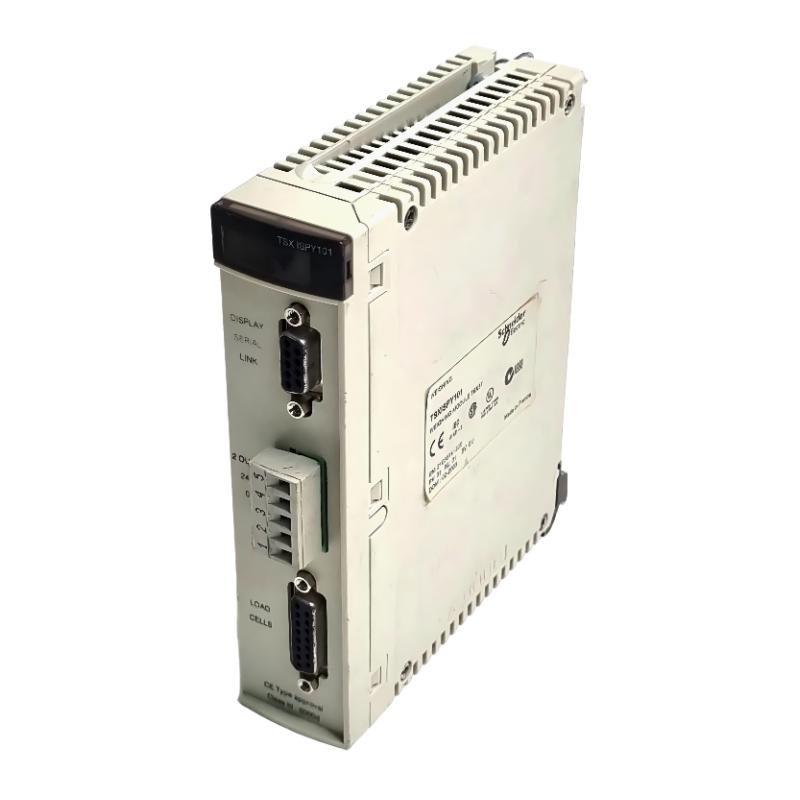
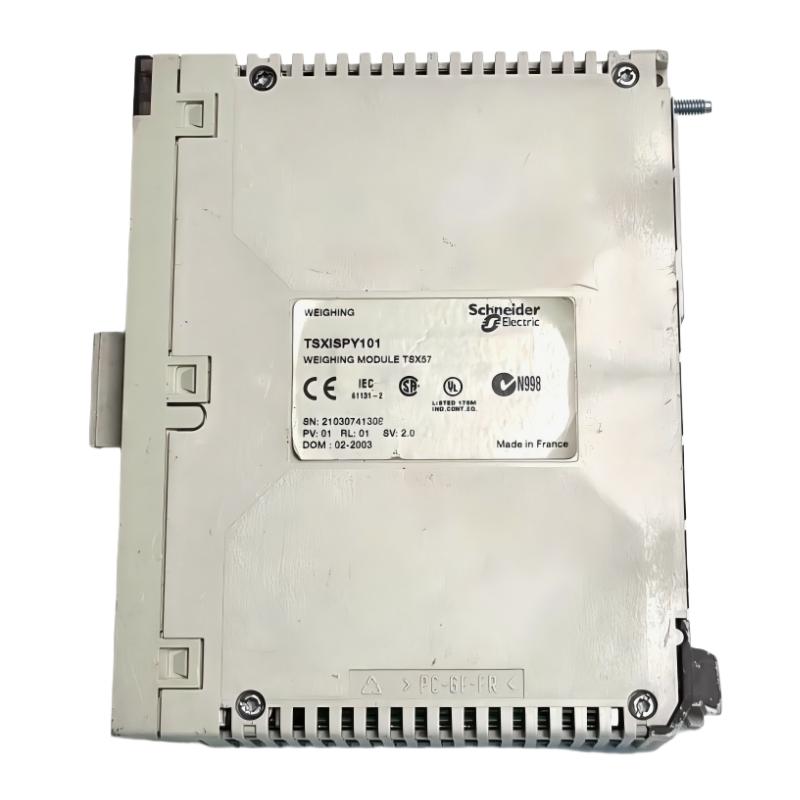
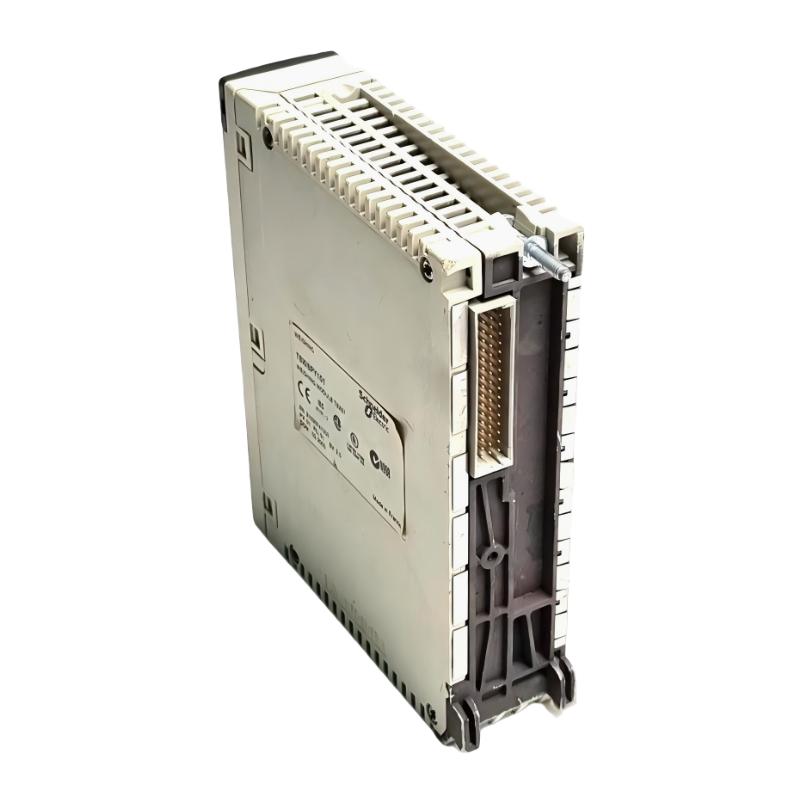
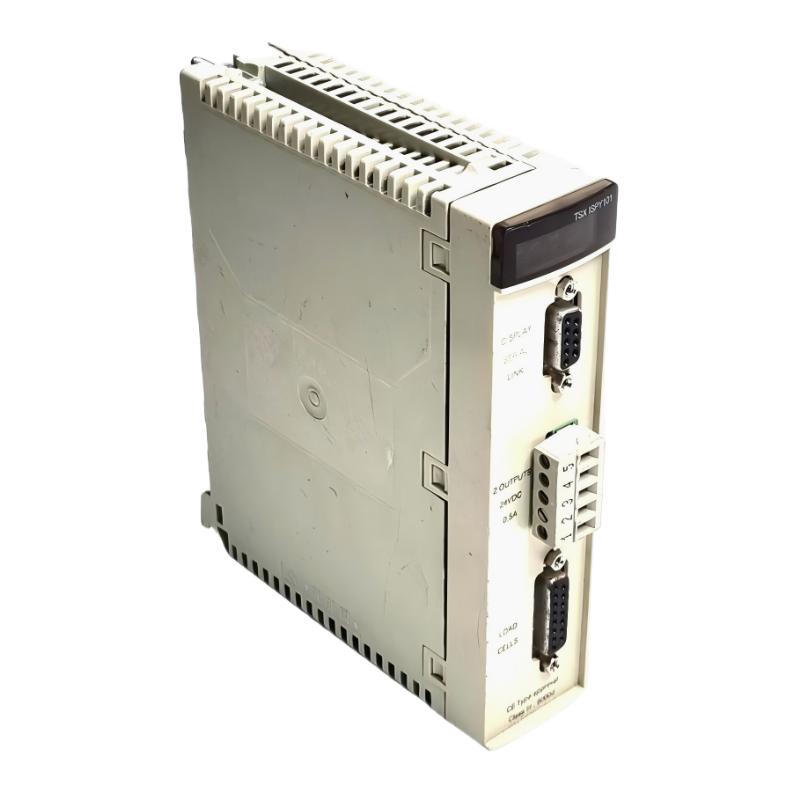
- Schneider
- TSXISPY101
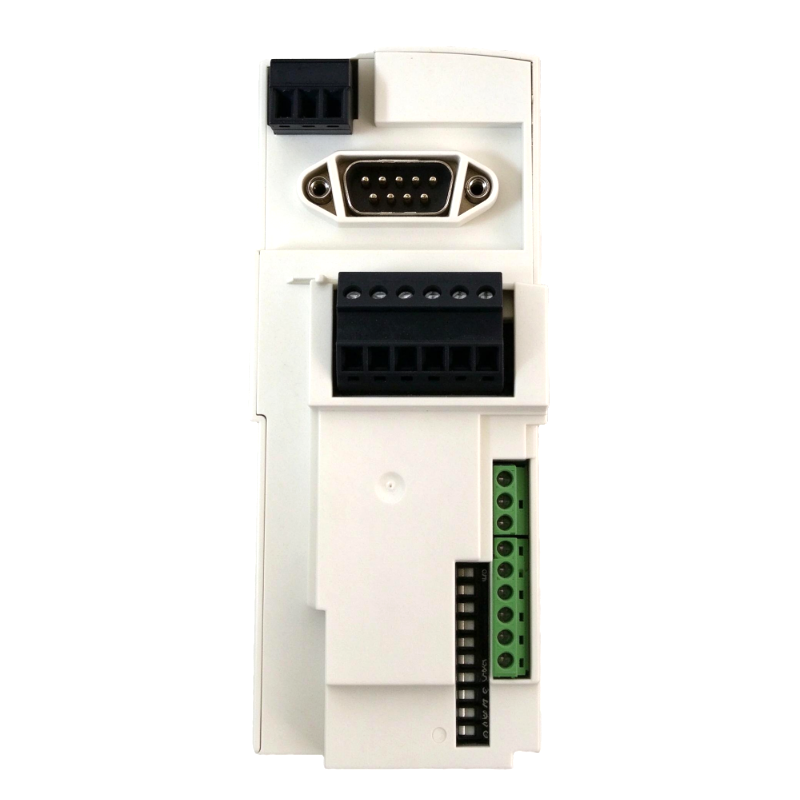
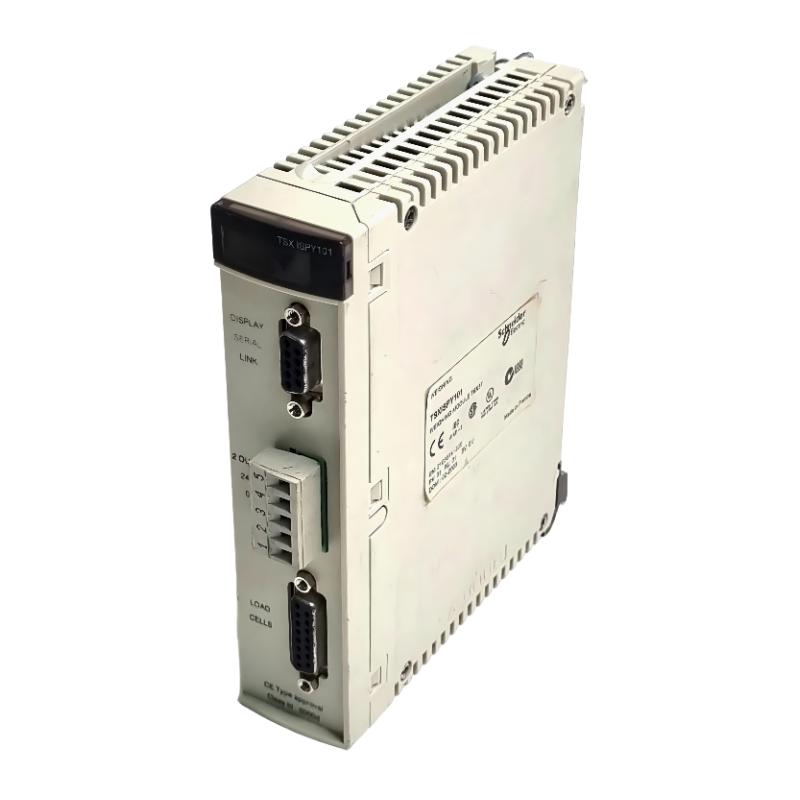
- ISP Plus Weighing Module
- France
- 260 x 180 x 55 mm
- 0.42 kg
- Xiamen, China
- New & In Stock
- T/T, PayPal, Western Union
- 1 Year
- 1-3 Working Days
- DHL, UPS, TNT, FedEx and EMS.
- 24-Hour Service
- COO
- 4
Our advantage

Global Logistics
We have a 10-year logistics and express cooperation agreement, so our products can be shipped to any place in the world.

Brand new and original
Our products are imported in bulk from the place of origin. Because of the cooperative relationship, our products are all original and 100% new.

24-hour service
We provide 7*24 hours service to our customers. We will be there whenever you need us.

Price advantage
All our products are priced very favorably because we have our own warehouse and supply.
| Company Information | |||
| [email protected] | |||
| Mobile | +8615980777398 | ||
| +8615980777398 | |||
| 15980777398 |
1. Product Overview
The Schneider TSXISPY101 ISP Plus Weighing Module is identified in the supplied product information as a weighing module for industrial automation and process control applications. Weighing modules are used to connect weighing equipment, such as load-cell-based scales and weighing systems, with industrial controllers, enabling weight measurements to be incorporated into automated processes.
In industrial environments, accurate weight information can support material batching, filling, packaging, inventory management, and production monitoring. Integrating weighing functions with an automation system helps operators monitor process values and coordinate weighing operations with other equipment.
The TSXISPY101 model designation and product description should be verified against the equipment nameplate and original documentation before ordering or installation. Detailed electrical specifications, supported load-cell configurations, communication interfaces, and controller compatibility should not be assumed without confirmation.
2. Technical Specifications
| Parameter | Specification |
|---|---|
| Brand | Schneider Electric |
| Model | TSXISPY101 |
| Product Type | ISP Plus Weighing Module |
| Product Category | Industrial Automation / Weighing Control |
| Dimensions | 260 × 180 × 55 mm |
| Weight | 0.42 kg |
| Primary Application | Industrial weighing and process automation |
| Installation Type | To be confirmed from the product documentation |
| Input Signal Type | To be confirmed |
| Communication Interface | To be confirmed |
| Compatible Controller | To be confirmed |
| Power Supply Requirements | To be confirmed |
| Product Condition | Confirm availability and condition when ordering |
Important specification note: The dimensions and weight above are the values supplied for this product. Confirm whether they represent the module itself or its packaged dimensions. The exact technical characteristics and system compatibility of the TSXISPY101 should be checked before procurement.
3. Function and Working Principle
An industrial weighing module typically acts as an interface between weighing sensors and a controller. Depending on the module design, it may receive measurement signals, process weight-related data, and make measurement values available to the automation system.
A typical automated weighing process includes the following stages:
- Weight measurement: A weighing device or load-cell assembly detects the applied load and produces an electrical signal.
- Signal acquisition: The weighing interface receives the measurement signal through its supported input configuration.
- Measurement processing: The weighing system converts the acquired signal into a usable weight value according to its configuration and calibration.
- Controller integration: The weight value is transferred to the control system through the supported interface.
- Process control: The controller uses the measurement to support operations such as filling, batching, material transfer, or weight monitoring.
The specific signal-processing functions, calibration methods, filtering capabilities, and communication arrangements available on the TSXISPY101 must be verified from its technical documentation.
4. Role in Industrial Automation Systems
Weighing information can be an important part of a production control system. When integrated correctly, weighing equipment helps improve process visibility and provides measurement data for automated decisions.
4.1 Material Batching
In batching applications, a control system can use weight measurements to determine when a target quantity of material has been added. This supports repeatable production processes and helps reduce material waste.
4.2 Filling and Packaging
Automated filling systems may use weight feedback to monitor the quantity of material delivered into containers. Accurate measurement and suitable control logic can help maintain consistent product quantities.
4.3 Production Monitoring
Weight data can be used to monitor material consumption, product output, and changes in process conditions. Operators can review these measurements as part of routine production supervision.
4.4 Material Handling
Industrial weighing equipment may be integrated into systems that handle raw materials, components, or finished products. The control system can use the measured weight as one of several inputs for coordinating equipment operation.
These are general applications of industrial weighing technology. The suitability of the TSXISPY101 for a particular installation depends on its verified specifications and supported system configuration.
5. Industrial Applications
Manufacturing and Assembly
Weighing systems can support component verification, material dispensing, and production checks. Integrating weight data into a controller can help coordinate measurement with the wider manufacturing sequence.
Food and Beverage Processing
Industrial weighing is used in ingredient batching, portion control, and material preparation. A suitable weighing interface can help connect measurement equipment to process automation, subject to the required accuracy and hygiene standards of the application.
Chemical and Pharmaceutical Processing
Weight-based measurement may be used for raw-material dosing, batch preparation, and process monitoring. These applications often require documented calibration procedures, traceability, and careful verification of the measuring system.
Packaging and Logistics
Weighing equipment can support product quantity checks, package filling, and material handling. The required measurement range, response time, and accuracy depend on the application.
General Process Automation
Industrial weighing can also be used wherever weight measurements need to be included in a larger automated process. The module and controller must be compatible with the selected sensors and control architecture.
6. Installation and System Integration
Before installing the Schneider TSXISPY101, verify the module identity, mounting requirements, electrical connections, and supported controller platform.
Recommended integration steps include:
- Confirm the model: Check the complete part number and product label against the purchase specification.
- Review the documentation: Identify the supported controller, installation method, wiring requirements, and applicable operating limits.
- Inspect the equipment: Check the housing, connectors, terminals, and any visible signs of impact, corrosion, or contamination.
- Verify the weighing equipment: Confirm that the connected weighing device and sensor arrangement meet the module’s input requirements.
- Check the control configuration: Ensure that the hardware configuration, software settings, and data mapping match the actual installed equipment.
- Perform calibration and testing: Use the appropriate documented procedure and suitable test weights or calibration equipment.
- Validate process operation: Confirm that measured values are stable and correctly interpreted by the controller before returning the equipment to production.
Electrical work should be performed by qualified personnel, with power isolated whenever required by the equipment’s installation instructions.
7. Common Problems and Troubleshooting
Weighing system faults may originate from sensors, wiring, calibration, controller configuration, environmental conditions, or the interface module itself.
| Symptom | Possible Cause | Recommended Action |
|---|---|---|
| No weight value is available | Power, wiring, configuration, or communication issue | Check the approved wiring diagram, power requirements, and controller status |
| Weight readings fluctuate | Mechanical vibration, unstable load, sensor wiring, or grounding issue | Inspect the installation and verify sensor connections |
| Measured weight is inaccurate | Calibration error, incorrect setup, or sensor problem | Check calibration records and follow the approved calibration procedure |
| Controller does not recognize the module | Unsupported hardware configuration or incorrect installation | Verify the exact module identity and controller compatibility |
| Intermittent operation | Loose connections, electrical interference, or component deterioration | Inspect connectors and wiring under safe maintenance procedures |
| Readings do not match the process | Incorrect scaling, data mapping, or weighing configuration | Verify engineering units, scaling parameters, and controller logic |
These are general troubleshooting guidelines for industrial weighing systems. The exact diagnostic indicators and corrective procedures for the TSXISPY101 must be established from its documentation.
8. Preventive Maintenance
Regular maintenance helps maintain weighing-system reliability and measurement consistency.
Recommended activities include:
- Inspect connectors and wiring for looseness, wear, or damage.
- Keep the installation free from excessive dust, moisture, and contamination within the equipment’s specified environmental limits.
- Check the mechanical stability of the weighing platform and associated equipment.
- Verify measurement consistency using appropriate test procedures.
- Maintain calibration records and document any configuration changes.
- Review controller diagnostics and investigate recurring measurement faults.
- Replace damaged components only with parts confirmed to be compatible with the installed system.
Maintenance intervals should reflect operating conditions, process criticality, and the manufacturer’s instructions.
9. Compatibility and Replacement Considerations
When purchasing a Schneider TSXISPY101 ISP Plus Weighing Module, matching the model number alone may not be sufficient to establish compatibility.
Before selecting a replacement, verify:
- The complete model number and any hardware revision.
- The controller or automation platform in which the module is installed.
- The required input signal and weighing sensor configuration.
- Power, wiring, mounting, and environmental requirements.
- Communication or data-transfer arrangements.
- Software configuration and calibration requirements.
- The availability of a documented replacement or migration procedure.
Do not assume that another Schneider Electric module with a similar designation can be installed as a direct substitute. A replacement must meet the electrical, functional, mechanical, and system-integration requirements of the original installation.
For legacy equipment, retaining the original part number and checking the existing system configuration can help reduce procurement errors and unplanned downtime.
10. Key Benefits of an Industrial Weighing Module
When correctly selected and integrated, an industrial weighing module can contribute to:
- Measurement integration: Bringing weighing information into an automation system.
- Process consistency: Supporting repeatable weight-based operations.
- Production monitoring: Making weight data available for process supervision.
- Material control: Helping coordinate material dispensing and batching.
- Maintenance planning: Supporting fault investigation through measurement and system diagnostics.
- Automation efficiency: Allowing weighing functions to participate in a wider control sequence.
Actual performance depends on the module’s verified capabilities, the connected weighing equipment, calibration quality, and application design.
11. Frequently Asked Questions
Q1: What is the Schneider TSXISPY101?
The supplied product description identifies the Schneider TSXISPY101 as an ISP Plus Weighing Module. Its exact hardware characteristics and supported functions should be confirmed from the product label and technical documentation.
Q2: What are the dimensions and weight of the TSXISPY101?
The supplied dimensions are 260 × 180 × 55 mm, and the supplied weight is 0.42 kg. Confirm whether these values refer to the product or its packaging before planning installation or shipment.
Q3: Which controllers are compatible with the TSXISPY101?
The compatible controller platform has not been independently established here. Check the module’s original documentation and the hardware configuration of the existing system before purchasing or installing it.
Q4: Can the TSXISPY101 be used with any load cell?
No universal compatibility should be assumed. The supported sensor type, electrical characteristics, wiring arrangement, and measurement requirements must match the module’s specifications.
Q5: Does the module require calibration?
Industrial weighing systems generally require appropriate calibration or verification to maintain measurement accuracy. Follow the procedure specified for the actual module and connected weighing equipment.
Q6: What should be checked before ordering?
Confirm the model number, product condition, dimensions, weight, connector condition, documentation, and compatibility with the target automation system. For discontinued or legacy equipment, verify the replacement status before making a purchase decision.
12. Conclusion
The Schneider TSXISPY101 ISP Plus Weighing Module is identified in the supplied product information as an industrial weighing module intended for weighing-related automation applications. Industrial weighing interfaces can help connect measurement equipment with control systems, supporting batching, filling, production monitoring, and material handling.
For reliable procurement and integration, buyers and maintenance engineers should verify the exact model identity, technical specifications, controller compatibility, and installation requirements before use. Confirming these details helps reduce the risk of ordering an unsuitable component and supports dependable operation in industrial automation systems.