

ProductPRODUCT
Featured products
Contact Us
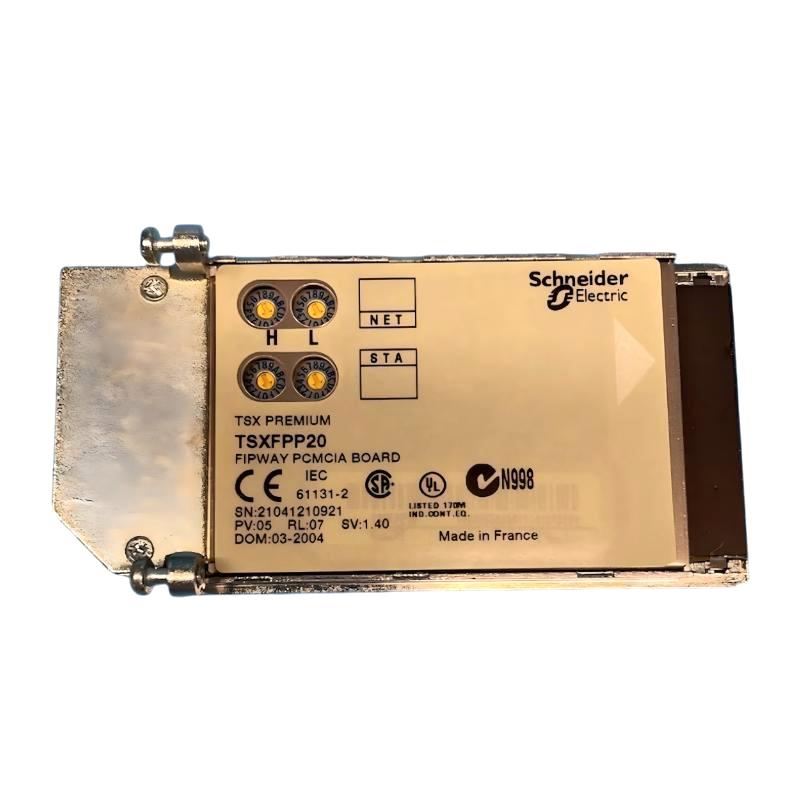
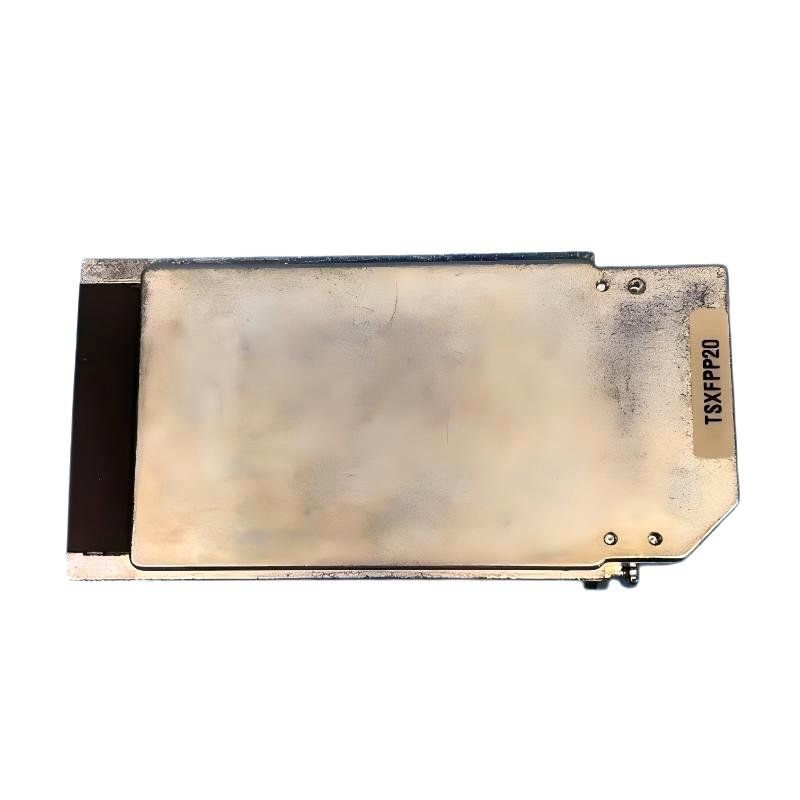
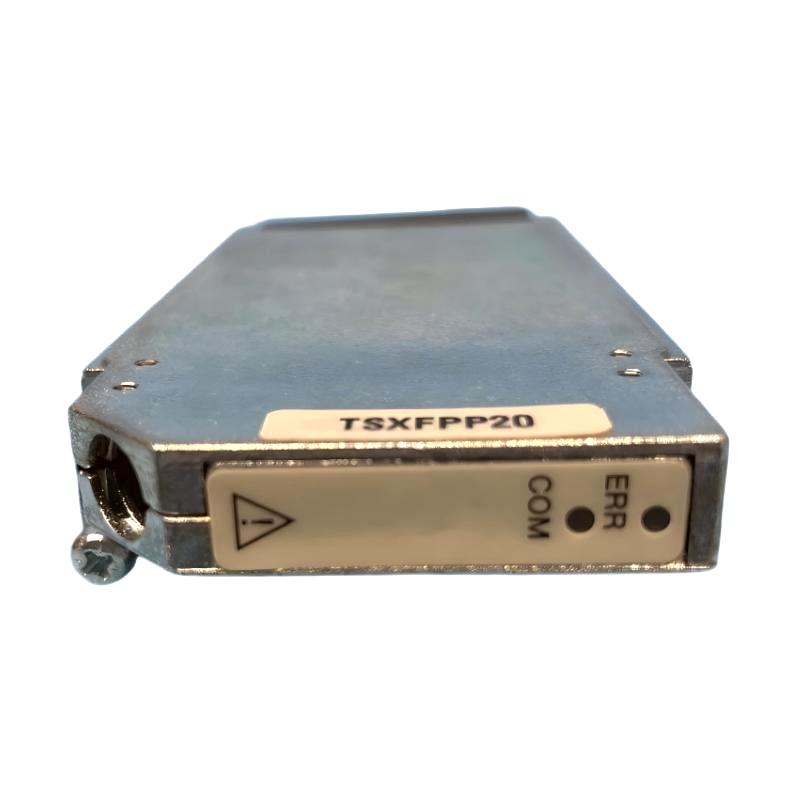
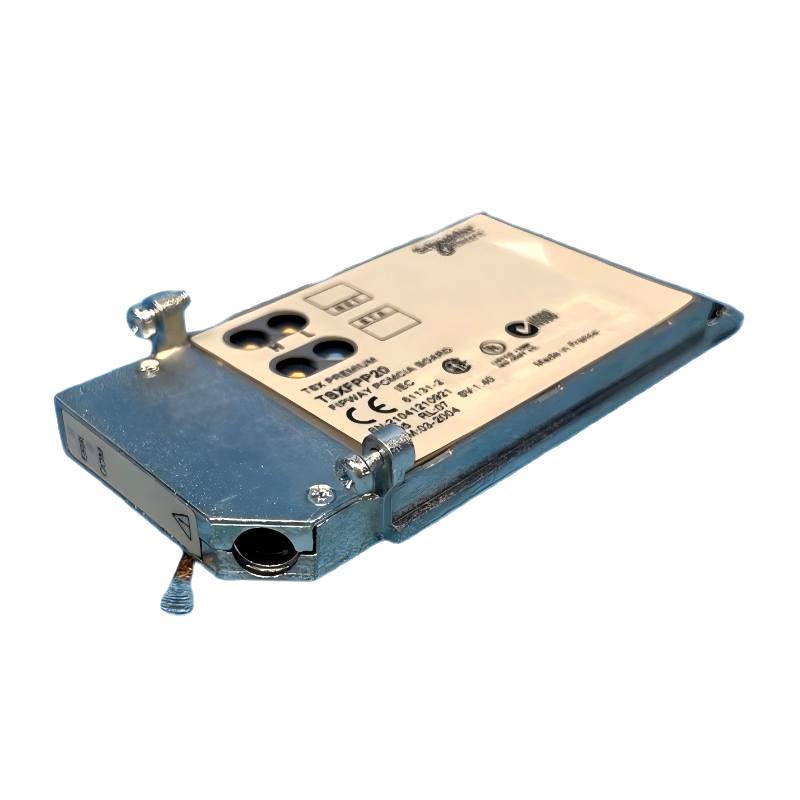
- Schneider
- TSXFPP20
- PCMCIA Card
- France
- 170 x 155 x 35 mm
- 0.11 kg
- Xiamen, China
- New & In Stock
- T/T, PayPal, Western Union
- 1 Year
- 1-3 Working Days
- DHL, UPS, TNT, FedEx and EMS.
- 24-Hour Service
- COO
- 4
Our advantage

Global Logistics
We have a 10-year logistics and express cooperation agreement, so our products can be shipped to any place in the world.

Brand new and original
Our products are imported in bulk from the place of origin. Because of the cooperative relationship, our products are all original and 100% new.

24-hour service
We provide 7*24 hours service to our customers. We will be there whenever you need us.

Price advantage
All our products are priced very favorably because we have our own warehouse and supply.
| Company Information | |||
| [email protected] | |||
| Mobile | +8615980777398 | ||
| +8615980777398 | |||
| 15980777398 |
1. Product Overview
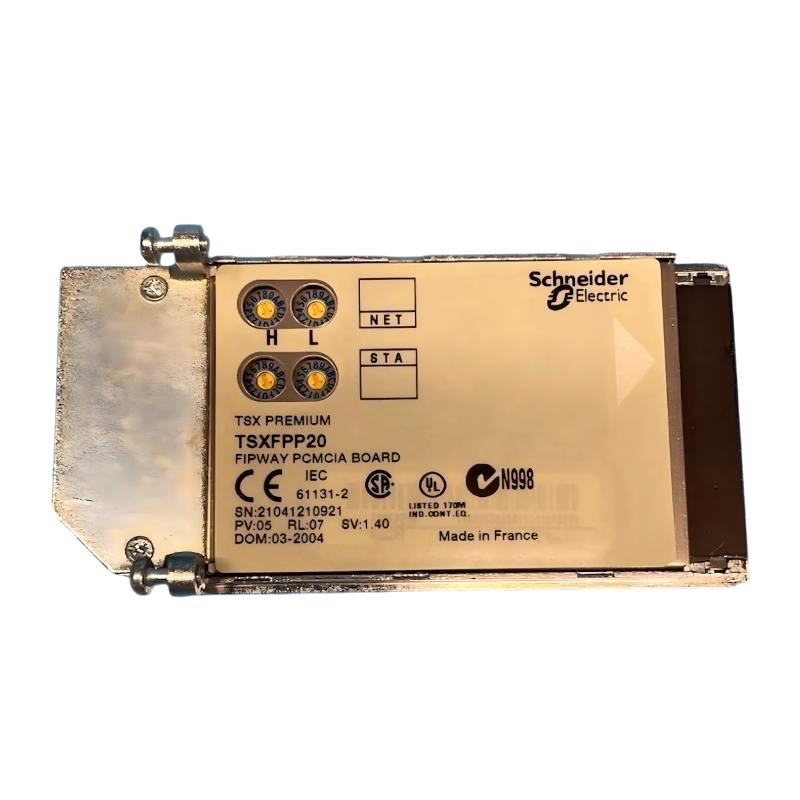
The Schneider Electric TSXFPP20 PCMCIA Card is a model identified by the Schneider Electric TSX product designation. When sourcing this component for an industrial automation system, it is important to confirm its exact function, compatible host equipment, and interface requirements using the original product label and applicable technical documentation.
PCMCIA is a removable-card interface historically used in industrial computers, programming terminals, and certain legacy automation products. Depending on the specific card design, such accessories may support data storage, communication, configuration, or other specialized functions.
However, the PCMCIA designation alone does not establish the precise function of the TSXFPP20. Its intended application should be confirmed before it is described as a memory card, communication card, or programming accessory.
Legacy automation systems often depend on specialized components that are difficult to replace with modern alternatives. Selecting the correct card can help maintenance teams preserve system compatibility, reduce unnecessary downtime, and maintain existing equipment without requiring an immediate platform upgrade.
The supplied dimensions for this product are 170 × 155 × 35 mm, with a weight of 0.11 kg. These measurements should be verified against the actual item and its packaging because a PCMCIA card itself is generally considerably smaller.
For industrial spare-parts procurement, the exact model number, product function, and host compatibility are the primary considerations when evaluating the TSXFPP20.
2. Technical Specifications
| Parameter | Specification |
|---|---|
| Brand | Schneider Electric |
| Model | TSXFPP20 |
| Supplied Product Type | PCMCIA Card |
| Product Category | Industrial automation accessory, subject to confirmation |
| Interface | PCMCIA, as supplied; verify the actual interface |
| Primary Function | Requires model-specific verification |
| Compatible Equipment | Confirm against the host device documentation |
| Software Requirements | Depend on the confirmed product function |
| Dimensions | 170 × 155 × 35 mm, as supplied |
| Weight | 0.11 kg, as supplied |
| Application Environment | Compatible industrial automation or computing equipment |
Technical note: The exact functional specification of TSXFPP20 has not been confirmed here. Do not assume that it provides memory storage, PLC program transfer, communication, or another specific function without verifying the manufacturer’s documentation. The supplied dimensions may refer to the packaged product rather than the card itself.
3. Function and Working Principle
The function of the TSXFPP20 depends on its confirmed hardware design. PCMCIA cards were used in many legacy computing and automation environments to provide removable or specialized hardware functionality.
3.1 PCMCIA Interface Technology
PCMCIA is a standardized card interface that was widely used in earlier generations of industrial computing equipment. It enabled compatible host devices to use removable cards without requiring permanent hardware modifications.
Depending on the specific card and host, PCMCIA technology may support storage, communications, or other dedicated functions.
For industrial applications, physical fit is only one part of compatibility. The card type, electrical interface, host firmware, software support, and intended function must also match.
3.2 Industrial Data Handling
Some legacy automation accessories use removable cards to store or transfer configuration information and other data. Where a particular card supports these functions, it may be useful for maintenance and system recovery.
The TSXFPP20 should only be used for data storage or transfer if its actual specifications and the host equipment’s documentation explicitly support that operation.
3.3 Specialized Equipment Integration
Certain industrial systems rely on dedicated accessories designed for a specific controller, programming terminal, or industrial computer. Such accessories may not be interchangeable with general-purpose PCMCIA products.
Identifying the correct model helps ensure that the card performs its intended function within the existing automation architecture.
4. Role in Industrial Automation Systems
4.1 Legacy Equipment Maintenance
Many factories continue to operate older control systems because their machinery and automation programs remain essential to production. Specialized accessories may be required to keep these systems operational.
A correctly identified TSXFPP20 can be considered for maintenance or replacement work when the original equipment documentation confirms that it is the required component.
4.2 Configuration and Service Activities
Depending on its confirmed function, a specialized card may support configuration, data handling, or other service operations on compatible equipment.
Maintenance engineers should identify the intended task before selecting a replacement. A card that supports one function may not work in a system that requires a different card type.
4.3 Industrial Computing Support
Legacy industrial computers and operator terminals may use PCMCIA interfaces to connect supported accessories. Compatibility depends on the host’s interface implementation and software environment.
Before installing the TSXFPP20, verify the target equipment model and its supported card specifications.
4.4 Spare-Parts Management
Specialized components can become difficult to source as automation platforms age. Accurate part identification and documentation help purchasing teams maintain suitable spare inventories and avoid buying incompatible products.
5. Industrial Applications
The following are general application areas for compatible industrial PCMCIA accessories. They should not be treated as confirmed TSXFPP20 applications until its exact function has been verified.
5.1 Factory Automation
Industrial facilities use legacy computers, programming terminals, and control equipment to manage production processes. Dedicated cards may be required to maintain the intended functionality of these systems.
5.2 PLC Maintenance
Some older PLC-related systems use specialized accessories for configuration, programming, or data handling. Any intended use of the TSXFPP20 with a PLC must be confirmed against the supported hardware documentation.
5.3 Machine Tool Systems
Legacy machine tools may contain embedded computers or specialized control terminals. These systems can depend on specific hardware accessories that are not readily replaced by modern general-purpose components.
5.4 Industrial Equipment Servicing
Maintenance teams may require dedicated cards to service or restore compatible equipment. Correct model identification is essential when the original hardware or software environment is no longer widely available.
5.5 Industrial Spare-Parts Inventory
Keeping verified replacement accessories in stock can help reduce repair delays. Recording the exact model, host compatibility, and test results makes future sourcing more reliable.
6. Installation and System Integration
Installation must follow the instructions for the confirmed card and host equipment. Do not assume that every PCMCIA card can be inserted or removed while the host remains powered.
6.1 Verify the Model Number
Check the product label for the complete TSXFPP20 designation. Compare it with the original component, system parts list, and relevant documentation.
If the card is being purchased as a replacement, confirm that the original part number matches the proposed item.
6.2 Confirm Host Compatibility
Identify the equipment in which the card will be installed. Verify that the host supports the card’s exact type, interface, and function.
Where required, check the host’s firmware, operating system, engineering software, and driver compatibility.
6.3 Inspect the Physical Condition
Inspect the card housing and connector for damage, corrosion, contamination, or bent contacts.
Do not install a visibly damaged component. Follow appropriate electrostatic discharge precautions when handling the card.
6.4 Follow the Correct Installation Procedure
Use the installation sequence specified by the host equipment’s documentation. If power must be removed before inserting or removing the card, follow that requirement.
Do not assume that hot insertion or removal is supported unless explicitly documented.
6.5 Verify Operation
After installation, confirm that the host recognizes the card and that its intended function operates correctly.
If the card supports data handling, verify that required data can be accessed using a supported method. If it provides another specialized function, use the corresponding diagnostic and commissioning procedure.
7. Common Problems and Troubleshooting
7.1 Card Is Not Recognized
Possible causes include an incompatible card type, incorrect model, damaged contacts, improper insertion, or unsupported host software.
Recommended action: Confirm the model number and host compatibility. Inspect the connector and follow the manufacturer’s troubleshooting procedure.
7.2 Card Fits but Does Not Operate
Physical compatibility does not guarantee that the card’s electrical design or function is supported.
Recommended action: Verify the supported card specification for the host device. Confirm that the TSXFPP20 matches the required function and interface.
7.3 Data Access Problems
If the verified card function includes data storage, problems may arise from incompatible formats, damaged media, unsupported software, or corrupted data.
Recommended action: Follow the documented recovery procedure. Avoid formatting or overwriting the card if it may contain important configuration information, and maintain a backup where possible.
7.4 Intermittent Operation
Intermittent faults can be caused by poor connector contact, physical damage, contamination, or host hardware problems.
Recommended action: Inspect the card and host connector, check the operating environment, and use an approved test procedure to isolate the source of the fault.
7.5 Replacement Card Does Not Resolve the Issue
The underlying fault may be in the host equipment, software, configuration, or another connected component.
Recommended action: Recheck the replacement’s exact model and compatibility, then investigate the host system using its documented diagnostic procedures.
8. Preventive Maintenance
8.1 Inspect Spare Cards
Store spare cards in protective packaging and suitable environmental conditions. Check their physical condition before installation.
8.2 Use Electrostatic Discharge Precautions
Electronic components may be damaged by electrostatic discharge. Follow appropriate handling procedures during storage, installation, and removal.
8.3 Preserve Important Data
If the card is confirmed to store configuration information or other important data, maintain a separate backup using a supported method. Avoid relying on a single card as the only copy of critical information.
8.4 Maintain Compatibility Records
Record the card model, host equipment, hardware revision, software requirements, and successful test results. These records help streamline future maintenance.
8.5 Plan for Legacy Hardware
Where the card is essential to an older automation installation, review spare availability and long-term maintenance requirements. Consider modernization planning if compatible replacements become increasingly difficult to obtain.
9. Compatibility and Replacement Considerations
Selecting a replacement for the TSXFPP20 requires confirmation of its exact function and intended host equipment.
Before purchasing, verify:
- The complete model number and product label.
- The card’s documented function.
- The compatible host device and hardware revision.
- The interface and electrical requirements.
- Required firmware, software, or drivers.
- The actual physical dimensions and weight.
- The condition and testing status of the replacement.
Do not substitute a generic PCMCIA card simply because it fits the host slot. Different cards may use the same form factor while supporting different functions or electrical interfaces.
For used or surplus products, request clear identification and functional verification where possible. A visually intact card is not necessarily operational or compatible with the target equipment.
10. Key Benefits of Correct Product Selection
Accurate Procurement
Verifying the exact part number reduces the risk of ordering a product that does not match the original equipment requirements.
Improved Compatibility
Confirming the host system and card function helps avoid installation errors and unnecessary troubleshooting.
Reduced Maintenance Delays
Having the correct spare accessory available can shorten the time needed to restore compatible legacy equipment.
Better Inventory Control
Documenting model numbers, host compatibility, and test results makes spare-parts management more reliable.
Support for Legacy Automation
Correctly identified accessories can help facilities maintain older industrial systems while planning future replacement or modernization projects.
11. Frequently Asked Questions
Q1: What is the Schneider TSXFPP20?
The TSXFPP20 is supplied as a Schneider Electric PCMCIA card. Its exact technical function should be confirmed from the original product label and applicable manufacturer documentation.
Q2: What are the dimensions and weight of the TSXFPP20?
The supplied dimensions are 170 × 155 × 35 mm, and the supplied weight is 0.11 kg. These values should be verified against the actual product or packaged item because a PCMCIA card itself is generally much smaller.
Q3: Is the TSXFPP20 a memory card?
Its exact function has not been confirmed here. Do not classify it as a memory card unless the model-specific documentation supports that description.
Q4: Can the TSXFPP20 work with any PCMCIA-compatible device?
No. The host must support the card’s specific type, interface, and function. Physical fit alone does not establish compatibility.
Q5: What should be checked before ordering?
Confirm the complete part number, intended function, host compatibility, product condition, and any required software or firmware.
Q6: Can a generic PCMCIA card replace the TSXFPP20?
Not without explicit compatibility confirmation. A generic card may have a different function or electrical interface.
Q7: How can buyers evaluate a used TSXFPP20?
Check the label and physical condition, confirm the intended host, and request a functional test using compatible equipment where feasible.
12. Conclusion
The Schneider Electric TSXFPP20 PCMCIA Card is presented as a legacy industrial automation accessory, but its exact function and host compatibility require confirmation before definitive technical claims can be made.
The supplied dimensions are 170 × 155 × 35 mm, with a weight of 0.11 kg. These measurements should be checked against the actual item because they may refer to packaging rather than the card itself.
For industrial automation maintenance and spare-parts procurement, accurate model verification is the most important step. Confirming the card’s function, interface, and host requirements helps prevent purchasing errors and supports reliable maintenance of compatible legacy equipment.