

ProductPRODUCT
Featured products
Contact Us
- Schneider
- TMASD1
- Memory Card
- France
- 32 × 24 × 2.1 mm
- 0.004 kg
- Xiamen, China
- New & In Stock
- T/T, PayPal, Western Union
- 1 Year
- 1-3 Working Days
- DHL, UPS, TNT, FedEx and EMS.
- 24-Hour Service
- COO
- 5
Our advantage

Global Logistics
We have a 10-year logistics and express cooperation agreement, so our products can be shipped to any place in the world.

Brand new and original
Our products are imported in bulk from the place of origin. Because of the cooperative relationship, our products are all original and 100% new.

24-hour service
We provide 7*24 hours service to our customers. We will be there whenever you need us.

Price advantage
All our products are priced very favorably because we have our own warehouse and supply.
| Company Information | |||
| [email protected] | |||
| Mobile | +8615980777398 | ||
| +8615980777398 | |||
| 15980777398 |
1. Product Overview
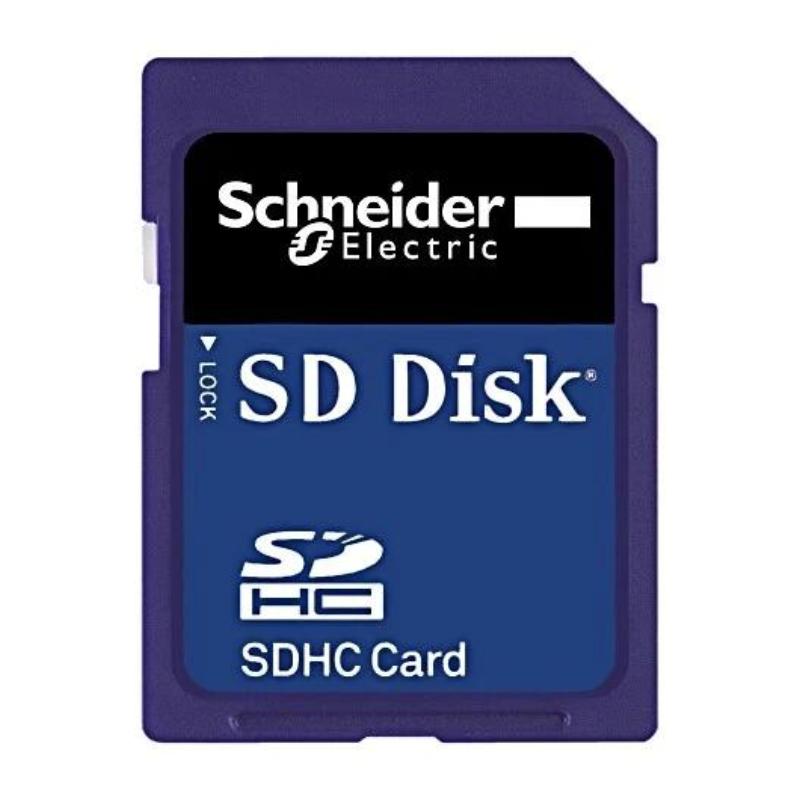
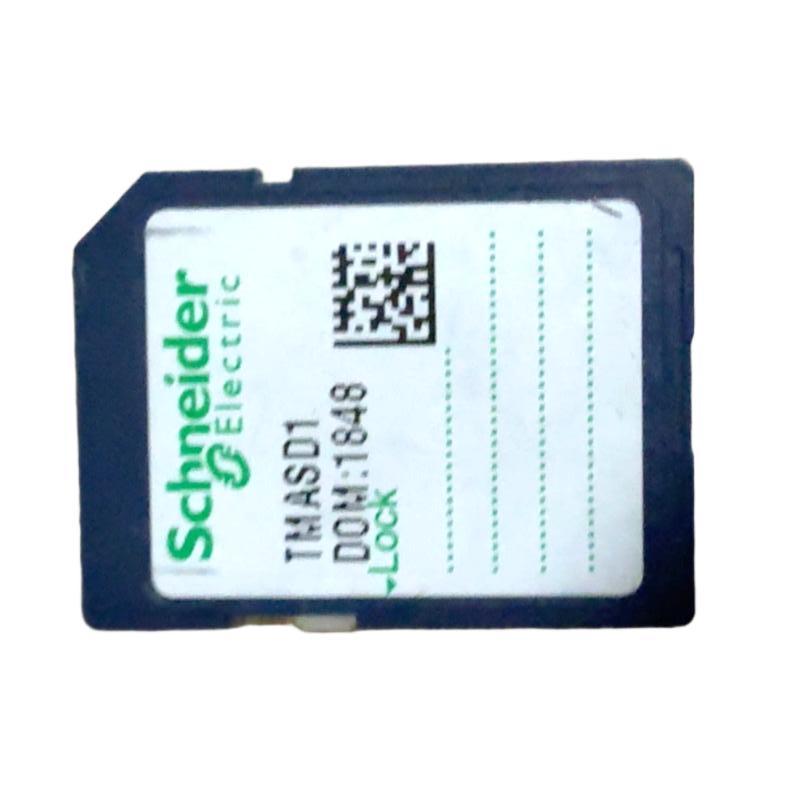
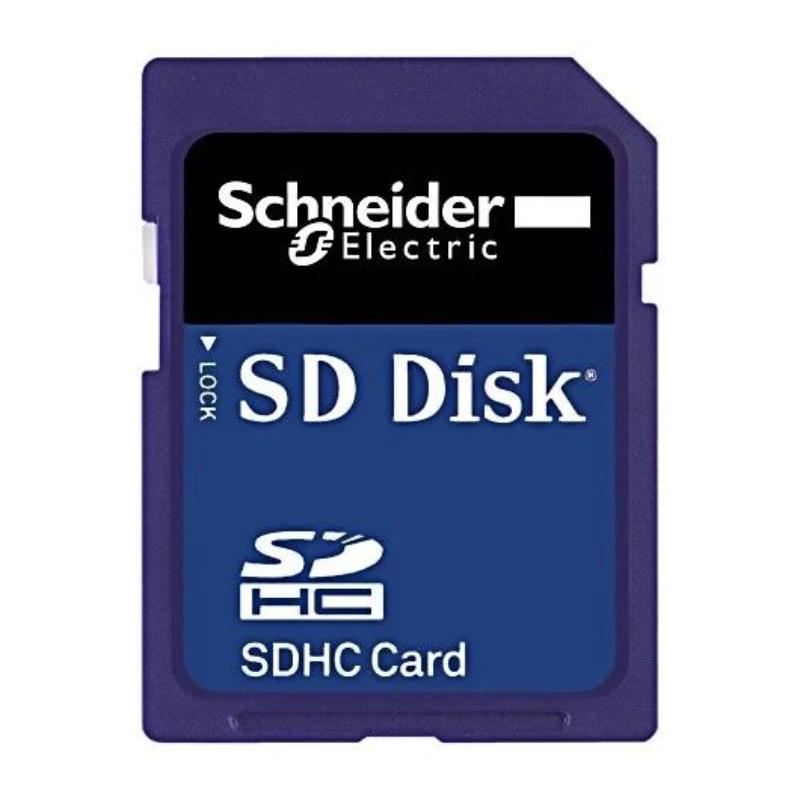
The Schneider Electric TMASD1 Memory Card is a compact memory accessory designed for use in supported Schneider Electric automation equipment. Memory cards play an important role in industrial control systems by providing a removable storage medium for supported data, configuration information, or application-related files, depending on the host device and its firmware capabilities.
In industrial automation environments, removable memory accessories can help technicians manage configuration tasks, support maintenance procedures, and transfer supported files between compatible equipment. The exact functions available through the TMASD1 depend on the device in which it is installed. Users should therefore confirm host-device compatibility and supported memory operations before integrating the card into an operating system.
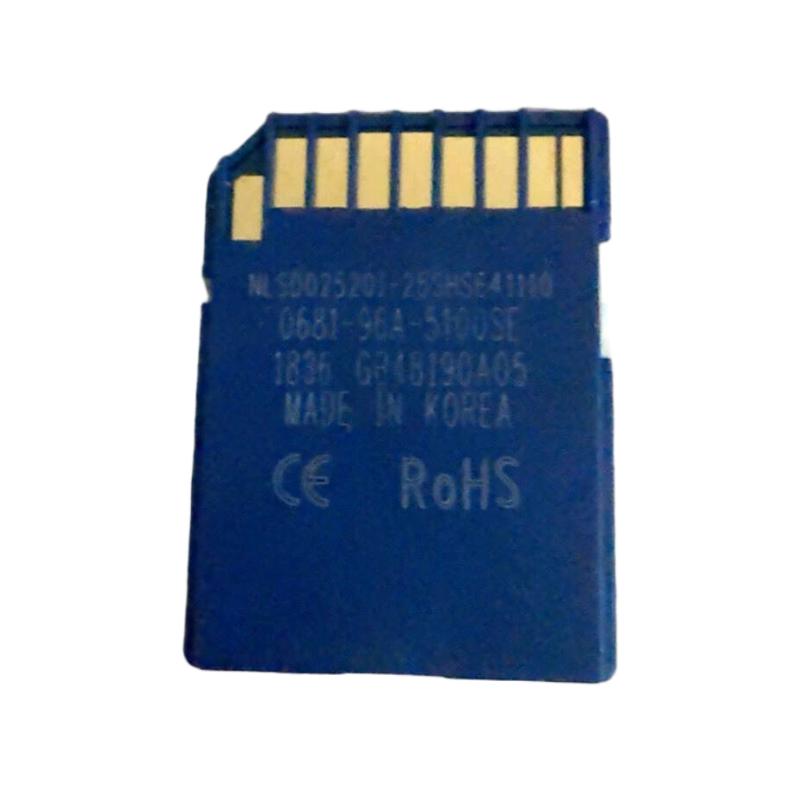
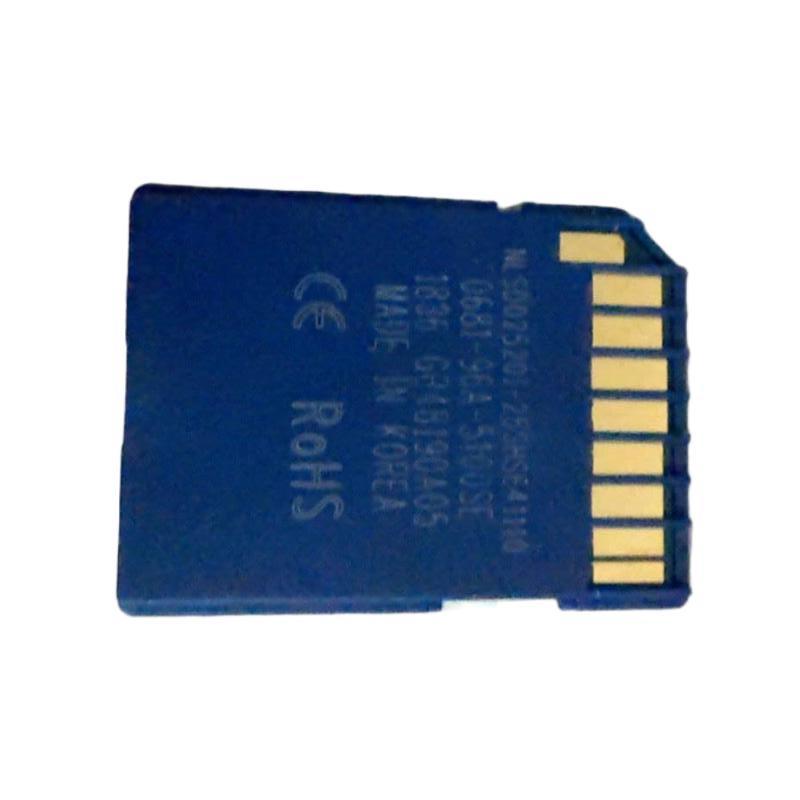
The TMASD1 has stated dimensions of 32 × 24 × 2.1 mm and a weight of 0.004 kg (4 g). Its compact form makes it suitable for applications where storage accessories must fit into a limited equipment enclosure.
For engineers, system integrators, maintenance technicians, and industrial spare-parts purchasers, confirming the complete model number is essential. Memory accessories that appear physically similar may use different interfaces, capacities, formats, or compatibility requirements.
2. Technical Specifications
| Parameter | Description |
|---|---|
| Brand | Schneider Electric |
| Model | TMASD1 |
| Product Type | Memory Card |
| Product Category | Industrial Automation Memory Accessory |
| Dimensions | 32 × 24 × 2.1 mm |
| Weight | 0.004 kg (4 g) |
| Installation Type | Removable memory accessory, subject to host-device design |
| Primary Role | Supported storage and memory-related operations |
| Compatibility | Must be verified against the intended Schneider Electric device |
| Supported Data Types | Depends on the host equipment and its firmware |
| Storage Capacity | Confirm from the product label or applicable technical documentation |
| Memory Interface | Confirm compatibility with the intended host device |
The storage capacity, memory technology, file format, and supported host models should not be inferred from the physical dimensions alone. Verify these details before ordering or commissioning the card.
3. Function and Working Principle
3.1 Providing Removable Memory
A memory card can provide a compact storage medium for an industrial automation device that supports the relevant card type. Depending on the host system, removable memory may be used for configuration storage, supported application data, or maintenance-related operations.
The specific functions available with the TMASD1 must be confirmed for the intended equipment. It should not be assumed that the card can store or transfer every type of PLC program, firmware image, or system backup.
3.2 Supporting Maintenance Activities
In supported applications, removable memory can simplify certain maintenance tasks by allowing authorized personnel to transfer compatible data without relying entirely on a network connection. This may be useful in installations where access to the controller is limited or where maintenance procedures require a dedicated storage medium.
The actual workflow depends on the host device. Some equipment may require a specific file structure, formatting method, or software version before the card can be used.
3.3 Working with Host Equipment
A memory card does not normally operate as an independent controller. Its function depends on the device into which it is installed.
The host equipment determines whether the card can be recognized, what information can be read or written, and how stored data is used. For this reason, matching the TMASD1 to the exact equipment model is more important than relying solely on a generic memory-card description.
4. Role in Industrial Automation Systems
Industrial automation equipment depends on reliable configuration management and controlled access to system data. Where supported, removable memory accessories can form part of the maintenance and data-management process.
The TMASD1 may serve a supporting role in an appropriate Schneider Electric installation by providing a compatible memory medium for the functions implemented by the host device.
Its potential system-level benefits include:
- Convenient data handling: Supports compatible memory operations where the host device provides them.
- Maintenance support: Can form part of an approved maintenance workflow.
- Compact equipment integration: Its small dimensions help accommodate space-constrained installations.
- Spare-parts management: A clearly identified model number helps maintenance teams source the intended replacement.
- Configuration consistency: When used according to the host equipment’s instructions, a dedicated memory accessory can help technicians follow repeatable procedures.
A memory card should not be treated as a substitute for a complete backup strategy. Important controller programs and configuration files should be backed up using the methods approved for the specific equipment.
5. Industrial Applications
PLC and Controller Maintenance
In supported controller systems, removable memory accessories can assist with approved data-storage or transfer operations. Before using the TMASD1 for a PLC-related task, verify that the target controller explicitly supports this model and the intended operation.
Industrial Machine Service
Maintenance teams may use compatible memory accessories as part of a defined service procedure. The relevant equipment manual should specify whether the card is used for data storage, configuration transfer, or another purpose.
Equipment Configuration Management
Some automation devices support removable media for selected configuration or system files. Where the host supports the TMASD1, the card may contribute to a controlled configuration-management process.
Industrial Spare-Parts Inventory
The TMASD1’s compact size and low weight make it convenient to store as an identified spare when required by the installed equipment. Inventory records should include the full part number and the device for which the card is approved.
Field Maintenance
For remote or difficult-to-access equipment, supported removable-memory functions may reduce dependence on network-based transfer methods for certain maintenance tasks. The procedure must be confirmed for the specific device before use.
These are general application categories for industrial memory accessories. The exact role of the TMASD1 should be established from its supported host equipment and intended function rather than assumed from the product category alone.
6. Installation and System Integration
Correct handling and compatibility checks are essential when installing a memory card in industrial equipment.
Step 1: Confirm the Complete Model Number
Check that the part number is TMASD1. Compare the product label and purchasing records with the replacement requirement. Do not substitute a visually similar memory card without confirming electrical and functional compatibility.
Step 2: Identify the Host Device
Determine the exact controller or automation device that will use the card. Check whether the device supports the TMASD1, including any restrictions based on hardware revision, firmware version, or software environment.
Step 3: Review the Required Memory Format
Before loading files or attempting a data transfer, check the host device’s supported file system, formatting requirements, file naming rules, and data structure. Incorrect formatting or unsupported files may prevent the card from being recognized.
Do not format a card containing required data unless the data has been backed up and the procedure is authorized.
Step 4: Follow the Equipment’s Installation Procedure
Power down or place the host equipment in the required maintenance state if its instructions call for it. Insert the card in the correct orientation and use the designated slot. Never force the card into a connector.
Some equipment supports insertion or removal only when power is off. Others may provide specific procedures for powered operation. Follow the host device’s instructions rather than assuming hot swapping is supported.
Step 5: Verify Recognition
After installation, check the host device’s diagnostic indicators, interface messages, or configuration software to confirm that the card is recognized. If the device reports an error, record the exact message before changing the card or its contents.
Step 6: Protect Stored Information
Where the card contains important configuration or application data, maintain an approved backup and access-control procedure. Avoid deleting, overwriting, or transferring files unless the operation is understood and authorized.
7. Troubleshooting Common Problems
Problem 1: The Host Device Does Not Recognize the Card
Possible causes:
- The host device does not support the TMASD1.
- The card is not fully inserted or is installed in the wrong orientation.
- The card or connector is damaged.
- The memory format is unsupported.
- The device firmware does not support the intended operation.
Recommended checks:
- Verify compatibility with the exact host model.
- Follow the prescribed isolation procedure before removing the card.
- Inspect the card and slot for visible damage or contamination.
- Confirm the required format and file structure.
- Review the host device’s diagnostic information.
Problem 2: Data Cannot Be Read or Written
Possible causes:
- The attempted operation is not supported by the host device.
- The file type or data structure is incorrect.
- The card contains corrupted or incomplete files.
- The card or host interface has a hardware fault.
- The operation requires a particular firmware or software version.
Recommended checks:
Confirm the supported data format and procedure, verify the file source, and review any error messages from the host device. If the data is important, preserve a backup before attempting recovery or reformatting.
Problem 3: The Device Reports a Memory Error
A memory-related alarm does not necessarily mean the card itself has failed. It may indicate an unsupported card, invalid contents, an incompatible configuration, or a problem with the host device.
Record the exact diagnostic message, verify the device’s supported memory requirements, and test only through approved maintenance procedures. Avoid repeated write attempts when data integrity is uncertain.
Problem 4: Intermittent Recognition
Intermittent detection may be associated with a poor physical connection, damaged contacts, vibration, contamination, or a fault in the host device’s memory interface.
Inspect the installation environment and the card slot according to the equipment’s maintenance procedure. Replace damaged components with approved parts and verify operation after the corrective action.
Problem 5: The Replacement Card Does Not Work
A replacement may have a similar appearance but still be incompatible because of differences in interface, capacity, formatting, or supported host models.
Confirm the full TMASD1 part number and its intended use before installing a substitute. Do not assume that any card with matching physical dimensions will provide the same functions.
8. Maintenance and Handling Recommendations
Memory accessories should be handled carefully to protect both the card and the information it may contain.
- Store the card in a clean, dry, protected environment.
- Avoid bending, crushing, or exposing it to excessive mechanical stress.
- Protect the card from electrostatic discharge by following appropriate handling procedures.
- Keep electrical contacts clean and avoid touching them unnecessarily.
- Follow the host device’s instructions for insertion and removal.
- Back up important data before performing any operation that may overwrite or erase information.
- Record the model number and associated host equipment in spare-parts inventory.
- Replace damaged cards with a verified compatible part rather than an unconfirmed substitute.
Environmental limits, storage conditions, and electrostatic-discharge requirements should be verified against the applicable product specifications.
9. Replacement and Alternative Selection
When sourcing a replacement for the Schneider Electric TMASD1, matching the original reference is the preferred starting point.
| Selection Criterion | What to Verify |
|---|---|
| Manufacturer | Schneider Electric |
| Model Number | TMASD1 |
| Product Type | Memory Card |
| Dimensions | 32 × 24 × 2.1 mm |
| Weight | 0.004 kg |
| Host Compatibility | Confirm the exact equipment model |
| Storage Capacity | Verify from product documentation or labeling |
| Interface | Confirm that the host device supports it |
| File System and Format | Follow the host device’s requirements |
| Data Requirements | Confirm the files and operations required by the application |
If the original model is unavailable, do not select an alternative based only on size or appearance. Confirm the interface, memory capacity, supported host devices, and intended function before approving a substitute.
10. Key Advantages
Compact Physical Design
With dimensions of 32 × 24 × 2.1 mm, the TMASD1 is suitable for applications that require a small memory accessory.
Low Weight
At 0.004 kg, the card adds very little weight to the host equipment and is convenient to handle and store as a spare.
Defined Model Identification
The specific TMASD1 reference helps purchasing and maintenance teams identify the required component and reduce the risk of ordering an incompatible accessory.
Potential Maintenance Convenience
Where supported by the host equipment, removable memory can help technicians carry out approved data-management and maintenance procedures.
Integration with Compatible Equipment
The card’s value depends on matching it to equipment that supports its interface and functions. Verifying compatibility helps maintain a reliable and predictable maintenance workflow.
11. Technical FAQs
Q1: What is the Schneider TMASD1?
The TMASD1 is a Schneider Electric memory card intended for use with compatible equipment. Its exact functionality depends on the supported host device.
Q2: What are its dimensions and weight?
The stated dimensions are 32 × 24 × 2.1 mm, and its weight is 0.004 kg (4 g).
Q3: Can the TMASD1 be used with any Schneider Electric PLC?
No. Compatibility must be confirmed for the exact controller or automation device. The Schneider Electric brand alone does not guarantee compatibility.
Q4: What is the storage capacity of the TMASD1?
The capacity should be confirmed from the product label or applicable technical documentation. It should not be inferred from the dimensions.
Q5: Can the card be removed while the equipment is powered?
This depends on the host device. Follow its installation and maintenance instructions; do not assume that powered insertion or removal is supported.
Q6: What should I do if the card is not recognized?
Check the exact host model, compatibility, insertion orientation, card condition, supported format, and diagnostic messages. Follow the device’s approved troubleshooting procedure.
Q7: Can a generic memory card replace the TMASD1?
Not without verification. The alternative must meet the host device’s requirements for interface, capacity, format, and supported functions.
Q8: Should the card be included in an industrial spare-parts inventory?
If the installed equipment requires the TMASD1 for an approved function or maintenance procedure, keeping a correctly identified spare may help reduce service delays.
12. Conclusion
The Schneider Electric TMASD1 Memory Card is a compact automation accessory with stated dimensions of 32 × 24 × 2.1 mm and a weight of 0.004 kg. Its practical role depends on the equipment that supports it and the memory operations implemented by that device.
For industrial users, the key considerations are model verification, host compatibility, correct handling, supported file formats, and protection of stored data. Confirming these details before installation or replacement helps avoid compatibility problems and supports a more reliable maintenance process.
When purchasing the TMASD1, verify the complete part number and intended host equipment to ensure that the card meets the requirements of the target automation application.