

ProductPRODUCT
Featured products
Contact Us
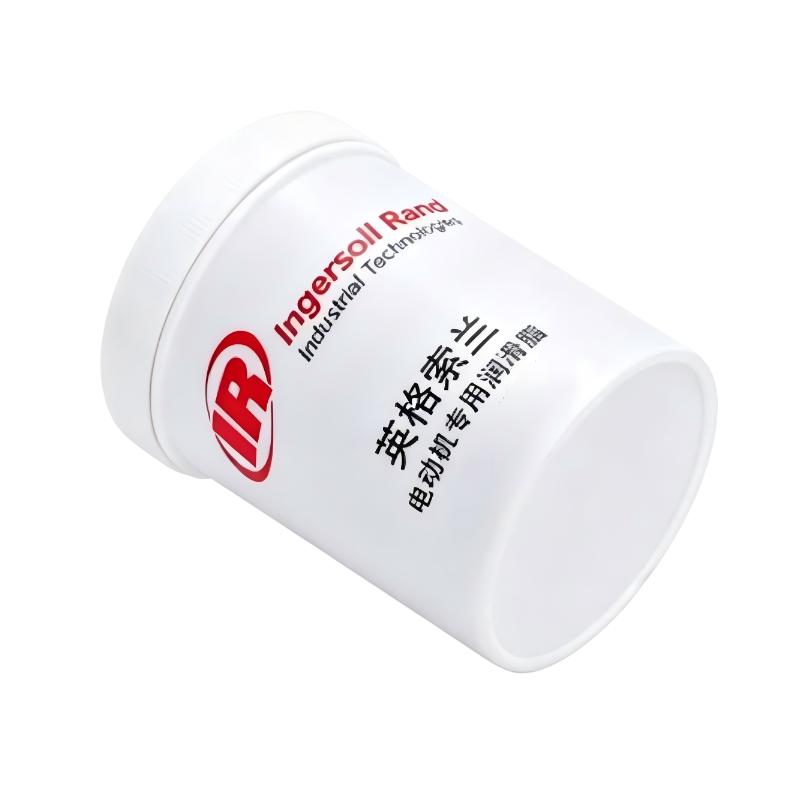
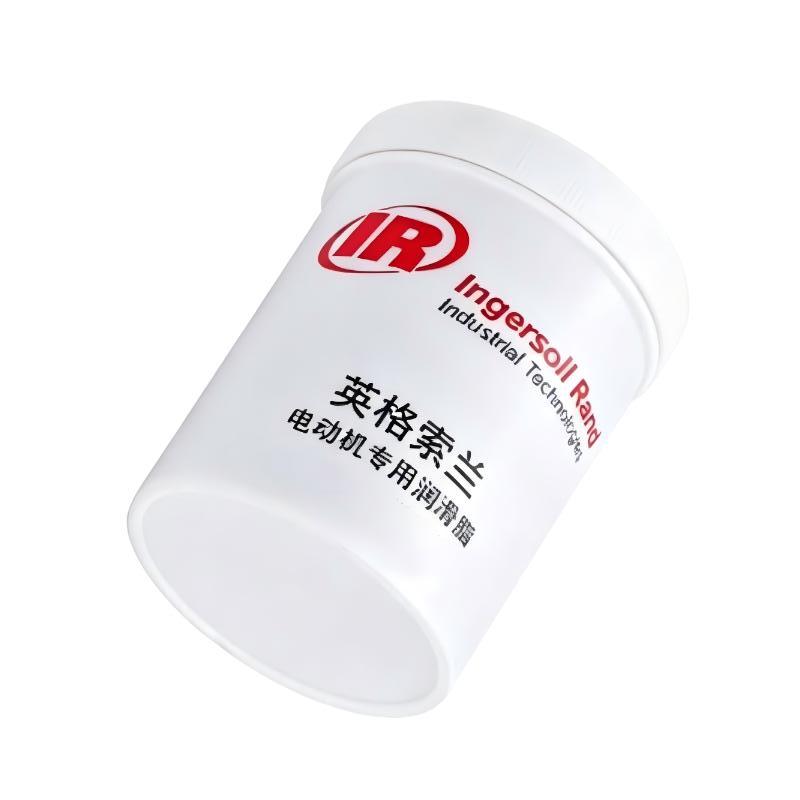
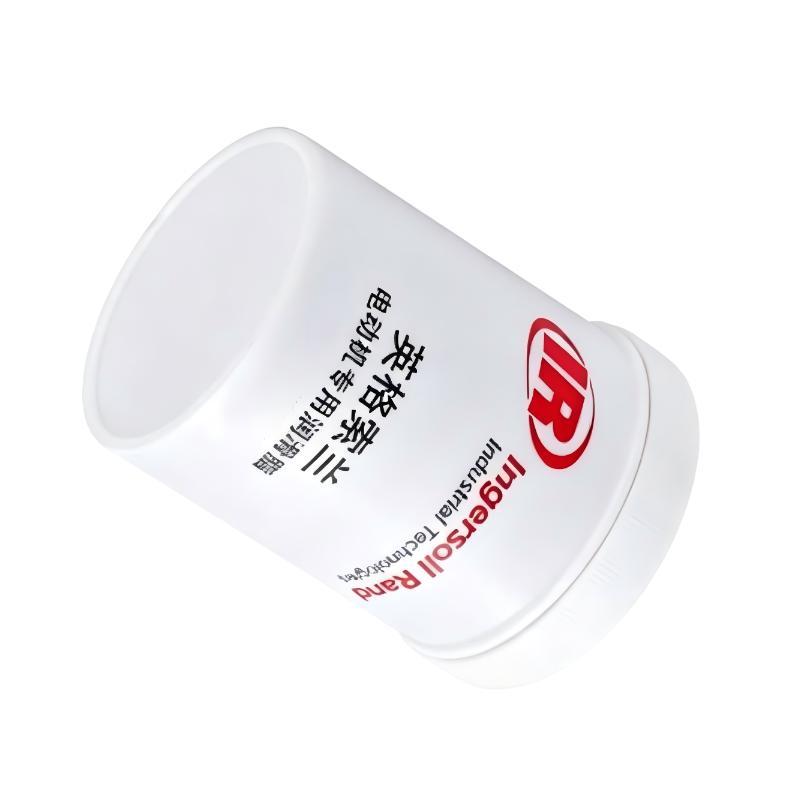
- Ingersoll Rand
- 47629377001 38034914
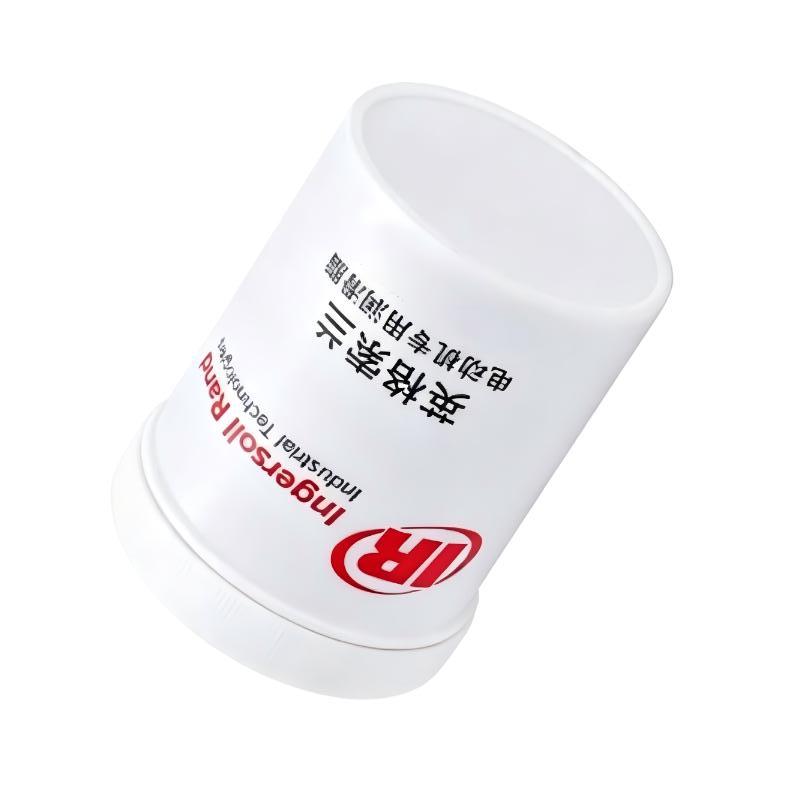
- Motor Bearing Grease
- USA
- 180 × 35 × 100 mm
- 0.41 kg
- Xiamen, China
- New & In Stock
- T/T, PayPal, Western Union
- 1 Year
- 1-3 Working Days
- DHL, UPS, TNT, FedEx and EMS.
- 24-Hour Service
- COO
- 4
Our advantage

Global Logistics
We have a 10-year logistics and express cooperation agreement, so our products can be shipped to any place in the world.

Brand new and original
Our products are imported in bulk from the place of origin. Because of the cooperative relationship, our products are all original and 100% new.

24-hour service
We provide 7*24 hours service to our customers. We will be there whenever you need us.

Price advantage
All our products are priced very favorably because we have our own warehouse and supply.
| Company Information | |||
| [email protected] | |||
| Mobile | +8615980777398 | ||
| +8615980777398 | |||
| 15980777398 |
1. Product Overview
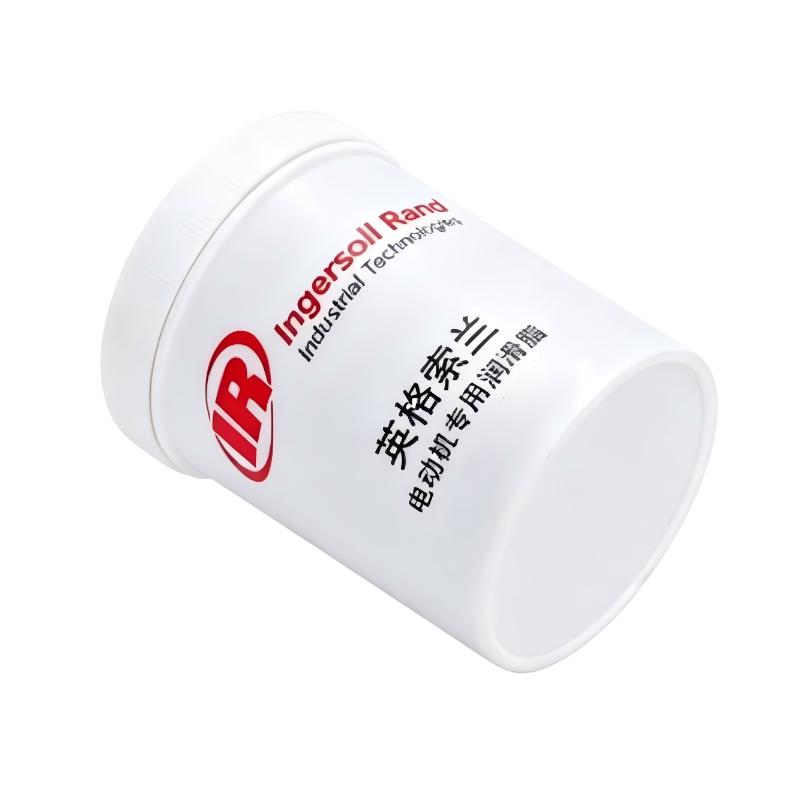
The Ingersoll Rand 47629377001 / 38034914 Motor Bearing Grease is identified in the supplied product information as a maintenance-related product associated with motor bearing lubrication. Bearing grease plays an important role in rotating equipment by helping reduce friction between moving surfaces, limit wear, and support reliable operation under specified working conditions.
In industrial environments, motors and other rotating equipment may operate for extended periods under varying loads, temperatures, and vibration levels. Correct lubrication helps maintain the condition of bearing surfaces and can reduce the risk of premature component failure caused by inadequate lubrication. The grease must be suitable for the bearing design, operating speed, temperature range, load, and environmental conditions.
The supplied product information lists dimensions of 180 × 35 × 100 mm and a weight of 0.41 kg. These details are useful for preliminary product identification, inventory planning, and shipping calculations. However, the dimensions and weight alone do not establish the grease’s formulation, consistency grade, base oil type, thickener type, or operating temperature range.
The part numbers 47629377001 and 38034914 are both included in the supplied description. Their exact relationship should be verified before purchasing. The available information does not establish whether they represent the same grease, a packaging variation, a replacement arrangement, or separate product references.
2. Technical Specifications
| Specification | Details |
|---|---|
| Brand | Ingersoll Rand |
| Primary Part Number | 47629377001 |
| Associated Part Number | 38034914 |
| Product Name | Motor Bearing Grease |
| Product Category | Industrial lubrication and maintenance |
| Dimensions | 180 × 35 × 100 mm |
| Weight | 0.41 kg |
| Intended Function | Bearing lubrication, subject to product confirmation |
| Grease Consistency Grade | Verify from the product label or technical data |
| Base Oil Type | Verify from the product specification |
| Thickener Type | Verify from the product specification |
| Operating Temperature Range | Verify before use |
| Load-Carrying Characteristics | Verify from the applicable technical data |
| Water Resistance | Verify from the applicable technical data |
| Compatibility | Confirm with the bearing and equipment requirements |
| Application Method | Follow the equipment maintenance procedure |
| Storage Requirements | Follow the product label and applicable safety documentation |
The table distinguishes the supplied product identifiers and physical specifications from technical properties that have not been provided. Do not infer a particular grease formulation or performance rating from the product name alone.
3. Function and Working Principle
3.1 Reducing Bearing Friction
Bearings support rotating shafts and help maintain their intended position during operation. Friction develops between bearing components and can contribute to heat generation and wear.
Suitable bearing grease forms a lubricating film between contact surfaces, helping reduce direct metal-to-metal contact. The film’s effectiveness depends on the grease formulation, bearing design, operating speed, load, temperature, and lubrication condition.
For this product, the specific lubrication characteristics should be confirmed using the exact product specification before it is applied to a bearing.
3.2 Supporting Wear Protection
Industrial bearings can experience wear from repeated contact, vibration, contamination, and unsuitable lubrication. Correct grease selection helps maintain the lubricating film and may reduce wear when the grease is used within its specified operating conditions.
Using the wrong grease can be as problematic as insufficient lubrication. Different formulations may have different thickener systems, base oils, additives, and compatibility characteristics. Greases should not be mixed without confirming that the formulations are compatible.
3.3 Helping Manage Heat
Bearings generate heat during operation because of friction and mechanical loading. Appropriate lubrication helps control friction-related heat generation, but it does not replace correct bearing installation, alignment, cooling, or load management.
Grease suitability is especially important where bearings operate at elevated temperatures or high speeds. The approved operating temperature range and relubrication requirements must be confirmed before use.
3.4 Supporting Corrosion Protection
Depending on its formulation, bearing grease may help protect metal surfaces against moisture and corrosion. The degree of protection varies between products and operating environments.
Where equipment operates in humid, dusty, or washdown-prone conditions, the selected grease should meet the equipment’s environmental and lubrication requirements. Water resistance and corrosion protection should not be assumed unless specified for the exact product.
3.5 Maintaining Lubrication Over Time
Grease can gradually deteriorate or become contaminated during service. Oxidation, excessive heat, moisture, dust, and mechanical stress may affect its performance.
A suitable lubrication schedule helps maintain the bearing in the intended condition. The correct service interval depends on the equipment manufacturer’s recommendations, operating conditions, bearing design, and the grease specification.
4. Role in Industrial Motor and Rotating Equipment Systems
4.1 Motor Bearing Lubrication
Electric motors rely on bearings to support the rotor and maintain shaft alignment. Depending on the motor design, the bearings may require grease lubrication at specified intervals or may use a different lubrication arrangement.
Where the motor manufacturer specifies this product, using the correct grease and quantity can help support reliable bearing operation. Compatibility must be confirmed for the particular motor and bearing assembly.
4.2 Supporting Rotating Equipment Reliability
Bearing condition influences vibration, noise, temperature, and the mechanical stability of rotating equipment. Correct lubrication is one part of an effective maintenance program that also includes alignment checks, inspection, and monitoring.
Excessive grease application can also cause problems, including increased churning, higher operating temperatures, or grease leakage in some bearing designs. Lubrication quantity and procedure should follow the equipment-specific instructions.
4.3 Reducing Unplanned Maintenance
Insufficient lubrication, contaminated grease, and unsuitable lubricant selection can contribute to bearing damage. Following an approved lubrication plan helps maintenance teams identify service requirements before the bearing reaches a critical condition.
Lubrication alone cannot prevent every bearing failure. Misalignment, excessive loading, electrical damage, contamination, and incorrect installation may also contribute to deterioration.
4.4 Supporting Preventive Maintenance
Maintenance personnel should record the lubricant identification, application point, service date, and quantity used where required. Clear records help prevent accidental mixing of incompatible greases and make it easier to track recurring bearing problems.
The relationship between part numbers 47629377001 and 38034914 should be confirmed and recorded before both are treated as equivalent inventory items.
5. Industrial Applications
5.1 Electric Motors
Industrial electric motors are used in pumps, fans, compressors, conveyors, and many other machines. Motor bearings must be lubricated according to the motor manufacturer’s requirements.
Before applying Ingersoll Rand 47629377001 / 38034914, verify that the product is approved for the specific motor and bearing arrangement.
5.2 Compressor Equipment
Industrial compressor installations may contain motors and other rotating components that require scheduled lubrication. Appropriate lubricant selection helps support equipment reliability and can reduce maintenance associated with bearing wear.
However, not every bearing or lubrication point within a compressor uses the same grease. The correct product must be identified for each specified application.
5.3 Pumps and Fans
Pumps and fans rely on rotating shafts and bearings to maintain stable operation. Incorrect lubrication can contribute to excessive temperature, vibration, noise, and premature wear.
Grease type, quantity, and relubrication interval should be selected according to the equipment documentation rather than applied uniformly across different machines.
5.4 Manufacturing and Production Lines
Manufacturing plants use motors and rotating equipment throughout automated production systems. Scheduled lubrication helps maintenance teams support continuous operation and reduce avoidable mechanical downtime.
Lubrication tasks should be coordinated with equipment shutdown procedures and site safety requirements.
5.5 Industrial Maintenance Workshops
Maintenance teams may keep approved lubricants in inventory for planned servicing and equipment repair. Clear product identification is essential because visually similar greases may have different chemical compositions and performance characteristics.
Storage containers should remain clearly labeled, properly sealed, and handled according to the applicable product safety documentation.
6. Application and Maintenance Procedure
The following is a general maintenance framework. The specific procedure for this grease must follow the relevant equipment instructions and the product’s technical data.
Step 1: Confirm the Product Identity
Check the product label and verify the complete part number. Confirm whether 47629377001 and 38034914 refer to the same approved product for the intended application.
Review the grease specification, including consistency grade, base oil, thickener type, operating temperature range, and compatibility requirements.
Step 2: Confirm Bearing Compatibility
Identify the motor or rotating equipment model and the bearing type. Check the equipment manufacturer’s lubrication instructions to establish whether grease lubrication is required and whether the specified product is suitable.
Do not select grease based solely on the words “motor bearing grease.”
Step 3: Follow the Equipment Safety Procedure
Before performing maintenance, shut down the equipment and apply the required isolation and lockout/tagout procedures. Allow rotating components to stop completely and ensure the equipment is in a safe condition.
Follow site-specific procedures for electrical safety, hot surfaces, and access to moving machinery.
Step 4: Inspect the Bearing and Lubrication Point
Check the accessible lubrication point for contamination, damage, leakage, or abnormal grease condition. If the equipment shows excessive vibration, unusual noise, or elevated bearing temperature, investigate the underlying cause rather than assuming that additional grease is the solution.
Do not open sealed or maintenance-free bearing assemblies unless the equipment procedure specifically permits it.
Step 5: Check Existing Grease Compatibility
If the bearing already contains grease, determine whether the existing lubricant is compatible with the replacement product. Different grease formulations should not be mixed unless compatibility has been confirmed.
Where a change of lubricant is approved, follow the equipment manufacturer’s procedure for removing, purging, or replacing the existing grease.
Step 6: Apply the Specified Quantity
Use the approved lubrication point and application method. Apply only the amount specified for the bearing and equipment.
Do not assume that filling the bearing cavity completely is correct. Overgreasing may increase friction and temperature in some bearing arrangements, while insufficient grease may fail to maintain the required lubricating film.
Step 7: Reassemble and Inspect
Where maintenance requires removal of covers, fittings, or guards, reinstall them according to the equipment instructions. Check that fittings are secure and that no foreign material has entered the lubrication system.
Keep lubricant containers and application tools clean to avoid introducing contamination.
Step 8: Return the Equipment to Service
Restore the equipment according to the approved startup procedure. Where appropriate, monitor bearing temperature, noise, vibration, and leakage against the equipment’s normal operating condition and specified limits.
If abnormal symptoms remain, investigate bearing condition, alignment, loading, contamination, and other potential causes.
Step 9: Record the Lubrication Work
Record the lubricant part number, application point, quantity where specified, maintenance date, and relevant observations. This helps maintain traceability and reduces the risk of using an unapproved grease during future service.
7. Compatible System Components
Motor bearing grease is used in conjunction with a specific bearing and lubrication arrangement. The following components may be relevant, depending on the equipment design.
| Component | Relationship to Lubrication | Maintenance Consideration |
|---|---|---|
| Motor Bearing | Receives lubrication when designed for grease service | Confirm bearing type and lubricant requirements |
| Electric Motor | Contains the bearing assembly in applicable designs | Follow the motor manufacturer’s maintenance instructions |
| Grease Fitting | Provides access for lubrication where installed | Keep clean and inspect for damage |
| Lubrication Passage | Directs grease to the intended location where applicable | Check for obstruction or contamination |
| Bearing Housing | Supports and encloses the bearing assembly | Inspect for damage and sealing problems |
| Seals and Shields | Help control lubricant retention and contaminant entry | Confirm condition and correct assembly |
| Rotating Shaft | Transfers mechanical motion through the bearing assembly | Investigate wear, alignment, and vibration issues |
| Vibration and Temperature Monitoring Devices | May help identify developing bearing problems | Compare results with approved equipment limits |
This table describes common relationships in motor bearing systems. It does not confirm that all listed components are included with, or specifically associated with, part numbers 47629377001 and 38034914.
8. Recommended Alternative Models and Lubricant Selection
Lubricants should be selected based on technical compatibility, not simply on brand, packaging size, or product name. A replacement grease should meet the bearing and equipment manufacturer’s requirements.
| Selection Option | Recommendation | Verification Required |
|---|---|---|
| Ingersoll Rand 47629377001 | Candidate when specified for the intended application | Confirm product identity and equipment compatibility |
| Ingersoll Rand 38034914 | Candidate associated with the supplied product description | Verify its relationship to 47629377001 |
| Manufacturer-Approved Replacement Grease | Consider when an approved replacement is documented | Confirm technical equivalence and application approval |
| Alternative Industrial Bearing Grease | Consider only after technical review | Compare base oil, thickener, consistency grade, temperature range, load requirements, and compatibility |
No other specific grease model is identified as a confirmed direct substitute because the formulation and performance specifications have not been provided.
Before changing products, verify the grease specification and confirm compatibility with any lubricant already present in the bearing. If the grease types are incompatible, follow an approved lubricant-change procedure rather than mixing them.
9. Key Advantages of Correct Bearing Grease Selection
Helps Reduce Friction
Suitable grease supports the lubricating film between bearing contact surfaces and helps control friction under the intended operating conditions.
Supports Bearing Wear Protection
Correct lubricant selection can help reduce wear caused by inadequate lubrication, provided the bearing is properly installed and operated.
Helps Maintain Operating Stability
Appropriate lubrication contributes to normal bearing temperature, smooth rotation, and reliable mechanical performance.
Supports Preventive Maintenance
A documented lubrication schedule helps maintenance teams manage service intervals and identify recurring bearing problems.
Improves Lubricant Traceability
Recording the exact product identifier helps prevent confusion between different grease formulations and supports consistent maintenance practices.
Helps Reduce Avoidable Downtime
Correct lubrication, combined with suitable inspection and monitoring, can reduce some lubrication-related failures and support equipment availability.
10. Technical FAQs
Q1: What is the Ingersoll Rand 47629377001 / 38034914 Motor Bearing Grease used for?
The supplied product description identifies it as motor bearing grease. Its suitability for a particular motor or bearing must be confirmed against the product specification and equipment manufacturer’s lubrication requirements.
Q2: Are part numbers 47629377001 and 38034914 interchangeable?
Their relationship has not been established by the supplied information alone. Confirm whether they represent the same product or an approved replacement arrangement before ordering or updating inventory records.
Q3: What are the dimensions and weight?
The supplied specifications list dimensions of 180 × 35 × 100 mm and a weight of 0.41 kg. These values can support preliminary product identification but do not establish the grease’s formulation or performance.
Q4: What is the grease’s operating temperature range?
The operating temperature range has not been provided. Check the exact product label or technical data before applying the grease to a bearing.
Q5: Can this grease be used in every electric motor?
No. Motors may require different lubricant formulations depending on their bearing type, speed, load, temperature, and sealing arrangement. Confirm suitability for the exact motor before use.
Q6: Can different bearing greases be mixed?
Not unless their compatibility has been confirmed. Different thickener systems and base oils may be incompatible, potentially affecting lubrication performance. Follow an approved procedure when changing grease types.
Q7: Can adding more grease solve bearing noise or overheating?
Not necessarily. Excess grease can increase friction and temperature in some bearing arrangements. Noise or overheating may also result from misalignment, wear, contamination, excessive load, or other mechanical faults.
Q8: How often should the bearing be lubricated?
Use the equipment manufacturer’s specified interval and quantity. The correct schedule depends on bearing design, operating conditions, duty cycle, and lubricant characteristics.
Q9: How should the grease be stored?
Follow the product label and applicable safety documentation. In general, keep lubricant containers sealed, clearly labeled, and protected from contamination and unsuitable storage conditions.
Q10: What information is needed to order the correct product?
Provide the complete part number, motor or equipment model, bearing application, and any available product specification. If the order references both 47629377001 and 38034914, confirm their relationship before treating them as equivalent.
11. Conclusion
The Ingersoll Rand 47629377001 / 38034914 Motor Bearing Grease is identified in the supplied product information as a lubrication product associated with motor bearing maintenance. Its listed dimensions are 180 × 35 × 100 mm, and its weight is 0.41 kg.
Reliable use depends on confirming the exact product identity, grease formulation, bearing compatibility, application quantity, and maintenance requirements. By following the equipment manufacturer’s lubrication procedures and maintaining accurate product records, industrial maintenance teams can support bearing reliability, reduce avoidable lubrication errors, and improve maintenance planning.