

ProductPRODUCT
Featured products
Contact Us
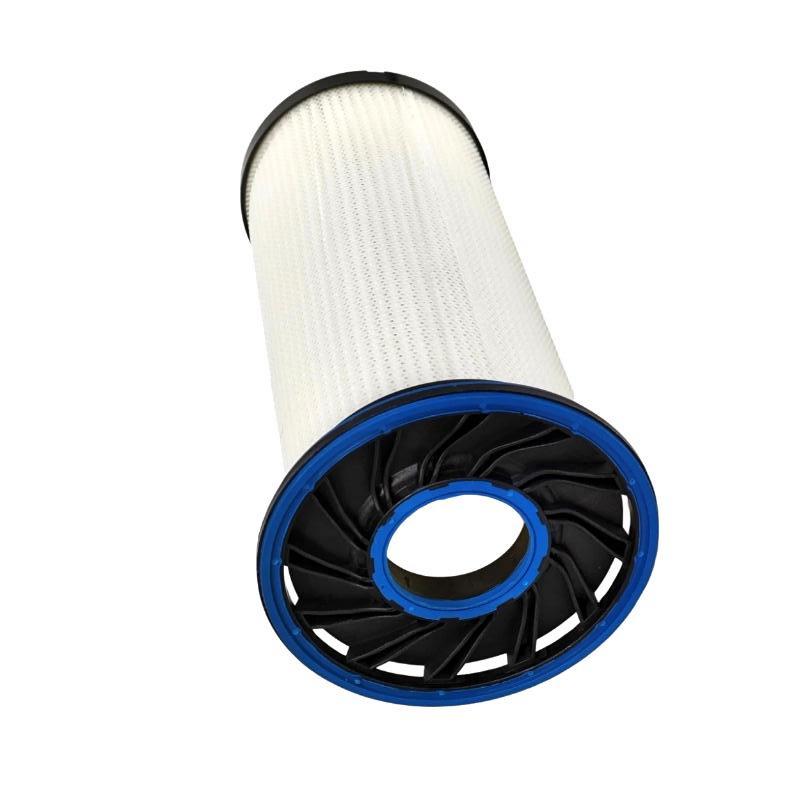
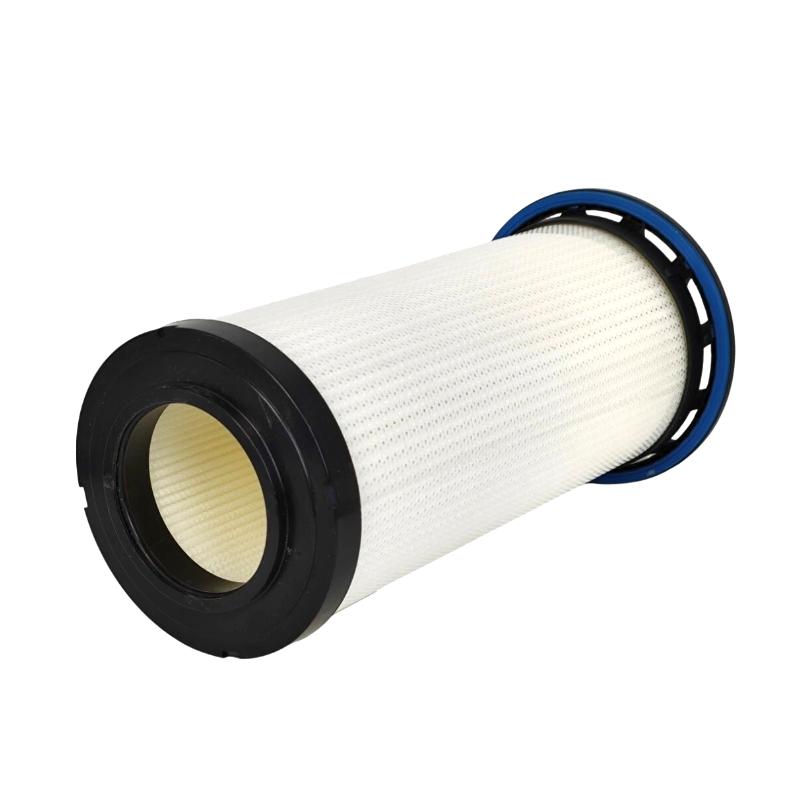
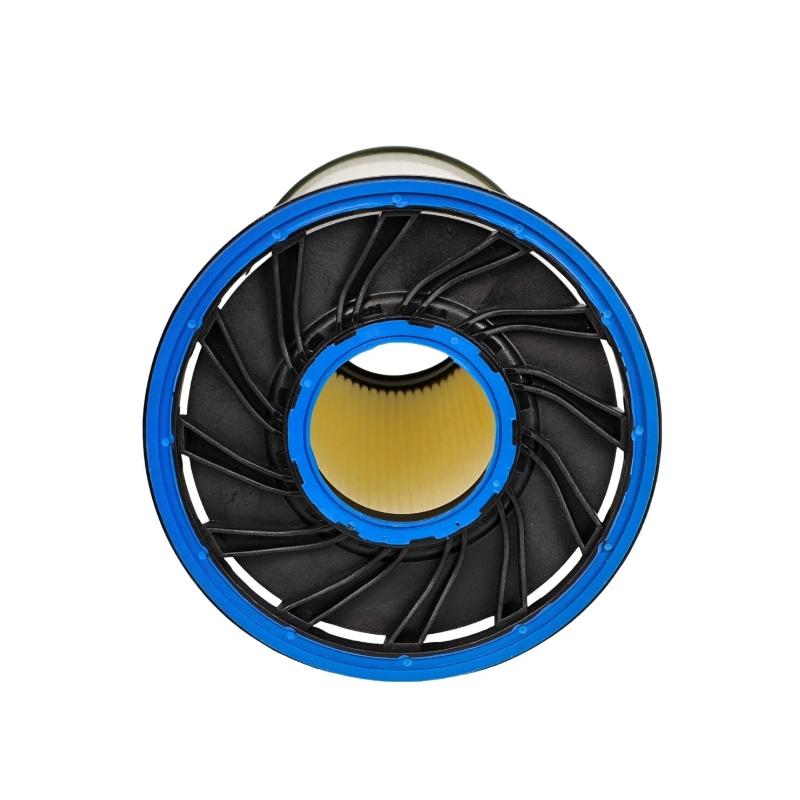
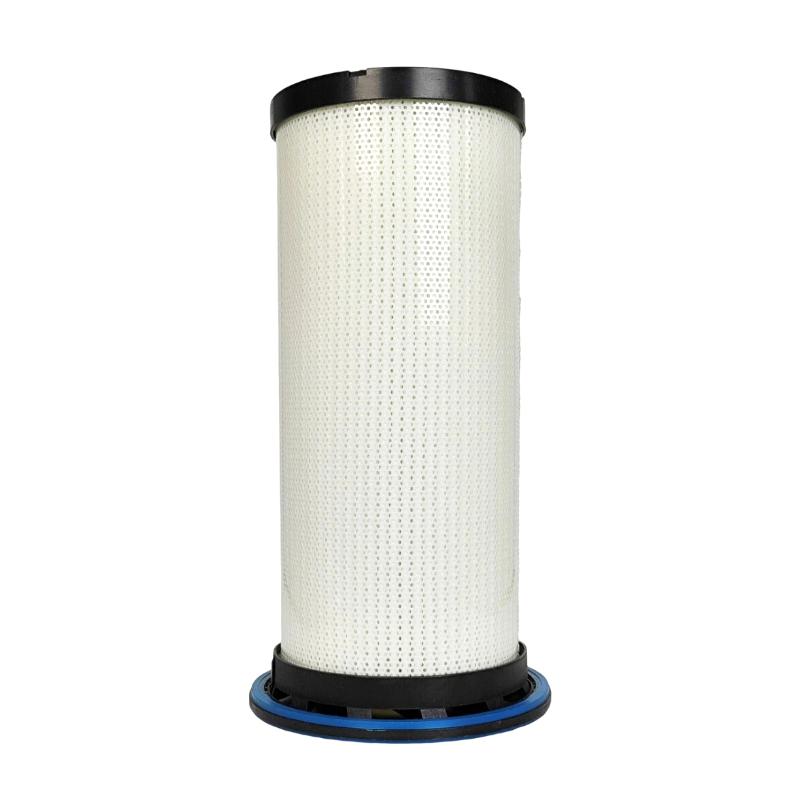
- Ingersoll Rand
- 47555211001 23424922
- Oil Filter Element
- USA
- 232.2 × 114.3 × 96.5 mm
- 2.3 kg
- Xiamen, China
- New & In Stock
- T/T, PayPal, Western Union
- 1 Year
- 1-3 Working Days
- DHL, UPS, TNT, FedEx and EMS.
- 24-Hour Service
- COO
- 4
Our advantage

Global Logistics
We have a 10-year logistics and express cooperation agreement, so our products can be shipped to any place in the world.

Brand new and original
Our products are imported in bulk from the place of origin. Because of the cooperative relationship, our products are all original and 100% new.

24-hour service
We provide 7*24 hours service to our customers. We will be there whenever you need us.

Price advantage
All our products are priced very favorably because we have our own warehouse and supply.
| Company Information | |||
| [email protected] | |||
| Mobile | +8615980777398 | ||
| +8615980777398 | |||
| 15980777398 |
Product Overview
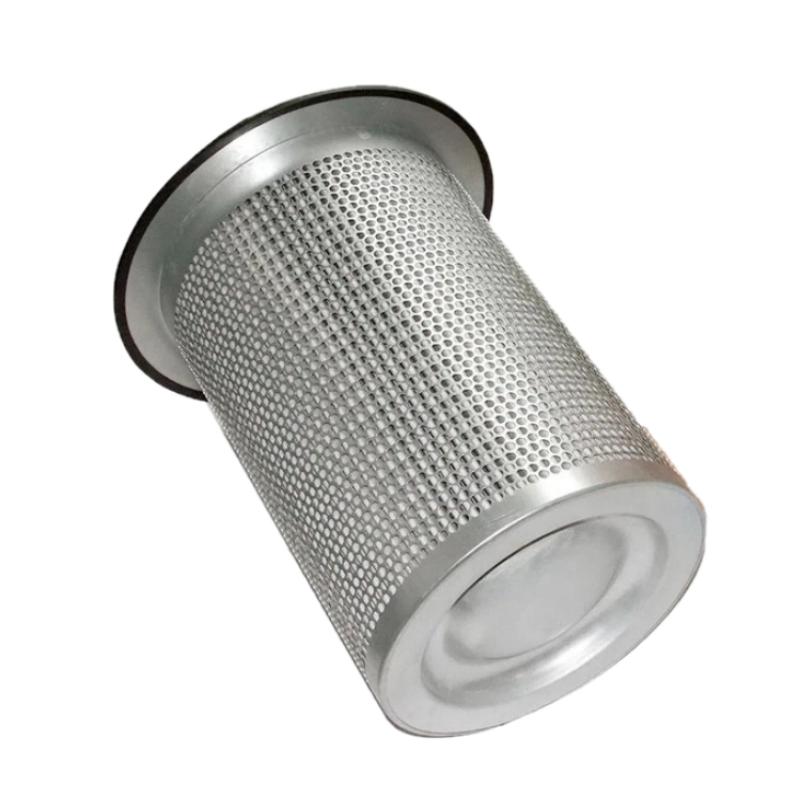
The Ingersoll Rand 47555211001 Oil Filter Element, associated with part number 23424922, is an industrial filtration component intended for use in compatible compressed-air and compressor lubrication systems. Oil filtration is essential to maintaining the cleanliness of circulating lubricant, protecting internal compressor components, and supporting dependable equipment operation under continuous industrial working conditions.
During compressor operation, lubricating oil helps reduce friction, manage heat, and protect moving components against excessive wear. Over time, however, oil may carry fine particles, wear debris, and other contaminants generated during normal operation. If these contaminants are not adequately controlled, they can contribute to accelerated component wear, restricted oil passages, and reduced system reliability.
An oil filter element provides a filtration medium through which circulating oil passes. The medium retains particles according to its designed filtration characteristics, helping maintain suitable oil cleanliness for the equipment. The element must be selected for the correct compressor model, oil circuit, operating conditions, and maintenance requirements.
The Ingersoll Rand 47555211001, also identified in the supplied product information as 23424922, has listed dimensions of 232.2 × 114.3 × 96.5 mm and a weight of 2.3 kg. These specifications are useful for identifying the component and planning storage, handling, and replacement activities. Exact equipment compatibility, filtration rating, operating limits, and replacement intervals should be confirmed against the applicable compressor documentation.
Technical Specifications
| Parameter | Specification |
|---|---|
| Manufacturer | Ingersoll Rand |
| Part Number | 47555211001 |
| Associated Part Number | 23424922 |
| Product Type | Oil Filter Element |
| Product Category | Industrial Compressor Filtration |
| Primary Function | Filtration of circulating lubricating oil |
| Filtration Purpose | Retention of suitable oil-borne contaminants |
| Dimensions | 232.2 × 114.3 × 96.5 mm |
| Weight | 2.3 kg |
| Installation | Compatible filter housing in the designated oil circuit |
| Application | Compatible industrial compressor and lubrication systems |
| Filtration Rating | Verify against the exact product specification |
| Operating Pressure and Temperature | Verify against the compressor and filter requirements |
| Replacement Interval | Follow the applicable equipment maintenance schedule |
The specifications above preserve the supplied product identification and physical measurements. Filtration efficiency, micron rating, bypass characteristics, seal materials, and maximum differential pressure should not be assumed without confirming the exact element specification.
What Is the Ingersoll Rand 47555211001 Oil Filter Element?
An oil filter element is a replaceable filtration component installed inside a designated filter housing. Its purpose is to remove contaminants from circulating oil before those contaminants can continue through the relevant lubrication circuit.
In a compressor, the lubrication system may serve several functions, including reducing friction, carrying away heat, and protecting internal surfaces. The oil must remain suitable for these tasks throughout the equipment’s operating cycle.
The filter element supports oil cleanliness by capturing particles within the limits of its design. As contaminants accumulate, the element’s flow resistance may increase. Depending on the equipment design and operating conditions, excessive restriction can affect oil circulation and may trigger a differential-pressure indication or other maintenance warning.
The 47555211001 should therefore be treated as an application-specific replacement element rather than a universal oil filter. A correct replacement must match the intended housing, sealing arrangement, oil compatibility, flow requirements, and operating limits.
Function and Working Principle
1. Oil Enters the Filter Housing
During normal operation, the compressor’s lubrication circuit directs oil through the designated filtration assembly. The housing positions the element within the oil-flow path and provides the required sealing interfaces.
The actual flow direction depends on the filter design and should be confirmed before installation.
2. Contaminants Are Retained by the Filter Medium
As oil passes through the filter medium, particles are captured through the filtration mechanisms supported by that medium. The element helps reduce the amount of particulate contamination carried downstream.
The filter’s actual particle-retention performance depends on its material, construction, filtration rating, oil properties, and operating conditions.
3. Filtered Oil Continues Through the Lubrication Circuit
After passing through the filtration medium, the oil continues to the equipment components served by the relevant circuit. Maintaining suitable oil cleanliness helps support lubrication performance and reduce avoidable wear caused by circulating contaminants.
An oil filter element does not correct every cause of oil degradation. Oxidation, unsuitable oil, moisture, overheating, and other contamination sources may require separate investigation.
4. Contaminants Accumulate During Service
As the filter operates, retained particles gradually build up within the medium. The element’s restriction can increase with contaminant loading, depending on the filter design and operating conditions.
Regular inspection and replacement at the prescribed interval help prevent an overdue filter from compromising the intended filtration performance.
5. Replacement Restores the Intended Filtration Condition
Replacing a loaded or damaged element with the correct approved component restores the filtration assembly to its intended service condition. Correct installation is important because a damaged seal, unsuitable element, or improperly seated component may allow unfiltered oil to bypass the intended filtration path.
Importance of Oil Filtration in Industrial Compressors
Industrial compressors frequently operate for extended periods and may supply critical production equipment. Their lubrication systems must maintain appropriate operating conditions to help protect internal components and support equipment availability.
Effective oil filtration contributes to several important maintenance objectives.
Reducing particulate contamination: Removing suitable oil-borne particles helps limit the circulation of contaminants through the lubrication system.
Supporting component protection: Cleaner oil can help reduce abrasive wear on compatible lubricated components.
Maintaining lubrication-system performance: A suitable filter element helps the oil circuit operate within its intended filtration conditions.
Supporting preventive maintenance: Regular element replacement provides a practical way to manage contamination before it contributes to avoidable equipment problems.
Improving maintenance planning: Tracking filter replacement dates, operating hours, and observed condition helps maintenance teams identify recurring contamination or loading patterns.
Filtration alone cannot guarantee compressor reliability. Correct lubricant selection, proper operating temperature, effective cooling, appropriate separator maintenance, and timely servicing are also important.
Industrial Applications
Rotary Screw Air Compressors
Oil-lubricated rotary screw compressors rely on a coordinated lubrication system to support operation and component protection. An appropriate oil filter element helps control particulate contamination within the designated oil circuit.
The exact applicability of the 47555211001 must be checked against the compressor model and approved parts information.
Industrial Manufacturing Facilities
Manufacturing plants often depend on compressed air for pneumatic tools, actuators, packaging equipment, and production machinery. Compressor maintenance is therefore important for maintaining equipment availability.
Oil filtration helps support the compressor’s lubrication system, while separate air-treatment equipment addresses the quality requirements of the delivered compressed air.
Process and Utility Systems
Industrial utilities may include compressors operating in continuous or intermittent duty cycles. Suitable oil filtration helps manage contaminants generated during operation and supports scheduled servicing.
Packaging and Material Handling
Compressed-air equipment used in packaging and material handling may operate under frequent starts, stops, and changing loads. The filter element should be selected according to the compressor’s requirements rather than by physical size alone.
Maintenance and Compressor Overhaul Operations
During scheduled compressor servicing, technicians may replace the oil filter element together with other maintenance items specified by the equipment manufacturer. A coordinated service procedure can help identify leaks, contamination, damaged seals, and other conditions that require attention.
Installation and Replacement Guide
Correct replacement is important for maintaining the intended filtration performance and preventing oil leakage.
Confirm the Part Number
Before ordering or installing the element, verify both supplied identifiers:
- 47555211001
- 23424922
Check the existing element label, compressor model, filter housing, and applicable parts documentation. Similar dimensions do not establish interchangeability.
Prepare the Equipment Safely
Before servicing the lubrication system:
- Stop the compressor according to the approved shutdown procedure.
- Isolate the equipment from unintended startup.
- Allow hot components and oil to cool sufficiently.
- Relieve pressure from the relevant circuit according to the manufacturer’s procedure.
- Use appropriate protective equipment for handling oil and contaminated filter elements.
Never remove a pressurized filter housing. The compressor’s specific service instructions take precedence over generic maintenance guidance.
Remove the Existing Element
Open the designated filter assembly using the approved procedure. Remove the used element carefully and inspect the housing, sealing surfaces, and associated components for contamination, damage, or unusual wear.
Collect residual oil using suitable containers and follow the site’s requirements for handling used lubricant and contaminated filter materials.
Inspect the Housing and Seals
Before fitting the replacement, check that the housing is clean and undamaged. Inspect the relevant seals and replace them where required by the maintenance procedure.
Do not reuse a damaged seal or introduce lint, debris, or cleaning residue into the oil circuit.
Install the Replacement Element
Confirm that the new element matches the required part number and installation orientation. Fit it according to the specified procedure without forcing the element into place.
Use only the lubricant, sealing materials, and tightening method approved for the assembly. Do not apply an assumed tightening torque when the correct value has not been established.
Restore the System and Check for Leaks
Reassemble the housing and restore the system according to the equipment instructions. After restarting under the approved procedure, inspect the filter area for leaks and verify that the compressor’s relevant operating indicators remain within their specified limits.
If the equipment shows abnormal oil pressure, a filter restriction warning, or leakage, stop and investigate according to the applicable troubleshooting procedure.
Troubleshooting Oil Filter Problems
Oil filtration issues may originate from the element, the housing, the lubricant, or another part of the compressor system. A filter should not be replaced repeatedly without investigating the underlying cause.
Excessive Filter Restriction
Possible causes include a heavily loaded element, excessive contamination in the oil, unsuitable lubricant, or operation outside the intended conditions.
Recommended checks:
- Review the maintenance history and filter operating hours.
- Inspect the applicable restriction or differential-pressure indication, if provided.
- Check the oil condition and investigate possible contamination sources.
- Confirm that the installed element is the correct specification.
- Replace the element if required by the approved maintenance procedure.
Do not assume that every restriction warning is caused by the filter alone.
Oil Leakage Around the Filter Housing
Oil leakage may result from a damaged seal, contamination on the sealing surface, an incorrectly seated element, a damaged housing, or incorrect assembly.
Shut down and depressurize the equipment as required before inspecting the assembly. Verify the seal condition, housing integrity, element fit, and specified tightening procedure before returning the compressor to service.
Persistent Oil Contamination
If the oil becomes contaminated soon after a filter replacement, investigate the source rather than assuming that a new element will solve the problem.
Potential causes include degraded oil, internal wear debris, moisture ingress, contamination introduced during servicing, or an unsuitable filter element. Oil analysis and inspection by qualified personnel may help determine the appropriate corrective action.
Unusual Lubrication-System Behavior
Changes in oil pressure, temperature, or compressor performance may have several possible causes. A restricted filter is one possibility, but pump problems, incorrect oil level, unsuitable lubricant, and other system faults may produce similar symptoms.
Compare operating readings with the equipment’s specified limits and follow the manufacturer’s diagnostic procedure.
Repeatedly Short Filter Service Life
Premature filter loading can indicate abnormal contamination, deteriorated oil, unsuitable operating conditions, or an incorrect replacement element.
Record the time in service, operating hours, oil condition, and any available restriction readings. This information can help maintenance personnel identify patterns and correct the underlying cause.
Maintenance Recommendations
A planned maintenance approach helps maintain filtration performance and reduces avoidable service interruptions.
Follow the Specified Replacement Interval
Use the interval prescribed for the exact compressor model and operating conditions. Severe duty, contamination, frequent cycling, or other demanding conditions may affect the required service frequency.
Monitor Oil Condition
Inspect oil condition according to the maintenance program. Unusual discoloration, visible contamination, or abnormal odor may warrant further investigation, although appearance alone cannot establish oil suitability.
Record Filter Changes
Document the part number, installation date, compressor operating hours, and any unusual findings. Accurate records help prevent missed service intervals and make repeat failures easier to investigate.
Keep the Filtration Area Clean
Prevent dirt and other contaminants from entering the oil circuit during maintenance. Keep replacement elements sealed until they are ready for installation and use clean tools and suitable handling practices.
Inspect Associated Components
Where required by the service schedule, inspect the filter housing, seals, oil lines, and related lubrication-system components. Problems in these areas can affect the performance of an otherwise correct replacement element.
Dispose of Used Elements Responsibly
Used oil filter elements may contain residual lubricant and trapped contaminants. Handle and dispose of them according to applicable workplace procedures and environmental requirements.
Compatible System Components
The Ingersoll Rand 47555211001 is intended to be used within a compatible filtration assembly. The surrounding system may include several components, depending on the compressor design.
| Component | Typical Function |
|---|---|
| Oil Filter Housing | Holds the element and directs oil through the filtration assembly |
| Oil Filter Element | Retains suitable oil-borne particulate contaminants |
| Compressor Lubricating Oil | Provides lubrication and other functions required by the compressor |
| Oil Pump or Circulation Mechanism | Moves oil through the designated circuit where applicable |
| Oil Cooler | Helps control oil temperature in systems that use one |
| Oil Separator | Separates oil from compressed air in compatible oil-injected compressor designs |
| Seals and O-Rings | Help maintain sealing at the specified interfaces |
| Pressure or Differential-Pressure Monitoring | Provides operating information where included in the system |
| Compressor Controller | Monitors available operating signals and manages equipment operation |
These are general functional component categories. The actual arrangement depends on the compressor model. A separate oil separator and an oil filter element perform different functions and should not be treated as interchangeable parts.
Replacement and Procurement Considerations
When purchasing the Ingersoll Rand 47555211001 Oil Filter Element, confirm the complete product identification and its suitability for the intended compressor.
Key checks include:
- Part number: 47555211001
- Associated part number: 23424922
- Product description: Oil Filter Element
- Listed dimensions: 232.2 × 114.3 × 96.5 mm
- Listed weight: 2.3 kg
- Compressor model and filter-housing configuration
- Required filtration rating and flow characteristics
- Seal design and material compatibility
- Applicable operating pressure and temperature
- Recommended service interval
The supplied dimensions and weight are useful for inventory control, packaging, shipping, and preliminary physical identification. They do not establish filtration performance or prove that the element fits a particular compressor.
For replacement applications, the original installed part number and the compressor’s approved parts information should be used to confirm compatibility. Avoid selecting an alternative solely because its dimensions appear similar.
Key Advantages of Correct Oil Filter Selection
Helps Control Oil-Borne Contamination
A correctly specified filter element helps retain contaminants within its designed filtration range and supports suitable oil cleanliness.
Supports Compressor Component Protection
By reducing the circulation of particulate contaminants, appropriate filtration can help limit avoidable abrasive wear in the lubrication system.
Supports Planned Preventive Maintenance
Scheduled replacement provides a defined maintenance task that can be coordinated with oil servicing and other compressor inspections.
Helps Maintain System Reliability
Correct part identification, clean installation, and routine inspection help reduce risks associated with unsuitable elements, damaged seals, and filter-related leakage.
Simplifies Inventory Management
Recording the part numbers, dimensions, and weight helps maintenance teams organize replacement stock and plan service activities.
Technical FAQs
What is the Ingersoll Rand 47555211001?
The Ingersoll Rand 47555211001 is identified as an oil filter element. It is associated with part number 23424922 in the supplied product information.
What is the main function of this oil filter element?
Its intended function is to filter circulating lubricating oil in a compatible system by retaining suitable oil-borne particulate contaminants.
What are the dimensions of the 47555211001?
The listed dimensions are 232.2 × 114.3 × 96.5 mm.
How much does the oil filter element weigh?
The listed weight is 2.3 kg.
Can this element be used in every Ingersoll Rand compressor?
No. Compatibility must be confirmed for the exact compressor model, filter housing, and required filtration specification.
How often should the element be replaced?
The replacement interval depends on the compressor model, operating conditions, lubricant condition, and maintenance requirements. Follow the prescribed service schedule rather than applying a universal interval.
What causes an oil filter to become restricted?
Restriction can develop as contaminants accumulate in the filter medium. Abnormal contamination, deteriorated oil, unsuitable operating conditions, or an incorrect element may also contribute.
Is an oil filter element the same as an air-oil separator?
No. An oil filter element filters the lubricating oil, while an air-oil separator is designed to separate oil from compressed air in applicable compressor systems. They perform different functions.
Can a filter with similar dimensions replace the 47555211001?
Not necessarily. Correct replacement requires confirmation of part identity, fit, sealing arrangement, filtration performance, and operating limits.
Conclusion
The Ingersoll Rand 47555211001 (23424922) Oil Filter Element is an industrial compressor filtration component intended to help control particulate contamination in a compatible lubrication system. Suitable oil filtration supports lubricant cleanliness, helps protect internal components, and contributes to a structured preventive maintenance program.
With listed dimensions of 232.2 × 114.3 × 96.5 mm and a weight of 2.3 kg, the element can be identified and managed efficiently for inventory and replacement planning. However, correct application depends on more than physical measurements: the element must match the compressor’s filter housing, oil circuit, filtration requirements, and operating conditions.
For reliable maintenance, verify the complete part number, follow the specified replacement procedure, maintain clean installation practices, and investigate repeated restriction or contamination rather than replacing the element without identifying the underlying cause.