

ProductPRODUCT
Featured products
Contact Us
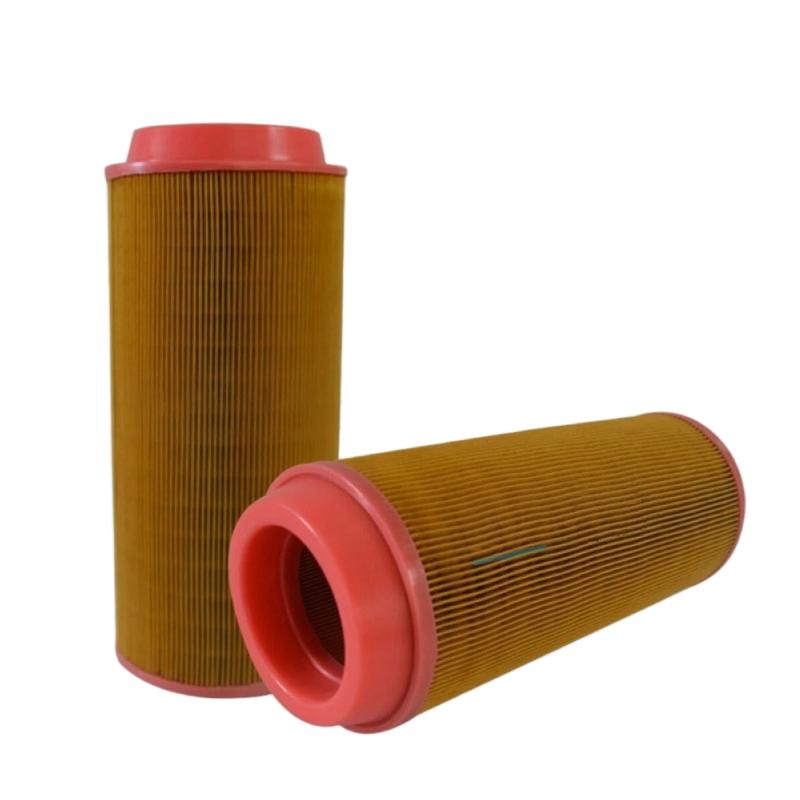
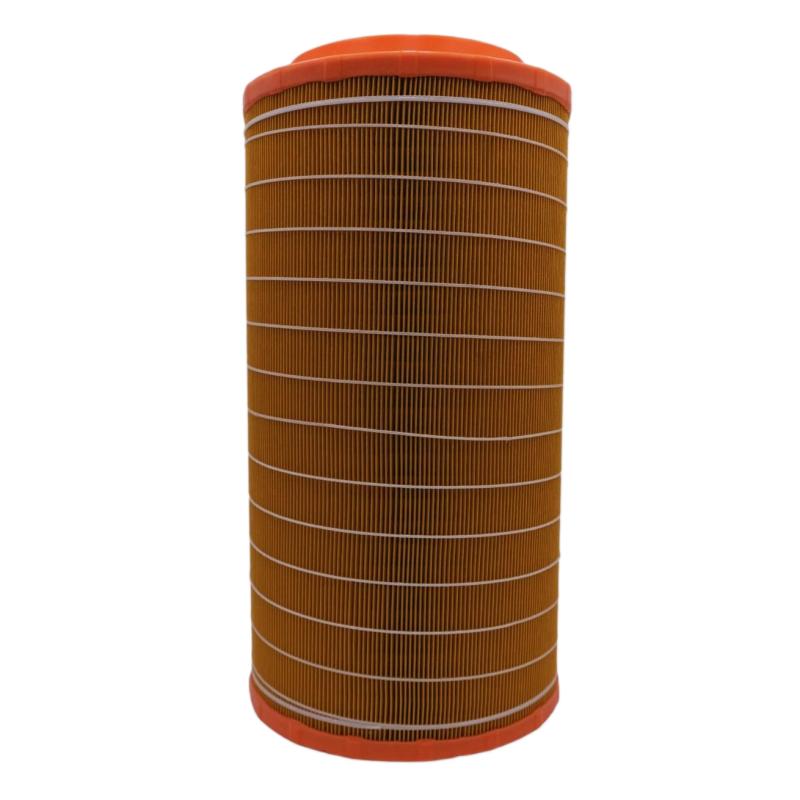
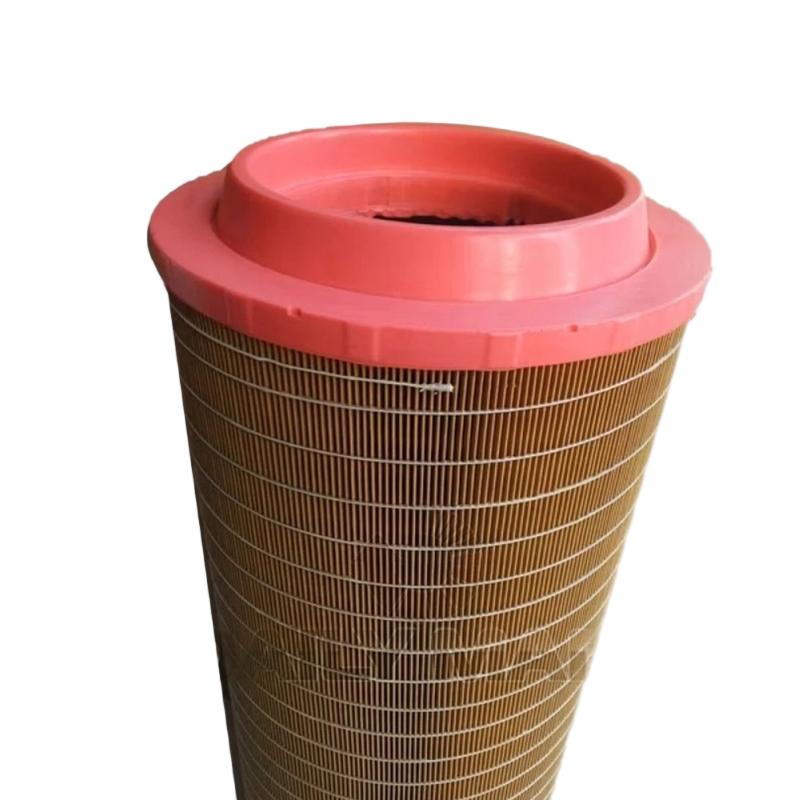
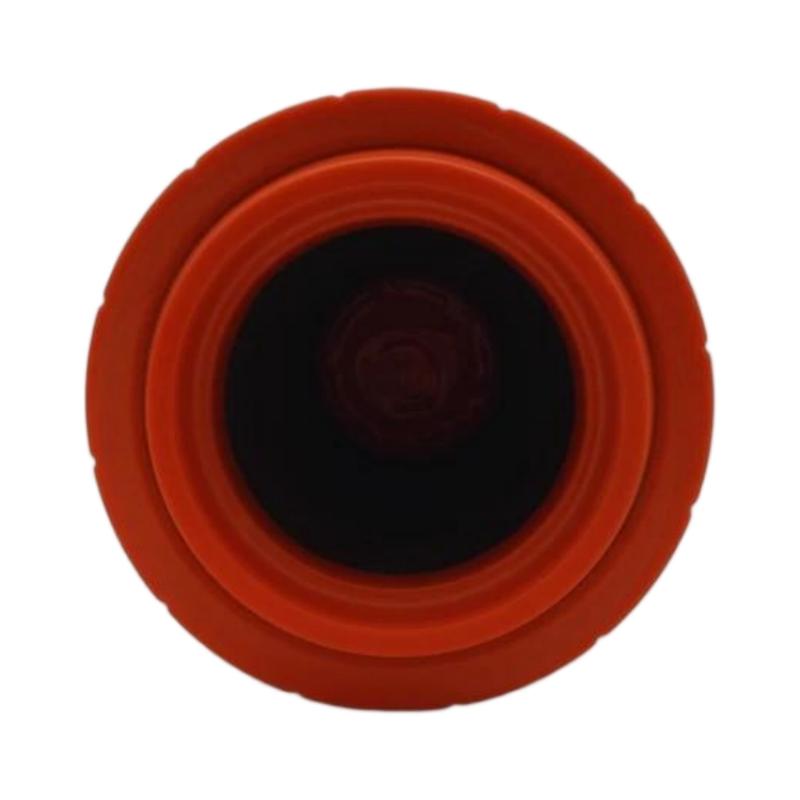
- Ingersoll Rand
- 47555211001 23429822
- Air Filter
- USA
- 267 mm
- 3.6 kg
- Xiamen, China
- New & In Stock
- T/T, PayPal, Western Union
- 1 Year
- 1-3 Working Days
- DHL, UPS, TNT, FedEx and EMS.
- 24-Hour Service
- COO
- 5
Our advantage

Global Logistics
We have a 10-year logistics and express cooperation agreement, so our products can be shipped to any place in the world.

Brand new and original
Our products are imported in bulk from the place of origin. Because of the cooperative relationship, our products are all original and 100% new.

24-hour service
We provide 7*24 hours service to our customers. We will be there whenever you need us.

Price advantage
All our products are priced very favorably because we have our own warehouse and supply.
| Company Information | |||
| [email protected] | |||
| Mobile | +8615980777398 | ||
| +8615980777398 | |||
| 15980777398 |
Product Overview
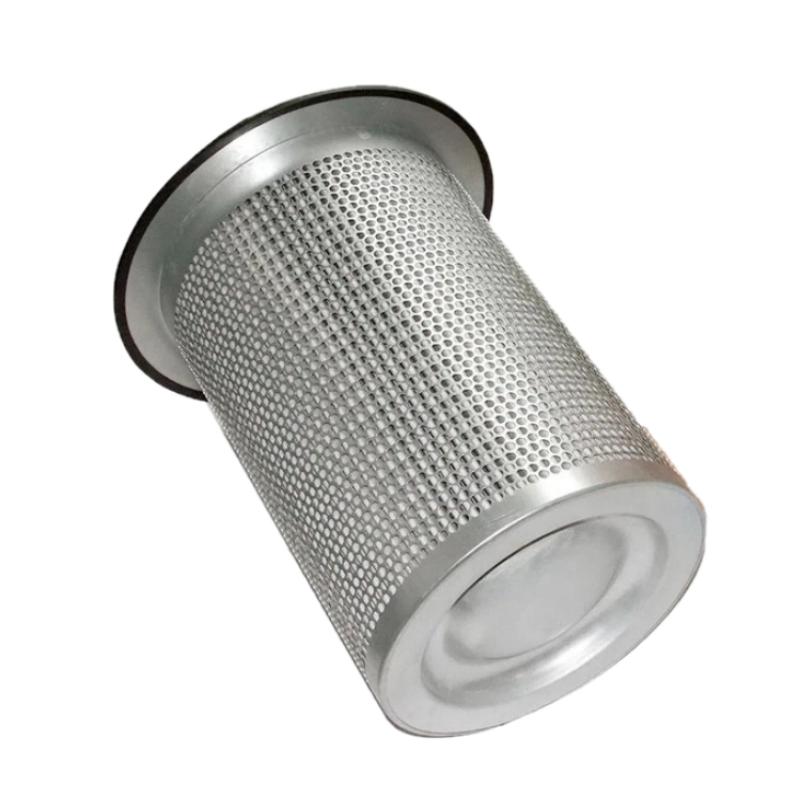
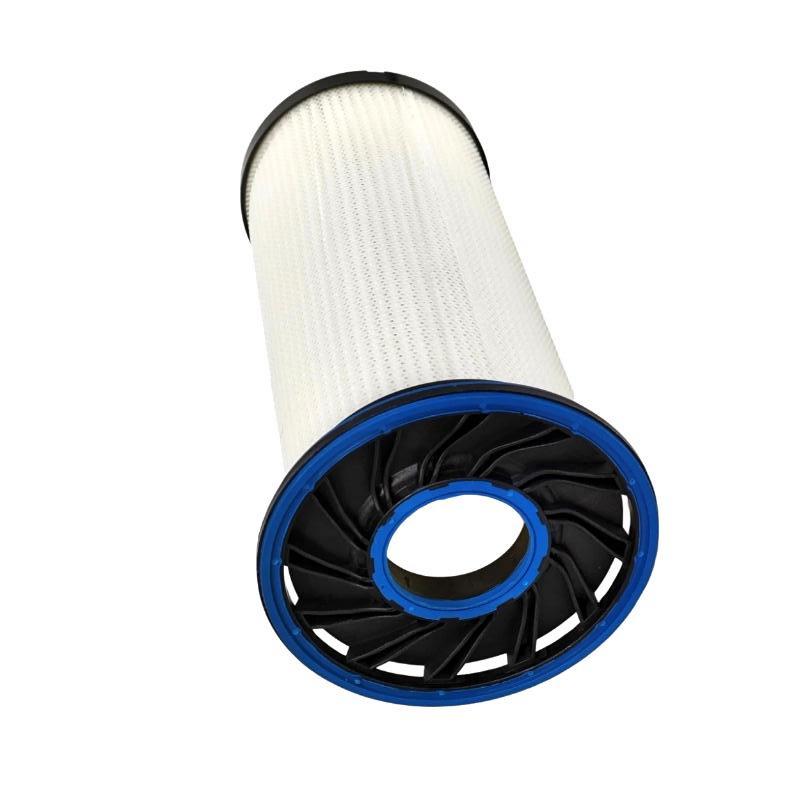
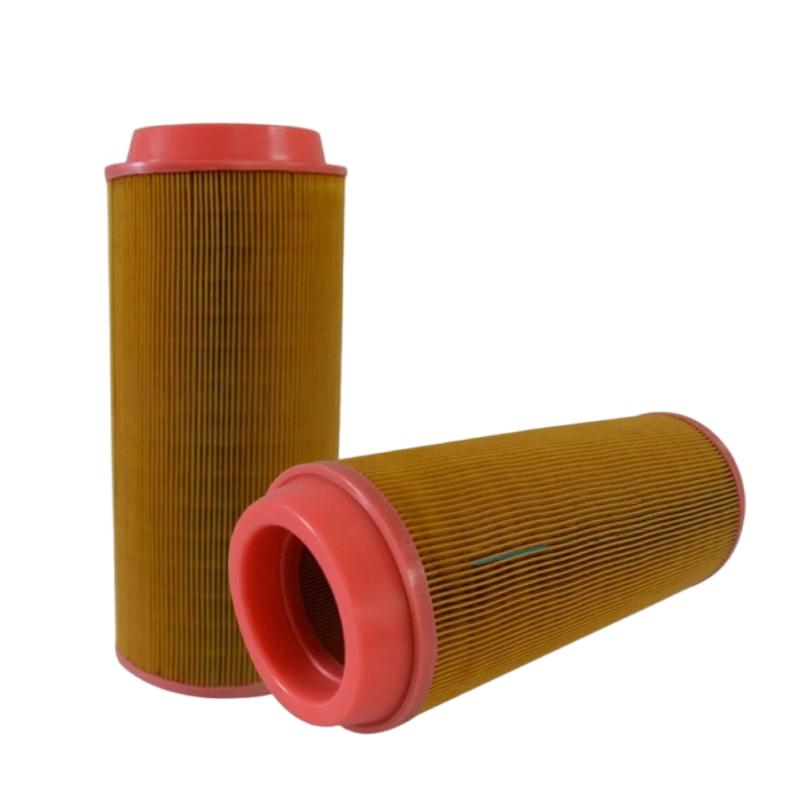
The Ingersoll Rand 47555211001 air filter, also identified by part number 23429822, is an industrial filtration component intended for use in compatible compressed-air or compressor equipment. Air filtration is essential to maintaining reliable compressor operation because airborne dust, dirt, and other particulate contaminants can affect internal components, reduce operating efficiency, and increase maintenance requirements.
In industrial compressed-air systems, filtration helps control contamination entering or circulating through equipment. Depending on the filter’s specific position in the system, it may protect the compressor air intake, support an associated air-treatment stage, or serve another designated filtration function. Correct identification of the filter’s application is therefore important before installation or replacement.
The Ingersoll Rand 47555211001 is supplied with an outer diameter of 267 mm and a listed weight of 3.6 kg. These physical specifications are useful when checking replacement dimensions, planning maintenance inventory, and handling the filter during servicing.
A replacement filter should match the original component’s application, sealing arrangement, filtration requirements, and equipment compatibility. Similar dimensions alone do not guarantee that two filter elements are interchangeable.
Technical Specifications
| Parameter | Specification |
|---|---|
| Manufacturer | Ingersoll Rand |
| Part Number | 47555211001 |
| Additional Part Number | 23429822 |
| Product Type | Industrial Air Filter |
| Product Category | Compressor Filtration Component |
| Primary Function | Airborne particulate filtration in a compatible system |
| Outer Diameter | 267 mm |
| Weight | 3.6 kg |
| Installation | Installed in the designated compatible filter housing |
| Typical Application | Industrial compressor and air-system maintenance |
| Compatibility | Confirm using the equipment model and original part identification |
The available specifications identify the part numbers, product category, outer diameter, and weight. Filtration efficiency, filter media, operating pressure, maximum temperature, pressure-drop limits, and replacement intervals should be confirmed for the exact application rather than assumed from the part number.
What Is the Ingersoll Rand 47555211001 Air Filter?
An industrial air filter is designed to remove specified airborne contaminants from an air stream. The filter element typically contains a porous filtration medium that allows air to pass while retaining particles within its designed operating range.
In compressor installations, the condition of the filtration system can influence equipment reliability, maintenance frequency, and overall operating performance. Contaminants may accumulate on the filter medium over time, increasing resistance to airflow. If the filter becomes excessively restricted, the equipment may experience reduced airflow or other operating problems, depending on the filter’s location and the compressor design.
The 47555211001 should be treated as a model-specific replacement component. Its exact position in the equipment should be established from the compressor’s parts list or the identification of the original filter before the replacement is installed.
Function and Working Principle
1. Airflow Entry
Air enters the filter housing through the system’s designated inlet. The housing directs the air through the installed filter element, providing a controlled path for filtration.
The inlet arrangement and direction of airflow depend on the equipment design. The replacement element must be installed in the correct orientation where the housing or manufacturer specifies one.
2. Particulate Retention
As air passes through the filter medium, particles are retained according to the media’s filtration characteristics. The exact particle-size range and removal efficiency depend on the filter design and should be confirmed from the applicable technical specifications.
Effective filtration helps limit the passage of contaminants into downstream equipment or the protected compressor components.
3. Airflow Resistance
Every filter introduces some resistance to airflow. As contaminants accumulate, the pressure drop across the element may increase.
A filter that becomes excessively restricted can affect airflow and operating conditions. Maintenance personnel should follow the equipment’s specified inspection criteria and any available differential-pressure monitoring recommendations.
4. Protection of Equipment
When correctly matched to its intended application, the filter helps reduce the entry or transfer of contaminants. This can contribute to more reliable equipment operation and reduce contamination-related maintenance.
Filtration is only one part of compressor maintenance. Correct lubrication, cooling, condensate management, and servicing of other filtration stages may also be necessary, depending on the equipment configuration.
Role in Industrial Compressor Systems
Industrial compressors frequently operate in environments where dust, fibers, and other airborne particles may be present. Without appropriate filtration, contaminants can enter sensitive areas of the system or interfere with downstream equipment.
An air filter contributes to the equipment’s overall contamination-control strategy. Its role depends on whether it is installed on the intake side, within an internal air circuit, or in another designated location.
A typical filtration arrangement can be represented as:
Air Source → Designated Filter Stage → Compressor or Associated Equipment → Downstream System
This is a simplified illustration rather than a confirmed configuration for every installation of the 47555211001. The actual arrangement should be determined from the equipment model and service documentation.
Industrial Applications
Industrial Air Compressors
Air filters are used in industrial compressor systems to help control particulate contamination. The appropriate filter type depends on the compressor design and the stage in which the filter is installed.
Manufacturing Facilities
Production environments may contain airborne dust, fibers, or other particles generated by machining, packaging, material handling, and general manufacturing activities. Suitable filtration helps manage contamination in compatible equipment.
Workshop and Utility Air Systems
Compressed-air equipment used in workshops and facility utilities requires maintenance to preserve reliable operation. Correct filter selection and timely replacement can help reduce problems associated with restricted airflow or contamination.
Pneumatic Equipment Support
Compressed-air systems supply pneumatic valves, actuators, tools, and other equipment. Air-quality requirements vary by application, so an air filter should not automatically be considered a substitute for dedicated downstream compressed-air treatment.
General Industrial Maintenance
Replacement air filters are commonly included in planned maintenance programs. Keeping the correct part number in inventory can help reduce downtime when an element reaches its service limit or becomes damaged.
Installation and Replacement Guide
Correct installation helps the Ingersoll Rand 47555211001 perform as intended in its designated equipment.
Step 1: Confirm the Replacement Part
Before removing the existing element, check the complete part number 47555211001 and the associated number 23429822 against the original component and equipment records.
Confirm that the replacement is intended for the same filter position and compressor configuration.
Step 2: Shut Down and Isolate the Equipment
Stop the compressor or associated equipment according to the approved maintenance procedure. Isolate electrical power and relieve stored pressure where required.
Never open a pressurized filter housing. Allow hot components to cool and follow the equipment’s lockout and isolation procedures before servicing.
Step 3: Remove the Existing Filter
Open the filter housing according to the equipment manufacturer’s instructions. Remove the old element carefully to prevent accumulated dust or debris from entering the clean side of the system.
Inspect the removed element for excessive contamination, damage, moisture, deformation, or other unusual conditions. Such observations may help identify operating-environment or maintenance issues.
Step 4: Inspect the Housing and Sealing Surfaces
Before installing the replacement, inspect the housing for dirt, damage, corrosion, or other conditions that could interfere with proper sealing.
Check the seals and gaskets specified for the filter assembly. Replace damaged sealing components with the correct parts, and do not use improvised seals or modifications to force an unsuitable filter to fit.
Step 5: Install the Replacement Element
Fit the new filter according to the specified orientation and seating requirements. Ensure that the element is correctly positioned and that the housing closes securely.
The supplied outer diameter is 267 mm. Other dimensions, sealing geometry, and mounting details must also match the intended housing.
Step 6: Reassemble and Inspect
Reassemble the housing using the prescribed procedure and tightening requirements. Check that tools, packaging, and loose materials have been removed from the work area.
Do not apply an assumed tightening torque where the correct value has not been established.
Step 7: Restart and Verify Operation
Restore the equipment according to the approved startup procedure. Check for abnormal noise, leakage, unexpected alarms, or changes in operating conditions.
Where monitoring is available, compare the system’s operating behavior with the expected condition after maintenance. Record the replacement date and the installed part number.
Troubleshooting Air Filter Problems
Air filtration problems can arise from the filter element, housing, sealing arrangement, surrounding environment, or another part of the compressor system.
Reduced Airflow
A restricted filter may contribute to reduced airflow, especially when contamination has accumulated over time.
Possible checks include:
- Inspecting the filter for excessive contamination
- Reviewing any available pressure-drop or differential-pressure indication
- Checking the housing and air passages for obstructions
- Confirming that the installed filter is the correct type
- Reviewing the maintenance history and operating environment
Reduced airflow can also result from other compressor faults. Do not assume the filter is the sole cause without further inspection.
Unexpected Pressure Drop
An increase in pressure drop across a filter may indicate loading, an unsuitable element, an obstruction, or an issue with the housing or associated airflow path.
Where the system provides differential-pressure monitoring, compare the reading with the applicable service limits. Do not establish an arbitrary replacement threshold without the relevant equipment specifications.
Dust or Contamination Beyond the Filter
Contamination downstream of a filter may be associated with damaged media, incorrect installation, poor sealing, housing damage, or a filter that does not meet the application’s requirements.
Inspect the element and sealing surfaces. Verify that the replacement part is suitable for the actual filtration stage and that air cannot bypass the intended filtration path.
Filter Deformation or Physical Damage
A deformed filter element may indicate improper installation, unsuitable operating conditions, handling damage, or an abnormal pressure condition.
Remove the equipment from service if continued operation could cause damage or compromise the system. Investigate the cause before installing another element.
Recurring Filter Blockage
If filters become restricted unusually quickly, investigate the surrounding environment, dust loading, operating hours, and the condition of any upstream filtration stages.
Frequent replacement without identifying the cause may increase maintenance costs without resolving the underlying problem.
Maintenance Recommendations
A structured maintenance program helps keep filtration equipment in suitable operating condition.
Inspect at appropriate intervals. Check the element according to the equipment manufacturer’s maintenance schedule and the severity of the operating environment.
Monitor operating conditions. Where differential-pressure or filter-condition monitoring is provided, use the specified limits to determine when service is required.
Keep the housing clean. Prevent accumulated debris from entering the clean side of the system during filter replacement.
Check sealing components. Inspect the specified seals and seating surfaces whenever the housing is opened.
Maintain accurate service records. Record the installed part number, replacement date, operating hours where available, and any unusual contamination or damage.
Store replacement elements correctly. Keep spare filters protected from moisture, dust, crushing, and other conditions that could damage the filtration medium or packaging.
Avoid unauthorized cleaning. Do not wash, blow out, or reuse a disposable filter unless the manufacturer specifically approves that procedure for the exact element.
Compatible System Components
The 47555211001 air filter may be used within a larger compressor maintenance arrangement. The following table describes common component categories in industrial air systems; it does not confirm specific part-to-part compatibility.
| Component Category | Function |
|---|---|
| Compatible Filter Housing | Holds and seals the designated filter element |
| Air Filter Element | Removes specified airborne particulates |
| Compressor Assembly | Generates compressed air or supports the associated air circuit |
| Intake or Air Ducting | Directs air through the designated system path |
| Seals and Gaskets | Help prevent unintended leakage or bypass |
| Differential-Pressure Indicator, Where Fitted | Supports monitoring of filter restriction |
| Downstream Air Treatment | Provides additional treatment where required by the application |
| Maintenance Parts Kit | May contain designated service items for the equipment |
Before ordering any associated component, confirm the compressor model, filter location, original parts list, and required service configuration.
Replacement and Procurement Considerations
When sourcing the Ingersoll Rand 47555211001, verify the complete part identification and confirm that it matches the equipment’s specified filtration requirements.
Key checks include:
- Part number: 47555211001
- Associated part number: 23429822
- Product type: air filter
- Outer diameter: 267 mm
- Listed weight: 3.6 kg
- Intended equipment and filter position
- Filter media and filtration performance
- Sealing arrangement and housing compatibility
- Applicable operating conditions
The physical dimensions and weight support preliminary identification and logistics planning, but they do not establish full interchangeability. Two elements with the same outer diameter can differ in length, end-cap design, media, sealing method, and filtration performance.
For critical compressor equipment, use a replacement that meets the requirements of the intended application rather than selecting a filter based only on appearance or nominal size.
Key Advantages
Support for Contamination Control
A correctly specified air filter helps reduce particulate contamination in its designated airflow path.
Maintenance-Friendly Replacement
The documented part number supports component identification and helps maintenance teams distinguish the intended replacement from similar-looking elements.
Compact Identification Profile
The supplied outer diameter of 267 mm and weight of 3.6 kg assist with physical checks and inventory planning.
Contribution to Equipment Reliability
Maintaining the correct filtration element can help prevent avoidable issues associated with contamination or excessive filter restriction.
Support for Planned Maintenance
Tracking filter condition, operating hours, and replacement history can help maintenance teams schedule service and manage spare-parts inventory more effectively.
Technical FAQs
What is the Ingersoll Rand 47555211001?
The Ingersoll Rand 47555211001 is identified as an industrial air filter. It is associated with part number 23429822 and is intended for a compatible filtration application.
What is the outer diameter of the 47555211001 air filter?
The supplied outer diameter is 267 mm.
How much does the filter weigh?
The supplied weight is 3.6 kg.
What does an industrial air filter do?
An industrial air filter removes specified airborne particles from an airflow path. Its exact protective function depends on its position in the equipment and the filtration requirements of the application.
Can this filter be used with any Ingersoll Rand compressor?
No. Compatibility must be confirmed against the exact compressor model, filter housing, and original parts identification. A shared manufacturer name does not guarantee interchangeability.
When should the filter be replaced?
Replacement timing depends on the compressor’s maintenance instructions, operating conditions, filter loading, and any available condition-monitoring information. Follow the service criteria for the exact application.
Can a clogged filter cause compressor problems?
A restricted filter can contribute to excessive airflow resistance or reduced airflow, depending on where it is installed. Similar symptoms can also have other causes, so inspect the complete system before determining the cause.
Can the filter be cleaned and reused?
Do not assume that the filter is reusable. Clean or reuse it only if the manufacturer explicitly approves the procedure for this particular element.
Is the outer diameter enough to select a replacement?
No. The outer diameter is only one identification dimension. Overall geometry, seals, filtration media, performance requirements, and equipment compatibility must also be checked.
Conclusion
The Ingersoll Rand 47555211001 (23429822) Air Filter is an industrial filtration component intended for use in compatible compressor or air-system equipment. Proper filtration helps manage airborne particulate contamination, while timely maintenance supports stable airflow and helps reduce avoidable equipment problems.
With a supplied outer diameter of 267 mm and a listed weight of 3.6 kg, the filter can be identified for preliminary replacement checks and maintenance inventory planning. Its suitability depends on confirming the intended equipment, filter position, sealing arrangement, and filtration specifications.
For reliable service, verify the complete part number before ordering, install the element according to the applicable maintenance procedure, and investigate recurring restriction or contamination rather than replacing filters without addressing the underlying cause.