

ProductPRODUCT
Featured products
Contact Us
- Siemens
- 6AG2132-6GD51-4BA0
- Signal Relay Module
- Germany
- 15 × 73 × 58 mm
- 0.038 kg
- Xiamen, China
- New & In Stock
- T/T, PayPal, Western Union
- 1 Year
- 1-3 Working Days
- DHL, UPS, TNT, FedEx and EMS.
- 24-Hour Service
- COO
- 5
Our advantage

Global Logistics
We have a 10-year logistics and express cooperation agreement, so our products can be shipped to any place in the world.

Brand new and original
Our products are imported in bulk from the place of origin. Because of the cooperative relationship, our products are all original and 100% new.

24-hour service
We provide 7*24 hours service to our customers. We will be there whenever you need us.

Price advantage
All our products are priced very favorably because we have our own warehouse and supply.
| Company Information | |||
| [email protected] | |||
| Mobile | +8615980777398 | ||
| +8615980777398 | |||
| 15980777398 |
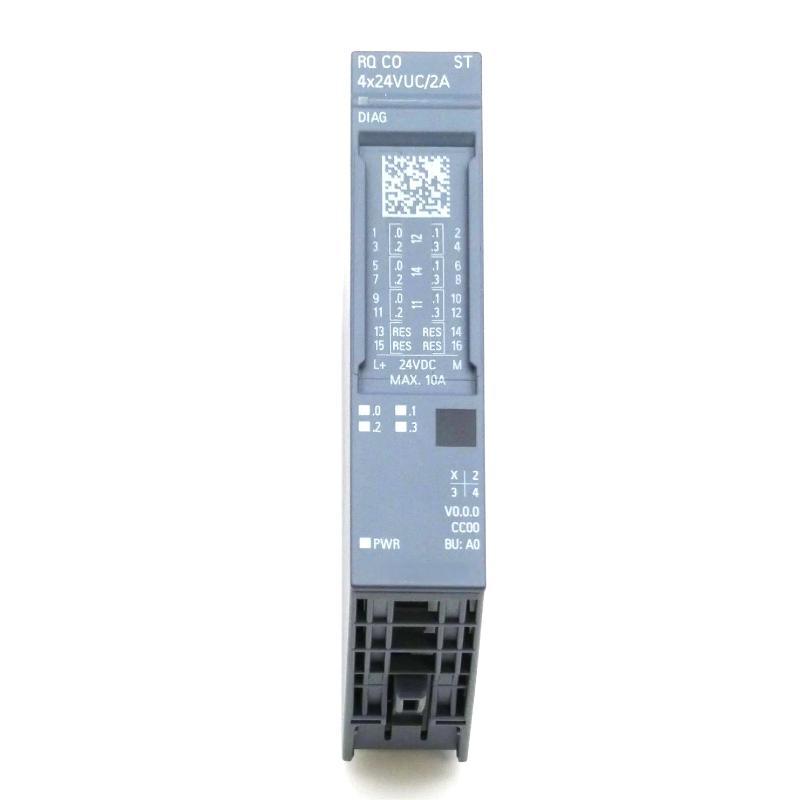
Product Overview
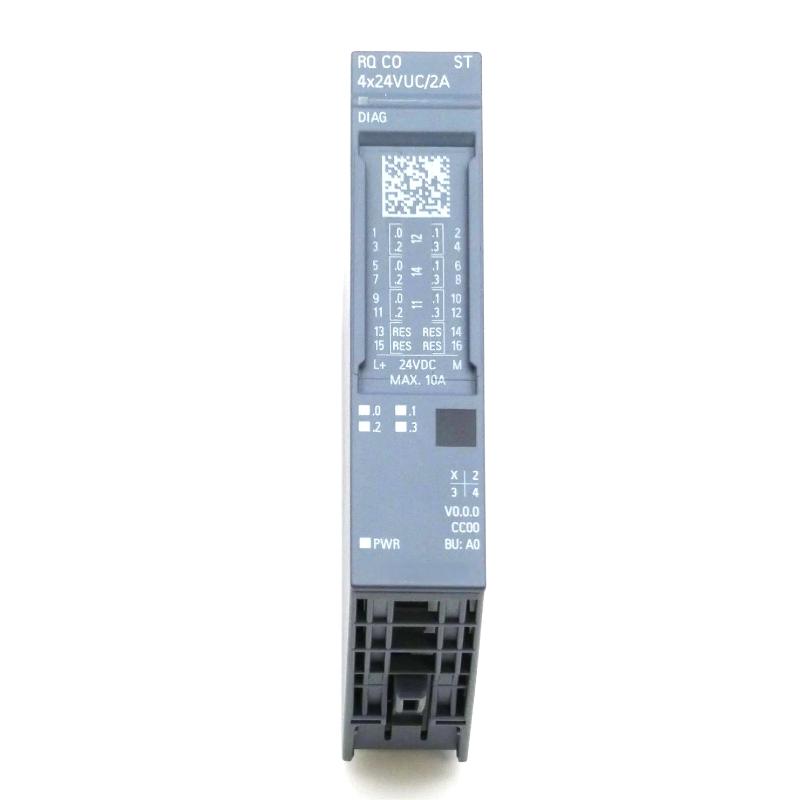
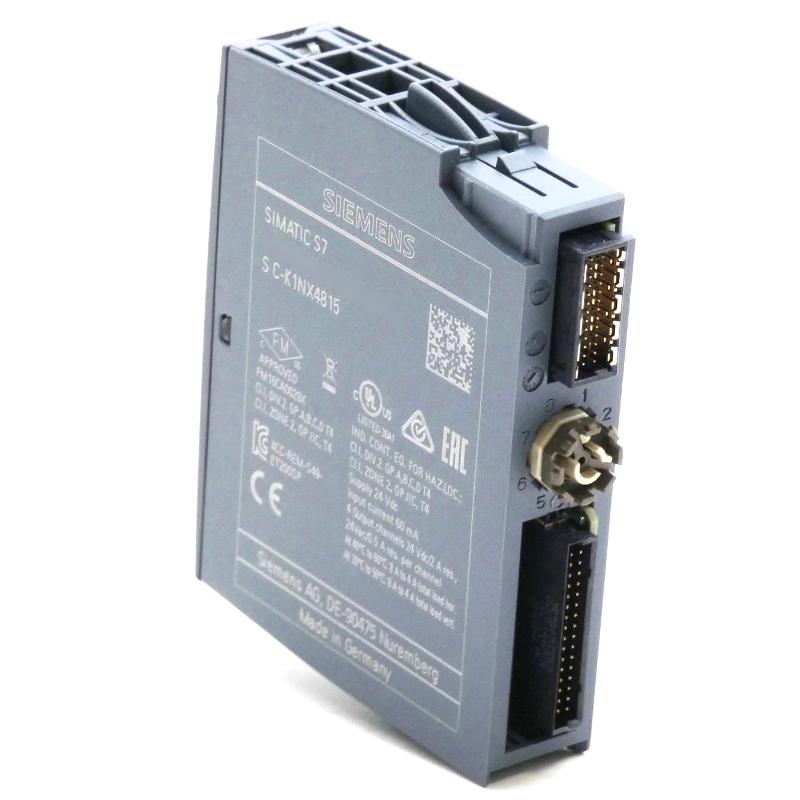
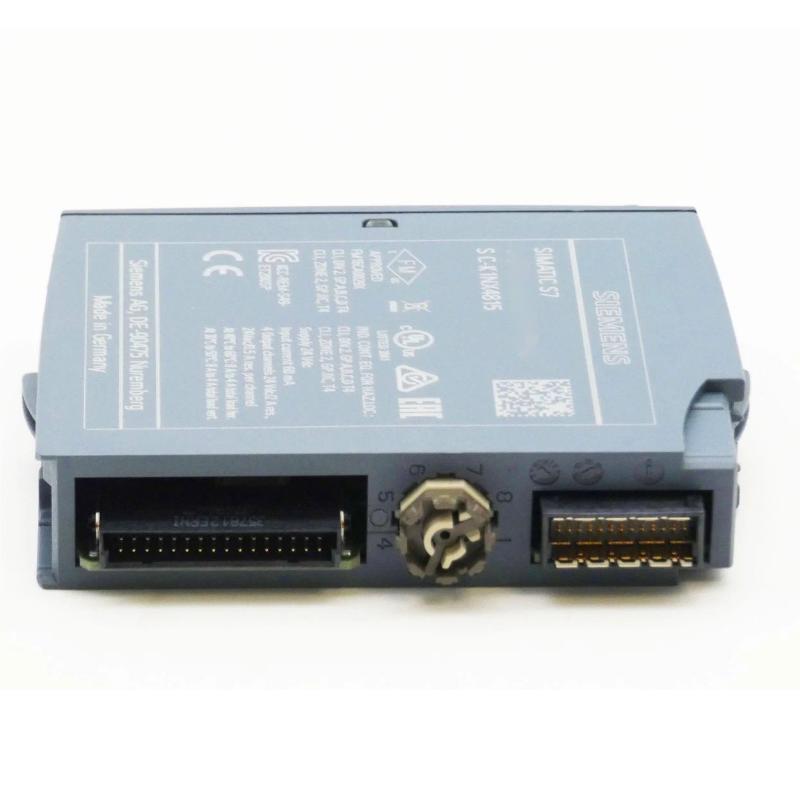
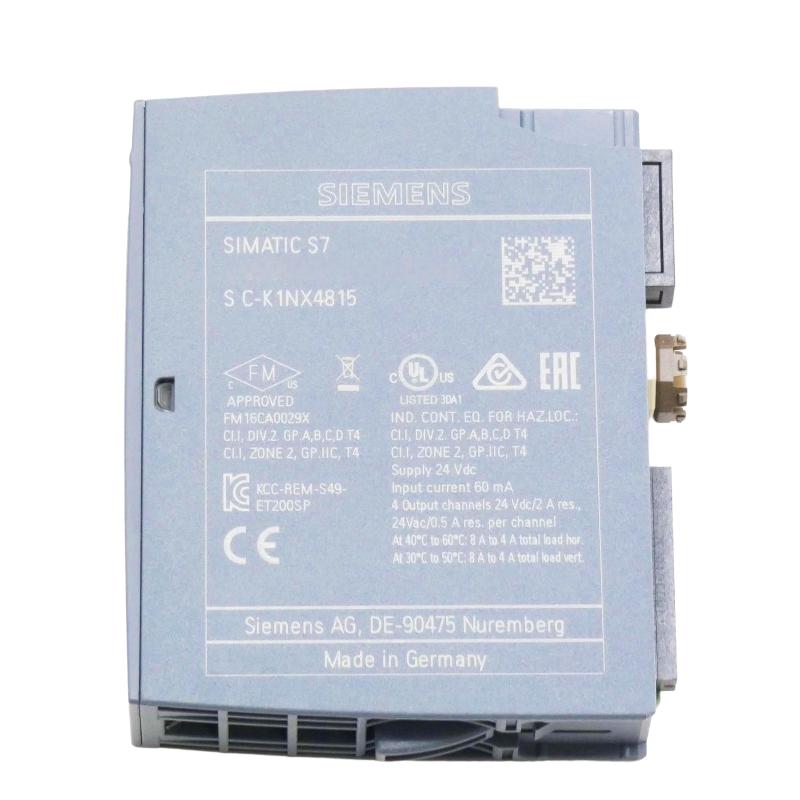
The Siemens 6AG2132-6GD51-4BA0 SIPLUS ET 200SP Signal Relay Module is a relay-based output component for industrial automation systems. Installed as part of a compatible ET 200SP distributed I/O station, it allows a programmable logic controller to switch external electrical circuits through relay contacts. This type of output is useful when machine logic needs to control contactors, auxiliary relays, or signaling devices through a contact-based interface.
In a typical machine control application, the PLC determines when an external device should operate, while the relay module executes the corresponding switching command. This separates the control logic from the field-level switching task and allows relay outputs to be incorporated into a modular remote I/O arrangement. The actual loads supported depend on the module’s electrical ratings, contact configuration, and the characteristics of the connected circuit.
The SIPLUS designation identifies this product as part of Siemens’ SIPLUS portfolio. During equipment maintenance or system expansion, it is important to distinguish the relay module from the ET 200SP interface module, BaseUnit, and other station components. Although these components work together, they perform different functions within the automation system.
Technical Specifications
| Parameter | Details |
|---|---|
| Brand | Siemens |
| Order Number | 6AG2132-6GD51-4BA0 |
| Product Family | SIPLUS ET 200SP |
| Product Type | Signal Relay Module |
| Module Category | Distributed I/O Relay Output Module |
| Output Technology | Electromechanical relay contacts |
| Primary Function | Switching external electrical circuits |
| Automation Platform | SIMATIC ET 200SP |
| Control Interface | Compatible ET 200SP distributed I/O station |
| Field Connection | Through the applicable ET 200SP BaseUnit |
| Typical Application | Switching compatible control and signaling circuits |
| Installation Environment | Industrial automation installation |
| System Integration | Compatible ET 200SP station configuration |
| Replacement Consideration | Verify the order number, electrical ratings, BaseUnit compatibility, and environmental requirements |
Product Features
- Relay-Based Output Switching: Uses relay contacts to switch compatible external circuits in response to controller commands.
- Distributed I/O Integration: Fits into the ET 200SP station architecture, allowing output functions to be managed alongside other distributed I/O modules.
- Contact-Based Switching: Provides a physical switching interface for applications where relay contacts are appropriate.
- Flexible Field Circuit Design: Can support selected control, indication, and auxiliary switching tasks within the module’s electrical limits.
- Modular Installation: Works with the corresponding ET 200SP station components, simplifying the organization of I/O functions within a control cabinet.
- SIPLUS Product Variant: Belongs to the SIPLUS product range; the exact environmental specifications for this order number must be confirmed before installation in demanding conditions.
- Maintenance-Friendly Identification: The complete order number helps technicians identify the correct component during troubleshooting, replacement, and inventory management.
Working Principle
The relay module receives output commands through the ET 200SP station from the automation controller. When an output command changes state, the corresponding relay mechanism operates and changes the state of its contacts. The resulting contact condition opens or closes the connected external circuit, depending on the contact arrangement.
For example, a PLC may activate a relay output when a machine sequence reaches a specified stage. The output can then switch a compatible contactor coil or signaling circuit. When the controller removes the command, the relay returns to its de-energized state, and the external circuit responds accordingly.
Electromechanical relay switching differs from transistor-based output switching because it relies on physical contacts. This affects switching behavior, contact wear, electrical ratings, and suitability for different loads. Inductive loads, including contactor coils and solenoids, may generate voltage transients during switching, so suitable circuit protection should be considered as part of the electrical design.
The module’s exact channel count, contact arrangement, switching voltage, maximum current, and electrical endurance should not be inferred from its order number alone. These parameters must be established before assigning loads or determining the module’s suitability for a particular circuit.
Role in a Distributed I/O Control Architecture
The 6AG2132-6GD51-4BA0 occupies the output layer of a compatible ET 200SP distributed I/O station. It executes relay switching commands, while the controller, interface module, station bus, and field wiring provide the surrounding communication and electrical infrastructure.
| System Component | Function | Relationship to the Signal Relay Module |
|---|---|---|
| SIMATIC S7 PLC | Executes machine logic, sequencing, and interlocks | Generates the output commands used to control relay states |
| ET 200SP Interface Module | Connects the distributed I/O station to the automation network | Transfers output data between the controller and station |
| Signal Relay Module | Switches external circuits through relay contacts | Performs the field-level output switching function |
| ET 200SP BaseUnit | Provides mechanical mounting and electrical terminal connections | Supports installation and field wiring according to the selected configuration |
| Station Bus and Backplane | Carries communication and internal station connections | Links the relay module to the station interface |
| Contactor or Auxiliary Relay | Switches a load or provides an additional control interface | May be operated by a compatible relay output |
| Field Device | Performs the controlled action or indication | Responds to the switched external circuit |
| Protective Devices | Protect wiring and connected equipment against electrical faults | Support the safe operation of the external load circuit |
Industrial Applications
| Application | Control Requirement | Role of the Signal Relay Module |
|---|---|---|
| Machine Automation | Switch external circuits according to machine sequence logic | Converts PLC output commands into relay contact actions |
| Conveyor Systems | Control compatible contactors, auxiliary relays, or signaling circuits | Provides relay-based switching for selected conveyor functions |
| Packaging Equipment | Coordinate actuators and machine status signals | Supports output switching where relay contacts are appropriate |
| Assembly Lines | Operate control devices at different stages of a production sequence | Integrates field switching into the distributed I/O station |
| Industrial Signaling | Switch compatible indicator or annunciation circuits | Provides contact-based control of external signaling devices |
| Process Equipment | Operate auxiliary circuits according to process conditions | Executes controller commands through relay outputs |
| Control Panel Modernization | Organize output functions within a modular automation station | Supports a structured ET 200SP distributed I/O arrangement |
Installation and Maintenance
- Verify the order number: Confirm that the installed or replacement module is Siemens 6AG2132-6GD51-4BA0 and matches the approved hardware configuration.
- Check BaseUnit compatibility: Verify that the selected ET 200SP BaseUnit and terminal arrangement are suitable for the module and intended wiring scheme.
- Isolate the electrical circuits: Disconnect the relevant supply sources and apply the required lockout procedures before removing or wiring the module.
- Review the load ratings: Confirm the permitted switching voltage, current, load type, and contact configuration before connecting external equipment.
- Inspect the mounting position: Ensure that the module is correctly seated in the station and that its mechanical engagement and electrical connections are secure.
- Check field wiring: Verify terminal assignments, conductor sizes, polarity where relevant, and separation between different voltage circuits according to the installation design.
- Evaluate inductive loads: Check whether contactors, solenoids, or relay coils require suppression to limit switching transients and reduce contact stress.
- Inspect terminal connections: Look for loose conductors, damaged insulation, discoloration, or other signs of overheating during scheduled maintenance.
- Verify station configuration: Confirm that the module is correctly represented in the PLC hardware configuration and that the configured module matches the installed hardware.
- Test output operation: Exercise each configured output under controlled conditions and verify that the corresponding external circuit responds as intended.
- Monitor switching performance: Investigate intermittent operation, unexpected contact states, or signs of contact wear instead of repeatedly resetting the station without diagnosis.
- Document maintenance work: Record the module order number, wiring changes, configuration updates, test results, and replacement actions in the equipment maintenance history.
Related Components
| Component | Function | Relationship to the Signal Relay Module |
|---|---|---|
| Siemens SIMATIC S7-1500 CPU | Executes automation logic and coordinates I/O | Can control a compatible ET 200SP station through the configured automation network |
| Siemens ET 200SP Interface Module | Connects the station to the controller network | Provides the communication path for the relay module’s process data |
| Siemens ET 200SP BaseUnit | Provides mechanical mounting and electrical terminal connections | Supports module installation and field wiring |
| Siemens ET 200SP Digital Input Module | Acquires binary signals from field devices | Complements relay outputs by collecting external status signals |
| Siemens ET 200SP Digital Output Module | Switches compatible loads through electronic output channels | Provides an alternative output technology for applications suited to electronic switching |
| Siemens ET 200SP Server Module | Supports the end-of-station arrangement in applicable configurations | Forms part of the station layout where required |
| Contactor | Switches a power circuit through its contacts | May be controlled by the relay module when coil ratings and circuit requirements are compatible |
| Interposing Relay | Provides an additional relay interface for a control circuit | Can be used where the field circuit requires a separate switching stage |
Recommended Related Models
| Model | Product Type | Relationship |
|---|---|---|
| Siemens 6AG2132-6GD51-4BA0 | SIPLUS ET 200SP Signal Relay Module | Primary product covered in this article |
| Siemens 6ES7132-6GD51-0BA0 | ET 200SP Signal Relay Module | Related standard SIMATIC order-number family; verify exact specifications and replacement status before substitution |
| Siemens ET 200SP Digital Output Modules | Distributed I/O Output Modules | Related output products for applications requiring electronic rather than relay-based switching |
| Siemens ET 200SP Digital Input Modules | Distributed I/O Input Modules | Complementary modules for acquiring field status and feedback signals |
| Siemens ET 200SP Interface Modules | Distributed I/O Interface Modules | Station-level communication components selected according to the network and controller |
| Siemens SIMATIC S7-1500 | Programmable Logic Controller | Controller family for compatible distributed I/O architectures |
Key Advantages
- Converts controller output commands into relay contact switching.
- Integrates with the modular ET 200SP distributed I/O architecture.
- Supports compatible external control and signaling circuits.
- Allows output-level fault isolation and module replacement within a structured station.
- Provides a relay-based alternative to electronic output switching where application requirements justify it.
Technical FAQs
What is the function of the Siemens 6AG2132-6GD51-4BA0 SIPLUS ET 200SP Signal Relay Module?
It switches external electrical circuits through relay contacts in a compatible ET 200SP distributed I/O station. The controller determines the output state, and the relay module translates that command into a physical contact change.
What should be checked before connecting a load to this relay module?
Verify the module’s contact arrangement, permitted switching voltage and current, load type, electrical endurance, and required protective measures. Inductive loads may require suppression, and the connected circuit must remain within the module’s rated operating limits.
Can this SIPLUS module be replaced directly with a standard ET 200SP relay module?
Direct replacement should not be assumed solely because the product names are similar. Confirm the exact order numbers, electrical specifications, BaseUnit requirements, station configuration, and environmental requirements before selecting a substitute.
How can relay output faults be distinguished from PLC configuration problems?
Check the controller’s commanded output state, station diagnostics, wiring continuity, load supply, and the behavior of the external circuit. If the command and station communication are correct but the contact circuit does not respond as expected, the relay module, terminal connections, or load circuit may require further testing.