

ProductPRODUCT
Featured products
Contact Us
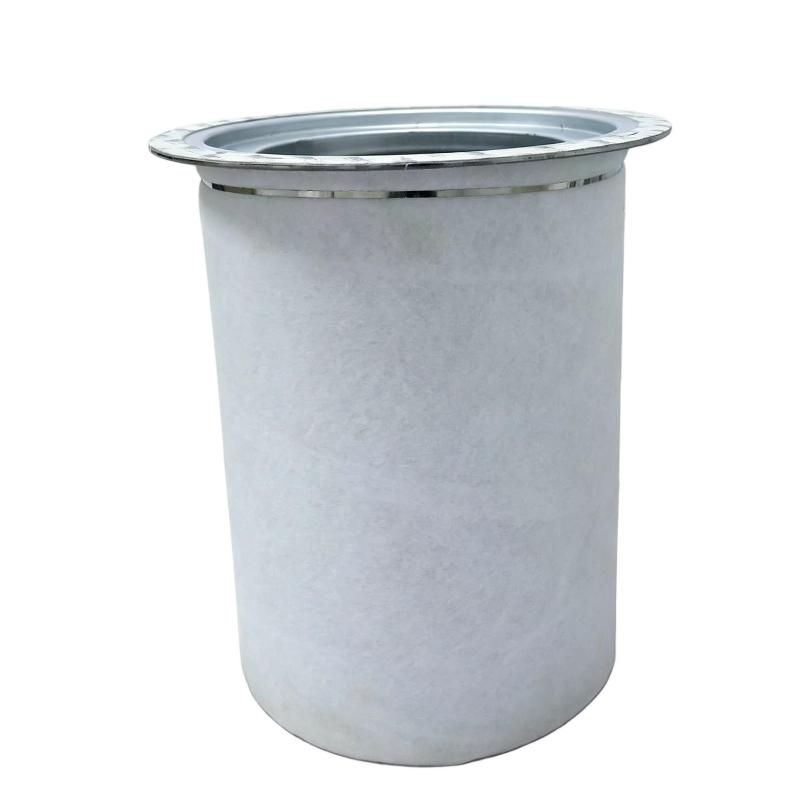
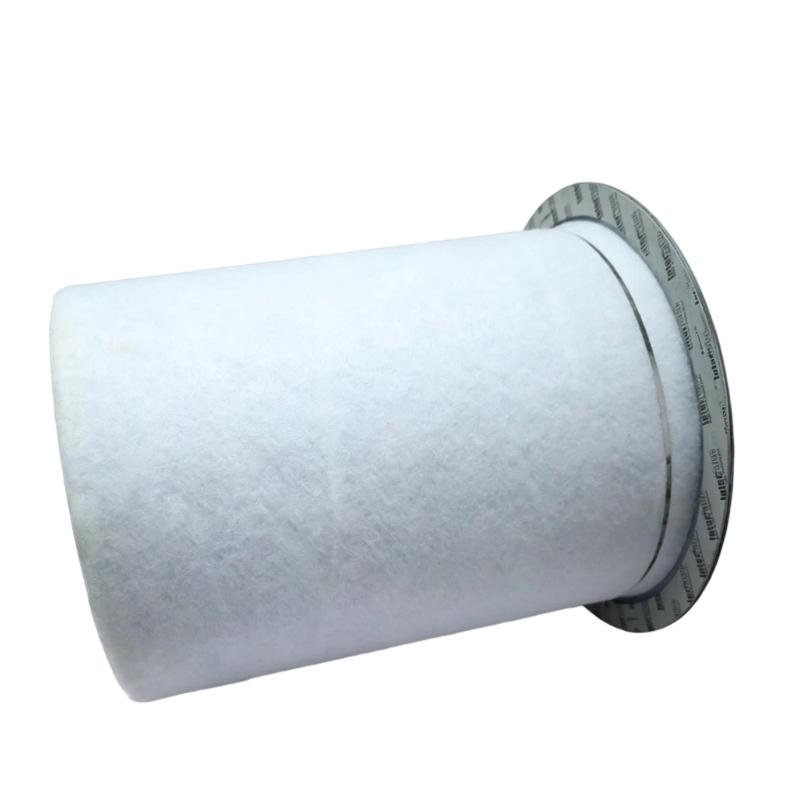
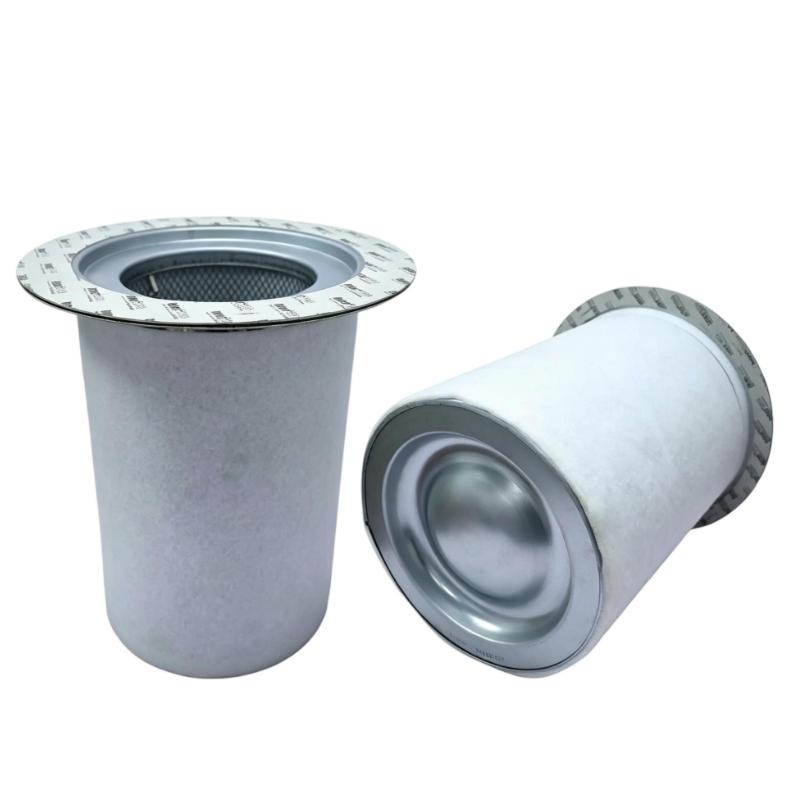
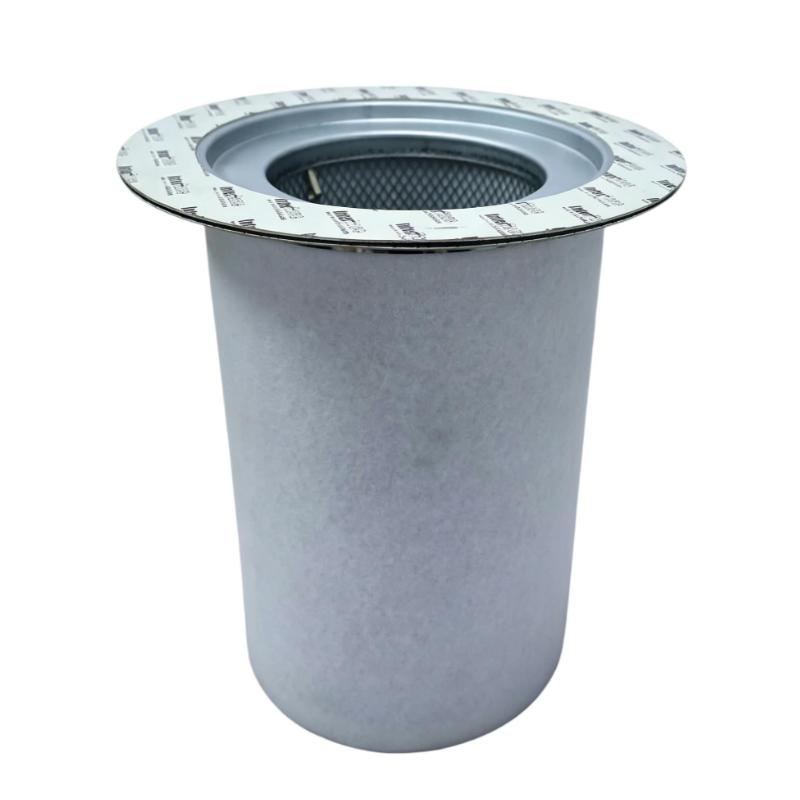
- Ingersoll Rand
- 47545141001 54509427
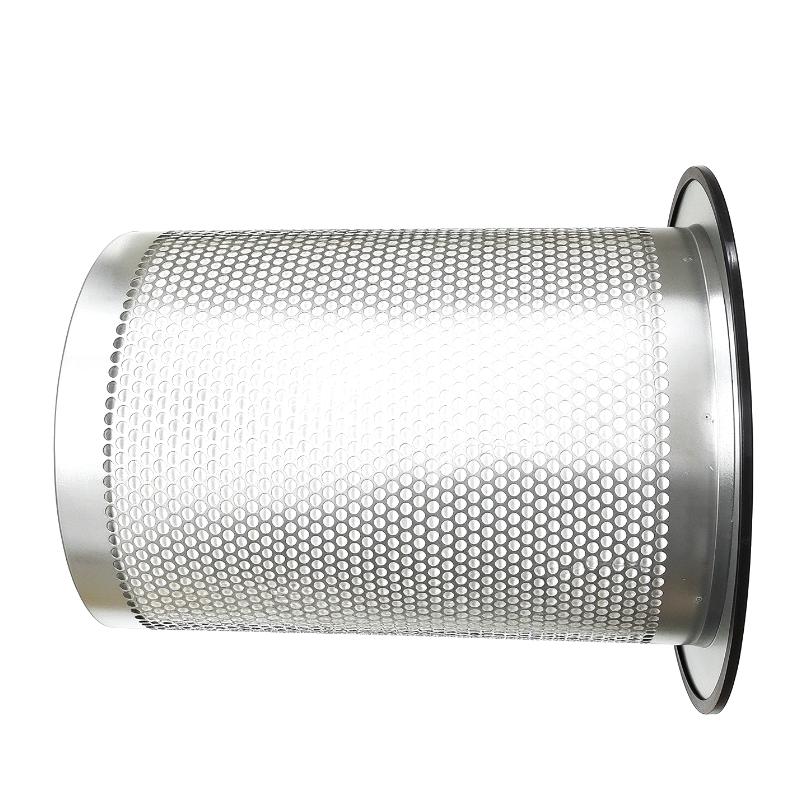
- Air/Oil Separator
- USA
- 374 mm
- 8.59 kg
- Xiamen, China
- New & In Stock
- T/T, PayPal, Western Union
- 1 Year
- 1-3 Working Days
- DHL, UPS, TNT, FedEx and EMS.
- 24-Hour Service
- COO
- 20
Our advantage

Global Logistics
We have a 10-year logistics and express cooperation agreement, so our products can be shipped to any place in the world.

Brand new and original
Our products are imported in bulk from the place of origin. Because of the cooperative relationship, our products are all original and 100% new.

24-hour service
We provide 7*24 hours service to our customers. We will be there whenever you need us.

Price advantage
All our products are priced very favorably because we have our own warehouse and supply.
| Company Information | |||
| [email protected] | |||
| Mobile | +8615980777398 | ||
| +8615980777398 | |||
| 15980777398 |
Product Overview
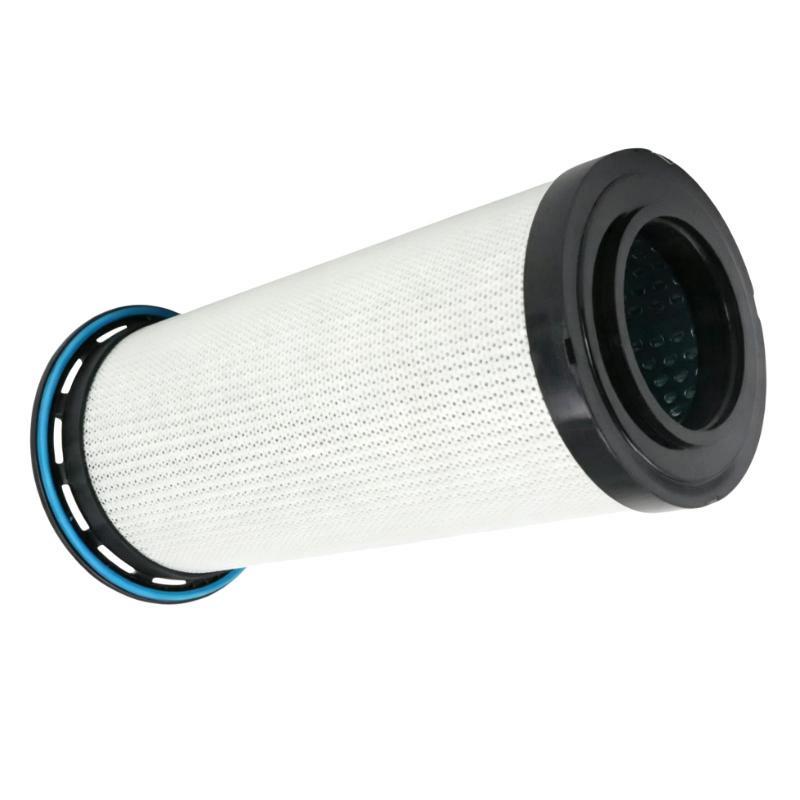
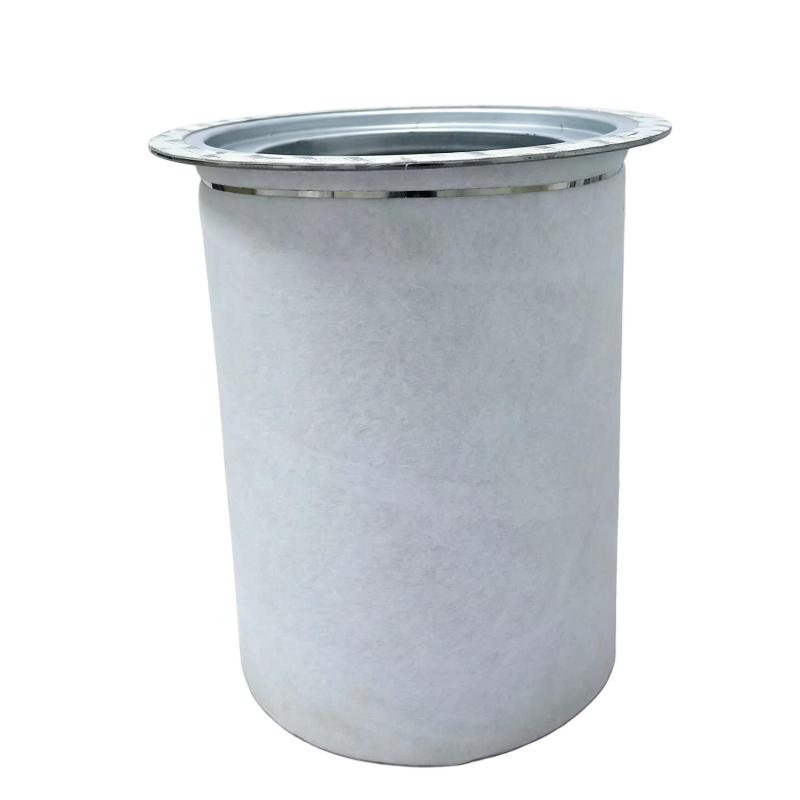
The Ingersoll Rand 47545141001 54509427 Air/Oil Separator is a separation component used in oil-injected compressed-air systems. During compression, lubricating oil can become entrained in the compressed air as a fine mist. The separator helps remove this oil from the air stream, allowing the compressor to deliver compressed air with reduced oil carryover while supporting recovery of separated oil within the equipment’s oil-management arrangement.
Air/oil separation affects several aspects of compressor operation. Excessive oil carryover can increase lubricant consumption, contaminate downstream pipework, and place additional demands on air-treatment equipment. A separator operating under suitable conditions helps control these effects and supports the intended balance between compressed-air delivery and oil circulation.
In maintenance operations, the separator should be evaluated as part of the compressor’s complete separation system rather than as an isolated consumable. Oil carryover, changes in operating pressure, leakage, and the condition of associated seals can all provide useful diagnostic information. Correct identification of the 47545141001 and 54509427 part numbers is important when planning replacement work and maintaining accurate service records.
Technical Specifications
| Parameter | Details |
|---|---|
| Brand | Ingersoll Rand |
| Part Number | 47545141001 |
| Additional Part Number | 54509427 |
| Product Type | Air/Oil Separator |
| Product Category | Compressor Air/Oil Separation Component |
| Primary Function | Separation of entrained oil from compressed air |
| Intended System | Oil-injected compressed-air system |
| Process Medium | Compressed air containing entrained oil |
| Separation Purpose | Reduce oil carryover into the compressed-air outlet |
| Oil Recovery | Supports oil recovery within compatible separator arrangements |
| Installation Location | Compressor separation assembly, subject to equipment configuration |
| Associated System | Compressor air and lubrication management system |
| Maintenance Type | Inspection and scheduled replacement as required |
| Replacement Consideration | Correct part identification, sealing arrangement, and equipment compatibility |
Product Features
- Oil Carryover Reduction: Separates entrained lubricant from the compressed-air stream to help maintain the intended outlet-air quality.
- Support for Oil Recovery: In compatible compressor designs, separated oil can return to the lubrication circuit through the designated recovery arrangement.
- Compressor System Integration: Functions within the compressor’s air/oil separation assembly and works alongside the associated housing, seals, and oil-return components.
- Maintenance Identification: The complete part designation supports spare-parts management and helps distinguish the separator from other compressor filters.
- Operational Condition Monitoring: Changes in oil carryover and separator pressure behavior can help identify developing maintenance issues.
- Protection of Downstream Equipment: Lower oil carryover can reduce the amount of lubricant reaching downstream piping, dryers, filters, and pneumatic equipment.
Working Principle
In an oil-injected compressor, the compression process mixes lubricating oil with air. The oil helps with lubrication, sealing, and heat management, but much of that oil must be removed before the compressed air leaves the compressor’s separation system.
The air/oil separator provides a medium or separation structure that captures oil droplets carried by the compressed-air flow. As droplets collect, they combine into larger quantities of oil that can drain into the separator’s designated collection area. Where the compressor includes an oil-return arrangement, the recovered oil can be routed back into the lubrication circuit.
Separation performance depends on factors such as airflow, oil condition, operating pressure, separator loading, and the integrity of the surrounding seals. As the separator accumulates contaminants or reaches the end of its service life, pressure loss may increase or more oil may pass into the outlet-air stream. These changes can affect compressor efficiency, lubricant consumption, and downstream air quality.
The exact separation medium, filtration efficiency, differential-pressure limit, and internal construction of part 47545141001 54509427 cannot be established from the part designation alone. These values should not be assumed when assessing operating performance.
Role in a Compressor Air/Oil Separation Architecture
The air/oil separator is part of the compressor’s separation and lubricant-recovery process. Its performance depends on the surrounding components maintaining the correct airflow, oil drainage, and pressure conditions.
| System Element | Function | Relationship to the Air/Oil Separator |
|---|---|---|
| Compression Element | Compresses incoming air and, in oil-injected designs, introduces lubricant into the compression process | Supplies the air/oil mixture requiring separation |
| Separator Vessel or Housing | Contains the separation assembly and directs internal flow | Provides the installation and operating environment for the separator |
| Air/Oil Separator | Removes entrained oil from compressed air | Performs the primary separation function |
| Oil Return Line | Carries recovered oil back toward the lubrication circuit where fitted | Allows collected oil to be reused |
| Minimum Pressure Valve | Maintains required internal pressure in compressor configurations that use this valve | Helps establish suitable conditions for separation and oil circulation |
| Oil Filter | Removes particulate contaminants from circulating lubricating oil | Performs oil purification rather than air/oil separation |
| Aftercooler | Reduces compressed-air temperature downstream of compression | Helps condition the discharged air but does not replace the separator |
| Downstream Air Treatment | Uses additional filtration or drying equipment where required | Handles remaining contaminants and moisture after the compressor separation stage |
Industrial Applications
| Application | Operating Requirement | Role of the Air/Oil Separator |
|---|---|---|
| Manufacturing Compressed-Air Systems | Continuous compressed-air delivery with controlled oil carryover | Separates entrained lubricant before air enters the plant distribution system |
| Industrial Pneumatic Equipment | Air quality suitable for the connected tools and machinery | Helps limit oil contamination in downstream air lines |
| Packaging and Assembly Lines | Stable compressed-air supply for pneumatic actuators and production equipment | Supports consistent compressor separation performance |
| Automotive Manufacturing | Compressed air for assembly, tooling, and general plant services | Helps reduce lubricant carryover into connected equipment |
| Industrial Maintenance Facilities | Compressor operation across repeated service and production cycles | Provides a defined service item for planned separator replacement |
| Multi-Compressor Installations | Consistent operation across several compressed-air sources | Helps maintenance teams monitor separator condition and lubricant consumption |
| General Industrial Utilities | Compressed air used for a variety of plant operations | Supports the air-quality requirements established for the relevant system |
Installation and Maintenance
- Verify the separator identification: Confirm that the required component is Ingersoll Rand 47545141001 54509427 before beginning the replacement procedure.
- Confirm the compressor configuration: Check the equipment’s parts arrangement to establish the separator’s location, mounting method, and associated connections.
- Shut down and isolate the compressor: Follow the equipment’s lockout and isolation procedure before opening the separation assembly.
- Release stored pressure: Ensure the compressor and separator housing have been depressurized in accordance with the applicable service procedure.
- Allow components to cool: Wait until the housing, compressed air, and lubricating oil are at a safe temperature for maintenance.
- Inspect the surrounding assembly: Check the separator housing, mounting surfaces, connections, and accessible seals for signs of damage or oil leakage.
- Examine the removed separator: Look for contamination, deformation, damaged sealing surfaces, or other visible conditions that may help explain abnormal oil carryover or pressure behavior.
- Check the oil-return arrangement: Where a separate oil-return line is fitted, inspect it for obstruction, leakage, or incorrect connection that could interfere with oil recovery.
- Install the replacement correctly: Follow the required orientation, sealing procedure, and tightening method for the applicable compressor configuration.
- Check associated components: Inspect relevant seals, fittings, and accessible connection points before closing the assembly and returning the compressor to service.
- Verify operating performance: After restart, check for oil leakage, abnormal pressure indications, and unusual oil carryover in accordance with the equipment’s operating procedure.
- Record the replacement: Document the part number, service date, operating hours, and any observations concerning oil consumption, pressure behavior, or downstream contamination.
Related Components
| Component | Function | Relationship to the Air/Oil Separator |
|---|---|---|
| Compressor Air Filter | Removes contaminants from incoming air | Protects the intake path but does not separate oil from compressed air |
| Compressor Oil Filter | Removes particulate contamination from circulating lubricant | Maintains oil cleanliness within the lubrication circuit |
| Oil Return Line | Returns recovered oil to the appropriate circuit where fitted | Supports the reuse of oil collected during separation |
| Separator Housing | Contains and supports the separation assembly | Provides the mounting interface and internal flow path |
| Minimum Pressure Valve | Maintains required pressure conditions in applicable compressor designs | Supports correct operation of the separation and oil-circulation system |
| Compressor Oil Cooler | Helps control lubricant temperature | Supports oil condition and temperature management |
| Aftercooler | Cools compressed air after compression | Reduces discharge-air temperature downstream of the separation process |
| Downstream Coalescing Filter | Removes residual liquid or aerosol contaminants where specified | Provides additional air treatment when required by the application |
Recommended Related Models
| Product or Model | Product Type | Relationship |
|---|---|---|
| Ingersoll Rand 47545141001 54509427 | Air/Oil Separator | Primary component covered in this article |
| Ingersoll Rand 47545141001 39911631 | Oil Filter | Related compressor maintenance component for lubricant filtration |
| Ingersoll Rand 47545141001 39218193 | High Temperature Grease | Maintenance consumable for applicable equipment servicing |
| Ingersoll Rand Compressor Air Filter | Air Intake Filter | Related filtration component for incoming compressor air |
| Ingersoll Rand Compressor Oil Cooler | Oil Cooling Component | Supports lubricant temperature control in compatible compressor systems |
| Ingersoll Rand Compressor Aftercooler | Compressed-Air Cooling Component | Reduces compressed-air temperature after compression |
Key Advantages
- Helps reduce oil carryover in compressed-air systems.
- Supports recovery of separated lubricant in compatible compressor designs.
- Contributes to controlling oil contamination in downstream air equipment.
- Provides a clearly identified component for scheduled compressor maintenance.
- Supports troubleshooting of abnormal oil consumption and separation performance.
Technical FAQs
What does the Ingersoll Rand 47545141001 54509427 Air/Oil Separator do?
It separates entrained lubricating oil from compressed air in an applicable oil-injected compressor system. This helps reduce oil carryover and supports the compressor’s intended oil-recovery process.
What can cause increased oil carryover from an air/oil separator?
Possible causes include a separator approaching the end of its service life, damaged seals, an obstructed oil-return line, incorrect installation, or operating conditions outside the intended range. The cause should be assessed across the complete separation system rather than attributed to the separator alone.
How is an air/oil separator different from a compressor oil filter?
An air/oil separator removes entrained oil from compressed air, while an oil filter removes particulate contaminants from circulating lubricant. They perform different functions and are not interchangeable simply because both are filtration-related components.
Can the separator’s filtration efficiency and replacement interval be determined from its part number?
The part designation alone does not establish its exact separation efficiency, pressure-drop limit, or service interval. Replacement timing should account for the applicable compressor requirements, operating conditions, maintenance history, and observed separator performance.