

ProductPRODUCT
Featured products
Contact Us
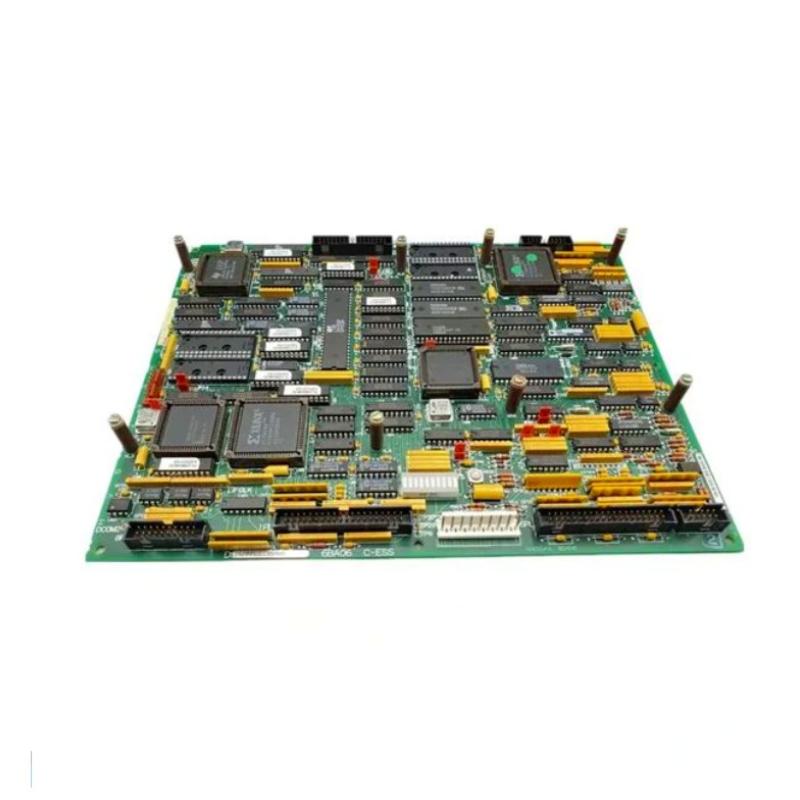
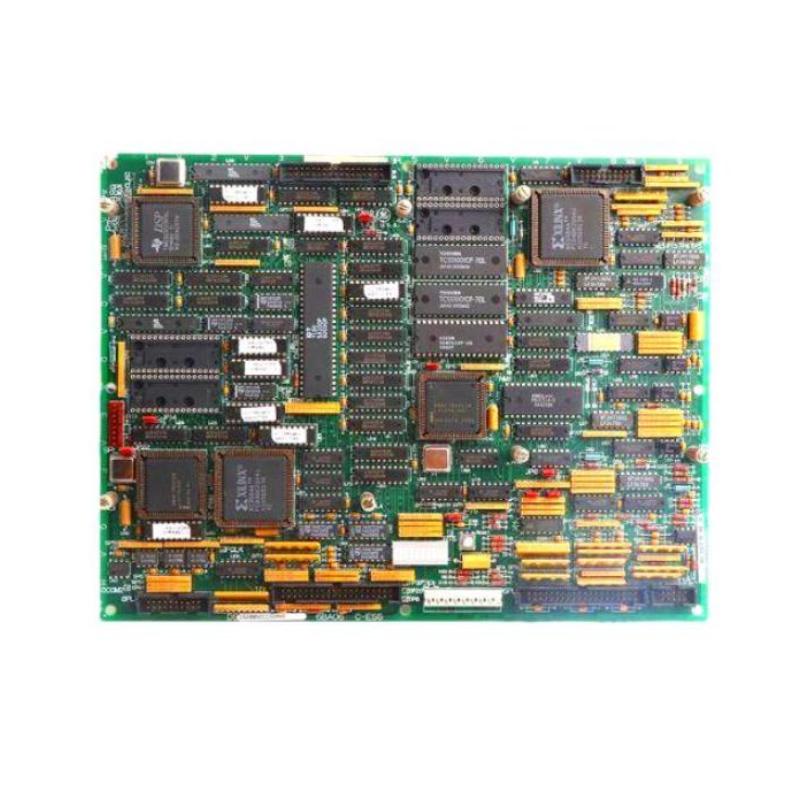
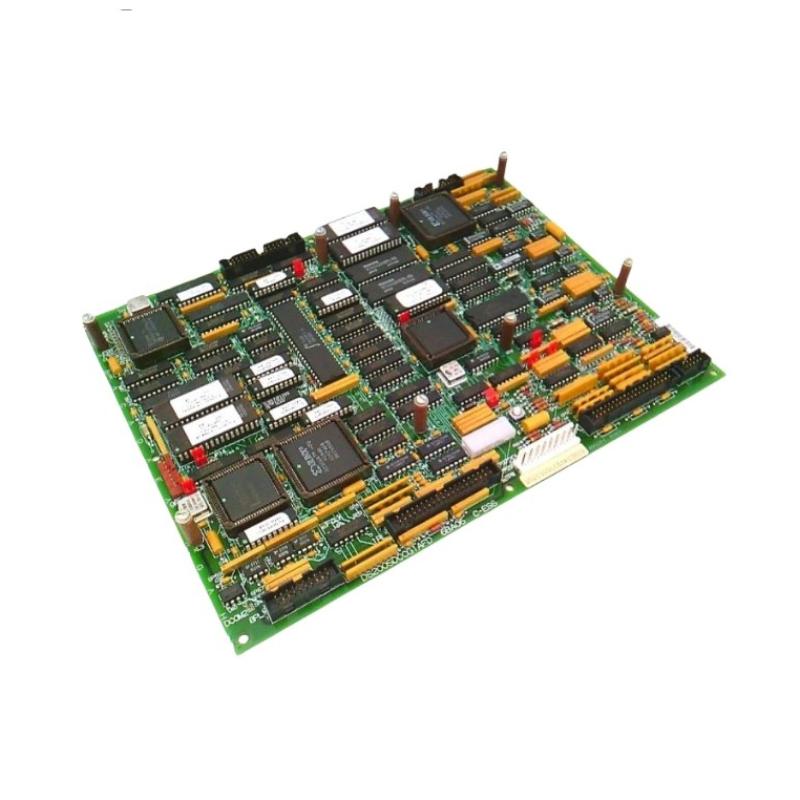
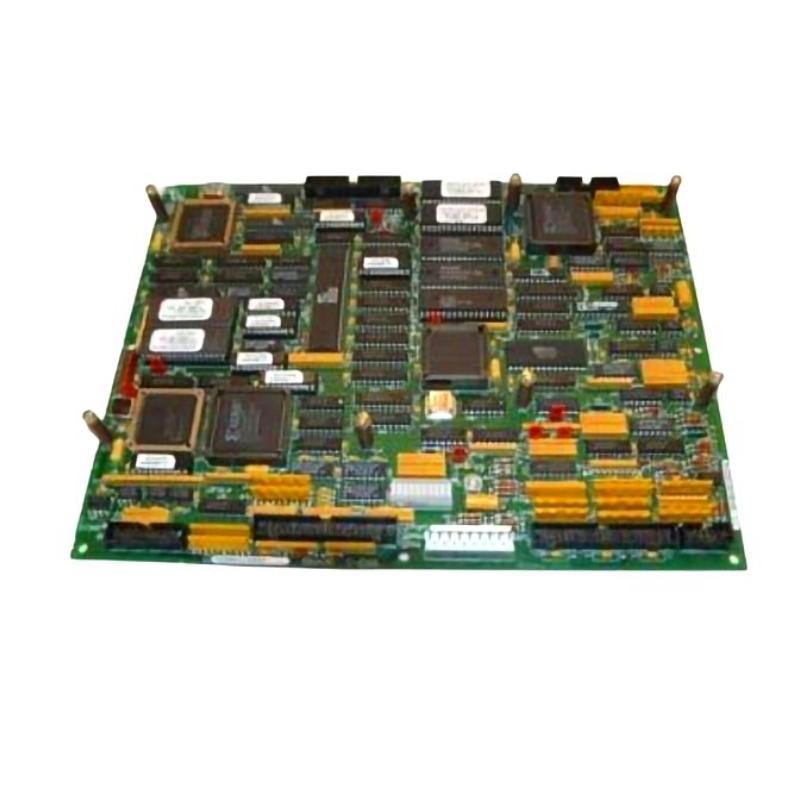
- GE
- IS230SNAIH4A
- Simplex Analog Input Terminal Block
- USA
- 330.2 x 20 x 101.6 mm
- 0.907 kg
- Xiamen, China
- New & In Stock
- T/T, PayPal, Western Union
- 1 Year
- 1-3 Working Days
- DHL, UPS, TNT, FedEx and EMS.
- 24-Hour Service
- COO
- 7
Our advantage

Global Logistics
We have a 10-year logistics and express cooperation agreement, so our products can be shipped to any place in the world.

Brand new and original
Our products are imported in bulk from the place of origin. Because of the cooperative relationship, our products are all original and 100% new.

24-hour service
We provide 7*24 hours service to our customers. We will be there whenever you need us.

Price advantage
All our products are priced very favorably because we have our own warehouse and supply.
| Company Information | |||
| [email protected] | |||
| Mobile | +8615980777398 | ||
| +8615980777398 | |||
| 15980777398 |
Product Overview
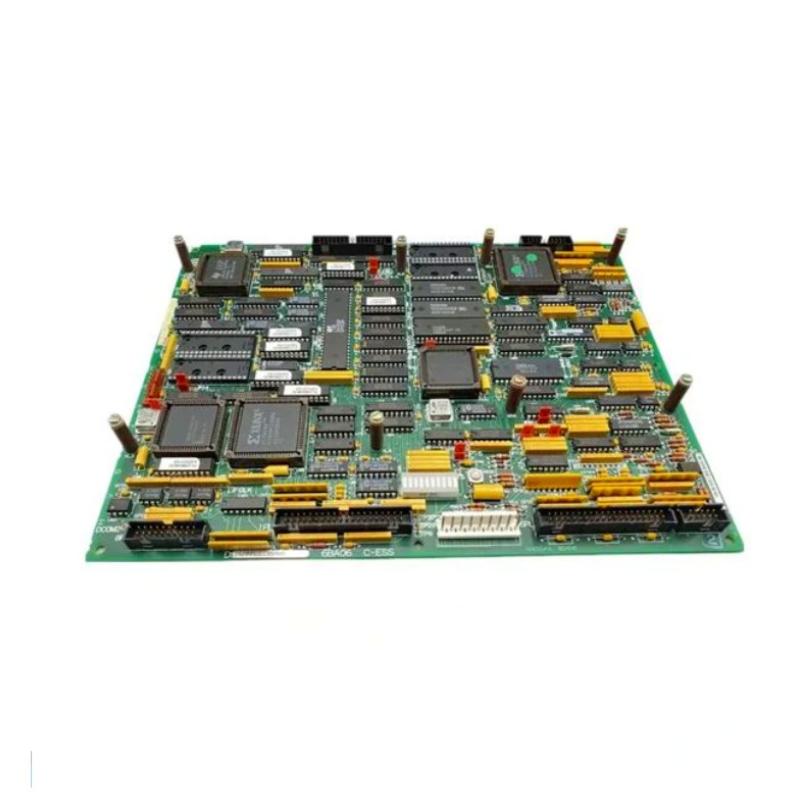
The GE IS230SNAIH4A Simplex Analog Input Terminal Block is an industrial control component designed for use in compatible GE automation and control system configurations. As an analog input terminal block, its general role is to provide an organized electrical connection point for field signals associated with analog measurement circuits. It can form part of the interface between field instrumentation and the control system, supporting the structured wiring and integration required for industrial process monitoring.
Analog input circuits are widely used in industrial facilities to acquire information from field instruments such as temperature transmitters, pressure sensors, flow transmitters, and level measurement devices. These instruments provide signals that represent changing process conditions rather than simple ON/OFF states. A properly configured terminal interface helps organize the associated wiring and maintain a reliable connection between field devices and the relevant control hardware.
The IS230SNAIH4A is identified as a Simplex Analog Input Terminal Block. The term simplex generally describes a single-channel-path or non-redundant arrangement, although the exact architecture and supported configuration must be confirmed for the host system. The terminal block’s precise electrical characteristics, terminal assignments, and compatibility requirements should be verified against the applicable GE hardware documentation before installation or replacement.
With listed dimensions of 330.2 × 20 × 101.6 mm and a weight of approximately 0.907 kg, the IS230SNAIH4A is a physical interface component intended for integration into an appropriate industrial control assembly.
Technical Specifications
| Parameter | Specification |
|---|---|
| Manufacturer | General Electric (GE) |
| Model | IS230SNAIH4A |
| Product Type | Simplex Analog Input Terminal Block |
| Product Family | GE IS230 Series |
| Primary Function | Analog input field-wiring interface |
| Signal Category | Analog input |
| System Role | Connection between field wiring and compatible control hardware |
| Control Architecture | Compatible GE industrial control system |
| Dimensions | 330.2 × 20 × 101.6 mm |
| Weight | 0.907 kg |
| Installation | According to the host-system configuration |
| Application | Industrial instrumentation and process monitoring |
Note: Detailed electrical ratings, supported signal ranges, terminal assignments, isolation characteristics, and approved mounting arrangements should be confirmed for the specific hardware revision and application.
Understanding the Simplex Analog Input Terminal Block
Industrial control systems rely on dependable connections between field instrumentation and control electronics. Sensors and transmitters measure physical conditions in a process, while the control system interprets their signals and uses the resulting information for monitoring, alarms, and control decisions.
The IS230SNAIH4A is classified as an analog input terminal block. In a typical installation, a terminal block provides an organized connection point for field conductors and associated control-system wiring. Its function is distinct from that of a sensor or a controller: it supports the electrical connection and organization of the signal path rather than directly measuring the process variable or executing control logic.
A simplified analog measurement chain can be represented as:
Process Variable → Field Sensor or Transmitter → Terminal Block → Compatible Analog Input Electronics → Controller → Operator Interface
The actual signal path depends on the installed GE control platform, associated interface hardware, and application-specific wiring design. The terminal block should therefore be evaluated as part of the complete assembly rather than as an independent measurement device.
Function and Working Principle
Field Signal Connection
Analog field instruments generate electrical signals corresponding to measured process conditions. The terminal block provides a connection point for the conductors used to carry those signals into the control system.
The correct connection arrangement depends on the transmitter type, wiring scheme, grounding design, and host-system requirements. Technicians should use the verified terminal diagram for the specific installation rather than assuming that the terminal positions follow a standard arrangement.
Signal Path Organization
A terminal block helps keep field wiring organized and identifiable. Clear conductor routing and accurate terminal labeling can simplify installation, commissioning, maintenance, and fault diagnosis.
In systems containing multiple measurement points, organized wiring is particularly important because incorrect connections can cause misleading readings, measurement loss, or confusion during maintenance.
Interface With Control Electronics
The terminal block forms part of the electrical interface between field wiring and compatible analog input hardware. The associated electronics perform the signal acquisition and processing required by the control system.
The exact relationship between the IS230SNAIH4A and other GE components must be confirmed for the intended platform. A terminal block should not be assumed to contain the same signal-processing functions as an analog input module.
Support for Process Monitoring
Once a field signal reaches the appropriate control hardware, the controller can use the acquired measurement for process visualization, alarm generation, data recording, and control operations. Reliable terminal connections help maintain the integrity of this measurement path.
Role in Industrial Automation Systems
The GE IS230SNAIH4A can be considered part of the field-interface layer in a compatible industrial control architecture. This layer connects instruments installed in the process area with electronic equipment that monitors and controls the plant.
Its general role is to support the physical wiring required for analog measurements. The terminal block’s effectiveness depends on several connected elements, including the field transmitter, signal cable, associated input electronics, grounding arrangement, and controller configuration.
Typical system-level functions supported by an analog input wiring interface include:
- Connecting field instrumentation to the designated input circuit.
- Organizing signal conductors within the control assembly.
- Supporting inspection and maintenance of field wiring.
- Helping technicians trace signal paths during troubleshooting.
- Providing a structured interface for process measurement signals.
These functions are important in systems where dependable analog measurements contribute to operating stability, product quality, equipment protection, and process visibility.
Industrial Applications
Process Instrumentation
Industrial processes commonly use analog transmitters to measure variables such as pressure, temperature, flow, and liquid level. A compatible analog input terminal interface helps connect these instruments to the control system.
Power Generation
Power generation facilities use instrumentation throughout auxiliary systems and process equipment. Terminal interfaces can support the wiring organization needed to bring measurement signals into compatible control hardware. Actual use of the IS230SNAIH4A depends on the installed GE platform and its approved configuration.
Manufacturing and Production
Manufacturing systems may monitor temperature, pressure, fluid flow, and other process variables to maintain consistent operating conditions. Organized field wiring can make these measurements easier to install, inspect, and maintain.
Water and Utility Systems
Water treatment and utility installations use analog instrumentation to monitor process conditions and equipment performance. A suitable terminal block can form part of the wiring infrastructure between field devices and control electronics.
Industrial Process Control
Chemical processing, material handling, and other industrial environments often depend on continuous process measurements. In these applications, correct signal wiring and reliable connections are essential for dependable control-system operation.
These examples describe common applications for analog input terminal interfaces; they do not confirm installation of the IS230SNAIH4A in every listed industry.
Installation and System Integration
Correct installation begins with confirming the terminal block’s identity and its intended role within the host system. The model designation alone should not be used to determine all electrical connections or mounting requirements.
1. Verify the Model and Hardware Revision
Before installation or replacement, check the complete part number IS230SNAIH4A, the available revision information, board markings, and the identification of the associated control assembly.
Compare the replacement with the existing component and the applicable system documentation. Similar-looking terminal blocks may have different wiring arrangements or intended applications.
2. Review the Wiring Diagram
Identify the field instruments, signal conductors, cable shields, grounding points, and corresponding input channels before disconnecting or reconnecting wiring.
Do not infer terminal numbers, polarity, channel assignments, or supported signal types from the physical dimensions or product name. Use the verified wiring diagram for the installed configuration.
3. Apply Electrical Safety Procedures
Before working on the terminal block, follow the facility’s isolation, lockout/tagout, and verification procedures. Confirm that the relevant circuits are in a safe state before handling conductors or removing the component.
Where the terminal block is installed in a safety-critical or continuously operating process, any maintenance activity should follow the site’s approved change-control and operational procedures.
4. Inspect the Mounting and Connections
Check the mounting arrangement, connector condition, terminal security, and cable routing. Look for signs of corrosion, contamination, heat damage, loose conductors, or mechanical stress.
The listed dimensions are 330.2 × 20 × 101.6 mm. Confirm that the replacement fits the intended mounting location and preserves the required clearance for wiring and maintenance access.
5. Verify Associated Hardware
Confirm that the terminal block is intended to operate with the installed GE analog input electronics and the relevant control-system configuration. Check the applicable part numbers and revision requirements before energizing the system.
6. Perform Commissioning Checks
After installation, inspect the wiring against the approved diagram and verify that each field signal is assigned to the intended input. Where practical, compare the control-system reading with a known process condition or suitable test source.
Any calibration, loop testing, or signal simulation must follow the approved procedure for the specific hardware and process. Confirm that alarms and displayed values behave as expected before returning the equipment to normal service.
Troubleshooting the IS230SNAIH4A
Problems affecting an analog input measurement may originate in the field instrument, wiring, terminal connections, associated input electronics, or controller configuration. Replacing the terminal block without checking the entire signal path may not resolve the underlying fault.
No Analog Input Reading
If the controller does not display a valid measurement, inspect the following:
- Field transmitter power and operating status.
- Signal cable continuity and physical condition.
- Terminal connections and conductor identification.
- Corresponding input electronics and interface connections.
- Channel configuration and diagnostic status.
- Relevant controller alarms or hardware fault indicators.
A disconnected cable or failed transmitter can produce symptoms similar to a terminal-interface problem.
Unstable or Fluctuating Readings
Unstable measurements may be associated with loose connections, electrical interference, damaged shielding, grounding issues, an unstable field instrument, or an intermittent wiring fault.
Inspect cable routing and connection quality before replacing hardware. If permitted by the maintenance procedure, compare the signal at appropriate points in the measurement chain to help identify where the instability originates.
Incorrect Measurement Values
A value that appears too high, too low, or inconsistent with the process may result from incorrect wiring, an instrument fault, an unsuitable input configuration, or a problem in the associated input electronics.
Verify the transmitter’s configured output, the expected signal type, channel assignment, and control-system scaling. Do not assume that the terminal block itself performs signal conversion or calibration.
Intermittent Signal Loss
Intermittent faults may be caused by loose terminals, damaged conductors, connector wear, vibration, moisture, or problems in an associated electronic assembly.
Review maintenance history and inspect the relevant connections under approved safe-work conditions. Any component replacement should be followed by wiring verification and functional testing.
Maintenance Recommendations
Routine inspection helps reduce avoidable signal faults and improves the maintainability of the control assembly.
Inspect connections: Check accessible terminals and connectors for looseness, corrosion, discoloration, or mechanical damage.
Maintain wiring identification: Ensure that field conductors and terminal labels remain readable and correspond to the current wiring documentation.
Protect the installation environment: Keep the control assembly within the environmental conditions specified for the host equipment. Avoid exposing components to unauthorized moisture, contamination, vibration, or excessive heat.
Review signal trends: When a process measurement becomes unreliable, compare the reported value with the field instrument’s status and related process variables. This can help distinguish a process change from a measurement-chain fault.
Document replacement work: Record the installed model, revision, wiring changes, test results, and any observed defects in the maintenance log.
Use approved procedures: Do not perform insulation tests, inject test signals, or disconnect live instrumentation unless the relevant procedure explicitly permits the action.
Compatible System Components
The IS230SNAIH4A should be integrated only with hardware confirmed to be compatible with the specific GE control platform. A typical analog measurement system may include the following elements:
| Component | General Function |
|---|---|
| Field Sensor or Transmitter | Measures a process variable and produces an electrical signal |
| Signal Cable | Carries the field measurement to the control assembly |
| IS230SNAIH4A | Provides the designated analog input terminal interface |
| Compatible Analog Input Electronics | Acquires and processes the input signal |
| Control Processor | Uses the measurement in control and monitoring logic |
| Operator Interface or HMI | Displays process values and alarms |
| Engineering or Diagnostic Tools | Support configuration, inspection, and fault analysis |
This table describes the functional layers of a typical measurement chain, not a confirmed bill of materials for every installation of the IS230SNAIH4A. Exact companion part numbers and connection details must be verified before ordering or commissioning.
Replacement and Procurement Considerations
When sourcing a replacement GE IS230SNAIH4A Simplex Analog Input Terminal Block, prioritize exact identification and application compatibility rather than physical similarity alone.
The following details should be checked:
- Complete model number: IS230SNAIH4A.
- Hardware revision and identifying markings.
- Terminal layout and wiring arrangement.
- Associated analog input hardware.
- Host control platform and installed configuration.
- Mounting dimensions and mechanical clearances.
- Condition of terminals, connectors, and housing.
The listed dimensions are 330.2 × 20 × 101.6 mm, and the listed weight is 0.907 kg. These values can assist with cabinet planning, inventory management, shipping preparation, and replacement logistics.
Because terminal blocks with similar appearances may serve different electrical functions, a physically matching component should not be treated as a direct substitute until its part number, interface, and system requirements have been confirmed.
Technical FAQs
What is the GE IS230SNAIH4A?
The GE IS230SNAIH4A is identified as a Simplex Analog Input Terminal Block intended for use in a compatible industrial control configuration.
What is the main function of an analog input terminal block?
Its general function is to provide an organized electrical connection point for analog field signals and the associated control-system interface. The exact wiring and interface arrangement depend on the installed hardware.
Does the IS230SNAIH4A measure temperature or pressure directly?
No. A terminal block is not itself a process sensor. Temperature, pressure, flow, and level measurements are produced by appropriate field instruments, with the corresponding signals connected to the control system through compatible interface hardware.
What are the dimensions of the IS230SNAIH4A?
The listed dimensions are 330.2 × 20 × 101.6 mm.
How much does the IS230SNAIH4A weigh?
The listed weight is approximately 0.907 kg.
Can this terminal block replace another GE analog input terminal block?
Not automatically. The exact part number, revision, terminal arrangement, associated input hardware, and host-system requirements must be checked before substitution.
What should be checked if an analog input signal is missing?
Inspect the field instrument, signal cable, terminal connections, associated input electronics, channel configuration, and controller diagnostics. A missing reading does not necessarily indicate a faulty terminal block.
Does the IS230SNAIH4A provide signal conversion or calibration?
Those functions should not be assumed from the product name. Verify the capabilities of the complete installed measurement chain and its associated electronic modules.
Conclusion
The GE IS230SNAIH4A Simplex Analog Input Terminal Block is an industrial interface component intended to support analog signal wiring in a compatible GE control system. By providing an organized connection point for field instrumentation, it can contribute to reliable process measurement, easier maintenance, and structured integration between field devices and control electronics.
With listed dimensions of 330.2 × 20 × 101.6 mm and a weight of 0.907 kg, the component can be assessed for mechanical fit and replacement planning. Successful integration depends on correct part identification, verified wiring, compatible input hardware, and appropriate commissioning procedures.
For maintenance and procurement, confirm the full model designation and applicable hardware revision before installation. Accurate wiring records, careful inspection, and systematic troubleshooting help maintain dependable analog signal paths and stable industrial control operation.