

ProductPRODUCT
Featured products
Contact Us
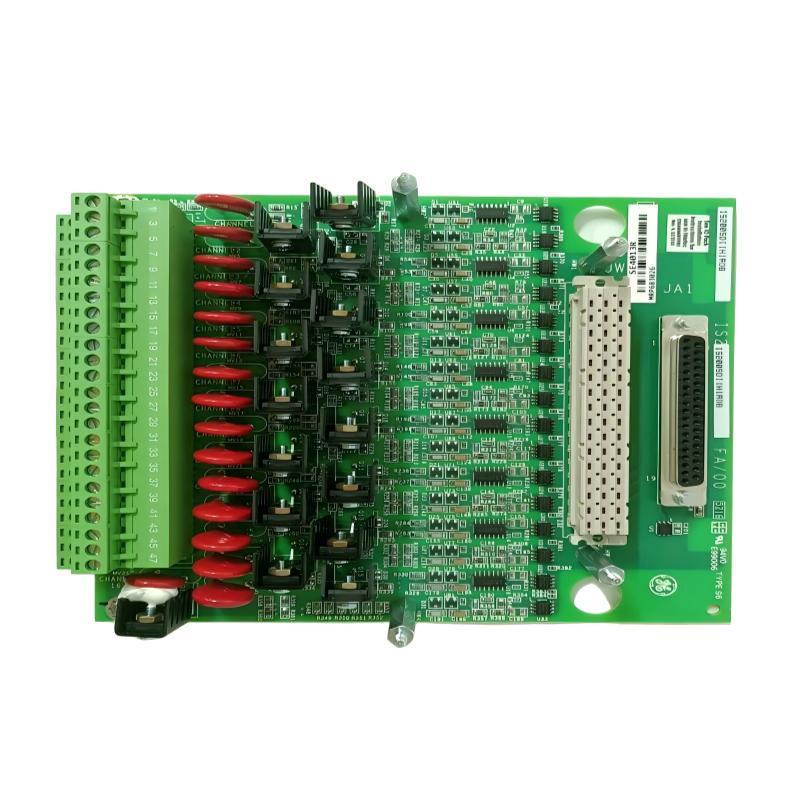
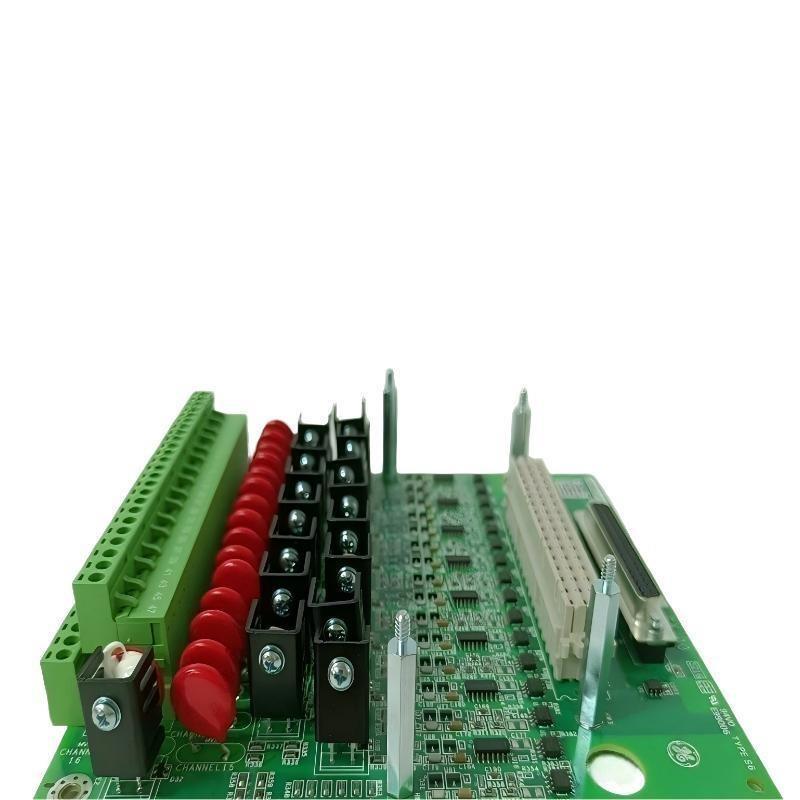
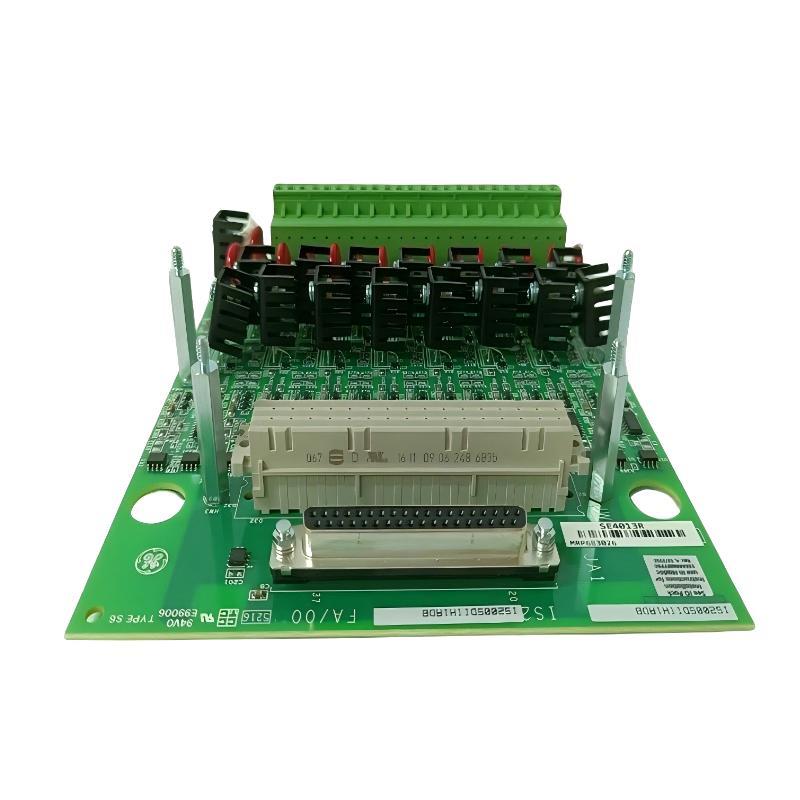
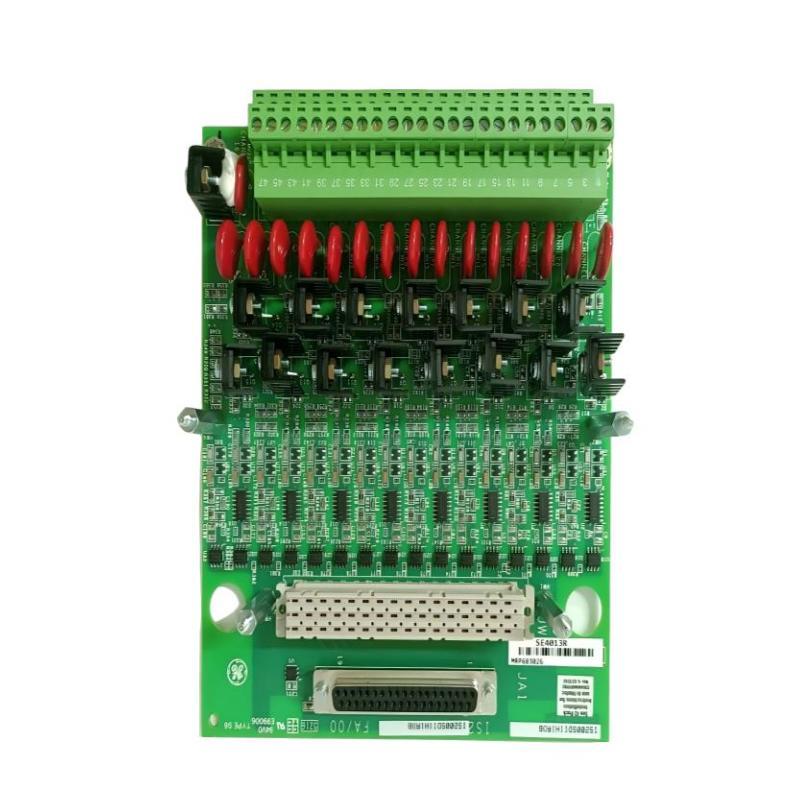
- GE
- IS230SDIIH1A IS200SDIIH1ADB
- Isolated Contact Input Assembly
- USA
- 245 × 170 × 35 mm
- 0.75 kg
- Xiamen, China
- New & In Stock
- T/T, PayPal, Western Union
- 1 Year
- 1-3 Working Days
- DHL, UPS, TNT, FedEx and EMS.
- 24-Hour Service
- COO
- 5
Our advantage

Global Logistics
We have a 10-year logistics and express cooperation agreement, so our products can be shipped to any place in the world.

Brand new and original
Our products are imported in bulk from the place of origin. Because of the cooperative relationship, our products are all original and 100% new.

24-hour service
We provide 7*24 hours service to our customers. We will be there whenever you need us.

Price advantage
All our products are priced very favorably because we have our own warehouse and supply.
| Company Information | |||
| [email protected] | |||
| Mobile | +8615980777398 | ||
| +8615980777398 | |||
| 15980777398 |
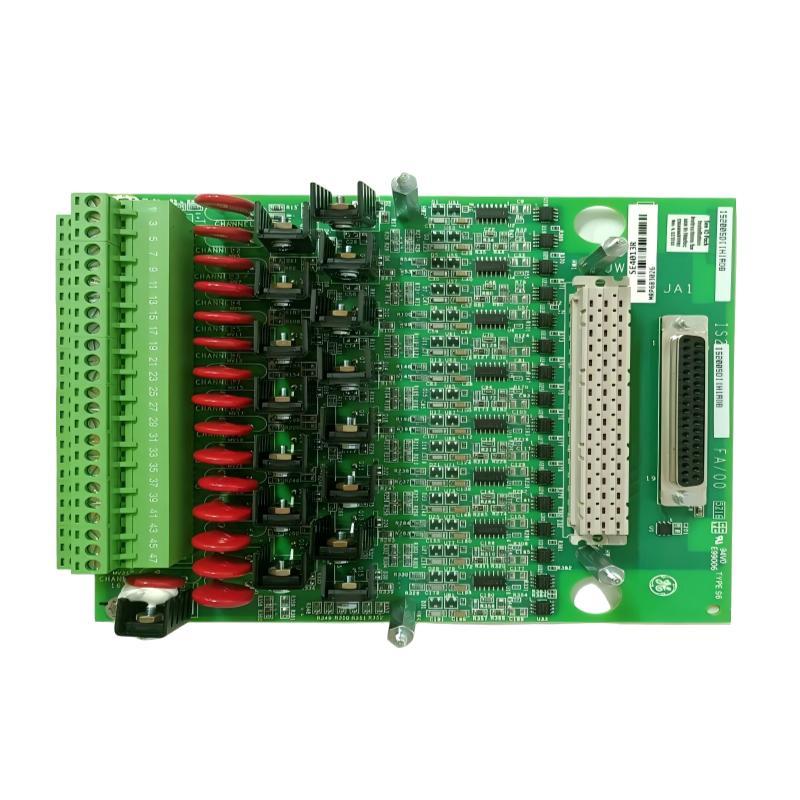
Product Overview
The GE IS230SDIIH1A Isolated Contact Input Assembly, associated with part number IS200SDIIH1ADB, is an industrial control component intended for contact-signal interfacing within compatible GE automation equipment. Contact input assemblies allow a control system to receive information from field devices such as switches, relay contacts, and other devices that provide defined electrical states.
In industrial environments, contact inputs are used to monitor equipment status, operating conditions, interlocks, and external control signals. Electrical isolation, where provided by the design, can help separate designated signal circuits and support reliable integration within the wider control architecture. The exact isolation method and electrical characteristics of this assembly must be confirmed from the applicable hardware documentation.
The IS230SDIIH1A is intended for use in a compatible control-system configuration where reliable signal connections and accurate status detection are important. Its precise input count, contact sensing method, supported voltage range, and terminal assignments should be verified before installation or replacement.
With listed dimensions of 245 × 170 × 35 mm and a weight of approximately 0.75 kg, the assembly can be considered during cabinet planning, maintenance preparation, and spare-parts inventory management.
Technical Specifications
| Parameter | Specification |
|---|---|
| Manufacturer | General Electric (GE) |
| Model | IS230SDIIH1A |
| Associated Part Number | IS200SDIIH1ADB |
| Product Type | Isolated Contact Input Assembly |
| Product Family | GE IS230 / IS200 Series |
| Primary Function | Contact-state input interfacing |
| Application | Industrial control and status monitoring |
| Installation | Compatible GE control-system configuration |
| Dimensions | 245 × 170 × 35 mm |
| Weight | 0.75 kg |
Note: The exact number of inputs, electrical ratings, isolation specifications, contact sensing requirements, and connector assignments should be verified against the documentation for the specific hardware revision.
Function and Working Principle
Contact input assemblies allow an automation system to detect the state of external electrical contacts. Depending on the application, these contacts may represent equipment running status, limit-switch position, relay state, permissive conditions, or alarm status.
The specific operating characteristics of the IS230SDIIH1A depend on its documented design and the control system in which it is installed. The following describes the general role of isolated contact input equipment.
Contact-State Detection
A field contact changes state when a connected device operates. The input interface detects the corresponding electrical condition and makes the state available to the designated control electronics.
Typical contact-based signals include:
- Equipment running or stopped status
- Switch position
- Relay contact state
- Limit-switch activation
- Interlock status
- External alarm indication
The exact signals supported by a particular installation depend on the wiring design and application requirements.
Electrical Signal Interface
The contact input assembly provides the connection between designated field circuits and the control system. Correct signal wiring and compatible electrical characteristics are essential for reliable state detection.
The permitted contact arrangement, input voltage, and any required external circuitry must be established from the equipment documentation rather than assumed from the model designation.
Isolation Considerations
Isolation can be important when contact circuits operate at different electrical potentials or when the control design requires separation between signal and control circuitry. The term isolated contact input indicates an isolation-related function, but the actual isolation method, ratings, and circuit boundaries must be confirmed for this specific assembly.
Transfer of Status Information
After the input state is detected, the information can be used by compatible control logic for monitoring, sequencing, interlocks, and alarm handling. The final response depends on the configuration of the host controller and the connected equipment.
Role in Industrial Automation Systems
Industrial automation relies on both continuous measurements and discrete status information. Analog signals represent changing process values, while contact inputs commonly communicate defined states such as open or closed.
Within a compatible GE control architecture, the IS230SDIIH1A can serve as part of the contact-input interface layer. It enables field contact information to be incorporated into the broader monitoring and control arrangement, subject to the capabilities of the installed hardware.
Typical system-level functions associated with contact input assemblies include:
- Receiving contact-state information from field devices
- Supporting equipment-status monitoring
- Providing input information for control logic
- Contributing to alarm and event detection
- Supporting interlock and permissive functions where configured
- Helping operators understand equipment operating conditions
An input assembly does not independently determine the complete control response. The host system’s logic, configuration, and safety design determine how each contact state is interpreted and used.
Industrial Applications
Turbine and Generator Control
Power-generation systems use contact signals to report equipment states, relay conditions, and selected operating events. Contact input interfaces can form part of the control system that collects this information.
Industrial Machinery
Manufacturing equipment uses switches and relay contacts to indicate positions, operating states, and interlock conditions. Correct input interfacing helps the control system distinguish between defined machine states.
Process Automation
Process facilities may use contact inputs to monitor valve limit switches, auxiliary equipment, external alarms, and other discrete conditions. The exact application depends on the electrical design and the connected field devices.
Equipment Protection and Interlocking
Control systems often use contact-state information as one input to permissive or interlock logic. Any function related to equipment protection or safety must be implemented and validated according to the approved system design; it should not be assumed solely from the presence of an input assembly.
Industrial Monitoring Systems
Contact inputs can complement analog measurements by indicating whether a device is active, inactive, open, closed, or in another defined state. Combining these signals helps operators interpret the broader operating condition of a machine or process.
The IS230SDIIH1A should only be assigned to applications confirmed to match its electrical and functional specifications.
Installation and System Integration
Correct installation is essential for dependable contact-state detection. Before handling or replacing the GE IS230SDIIH1A, verify its identity and confirm the intended wiring configuration.
1. Confirm Part Identification
Check both identifiers:
- IS230SDIIH1A
- IS200SDIIH1ADB
Compare the labels and revision information with the existing component and the host equipment’s parts documentation. Do not rely on physical appearance alone to establish compatibility.
2. Review the Electrical Drawings
Identify the contact circuits, terminal assignments, common connections, and any required external circuitry from the approved wiring diagrams. Confirm the input characteristics before connecting field devices.
3. Isolate the Equipment
Follow the applicable shutdown, electrical isolation, and electrostatic-discharge procedures before removing or installing the assembly. Ensure that connected circuits are handled according to the site’s safety requirements.
4. Inspect Connectors and Wiring
Check the assembly, connectors, and field conductors for damage, corrosion, contamination, loose connections, or signs of overheating. Verify that wiring labels correspond to the approved drawings.
5. Confirm Contact Compatibility
Ensure that the connected switches, relay contacts, or other devices are suitable for the specified input circuit. Do not assume a particular wetting voltage, input current, or contact arrangement without confirmation.
6. Verify Isolation Requirements
Where isolation is required by the system design, confirm the applicable ratings and circuit boundaries. The assembly should not be treated as a substitute for a separately required safety barrier or protection device unless the system documentation explicitly specifies that role.
7. Commission the Input Signals
After installation, verify each relevant contact state using the approved test procedure. Confirm that the host system receives the expected status and that the configured control response is correct before returning the equipment to normal operation.
Troubleshooting the IS230SDIIH1A
Contact input problems may originate from the field device, wiring, connector, input assembly, or host-system configuration. A systematic approach helps isolate the cause.
No Input State Detected
If the control system does not detect a contact transition, inspect the field contact, wiring continuity, terminal connections, and assembly installation. Verify the expected electrical condition at the designated test points using approved procedures.
Incorrect Contact Status
An incorrect status may be caused by wiring errors, an incompatible contact arrangement, a faulty switch or relay, an incorrect system configuration, or a problem in the input circuit. Compare the actual contact state with the status shown by the control system.
Intermittent Input Changes
Intermittent signals can result from loose terminals, worn contacts, damaged wiring, vibration, contamination, or unstable field-device operation. Inspect the circuit and determine whether the input changes correspond to real equipment activity.
Multiple Inputs Report Unexpected States
If several input signals behave abnormally at the same time, investigate shared wiring, common connections, power conditions, connectors, and the host-system configuration. A common issue may affect several signals without indicating that every input circuit has failed.
Isolation-Related Concerns
If measurements suggest unexpected electrical interaction between circuits, stop and review the approved wiring and isolation design. Testing should be performed only by qualified personnel using suitable procedures and equipment.
Maintenance Recommendations
Regular maintenance helps preserve reliable contact detection and reduce avoidable control-system interruptions.
- Inspect field contacts: Check switches and relays for wear, contamination, or mechanical damage.
- Check wiring integrity: Look for loose connections, damaged insulation, and deteriorated conductors.
- Verify connector condition: Inspect connection points for corrosion, contamination, or poor contact.
- Review status trends: Investigate unexpected or repeated state changes that cannot be explained by machine operation.
- Maintain accurate labels: Keep terminal and conductor identifiers consistent with current drawings.
- Inspect the installation environment: Protect the assembly from excessive dust, moisture, heat, and vibration.
- Document maintenance work: Record hardware identification, replacement details, wiring changes, and test results.
Any maintenance involving electrical connections should follow the approved procedures for the host system.
Compatible System Components
The IS230SDIIH1A should be integrated only with components confirmed to match its intended input function and electrical configuration. A typical contact-input arrangement may contain the following elements:
| Component | Typical Function |
|---|---|
| Field Switch or Relay Contact | Provides a discrete electrical state |
| Field Wiring | Transfers the contact signal |
| GE IS230SDIIH1A | Provides the designated isolated contact-input interface |
| Compatible Control Hardware | Receives or processes the input information |
| Control Processor | Applies configured control logic |
| Operator Interface | Displays status and relevant alarms |
| Industrial Control Cabinet | Houses the control assemblies and wiring |
This table describes a general industrial control arrangement. It does not confirm the exact direct connections or compatibility of every listed component. The actual signal path must be verified using the system documentation.
Replacement and Procurement Considerations
When sourcing a replacement for the GE IS230SDIIH1A Isolated Contact Input Assembly, confirm the complete part identification and the requirements of the existing installation. Assemblies with similar model numbers may have different input configurations or electrical characteristics.
Before purchasing, verify:
- Full model number: IS230SDIIH1A
- Associated part number: IS200SDIIH1ADB
- Hardware revision and board markings
- Input function and supported contact arrangement
- Electrical ratings and isolation requirements
- Connector and terminal configuration
- Host-system compatibility
- Physical dimensions and weight
The listed dimensions are 245 × 170 × 35 mm, and the listed weight is 0.75 kg. These values help with cabinet planning and inventory management but do not establish electrical interchangeability.
Before removing the existing assembly, document the wiring arrangement and relevant configuration details. After replacement, verify the input states and complete the required commissioning checks before restoring the system to normal service.
Technical FAQs
What is the GE IS230SDIIH1A?
The GE IS230SDIIH1A is identified as an Isolated Contact Input Assembly for compatible industrial control equipment.
What is the associated part number?
The associated part number supplied for this product is IS200SDIIH1ADB. Both identifiers should be checked when confirming a replacement.
What are the dimensions of the assembly?
The listed dimensions are 245 × 170 × 35 mm.
How much does the IS230SDIIH1A weigh?
The listed weight is approximately 0.75 kg.
What is an isolated contact input assembly used for?
It provides an interface for receiving contact-state information from compatible field devices. Isolation characteristics and supported contact arrangements depend on the specific hardware design.
Can the assembly be used with any switch or relay?
No. The connected device must be compatible with the assembly’s electrical requirements and contact arrangement. Verify the relevant specifications before wiring.
Can another GE input assembly replace the IS230SDIIH1A?
Not automatically. Confirm the part number, hardware revision, input characteristics, isolation requirements, connection layout, and host-system compatibility before selecting a substitute.
What should be checked if a contact signal is missing?
Inspect the field contact, wiring, connectors, input configuration, and associated control hardware. Follow the approved electrical test procedure to identify where the signal path is interrupted.
Conclusion
The GE IS230SDIIH1A IS200SDIIH1ADB Isolated Contact Input Assembly is an industrial control component intended to interface contact-state signals with compatible GE automation equipment. Contact input interfaces help control systems monitor field-device states, equipment conditions, and configured interlock or alarm information.
With listed dimensions of 245 × 170 × 35 mm and a weight of 0.75 kg, the assembly can be included in equipment inventories, maintenance planning, and replacement preparation. Reliable operation depends on correct part identification, suitable field-device connections, verified electrical characteristics, and proper system configuration.
Before installation or replacement, confirm the exact input arrangement, isolation specifications, terminal assignments, and host-system requirements. Careful wiring, systematic testing, and documented maintenance help support dependable industrial control operation.