

ProductPRODUCT
Featured products
Contact Us
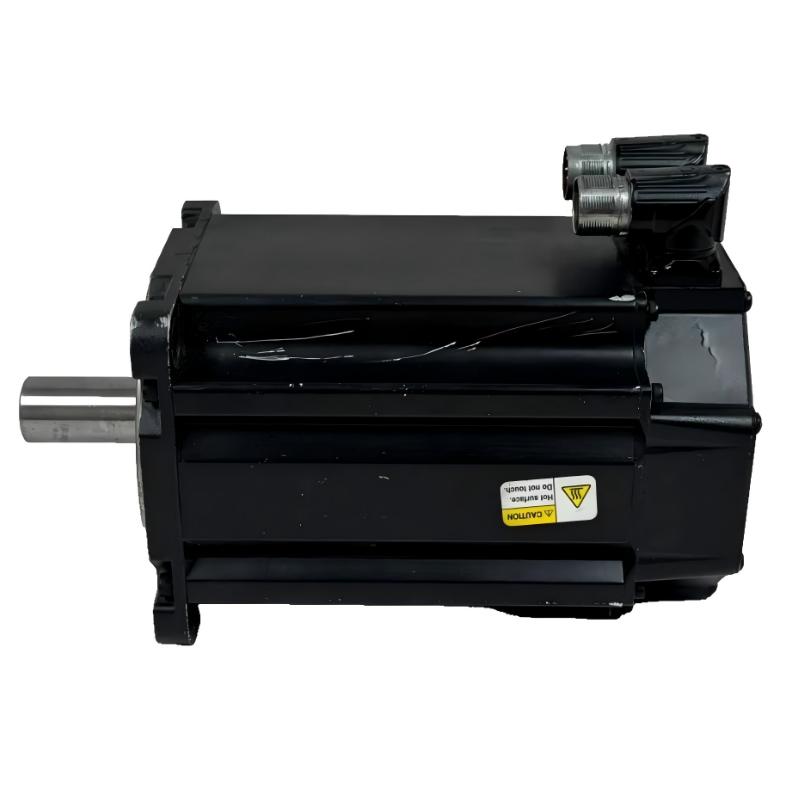
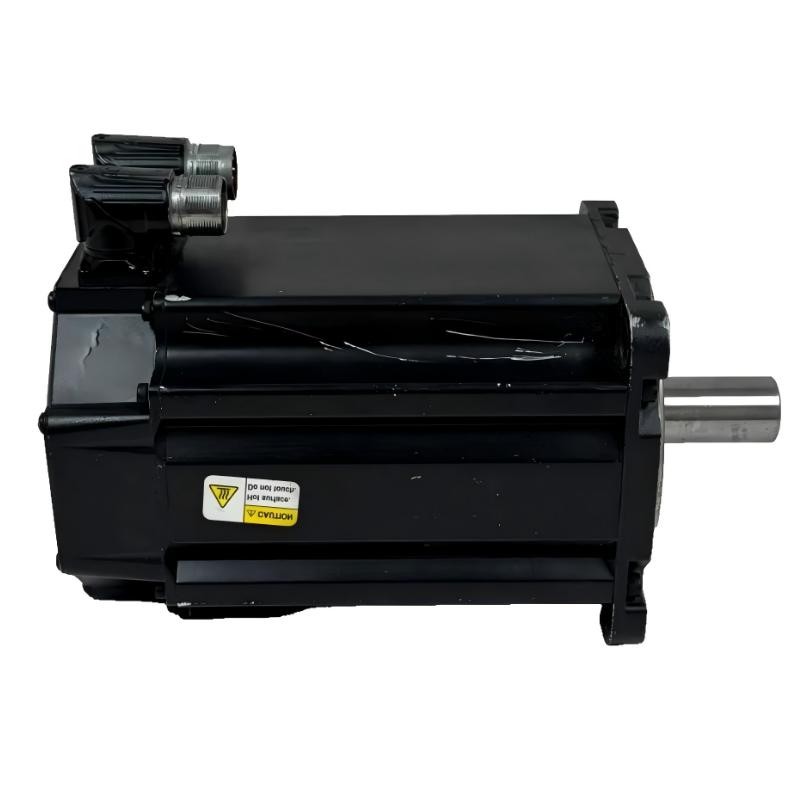
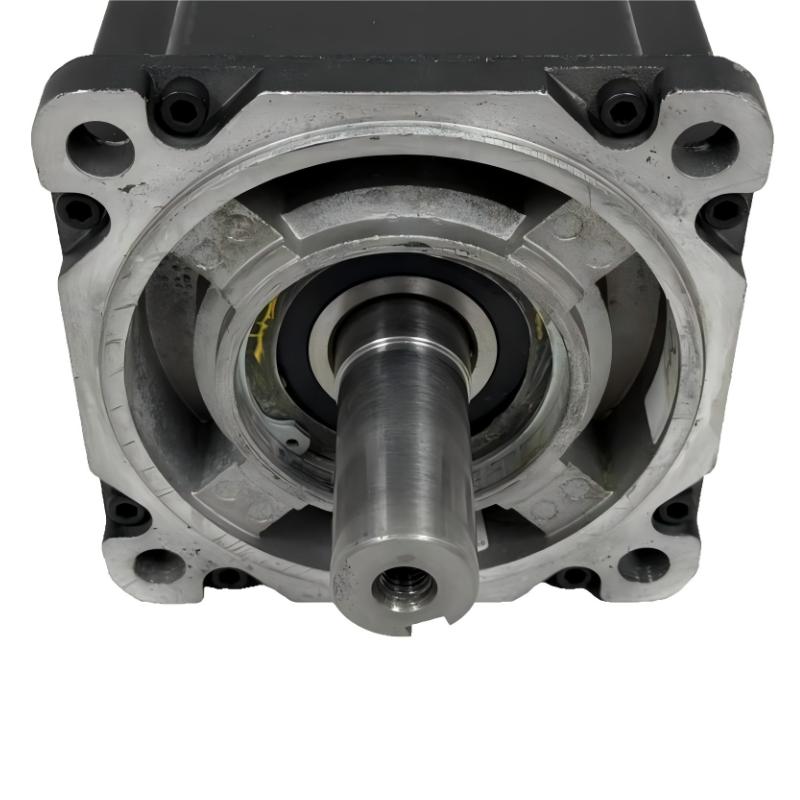
- Allen Bradley
- MPL-B680D-MJ74AA
- Low-Inertia Brushless Servo Motors Product
- USA
- 215 mm ×203.2 mm × 325 mm
- 40.4 kg
- Xiamen, China
- New & In Stock
- T/T, PayPal, Western Union
- 1 Year
- 1-3 Working Days
- DHL, UPS, TNT, FedEx and EMS.
- 24-Hour Service
- COO
- 13
Our advantage

Global Logistics
We have a 10-year logistics and express cooperation agreement, so our products can be shipped to any place in the world.

Brand new and original
Our products are imported in bulk from the place of origin. Because of the cooperative relationship, our products are all original and 100% new.

24-hour service
We provide 7*24 hours service to our customers. We will be there whenever you need us.

Price advantage
All our products are priced very favorably because we have our own warehouse and supply.
| Company Information | |||
| [email protected] | |||
| Mobile | +8615980777398 | ||
| +8615980777398 | |||
| 15980777398 |
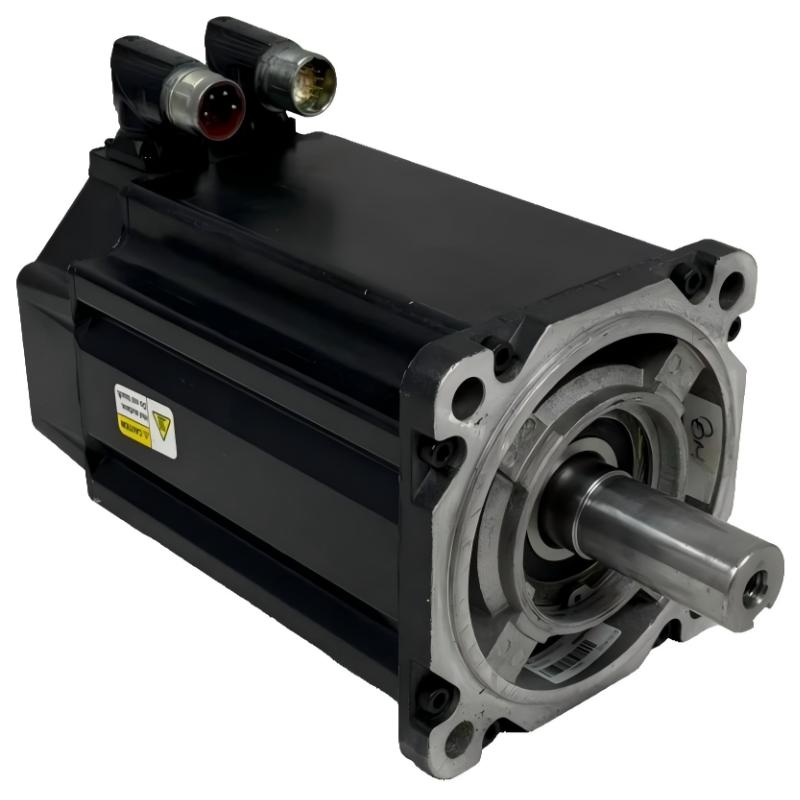
Allen-Bradley MPL-B680D-MJ74AA Low-Inertia Servo Motor – Detailed Product Specifications, Introduction, Applications, Advantages, and Model Recommendations
1. Product Overview
The Allen-Bradley MPL-B680D-MJ74AA is a high-capacity AC rotary servo motor from the MP-Series MPL Low-Inertia Brushless Servo Motor family. It is designed for demanding motion-control applications where high continuous torque, high peak torque, accurate positioning, and reliable feedback are required.
This model belongs to the larger-frame MPL motor range and is particularly suitable for applications that need substantially more torque than smaller MPL frame sizes can provide. Its 215 mm frame size and 203.2 mm motor stack provide a relatively large electromagnetic package, making the motor well suited to heavy-duty servo axes, large rotary mechanisms, vertical axes, material-handling equipment, machine tools, and other industrial automation systems.
The MPL-B680D-MJ74AA uses a 460 V-class motor design, a 2000 rpm speed class, multi-turn absolute feedback, a keyed shaft, and an integral 24 V DC holding brake.
The combination of a large frame, long stack, high continuous torque, high peak torque, absolute feedback, and integrated brake makes this model a strong choice when the application requires both substantial torque capacity and controlled positioning.
2. Basic Product Information
| Parameter | Specification |
|---|---|
| Brand | Allen-Bradley |
| Product Series | MP-Series |
| Motor Family | MPL Low-Inertia Brushless Servo Motors |
| Product Type | AC Rotary Servo Motor |
| Motor Design | Brushless permanent-magnet servo motor |
| Model | MPL-B680D-MJ74AA |
| Voltage Class | 460 V AC class |
| Frame Size | 6 / approximately 215 mm |
| Motor Stack Length | 80 / approximately 203.2 mm |
| Rated Speed | Approximately 2000 rpm |
| Maximum Speed | Approximately 2000 rpm class |
| Continuous Stall Torque | Approximately 62.8 N·m |
| Peak Stall Torque | Approximately 154.2 N·m |
| Rated Output | Approximately 9.3 kW |
| Rotor Inertia | Approximately 0.00775 kg·m² |
| Feedback Type | Multi-turn high-resolution absolute encoder |
| Feedback | Hiperface-type feedback |
| Feedback Resolution | Approximately 1024 Sin/Cos cycles per revolution class |
| Shaft Type | Keyed shaft |
| Holding Brake | Integral 24 V DC brake |
| Connector | SpeedTEC DIN right-angle connector |
| Connector Orientation | Approximately 180° rotatable |
| Mounting | IEC metric flange, Type FF |
| Mounting Holes | Free mounting holes |
| Bolt Circle | Approximately 215 mm |
| Shaft Seal | No standard shaft seal |
| Approximate Weight | 40.4 kg |
| Approximate Dimensions | 215 mm frame × 203.2 mm stack |
| Application Class | Industrial servo motion control |
3. Brand and Product Series
Brand: Allen-Bradley
The Allen-Bradley brand is widely associated with industrial automation, motion control, programmable control systems, servo systems, motor control, and factory automation equipment.
Within its motion-control product range, servo motors are designed to work as part of a complete motion system rather than as ordinary fixed-speed motors. A servo motor such as the MPL-B680D-MJ74AA is intended to operate with a suitable servo drive and feedback system so that speed, position, acceleration, deceleration, and torque can be controlled accurately.
For machine builders, this makes the MPL motor family particularly useful where ordinary induction motors or basic variable-frequency-drive systems cannot provide the required positioning accuracy or dynamic response.
4. Product Series: MP-Series MPL
The MPL-B680D-MJ74AA belongs to the MP-Series MPL Low-Inertia Brushless Servo Motor family.
The MPL family is based around brushless permanent-magnet servo motor technology. The low-inertia design is intended to provide responsive acceleration and deceleration while maintaining the torque required by industrial motion applications.
The MPL family covers multiple frame sizes, motor stack lengths, speed classes, feedback configurations, shaft configurations, and brake options.
The model code of the MPL-B680D-MJ74AA reflects several important configuration characteristics, although individual suffix interpretation should be treated as a general engineering guide rather than a substitute for the exact motor configuration documentation.
5. Model Number Interpretation
The model number is:
MPL-B680D-MJ74AA
A practical interpretation is shown below.
| Model Code | General Meaning |
|---|---|
| MPL | MPL low-inertia brushless servo motor family |
| B | 460 V-class motor |
| 6 | Frame size 6, approximately 215 mm |
| 80 | Approximately 203.2 mm motor stack |
| D | 2000 rpm speed class |
| M | Multi-turn absolute feedback |
| J | Keyed shaft configuration |
| 7 | SpeedTEC DIN right-angle connector configuration |
| 4 | Integral 24 V DC holding brake |
| AA | Model configuration suffix |
The most important point for selection is that this is not simply a large motor with a high power rating. The complete configuration combines the motor’s electromagnetic characteristics with its feedback, shaft, connector, and brake arrangement.
6. Detailed Technical Specifications
| Technical Parameter | MPL-B680D-MJ74AA |
|---|---|
| Model | MPL-B680D-MJ74AA |
| Brand | Allen-Bradley |
| Series | MP-Series MPL |
| Motor Family | MPL Low-Inertia Brushless Servo Motor |
| Motor Type | AC permanent-magnet servo motor |
| Voltage Class | 460 V AC class |
| Frame Size | 6 |
| Frame Diameter / Mounting Size | Approximately 215 mm |
| Stack Length | Approximately 203.2 mm |
| Rated Speed | Approximately 2000 rpm |
| Maximum Speed | Approximately 2000 rpm class |
| Continuous Stall Torque | Approximately 62.8 N·m |
| Peak Stall Torque | Approximately 154.2 N·m |
| Rated Power | Approximately 9.3 kW |
| Rotor Inertia | Approximately 0.00775 kg·m² |
| Feedback | Multi-turn absolute |
| Encoder Type | High-resolution Sin/Cos feedback |
| Feedback Protocol | Hiperface-type |
| Feedback Resolution | Approximately 1024 Sin/Cos cycles/rev class |
| Shaft | Keyed |
| Brake | Integral 24 V DC holding brake |
| Connector | SpeedTEC DIN right-angle type |
| Connector Rotation | Approximately 180° |
| Mounting | IEC metric flange |
| Mounting Style | Type FF |
| Mounting Holes | Free mounting holes |
| Bolt Circle | Approximately 215 mm |
| Shaft Seal | No standard shaft seal |
| Operating Temperature | Approximately 40 °C maximum class |
| Weight | Approximately 40.4 kg |
| Dimensions | Approximately 215 mm × 203.2 mm frame/stack |
| Rotor Construction | Low-inertia permanent-magnet rotor |
| Intended Drive | Compatible servo drive required |
| Typical Duty | Continuous servo motion / intermittent peak torque |
7. Dimensions
The MPL-B680D-MJ74AA is a large-frame servo motor. Its physical dimensions are important when designing the machine because the motor is considerably larger and heavier than smaller MPL models.
| Dimension Parameter | Approximate Value |
|---|---|
| Model | MPL-B680D-MJ74AA |
| Frame Size | 6 |
| Frame / Mounting Size | Approximately 215 mm |
| Motor Stack Length | Approximately 203.2 mm |
| Bolt Circle | Approximately 215 mm |
| Overall Envelope | Configuration-dependent |
| Shaft Extension | Configuration-dependent |
| Connector Envelope | Configuration-dependent |
| Brake Housing Envelope | Configuration-dependent |
| Mounting Style | IEC metric flange, Type FF |
The 215 mm × 203.2 mm figures should be understood as the principal frame and motor-stack dimensions rather than as a guaranteed complete machine-envelope dimension.
The actual installed envelope also depends on the shaft projection, connector orientation, cable bend radius, brake housing, mounting arrangement, and surrounding mechanical components.
For a machine design, sufficient clearance should therefore be allowed around the motor connector and shaft area rather than designing the enclosure around the motor body alone.
8. Weight
The approximate motor weight is:
40.4 kg
| Weight Parameter | Value |
|---|---|
| Model | MPL-B680D-MJ74AA |
| Approximate Motor Weight | 40.4 kg |
| Approximate Weight in Pounds | 89 lb |
| Brake Included | Yes |
| Installation Consideration | Mechanical lifting/support may be required |
At approximately 40.4 kg, this motor should not be treated as a lightweight servo motor during machine assembly.
When installed on a vertical machine structure, additional consideration should be given to flange strength, mounting bolts, structural rigidity, transportation vibration, and the possibility of using temporary mechanical support during installation.
9. Torque Performance
One of the strongest characteristics of the MPL-B680D-MJ74AA is its torque capacity.
The motor provides approximately 62.8 N·m of continuous stall torque and approximately 154.2 N·m of peak stall torque.
| Torque Parameter | Approximate Value |
|---|---|
| Model | MPL-B680D-MJ74AA |
| Continuous Stall Torque | 62.8 N·m |
| Peak Stall Torque | 154.2 N·m |
| Peak-to-Continuous Torque Ratio | Approximately 2.45:1 |
| Rated Power | Approximately 9.3 kW |
| Speed Class | 2000 rpm |
The continuous torque value is important when the motor must repeatedly produce substantial torque without exceeding its thermal limits.
The peak torque capability is particularly useful during acceleration, deceleration, indexing, positioning, or temporary load disturbances.
In practical machine design, the peak torque rating should not be interpreted as a torque that the motor can produce continuously. Peak torque is normally associated with limited-duration dynamic operation and must be evaluated together with the drive’s current capability, duty cycle, acceleration profile, and thermal conditions.
10. Speed and Power Characteristics
The MPL-B680D-MJ74AA is a 2000 rpm-class servo motor.
Compared with higher-speed MPL configurations, the 2000 rpm class is particularly attractive when the application places greater emphasis on torque than on extremely high rotational speed.
Its approximate rated output is 9.3 kW, placing it in a relatively high-power servo category.
| Parameter | MPL-B680D-MJ74AA |
|---|---|
| Model | MPL-B680D-MJ74AA |
| Speed Class | 2000 rpm |
| Rated Speed | Approximately 2000 rpm |
| Maximum Speed | Approximately 2000 rpm class |
| Rated Output | Approximately 9.3 kW |
| Continuous Stall Torque | Approximately 62.8 N·m |
| Peak Stall Torque | Approximately 154.2 N·m |
This combination makes the motor more appropriate for torque-intensive applications than for applications where extremely high shaft speed is the primary requirement.
For example, a machine with a large rotating mass may benefit from the available torque during acceleration and deceleration even if the final operating speed is relatively moderate.
11. Low-Inertia Rotor Design
The MPL series uses a low-inertia rotor design intended to provide rapid dynamic response.
The approximate rotor inertia of the MPL-B680D-MJ74AA is:
0.00775 kg·m²
| Parameter | Value |
|---|---|
| Model | MPL-B680D-MJ74AA |
| Rotor Inertia | Approximately 0.00775 kg·m² |
| Motor Design | Low-inertia permanent-magnet rotor |
| Primary Benefit | Faster dynamic response |
| Typical Advantage | Rapid acceleration/deceleration |
Low rotor inertia is valuable because the servo drive does not need to accelerate as much motor-side rotating mass.
This can help improve acceleration response, reduce settling time, and make the motor easier to control dynamically.
However, the total inertia of the machine must always be considered. A low-inertia motor does not automatically mean that the entire mechanical system has low inertia.
A large roller, flywheel, gearbox, screw, pulley, or other mechanical load can dominate the overall reflected inertia.
12. Multi-Turn Absolute Feedback
The M configuration in the model indicates a multi-turn absolute feedback arrangement.
This is one of the important differences between the MPL-B680D-MJ74AA and simpler feedback configurations.
A multi-turn absolute encoder can retain information about shaft position over multiple revolutions. This is especially valuable for applications where the machine needs reliable position information after power interruption or where the mechanical axis travels through many revolutions.
Typical applications include:
- Long-travel linear axes.
- Ball-screw positioning systems.
- Rotary indexing mechanisms.
- Vertical positioning systems.
- Automated material-handling axes.
- Machine-tool axes.
- Large rotary tables.
- Conveyor positioning mechanisms.
The high-resolution feedback also allows the servo drive to monitor motor position and speed with considerably more information than would be available from a simple incremental feedback device.
13. Feedback Resolution
The feedback system is in the high-resolution Sin/Cos class, with approximately 1024 cycles per revolution as a general specification reference.
| Feedback Parameter | Specification |
|---|---|
| Model | MPL-B680D-MJ74AA |
| Feedback Type | Multi-turn absolute |
| Resolution Class | High-resolution |
| Signal Type | Sin/Cos |
| Approximate Cycles | 1024 cycles/revolution class |
| Feedback Protocol | Hiperface-type |
| Main Function | Position and speed feedback |
The encoder should be regarded as an important part of the overall servo control loop.
The motor itself produces torque, but the feedback device allows the drive to determine what the motor is actually doing. This feedback is fundamental to accurate positioning, velocity control, torque regulation, and dynamic compensation.
14. Integral 24 V DC Holding Brake
The MPL-B680D-MJ74AA includes an integral 24 V DC holding brake.
This is especially useful in vertical-axis applications.
For example, a vertical machine axis may have a heavy mechanical load that could move downward when servo torque is removed. The motor brake can provide a holding function when the motor is not actively controlling the axis.
| Brake Parameter | Specification |
|---|---|
| Model | MPL-B680D-MJ74AA |
| Brake | Integral holding brake |
| Brake Voltage | 24 V DC |
| Brake Type | Holding brake |
| Main Purpose | Holding the axis when motor torque is removed |
| Typical Application | Vertical and gravity-loaded axes |
The brake should not automatically be treated as a substitute for a complete safety system.
In applications involving personnel safety, suspended loads, or hazardous motion, the complete machine safety design must consider mechanical brakes, safety-rated controls, load retention, emergency stopping, and applicable machine safety requirements.
15. Keyed Shaft
The motor uses a keyed shaft configuration.
A keyed shaft is useful where the motor is mechanically coupled to a pulley, coupling, gear, sprocket, or other rotating component that requires positive mechanical torque transmission.
| Shaft Parameter | Specification |
|---|---|
| Model | MPL-B680D-MJ74AA |
| Shaft Type | Keyed |
| Mechanical Connection | Key-and-coupling compatible |
| Typical Uses | Couplings, pulleys, gears, mechanical transmissions |
| Shaft Seal | No standard shaft seal |
The mechanical coupling should be selected carefully.
Even when the motor has sufficient torque capacity, excessive radial load, axial load, shaft misalignment, or poorly balanced mechanical components can shorten bearing life and reduce machine reliability.
16. SpeedTEC DIN Right-Angle Connector
The motor uses a SpeedTEC DIN right-angle connector configuration.
The connector can provide useful flexibility when the motor is installed in a compact machine enclosure.
| Connector Parameter | Specification |
|---|---|
| Model | MPL-B680D-MJ74AA |
| Connector Type | SpeedTEC DIN |
| Configuration | Right-angle |
| Rotation | Approximately 180° |
| Benefit | Flexible cable routing |
| Installation Advantage | Helps accommodate restricted machine space |
The connector orientation is particularly important during machine design.
The motor may physically fit into the machine, but the connector and cable bend radius still need enough clearance.
Cable routing should avoid sharp bends, excessive mechanical tension, abrasion, heat sources, and unnecessary movement.
17. Mounting Arrangement
The MPL-B680D-MJ74AA uses an IEC metric flange mounting arrangement, associated with a Type FF configuration.
| Mounting Parameter | Specification |
|---|---|
| Model | MPL-B680D-MJ74AA |
| Mounting Type | Flange mounting |
| Standard | IEC metric style |
| Flange Type | Type FF |
| Frame Size | Approximately 215 mm |
| Bolt Circle | Approximately 215 mm |
| Mounting Holes | Free mounting holes |
Because this is a large servo motor, the mechanical mounting surface should be sufficiently rigid.
A flexible mounting plate can introduce vibration and positioning errors.
For high-precision servo applications, mechanical rigidity is just as important as encoder resolution.
18. Product Introduction in Practical Terms
The MPL-B680D-MJ74AA can be viewed as a large-frame, torque-oriented servo motor for demanding industrial motion applications.
It is not primarily intended as a small, lightweight servo motor for compact automation equipment.
Instead, its main value comes from its ability to combine relatively high continuous torque with substantial peak torque while retaining the controllability and feedback characteristics expected from a servo motor.
The 215 mm frame and 203.2 mm stack provide a substantial electromagnetic package.
This gives the motor the ability to handle applications where smaller servo motors may lack the necessary continuous torque or acceleration capability.
The integrated brake further expands the range of applications, particularly where the motor has to support a load on a vertical axis.
19. Main Advantages
19.1 High Continuous Torque
Approximately 62.8 N·m continuous stall torque provides substantial torque capacity for heavy-duty servo applications.
This makes the motor suitable for large mechanical loads, high-friction mechanisms, and axes that require sustained torque.
19.2 High Peak Torque
With approximately 154.2 N·m peak stall torque, the motor has significant short-duration torque capacity.
This can be useful for rapid acceleration, deceleration, indexing, load changes, and overcoming temporary peak loads.
19.3 Multi-Turn Absolute Feedback
The multi-turn absolute feedback configuration is valuable when position information must be retained over multiple motor revolutions.
This is especially useful in long-travel and positioning applications.
19.4 Integrated Holding Brake
The 24 V DC holding brake makes the motor particularly suitable for vertical axes.
It can help hold the mechanical load when servo torque is removed, subject to the limitations and requirements of the complete machine design.
19.5 Low-Inertia Servo Construction
The low-inertia rotor design supports responsive motion control.
This is useful when the machine needs rapid acceleration and deceleration rather than simply rotating continuously at a fixed speed.
19.6 2000 rpm Torque-Oriented Configuration
A 2000 rpm class motor can be attractive when high torque is more important than extremely high rotational speed.
It can be a good fit for large rotary mechanisms, heavy linear axes, and mechanical systems with substantial reflected inertia.
19.7 Keyed Shaft
The keyed shaft provides a familiar mechanical interface for industrial couplings and other torque-transmitting components.
This is useful when integrating the motor into conventional machine mechanisms.
19.8 Flexible Connector Orientation
The right-angle connector arrangement provides more freedom when designing cable routing and motor installation.
This can be helpful in compact machine structures where a straight connector would create unnecessary clearance problems.
20. Typical Applications
Packaging Machinery
The motor can be used for high-torque axes in packaging equipment, particularly where a large mechanical load must be accelerated, positioned, or synchronized accurately.
Potential applications include:
- Rotary packaging mechanisms.
- Film handling systems.
- Large indexing systems.
- Product positioning axes.
- High-load conveyor sections.
- Cutting and forming mechanisms.
Automated Assembly
Large automated assembly machines sometimes require high-torque servo axes for positioning heavy fixtures, tools, or workpieces.
The motor’s feedback system can provide accurate position information while the high torque capacity allows the machine to handle substantial mechanical loads.
Material Handling
Material-handling systems can benefit from the motor’s high continuous torque.
Possible uses include:
- Heavy conveyor drives.
- Transfer systems.
- Positioning tables.
- Lift mechanisms.
- Automated storage equipment.
- Large roller systems.
Vertical Axes
The integrated brake makes the MPL-B680D-MJ74AA particularly interesting for vertical-axis applications.
Examples include:
- Z-axis mechanisms.
- Vertical transfer units.
- Lifting platforms.
- Vertical positioning tables.
- Automated handling lifts.
- Gravity-loaded machine axes.
In these applications, the brake can provide holding capability when the servo motor is not actively producing torque.
Machine Tools
The motor can also be considered for large machine-tool axes where the required torque and dynamic response fall within its operating range.
Potential applications include:
- Large positioning axes.
- Rotary mechanisms.
- Auxiliary machine axes.
- High-load tool positioning systems.
Printing and Converting Equipment
Printing and converting machinery often requires accurate synchronization between multiple rotating or translating components.
The combination of servo feedback, torque capability, and dynamic control makes this type of motor useful for high-load motion axes.
21. Applications Where the Brake Is Especially Useful
The integrated brake becomes particularly valuable when the motor is connected to a load that could move because of gravity.
| Application | Reason for Brake |
|---|---|
| Vertical lifting axis | Helps hold the load when servo torque is removed |
| Z-axis machine mechanism | Prevents unwanted movement during stopped conditions |
| Vertical transfer system | Helps maintain position |
| Lift platform | Supports holding function |
| Heavy vertical actuator | Provides additional holding capability |
| Gravity-loaded positioning axis | Reduces risk of uncontrolled movement |
The brake is primarily a holding device. It should not automatically be considered a dynamic stopping device or a complete safety brake.
22. Five Related MPL Models
The following models are useful for comparison because they are either closely related to the MPL-B680D-MJ74AA or share the same general frame, stack, feedback, speed, or brake configuration.
| Model | Frame / Stack | Speed | Feedback | Brake | Continuous Torque | Peak Torque | Power | Weight |
|---|---|---|---|---|---|---|---|---|
| MPL-B680D-MJ72AA | 215 mm / 203.2 mm | 2000 rpm | Multi-turn absolute | No | Approx. 62.8 N·m | Approx. 154.2 N·m | Approx. 9.3 kW | Approx. 40.4 kg |
| MPL-B680D-SJ74AA | 215 mm / 203.2 mm | 2000 rpm | Single-turn absolute | 24 V DC | Approx. 62.8 N·m | Approx. 154.2 N·m | Approx. 9.3 kW | Approx. 40–45 kg |
| MPL-B680D-SJ72AA | 215 mm / 203.2 mm | 2000 rpm | Single-turn absolute | No | Approx. 62.8 N·m | Approx. 154.2 N·m | Approx. 9.3 kW | Approx. 40–45 kg |
| MPL-B680F-MJ74AA | 215 mm / 203.2 mm | 3000 rpm class | Multi-turn absolute | 24 V DC | Approx. 60 N·m | Approx. 108.5 N·m | Approx. 7.5 kW | Approx. 40.4 kg |
| MPL-B660F-MJ74AA | 215 mm / 152.4 mm | 3000 rpm | Multi-turn absolute | 24 V DC | Approx. 48 N·m | Approx. 101.1 N·m | Approx. 6.15 kW | Approx. 35 kg class |
MPL-B680D-MJ72AA
This is one of the closest alternatives because it retains the same basic 215 mm frame, 203.2 mm stack, 2000 rpm class, multi-turn absolute feedback, and keyed shaft.
The major difference is the absence of the integrated brake.
For a horizontal axis where a holding brake is unnecessary, the MPL-B680D-MJ72AA can be a more straightforward configuration.
MPL-B680D-SJ74AA
This model is closely related in physical size and torque capability but uses a single-turn feedback configuration.
The integral 24 V DC brake makes it attractive for applications that need braking but do not require the multi-turn feedback configuration.
MPL-B680D-SJ72AA
This model is another useful comparison when the machine requires the same general 2000 rpm, high-torque configuration but does not require either a multi-turn feedback system or an integrated brake.
MPL-B680F-MJ74AA
This model moves toward the 3000 rpm class while retaining the large 215 mm frame and 203.2 mm stack.
It is useful when the application needs higher rotational speed and still requires a large servo motor.
Its torque and power characteristics differ from the 2000 rpm MPL-B680D-MJ74AA, so the selection should be based on the machine’s actual torque-speed curve rather than simply choosing the higher-speed model.
MPL-B660F-MJ74AA
The MPL-B660F-MJ74AA uses the same approximate 215 mm frame but a shorter 152.4 mm stack.
It therefore represents a smaller motor package within the same general frame family.
Its approximately 48 N·m continuous torque is lower than the MPL-B680D-MJ74AA, making it a useful alternative when the machine requires less torque and a shorter motor body is desirable.
23. Five Same-Brand Commonly Compared Models
The following five models are useful same-brand comparison choices when selecting a servo motor for a new machine.
| Model | Series | Frame / Stack | Speed | Feedback | Brake | Continuous Torque | Peak Torque | Dimensions | Weight |
|---|---|---|---|---|---|---|---|---|---|
| MPL-B640F-MJ72AA | MP-Series MPL | 215 / 101.6 mm | 3000 rpm | Multi-turn absolute | No | Approx. 36.7 N·m | Approx. 72.3 N·m | Approx. 215 × 101.6 mm | Approx. 26.8 kg |
| MPL-B640F-MJ74AA | MP-Series MPL | 215 / 101.6 mm | 3000 rpm | Multi-turn absolute | 24 V DC | Approx. 36.7 N·m | Approx. 72.3 N·m | Approx. 215 × 101.6 mm | Approx. 26.8 kg class |
| MPL-B660F-MJ72AA | MP-Series MPL | 215 / 152.4 mm | 3000 rpm | Multi-turn absolute | No | Approx. 48 N·m class | Approx. 100 N·m class | Approx. 215 × 152.4 mm | Approx. 35 kg class |
| MPL-B660F-MJ74AA | MP-Series MPL | 215 / 152.4 mm | 3000 rpm | Multi-turn absolute | 24 V DC | Approx. 48 N·m | Approx. 101.1 N·m | Approx. 215 × 152.4 mm | Approx. 35 kg class |
| MPL-B680D-MJ72AA | MP-Series MPL | 215 / 203.2 mm | 2000 rpm | Multi-turn absolute | No | Approx. 62.8 N·m | Approx. 154.2 N·m | Approx. 215 × 203.2 mm | Approx. 40.4 kg |
24. Comparison of the MPL Frame Sizes
One useful way to understand these motors is to look at their stack lengths.
| Model | Frame | Stack Length | General Torque Level | General Position |
|---|---|---|---|---|
| MPL-B640F-MJ72AA | 215 mm | 101.6 mm | Lower | Compact high-speed option |
| MPL-B660F-MJ74AA | 215 mm | 152.4 mm | Medium-high | Balanced torque/size |
| MPL-B680D-MJ74AA | 215 mm | 203.2 mm | High | High-torque option |
The stack length is particularly useful when comparing motors with the same general frame diameter.
A longer electromagnetic stack generally allows the motor to produce more torque, although actual motor performance also depends on winding configuration, speed class, voltage, thermal design, and other characteristics.
25. MPL-B680D-MJ74AA vs MPL-B680D-MJ72AA
| Feature | MPL-B680D-MJ74AA | MPL-B680D-MJ72AA |
|---|---|---|
| Frame | 215 mm | 215 mm |
| Stack | 203.2 mm | 203.2 mm |
| Speed | 2000 rpm | 2000 rpm |
| Feedback | Multi-turn absolute | Multi-turn absolute |
| Shaft | Keyed | Keyed |
| Brake | 24 V DC | No brake |
| Continuous Torque | Approx. 62.8 N·m | Approx. 62.8 N·m |
| Peak Torque | Approx. 154.2 N·m | Approx. 154.2 N·m |
| Power | Approx. 9.3 kW | Approx. 9.3 kW |
| Weight | Approx. 40.4 kg | Approx. 40.4 kg class |
| Best Fit | Vertical/braked axes | Horizontal/non-braked axes |
The main selection question is whether the machine actually needs the integrated brake.
If the motor is installed on a horizontal axis with no gravity-driven movement, the no-brake version can simplify the configuration.
For a vertical axis, the brake version is generally more attractive.
26. MPL-B680D-MJ74AA vs MPL-B680F-MJ74AA
| Feature | MPL-B680D-MJ74AA | MPL-B680F-MJ74AA |
|---|---|---|
| Frame | 215 mm | 215 mm |
| Stack | 203.2 mm | 203.2 mm |
| Speed Class | 2000 rpm | 3000 rpm class |
| Feedback | Multi-turn absolute | Multi-turn absolute |
| Brake | 24 V DC | 24 V DC |
| Continuous Torque | Approx. 62.8 N·m | Approx. 60 N·m |
| Peak Torque | Approx. 154.2 N·m | Approx. 108.5 N·m |
| Power | Approx. 9.3 kW | Approx. 7.5 kW |
| Rotor Inertia | Approx. 0.00775 kg·m² | Approx. 0.00775 kg·m² |
| Weight | Approx. 40.4 kg | Approx. 40.4 kg |
| Primary Advantage | Higher torque | Higher speed capability |
The MPL-B680D-MJ74AA is the stronger choice when torque is the primary requirement.
The MPL-B680F-MJ74AA becomes more interesting when higher rotational speed is more important.
27. MPL-B680D-MJ74AA vs MPL-B660F-MJ74AA
| Feature | MPL-B680D-MJ74AA | MPL-B660F-MJ74AA |
|---|---|---|
| Frame | 215 mm | 215 mm |
| Stack | 203.2 mm | 152.4 mm |
| Speed | 2000 rpm | 3000 rpm |
| Feedback | Multi-turn absolute | Multi-turn absolute |
| Brake | 24 V DC | 24 V DC |
| Continuous Torque | Approx. 62.8 N·m | Approx. 48 N·m |
| Peak Torque | Approx. 154.2 N·m | Approx. 101.1 N·m |
| Power | Approx. 9.3 kW | Approx. 6.15 kW |
| Rotor Inertia | Approx. 0.00775 kg·m² | Approx. 0.0058 kg·m² |
| Weight | Approx. 40.4 kg | Approx. 35 kg class |
| Main Difference | Larger, higher torque | Shorter, lighter |
The MPL-B660F-MJ74AA may be preferable when machine space is restricted or the torque requirement is lower.
The MPL-B680D-MJ74AA is more suitable when the machine requires greater continuous and peak torque.
28. Engineering Considerations Before Selection
Selecting a servo motor should not be based only on the motor’s maximum torque.
The complete application should be evaluated using:
- Load torque.
- Acceleration torque.
- Deceleration torque.
- Required operating speed.
- Duty cycle.
- Load inertia.
- Reflected inertia.
- Gear ratio.
- Screw lead.
- Pulley diameter.
- Mechanical efficiency.
- Vertical load.
- Brake requirement.
- Feedback requirement.
- Environmental conditions.
- Drive compatibility.
- Cable length.
- Installation orientation.
The motor must be capable of satisfying both the continuous thermal requirement and the dynamic peak requirement.
29. Inertia Matching
For servo applications, inertia matching is an important consideration.
A motor with low rotor inertia can respond quickly, but the mechanical load may still have very high inertia.
Examples include:
- Large rollers.
- Heavy rotary tables.
- Flywheels.
- Long screws.
- Large pulleys.
- Gear-driven mechanisms.
- Heavy linear stages.
The mechanical transmission ratio can significantly change the load inertia reflected back to the motor.
Therefore, the MPL-B680D-MJ74AA should be selected based on the complete reflected inertia of the machine, not simply the motor’s own rotor inertia.
30. Thermal Considerations
The continuous torque rating is closely related to thermal conditions.
A servo motor can produce high torque for a limited time, but continuous high torque produces heat.
The actual allowable performance depends on factors such as:
- Ambient temperature.
- Mounting orientation.
- Machine enclosure.
- Cooling conditions.
- Duty cycle.
- Acceleration frequency.
- Continuous operating speed.
- Load profile.
- Surrounding heat sources.
For applications with frequent high-load operation, the motor should be evaluated using the complete duty cycle rather than only the highest instantaneous torque.
31. Installation Considerations
Because the motor weighs approximately 40.4 kg, mechanical installation deserves particular attention.
The mounting structure should have adequate rigidity and strength.
The mounting flange should be properly aligned with the driven equipment.
The shaft should be aligned carefully with the coupling or transmission.
Excessive shaft misalignment can create additional bearing loading.
The motor should also have sufficient clearance for connector installation and cable routing.
The brake wiring and feedback wiring should be installed according to the requirements of the selected servo system.
32. Maintenance Considerations
The MPL-B680D-MJ74AA is designed as an industrial servo motor, but good maintenance practices remain important.
Regular inspection should focus on:
- Motor mounting bolts.
- Mechanical coupling condition.
- Shaft alignment.
- Cable condition.
- Connector condition.
- Brake operation.
- Abnormal vibration.
- Bearing noise.
- Excessive motor temperature.
- Feedback-related faults.
- Mechanical backlash.
- Contamination around the motor.
The motor should not be operated in an environment beyond its specified environmental limits.
Where the application involves dust, moisture, oil, coolant, or other contaminants, the actual motor protection requirements should be evaluated before installation.
33. Selection Guide
The MPL-B680D-MJ74AA is a particularly good candidate when the following conditions apply:
Choose this model when:
- High continuous torque is required.
- High peak torque is required.
- The machine uses a large mechanical load.
- A 2000 rpm class motor is suitable.
- Multi-turn absolute feedback is beneficial.
- A keyed shaft is required.
- A 24 V DC holding brake is required.
- The application contains a vertical axis.
- The machine requires a relatively large servo motor.
- The available mounting structure can accommodate a 215 mm frame.
- Approximately 40.4 kg motor weight is acceptable.
34. When a Smaller MPL Motor May Be Better
The MPL-B680D-MJ74AA is powerful, but larger is not always better.
A smaller MPL model may be more appropriate when:
- The load torque is relatively low.
- The machine has limited installation space.
- Lower motor weight is important.
- The machine requires higher speed rather than higher torque.
- The motor’s continuous torque capacity would otherwise be substantially underutilized.
- The machine requires a smaller mechanical flange or shorter body.
For example, an MPL-B640F or MPL-B660F configuration may be more appropriate for a lower-load application.
35. When the No-Brake Version May Be Better
The MPL-B680D-MJ72AA is a particularly useful comparison.
If the machine is a horizontal axis and there is no need for the motor to hold a gravity-loaded load when servo power is removed, the no-brake configuration can be attractive.
The decision can therefore be summarized as:
| Application Requirement | Recommended Direction |
|---|---|
| Vertical axis | MPL-B680D-MJ74AA |
| Gravity-loaded axis | MPL-B680D-MJ74AA |
| Brake required | MPL-B680D-MJ74AA |
| Horizontal heavy axis | MPL-B680D-MJ72AA may be suitable |
| Multi-turn feedback required | MPL-B680D-MJ74AA / MJ72AA |
| Single-turn feedback sufficient | SJ configurations may be considered |
| Higher speed required | MPL-B680F configurations may be considered |
| Lower torque required | MPL-B660F or MPL-B640F may be considered |
36. Overall Technical Summary
| Item | MPL-B680D-MJ74AA |
|---|---|
| Brand | Allen-Bradley |
| Series | MP-Series MPL |
| Product Family | MPL Low-Inertia Brushless Servo Motor |
| Motor Type | AC rotary permanent-magnet servo motor |
| Model | MPL-B680D-MJ74AA |
| Voltage Class | 460 V AC class |
| Frame | 215 mm |
| Stack | 203.2 mm |
| Speed | 2000 rpm class |
| Continuous Torque | Approx. 62.8 N·m |
| Peak Torque | Approx. 154.2 N·m |
| Rated Output | Approx. 9.3 kW |
| Rotor Inertia | Approx. 0.00775 kg·m² |
| Feedback | Multi-turn absolute |
| Encoder | High-resolution Sin/Cos |
| Feedback Protocol | Hiperface-type |
| Shaft | Keyed |
| Brake | Integral 24 V DC |
| Connector | SpeedTEC DIN right-angle |
| Mounting | IEC metric flange / Type FF |
| Bolt Circle | Approx. 215 mm |
| Dimensions | Approx. 215 × 203.2 mm frame/stack |
| Weight | Approx. 40.4 kg |
| Typical Application | Heavy-duty servo motion |
| Main Strength | High torque with absolute feedback and integrated brake |
37. Final Evaluation
The Allen-Bradley MPL-B680D-MJ74AA is best understood as a large, high-torque, low-inertia industrial servo motor designed for demanding motion-control applications.
Its combination of approximately 62.8 N·m continuous torque, approximately 154.2 N·m peak torque, approximately 9.3 kW output, 2000 rpm speed class, multi-turn absolute feedback, keyed shaft, and 24 V DC holding brake gives it a strong position in applications where both mechanical power and precise servo control are required.
Its large 215 mm frame and 203.2 mm stack make it physically substantial, and the approximately 40.4 kg weight should be taken seriously during machine design and installation.
The most significant advantages are its high torque capability, multi-turn feedback, low-inertia servo construction, integrated holding brake, and suitability for heavy industrial axes.
For a vertical, high-load, torque-intensive servo axis, the MPL-B680D-MJ74AA is a particularly logical configuration.
For a horizontal axis without a brake requirement, the closely related MPL-B680D-MJ72AA can be considered.
For applications where higher rotational speed is more important, the MPL-B680F-MJ74AA provides a useful comparison.
For applications where lower torque, lower weight, or a shorter motor body is preferred, the MPL-B660F-MJ74AA or MPL-B640F-MJ72AA may be more appropriate.
Overall, the MPL-B680D-MJ74AA is a strong choice for large automated machinery, heavy positioning systems, vertical axes, material-handling equipment, machine tools, packaging equipment, rotary mechanisms, and other industrial applications that require a combination of high torque, accurate feedback, dynamic response, and reliable holding capability.