

ProductPRODUCT
Featured products
Contact Us
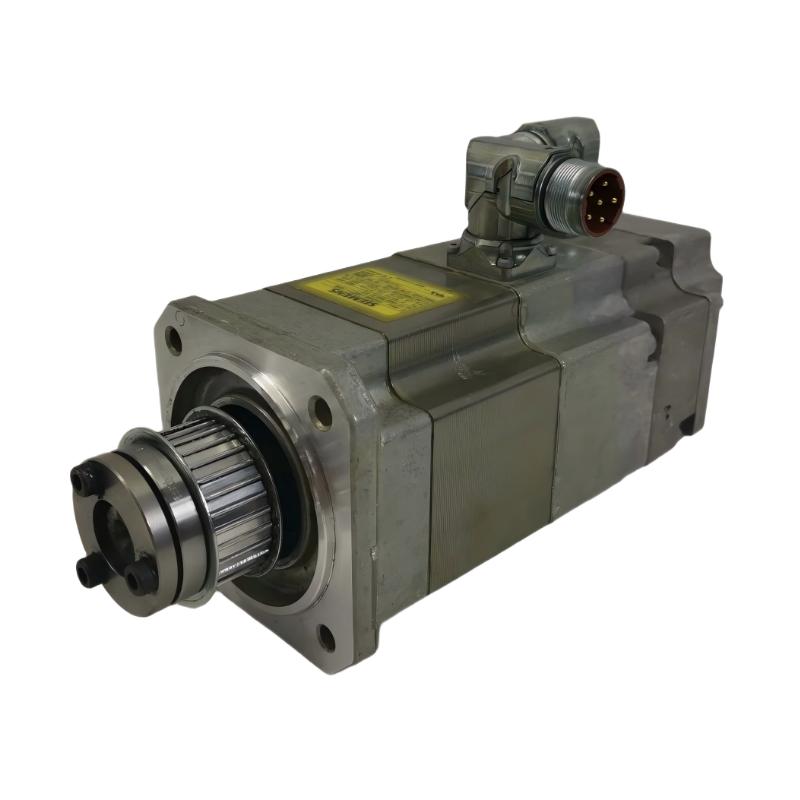
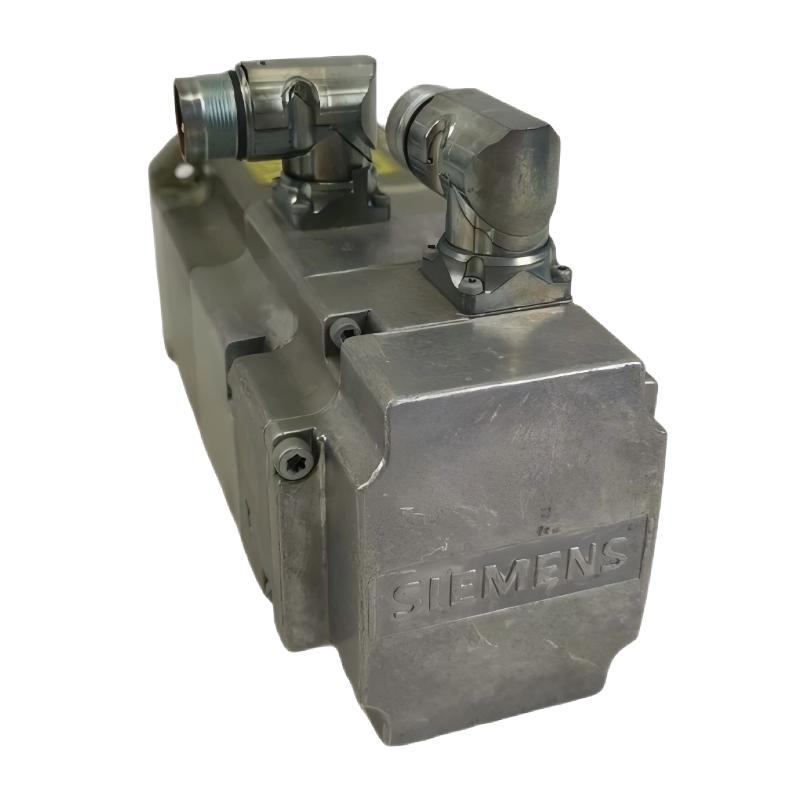
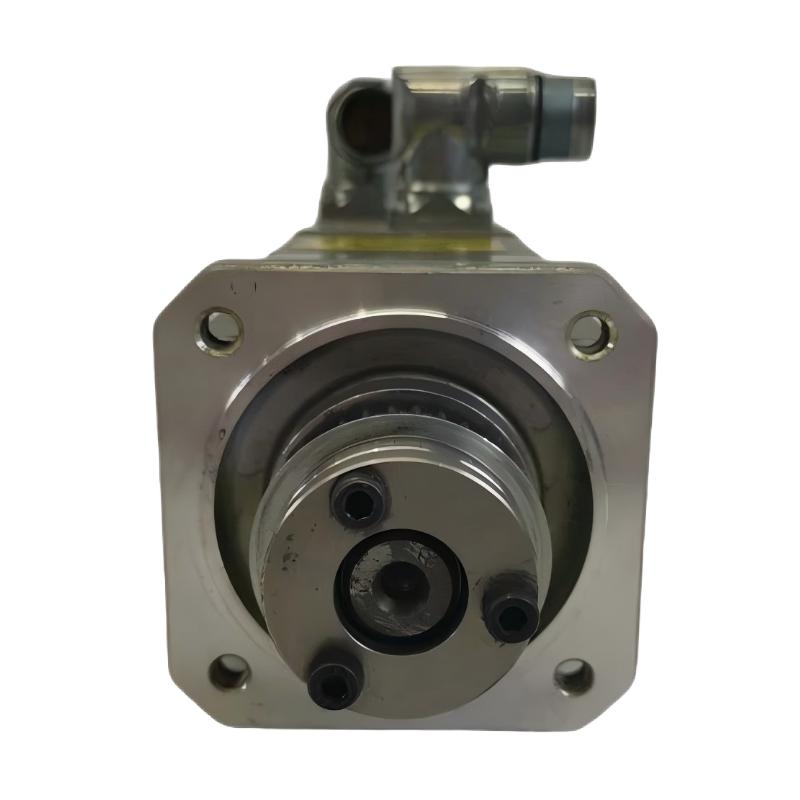
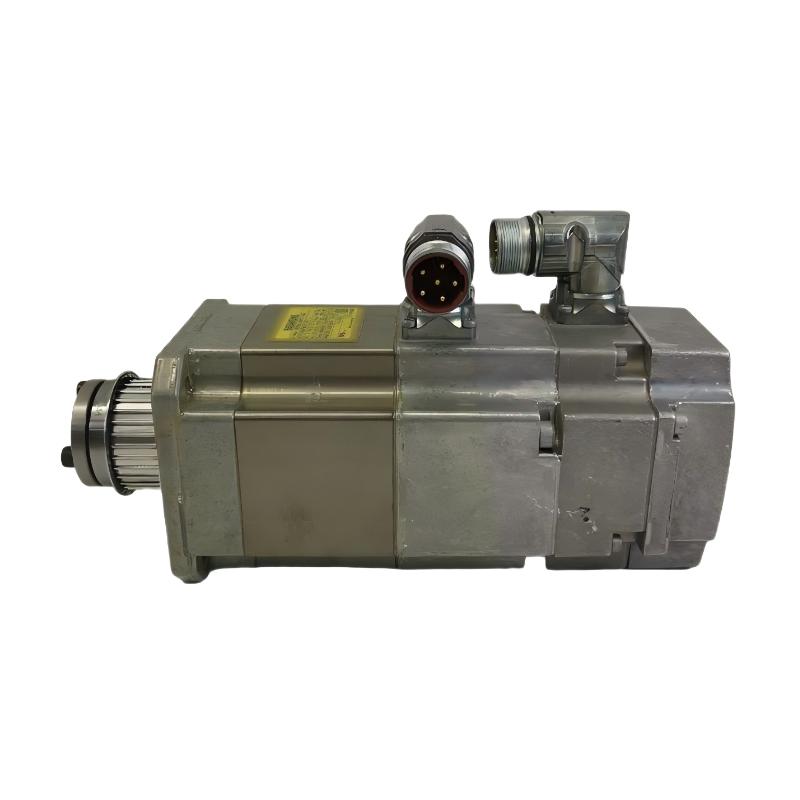
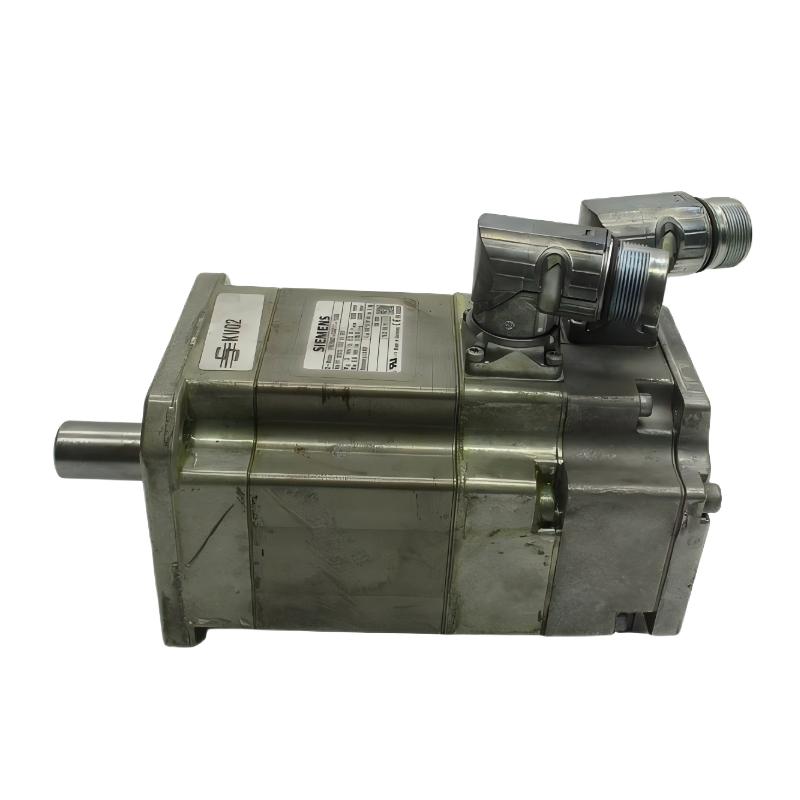
- Siemens
- 1FK7042-5AF71-1AH0
- Servo Motor
- Germany
- 48 mm
- 5.502 kg
- Xiamen, China
- New & In Stock
- T/T, PayPal, Western Union
- 1 Year
- 1-3 Working Days
- DHL, UPS, TNT, FedEx and EMS.
- 24-Hour Service
- COO
- 9
Our advantage

Global Logistics
We have a 10-year logistics and express cooperation agreement, so our products can be shipped to any place in the world.

Brand new and original
Our products are imported in bulk from the place of origin. Because of the cooperative relationship, our products are all original and 100% new.

24-hour service
We provide 7*24 hours service to our customers. We will be there whenever you need us.

Price advantage
All our products are priced very favorably because we have our own warehouse and supply.
| Company Information | |||
| [email protected] | |||
| Mobile | +8615980777398 | ||
| +8615980777398 | |||
| 15980777398 |
Product Overview
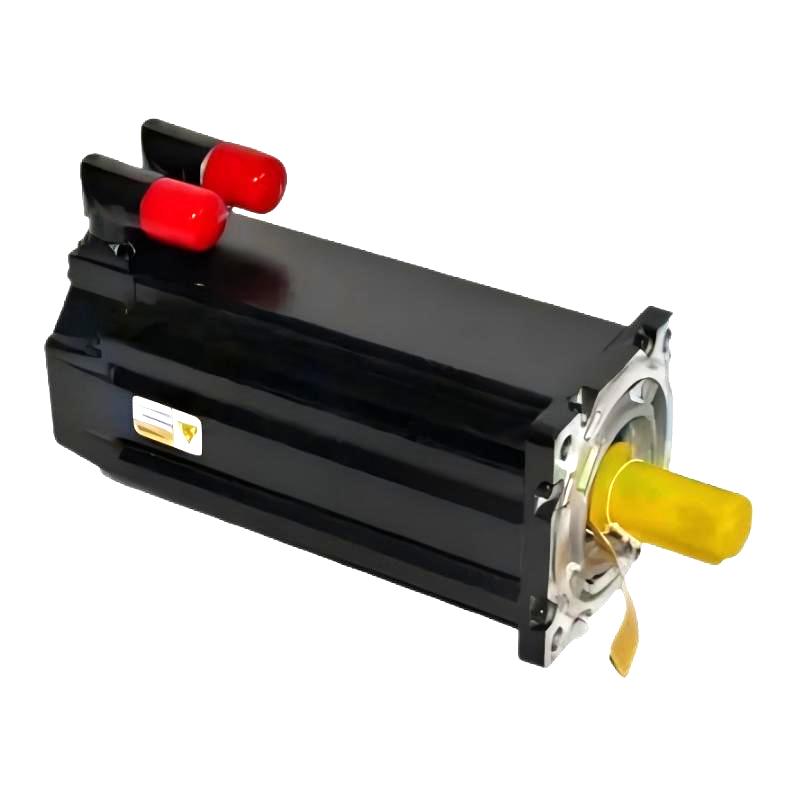
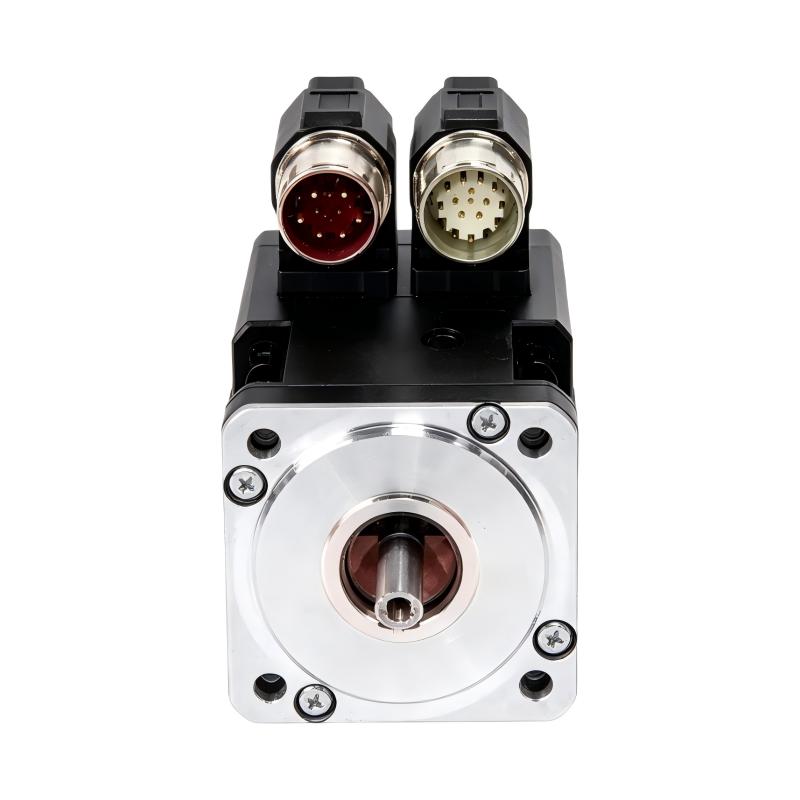
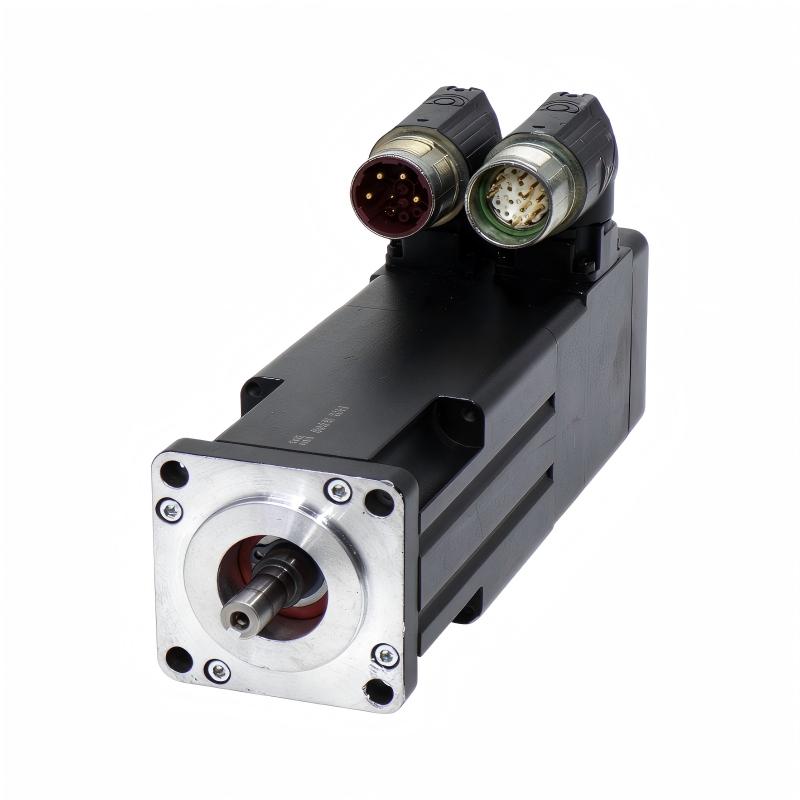
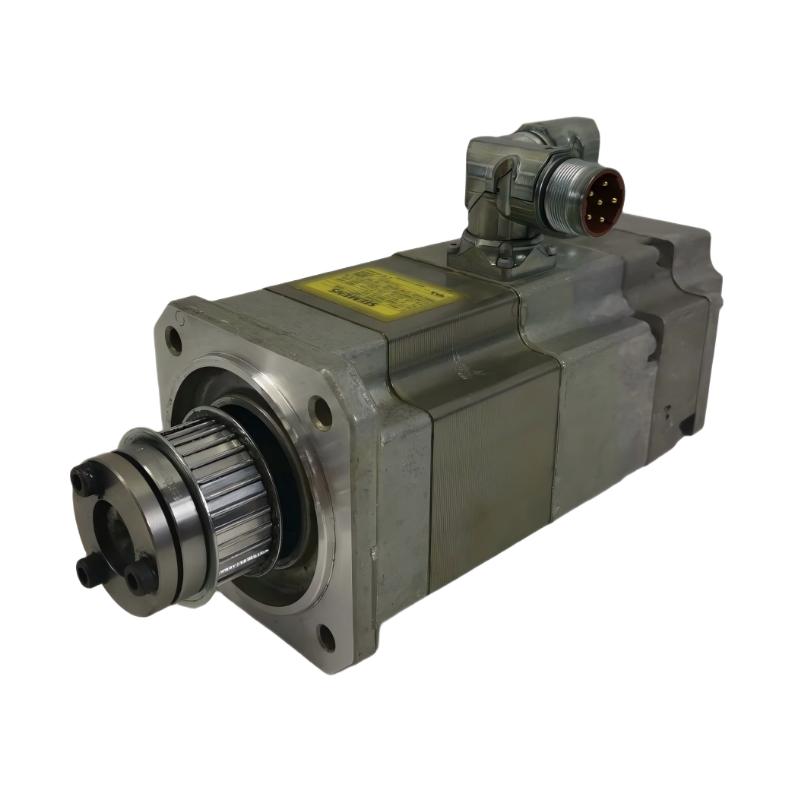
The Siemens 1FK7042-5AF71-1AH0 Servo Motor is an industrial motion-control motor designed for applications that require controlled rotary motion, accurate positioning, repeatable movement, and coordinated machine operation. Servo motors are widely used in automated machinery because they work as part of a closed-loop motion system in which motor movement can be monitored and controlled by an associated servo drive and feedback system.
The 1FK7 motor family is associated with Siemens motion-control applications and can be incorporated into machine automation architectures involving servo drives, controllers, mechanical transmissions, and machine-level control software.
The Siemens 1FK7042-5AF71-1AH0 has a specified shaft height of 48 mm and a listed weight of 5.502 kg. These physical characteristics are important when designing machine structures, motor mounting arrangements, replacement procedures, and mechanical interfaces.
The exact rated torque, rated speed, power, feedback configuration, shaft dimensions, connector arrangement, protection rating, thermal characteristics, winding configuration, and electrical requirements should be confirmed from the applicable motor nameplate and Siemens documentation for the specific order version.
Technical Specifications
| Parameter | Specification |
|---|---|
| Manufacturer | Siemens |
| Model | 1FK7042-5AF71-1AH0 |
| Product Type | Servo Motor |
| Product Family | Siemens 1FK7 Series |
| Primary Function | Precision rotary motion control |
| Shaft Height | 48 mm |
| Weight | 5.502 kg |
| Application | Industrial automation and motion control |
| System Role | Servo motor / machine motion actuator |
| Installation | Machine-mounted motor installation |
| Typical Applications | Automated machinery, positioning systems, material handling, production equipment, and motion-control systems |
The exact electrical and mechanical characteristics should be verified against the specific motor documentation and nameplate before installation.
Understanding the Siemens 1FK7042-5AF71-1AH0
The Siemens 1FK7042-5AF71-1AH0 is a servo motor intended for integration into an industrial motion-control system.
Unlike a conventional motor that may simply operate at a commanded speed, a servo motor normally operates as part of a coordinated system consisting of:
Controller → Servo Drive → Servo Motor → Mechanical Load
Feedback from the motor or motion system can be used by the drive and controller to monitor movement and regulate motor operation.
This architecture allows the motor to participate in applications requiring controlled acceleration, deceleration, speed, position, and torque.
Servo Motor Working Principle
A servo motor converts electrical energy into controlled mechanical rotation.
The associated servo drive regulates the electrical power supplied to the motor according to commands from the motion-control system.
A simplified sequence is:
Motion Command → Controller → Servo Drive → Motor → Mechanical Movement
Feedback information can then be returned to the control system:
Motor / Feedback → Servo Drive → Controller
The control system continuously evaluates the required movement and the actual machine condition.
This closed-loop architecture is one of the main characteristics that distinguishes industrial servo systems from simple fixed-speed motor applications.
Role in Industrial Motion Control
The Siemens 1FK7042-5AF71-1AH0 can serve as the motion-producing element of an automated machine.
Depending on the application, a servo motor may be responsible for:
- Positioning
- Controlled rotation
- Speed regulation
- Acceleration and deceleration
- Synchronized machine movement
- Repetitive motion
- Coordinated axis movement
- Production-cycle control
The actual function of the motor depends on the servo drive, controller, mechanical transmission, and machine software.
Servo Drive Integration
A servo motor should be matched with an appropriate servo drive.
The drive performs functions such as controlling motor current, regulating speed, responding to motion commands, and managing feedback.
A simplified architecture is:
PLC / Motion Controller
↓
Servo Drive
↓
1FK7042-5AF71-1AH0 Servo Motor
↓
Mechanical Transmission
↓
Machine Axis
The exact compatible drive configuration should be confirmed before commissioning.
Motor and drive parameters must be correctly matched to ensure reliable operation.
Feedback and Closed-Loop Control
Servo systems rely on feedback to achieve controlled motion.
Feedback can allow the control system to determine information about motor or machine movement and compare actual behavior with the commanded condition.
This enables correction of motion errors.
A simplified closed-loop process is:
Commanded Position → Controller → Drive → Motor → Actual Position → Feedback → Controller
If the actual movement differs from the desired movement, the control system can adjust the motor command.
The exact feedback technology and encoder configuration for the 1FK7042-5AF71-1AH0 should be confirmed from the specific motor configuration rather than assumed from the model family alone.
Mechanical Characteristics
The specified shaft height of the Siemens 1FK7042-5AF71-1AH0 is:
48 mm
Shaft height is an important mechanical dimension because it influences the alignment between the motor and the machine structure.
When replacing or installing the motor, engineers should verify:
- Motor mounting arrangement
- Shaft centerline
- Coupling position
- Mechanical alignment
- Machine frame compatibility
- Mounting-hole arrangement
- Shaft interface
- Available installation clearance
The shaft height should be considered together with all other mechanical dimensions required by the machine.
Weight and Machine Design
The listed weight of the motor is:
5.502 kg
This value should be considered when designing:
- Motor mounting brackets
- Machine frames
- Linear-axis structures
- Rotary assemblies
- Robotic mechanisms
- Maintenance procedures
- Motor replacement equipment
The mounting structure should be capable of supporting the motor securely while also handling vibration and dynamic loads generated during machine operation.
Industrial Applications
Automated Machinery
Servo motors are commonly used in automated production equipment where controlled and repeatable movement is required.
Packaging Equipment
Servo-controlled axes can provide coordinated movement for feeding, positioning, cutting, sealing, and other machine operations.
Material Handling
Servo motors can be used in controlled positioning and transportation mechanisms.
Machine Tools
Motion-control systems may use servo motors for machine axes and other controlled mechanical movements.
Assembly Automation
Automated assembly equipment can require precise rotary or linear positioning.
Printing and Converting
Servo motion can be used to coordinate rollers, feeding systems, and other continuously moving machine components.
Robotics
Servo motors form the basic actuation elements of many industrial robotic and automated motion systems.
Installation Guidelines
Proper installation is essential for reliable servo performance.
Verify the Motor Identification
Confirm the complete model:
Siemens 1FK7042-5AF71-1AH0
The exact order number should be checked against the machine documentation.
Check Mechanical Compatibility
Verify the shaft height, mounting arrangement, coupling, shaft interface, and available mechanical clearance.
Inspect the Motor
Before installation, inspect the motor for:
- Mechanical damage
- Connector damage
- Contamination
- Damaged cable connections
- Signs of impact
- Corrosion
- Abnormal shaft condition
Check Alignment
The motor shaft should be correctly aligned with the driven equipment.
Misalignment can increase mechanical stress and bearing loading.
Servo Motor Wiring
Servo motor wiring normally includes connections associated with motor power and feedback, with the exact arrangement depending on the motor and drive configuration.
Before connecting the motor, verify:
- Motor identification
- Drive compatibility
- Cable type
- Connector arrangement
- Power connections
- Feedback connections
- Shielding
- Grounding
The actual terminal and connector assignments should be taken from the applicable Siemens documentation.
Do not rely solely on the physical appearance of connectors when replacing a motor.
Commissioning Procedure
A controlled commissioning procedure helps reduce the risk of mechanical or electrical faults.
Step 1: Verify Motor Installation
Confirm that the motor is mechanically secure and properly aligned.
Step 2: Verify Drive Configuration
Ensure that the servo drive is configured for the installed motor.
Step 3: Check Wiring
Inspect motor power and feedback connections.
Step 4: Check Mechanical Load
Verify that the connected machine mechanism can move freely and safely.
Step 5: Perform Initial Test
Use an appropriate low-risk test procedure to confirm basic motor operation.
Step 6: Verify Feedback
Confirm that the control system receives valid feedback.
Step 7: Test Motion
Perform controlled movement and verify direction, acceleration, deceleration, and positioning.
Step 8: Verify Machine Sequence
Confirm that the motor operates correctly within the complete production sequence.
Troubleshooting the Siemens 1FK7042-5AF71-1AH0
Servo motor troubleshooting should consider the complete motion-control system.
A useful diagnostic path is:
Controller → Servo Drive → Motor → Feedback → Mechanical Load
Motor Does Not Rotate
Possible causes include:
- Incorrect drive configuration
- Motor power connection problem
- Feedback connection problem
- Drive alarm
- Controller inhibit
- Mechanical obstruction
- Incorrect motion command
The servo drive diagnostic status should be checked before replacing the motor.
Motor Rotates in the Wrong Direction
Possible causes include:
- Incorrect axis configuration
- Incorrect machine direction setting
- Wiring or configuration problems
- Incorrect mechanical installation
The machine control configuration should be reviewed before making wiring changes.
Positioning Error
Positioning problems can result from:
- Incorrect configuration
- Mechanical backlash
- Coupling problems
- Excessive mechanical load
- Feedback problems
- Incorrect motion parameters
- Drive tuning issues
The electrical and mechanical sides of the system should both be inspected.
Excessive Vibration
Potential causes include:
- Mechanical misalignment
- Unbalanced load
- Coupling problems
- Incorrect control parameters
- Mechanical resonance
- Bearing condition
- Machine-frame problems
Replacing the motor should not be the first step unless the diagnostic evidence points toward a motor fault.
Servo Drive Alarm Diagnosis
Many servo-system faults originate in the drive or configuration rather than in the motor itself.
When an alarm occurs, technicians should record:
- Alarm code
- Operating condition
- Motor state
- Machine position
- Drive status
- Recent parameter changes
The motor should then be evaluated together with the drive and mechanical system.
This approach can prevent unnecessary replacement of a properly functioning motor.
Preventive Maintenance
Servo motors require appropriate mechanical and electrical inspection.
Check Mechanical Alignment
Inspect the motor mounting and coupling arrangement periodically.
Inspect Connectors
Check motor and feedback connections for mechanical damage or contamination.
Monitor Operating Behavior
Unexpected vibration, noise, temperature changes, or positioning deviations can indicate developing problems.
Inspect the Machine Load
A motor can appear faulty when the actual problem is excessive friction, mechanical obstruction, or load-related stress.
Maintain a Clean Installation Environment
The motor and surrounding machine area should be maintained according to the environmental requirements of the application.
Servo System Optimization
The performance of a servo motor depends on more than the motor itself.
A complete motion system includes:
Motor + Drive + Controller + Feedback + Mechanical System + Application Parameters
Optimization may involve:
- Motion-profile adjustment
- Acceleration and deceleration settings
- Positioning parameters
- Mechanical alignment
- Load optimization
- Feedback configuration
- Control-loop tuning
Any parameter adjustment should be made systematically and documented.
Replacement Considerations
When replacing the Siemens 1FK7042-5AF71-1AH0, the complete order number should be verified.
Important details include:
- Complete motor model
- Shaft height
- Mechanical mounting
- Shaft interface
- Motor connectors
- Feedback arrangement
- Drive compatibility
- Machine configuration
- Existing parameter set
The specified shaft height is 48 mm, while the listed motor weight is 5.502 kg.
A motor with a similar appearance or similar shaft height should not automatically be considered an interchangeable replacement.
The electrical and feedback characteristics must also match the machine’s servo-drive configuration.
Mechanical Integration
Correct mechanical integration is essential for servo applications.
The motor should be mounted securely and aligned with the driven machine component.
Poor alignment can contribute to:
- Excessive vibration
- Bearing stress
- Coupling wear
- Positioning errors
- Increased noise
- Reduced service life
The 48 mm shaft height should therefore be incorporated into the machine’s mechanical design and replacement planning.
Servo Motor and PLC Integration
The servo motor normally operates as part of a larger automation system.
A typical architecture may include:
PLC / Motion Controller → Servo Drive → 1FK7042-5AF71-1AH0 → Machine Axis
The PLC or motion controller generates motion commands.
The servo drive converts these commands into controlled motor operation.
Feedback information allows the drive and controller to monitor actual motion.
The resulting architecture supports coordinated machine automation.
Application Considerations
Before selecting or replacing a servo motor, engineers should evaluate the complete application.
Important factors include:
- Required speed
- Required torque
- Load inertia
- Acceleration requirements
- Duty cycle
- Mechanical transmission
- Positioning accuracy
- Environmental conditions
- Feedback requirements
- Servo-drive compatibility
The information provided for this article confirms the 48 mm shaft height and 5.502 kg weight, but it does not establish the complete performance envelope of the motor.
Those parameters should therefore be obtained from the exact motor documentation before final application engineering.
Key Advantages
Precision Motion Control
The 1FK7 servo motor family is intended for controlled industrial motion applications.
Closed-Loop Operation
Servo systems can use feedback to monitor and regulate motor movement.
Compact Mechanical Integration
The specified 48 mm shaft height provides an important reference for machine and mounting design.
Manageable Installation Weight
The listed 5.502 kg weight should be considered during machine design and maintenance planning.
Broad Automation Applications
Servo motors can be integrated into packaging, manufacturing, assembly, material-handling, machine-tool, and other automated systems.
Integration with Industrial Motion Systems
The motor can operate as part of a larger Siemens automation architecture incorporating controllers, servo drives, feedback, and mechanical equipment.
Technical FAQs
What is the Siemens 1FK7042-5AF71-1AH0?
The Siemens 1FK7042-5AF71-1AH0 is an industrial servo motor designed for integration into compatible motion-control systems.
What is the shaft height of the 1FK7042-5AF71-1AH0?
The specified shaft height is 48 mm.
How much does the motor weigh?
The listed weight is 5.502 kg.
What is the purpose of a servo motor?
A servo motor provides controlled rotary motion as part of a motion-control system. It can be used for speed, position, acceleration, and coordinated machine movement.
Does the motor work independently?
A servo motor normally operates as part of a larger system containing a compatible servo drive, controller, feedback system, and mechanical load.
What can cause servo positioning errors?
Possible causes include incorrect configuration, mechanical misalignment, coupling problems, excessive load, feedback issues, motion parameters, or servo-drive tuning.
Can another 1FK7 motor replace the 1FK7042-5AF71-1AH0?
A different 1FK7 motor should not automatically be considered interchangeable. The complete order number, mechanical dimensions, electrical characteristics, feedback configuration, and drive compatibility should be verified.
What should be checked before installing the motor?
The motor model, shaft height, mounting arrangement, mechanical alignment, connectors, feedback system, servo-drive compatibility, and machine configuration should all be checked.
How should the servo motor be maintained?
Maintenance should include inspection of mechanical alignment, motor mounting, connectors, feedback wiring, operating behavior, machine load, and surrounding installation conditions.
Conclusion
The Siemens 1FK7042-5AF71-1AH0 Servo Motor is an industrial motion component intended for integration into controlled servo-drive and automation systems. Servo motors provide the controlled rotary movement required by many modern machines, particularly where repeatable positioning, coordinated motion, speed regulation, and closed-loop operation are important.
The 1FK7042-5AF71-1AH0 has a specified 48 mm shaft height and a listed weight of 5.502 kg. These characteristics are important for mechanical design, motor mounting, machine integration, and replacement planning.
Reliable servo performance depends on the complete motion system. The servo drive, controller, feedback system, mechanical transmission, load, wiring, and machine configuration must all work together correctly.
For installation or replacement, the complete Siemens 1FK7042-5AF71-1AH0 order number should be verified carefully. Exact torque, speed, power, feedback configuration, connector arrangement, shaft dimensions, and other electrical or mechanical characteristics should be confirmed against the applicable motor documentation before commissioning.