

ProductPRODUCT
Featured products
Contact Us
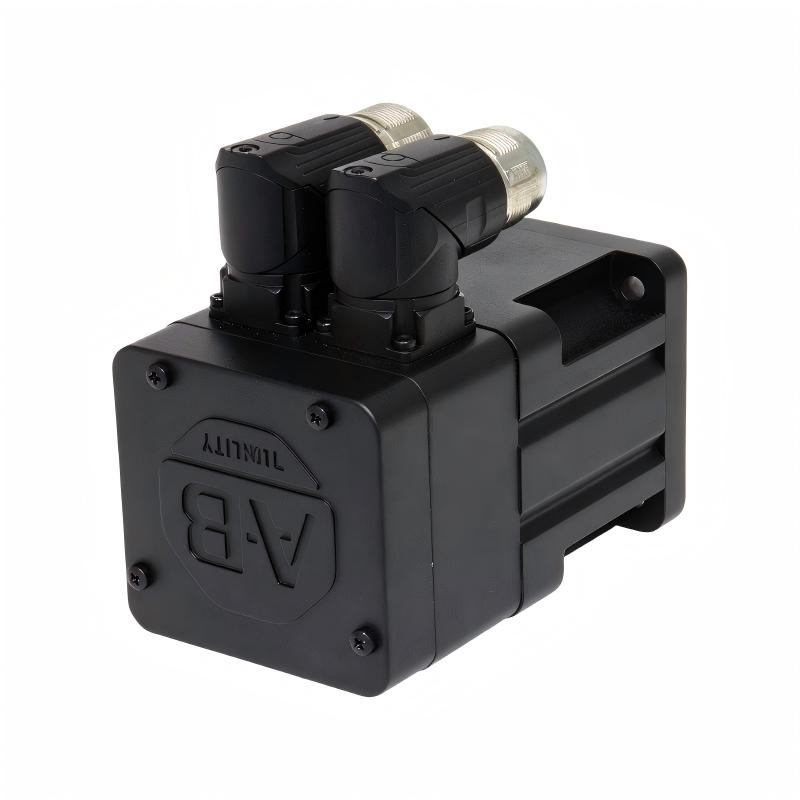
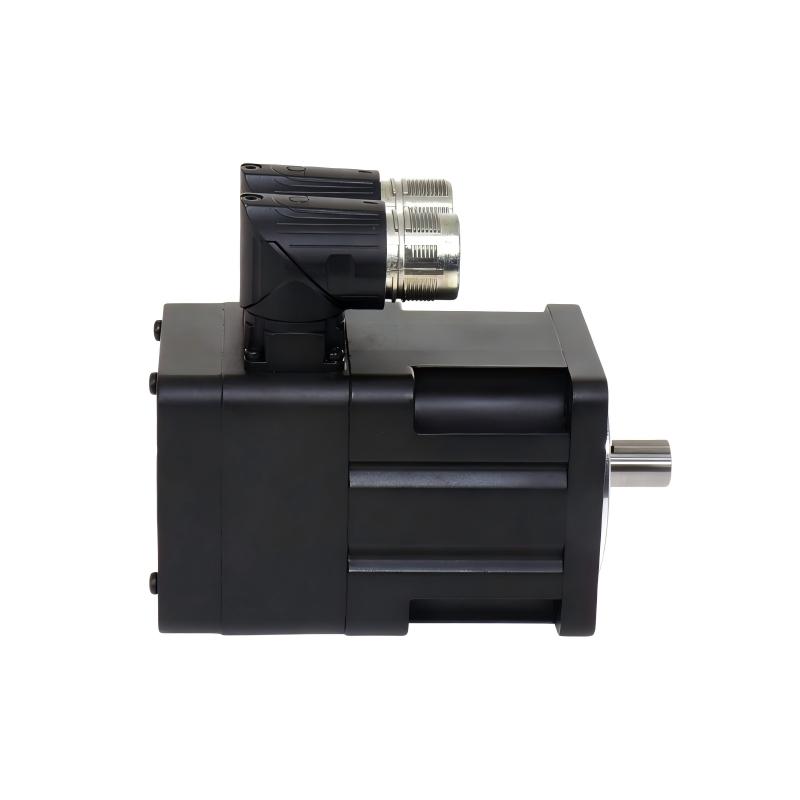
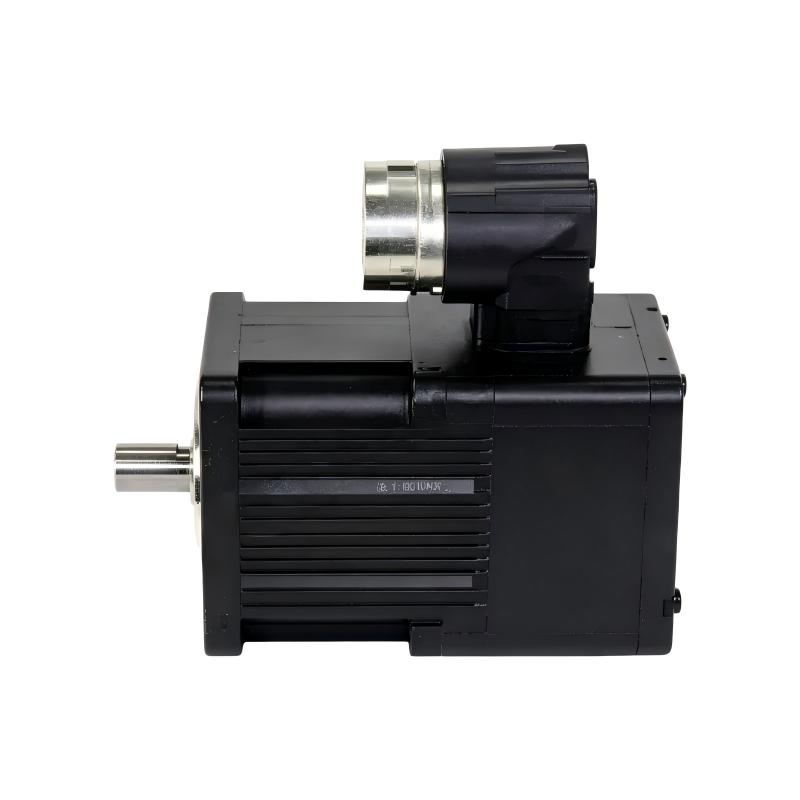
- Allen Bradley
- MPL-A210E-V-X247
- MPAS Linear Stage Spare Motor
- USA
- 5 mm/rev
- 80kg
- Xiamen, China
- New & In Stock
- T/T, PayPal, Western Union
- 1 Year
- 1-3 Working Days
- DHL, UPS, TNT, FedEx and EMS.
- 24-Hour Service
- COO
- 15
Our advantage

Global Logistics
We have a 10-year logistics and express cooperation agreement, so our products can be shipped to any place in the world.

Brand new and original
Our products are imported in bulk from the place of origin. Because of the cooperative relationship, our products are all original and 100% new.

24-hour service
We provide 7*24 hours service to our customers. We will be there whenever you need us.

Price advantage
All our products are priced very favorably because we have our own warehouse and supply.
| Company Information | |||
| [email protected] | |||
| Mobile | +8615980777398 | ||
| +8615980777398 | |||
| 15980777398 |
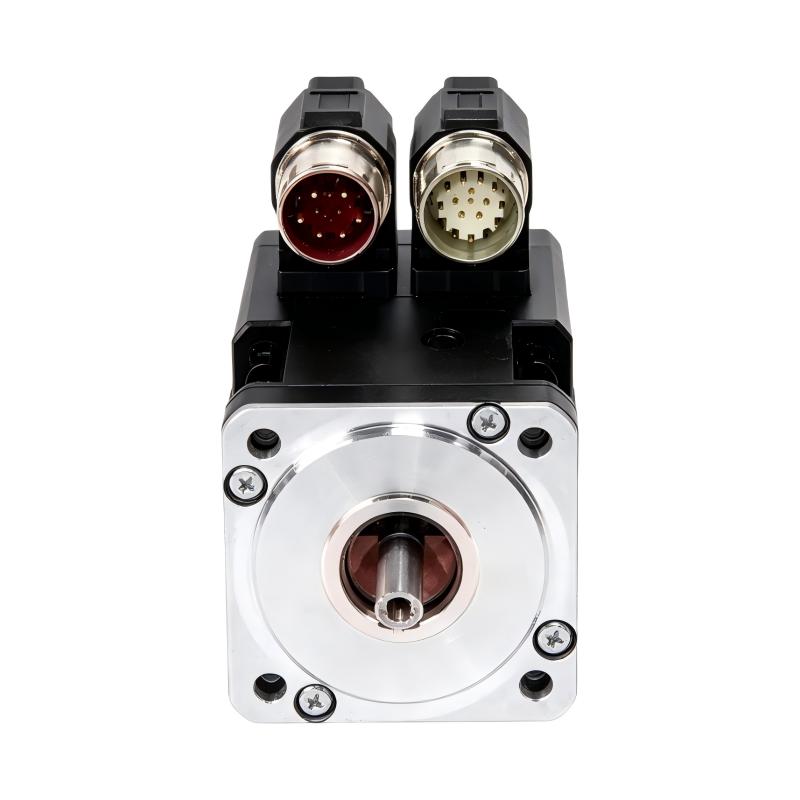
MPL-A210E-V-X247 Servo Motor — Detailed Specifications, Product Introduction, Applications, Advantages and Related Models
1. Product Overview
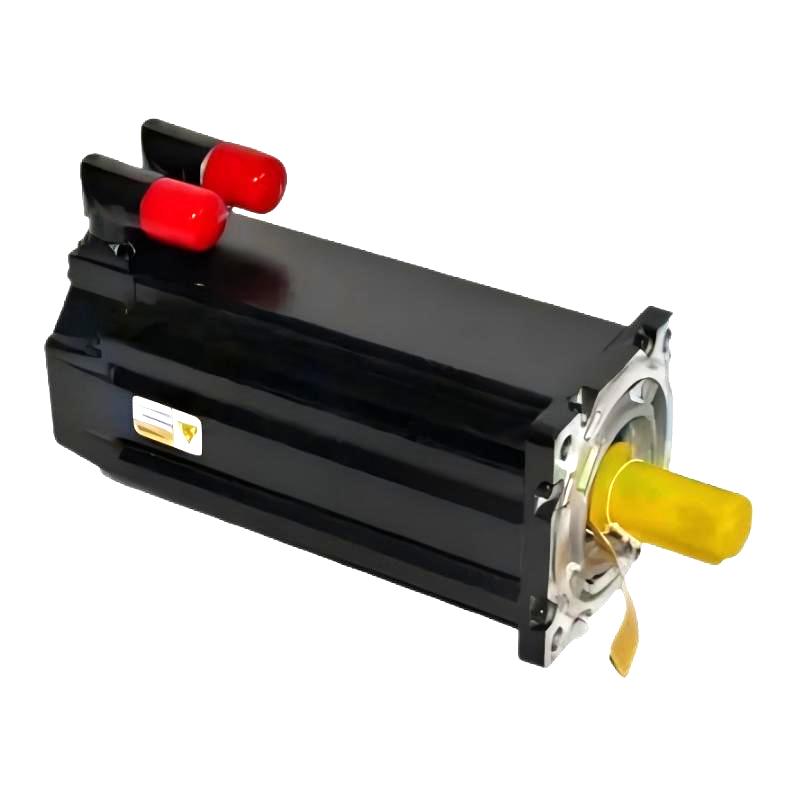
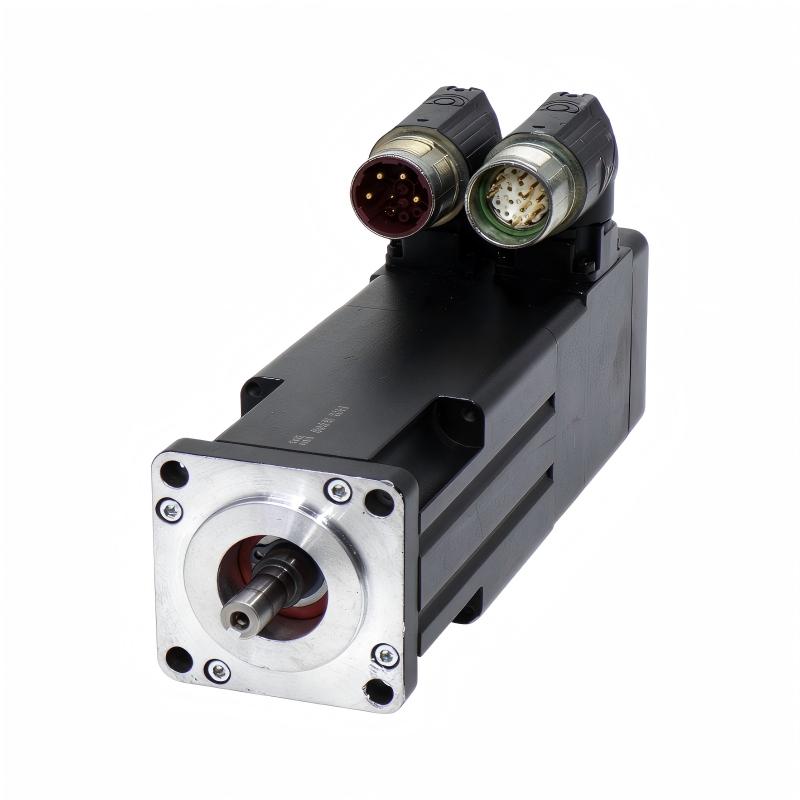
The MPL-A210E-V-X247 is a low-inertia servo motor configuration designed for use with an integrated ballscrew linear-stage system.
It belongs to the MPL Low-Inertia Servo Motor Series within the MP-Series motion-control family. The X247 configuration is specifically associated with a 200 V-class, 5 mm/rev ballscrew linear stage with an integrated 24 V DC holding brake.
The corresponding linear-stage configuration is the MPAS-Axxxx1-V05S4A arrangement.
The X247 is therefore not simply a general-purpose rotary servo motor. It is a specific replacement-motor configuration intended for a compatible MPAS linear stage.
Its most important identifying characteristics are:
- 200 V-class configuration
- 5 mm/rev ballscrew
- Integrated 24 V DC brake
- MPL low-inertia servo motor construction
- MPAS integrated linear-stage application
- Servo-controlled linear positioning
The closest non-brake counterpart is MPL-A210E-V-X246. The two models use the same basic 200 V / 5 mm-rev configuration, with the major difference being the brake arrangement.
2. Brand and Product Series
| Item | Specification |
|---|---|
| Brand | Allen-Bradley |
| Product Family | MP-Series |
| Product Series | MPL Low-Inertia Servo Motors |
| Product Type | MPAS Linear Stage Spare Motor |
| Model | MPL-A210E-V-X247 |
| Motor Type | Low-inertia brushless servo motor |
| Application | Integrated ballscrew linear stage |
| Voltage Class | 200 V |
| Brake | 24 V DC holding brake |
| Ballscrew Pitch | 5 mm/rev |
| Associated Stage | MPAS integrated linear stage |
| Associated Stage Configuration | MPAS-Axxxx1-V05S4A |
| Motion Type | Rotary-to-linear servo motion |
| Control Method | Closed-loop servo control |
| Feedback | System-dependent |
| Mounting | Linear-stage / machine mounted |
| Dimensions | Configuration-dependent |
| Weight | Configuration-dependent |
| Weight Unit | kg |
The X247 configuration is particularly useful where a linear axis requires both servo-controlled positioning and a motor holding brake.
3. Main Technical Parameters
| Parameter | MPL-A210E-V-X247 |
|---|---|
| Model | MPL-A210E-V-X247 |
| Brand | Allen-Bradley |
| Product Family | MP-Series |
| Product Series | MPL Low-Inertia Servo Motors |
| Product Type | MPAS Linear Stage Spare Motor |
| Motor Construction | Brushless low-inertia servo motor |
| Voltage Class | 200 V |
| Brake | 24 V DC |
| Brake Type | Holding brake |
| Ballscrew Pitch | 5 mm/rev |
| Linear Stage Type | Integrated ballscrew linear stage |
| Associated Stage Configuration | MPAS-Axxxx1-V05S4A |
| Motion Principle | Servo motor driving ballscrew |
| Linear Movement | Approximately 5 mm per screw revolution |
| Feedback | Configuration-dependent |
| Servo Control | Closed-loop |
| Mounting | Stage-mounted |
| Motor Dimensions | Configuration-dependent |
| Complete Stage Dimensions | Stroke and stage configuration dependent |
| Motor Weight (kg) | Configuration-dependent |
| Complete Stage Weight (kg) | Configuration-dependent |
| Primary Application | Precision linear positioning |
| Main Advantage | Servo-controlled linear motion with holding-brake capability |
4. Product Identification
The catalog number MPL-A210E-V-X247 identifies a specific motor configuration within the MPL family.
The important part of the catalog number is the X247 suffix.
The X247 configuration is associated with an MPAS linear stage using a 5 mm/rev ballscrew and a 200 V-class motor with brake.
The related configurations form a clear group:
| Model | Voltage | Ballscrew Pitch | Brake | Application |
|---|---|---|---|---|
| MPL-A210E-V-X246 | 200 V | 5 mm/rev | No | MPAS linear stage |
| MPL-A210E-V-X247 | 200 V | 5 mm/rev | 24 V DC | MPAS linear stage |
| MPL-B210E-V-X248 | 400 V | 5 mm/rev | No | MPAS linear stage |
| MPL-B210E-V-X249 | 400 V | 5 mm/rev | 24 V DC | MPAS linear stage |
| MPL-A220H-V-X250 | 200 V | 20 mm/rev | No | MPAS linear stage |
| MPL-A220H-V-X251 | 200 V | 20 mm/rev | 24 V DC | MPAS linear stage |
This grouping is useful when comparing replacement options.
The X247 and X246 are the closest pair because they share the same voltage class and ballscrew pitch while differing in brake configuration.
5. Product Introduction
The MPL-A210E-V-X247 is designed for precision linear motion applications in which a servo motor drives a ballscrew-based linear stage.
The motor produces controlled rotary motion.
The ballscrew converts that rotary movement into linear travel.
The servo drive regulates motor speed, torque and position according to commands from the motion controller.
The integrated brake provides an additional mechanical holding function when the servo system is not actively driving the motor.
This makes the X247 configuration particularly useful for machinery where maintaining axis position is important when motor power is removed.
A typical motion sequence can involve acceleration, controlled travel, deceleration, positioning and holding.
The motor and stage therefore operate as one coordinated motion system rather than as an ordinary motor and independent mechanical transmission.
6. Basic Operating Principle
The basic system can be represented as:
Motion Controller
↓
Servo Drive
↓
MPL-A210E-V-X247
↓
Ballscrew
↓
Linear Stage
↓
Machine Load
The controller determines the desired movement.
The servo drive supplies controlled electrical power to the motor.
The motor rotates the ballscrew.
The ballscrew converts rotary motion into linear displacement.
The linear stage carries the machine load.
The brake can hold the motor shaft when the appropriate brake-control conditions are met.
This combination is well suited to automated equipment that requires repeatable positioning and controlled stopping.
7. 5 mm/rev Ballscrew Configuration
The X247 is associated with a 5 mm/rev ballscrew configuration.
In simple mechanical terms, one revolution of the ballscrew corresponds to approximately 5 mm of linear travel.
| Ballscrew Rotation | Approximate Linear Travel |
|---|---|
| 1 revolution | 5 mm |
| 2 revolutions | 10 mm |
| 5 revolutions | 25 mm |
| 10 revolutions | 50 mm |
| 20 revolutions | 100 mm |
| 50 revolutions | 250 mm |
| 100 revolutions | 500 mm |
The actual positioning accuracy of the complete axis is affected by the servo feedback system, mechanical tolerances, ballscrew condition, servo tuning, load and operating conditions.
The 5 mm/rev configuration is generally a useful choice when controlled linear positioning is more important than maximizing linear travel per motor revolution.
8. Integrated 24 V DC Brake
One of the defining characteristics of the X247 is the 24 V DC holding brake.
The brake provides a mechanical holding function for the motor when the servo system is not actively commanding motor torque.
This can be useful for applications such as:
- Vertical axes.
- Suspended loads.
- Position-holding mechanisms.
- Machine axes that must remain stationary during power-off conditions.
- Equipment where unwanted axis movement must be reduced when the servo is disabled.
The brake should not be regarded as a replacement for the complete machine safety system.
Its purpose and control method must be considered together with the servo drive, machine safety circuit and mechanical load.
9. X246 vs. X247
The most direct comparison is between the X246 and X247.
| Parameter | MPL-A210E-V-X246 | MPL-A210E-V-X247 |
|---|---|---|
| Voltage Class | 200 V | 200 V |
| Ballscrew Pitch | 5 mm/rev | 5 mm/rev |
| Brake | No | 24 V DC |
| Linear Stage | MPAS | MPAS |
| Main Function | Servo linear positioning | Servo linear positioning + holding brake |
| Suitable for Brake-Required Axis | No integrated brake | Yes, where system requirements call for it |
| Motor Dimensions | Configuration-dependent | Configuration-dependent |
| Weight (kg) | Configuration-dependent | Configuration-dependent |
The X247 is essentially the brake-equipped counterpart of the X246 configuration.
When replacing an existing motor, it is important to preserve the original brake arrangement unless the entire machine design has been reviewed.
10. Main Advantages
10.1 Integrated Holding Brake
The most obvious advantage of the X247 compared with X246 is the integrated brake.
This is useful when the axis must remain mechanically held under specific operating conditions.
10.2 Low-Inertia Servo Response
The MPL motor design uses a low-inertia rotor construction.
This helps the servo system respond to speed and position commands quickly.
Applications involving repeated acceleration and deceleration can benefit from this characteristic.
10.3 Precision Linear Movement
The 5 mm/rev ballscrew provides controlled mechanical conversion from rotary motion to linear movement.
This makes the configuration suitable for positioning applications where the axis must repeatedly reach programmed locations.
10.4 Programmable Motion
The servo system can control:
- Position.
- Speed.
- Acceleration.
- Deceleration.
- Direction.
- Movement sequence.
This provides considerably more flexibility than a simple fixed-speed motor.
10.5 200 V-Class Configuration
The X247 is designed for a 200 V-class motion system.
This gives it a clear electrical relationship with the corresponding X246 configuration.
10.6 Integrated Linear-Stage Application
The motor is designed for use with the corresponding MPAS integrated linear-stage configuration.
This provides a compact approach to building a servo-controlled linear axis.
10.7 Suitable for Repetitive Automation
The combination of servo control and ballscrew motion is well suited to repetitive industrial processes.
A machine can execute the same movement sequence continuously while adjusting position and speed through software.
11. Typical Applications
Automated Assembly
The X247 can be used in assembly machinery where tooling, fixtures or components need to move to controlled positions.
Examples include:
- Component insertion.
- Part alignment.
- Fixture positioning.
- Press positioning.
- Tool movement.
- Workpiece transfer.
The brake can be useful when the axis needs additional holding capability.
Vertical Linear Axes
A brake-equipped servo motor is particularly relevant to vertical-axis applications.
Examples include:
- Vertical positioning tables.
- Lift mechanisms.
- Tool elevation.
- Vertical transfer systems.
- Adjustable machine heads.
The brake helps provide a holding function, but the complete machine safety design still needs to account for the load and potential stored energy.
Packaging Machinery
Servo linear axes are commonly used for:
- Product positioning.
- Feeding.
- Indexing.
- Cutting.
- Sealing.
- Forming.
- Product alignment.
The servo controller can adjust the motion profile according to product size and machine speed.
Inspection Equipment
The X247 can be used to move:
- Cameras.
- Sensors.
- Probes.
- Inspection heads.
- Workpieces.
A programmable linear axis can coordinate movement with an inspection cycle.
Electronics Manufacturing
Potential applications include:
- PCB positioning.
- Component handling.
- Precision alignment.
- Testing equipment.
- Inspection systems.
- Automated assembly stations.
Material Handling
The linear stage can provide controlled movement for:
- Transfer systems.
- Positioning mechanisms.
- Pushers.
- Stops.
- Automated slides.
- Workpiece alignment.
12. Five Closely Related Models
The following models are the closest related configurations to the MPL-A210E-V-X247.
| Model | Voltage Class | Ballscrew Pitch | Brake | Product Type | Dimensions | Weight (kg) |
|---|---|---|---|---|---|---|
| MPL-A210E-V-X246 | 200 V | 5 mm/rev | None | MPAS linear-stage spare motor | Configuration-dependent | Configuration-dependent |
| MPL-B210E-V-X248 | 400 V | 5 mm/rev | None | MPAS linear-stage spare motor | Configuration-dependent | Configuration-dependent |
| MPL-B210E-V-X249 | 400 V | 5 mm/rev | 24 V DC | MPAS linear-stage spare motor | Configuration-dependent | Configuration-dependent |
| MPL-A220H-V-X250 | 200 V | 20 mm/rev | None | MPAS linear-stage spare motor | Configuration-dependent | Configuration-dependent |
| MPL-A220H-V-X251 | 200 V | 20 mm/rev | 24 V DC | MPAS linear-stage spare motor | Configuration-dependent | Configuration-dependent |
These models provide useful comparisons across brake configuration, voltage class and ballscrew pitch.
13. Detailed Related-Model Comparison
| Model | Voltage | Pitch | Brake | Main Difference | Dimensions | Weight (kg) |
|---|---|---|---|---|---|---|
| MPL-A210E-V-X246 | 200 V | 5 mm/rev | No | Same basic configuration without brake | Configuration-dependent | Configuration-dependent |
| MPL-A210E-V-X247 | 200 V | 5 mm/rev | 24 V DC | Reference brake-equipped configuration | Configuration-dependent | Configuration-dependent |
| MPL-B210E-V-X248 | 400 V | 5 mm/rev | No | 400 V non-brake version | Configuration-dependent | Configuration-dependent |
| MPL-B210E-V-X249 | 400 V | 5 mm/rev | 24 V DC | 400 V brake version | Configuration-dependent | Configuration-dependent |
| MPL-A220H-V-X250 | 200 V | 20 mm/rev | No | Higher-pitch non-brake version | Configuration-dependent | Configuration-dependent |
| MPL-A220H-V-X251 | 200 V | 20 mm/rev | 24 V DC | Higher-pitch brake version | Configuration-dependent | Configuration-dependent |
14. Five Same-Brand Representative Models
The following models can be used as broader same-brand comparison products within the MPL servo-motor range.
| Model | Product Series | Product Type | General Configuration | Brake / Feedback | Dimensions | Weight (kg) |
|---|---|---|---|---|---|---|
| MPL-A1530U-VJ72AA | MPL | Rotary servo motor | 240 V AC class | Configuration-dependent | Configuration-dependent | Configuration-dependent |
| MPL-A210V-VJ72AA | MPL | Rotary servo motor | 240 V AC class | Configuration-dependent | Configuration-dependent | Configuration-dependent |
| MPL-A220T-VJ72AA | MPL | Rotary servo motor | 240 V AC class | Configuration-dependent | Configuration-dependent | Configuration-dependent |
| MPL-A310F-MJ72AA | MPL | Rotary servo motor | 240 V AC class | Configuration-dependent | Configuration-dependent | Configuration-dependent |
| MPL-A520K-MJ74AA | MPL | Rotary servo motor | 240 V AC class | Configuration-dependent | Configuration-dependent | Configuration-dependent |
These are representative MPL models rather than direct replacements for the X247.
The X247 is a special linear-stage motor configuration, so replacing it with a conventional rotary servo motor would require a completely different mechanical arrangement.
15. X247 vs. 400 V X249
The X247 and X249 share the brake-equipped concept but belong to different voltage classes.
| Parameter | MPL-A210E-V-X247 | MPL-B210E-V-X249 |
|---|---|---|
| Voltage Class | 200 V | 400 V |
| Ballscrew Pitch | 5 mm/rev | 5 mm/rev |
| Brake | 24 V DC | 24 V DC |
| Linear Stage | MPAS | MPAS |
| Main Difference | 200 V electrical system | 400 V electrical system |
| Dimensions | Configuration-dependent | Configuration-dependent |
| Weight (kg) | Configuration-dependent | Configuration-dependent |
Although the mechanical pitch and brake arrangement are similar, the voltage class is different.
Therefore, these models should not be treated as direct electrical substitutes.
16. X247 vs. X251
The X247 and X251 both use a 200 V-class system with a brake, but their ballscrew pitches differ.
| Parameter | MPL-A210E-V-X247 | MPL-A220H-V-X251 |
|---|---|---|
| Voltage Class | 200 V | 200 V |
| Brake | 24 V DC | 24 V DC |
| Ballscrew Pitch | 5 mm/rev | 20 mm/rev |
| Linear Travel per Revolution | 5 mm | 20 mm |
| Main Difference | Finer-pitch configuration | Higher-travel configuration |
| Dimensions | Configuration-dependent | Configuration-dependent |
| Weight (kg) | Configuration-dependent | Configuration-dependent |
The 20 mm/rev configuration provides four times the theoretical linear travel per revolution compared with 5 mm/rev.
However, greater travel per revolution is not automatically preferable.
The appropriate pitch depends on the machine’s required speed, positioning, load and mechanical design.
17. Brake Operation and Practical Considerations
The X247 brake is primarily a holding device, rather than a substitute for the servo system’s normal dynamic braking function.
During normal servo operation, the servo drive controls motor torque and motion.
The mechanical brake is intended for holding under appropriate conditions.
This distinction is important because dynamic stopping and mechanical holding are two different functions.
A typical system may use servo control to decelerate the axis and then apply the mechanical brake once the motor has reached an appropriate stopped condition.
The exact brake-control sequence depends on the servo drive and machine-control design.
18. Why the Brake Can Be Important
Consider a vertical axis carrying a load.
If the servo motor loses electrical power, the load may have a tendency to move because of gravity.
A holding brake can help prevent unwanted movement when properly integrated into the machine.
This is one reason brake-equipped servo motors are commonly selected for vertical axes.
However, brake selection should always consider:
- Load mass.
- Axis orientation.
- Mechanical transmission.
- Brake holding capacity.
- Safety requirements.
- Emergency-stop behavior.
- Drive configuration.
- Mechanical stopping distance.
The brake should therefore be treated as one part of the machine’s complete safety and motion-control system.
19. Dimensions and Weight
The physical dimensions of the X247 should be handled carefully because the model is a motor configuration associated with an MPAS linear stage.
The complete MPAS stage can vary according to:
- Stage frame.
- Stroke.
- Mechanical configuration.
- Covers.
- Accessories.
- Cable arrangement.
Therefore, there is not one universal overall length and weight that should be assigned to every system using the X247 motor.
| Physical Parameter | MPL-A210E-V-X247 |
|---|---|
| Motor Configuration | MPL-A210E-V-X247 |
| Linear-Stage Type | MPAS ballscrew linear stage |
| Ballscrew Pitch | 5 mm/rev |
| Brake | 24 V DC |
| Motor Frame / Envelope | Configuration-dependent |
| Motor Length | Configuration-dependent |
| Motor Width | Configuration-dependent |
| Motor Height | Configuration-dependent |
| Mounting Geometry | Stage-specific |
| Complete Stage Length | Depends on stage stroke |
| Complete Stage Width | Depends on stage configuration |
| Complete Stage Height | Depends on stage configuration |
| Motor Net Weight | Configuration-dependent |
| Weight (kg) | Configuration-dependent |
| Complete Stage Weight (kg) | Configuration-dependent |
For engineering drawings, mechanical installation and shipping calculations, the exact stage configuration should be used rather than an estimated generic value.
20. MPAS Stage Stroke
The associated MPAS linear-stage family can use different stroke configurations.
Typical stroke codes include:
| Stroke Code | Nominal Stroke |
|---|---|
| 012 | 12 mm |
| 018 | 18 mm |
| 024 | 24 mm |
| 030 | 30 mm |
| 036 | 36 mm |
| 042 | 42 mm |
| 054 | 54 mm |
| 066 | 66 mm |
| 078 | 78 mm |
| 090 | 90 mm |
| 102 | 102 mm |
The exact available stroke depends on the stage configuration.
Consequently, the motor catalog number alone does not define the overall length of the complete linear stage.
21. Typical Servo System Structure
A typical X247 application can be organized as follows:
PLC / Motion Controller
↓
Motion Network
↓
Servo Drive
↓
MPL-A210E-V-X247
↓
5 mm/rev Ballscrew
↓
MPAS Linear Stage
↓
Machine Load
The controller generates the motion command.
The servo drive controls the motor.
The motor drives the ballscrew.
The ballscrew produces linear movement.
The feedback system allows the servo controller to monitor and regulate the axis.
The brake provides an additional holding function when correctly controlled.
22. Advantages in Automated Machinery
The X247 configuration combines several useful characteristics in one motion axis.
Programmable Position
The axis can be commanded to different positions through the motion controller.
Controlled Velocity
The movement speed can be adjusted according to the machine sequence.
Controlled Acceleration
The servo system can use controlled acceleration and deceleration profiles.
Repeatable Movement
The same motion sequence can be repeated continuously.
Brake Holding
The integrated brake provides additional holding capability.
Multi-Axis Coordination
The axis can operate together with other servo-controlled axes.
Compact Linear Motion
The motor and ballscrew stage form a dedicated linear-motion solution.
23. Applications by Machine Type
| Machine Type | Typical X247 Application |
|---|---|
| Automated Assembly Machine | Tool and fixture positioning |
| Packaging Machine | Product positioning and indexing |
| Inspection Machine | Sensor or camera positioning |
| Electronics Equipment | PCB and component positioning |
| Material Handling Equipment | Controlled transfer and positioning |
| Test Equipment | Test fixture movement |
| Machine Automation | Programmable linear axis |
| Vertical Positioning Equipment | Controlled lift or positioning |
| Multi-Axis Machine | Coordinated servo axis |
| Precision Automation | Repeatable linear positioning |
24. Maintenance Considerations
The X247 should be maintained as part of the complete linear-axis assembly.
Important inspection points include:
| Component | Maintenance Consideration |
|---|---|
| Motor | Check temperature, vibration and abnormal noise |
| Brake | Check brake operation and release behavior |
| Motor Mounting | Check for looseness |
| Ballscrew | Check wear and lubrication |
| Linear Bearings | Check smooth movement |
| Coupling | Check alignment and mechanical integrity |
| Feedback System | Check for feedback-related errors |
| Servo Drive | Review alarms and operating condition |
| Cables | Check insulation and connectors |
| Stage | Check for abnormal resistance or mechanical play |
| Load | Check for unexpected mechanical resistance |
If a linear axis develops positioning problems, the motor itself should not automatically be assumed to be the cause.
Ballscrew wear, bearing problems, mechanical misalignment, feedback errors, cable faults or servo tuning can also produce positioning problems.
25. Replacement Checklist
Before replacing an X247 motor, check the following:
| Check Item | Required Information |
|---|---|
| Catalog Number | MPL-A210E-V-X247 |
| Product Family | MP-Series |
| Product Series | MPL |
| Voltage | 200 V class |
| Brake | 24 V DC |
| Ballscrew Pitch | 5 mm/rev |
| Linear Stage | MPAS |
| Stage Configuration | Compatible with X247 arrangement |
| Servo Drive | Compatible |
| Feedback | Compatible |
| Mechanical Mounting | Matching |
| Stage Stroke | Matching |
| Cables | Compatible |
| Brake Wiring | Compatible |
| Motor Dimensions | Confirm actual configuration |
| Weight (kg) | Confirm actual assembly configuration |
26. Important Difference Between Motor and Complete Stage
The X247 is a linear-stage spare motor configuration.
It should not be confused with the complete MPAS linear-stage assembly.
A complete linear-stage system can contain:
- Servo motor.
- Ballscrew.
- Linear bearings.
- Stage carriage.
- Stage frame.
- Coupling.
- Covers.
- Cable-management components.
- Mechanical accessories.
Therefore, the total weight and overall dimensions of the complete stage depend on the specific stage configuration.
For this reason, the most accurate general specification for the X247 is to identify its 5 mm/rev, 200 V, brake-equipped configuration, while treating complete dimensions and weight as configuration-dependent.
27. Five Related Models — Quick Selection Table
| Model | Voltage | Pitch | Brake | Relationship | Dimensions | Weight (kg) |
|---|---|---|---|---|---|---|
| MPL-A210E-V-X246 | 200 V | 5 mm/rev | No | Direct non-brake counterpart | Configuration-dependent | Configuration-dependent |
| MPL-B210E-V-X248 | 400 V | 5 mm/rev | No | 400 V non-brake version | Configuration-dependent | Configuration-dependent |
| MPL-B210E-V-X249 | 400 V | 5 mm/rev | 24 V DC | 400 V brake version | Configuration-dependent | Configuration-dependent |
| MPL-A220H-V-X250 | 200 V | 20 mm/rev | No | Higher-pitch non-brake version | Configuration-dependent | Configuration-dependent |
| MPL-A220H-V-X251 | 200 V | 20 mm/rev | 24 V DC | Higher-pitch brake version | Configuration-dependent | Configuration-dependent |
28. Five Same-Brand Representative Models
| Model | Product Series | Product Type | Voltage / System Class | Typical Use | Dimensions | Weight (kg) |
|---|---|---|---|---|---|---|
| MPL-A1530U-VJ72AA | MPL | Rotary servo motor | 240 V AC class | General servo motion | Configuration-dependent | Configuration-dependent |
| MPL-A210V-VJ72AA | MPL | Rotary servo motor | 240 V AC class | General servo motion | Configuration-dependent | Configuration-dependent |
| MPL-A220T-VJ72AA | MPL | Rotary servo motor | 240 V AC class | General servo motion | Configuration-dependent | Configuration-dependent |
| MPL-A310F-MJ72AA | MPL | Rotary servo motor | 240 V AC class | Higher-capacity servo applications | Configuration-dependent | Configuration-dependent |
| MPL-A520K-MJ74AA | MPL | Rotary servo motor | 240 V AC class | Higher-power servo applications | Configuration-dependent | Configuration-dependent |
These are useful same-brand MPL comparison models, but they should not be regarded as direct drop-in replacements for the X247.
29. Quick Technical Reference
| Parameter | Specification |
|---|---|
| Brand | Allen-Bradley |
| Product Family | MP-Series |
| Product Series | MPL Low-Inertia Servo Motors |
| Model | MPL-A210E-V-X247 |
| Product Type | MPAS Linear Stage Spare Motor |
| Motor Type | Low-inertia brushless servo motor |
| Voltage Class | 200 V |
| Brake | 24 V DC |
| Ballscrew Pitch | 5 mm/rev |
| Linear Stage | MPAS integrated ballscrew stage |
| Associated Stage Configuration | MPAS-Axxxx1-V05S4A |
| Motion Type | Rotary-to-linear servo motion |
| Primary Application | Precision linear positioning |
| Feedback | System-dependent |
| Servo Control | Closed-loop |
| Motor Dimensions | Configuration-dependent |
| Complete Stage Dimensions | Stroke and frame dependent |
| Motor Weight (kg) | Configuration-dependent |
| Complete Stage Weight (kg) | Configuration-dependent |
| Direct Non-Brake Counterpart | MPL-A210E-V-X246 |
| 400 V Non-Brake Model | MPL-B210E-V-X248 |
| 400 V Brake Model | MPL-B210E-V-X249 |
| 20 mm/rev Non-Brake Model | MPL-A220H-V-X250 |
| 20 mm/rev Brake Model | MPL-A220H-V-X251 |
30. Final Product Summary
The MPL-A210E-V-X247 is a specialized MPL low-inertia servo motor configuration for an MPAS integrated ballscrew linear stage.
Its defining characteristics are:
- 200 V-class electrical configuration
- 5 mm/rev ballscrew configuration
- 24 V DC holding brake
- Low-inertia servo motor design
- MPAS linear-stage application
- Closed-loop servo control
- Precision linear positioning capability
The most important difference between the X247 and X246 is the brake.
The MPL-A210E-V-X246 is the corresponding non-brake configuration, while the MPL-A210E-V-X247 provides the integrated brake.
The X247 is therefore particularly suitable for applications where the linear axis needs both programmable servo motion and an additional motor holding function.
Typical applications include automated assembly, packaging, inspection equipment, electronics manufacturing, material handling, test equipment and vertical positioning systems.
For a replacement project, the complete catalog number should always be matched together with the 200 V electrical class, 5 mm/rev ballscrew configuration, brake requirement, feedback arrangement, servo-drive compatibility, mounting arrangement and exact MPAS stage configuration.
The physical dimensions and weight should be treated as configuration-dependent because the complete linear-stage dimensions and mass can vary with stage size, stroke and mechanical accessories.
Overall, the MPL-A210E-V-X247 is best described as a 200 V, 5 mm/rev, brake-equipped, low-inertia servo-motor configuration for precision MPAS linear-stage applications.