

ProductPRODUCT
Featured products
Contact Us
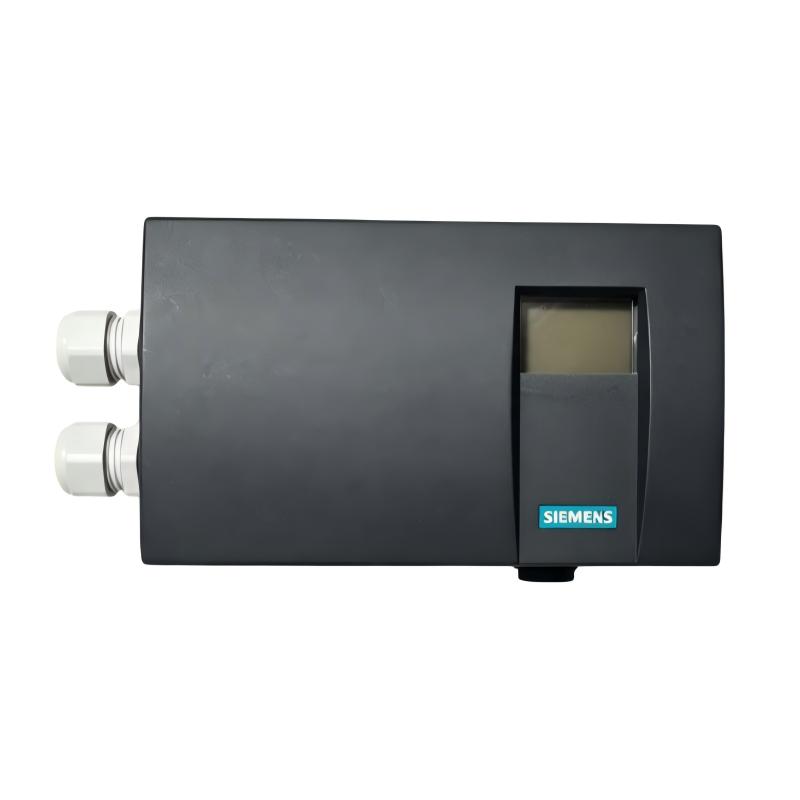
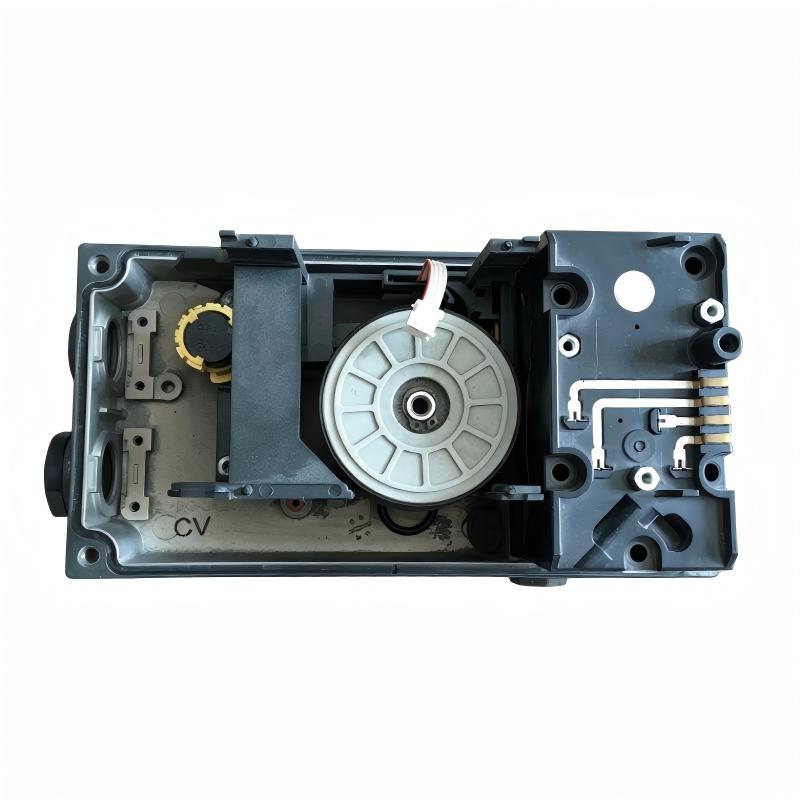
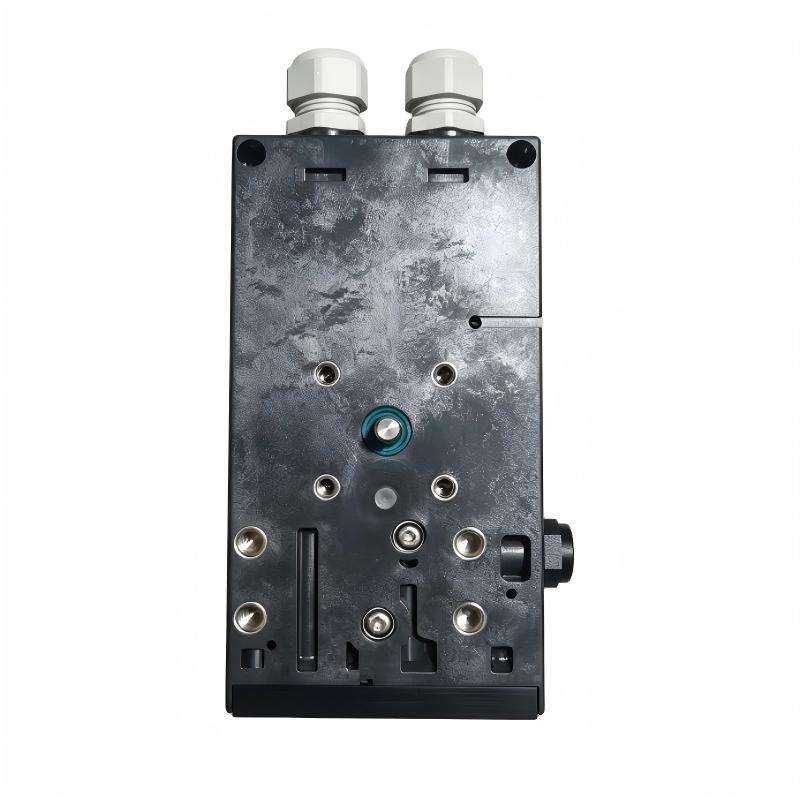
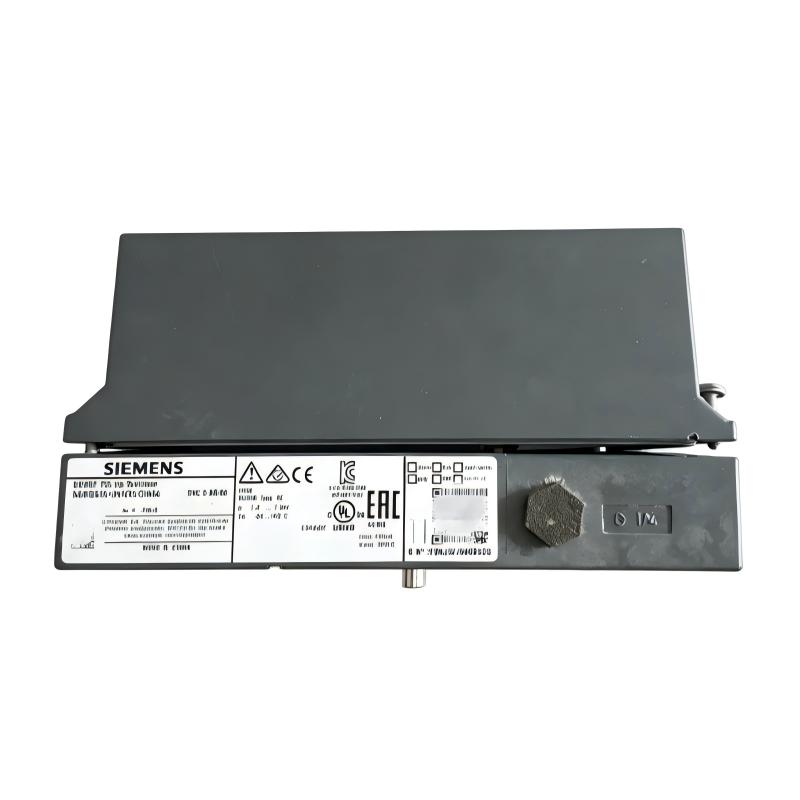
- Siemens
- 66DR5210-0NG00-0AA0
- Electric Valve Positioner
- Germany
- 261 x 154 x 124 mm
- 0.9 kg
- Xiamen, China
- New & In Stock
- T/T, PayPal, Western Union
- 1 Year
- 1-3 Working Days
- DHL, UPS, TNT, FedEx and EMS.
- 24-Hour Service
- COO
- 5
Our advantage

Global Logistics
We have a 10-year logistics and express cooperation agreement, so our products can be shipped to any place in the world.

Brand new and original
Our products are imported in bulk from the place of origin. Because of the cooperative relationship, our products are all original and 100% new.

24-hour service
We provide 7*24 hours service to our customers. We will be there whenever you need us.

Price advantage
All our products are priced very favorably because we have our own warehouse and supply.
| Company Information | |||
| [email protected] | |||
| Mobile | +8615980777398 | ||
| +8615980777398 | |||
| 15980777398 |
Product Overview
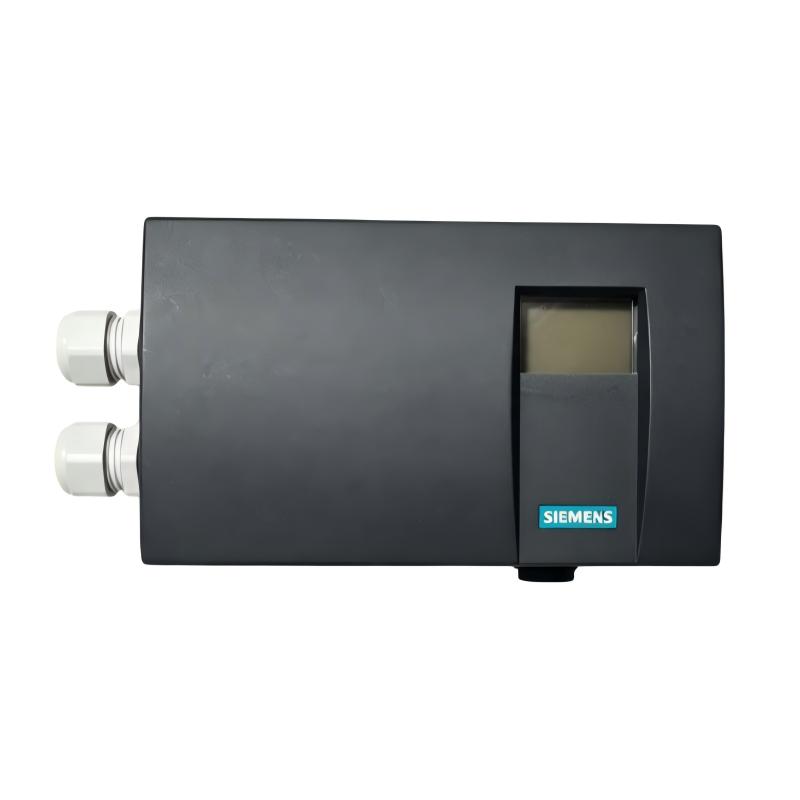
The Siemens 66DR5210-0NG00-0AA0 Electric Valve Positioner is an industrial valve-control component designed to support accurate positioning of compatible control valves in automated process systems. A valve positioner plays an important role in process automation by receiving a control command and adjusting the valve actuator so that the valve reaches the required position.
The Siemens 66DR5210-0NG00-0AA0 has listed dimensions of 261 × 154 × 124 mm and a weight of 0.9 kg. Its compact industrial form factor allows it to be incorporated into valve assemblies and process-control installations where reliable positioning and stable control performance are required.
In an automated process, the valve positioner forms an important link between the control system and the physical valve. The controller determines the desired process condition, a corresponding positioning command is transmitted to the valve-control system, and the positioner manages the actuator response.
A simplified control path can be represented as:
PLC / Process Controller → Positioning Command → Valve Positioner → Actuator → Control Valve → Process
The positioner helps translate the requested valve position into an appropriate actuator response.
For engineering, maintenance, and replacement applications, the complete ordering number 66DR5210-0NG00-0AA0 should be verified against the installed equipment and system documentation. Exact input signals, output characteristics, electrical requirements, actuator compatibility, communication functions, and configuration parameters should be confirmed for the specific product version.
Technical Specifications
| Parameter | Specification |
|---|---|
| Manufacturer | Siemens |
| Model | 66DR5210-0NG00-0AA0 |
| Product Type | Electric Valve Positioner |
| Primary Function | Automatic Valve Position Control |
| Application | Industrial Process Automation |
| System Role | Valve Actuator Positioning and Regulation |
| Dimensions | 261 × 154 × 124 mm |
| Weight | 0.9 kg |
| Installation | Industrial Valve / Process Control System |
| Control Function | Valve Position Regulation |
| System Interface | Process Controller and Valve Actuator |
| Feedback Function | Valve Position Monitoring, depending on configuration |
| Input Signal | Verify according to exact product configuration |
| Output / Actuator Interface | Verify according to actuator configuration |
| Communication | Verify according to exact model configuration |
| Configuration | Application-dependent |
What Is the Siemens 66DR5210-0NG00-0AA0?
The 66DR5210-0NG00-0AA0 is an electric valve positioner intended to help control the position of a compatible industrial valve.
Control valves are widely used in industrial processes to regulate the flow of:
- Water
- Steam
- Air
- Gas
- Chemicals
- Process liquids
- Other industrial media
The valve position determines how much process medium can pass through the valve. However, simply sending a control command to an actuator does not always guarantee that the valve reaches the desired position accurately.
A positioner provides a feedback-based control function between the command source and the actuator.
A simplified arrangement is:
Controller → Positioner → Actuator → Valve
The positioner receives the required position and manages actuator movement so that the valve approaches the requested operating position.
Where valve-position feedback is available, the positioner can compare the requested position with the actual valve position and correct the actuator accordingly.
Electric Valve Positioner Working Principle
An electric valve positioner operates as part of a closed-loop valve-control arrangement.
The general operating sequence is as follows.
1. Position Command
The process controller generates a command representing the required valve position.
2. Positioner Processing
The positioner evaluates the command and determines how the actuator should respond.
3. Actuator Movement
The actuator moves the valve toward the required position.
4. Position Feedback
The actual valve position can be monitored through the configured feedback mechanism.
5. Position Correction
If the actual position differs from the requested position, the positioning system can adjust the actuator response.
This closed-loop approach helps improve valve positioning and provides more consistent process control than simple open-loop actuation.
The exact control algorithm, electrical interface, feedback arrangement, and actuator requirements depend on the specific configuration of the positioner and connected valve assembly.
Role in Industrial Process Control
Valve positioners are particularly important in processes where valve position directly affects an important process variable.
For example, a control valve may regulate:
- Flow rate
- Pressure
- Temperature
- Liquid level
- Gas flow
- Process mixture
- Steam supply
The process controller continuously evaluates the process variable and determines whether the valve needs to open, close, or maintain its current position.
The positioner helps convert that control requirement into actual valve movement.
A typical process-control loop can be represented as:
Process Sensor → Controller → Position Command → Positioner → Valve → Process
The process sensor measures the resulting condition, allowing the controller to continuously adjust the valve command.
Valve Positioning and Closed-Loop Control
The relationship between commanded and actual valve position is critical in process automation.
Suppose a controller requires a valve to move to a particular operating position. The positioner receives the corresponding command and initiates actuator movement.
If the valve stops before reaching the requested position, the resulting position error can affect process performance.
A positioner can help minimize this error by continuously managing the actuator response.
This is especially useful in applications where precise regulation is required.
Potential benefits include:
- More stable valve positioning
- Improved process regulation
- Reduced positioning error
- Better response to changing process conditions
- Improved repeatability
- More consistent actuator control
The actual achievable performance depends on the valve, actuator, process conditions, control configuration, and positioner settings.
Industrial Applications
The Siemens 66DR5210-0NG00-0AA0 Electric Valve Positioner can be applied within suitable industrial valve-control systems.
Chemical Processing
Chemical plants use control valves to regulate process flows and maintain stable operating conditions.
Valve positioning can influence chemical dosing, flow, pressure, and process temperature.
Water and Wastewater Treatment
Automated valves are commonly used for water distribution, treatment stages, chemical dosing, filtration, and flow control.
A valve positioner can support automatic adjustment of compatible control valves.
Power Generation
Power plants use valves throughout steam, cooling-water, fuel, and auxiliary systems.
Accurate valve positioning can contribute to stable operation of these process systems.
Oil and Gas
Industrial flow-control applications frequently require automated valve adjustment for pressure, flow, and process management.
Pharmaceutical Manufacturing
Automated process equipment may use precise valve control for fluid transfer, cleaning, processing, and utility systems.
Food and Beverage Processing
Control valves can regulate process liquids, water, steam, cleaning fluids, and other media.
General Process Automation
The positioner can be integrated into industrial process loops where automatic valve positioning is required.
Integration with PLC and Process Control Systems
The valve positioner can form part of a larger automation architecture.
A typical arrangement may contain:
| Component | Function |
|---|---|
| Process Sensor | Measures process conditions |
| PLC / DCS Controller | Determines required process response |
| Positioning Command | Represents desired valve position |
| Valve Positioner | Controls valve positioning |
| Actuator | Converts control output into mechanical movement |
| Control Valve | Regulates process flow |
| Feedback System | Provides actual position information |
| HMI / SCADA | Displays process and equipment status |
The controller and positioner therefore work together rather than performing identical functions.
The controller focuses on the overall process strategy, while the positioner focuses on achieving and maintaining the required valve position.
Valve Actuator Integration
A valve positioner must be correctly matched to the associated actuator and valve assembly.
Before installation, engineers should verify:
- Actuator type
- Valve type
- Mechanical mounting arrangement
- Required travel
- Position feedback arrangement
- Electrical interface
- Control signal
- Supply requirements
- Operating environment
The exact actuator compatibility of the 66DR5210-0NG00-0AA0 should be confirmed from the applicable product configuration.
A physically compatible valve does not automatically guarantee correct electrical or control compatibility.
Installation Guidelines
Proper installation is essential for accurate valve positioning.
Verify the Product Identification
Confirm the complete model:
Siemens 66DR5210-0NG00-0AA0
The full ordering number should be compared with the system documentation before installation.
Inspect the Valve Assembly
Before installing the positioner, inspect the associated valve and actuator for:
- Mechanical damage
- Excessive wear
- Loose components
- Abnormal movement
- Incorrect mounting
- Contamination
A defective valve or actuator can produce symptoms that appear to be positioner faults.
Check Mechanical Alignment
The positioner must be correctly installed relative to the actuator and valve mechanism.
Incorrect mechanical alignment can result in inaccurate position feedback or incomplete valve travel.
Verify Electrical Connections
Check all relevant electrical connections before energizing the system.
The exact terminals, signal types, and supply requirements should be confirmed against the applicable configuration.
Protect the Installation
The valve assembly should be installed in an environment appropriate for the equipment.
Consider exposure to:
- Heat
- Moisture
- Dust
- Corrosive substances
- Vibration
- Mechanical impact
Commissioning Procedure
A controlled commissioning procedure can help establish reliable valve operation.
Step 1: Verify Mechanical Installation
Confirm that the positioner is securely mounted and correctly connected to the actuator.
Step 2: Inspect Valve Movement
Check that the valve and actuator can move through the expected mechanical range without abnormal resistance.
Step 3: Verify Electrical Connections
Confirm power, control, feedback, and communication connections where applicable.
Step 4: Configure the Positioner
Enter the required application parameters according to the specific valve and actuator arrangement.
Step 5: Perform Position Calibration
Where supported by the configuration, perform the required valve-position calibration or initialization procedure.
Step 6: Test Minimum and Maximum Positions
Command different valve positions and confirm that the actuator responds correctly.
Step 7: Check Feedback
Compare commanded position with the indicated or measured actual position.
Step 8: Test Process Operation
Operate the valve under controlled process conditions and confirm stable regulation.
Step 9: Verify Alarms and Diagnostics
Check for abnormal status indications or diagnostic conditions.
Calibration and Position Feedback
Calibration is an important part of valve positioner commissioning.
The positioner needs to establish the relationship between its control command and the actual mechanical valve position.
Incorrect calibration can result in:
- Inaccurate valve positioning
- Limited valve travel
- Incorrect feedback
- Slow response
- Position errors
- Process instability
A typical calibration process establishes the valve’s operating range and verifies the relationship between command and actual position.
The exact calibration procedure should be performed according to the applicable product configuration and valve assembly.
Troubleshooting the 66DR5210-0NG00-0AA0
Valve positioning problems should be diagnosed across the complete control chain.
Valve Does Not Move
Possible causes include:
- Loss of power
- Incorrect control signal
- Mechanical obstruction
- Actuator fault
- Incorrect configuration
- Wiring problem
- Positioner fault
First determine whether the positioner receives the expected command.
Valve Moves in the Wrong Direction
Possible causes include:
- Incorrect actuator configuration
- Incorrect mechanical installation
- Incorrect calibration
- Feedback configuration problem
- Wiring error
Check the mechanical and configuration settings before replacing the positioner.
Valve Does Not Reach the Requested Position
Possible causes may include:
- Incorrect calibration
- Mechanical restriction
- Actuator limitations
- Incorrect feedback
- Valve friction
- Incorrect configuration
- Insufficient actuator performance
The valve and actuator should be inspected together with the positioner.
Unstable Valve Position
An unstable valve position can result from:
- Incorrect tuning
- Unstable process conditions
- Mechanical problems
- Incorrect feedback
- Electrical interference
- Improper configuration
The process loop should be evaluated rather than assuming the positioner itself is defective.
Position Feedback Is Incorrect
Check:
- Mechanical linkage
- Feedback mechanism
- Calibration
- Wiring
- Configuration
- Actuator movement
A feedback problem can cause the positioner to continuously attempt to correct an incorrectly measured position.
Maintenance Recommendations
Regular inspection of the complete valve assembly can improve reliability.
Inspect Mechanical Components
Check the valve, actuator, mounting arrangement, and mechanical linkage.
Check Electrical Connections
Inspect wiring and connectors for looseness, damage, contamination, or corrosion.
Monitor Valve Performance
Track abnormal changes in valve response, positioning accuracy, or operating time.
Check for Mechanical Friction
Unexpected friction can cause the actuator to struggle to reach the requested position.
Review Diagnostic Information
Where diagnostic functions are available, review abnormal status conditions and fault information.
Maintain Calibration
Calibration should be checked when required by the application, maintenance schedule, or observed performance.
Fault Isolation Strategy
When troubleshooting a valve positioner, use a systematic signal path:
Controller → Command Signal → Positioner → Actuator → Valve → Process
Check each stage individually.
Controller
Confirm that the controller is generating the expected command.
Command Signal
Verify that the control signal reaches the positioner correctly.
Positioner
Check the positioner’s status and configuration.
Actuator
Confirm that the actuator responds to the positioner’s command.
Valve
Check that the valve moves freely through the required range.
Process
Confirm that the resulting valve movement produces the expected process response.
This method helps identify whether a problem originates in the controller, wiring, positioner, actuator, valve, or process.
Physical Dimensions and Installation Planning
The listed dimensions of the Siemens 66DR5210-0NG00-0AA0 are:
261 × 154 × 124 mm
The listed weight is:
0.9 kg
These values are useful when planning valve assemblies, equipment handling, storage, and maintenance access.
Mechanical clearance should also be considered around the positioner and actuator to allow:
- Cable routing
- Connector access
- Inspection
- Calibration
- Adjustment
- Maintenance
- Component replacement
The installation envelope should therefore be planned around the complete valve assembly rather than the positioner dimensions alone.
Replacement Considerations
When replacing a Siemens 66DR5210-0NG00-0AA0, the exact ordering number should be verified.
Important considerations include:
- Complete model number
- Hardware configuration
- Electrical interface
- Control signal
- Actuator compatibility
- Valve compatibility
- Mechanical mounting
- Feedback arrangement
- Configuration parameters
- Calibration requirements
The supplied physical specifications are 261 × 154 × 124 mm and 0.9 kg.
These values are useful for logistics and mechanical planning but should not be used alone to establish functional compatibility.
Integration with Process Control Loops
A valve positioner contributes to the final control element of a process loop.
For example, consider a flow-control application:
Flow Sensor → Controller → Position Command → Positioner → Control Valve → Process Flow
If the measured flow is below the desired setpoint, the controller may command the valve to move toward a more open position.
The positioner manages the actuator response so that the valve moves toward the commanded position.
As the process changes, the controller can continuously adjust the valve command.
This creates a closed-loop process-control system.
Similar arrangements can be used for:
- Pressure control
- Temperature control
- Level control
- Flow control
- Ratio control
Engineering Best Practices
Several practices can improve the reliability of an electric valve positioning system.
Verify the Complete Valve Assembly
The positioner should always be considered together with the valve and actuator.
Maintain Accurate Configuration Records
Record calibration values, configuration parameters, actuator information, and installation details.
Check Mechanical Condition
A positioner cannot compensate for every mechanical problem in a valve assembly.
Protect Wiring
Proper cable routing and environmental protection can reduce electrical faults.
Monitor Position Trends
Changes in valve response can provide an early indication of mechanical wear or process problems.
Keep Replacement Information
Maintain the exact model and configuration information so that replacement work can be performed efficiently.
Key Advantages
The Siemens 66DR5210-0NG00-0AA0 Electric Valve Positioner provides several important characteristics for industrial valve-control applications:
- Automatic valve-position control
- Supports integration with process-control systems
- Provides a link between controller commands and valve actuation
- Suitable for automated industrial valve assemblies
- Supports closed-loop positioning concepts
- Compact 261 × 154 × 124 mm physical dimensions
- Listed weight of 0.9 kg
- Suitable for process automation applications when correctly configured
- Can support systematic valve diagnostics and maintenance
- Helps integrate final control elements into automated process loops
Technical FAQs
What is the Siemens 66DR5210-0NG00-0AA0?
The Siemens 66DR5210-0NG00-0AA0 is an Electric Valve Positioner used to control and regulate the position of a compatible industrial valve actuator.
What are the dimensions of the 66DR5210-0NG00-0AA0?
The listed dimensions are 261 × 154 × 124 mm.
How much does the valve positioner weigh?
The listed weight is approximately 0.9 kg.
What does an electric valve positioner do?
A valve positioner receives a valve-position command and controls the associated actuator so that the valve moves toward the required position.
Why is position feedback important?
Feedback allows the control system to determine the actual valve position and helps the positioning system correct differences between commanded and actual positions.
What applications use valve positioners?
Valve positioners can be used in water treatment, chemical processing, power generation, oil and gas, pharmaceutical manufacturing, food processing, and other industrial process-control applications.
What can cause a valve to stop at the wrong position?
Possible causes include incorrect calibration, mechanical obstruction, actuator problems, feedback errors, wiring issues, or configuration problems.
Can a valve positioner compensate for a damaged valve?
Not necessarily. Mechanical problems such as excessive friction, damaged components, or restricted valve travel can prevent correct positioning even when the positioner is operating normally.
What should be checked before replacing the positioner?
Verify the complete model number, actuator compatibility, valve configuration, electrical interface, control signal, feedback arrangement, mechanical mounting, and configuration requirements.
What are the supplied physical specifications?
The Siemens 66DR5210-0NG00-0AA0 has listed dimensions of 261 × 154 × 124 mm and a listed weight of 0.9 kg.
Conclusion
The Siemens 66DR5210-0NG00-0AA0 Electric Valve Positioner is an industrial valve-control component designed to support automatic positioning of compatible valve actuators. By providing a control interface between the process automation system and the final control element, a valve positioner can contribute to stable and repeatable regulation of industrial processes.
The supplied physical specifications are 261 × 154 × 124 mm with a listed weight of 0.9 kg. These values are useful for equipment planning, installation, handling, inventory management, and replacement preparation.
The positioner should be evaluated as part of the complete valve-control assembly. The controller, command signal, positioner, actuator, mechanical valve, feedback system, and process all influence final control performance. Correct mechanical installation, electrical wiring, configuration, calibration, and preventive maintenance are therefore important for reliable operation.
For replacement or system integration, the complete 66DR5210-0NG00-0AA0 designation should be verified carefully. Exact electrical interfaces, actuator requirements, signal characteristics, communication functions, and configuration parameters should be confirmed for the specific product version before commissioning.