

ProductPRODUCT
Featured products
Contact Us
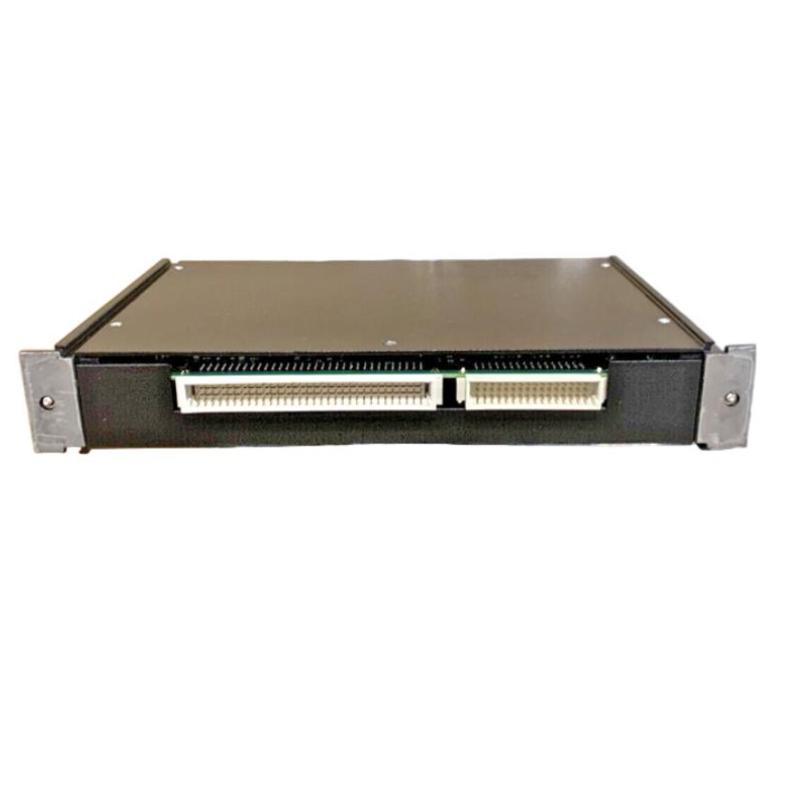
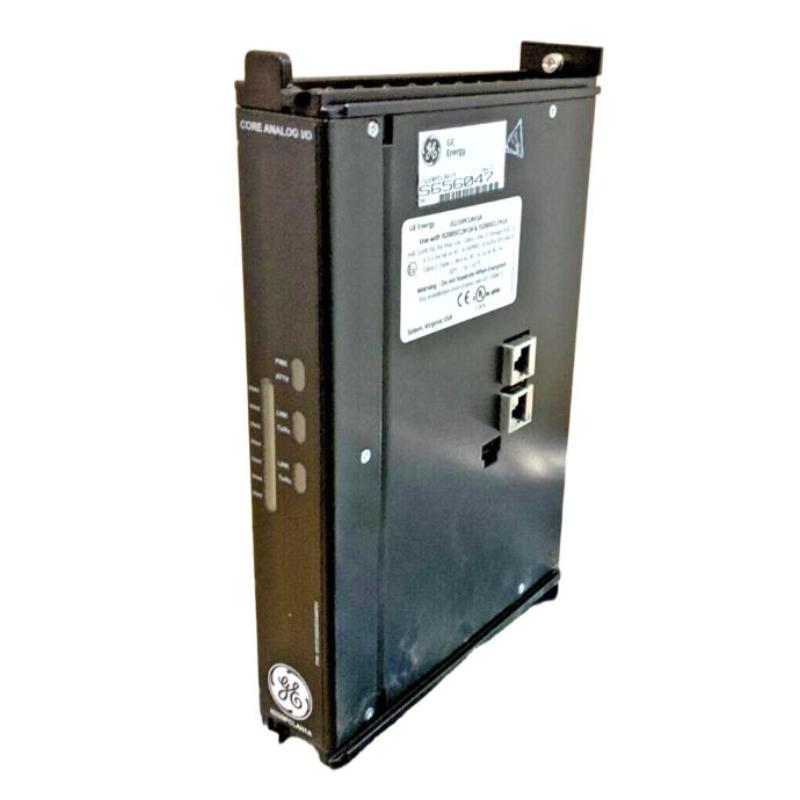
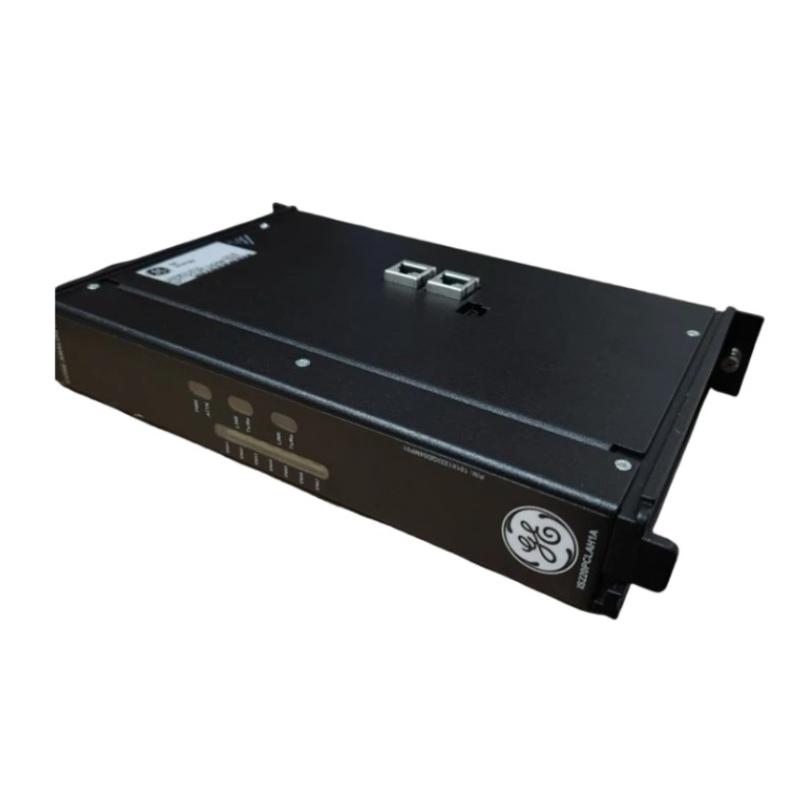
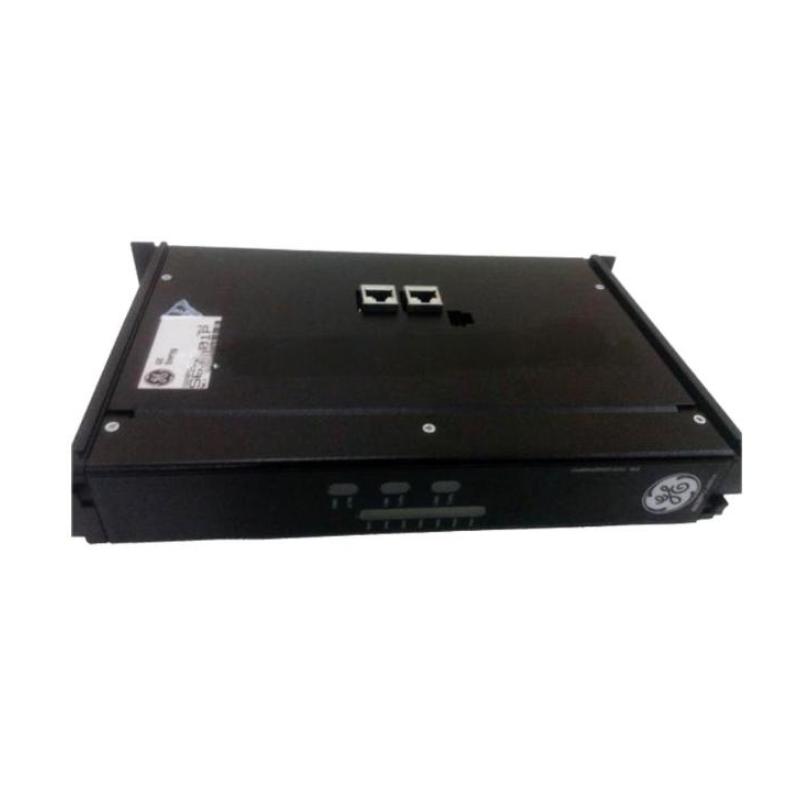
- GE
- IS220PCLAH1A
- Core Analog I/O Module
- USA
- 220 x 100 x 50 mm
- 1.2 kg
- Xiamen, China
- New & In Stock
- T/T, PayPal, Western Union
- 1 Year
- 1-3 Working Days
- DHL, UPS, TNT, FedEx and EMS.
- 24-Hour Service
- COO
- 3
Our advantage

Global Logistics
We have a 10-year logistics and express cooperation agreement, so our products can be shipped to any place in the world.

Brand new and original
Our products are imported in bulk from the place of origin. Because of the cooperative relationship, our products are all original and 100% new.

24-hour service
We provide 7*24 hours service to our customers. We will be there whenever you need us.

Price advantage
All our products are priced very favorably because we have our own warehouse and supply.
| Company Information | |||
| [email protected] | |||
| Mobile | +8615980777398 | ||
| +8615980777398 | |||
| 15980777398 |
Product Overview
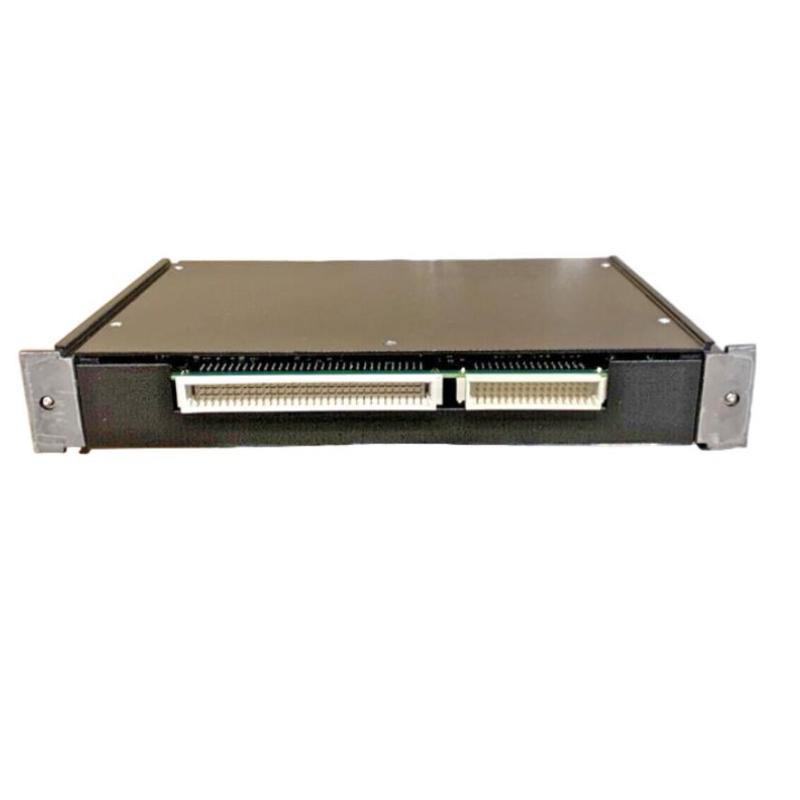
The GE IS220PCLAH1A Core Analog I/O Module is an industrial automation interface component designed to provide analog signal connectivity within a compatible GE control system. As part of the GE IS220 product family, the module can serve as an interface between field instrumentation and the control architecture, allowing analog process information and control signals to participate in industrial automation functions.
Industrial processes rely heavily on analog information. Temperature, pressure, flow, level, position, speed, and other physical variables can change continuously during normal operation. Similarly, many field devices require variable control commands rather than simple ON/OFF signals. An analog I/O module provides the interface between these continuously variable field signals and the controller.
The GE IS220PCLAH1A is identified as a Core Analog I/O Module with listed dimensions of 220 × 100 × 50 mm and a weight of approximately 1.2 kg. These physical characteristics are important when planning cabinet installation, equipment handling, replacement procedures, and maintenance access.
The module should be considered as part of a larger industrial automation architecture rather than as a standalone controller. In a typical system, field instrumentation provides process information, the analog I/O layer transfers signals, and the control processor executes application logic and determines the required process response.
A simplified architecture can be represented as:
Process → Field Instrumentation → IS220PCLAH1A → Control System → Field Equipment
The exact electrical characteristics and system functions depend on the applicable hardware revision and control-system configuration. Specific channel counts, signal ranges, terminal assignments, isolation characteristics, electrical ratings, and other detailed parameters should therefore be verified before installation.
Technical Specifications
| Parameter | Specification |
|---|---|
| Manufacturer | General Electric (GE) |
| Model | IS220PCLAH1A |
| Product Type | Core Analog I/O Module |
| Product Family | GE IS220 Series |
| Primary Function | Analog signal interface |
| Signal Direction | Field-to-control and control-to-field |
| Application | Industrial automation and process control |
| Interface Role | Analog field instrumentation interface |
| Dimensions | 220 × 100 × 50 mm |
| Weight | 1.2 kg |
| Installation | Compatible GE industrial control equipment |
| Typical Applications | Process monitoring, instrumentation, regulation, industrial automation |
Specification note: Exact analog input/output channel configuration, signal types, electrical ranges, isolation, load requirements, terminal assignments, excitation, accuracy, diagnostics, and communication characteristics should be confirmed against the actual IS220PCLAH1A hardware revision and host-system configuration.
What Is the GE IS220PCLAH1A?
The IS220PCLAH1A is a Core Analog I/O Module intended to provide analog interfacing within a compatible GE industrial control system.
The word “analog” is important because industrial processes frequently generate continuously variable information. A pressure transmitter, for example, can provide a measurement that changes gradually as system pressure changes. A control device may similarly require a variable command based on the controller’s calculation.
The analog I/O layer provides the connection between these field-level electrical signals and the control architecture.
A typical control relationship can be represented as:
Sensor → Analog Input → Controller → Analog Output → Actuator
The IS220PCLAH1A can participate in this type of architecture where its configured I/O functions are required.
The controller remains responsible for executing the application program and control strategy. The I/O module provides the interface that allows information to move between the controller and physical equipment.
Core Analog I/O Function
Analog Input
Analog input functions allow the control system to receive continuously variable process measurements from compatible field devices.
Potential process variables include:
- Temperature
- Pressure
- Flow
- Level
- Position
- Speed
- Equipment feedback
- Process concentration
- Valve position
- Other instrumentation measurements
The exact signal types and electrical ranges must be confirmed for the installed configuration.
Analog Output
Analog output functions allow a controller to provide variable commands toward compatible field equipment.
Typical applications may include:
- Control valve commands
- Actuator positioning
- Process regulation
- Speed references
- Dosing control
- Instrumentation
- Equipment control
The receiving field device must be compatible with the configured analog output characteristics.
Role in Industrial Control Systems
The IS220PCLAH1A can operate as an interface layer within a larger industrial automation system.
A typical architecture may contain:
Field Devices → Analog I/O → Control Processor → HMI / SCADA
Field Devices
Sensors and transmitters measure physical process conditions. Actuators and other equipment receive control commands.
Analog I/O Layer
The Core Analog I/O Module provides the interface between field signals and the control system.
Control Processor
The controller interprets measurements and executes control logic, sequencing, alarm functions, and process strategies.
HMI and SCADA
Operator and supervisory systems display process values, equipment status, alarms, trends, and other information.
This architecture allows continuous process information to be incorporated into automated decision-making and control.
Analog Signal Acquisition
Reliable analog measurements depend on the entire signal path.
A typical input path can be represented as:
Process → Sensor → Transmitter → Field Wiring → IS220PCLAH1A → Controller
Potential sources of measurement errors include:
- Sensor condition
- Transmitter configuration
- Cable damage
- Loose terminals
- Grounding problems
- Electromagnetic interference
- Incorrect scaling
- Software configuration
- Process fluctuations
For this reason, technicians should inspect the complete signal chain before replacing the I/O module.
Analog Output and Process Regulation
The output side of an analog I/O architecture allows a control system to communicate continuously variable commands.
A simplified output path is:
Controller → IS220PCLAH1A → Field Wiring → Receiving Device → Process Equipment
For example, a controller may calculate that a process valve needs to change position. The analog output interface provides the electrical path for that command toward the compatible receiving device.
Similar principles can be applied to:
- Valve control
- Actuator positioning
- Process dosing
- Equipment regulation
- Variable references
- Instrument control
The exact implementation depends on the installed hardware and application.
Closed-Loop Control
Analog I/O is particularly important in closed-loop control systems.
A simplified feedback structure is:
Process → Sensor → Analog Input → Controller → Analog Output → Field Device → Process
The controller continuously compares the actual process condition with a desired operating target.
For example:
- A sensor measures a process variable.
- The analog input path transfers the measurement into the control system.
- The controller compares the measurement with the setpoint.
- The control algorithm determines the required output.
- The analog output path communicates the command.
- The field device changes the process condition.
- The sensor detects the resulting change.
- The control cycle repeats.
This process allows continuous regulation rather than simple discrete switching.
Industrial Applications
Power Generation
Industrial power-generation systems use large numbers of sensors, transmitters, actuators, and control devices.
Analog I/O can support applications involving:
- Pressure monitoring
- Temperature monitoring
- Flow measurement
- Equipment feedback
- Control-device commands
- Process regulation
Chemical and Process Industries
Process plants depend heavily on continuous measurement and control.
Potential applications include:
- Flow control
- Pressure control
- Temperature regulation
- Level control
- Process monitoring
- Equipment feedback
Water Treatment
Water and wastewater systems often require continuous monitoring of pumps, tanks, flow systems, and other process equipment.
Analog I/O provides an interface for incorporating these measurements and control commands into the automation system.
Manufacturing
Manufacturing equipment may use analog instrumentation for temperature, pressure, position, speed, and other continuously variable conditions.
The module can therefore form part of a compatible machine-control architecture.
Industrial Utilities
Utility equipment such as pumps, compressors, cooling systems, and other process-support equipment can use analog measurements and variable control commands.
Physical Dimensions and Mechanical Planning
The listed dimensions of the GE IS220PCLAH1A are:
220 × 100 × 50 mm
The listed weight is:
1.2 kg
These specifications should be considered when designing or modifying an industrial control cabinet.
Mechanical planning should account for:
- Module dimensions
- Connector clearance
- Cable access
- Cable bending radius
- Adjacent equipment
- Maintenance access
- Ventilation
- Replacement clearance
The 1.2 kg weight should also be considered when handling and installing the module.
The actual installation footprint may need to be larger than the module body itself because connectors and field wiring require additional working space.
Installation Guidelines
Verify the Product
Before installation, confirm the complete model designation:
GE IS220PCLAH1A
The module should be matched with the correct control-system architecture and installation location.
Inspect the Module
Before installation, inspect the module for:
- Physical damage
- Cracked housing
- Connector damage
- Bent contacts
- Contamination
- Moisture
- Signs of overheating
Any abnormal condition should be investigated before commissioning.
Confirm Compatibility
Verify that the module is intended for the specific GE control-system configuration.
Physical similarity between different modules does not guarantee electrical compatibility.
Check Field Wiring
Field wiring should be compared with approved electrical documentation before connection.
Incorrect wiring can result in incorrect measurements, unexpected output behavior, or damage to connected equipment.
Verify Grounding
Grounding and shielding should be implemented according to the actual control-system design.
Proper grounding is particularly important when dealing with low-level or sensitive analog signals.
Wiring and Signal Integrity
Analog signals can be affected by electromagnetic interference.
Potential interference sources include:
- Motors
- Variable-frequency drives
- Contactors
- High-current cables
- Switching equipment
- Power supplies
- Relay circuits
Good wiring practices include:
- Separating analog signal cables from high-power conductors where practical
- Maintaining secure terminal connections
- Using appropriate shielding
- Following the system grounding strategy
- Avoiding unnecessary cable loops
- Protecting cables from mechanical damage
Signal integrity should be considered during both cabinet wiring and field installation.
Commissioning Procedure
A structured commissioning procedure can help verify both the hardware and the application configuration.
Step 1: Hardware Verification
Confirm the IS220PCLAH1A model and inspect its physical condition.
Step 2: Mechanical Verification
Confirm installation position, clearances, connector access, and cable routing.
Step 3: Wiring Verification
Check field wiring and terminals against the applicable electrical documentation.
Step 4: Controller Configuration
Verify that the control system configuration matches the installed module.
Step 5: Input Verification
Where applicable, compare measured process values with known or expected conditions.
Step 6: Output Verification
Perform controlled output tests where permitted and verify the response of connected equipment.
Step 7: Scaling Verification
Confirm that electrical signals are correctly converted into the intended engineering values.
Step 8: Alarm and Interlock Testing
Verify applicable alarms, permissives, and interlocks before normal operation.
Step 9: Documentation
Record the hardware identification, configuration, wiring checks, and commissioning results.
Troubleshooting the GE IS220PCLAH1A
Troubleshooting should be performed systematically from the field device toward the controller.
No Analog Input
If an expected input value is missing, inspect:
- Sensor
- Transmitter
- Field cable
- Terminals
- Module connections
- Module status
- Controller configuration
- System diagnostics
A missing input signal does not automatically indicate an I/O module failure.
Incorrect Input Value
Possible causes include:
- Sensor calibration problems
- Transmitter configuration
- Wiring errors
- Incorrect signal scaling
- Grounding issues
- Electrical interference
- Process fluctuations
- Hardware problems
An independent measurement can be useful when verifying the signal path.
Unstable Input Signal
An unstable value may result from:
- Electrical interference
- Loose wiring
- Cable damage
- Poor shielding
- Grounding problems
- Sensor instability
- Process fluctuations
- Configuration errors
The field installation should be inspected before replacing the module.
No Analog Output
If a field device does not receive an expected analog command, inspect:
- Control logic
- Controller status
- I/O configuration
- Module status
- Connectors
- Field wiring
- Receiving-device input
- Field equipment
This helps distinguish software, hardware, wiring, and field-device problems.
Incorrect Output Response
If an analog output exists but the field device responds incorrectly, check:
- Output scaling
- Control logic
- Field wiring
- Receiving-device configuration
- Equipment power
- Field-device calibration
- Mechanical condition
Preventive Maintenance
Preventive maintenance should cover both the I/O module and the connected field devices.
Inspect Connectors
Check for:
- Loose connections
- Corrosion
- Contamination
- Physical damage
- Improper seating
Inspect Field Wiring
Look for:
- Damaged insulation
- Loose terminals
- Moisture
- Excessive bending
- Mechanical wear
- Poor cable routing
Monitor Analog Trends
Long-term monitoring can reveal gradual changes in sensor behavior, process conditions, or equipment response.
Trend analysis can help identify developing issues before they become complete failures.
Maintain the Cabinet
The installation environment should be kept within the conditions appropriate for the equipment.
Excessive dust, moisture, heat, and vibration can affect electronic reliability.
Signal Scaling and Engineering Units
Correct signal scaling is essential for accurate process monitoring and control.
An analog input can represent an engineering value such as:
- Temperature
- Pressure
- Flow
- Level
- Speed
- Position
- Percentage
The control system interprets the electrical signal according to configured scaling parameters.
Similarly, an analog output command can be converted into an electrical value appropriate for the connected field device.
Incorrect scaling can produce a technically functioning I/O system with an incorrect displayed or controlled process value.
For this reason, commissioning should verify both the electrical signal and its engineering-unit interpretation.
HMI and SCADA Integration
Analog process information is often presented to operators through HMI or SCADA systems.
A typical information path is:
Field Device → IS220PCLAH1A → Controller → HMI / SCADA
The supervisory system may display:
- Process measurements
- Equipment status
- Alarm conditions
- Trends
- Setpoints
- Output commands
- Diagnostic information
This allows operators to monitor the process while the control system performs automatic regulation.
The exact HMI and SCADA configuration depends on the installed GE control platform.
Replacement Considerations
When replacing a GE IS220PCLAH1A, the complete product identification should be verified.
Important information includes:
- Full model number
- Hardware revision
- Installation position
- Connector arrangement
- Field wiring
- Controller configuration
- Associated equipment
- Application software settings
Before removing the existing module, technicians should document the wiring and configuration wherever practical.
A different IS220 module should not be considered a direct replacement simply because its physical appearance is similar.
Electrical function, system compatibility, connector configuration, and application requirements must all be checked.
System-Level Diagnostic Approach
A layered troubleshooting method can improve maintenance efficiency.
| Diagnostic Layer | Items to Check |
|---|---|
| Process | Actual operating condition |
| Field Instrument | Sensor and transmitter |
| Wiring | Cables, terminals, shielding and grounding |
| IS220PCLAH1A | Module condition and status |
| Controller | Configuration, logic and diagnostics |
| HMI / SCADA | Scaling, display and alarms |
| Field Equipment | Actuator or receiving-device response |
This approach helps prevent unnecessary replacement of functioning hardware.
Cabinet Layout Considerations
The 220 × 100 × 50 mm physical dimensions should be included in cabinet planning.
Additional installation space may be required for:
- Connectors
- Field wiring
- Cable routing
- Cable bending
- Adjacent equipment
- Maintenance access
- Module removal
The 1.2 kg weight should also be considered during installation and handling.
For systems containing multiple I/O modules, the complete cabinet layout should be evaluated to maintain adequate accessibility and organized wiring.
Key Advantages
Dedicated Analog I/O Interface
The IS220PCLAH1A provides an interface for continuously variable field signals and compatible control commands.
Industrial Control Integration
The module can form part of a larger GE automation architecture connecting field instrumentation, control processors, operator interfaces, and process equipment.
Supports Continuous Monitoring
Analog signals allow industrial systems to monitor changing process conditions rather than relying only on discrete states.
Supports Variable Control
Where configured for appropriate output functions, analog signals can provide variable commands to compatible field devices.
Compact Mechanical Envelope
The listed 220 × 100 × 50 mm dimensions provide a defined physical reference for cabinet and replacement planning.
Practical Handling Characteristics
The listed 1.2 kg weight provides a useful reference for transportation, storage, and installation planning.
Technical FAQs
What is the GE IS220PCLAH1A?
The GE IS220PCLAH1A is a Core Analog I/O Module designed to provide analog signal interface functionality within a compatible GE industrial control architecture.
What is the purpose of a Core Analog I/O Module?
It provides an interface between continuously variable field signals and the control system, allowing analog measurements and compatible control commands to participate in automation functions.
What are the dimensions of the IS220PCLAH1A?
The listed dimensions are 220 × 100 × 50 mm.
How much does the IS220PCLAH1A weigh?
The listed weight is approximately 1.2 kg.
What applications can use the IS220PCLAH1A?
Analog I/O technology can be used in power generation, process manufacturing, water treatment, industrial utilities, machine automation, instrumentation, and other industrial applications.
Is the IS220PCLAH1A a standalone PLC?
No. It is a Core Analog I/O Module intended to operate as part of a compatible industrial control architecture.
What can cause an analog input to become unstable?
Possible causes include electrical interference, loose connections, damaged cables, poor grounding, sensor problems, process fluctuations, or configuration issues.
Why might an analog output device not respond?
Possible causes include controller logic problems, incorrect configuration, wiring faults, receiving-device settings, power issues, or a problem with the field equipment.
Can another IS220 module replace the IS220PCLAH1A?
A different IS220 module should not automatically be considered interchangeable. The complete model number, hardware revision, electrical function, connector arrangement, and system requirements should be verified.
Should exact channel specifications be assumed?
No. Exact channel count, signal ranges, electrical ratings, isolation, terminal assignments, load requirements, and other detailed specifications should be confirmed against the actual hardware and system configuration.
Conclusion
The GE IS220PCLAH1A Core Analog I/O Module is an industrial automation interface component designed to connect analog field instrumentation and compatible control equipment with a GE control architecture. Its role is to support the transfer of continuously variable process information and control signals within a larger industrial automation system.
The module has listed dimensions of 220 × 100 × 50 mm and a weight of 1.2 kg. These physical specifications are useful for cabinet layout, replacement planning, transportation, handling, and maintenance activities.
Analog I/O is an important part of modern industrial automation because many process variables require continuous measurement and many field devices require proportional control. A properly integrated analog I/O module can contribute to process monitoring, closed-loop control, equipment regulation, alarms, diagnostics, HMI visualization, and supervisory functions.
For installation and replacement, the complete GE IS220PCLAH1A model designation should be verified together with the applicable hardware revision and host-system configuration. Field wiring, grounding, shielding, signal scaling, controller configuration, and connected equipment should also be checked before commissioning.
Exact electrical characteristics should not be assumed solely from the product designation. Channel configuration, signal ranges, terminal assignments, isolation, load requirements, and other detailed parameters should be confirmed for the actual installation.
When correctly integrated into a compatible GE industrial control system, the IS220PCLAH1A provides a practical analog interface between real-world process conditions and the control functions required for reliable industrial automation.