

ProductPRODUCT
Featured products

Contact Us
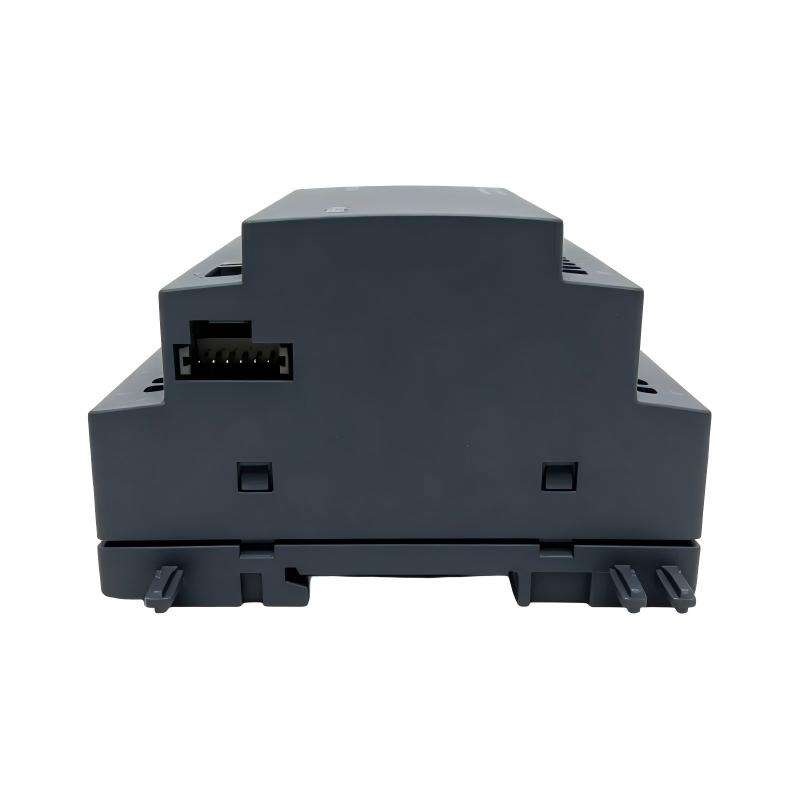
- Siemens
- 6AG1055-1NB10-7BA2
- Expansion Module
- Germany
- 71.5 x 90 x 58 mm
- 0.3 kg
- Xiamen, China
- New & In Stock
- T/T, PayPal, Western Union
- 1 Year
- 1-3 Working Days
- DHL, UPS, TNT, FedEx and EMS.
- 24-Hour Service
- COO
- 4
Our advantage

Global Logistics
We have a 10-year logistics and express cooperation agreement, so our products can be shipped to any place in the world.

Brand new and original
Our products are imported in bulk from the place of origin. Because of the cooperative relationship, our products are all original and 100% new.

24-hour service
We provide 7*24 hours service to our customers. We will be there whenever you need us.

Price advantage
All our products are priced very favorably because we have our own warehouse and supply.
| Company Information | |||
| [email protected] | |||
| Mobile | +8615980777398 | ||
| +8615980777398 | |||
| 15980777398 |
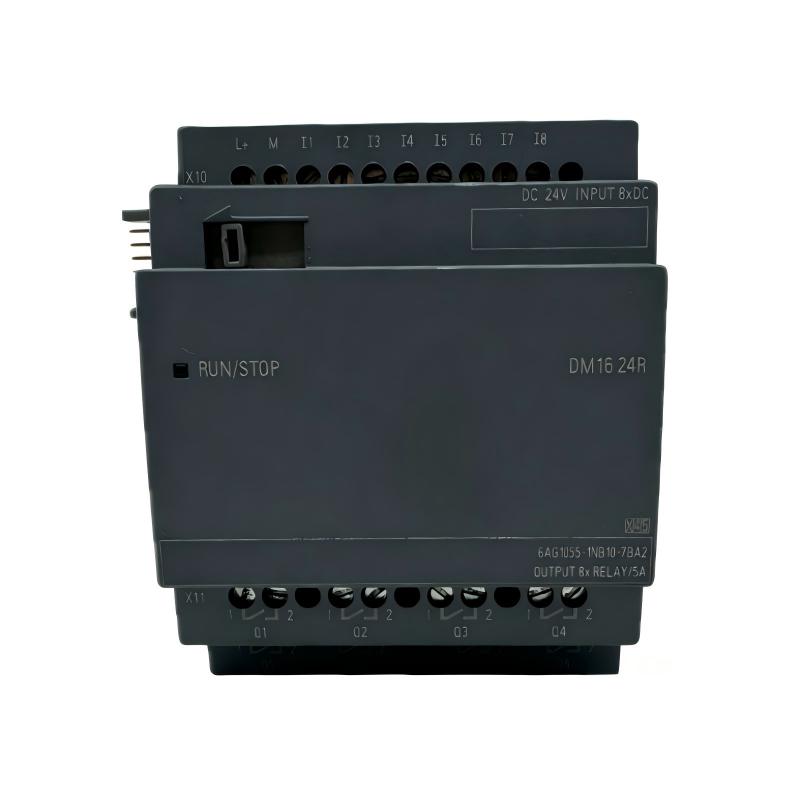
Product Overview
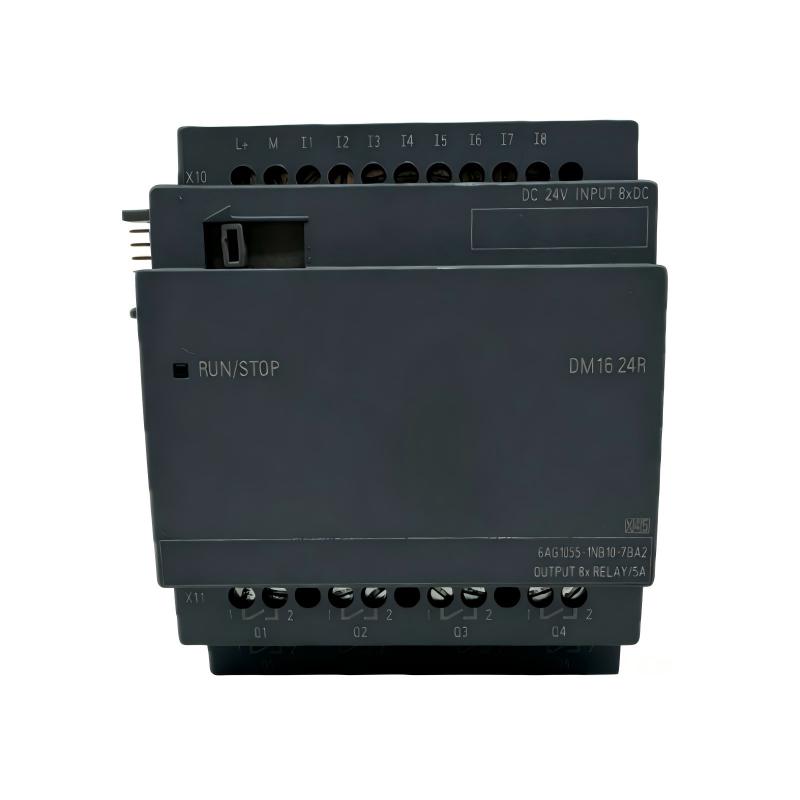
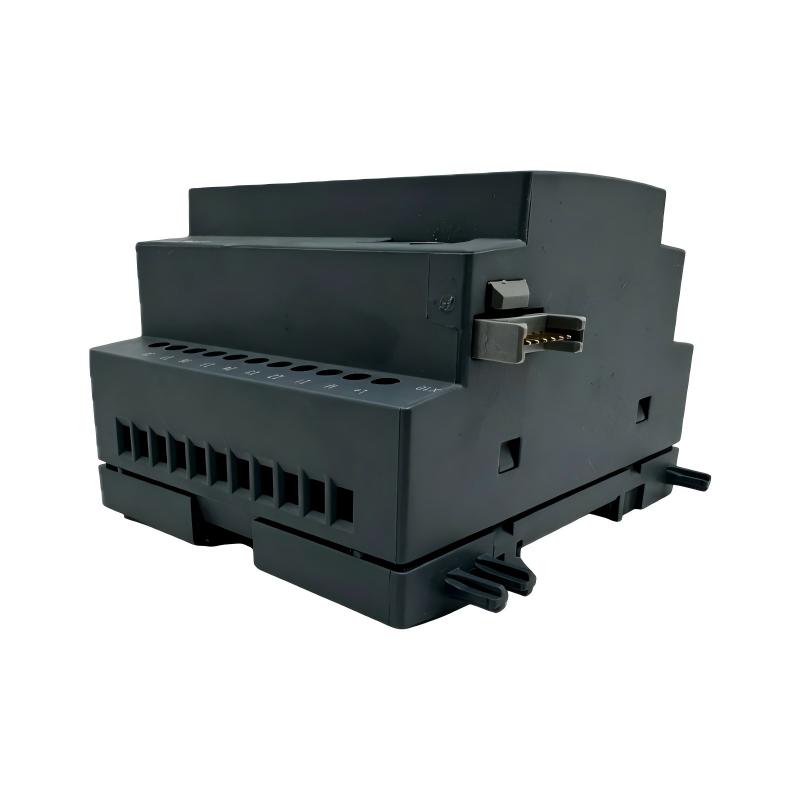
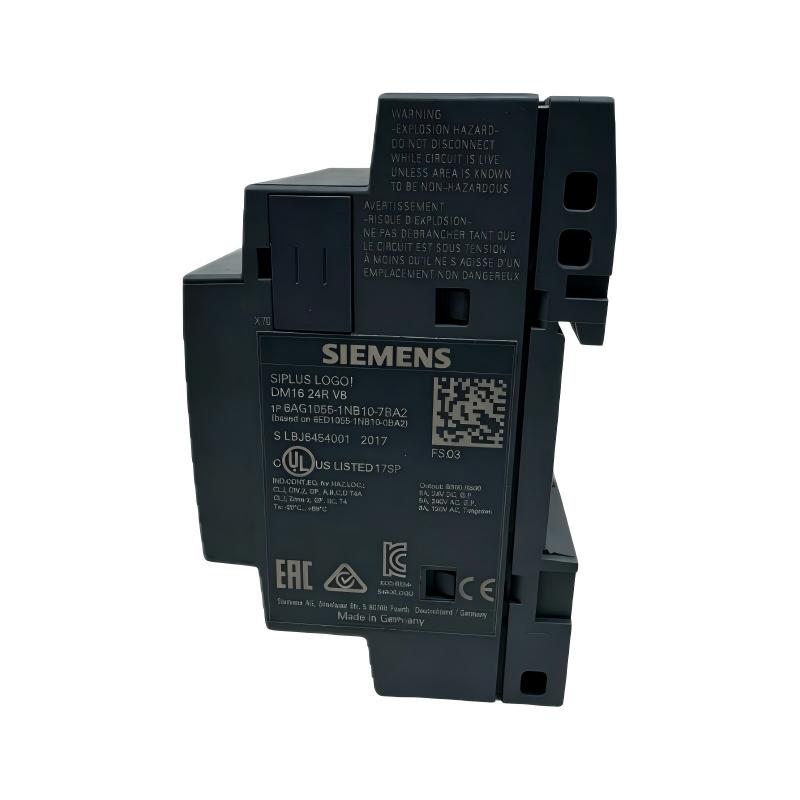
The Siemens 6AG1055-1NB10-7BA2 Expansion Module is a compact industrial automation component designed to extend the functionality of a compatible Siemens control system. As an expansion module, it can be integrated into a modular automation architecture where additional system capabilities are required without replacing the primary controller.
The 6AG1055-1NB10-7BA2 is particularly suitable for industrial control installations that require a structured and expandable PLC-based architecture. Its modular design allows system builders to add the required functionality while maintaining an organized control cabinet layout.
With listed dimensions of 71.5 × 90 × 58 mm and a weight of approximately 0.3 kg, the module provides a compact form factor for control cabinets, machine automation panels, process-control equipment, and other industrial installations.
Because the exact electrical function and supported configuration can depend on the associated Siemens controller, firmware, system architecture, and hardware revision, the complete module designation should always be verified before installation or replacement.
Technical Specifications
| Parameter | Specification |
|---|---|
| Manufacturer | Siemens |
| Model | 6AG1055-1NB10-7BA2 |
| Product Type | Expansion Module |
| Product Family | Siemens Industrial Automation |
| Primary Function | PLC / automation system expansion |
| Application | Industrial Automation and Control |
| Dimensions | 71.5 × 90 × 58 mm |
| Weight | 0.3 kg |
| Installation | Modular control system / control cabinet |
| System Role | Expansion and functional extension |
| Mounting Consideration | Compatible Siemens system architecture |
| Typical Applications | Machine Automation, Process Control, Industrial Control Systems |
The dimensions and weight above are the supplied product values. Other electrical characteristics should be confirmed against the exact hardware configuration and applicable system documentation.
What Is the Siemens 6AG1055-1NB10-7BA2?
The Siemens 6AG1055-1NB10-7BA2 is an expansion module intended for use within a compatible Siemens automation environment.
In a modular PLC system, the central processing unit provides the main control logic while expansion modules extend the overall capabilities of the automation platform. Depending on the specific system architecture, expansion modules can provide additional interfaces, I/O resources, communication capabilities, or other specialized functions.
The basic architecture can be represented as:
Sensors / Field Devices → Expansion Interface → Controller → Control Logic → Actuators / Industrial Equipment
The expansion module acts as part of this larger architecture rather than functioning as an independent PLC controller.
This modular approach is useful when an automation system needs to grow over time. Instead of redesigning the complete control system, engineers can incorporate compatible expansion hardware into the existing architecture.
Expansion Module Working Principle
An expansion module normally works together with a host controller or automation platform.
The controller manages the primary control logic, while the expansion module provides additional system resources. Communication between the controller and expansion hardware allows the CPU to access the functions provided by the module.
The general operating sequence includes:
- The automation controller initializes the connected hardware.
- The expansion module establishes communication with the host system.
- The controller identifies the installed module according to the system configuration.
- Data or control information is exchanged between the controller and expansion hardware.
- The PLC program processes the available information.
- The control system responds according to the programmed application logic.
The exact communication method and supported functions depend on the host Siemens platform and system configuration.
Role in Industrial Automation
Expansion modules are important in modular automation systems because industrial applications rarely remain fixed throughout their entire service life.
A machine may initially require a relatively small control architecture. As production requirements change, additional sensors, actuators, communication interfaces, or control functions may become necessary.
An expansion module provides a way to extend the system while maintaining the original automation architecture.
The Siemens 6AG1055-1NB10-7BA2 can therefore be considered as part of a scalable industrial control solution.
Typical system-level functions can include:
- Control-system expansion
- Additional automation functionality
- Interface extension
- Modular system development
- Machine-control integration
- Process-control expansion
- Centralized automation architecture
- Industrial equipment monitoring
The exact role should always be determined from the host system and the configured application.
Industrial Applications
Machine Automation
Industrial machines often require modular control systems because different machine sections may have different control requirements.
An expansion module can be incorporated into the control architecture to support system growth and additional machine functions.
Typical applications include:
- Packaging machines
- Assembly equipment
- Material handling systems
- Production machinery
- Automated inspection systems
- Manufacturing equipment
Process Automation
Process-control installations may contain multiple measurement and control points. A modular automation architecture allows engineers to expand the control system as the process becomes more complex.
Applications may include:
- Water treatment
- Industrial utilities
- Chemical processing
- Manufacturing processes
- Energy management systems
Building and Infrastructure Automation
Industrial automation controllers can also be used in infrastructure-related applications where multiple control functions must be coordinated through a central automation system.
Expansion hardware can help accommodate changes in system architecture without requiring a complete controller replacement.
PLC System Architecture
A typical modular Siemens automation system can contain several functional layers.
| System Component | Typical Function |
|---|---|
| PLC CPU | Executes the automation program |
| Expansion Module | Extends system functionality |
| Digital I/O | Handles discrete field signals |
| Analog I/O | Handles continuous process signals |
| Communication Module | Connects industrial networks |
| Sensors | Detects process conditions |
| Actuators | Performs physical control actions |
| HMI | Provides operator interaction |
| Engineering Software | Used for configuration and programming |
The 6AG1055-1NB10-7BA2 should be evaluated as one component within this complete automation architecture.
Compatibility should be checked using the exact controller model, module family, firmware requirements, configuration software, and hardware revision.
Installation Guidelines
Proper installation is important for reliable operation of any industrial expansion module.
1. Verify the Part Number
Before installation, confirm that the module identification matches:
Siemens 6AG1055-1NB10-7BA2
Check the complete ordering designation rather than relying only on the general product description.
2. Confirm System Compatibility
The host PLC or automation platform should be checked before installing the module.
Important considerations include:
- Controller model
- Supported expansion architecture
- Hardware revision
- Firmware compatibility
- Configuration software
- Module addressing
- System power requirements
3. Install in the Correct Position
The module should be installed according to the mechanical and electrical arrangement specified for the compatible Siemens system.
Avoid forcing the module into an incompatible mounting position.
4. Check Connections
Before powering the system, inspect all relevant connections.
Check for:
- Correct connector engagement
- Secure module installation
- Proper wiring
- Correct terminal assignment
- Damaged connectors
- Loose components
5. Maintain Cabinet Conditions
The control cabinet should provide appropriate protection against:
- Excessive dust
- Moisture
- Mechanical vibration
- Excessive temperature
- Electrical interference
Good cabinet design contributes to long-term system reliability.
Commissioning Procedure
After installation, the module should be commissioned as part of the complete automation system.
Step 1: Visual Inspection
Inspect the module and surrounding equipment for physical damage, contamination, loose connections, or installation problems.
Step 2: Verify Hardware Configuration
Confirm that the installed module corresponds to the configured system hardware.
Step 3: Power the System
Apply power according to the requirements of the complete control system.
Observe system diagnostics and status information.
Step 4: Check Module Recognition
Confirm that the controller recognizes the installed expansion module correctly.
If the module is not recognized, check hardware configuration, installation position, connections, and system compatibility.
Step 5: Verify Application Operation
Run the system under controlled conditions and confirm that the expansion functionality operates as expected.
Step 6: Monitor Diagnostics
Check for diagnostic messages, configuration errors, communication problems, or abnormal system behavior.
Troubleshooting the Siemens 6AG1055-1NB10-7BA2
Troubleshooting should always consider the complete automation system rather than treating the expansion module as an isolated component.
Module Not Recognized
Possible causes include:
- Incorrect hardware configuration
- Incompatible controller
- Incorrect installation
- Connection problems
- Hardware revision mismatch
- Configuration software issues
- Module fault
Start by checking the complete model number and hardware configuration.
System Diagnostic Error
A diagnostic error may originate from the module, controller, configuration, wiring, or another connected component.
Recommended checks include:
- Review the controller diagnostic information.
- Confirm module identification.
- Check installation and connectors.
- Verify the configured hardware arrangement.
- Inspect the surrounding system for additional faults.
Intermittent Operation
Intermittent operation may be caused by:
- Loose connections
- Electrical interference
- Vibration
- Power instability
- Configuration problems
- Communication issues
- Hardware degradation
Physical inspection should be combined with diagnostic monitoring.
Communication Problems
If the expansion module is associated with a communication-dependent architecture, check the complete communication path.
Verify:
- Module installation
- Controller status
- Configuration
- Communication settings
- Associated cables
- Network or system connections
The exact diagnostic procedure depends on the Siemens automation platform in which the module is installed.
Maintenance Recommendations
Industrial automation modules generally benefit from preventive maintenance rather than waiting for a complete system failure.
Visual Inspection
Inspect the module periodically for:
- Physical damage
- Dust accumulation
- Discoloration
- Connector problems
- Signs of overheating
Cabinet Maintenance
Keep the control cabinet clean and properly ventilated.
Blocked ventilation paths can increase the thermal stress on electronic components.
Connection Inspection
Check relevant connectors and wiring during scheduled maintenance.
Loose connections can cause intermittent faults that are difficult to diagnose.
Diagnostic Monitoring
Use controller diagnostics to monitor abnormal conditions and recurring system warnings.
Maintaining a record of diagnostic events can help identify developing problems.
Physical Dimensions and Weight
The Siemens 6AG1055-1NB10-7BA2 Expansion Module has the following supplied physical information:
- Dimensions: 71.5 × 90 × 58 mm
- Weight: 0.3 kg
The compact dimensions make the module suitable for installations where control-panel space must be managed carefully.
The physical size should also be considered when planning:
- Cabinet layout
- Module spacing
- Wiring routes
- Service access
- Replacement procedures
- Transportation and storage
When replacing an existing module, physical dimensions alone should not be used to determine compatibility. The complete Siemens ordering number remains the primary identification reference.
Replacement Considerations
When replacing a Siemens 6AG1055-1NB10-7BA2, technicians should verify the complete part number before ordering or installing the replacement.
Important information includes:
- Full Siemens order number
- Hardware revision
- Existing controller
- System configuration
- Module position
- Firmware requirements
- Connector arrangement
- Application requirements
A module with a similar physical appearance may not provide the same system functionality.
For this reason, the 6AG1055-1NB10-7BA2 identification should be compared directly with the existing hardware and the configured automation system.
System Integration
The expansion module can form part of a larger automation architecture consisting of controllers, I/O modules, communication components, field devices, and operator interfaces.
A simplified architecture can be represented as:
Field Sensors → I/O / Interface Layer → Siemens Controller → Expansion Architecture → Control Logic → Actuators
An HMI or supervisory system can provide an additional operator layer:
Operator → HMI → PLC → Expansion System → Field Equipment
This architecture enables centralized control while maintaining modularity.
For larger systems, modular expansion can simplify engineering because different functional sections can be organized into clearly defined hardware groups.
Engineering Best Practices
When designing or maintaining an automation system containing the 6AG1055-1NB10-7BA2, several engineering practices are useful.
Use Exact Hardware Identification
Always record the complete Siemens ordering number.
Maintain Configuration Records
Keep accurate records of:
- Controller models
- Expansion modules
- Hardware revisions
- Software configuration
- Module positions
- Wiring arrangements
Document Replacement Procedures
Maintenance teams should have clear replacement procedures to minimize downtime.
Protect Against Environmental Stress
Control cabinets should be designed to limit excessive heat, dust, moisture, and vibration.
Verify Before Commissioning
After hardware replacement, confirm that the controller configuration matches the physical installation before returning the system to production.
Key Advantages
The Siemens 6AG1055-1NB10-7BA2 Expansion Module provides several practical benefits when used within a compatible industrial automation architecture:
- Compact 71.5 × 90 × 58 mm form factor
- Approximately 0.3 kg weight
- Modular automation-system integration
- Suitable for scalable control architectures
- Supports organized PLC system expansion
- Useful for industrial machine and process automation
- Designed for integration within a compatible Siemens environment
- Simplifies structured system development
- Suitable for control cabinet applications
Its primary value comes from its role within a compatible modular automation system rather than from operation as a standalone controller.
Technical FAQs
What is the Siemens 6AG1055-1NB10-7BA2?
The Siemens 6AG1055-1NB10-7BA2 is an Expansion Module designed for integration into a compatible Siemens industrial automation system.
What are the dimensions of the 6AG1055-1NB10-7BA2?
The supplied dimensions are 71.5 × 90 × 58 mm.
How much does the module weigh?
The supplied product weight is approximately 0.3 kg.
What is the purpose of an expansion module?
An expansion module extends the capabilities of a compatible automation system, allowing additional system functionality to be integrated without necessarily replacing the main controller.
Is the 6AG1055-1NB10-7BA2 a PLC CPU?
No. It is identified as an Expansion Module, not a standalone PLC CPU.
Where can this type of module be used?
It can be used as part of compatible Siemens industrial automation architectures, including machine control, manufacturing systems, process automation, and industrial control applications.
Can another Siemens expansion module replace it?
A different Siemens module should not be assumed to be interchangeable. The complete ordering number, host controller, system architecture, hardware revision, and configuration requirements should be verified before replacement.
What should be checked before installation?
Technicians should verify the complete part number, controller compatibility, hardware configuration, installation position, connectors, and applicable system requirements.
What can cause module recognition problems?
Possible causes include incorrect configuration, incompatible hardware, installation problems, connector issues, firmware differences, or module faults.
Conclusion
The Siemens 6AG1055-1NB10-7BA2 Expansion Module is a compact component intended to extend the capabilities of a compatible Siemens industrial automation architecture. With supplied dimensions of 71.5 × 90 × 58 mm and a weight of 0.3 kg, it can be integrated into control cabinets and modular PLC-based systems where space-efficient expansion is required.
The module can contribute to scalable machine automation, process control, manufacturing systems, and other industrial applications by forming part of a larger controller and expansion architecture.
For installation, commissioning, troubleshooting, or replacement, the complete 6AG1055-1NB10-7BA2 ordering number should always be verified. Exact electrical characteristics and system compatibility should be confirmed against the specific Siemens hardware configuration and applicable engineering documentation. Correct identification, proper installation, accurate configuration, and appropriate commissioning are essential for reliable long-term operation.